

Portable Speaker Battery Care: Charging, Storage and Heat
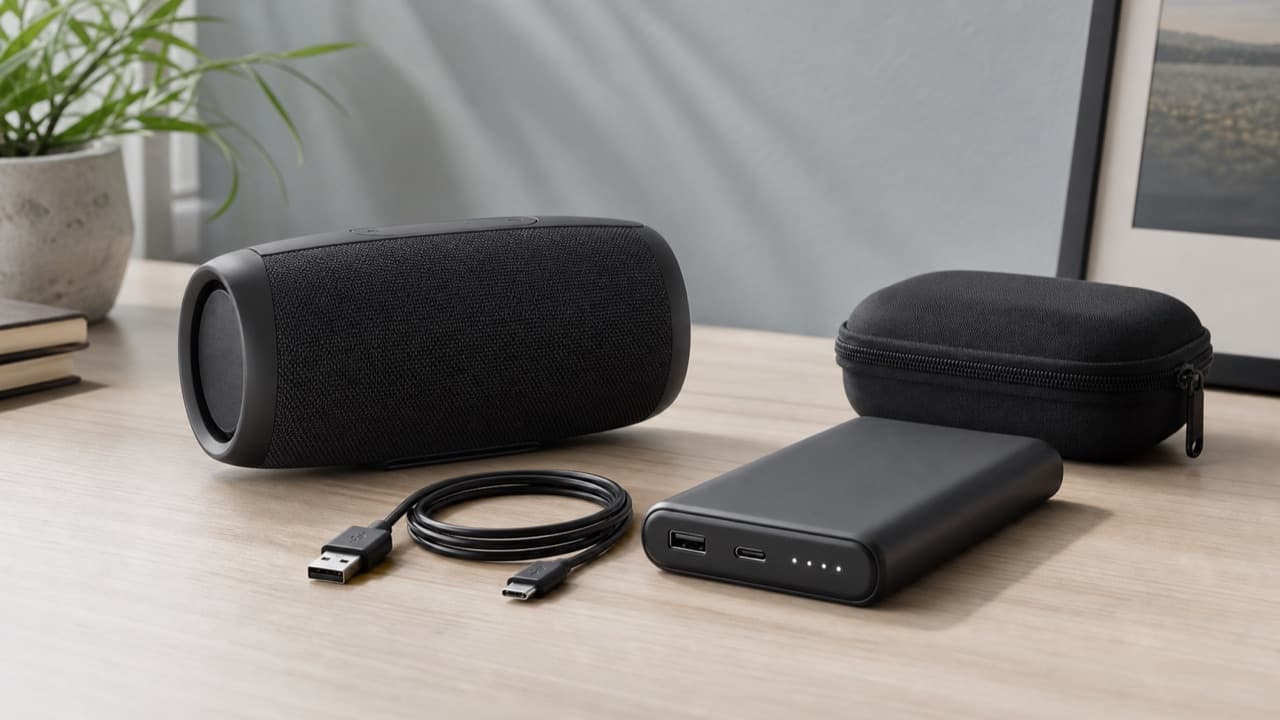
Good portable speaker battery care comes down to three habits: keep the speaker out of heat, avoid parking it at completely empty or completely full for long periods, and charge it with a sound cable and a dry port. Do that and the lithium-ion cell inside typically keeps useful capacity for years instead of months. This guide is for anyone who owns a Bluetooth speaker for the patio, beach, camping or travel and wants to know how to charge, store and carry it, and how to tell a tired battery from a faulty one.
Key takeaways
- Heat does more lasting damage than any charging habit. A hot car, a sunny windowsill or a beach towel in full sun is harder on the battery than daily top-ups.
- For storage beyond a few weeks, leave the speaker at roughly half charge, in a cool, dry place, and top it up every couple of months or as the manual advises.
- Loud volume, bass boost, light shows and power-bank mode shorten runtime on a single charge. That is a runtime issue, not battery damage.
- Use the supplied cable or a known-good one with a standard charger that meets the voltage the manual specifies. The speaker draws only what it needs.
- Never charge a wet speaker or a damp port, and stop using any speaker with a swollen case or unusual heat or smell.
- Built-in speaker batteries are rarely user-replaceable, so check warranty terms when you buy.
Runtime and battery health are different problems
People often say the battery is dying when the real issue is how the speaker is being used. It helps to separate the two.
What shortens runtime on a single charge
Advertised playtime is usually measured at moderate volume, often around half, with default settings. Real use drifts well away from that.
- Volume. Power draw rises faster than volume does, so listening near the top can cut runtime to a fraction of the rated figure. Our Bluetooth speaker wattage explainer shows why a bigger watt number does not mean longer playtime.
- Bass boost and EQ. Driving the woofer and passive radiators hard uses more energy than flat settings.
- Lights. RGB rings and party lighting can draw noticeable power on their own.
- Power-bank mode. Charging a phone from the speaker drains its battery quickly.
- Linked speakers and weak signal. Stereo pairing, party mode and long distance from the phone keep the radio working harder.
- Cold. Lithium-ion cells deliver less in low temperatures, so runtime can drop on a winter day and recover when the speaker warms up.
What shortens the life of the battery itself
Capacity fades with age, charge cycles, heat and time spent at very high or very low charge. Consumer lithium-ion cells are commonly rated to keep around 80 percent of their capacity after several hundred full charge cycles, though makers differ and the figure is not a promise. Partial top-ups count as fractions of a cycle, so a speaker used on weekends can outlast one that is drained and recharged daily. The practical signs of age are a speaker that gives noticeably less time than it did when new, that shuts off suddenly at a stated 20 to 40 percent, or that needs to stay plugged in to be loud. If those appear in the first year, check your warranty; our product warranty registration guide explains what to keep.
How to charge a portable speaker the right way
- Use the right cable. The supplied cable is designed for the speaker. A cheap, frayed or loose-fitting cable can overheat or charge slowly. Many cables carry power only; for charging that is fine.
- Match the charger to the manual. Most speakers charge from a standard 5 V USB supply. A higher-wattage USB-C charger is usually fine when the speaker negotiates only what it needs, but unknown or uncertified chargers are a risk to any device. Our fast charging explainer covers how USB-C Power Delivery negotiates safely.
- Charge at room temperature. Many makers specify charging between roughly 32 and 113 degrees F (0 to 45 degrees C). Let a speaker that has been in a hot car or a freezing garage return to room temperature first.
- Playing while charging is allowed but warms it. That is fine at a party. For a long evening of loud music, place the speaker where air can reach it and out of the sun.
- Check the port. Lint, sand or moisture in the socket causes intermittent charging that looks like battery failure. Brush out debris with the speaker off, using a wooden toothpick rather than metal.
- No need to drain it first. Modern lithium-ion cells do not need a full drain or a long first charge. Partial top-ups are gentle.
Is it bad to leave a speaker plugged in? Speakers generally stop charging at full, so a night on the cable is unlikely to hurt. Keeping it plugged in and warm at 100 percent for months, such as a patio speaker on a charger all summer, does accelerate wear. If the speaker lives plugged in, consider using it on a switched outlet or at a lower charge if the app offers a battery-saver or charge-limit option.
If the speaker is wet, dry it before connecting power. Our waterproof Bluetooth speaker care guide walks through the rinse and dry steps.
Heat, cold and sun: where speakers get hurt
| Situation | Why it hurts the battery | What to do instead |
|---|---|---|
| Left in a parked car | Cabins can get far hotter than the air outside, which speeds permanent capacity loss and can warp seals | Take it with you or leave it in the shade of the trunk for short stops only |
| Direct sun at the beach or pool | Dark plastic absorbs heat and warms the cell, especially while playing | Keep it under a towel, umbrella or in a bag between songs |
| Charging on a windowsill or radiator | Charging adds heat to heat | Charge on a hard, cool surface away from sunlight |
| Winter camping or ski trips | Cold cuts available power and can trigger sudden shutdowns | Keep it inside a coat or sleeping bag until you need it |
| Garage or shed storage | Large temperature swings and humidity | Store it indoors at room temperature |
How to store a speaker for weeks or months
Lithium-ion cells prefer a middle charge when idle. For storage longer than a few weeks:
- Charge or discharge the speaker to roughly half full. Many makers suggest a range around 40 to 60 percent.
- Power it off completely and, if it has a power switch, use it rather than relying on standby.
- Store it in a cool, dry place such as a closet or desk drawer, away from heat sources.
- Top it up every two to three months, or at the interval in the manual. Self-discharge continues slowly, and a cell left fully empty for a long time can fall to a level where the speaker will not recharge.
- Charge it before your first outing and check the port is dry and clean.
Patio and camping speakers that spend winter in a shed are better off coming indoors for the cold months. For routine wipe-downs and storage between trips, see our guide on how to clean headphones and portable speakers.
Warning signs and what to do
- A bulging case, a gap opening along a seam, or a speaker that rocks on a flat surface can mean the cell is swelling.
- Unusual heat while idle or on a normal charger, a chemical smell, hissing or smoke are reasons to stop immediately.
- Rapid drops from 100 to under 50 percent, or a speaker that will not charge at all, usually point to cell aging or a charging fault rather than danger.
If you see physical swelling or heat, unplug the speaker, move it to a hard, non-flammable surface away from anything that burns, and stop using it. Do not squeeze, puncture or try to open it. Take it to a battery recycling drop-off or your local household hazardous waste program instead of the trash, and contact the seller or manufacturer about a replacement while it is under warranty.
Flying with a speaker battery
Airlines regulate lithium batteries by watt-hours (Wh), not by milliamp-hours. Multiply the cell voltage by the capacity in amp-hours. A typical 3.7 V, 5,000 mAh cell is about 18.5 Wh, and a large 10,000 mAh pack at 3.7 V is about 37 Wh, both comfortably under the 100 Wh line that most airlines allow without approval. Devices with installed batteries can usually travel in either bag, but carry-on is safer for the speaker and means crew can respond to a fault. Spare batteries must be in the cabin. Our guide to flying with drone batteries explains how to calculate Wh and protect terminals. Check your airline’s own rules before travel.
Mistakes to avoid
- Leaving the speaker in a hot car. It is the most common cause of premature battery loss.
- Storing it dead for months. A deeply discharged cell may not take a charge again.
- Using an unmarked charger or damaged cable. Cheap accessories add risk and rarely save money.
- Charging a damp speaker. Moisture on charging contacts can corrode pins or short the port.
- Blaming the battery for a loud, bass-heavy playlist. Check volume, EQ and lights before concluding it has failed.
- Ignoring a swollen case. A speaker that is bulging should be retired, not taped shut.
Which battery habits fit your listening
- Pick short, frequent top-ups if you carry the speaker daily; they are gentler than draining it to zero.
- Pick half-charge storage if the speaker is a weekend or seasonal one.
- Pick shade and ventilation if you play loudly for long sessions outdoors.
- Pick a speaker with a clear warranty if the battery matters to you, because the cell is part of the product and usually not user-replaceable.
If you are comparing speakers, look at the listed battery capacity and the voltage so you can convert to Wh, check the charging port type, and compare the stated playtime conditions. On ADLTHUB, portable options such as the Tribit StormBox Mini and the Ortizan 24W Waterproof Portable Speaker each have their own battery and charging details, so check the product page for specifications, delivery and returns. Our portable Bluetooth speaker buying guide helps you pick the right size, and you can browse electronics and accessories for more.
Frequently asked questions
How long does a Bluetooth speaker battery last?
Per charge, runtime depends on volume and features, with makers commonly quoting somewhere between a few hours and a few dozen hours at moderate volume. Over the years, the cell typically loses capacity gradually, and heat and deep discharges speed that up.
Is it bad to leave a Bluetooth speaker plugged in all the time?
Most speakers stop charging when full, so it is not an immediate problem. Staying at 100 percent in a warm spot for months does wear the battery faster, so unplug it when you can, especially in summer.
Can I use any USB charger for my speaker?
A standard, well-made USB charger that meets the voltage in the manual is usually fine, and the speaker takes only the current it needs. Avoid unmarked chargers and damaged cables, and use the supplied cable when possible.
What charge level is best for storing a speaker?
Around 40 to 60 percent is a common recommendation for lithium-ion storage. Power it off, keep it cool and dry, and top it up every few months so it does not drain to empty.
Why does my speaker battery drain so fast in the cold?
Low temperatures reduce how much power a lithium-ion cell can deliver, so the speaker may shut off early. Warm it up gradually to room temperature, and the runtime usually recovers unless the cell is aged.
Shop Tech & Gadgets
View all →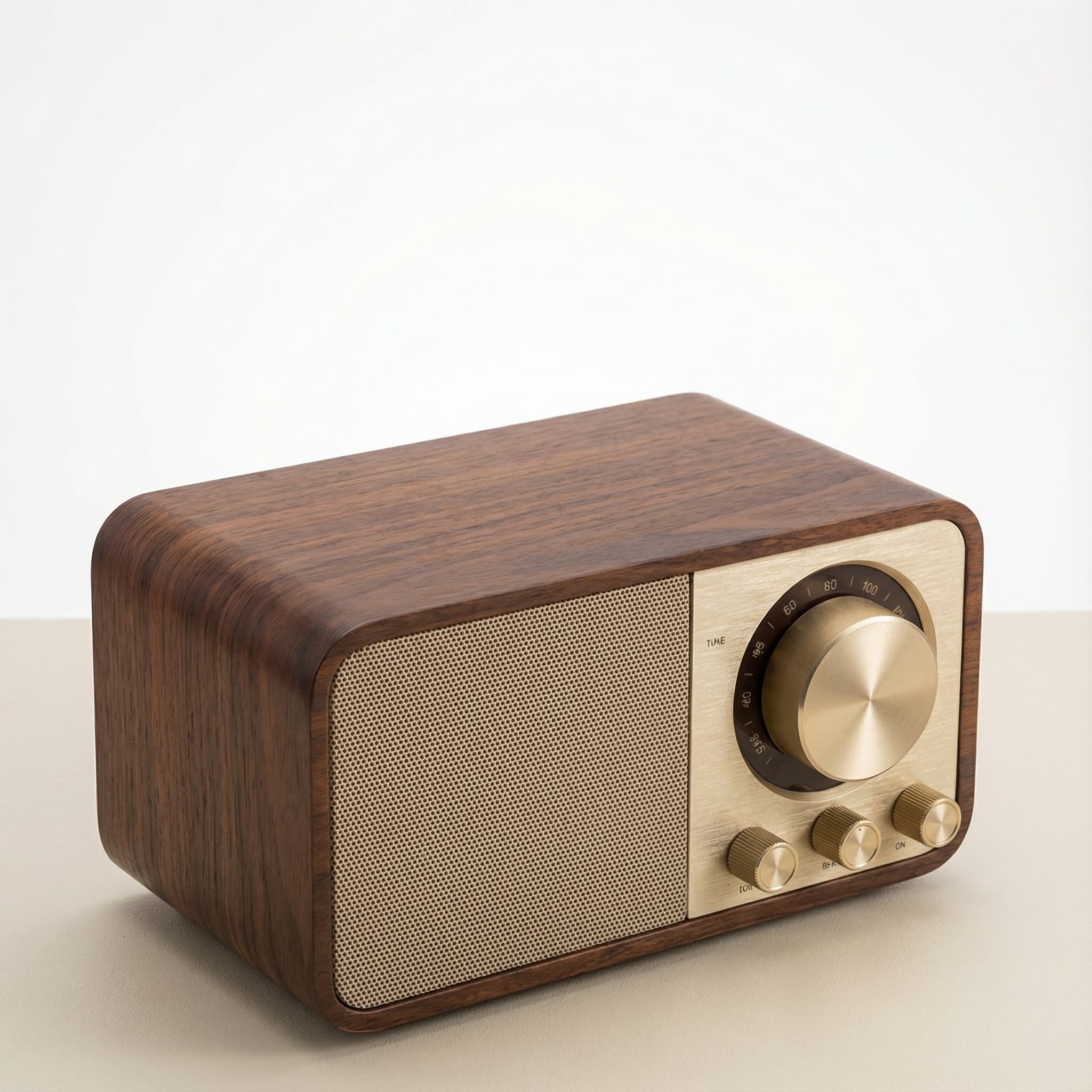 Sale
Retro Wood-Cabinet Bluetooth Speaker with FM Radio
In stock · Ships in 7–21 business days

Ortizan X10 Portable Bluetooth Speaker with RGB Lights
In stock · Options available · Ships in 7–21 business days
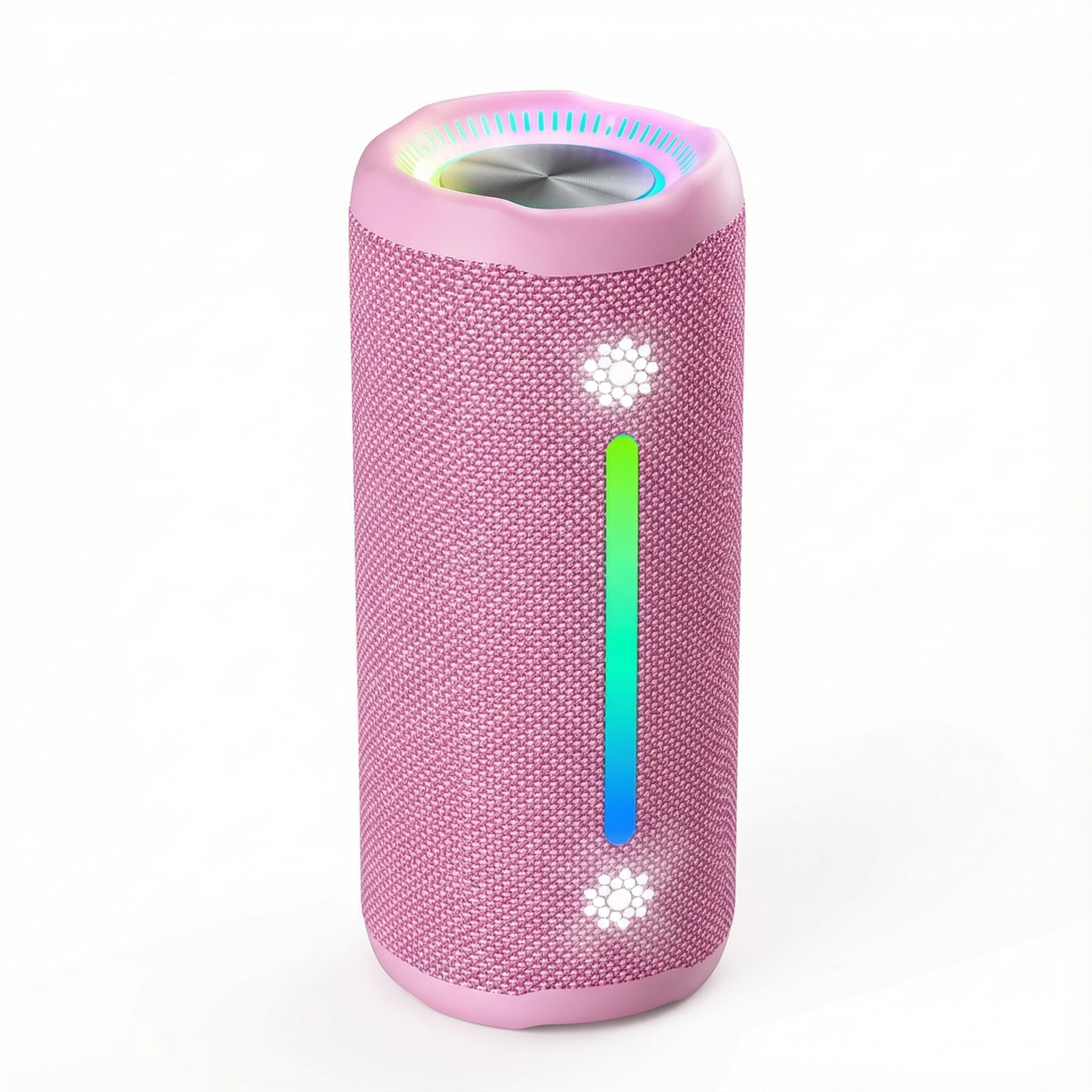
Ohayo X10 Max Bluetooth Speaker with Bass Boost and Lights
In stock · Options available · Ships in 7–21 business days
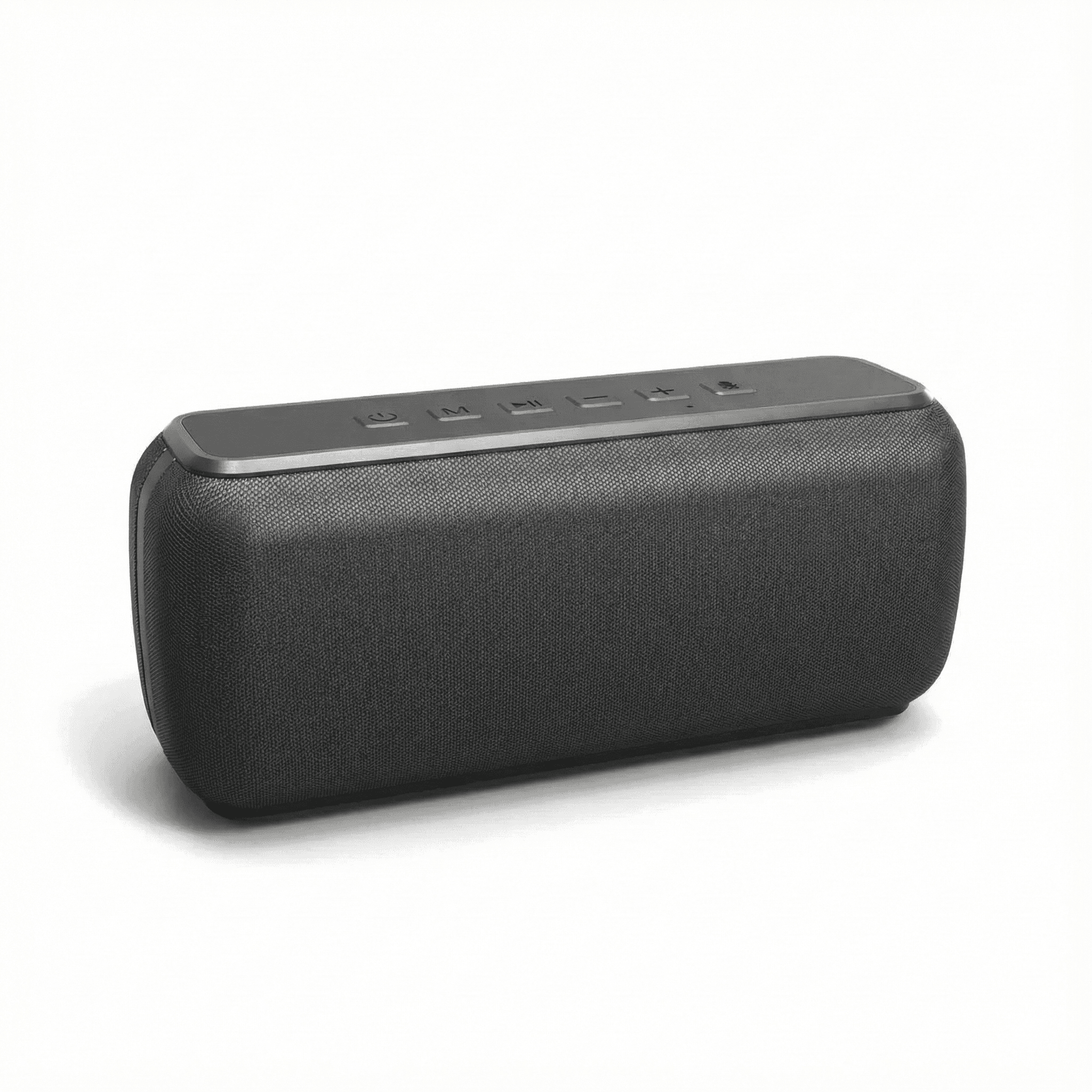
Xdobo X8 II Portable Bluetooth Speaker with Power Bank
In stock · Options available · Ships in 7–21 business days
Continue reading
 Tech & Gadgets
Portable Speaker EQ Settings: How to Get Better Bass
Portable speaker EQ settings explained: how bass boost, app presets and placement change the sound, why bass fades at high volume, and how to tune it well.
 Tech & Gadgets
What Size Portable Speaker Do You Need? Loudness Guide
What size portable speaker do you need? Match speaker size class to room, crowd and listening distance, and learn how loudness falls with distance outdoors.
 Tech & Gadgets
Wooden Speaker Placement and Cabinet Care at Home
Wooden speaker placement for shelves, desks and sideboards: distance from walls, height and angle, plus how to protect the cabinet from damp, sun and sprays.