

Flying With Drone Batteries: Watt-Hour Limits and Packing
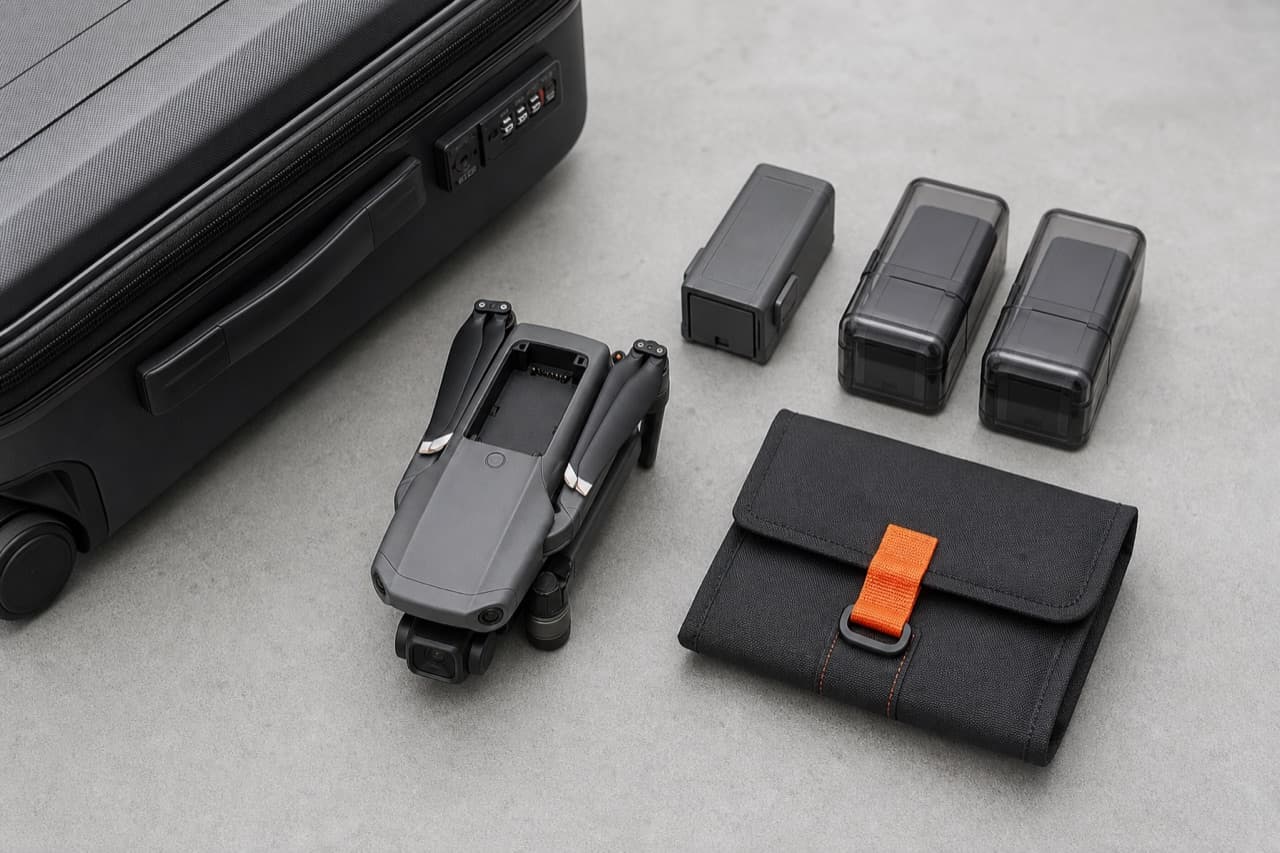
Flying with drone batteries is allowed on US flights as long as spare batteries travel in your carry-on, each one is 100 watt-hours or less (or up to 160 Wh with airline approval), and the terminals are protected from short circuits. Most consumer camera drones use batteries well under 100 Wh, so the real work is confirming the rating, packing correctly and checking your airline’s own rules. This guide is for travelers taking a camera drone on a domestic or international trip who want to get through security and boarding without having batteries confiscated.
Key takeaways
- Spare lithium batteries must go in carry-on baggage, never checked baggage, under FAA rules.
- Batteries up to 100 Wh are generally allowed without airline approval; 101 to 160 Wh need approval and are limited to two spares; above 160 Wh are not allowed on passenger flights.
- Watt-hours = volts x amp-hours; if only mAh is printed, divide by 1,000 before multiplying.
- Protect every battery from short circuit: original case, individual bags, or tape over exposed terminals.
- Airlines and other countries can be stricter than the FAA, so check the specific carrier and destination before you fly.
How to find your drone battery’s watt-hour rating
Aviation rules are based on watt-hours (Wh), not mAh, because Wh reflects stored energy. Many drone batteries print the Wh figure on the label. If yours does not, calculate it:
Wh = nominal voltage (V) x capacity (Ah), and capacity in Ah is mAh divided by 1,000.
For example, a battery labeled 15.4 V and 5,000 mAh stores 15.4 x 5.0 = 77 Wh. A small 7.7 V, 2,500 mAh pack stores about 19 Wh. Use the nominal voltage printed on the label, not the full-charge voltage.
| Battery rating | Carry-on | Checked bag | Airline approval | Typical drones |
|---|---|---|---|---|
| Up to 100 Wh | Yes | Spares: no | Not normally required | Most mini and folding camera drones |
| 101 to 160 Wh | Yes, maximum two spares | Spares: no | Required | Some larger prosumer and cinema drones |
| Over 160 Wh | No | No | Not allowed on passenger aircraft | Large professional and agricultural drones |
If a label is missing, worn or unreadable, security staff may refuse the battery because they cannot confirm its rating. Keep a photo of the label and the manufacturer’s spec page on your phone as backup, but a legible label is what counts.
Carry-on vs checked: where the drone and batteries go
Spare (uninstalled) lithium batteries must be in the cabin, where crew can deal with a battery fire quickly. That includes drone flight batteries, controller batteries if removable, and power banks or charging hubs with built-in batteries.
The drone itself is easiest to handle as a carry-on item too. FAA guidance treats devices with installed lithium batteries as allowed in checked baggage only if they are fully powered off and protected from accidental activation, but a checked drone risks damage and theft, and some airlines restrict it. The simplest approach is to carry the drone, controller and all batteries in the cabin in a padded case.
If your bag is gate-checked
Overhead bins fill up, and a carry-on can be tagged at the gate. If that happens, remove every spare lithium battery and power bank from the bag and keep them with you in the cabin. Tell the gate agent the bag contains lithium batteries if they ask.
How to pack drone batteries for a flight
- Protect the terminals. Keep each battery in its original packaging, a dedicated battery case, or its own zip bag. Tape over exposed contacts if a battery has no cover.
- Keep batteries away from metal. Coins, keys and loose cables in the same pocket are a classic short-circuit risk.
- Consider a fire-resistant battery bag. LiPo safety bags are inexpensive and add a layer of containment, though they are not a rule requirement.
- Travel at a partial charge. Many smart drone batteries self-discharge to a storage level of roughly 40 to 60 percent after a few days. A partial charge is also how lithium cells prefer to be stored. Some airlines may ask about charge levels, so check their guidance.
- Leave damaged batteries at home. Swollen, punctured, dented or recalled batteries are not allowed on aircraft and should be recycled properly.
- Pack the charger and hub in the same bag so you can recharge at your destination; check the charger’s input voltage range if you are traveling internationally. Our guide to travel power banks and plug adapters covers adapters and voltage.
Airline and international rules that go beyond the FAA
FAA rules set the US baseline, and most international carriers follow similar IATA rules, but individual airlines can be stricter. Some limit the total number of spare batteries per passenger, restrict how power banks are used during the flight, or require approval for anything above 100 Wh even if it is otherwise permitted. Check your airline’s dangerous goods or restricted items page within a few days of departure, and for connecting flights, check every carrier on the itinerary.
Your destination’s drone laws are a separate question from flying with the batteries. In the US, recreational pilots must pass the free TRUST knowledge test and register drones weighing 250 grams (0.55 pounds) or more with the FAA. Other countries may require registration, permits, insurance or ban drones in specific areas, and a few restrict importing drones at all. Research the destination before packing the drone, not just the batteries.
Mistakes to avoid
- Packing spares in checked luggage. They can be removed by screeners and, worse, a short circuit in the hold is a serious fire risk.
- Guessing the Wh rating. Calculate it from voltage and capacity or read it from the label; mAh alone does not decide the category.
- Tossing batteries loose in a backpack. Unprotected terminals touching metal can short.
- Forgetting the power bank count. Power banks are spare lithium batteries too, and they count toward any airline per-passenger limits.
- Assuming every airline matches the FAA. Stricter carrier policies apply on that carrier’s flights.
- Charging batteries unattended in a hotel room. Charge on a hard, non-flammable surface and stay nearby, especially with fast chargers.
How to plan your drone travel kit
- Bring two or three batteries if you have a mini drone under 100 Wh per battery and a short trip; that is usually enough flying time without crowding your carry-on.
- Request airline approval in advance if any battery is between 101 and 160 Wh, and get the approval in writing.
- Ship larger batteries separately if they exceed 160 Wh, through a carrier that accepts lithium battery shipments, or rent locally.
- Leave the drone at home if your destination bans or heavily restricts drones, regardless of battery rules.
If you are still choosing a drone, the beginner camera drone buying guide explains weight classes and registration. ADLTHUB’s Xiaomi Mijia V88 Professional 8K Drone lists its battery details on the product page; confirm the voltage, capacity and Wh figure there before you plan a trip. For packing the rest of your carry-on, see international flight essentials and the outdoor and travel category.
Frequently asked questions
Can I bring drone batteries in my carry-on?
Yes. Spare lithium drone batteries are allowed in carry-on bags if each is 100 Wh or less, or 101 to 160 Wh with airline approval and a limit of two spares. Protect the terminals and keep the batteries accessible.
Can I put drone batteries in checked luggage?
No. Spare lithium batteries are prohibited in checked baggage on US flights. If your carry-on is gate-checked, take the batteries out and keep them with you.
How many drone batteries can I take on a plane?
For batteries under 100 Wh, the FAA does not set a specific number for personal use, but airlines may impose their own limits. Batteries between 101 and 160 Wh are limited to two spares per passenger with approval.
Do drone batteries need to be discharged before flying?
US passenger rules do not require a specific charge level, but traveling at a partial charge around storage level is a sensible precaution and kinder to the cells. Some airlines publish their own guidance, so check before you fly.
Can I fly my drone at my destination?
That depends on local law, not airline rules. Check registration, permit and no-fly requirements for the destination country and any parks or cities you plan to visit before you travel.
Shop Outdoor & Travel
View all →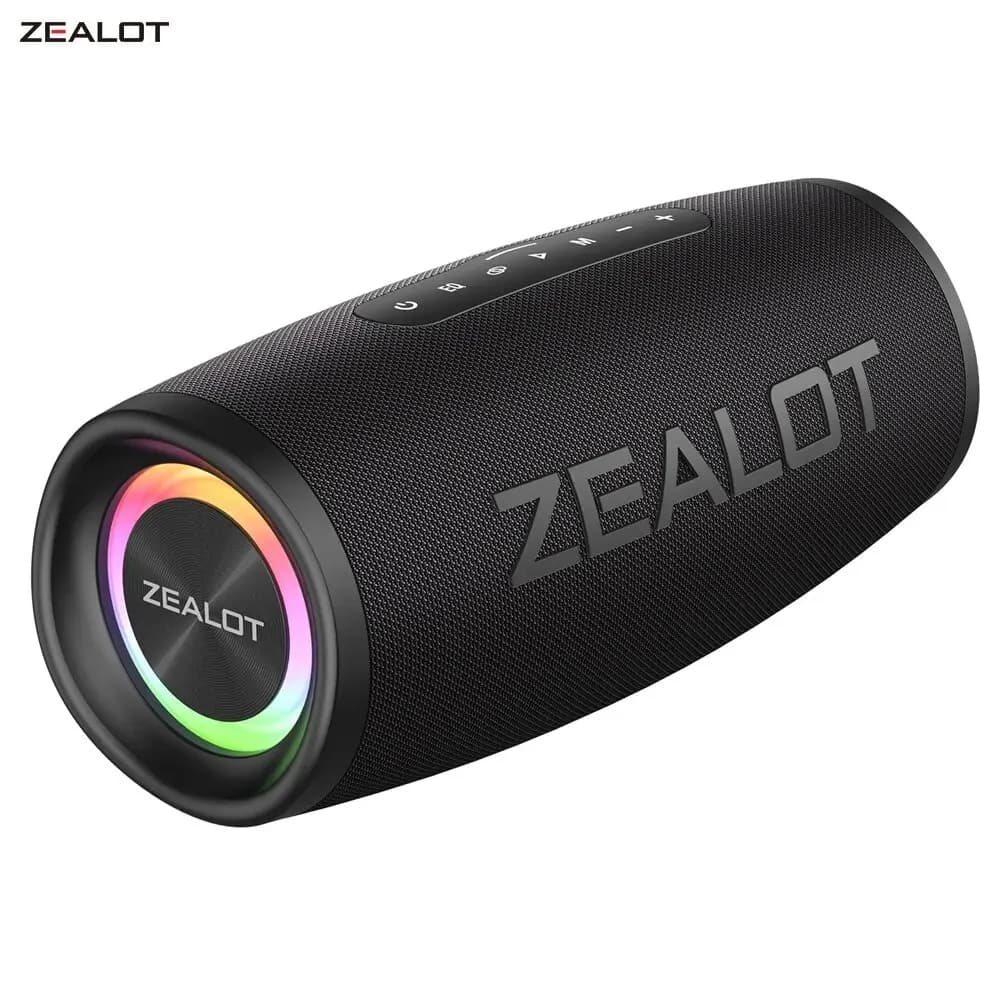
Zealot S56 Rugged Outdoor Bluetooth Speaker
In stock · Ships in 7–21 business days
 Sale
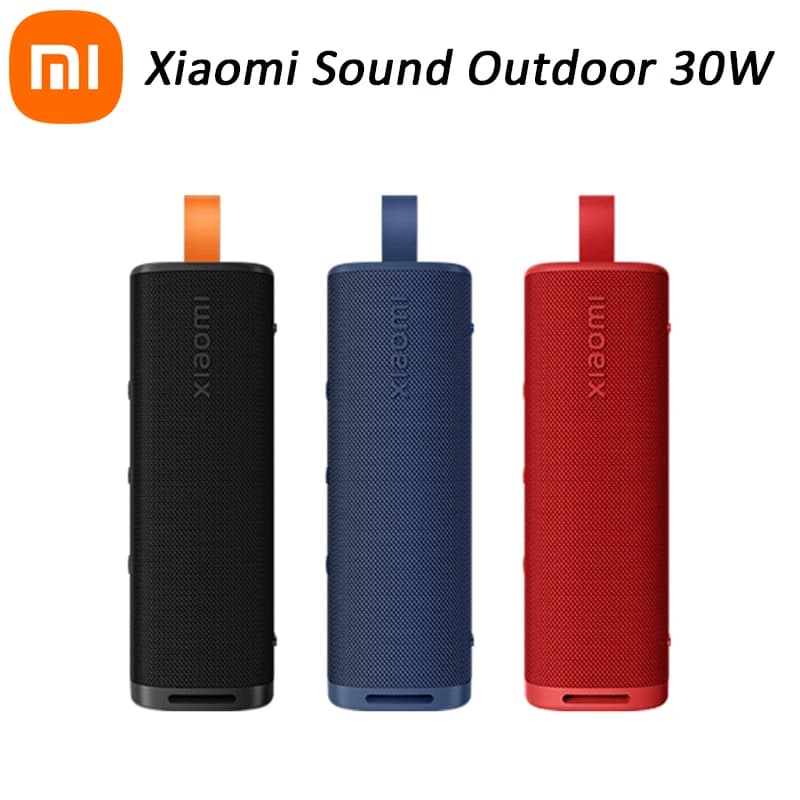
Xiaomi Sound Outdoor Portable Bluetooth Speaker
In stock · Options available · Ships in 7–21 business days
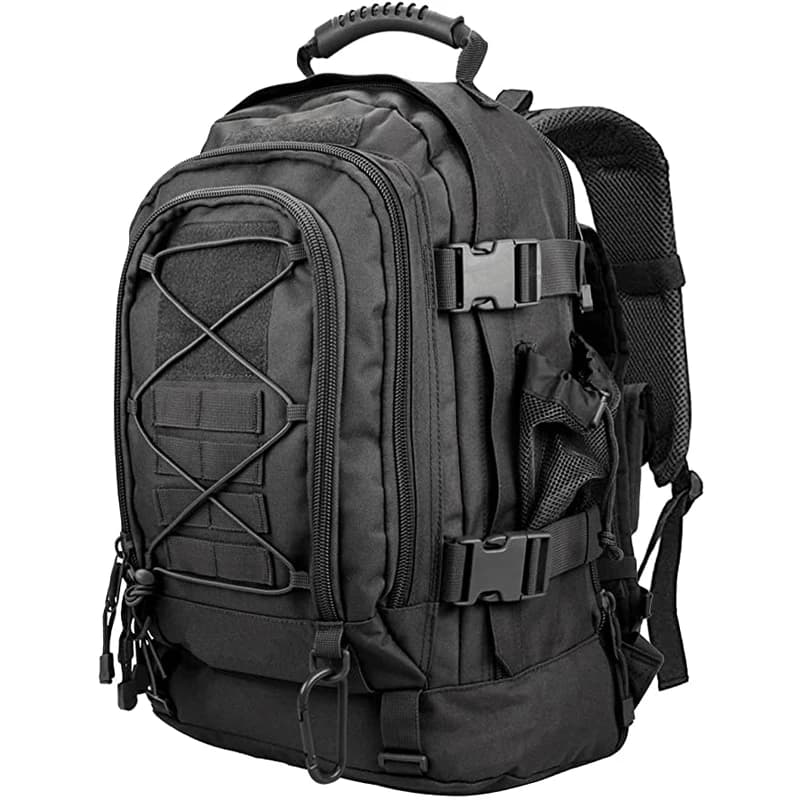
LQArmy 60L Tactical Backpack with Molle Webbing
In stock · Options available · Ships in 7–21 business days
Continue reading
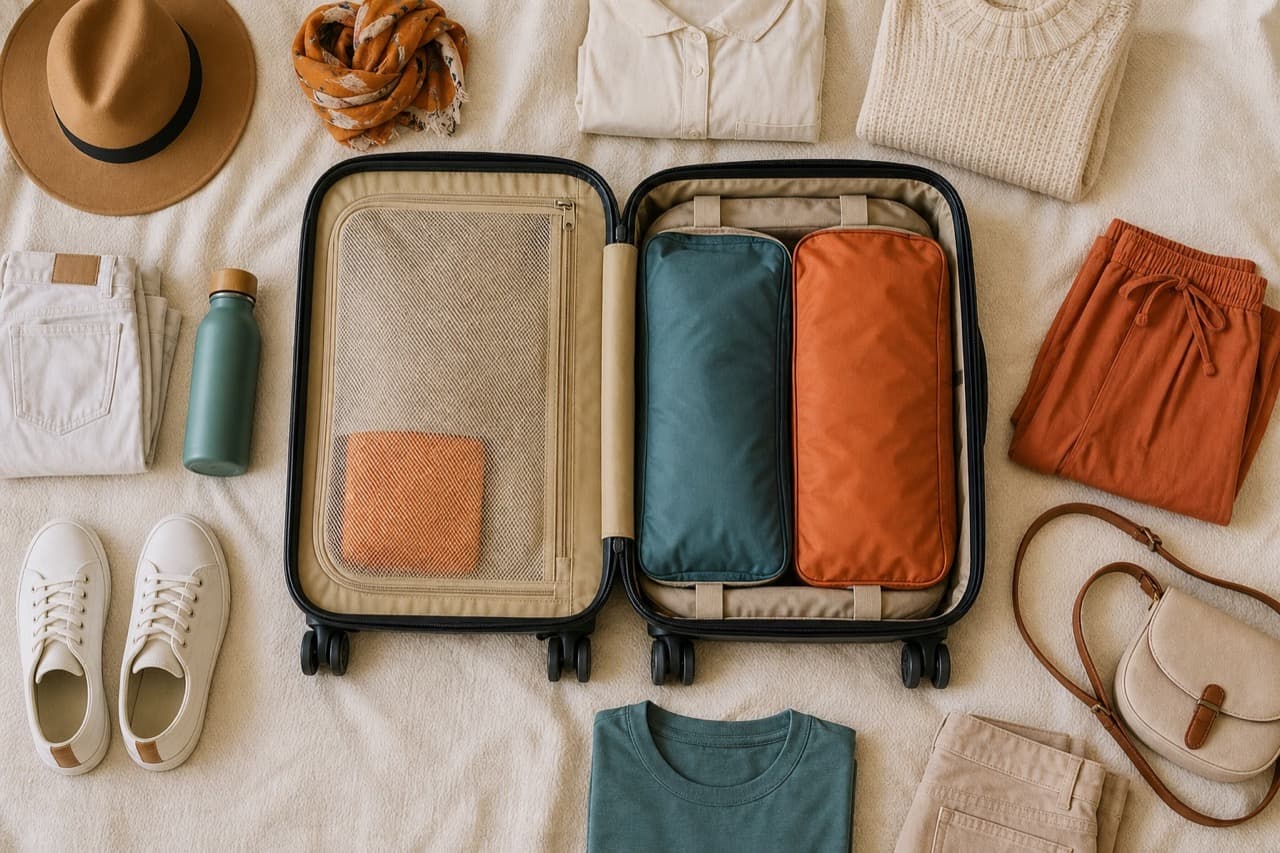 Outdoor & Travel
Compression Packing Cubes: Do They Really Save Space?
Compression packing cubes squeeze soft clothing, but do they really save suitcase space? Learn what they can and cannot do, sizes to buy and packing mistakes.
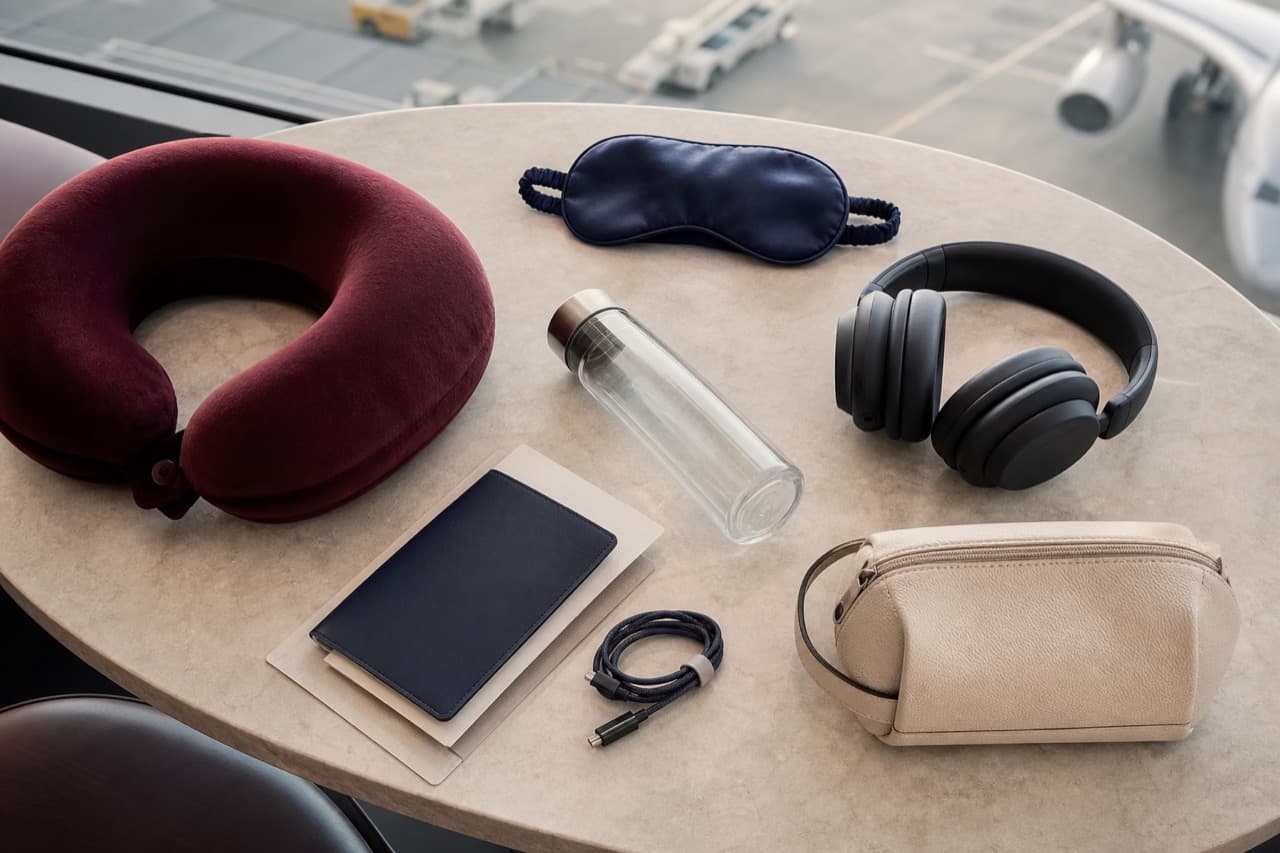 Outdoor & Travel
International Flight Travel Accessories: 10 Worth Packing
The international flight travel accessories worth packing: 10 items for sleep, power, documents and comfort, plus the airline and TSA rules each must meet.
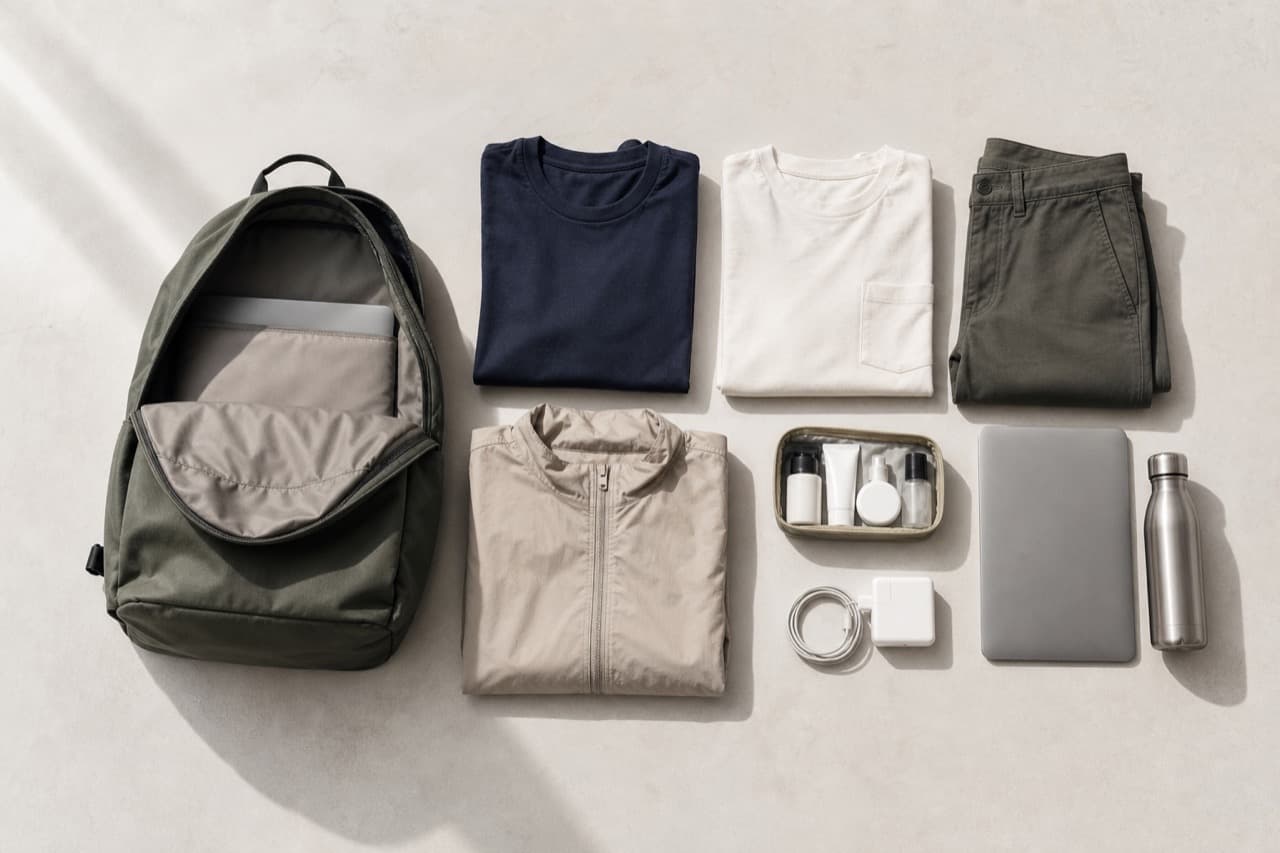 Outdoor & Travel
Minimalist Packing List for Travel and Remote Work
A minimalist packing list for travel and remote work: how many clothes to bring, a lean laptop kit, carry-on weight limits and what to cut before you go.