

Waterproof Speaker IP Ratings Explained: IPX4 to IP68
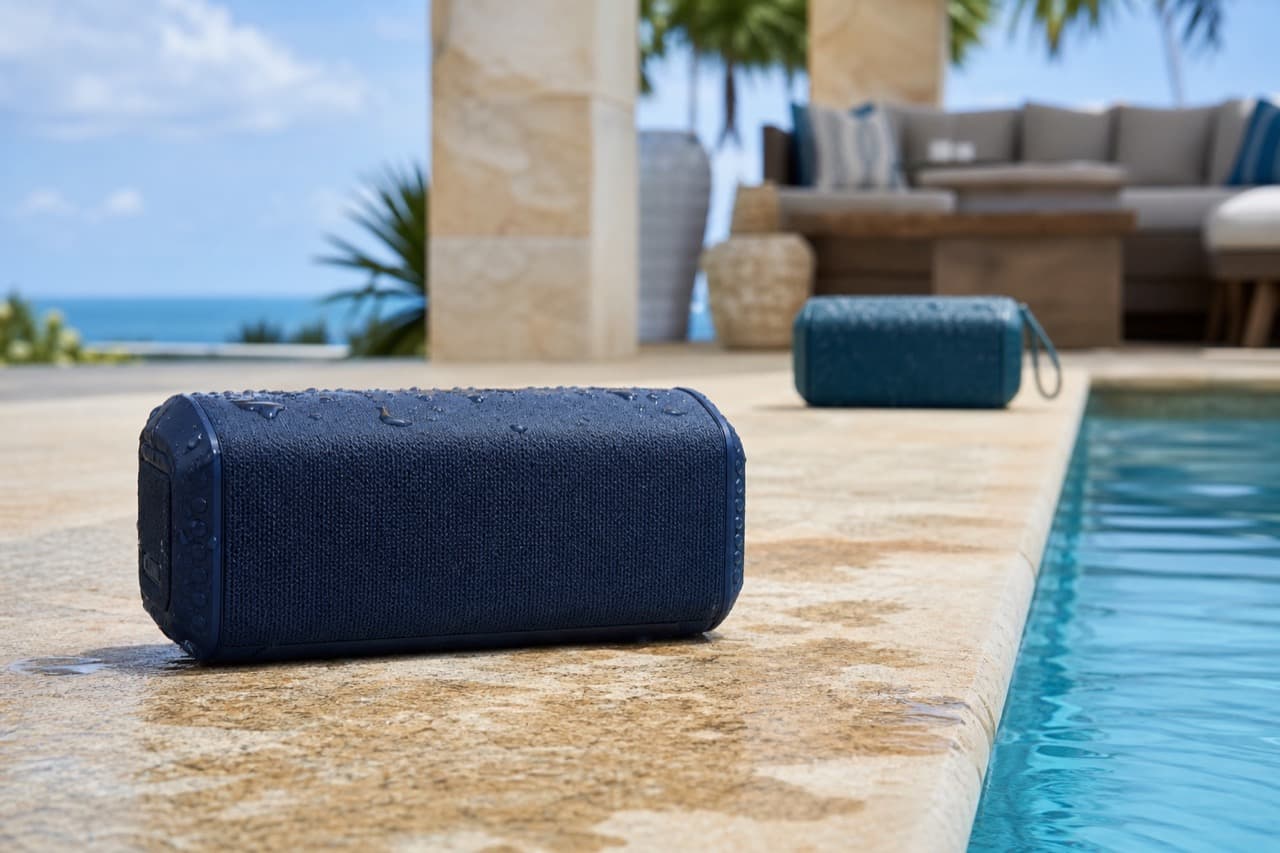
Waterproof speaker IP ratings are a two-digit code from the international standard IEC 60529: the first digit rates protection against dust and solid objects, the second against water, and an X means that category was not tested. So IPX4 means splash-resistant with no dust rating, IPX7 means it survived a short dunk in fresh water, and IP67 adds a dust-tight result on top. This guide decodes each level for shoppers comparing pool, shower, beach and camping speakers, and explains the limits that the label does not spell out.
Key takeaways
- The second digit is the water rating. For a speaker that might fall in a pool, IPX7 or higher is the meaningful threshold; IPX4 only covers splashes.
- IP67 and IPX7 have the same water test. The 6 adds a dust-tight result, which matters at the beach and on dusty trails.
- Ratings are not strictly cumulative above IPX6: a speaker rated IPX7 has not necessarily passed the high-pressure jet tests of IPX5 or IPX6 unless it lists both.
- Tests use fresh water, still or at room temperature, on new units with covers closed. Salt water, chlorine, soap, hot water and aging seals are outside the test.
- Water damage is often excluded from warranties even on rated products, so read the terms before you trust the label at the pool.
How to read an IP code
IP stands for ingress protection. The code always has the format IP plus two characters.
First digit: solids and dust (0 to 6)
- 0 to 4: protection against progressively smaller solid objects, from hands down to objects about 1 mm wide such as wires.
- 5, dust-protected: some dust may get in, but not enough to interfere with operation.
- 6, dust-tight: no dust ingress in the test chamber.
- X: not tested or not declared. It does not mean zero protection; it means there is no rating to rely on.
Second digit: water (0 to 9)
| Rating | What the test simulates | Speaker situation it covers |
|---|---|---|
| IPX4 | Splashing water from any direction | Rain shower, kitchen splashes, a spilled drink |
| IPX5 | Water jets from a 6.3 mm nozzle, from any direction | Rinsing under a tap, heavy rain, a shower spray |
| IPX6 | Powerful jets from a 12.5 mm nozzle | Rinsing off mud, boat spray, a strong hose |
| IPX7 | Temporary immersion, up to 1 m (about 3.3 ft) for 30 minutes | Falling in a pool or lake and being fished out |
| IPX8 | Continuous immersion beyond 1 m, conditions set by the manufacturer | Longer or deeper dunks, within the maker’s stated depth and time |
Lower levels (IPX1 to IPX3) cover dripping and light spray and are rare on outdoor speakers. IPX9K is a high-pressure, high-temperature spray test aimed at industrial and vehicle equipment, not portable audio.
IPX4, IPX5, IPX7, IP67: which one do you need?
IPX4 is fine for a bathroom shelf away from the shower or a patio table in light rain. It is not built for being sprayed or dropped in water.
IPX5 and IPX6 suit showers, boats and rinsing off sand or mud under a tap. They do not cover submersion, so a pool drop could still end the speaker.
IPX7 is the practical pool and beach standard: if the speaker gets knocked into the water, you have time to retrieve it. Many portable speakers are designed to float, but floating is a design feature, not part of the IP test; check the listing.
IP67 is the same water protection plus a dust-tight result. Sand is abrasive and gets into buttons, port covers and passive radiators, so for beach trips, desert camping or construction sites, the 6 is worth having.
IPX8 or IP68 means the maker tested beyond 1 meter. The digit alone does not tell you how deep or how long, so read the spec for the actual depth and time.
A speaker listed as IPX5/IPX7 has been tested for both jets and immersion. One listed only as IPX7 may handle a dunk better than a hard jet from a hose, which is why ratings above 6 are not treated as including the lower jet tests.
What IP ratings do not tell you
Lab tests are a fixed snapshot. Real life adds stress the test does not cover:
- Salt and chlorine: both are corrosive. Rinse the speaker gently with fresh water after the beach or pool, then dry it.
- Soap, shampoo and sunscreen: they lower surface tension and can degrade rubber seals over time.
- Hot water and steam: the tests use water near room temperature. Hot tubs, saunas and steamy showers can push moisture past seals.
- Open port covers: many speakers only achieve their rating with the charging flap fully closed. A half-seated cover means no protection.
- Drops and aging: impacts, heat and years of use can loosen seams and harden gaskets. A rating describes a new unit.
- Depth and motion: swimming with a speaker, or pressure from waves and jumps, is not the same as sitting still at 1 meter.
Also read the warranty. Many brands exclude liquid damage even on rated products, and an IP number is a design claim, not a promise of free replacement.
Safe use and drying after water exposure
- Close every cover before going near water, and check the rubber seal for sand or hair that could stop it seating.
- Never charge a wet speaker. Moisture in a USB-C or micro-USB port can cause corrosion or short circuits. Dry the port completely first; some devices will refuse to charge and warn you.
- After a dunk, rinse off salt or chlorine with fresh water, shake gently with the speaker grille facing down, then let it air-dry at room temperature for several hours. Avoid hair dryers, ovens and radiators, which can warp parts.
- Expect muffled sound for a while. Water trapped behind the grille dampens the driver until it evaporates; it usually clears as it dries.
- Keep it out of the hot sun between swims. Heat is hard on batteries and seals.
- Keep plugged-in speakers and chargers away from pools and tubs, whatever their rating.
For more on how water resistance fits into a broader buying decision, see our portable speaker water resistance guide and the rugged speaker durability guide.
Mistakes to avoid
- Reading IPX7 as waterproof forever. It is a short immersion test in fresh water on a new unit, not a license to swim with it.
- Assuming IPX7 beats IPX6 at everything. They test different things; a pressure-washer blast is not what IPX7 checks.
- Ignoring the X. IPX7 has no dust rating; at the beach, IP67 is the safer choice.
- Charging straight after the pool. This is a common cause of port corrosion.
- Trusting vague claims. Water-resistant, splash-proof or outdoor without an IP code tells you very little.
How to choose the right rating
Pick IPX4 if the speaker lives indoors or on a covered patio. Pick IPX5 or IPX6 for the shower, the garden and boats where spray is likely. Pick IPX7 if it will sit at the edge of a pool, lake or bathtub. Pick IP67 if sand or dust is part of the plan, like beach days, camping and tailgates. On ADLTHUB, options such as the Tribit StormBox Mini, the Ortizan Portable Waterproof Speaker and the Wisetiger 25W Waterproof Speaker list their ratings on their product pages; confirm the exact IP code, warranty terms and returns there before you buy. Compare more in our electronics and accessories category.
Frequently asked questions
What is the difference between IPX7 and IP67?
Both pass the same water test: immersion up to 1 meter for 30 minutes. IP67 also passed the dust-tight test, while the X in IPX7 means dust protection was not rated. For sand and dusty environments, IP67 is the better choice.
Can I submerge an IPX7 speaker?
It is designed to survive accidental immersion in fresh water up to about 1 meter for 30 minutes. It is not meant for repeated or deliberate underwater use, salt water or deeper water, and seals weaken with age.
Is IPX4 waterproof?
No. IPX4 means resistant to splashing from any direction, like rain or spills. It is not rated for jets or submersion, so keep IPX4 speakers out of showers and away from pool edges.
Is IPX5 good enough for the shower?
Generally yes. IPX5 covers water jets from any direction, which is similar to shower spray. Keep the port cover closed, avoid soap build-up on the seals and let it dry before charging.
Can I use a waterproof speaker in salt water?
IP tests use fresh water, so salt water is outside the rating. If it gets splashed or dunked in the ocean, rinse it gently with fresh water and let it dry completely before charging.
Shop Tech & Gadgets
View all →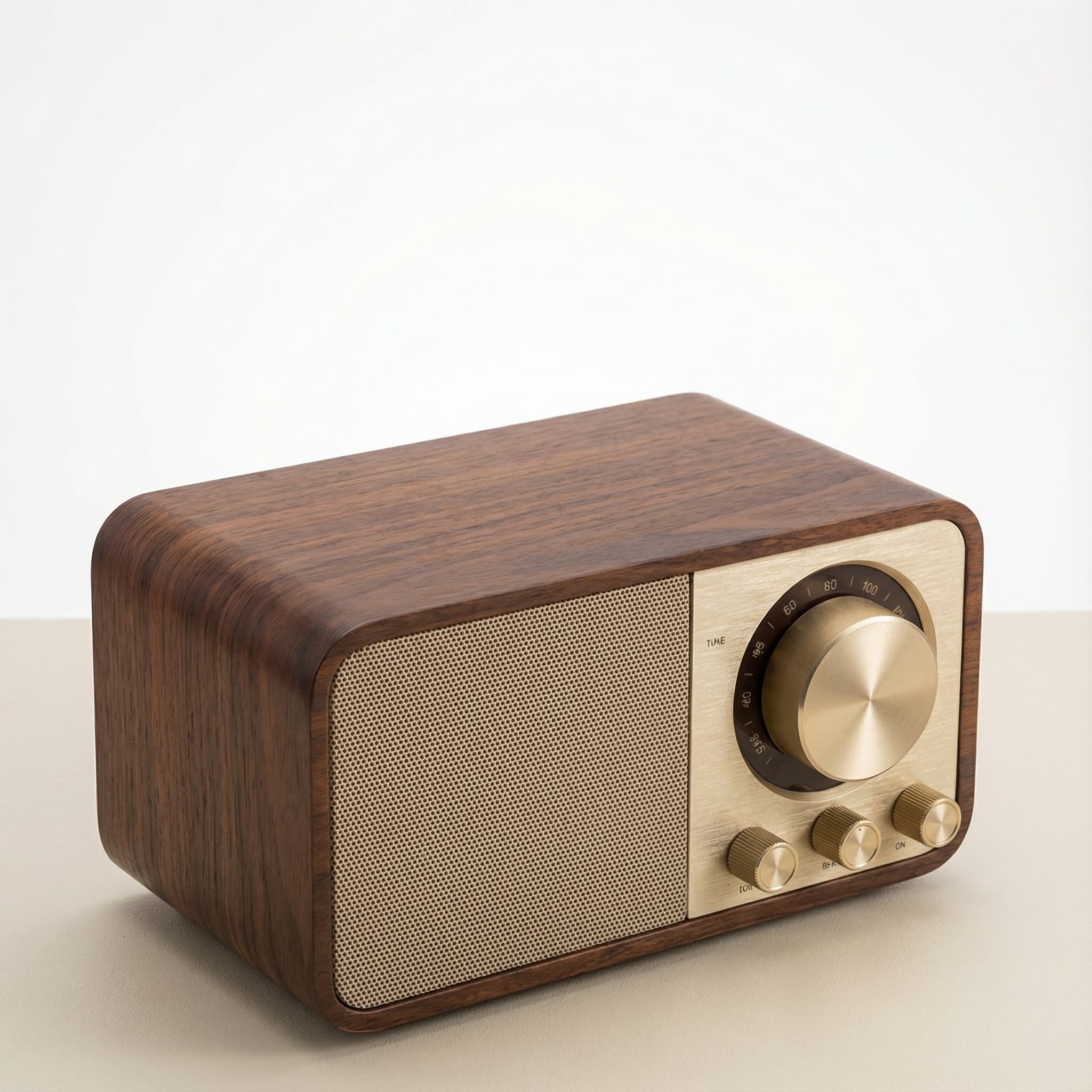 Sale
Retro Wood-Cabinet Bluetooth Speaker with FM Radio
In stock · Ships in 7–21 business days
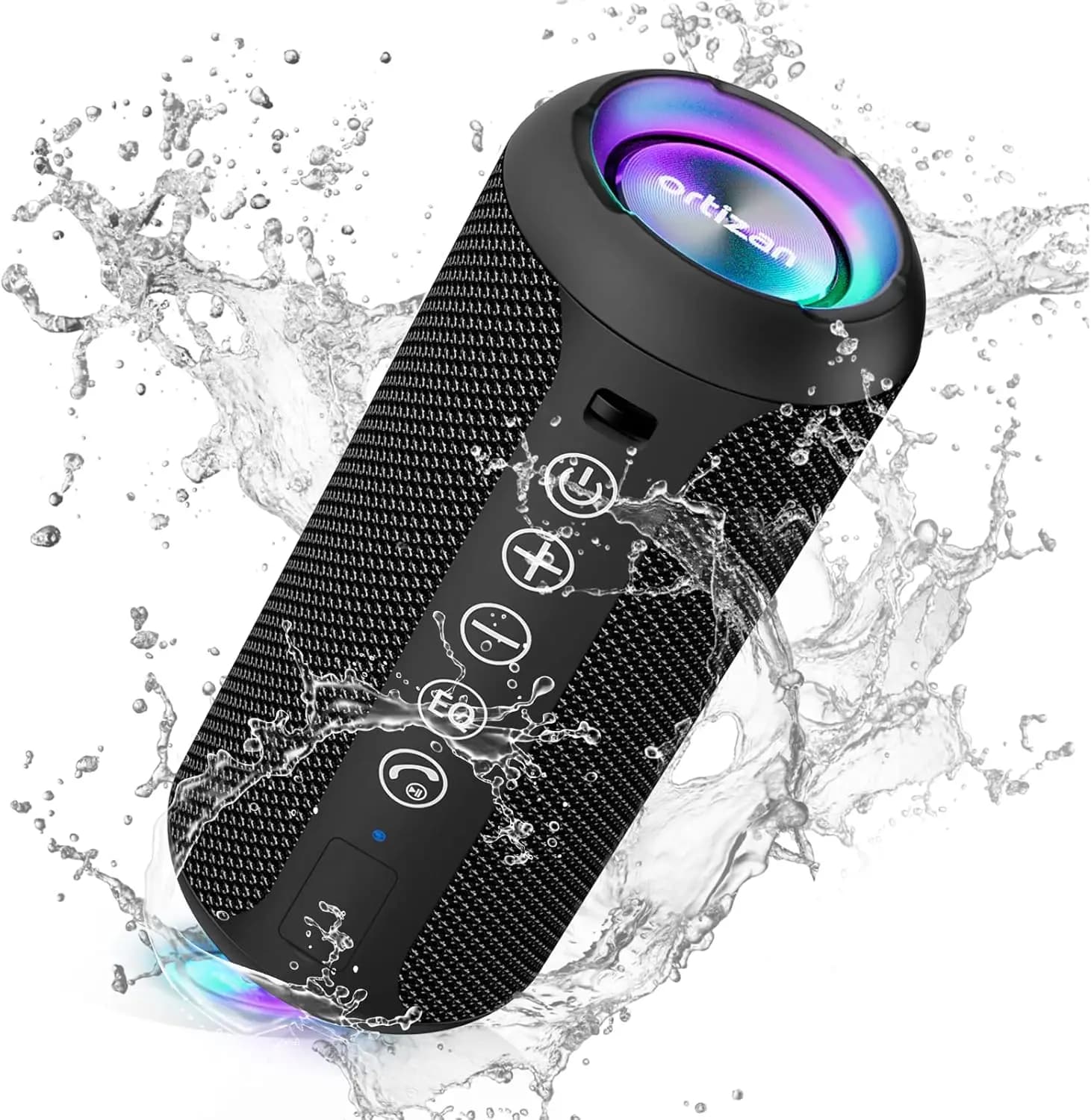
Ortizan X10 Portable Bluetooth Speaker with RGB Lights
In stock · Options available · Ships in 7–21 business days
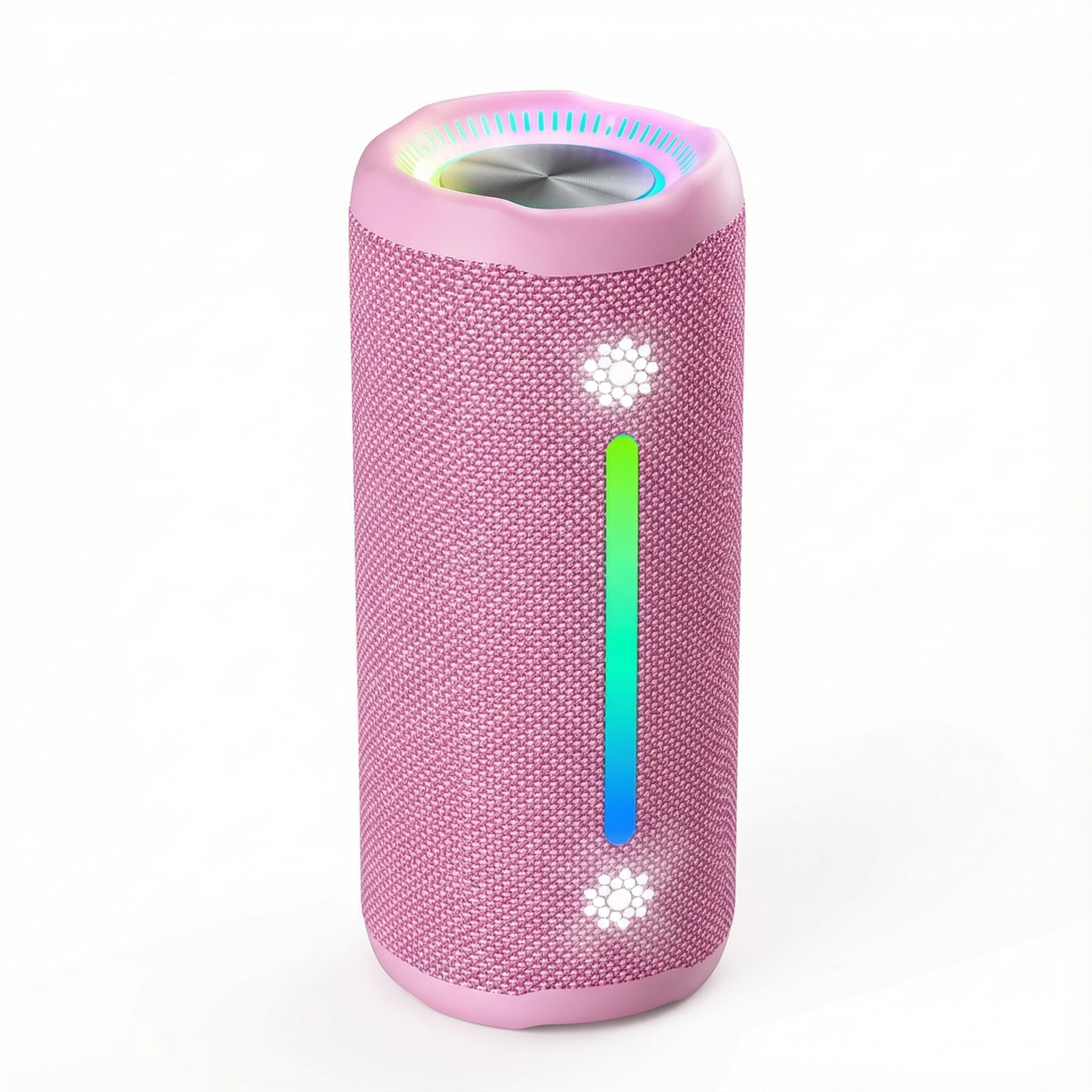
Ohayo X10 Max Bluetooth Speaker with Bass Boost and Lights
In stock · Options available · Ships in 7–21 business days
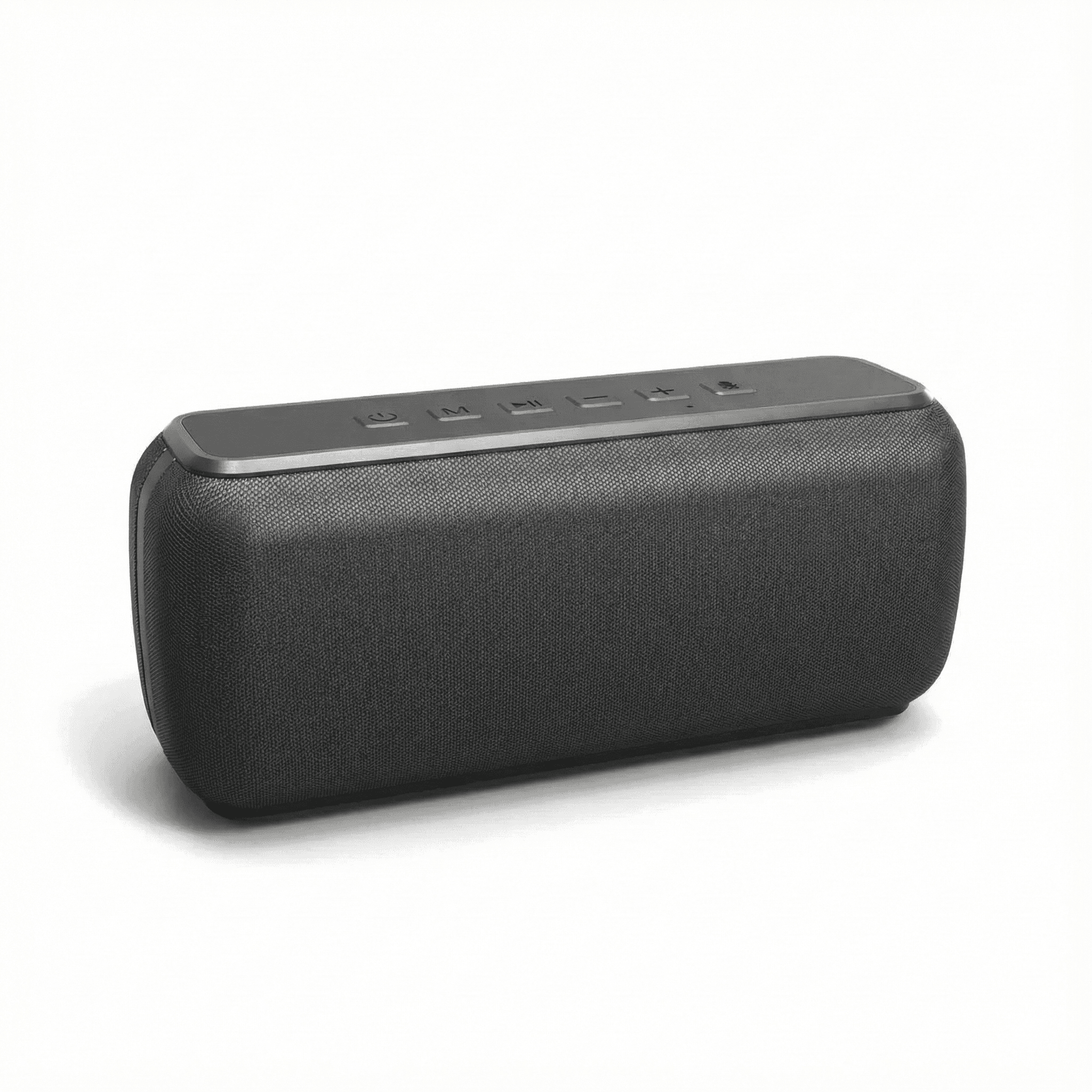
Xdobo X8 II Portable Bluetooth Speaker with Power Bank
In stock · Options available · Ships in 7–21 business days
Continue reading
 Tech & Gadgets
USB-C Hub Buying Guide: Ports, Video and Power Explained
USB-C hub buying guide: check what your laptop port supports, read data speed labels, size power pass-through and match the video and ports you need.
 Tech & Gadgets
Portable Speaker EQ Settings: How to Get Better Bass
Portable speaker EQ settings explained: how bass boost, app presets and placement change the sound, why bass fades at high volume, and how to tune it well.
 Tech & Gadgets
What Size Portable Speaker Do You Need? Loudness Guide
What size portable speaker do you need? Match speaker size class to room, crowd and listening distance, and learn how loudness falls with distance outdoors.