

ANC vs Passive Noise Isolation: What Each Blocks
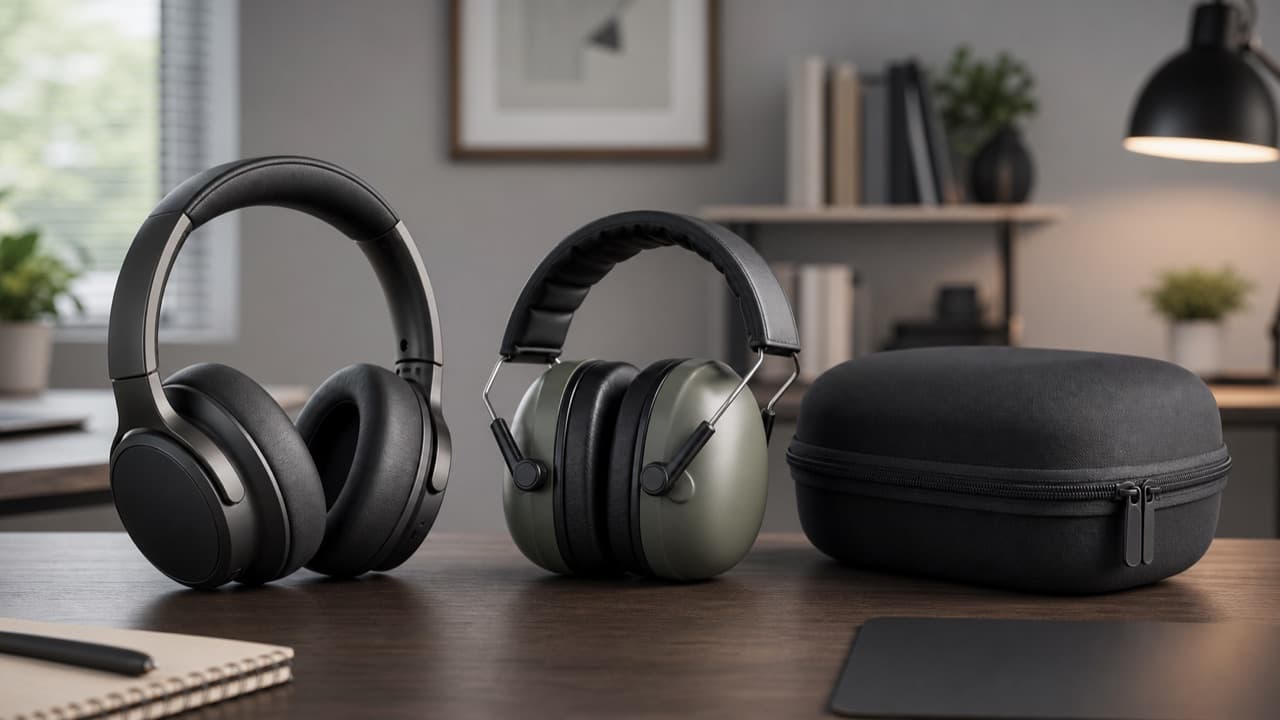
In the ANC vs passive noise isolation question, the short answer is that they block different sounds: passive isolation (the physical seal of earcups or ear tips) is best at higher-pitched noise like voices and clatter, while active noise cancellation is best at steady low-pitched rumble like engines and air conditioning. The headphones that sound quietest in real life use both. This guide is for anyone choosing headphones for travel, open offices or commuting, and for owners wondering why their ANC still lets coworkers’ conversations through.
Key takeaways
- Passive isolation works at all times, needs no battery, and is strongest above roughly 1 kHz, the range of speech consonants, keyboards and clinking dishes.
- ANC is most effective on continuous low-frequency sound, roughly below 1 kHz, such as jet engines, trains and HVAC hum.
- Sudden, irregular sounds (a door slam, a baby crying, an announcement) get through ANC more than steady noise does.
- Fit is the foundation of both: a broken seal from glasses, hair or the wrong ear tip size ruins isolation and weakens ANC.
- Consumer ANC headphones are not certified hearing protection; use rated earmuffs or plugs for mowers, power tools and loud work.
How passive noise isolation works
Passive isolation is simple physics: mass and a seal stop sound waves from reaching your ear. Thick, dense earcup shells and memory-foam cushions on over-ear headphones, or a snug silicone or foam tip in your ear canal, absorb and reflect sound before it arrives.
High frequencies have short wavelengths and are easily blocked by a good seal. Low frequencies have long wavelengths and carry enough energy to pass through or vibrate the materials, which is why bass from a neighbor’s stereo gets through walls while their voices do not.
What improves passive isolation
- The right ear tip size. Most earbuds ship with small, medium and large tips. Try each; the correct size feels secure and makes bass sound fuller. Memory foam tips usually isolate better than silicone.
- Closed-back over-ear cups. Open-back headphones isolate almost nothing by design.
- Fresh cushions. Earpads compress and crack over time, letting in more noise. Replaceable pads are worth checking for.
- A clean seal. Thick eyeglass arms create gaps; thin frames or pads that conform around them help.
How active noise cancellation works
ANC headphones use microphones on the outside of the earcup (feedforward) and often inside it (feedback) to measure incoming noise. A processor generates an inverted waveform, and the driver plays it alongside your music. Where the original noise and the anti-noise overlap, they cancel out.
This works best when the noise is predictable. A jet engine’s drone repeats thousands of times a second, so the processor can match it closely. A colleague’s voice changes constantly and contains higher frequencies that are hard to cancel in time, so ANC reduces it far less. That is the main reason passive isolation still matters on ANC headphones.
Side effects some listeners notice
- Pressure sensation. Some people feel a slight “eardrum suck,” similar to being on a plane. It is a perception effect, and lower ANC levels or adaptive modes often ease it.
- Background hiss. Some models add a faint hiss audible in quiet rooms.
- Wind noise. Outside microphones can pick up wind as rumble; many headphones have a wind-reduction mode.
- Battery use. ANC draws power continuously; see our ANC headphone battery life guide.
What each approach handles best
| Noise source | Passive isolation | Active noise cancellation | Best choice |
|---|---|---|---|
| Airplane cabin drone | Partial | Strong | ANC over-ear with a good seal |
| Subway and bus rumble | Partial | Strong | ANC earbuds or over-ear |
| Open-office chatter | Good with a tight seal | Moderate | Both combined, plus low-level music |
| Keyboard clatter, dishes | Good | Limited | Strong passive seal |
| Air conditioner, fans | Weak | Strong | ANC |
| Lawn mower, power tools | Not rated | Not rated | Certified earmuffs or plugs with an NRR |
Safety: awareness and hearing protection
Noise reduction is useful, but it changes what you can hear. Use transparency or ambient mode, or take headphones off, around traffic, on bikes, near train platforms and anywhere you need to hear alarms or instructions. Riders should look at purpose-built options; our motorcycle intercom guide discusses that use case.
For loud environments, look for products with a Noise Reduction Rating (NRR), the EPA-required label on hearing protectors sold in the US. Typical consumer headphones do not carry one. On the positive side, reducing background noise lets many people listen at a lower volume. NIOSH’s recommended exposure limit is 85 dBA averaged over 8 hours, with safe time halving for every 3 dB increase, so turning the volume down a notch matters more than it sounds.
Mistakes to avoid
- Judging ANC in a quiet store. You cannot hear what it removes without the noise. Try it near an air vent or play a recording of cabin noise.
- Sticking with the default ear tips. Medium tips do not fit everyone, and a poor seal can make ANC earbuds seem weak and thin on bass.
- Expecting silence. No consumer headphone eliminates voices entirely. Combining a seal, ANC and quiet background audio works best for focus.
- Running ANC at maximum when uncomfortable. If you feel pressure or a headache, try a lower or adaptive setting.
- Using headphones as ear protection. Without an NRR label, you do not know how much protection you are getting.
Which one fits you
- Pick ANC over-ear headphones if you fly often, ride trains or work near HVAC noise. Options on ADLTHUB include the Baseus Bowie H1s ANC Wireless Headphones and the QCY H3 ANC Wireless Headphones; check each product page for specifications and returns.
- Pick ANC earbuds with foam tips if you want the most isolation in the smallest package for commuting.
- Pick well-sealing passive earbuds or closed-back headphones if your noise is mostly voices and clatter, you want no hiss, and you prefer not to charge another device.
- Pick rated hearing protection if the noise itself is loud enough to harm hearing.
For a wider look at form factors, read noise canceling earbuds vs over-ear headphones, or browse the electronics and accessories category.
Frequently asked questions
Is noise isolation better than noise cancelling?
Neither is better overall; they target different sounds. Isolation handles higher-pitched noise like voices well, while ANC handles low, steady rumble. Headphones with a good seal plus ANC give the broadest reduction.
Why can I still hear voices with noise cancelling headphones?
Speech is irregular and contains higher frequencies that ANC cannot predict and cancel quickly. Voices are reduced mainly by the physical seal, so better-fitting ear tips or earpads make the biggest difference.
Do noise cancelling headphones work without music?
Yes. ANC works with nothing playing, and many people use it that way on planes or to reduce office hum. Some models add slight hiss you may notice in quiet rooms.
Are noise cancelling headphones safe for your ears?
ANC itself does not harm hearing, and it can help you listen at lower volumes. The pressure sensation some people feel is not physical pressure. Keep volume moderate and take breaks during long sessions.
Can I use noise cancelling headphones as hearing protection?
Not reliably. Hearing protectors sold in the US carry an EPA Noise Reduction Rating, which typical headphones do not. For mowers, power tools, concerts or shooting, use rated earmuffs or earplugs.
Shop Tech & Gadgets
View all →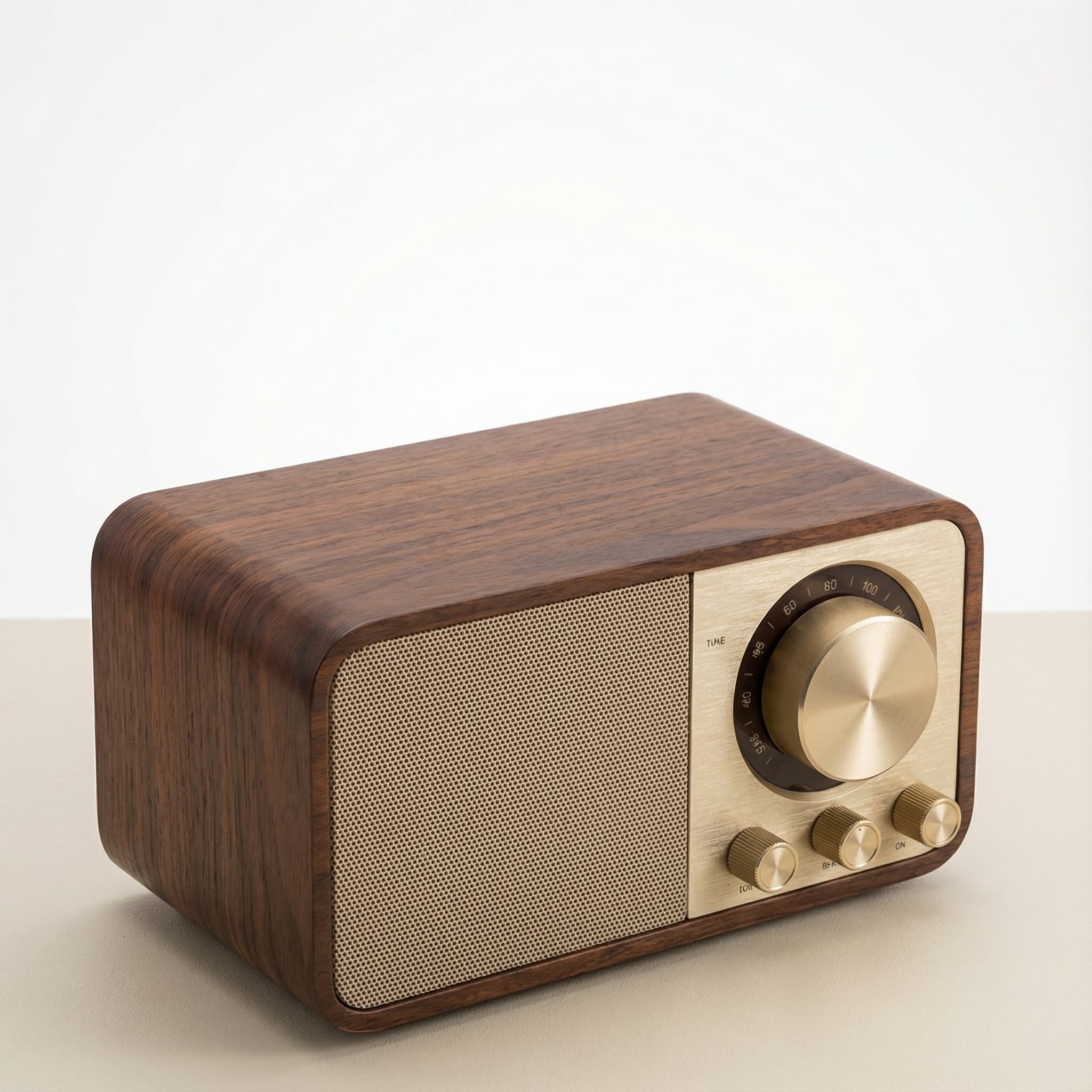 Sale
Retro Wood-Cabinet Bluetooth Speaker with FM Radio
In stock · Ships in 7–21 business days
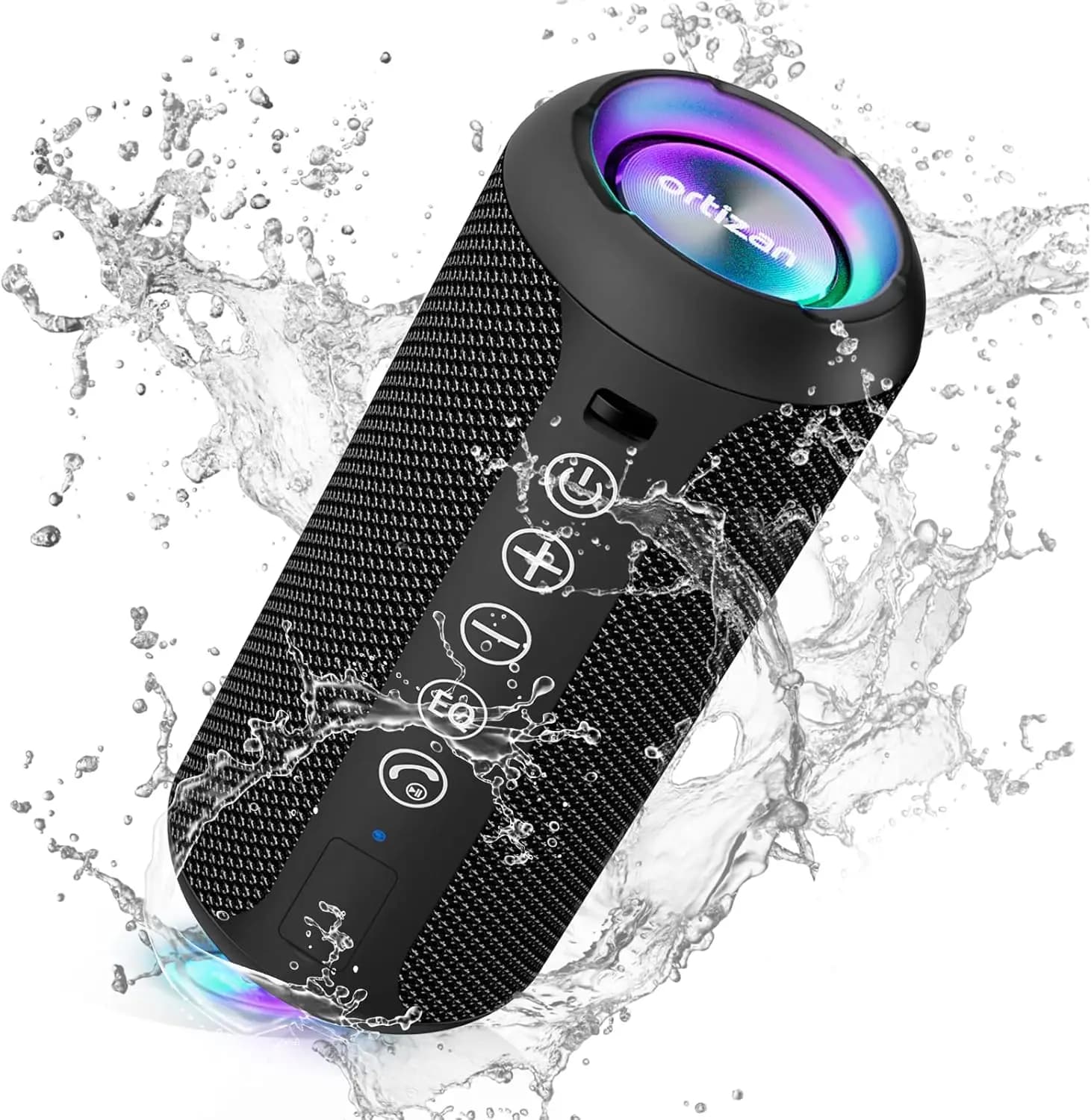
Ortizan X10 Portable Bluetooth Speaker with RGB Lights
In stock · Options available · Ships in 7–21 business days
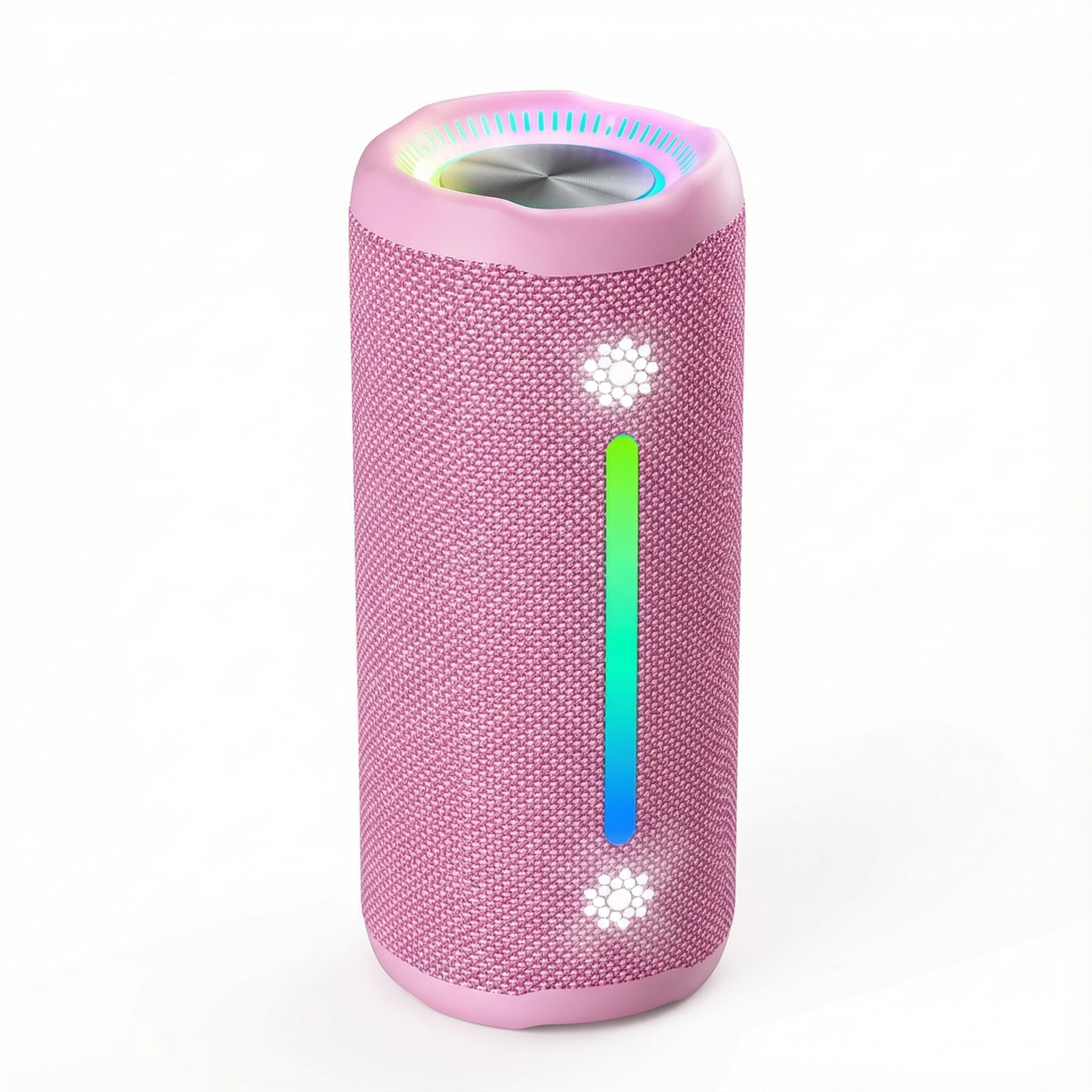
Ohayo X10 Max Bluetooth Speaker with Bass Boost and Lights
In stock · Options available · Ships in 7–21 business days
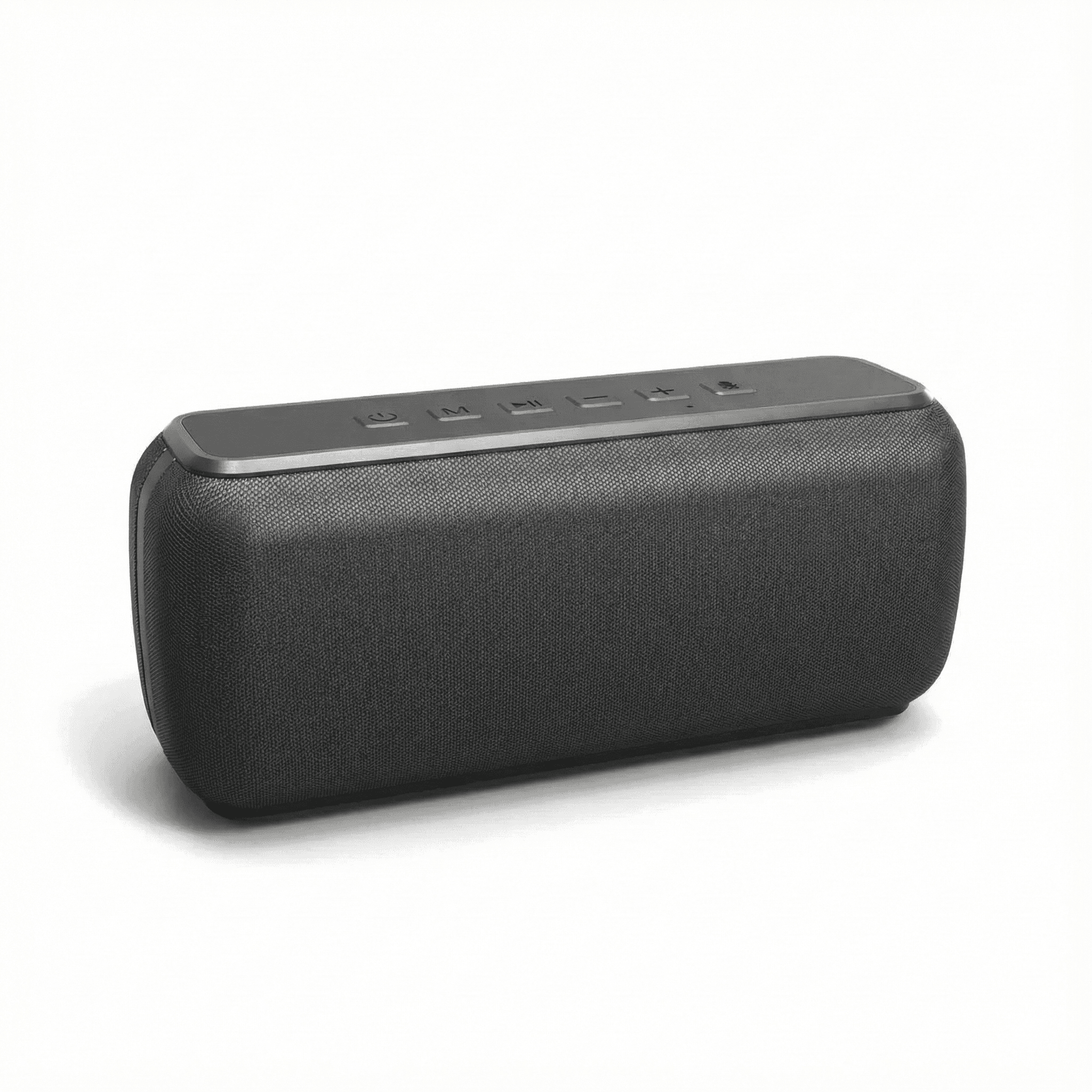
Xdobo X8 II Portable Bluetooth Speaker with Power Bank
In stock · Options available · Ships in 7–21 business days
Continue reading
 Tech & Gadgets
ANC Headphone Battery Life: What Really Affects Runtime
Learn what drains ANC headphone battery life, from noise canceling and codecs to cold and aging cells, plus charging habits that keep runtime closer to spec.
 Tech & Gadgets
What Size Portable Speaker Do You Need? Loudness Guide
What size portable speaker do you need? Match speaker size class to room, crowd and listening distance, and learn how loudness falls with distance outdoors.
 Tech & Gadgets
USB-C Hub Buying Guide: Ports, Video and Power Explained
USB-C hub buying guide: check what your laptop port supports, read data speed labels, size power pass-through and match the video and ports you need.