

Bedtime Diffuser Routine: A Calmer Wind-Down, Used Safely
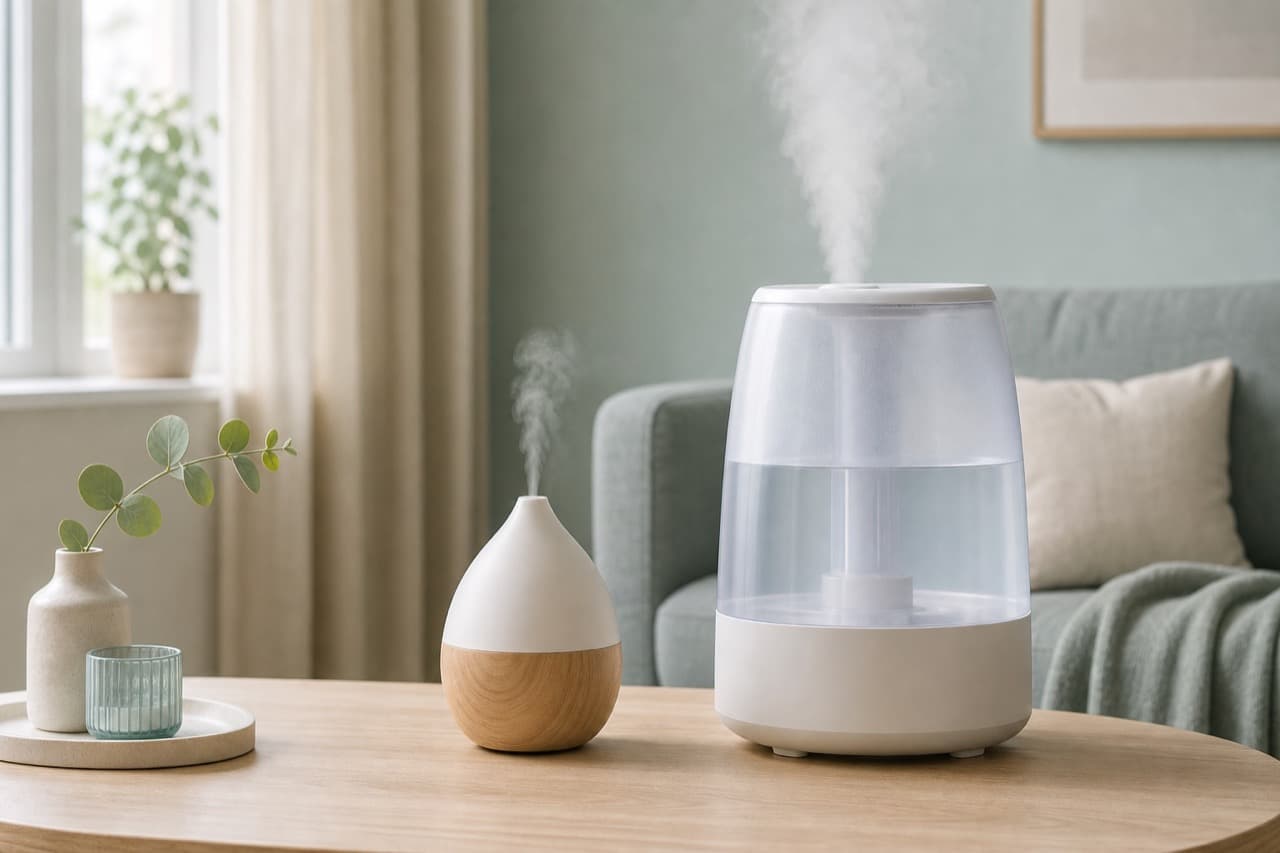
A bedtime diffuser routine works best as one small, consistent cue inside a broader wind-down: dim lights, put screens away, and start the diffuser on a short timer about 30-60 minutes before you plan to sleep. The scent itself is not a sleep treatment, and evidence that essential oils improve sleep is limited, but many people find that a pleasant, repeated ritual helps them shift out of work mode. This guide is for adults who want to add a diffuser to their evening without overdoing it. It covers choosing a bedroom-friendly diffuser, setting timers and lights, placing it safely, and protecting children and pets. If you have a breathing condition, are pregnant or have persistent sleep problems, talk to a doctor before relying on any routine.
Key takeaways
- Use the diffuser as a cue at the start of your wind-down, on a 30-60 minute timer or intermittent mode, rather than running it all night.
- Choose a quiet ultrasonic or waterless diffuser with auto shut-off and a light you can switch off completely.
- Follow the manufacturer’s oil amount, usually a few drops; more oil does not make it work better and can irritate eyes and airways.
- Place it at least a few feet from the bed, on a water-resistant surface, out of reach of children and pets.
- Cats, birds and small animals can be sensitive to essential oils; ask your vet before diffusing around them and keep a door open so pets can leave.
Building a wind-down routine around the diffuser
A wind-down routine is simply the same short sequence of calming actions each night, so your body and mind learn that sleep is coming. The diffuser works best as the first step, a signal that the evening has shifted, rather than the whole plan. A practical hour might look like this:
- 60 minutes before bed: lower the main lights, switch lamps to warm settings and put work away.
- 45 minutes: start the diffuser on a short timer in the bedroom with the door ajar, so the room has a light scent rather than a heavy one when you arrive.
- 30 minutes: screens off or set to night mode, and swap to reading, stretching or a shower.
- Bedtime: the diffuser has already shut off. Lights out, phone face down or out of reach.
The rest of the room matters more than the scent. Commonly recommended basics include a regular sleep and wake time, a dark room, and a cool temperature; many sleep organizations suggest somewhere around 60-67°F (15-19°C). A sunrise or smart alarm clock can support a consistent wake time; our guide to smart alarm clocks with wireless charging explains what to look for.
Choosing a diffuser for the bedroom
Bedroom use puts unusual demands on a diffuser: it needs to be quiet, dim and safe to leave unattended for a short time.
| Type | How it works | Bedroom pros | Bedroom cons |
|---|---|---|---|
| Ultrasonic | Vibrations turn water and a few drops of oil into fine mist | Quiet, gentle scent, many have timers and lights that switch off | Needs regular cleaning; tap water can leave white dust |
| Nebulizing (waterless) | Air pressure atomizes undiluted oil | Strong scent quickly; good for larger rooms | Uses oil faster, often louder, easy to overdo in a small room |
| Heat or plug-in warmer | Gentle heat evaporates oil | Simple and silent | Heat can change scent; check that it does not get hot to touch |
| Passive (reed or pad) | Oil evaporates from reeds or a pad | No power, no noise | No timer; scent is constant and hard to control |
For most people, a small ultrasonic diffuser with 1-, 2- or 3-hour timer settings, intermittent mode, auto shut-off when the water runs low and a light that can be fully turned off is the best fit. Water tanks around 100-300 ml are plenty for a bedroom. Our diffuser room size guide helps match output to the space, and if you are unsure whether you need a diffuser or a humidifier for dry winter air, read humidifier vs aroma diffuser first.
The Bluetooth Smart Aroma Diffuser and the Fireplace Flame Air Humidifier and Diffuser are two options in our range; check their product pages for timer options, tank size, light controls and care instructions before choosing one for a bedroom.
Timers, light and sound settings
Settings decide whether the diffuser helps or keeps you awake.
- Timer: set it to finish before or shortly after you get into bed. Continuous overnight diffusing in a closed room is unnecessary and raises the chance of irritation.
- Intermittent mode: cycles mist on and off, which keeps scent light and stretches a small tank.
- Light: bright LEDs, especially blue or white, are distracting at night. Use a warm, dim setting during wind-down and turn it off for sleep.
- Sound: ultrasonic models are usually near silent but can gurgle or click. Listen to it in a quiet room before relying on it at bedtime.
Safe use: oils, placement, pets and kids
Treat a diffuser like any other small electrical appliance with water in it, and follow its manual. Read our aromatherapy diffuser safety guide for the full checklist; the bedroom-specific points are:
- Dose: use only the number of drops the manual recommends for the tank size. Never add oil to a diffuser designed for water only, or water to one designed for neat oil.
- Placement: put it at least a few feet from the bed and away from your face, at a height where mist does not settle on furniture, books or electronics. Use a mat or tray to protect wood surfaces.
- Ventilation: leave the door ajar or a window cracked if the scent becomes strong. If anyone gets a headache, cough, watery eyes or irritation, stop.
- Children: keep the diffuser and oil bottles out of reach. Essential oils can be harmful if swallowed, and some are not considered suitable around young children, so ask a pediatrician before diffusing in a child’s room.
- Pets: cats are known to be especially sensitive to many essential oils, and birds are sensitive to airborne particles in general. Ask your vet, avoid diffusing in rooms where pets sleep, and make sure they can leave the room.
- Health conditions: people with asthma or other respiratory conditions, or who are pregnant, should check with a healthcare professional first.
Cleaning and upkeep
Standing water in a warm room grows film and odors. Empty the tank each morning, wipe it dry and leave it open to air. Clean it weekly, or as the manual directs, using a cotton swab on the ultrasonic plate and a small amount of white vinegar if the maker approves it. Using distilled or filtered water reduces the white mineral dust some ultrasonic diffusers leave on furniture. Our guide on how to clean an essential oil diffuser has step-by-step instructions.
Mistakes to avoid
- Running the diffuser all night. A short timer gives the same ritual cue with less exposure.
- Adding extra drops for a stronger effect. Strong scent is more likely to irritate than relax.
- Leaving a bright light on. Many diffusers default to a glowing LED that undermines a dark room.
- Diffusing in a closed room with a cat or bird. Pets cannot tell you the scent is bothering them; give them a way out.
- Expecting a diffuser to fix insomnia. Ongoing trouble falling or staying asleep is worth discussing with a doctor.
Which approach fits your evenings?
Choose a small ultrasonic diffuser with a timer and switch-off light if you want a gentle, controllable cue in a bedroom. Choose a passive reed diffuser in a hallway or living room if you like a constant faint scent and do not want anything powered near the bed. Skip diffusing in the bedroom entirely if a pet sleeps there or anyone in the room has respiratory sensitivities, and focus on light, temperature and a regular schedule instead. Browse diffusers and wellness tools in our personal care collection.
Frequently asked questions
Is it safe to sleep with an essential oil diffuser on?
It is generally better to use a timer so the diffuser shuts off around the time you fall asleep, rather than running it all night. Follow the manual, keep the room ventilated, and stop if anyone develops irritation.
How long should I run a diffuser before bed?
Around 30-60 minutes during your wind-down is usually enough to lightly scent a bedroom. Intermittent mode keeps the scent subtle.
How many drops of essential oil should I put in a diffuser?
Use the amount in your diffuser’s manual, which is typically only a few drops for a small tank. More oil does not improve the effect and can cause irritation.
Are essential oil diffusers safe for cats and dogs?
Some essential oils can be harmful to pets, and cats are particularly sensitive. Ask your veterinarian, avoid diffusing where pets sleep, and always let them leave the room.
Where should I put a diffuser in my bedroom?
Place it at least a few feet from the bed on a stable, water-resistant surface, away from electronics and out of reach of children and pets. Avoid pointing the mist toward your face.
Shop Beauty & Personal Care
View all →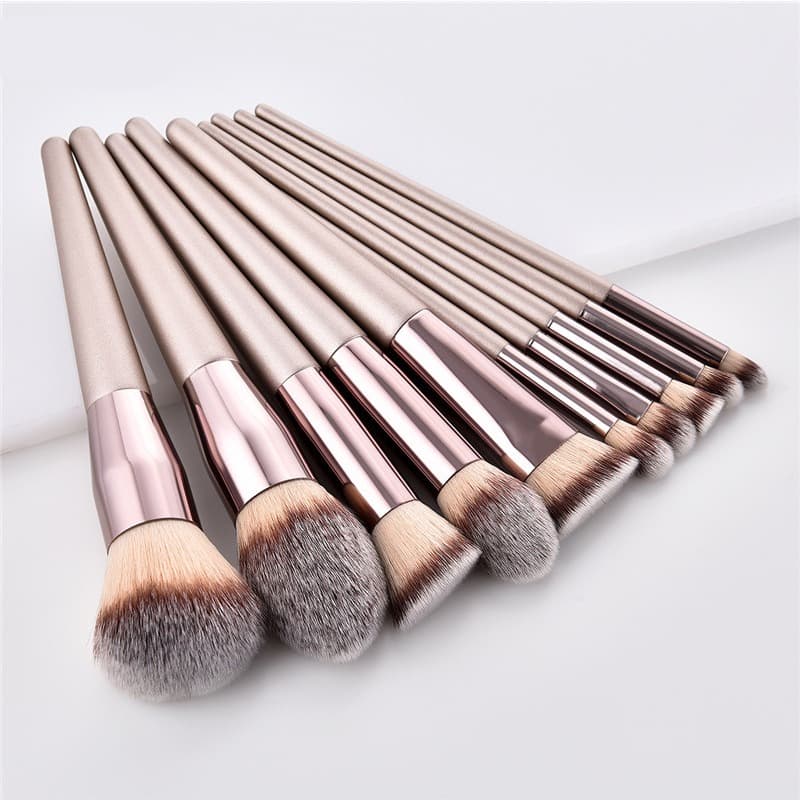 Sale
Champagne Gold Makeup Brush Set with Travel Pouch
In stock · Options available · Ships in 7–21 business days
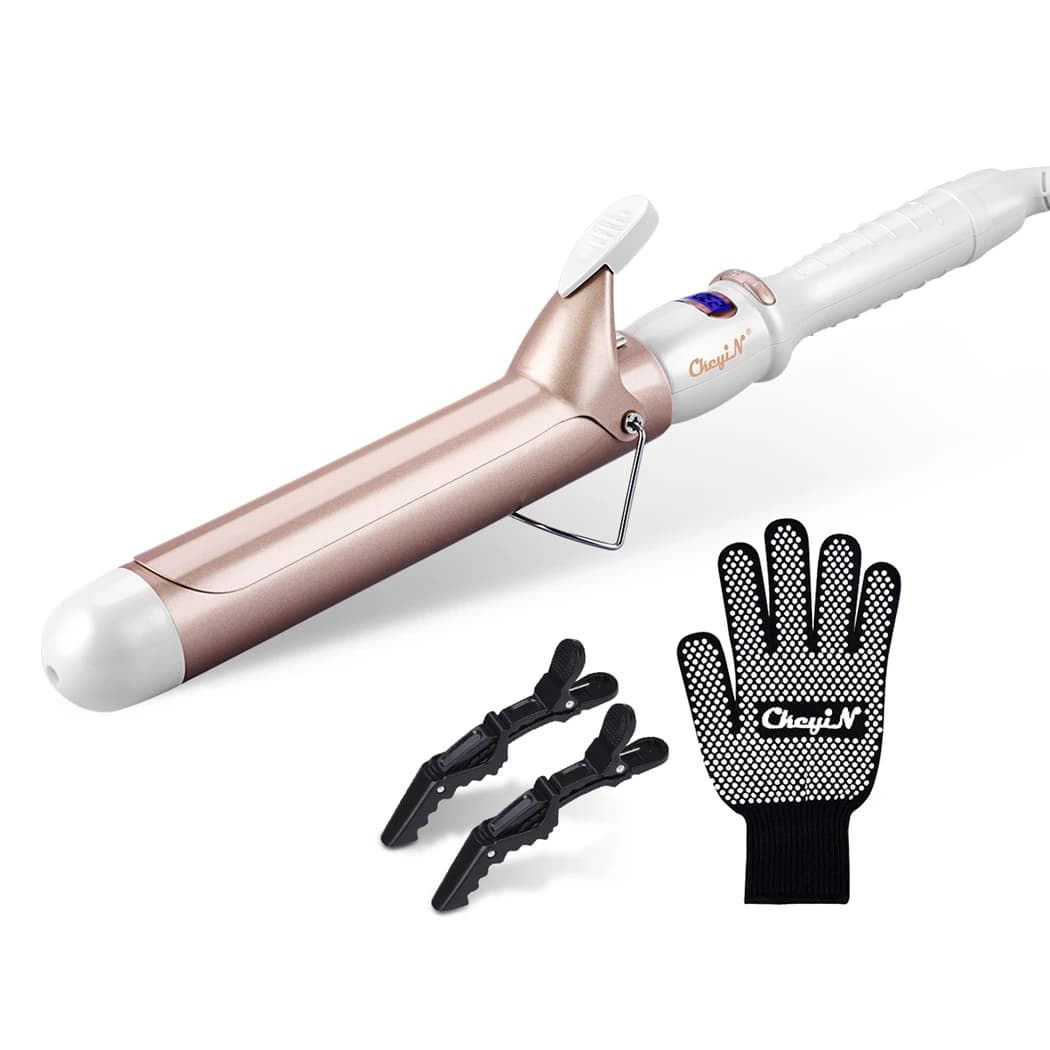
Tourmaline Ceramic Hair Curler with Adjustable Heat
In stock · Options available · Ships in 7–21 business days
 Sale
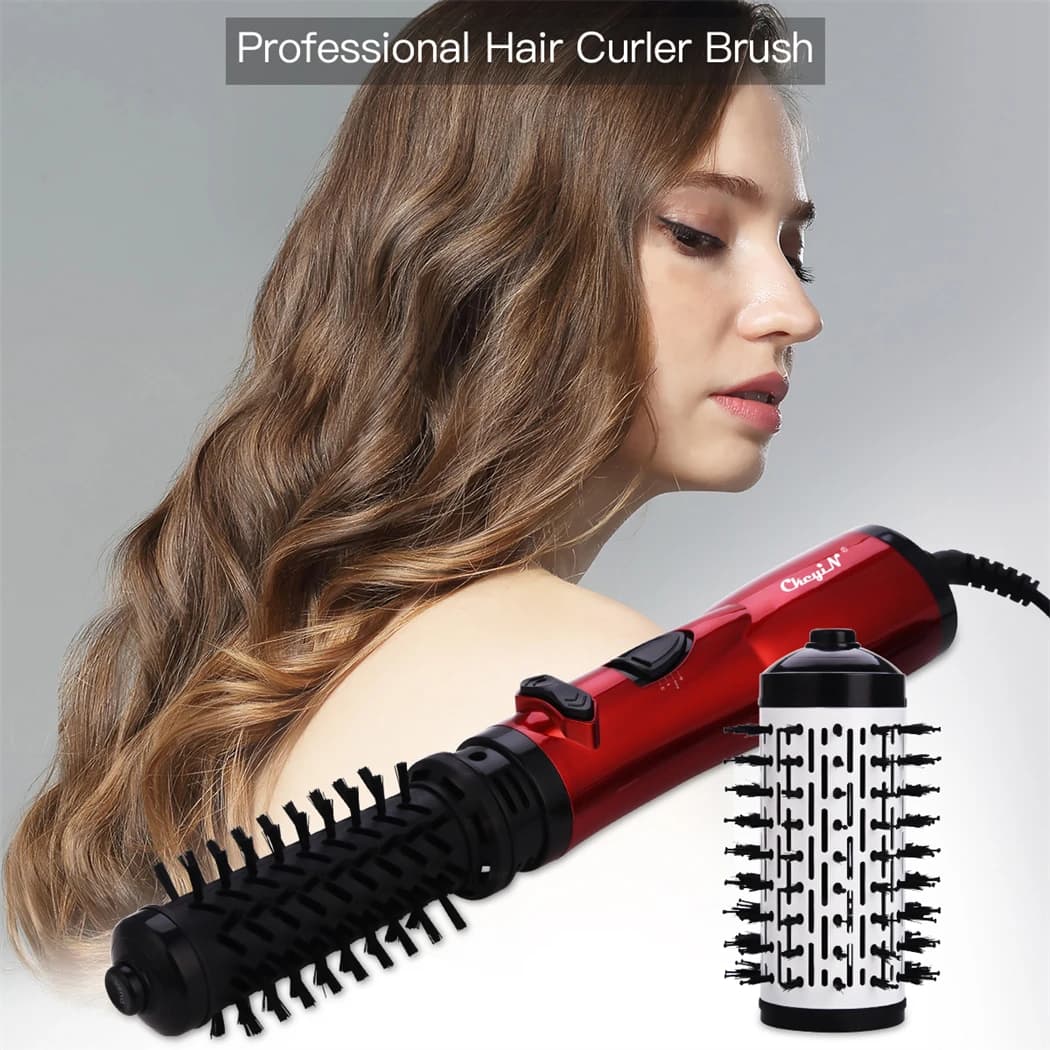
Rotating Hot Air Brush with Ceramic Tourmaline Barrel
In stock · Ships in 7–21 business days
 Sale
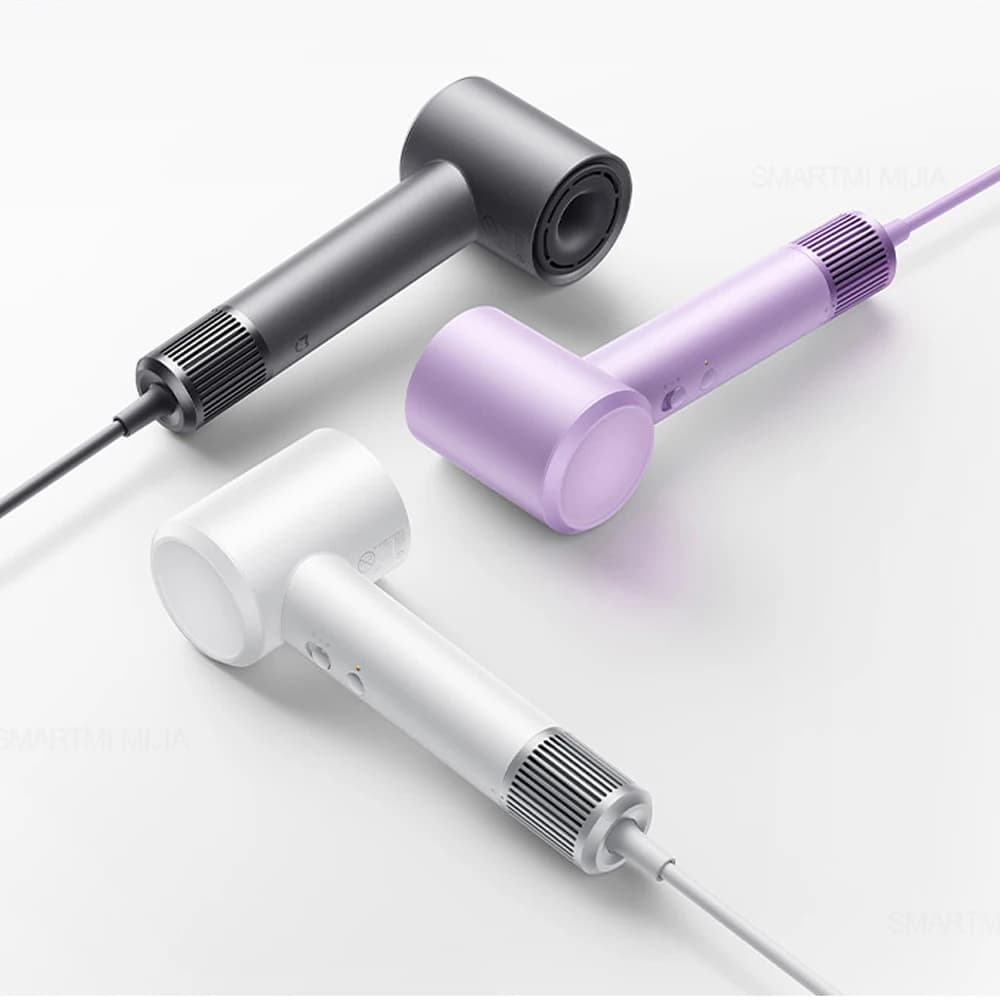
High-Speed Brushless Ionic Hair Dryer with Magnetic Nozzle
In stock · Options available · Ships in 7–21 business days
Continue reading
 Beauty & Personal Care
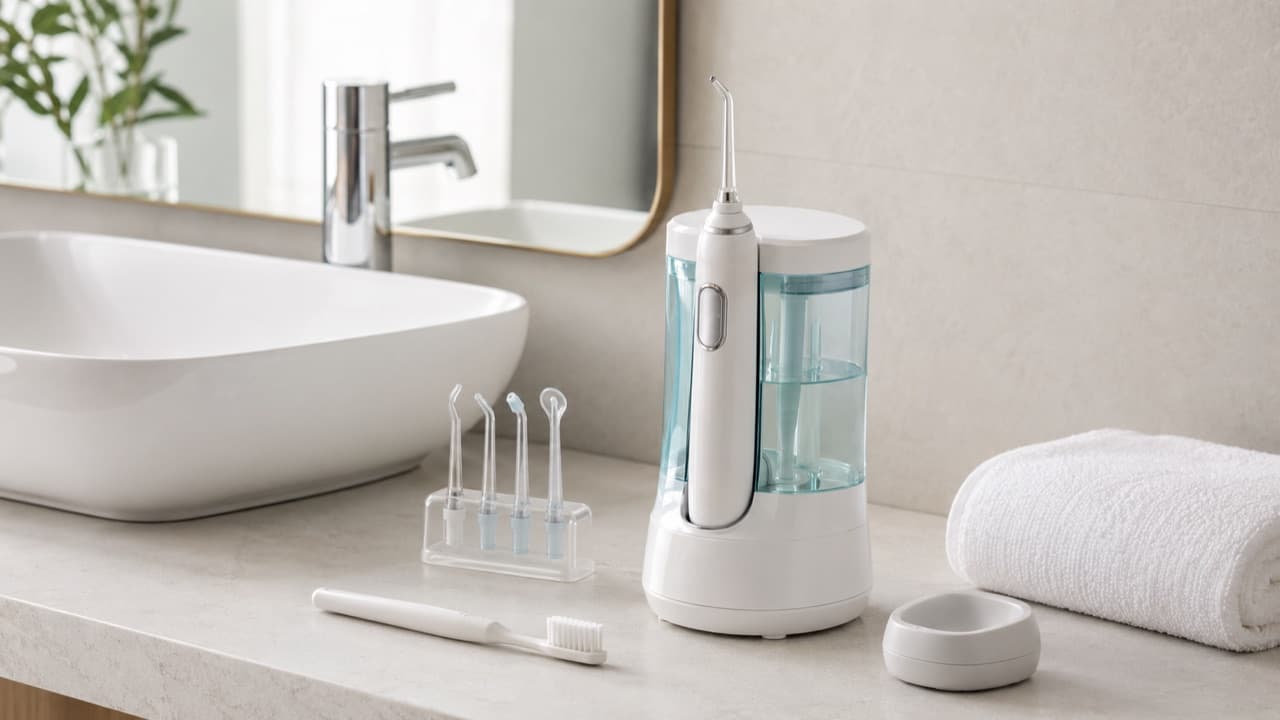
Water Flosser Benefits and How to Use One Safely
Water flosser benefits explained honestly: who gains most, how to use one without hurting your gums, pressure settings, cleaning, and when to ask a dentist.
 Beauty & Personal Care
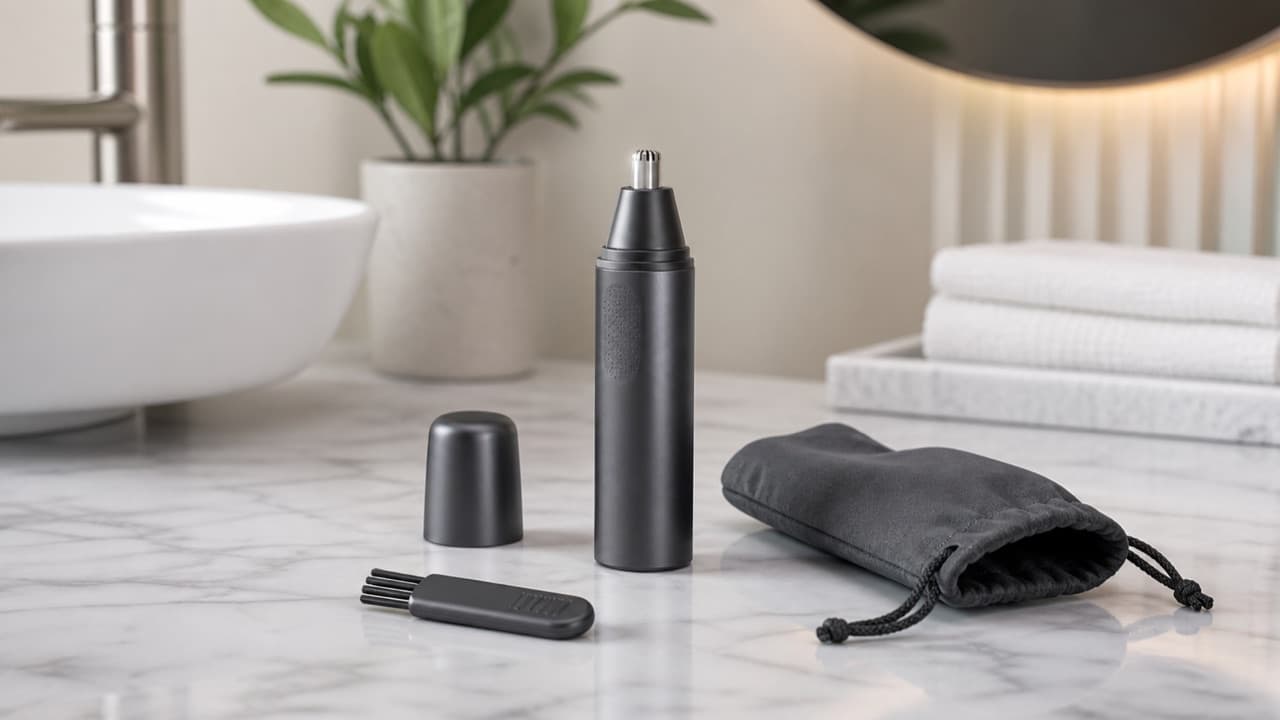
How to Trim Nose and Ear Hair Safely: Step by Step
How to trim nose and ear hair safely: how far to insert the trimmer, step-by-step technique, hygiene, why plucking is riskier, and when to see a doctor.
 Beauty & Personal Care
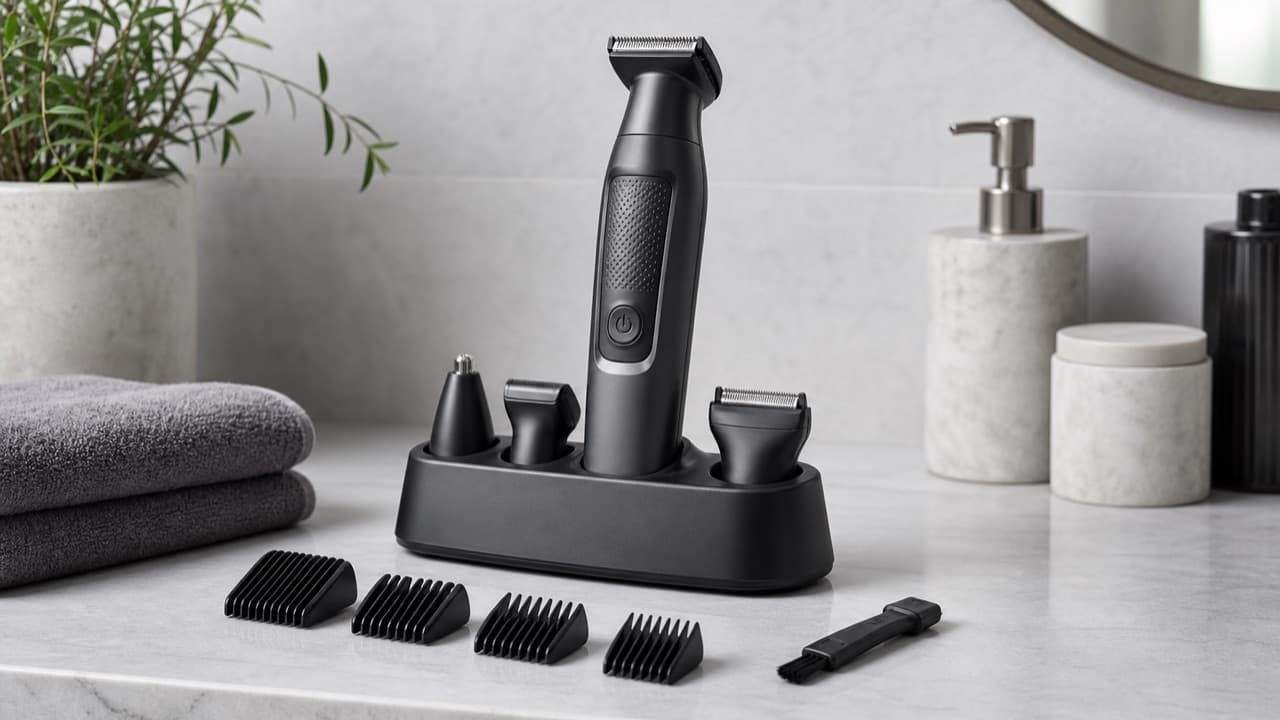
How to Use a Body Groomer Safely and Keep It Clean
How to use a body groomer on chest, back, underarms and groin with fewer nicks and less irritation, plus a cleaning, oiling and blade replacement routine.