

Makeup Brush Types and Uses, Plus How to Clean Them
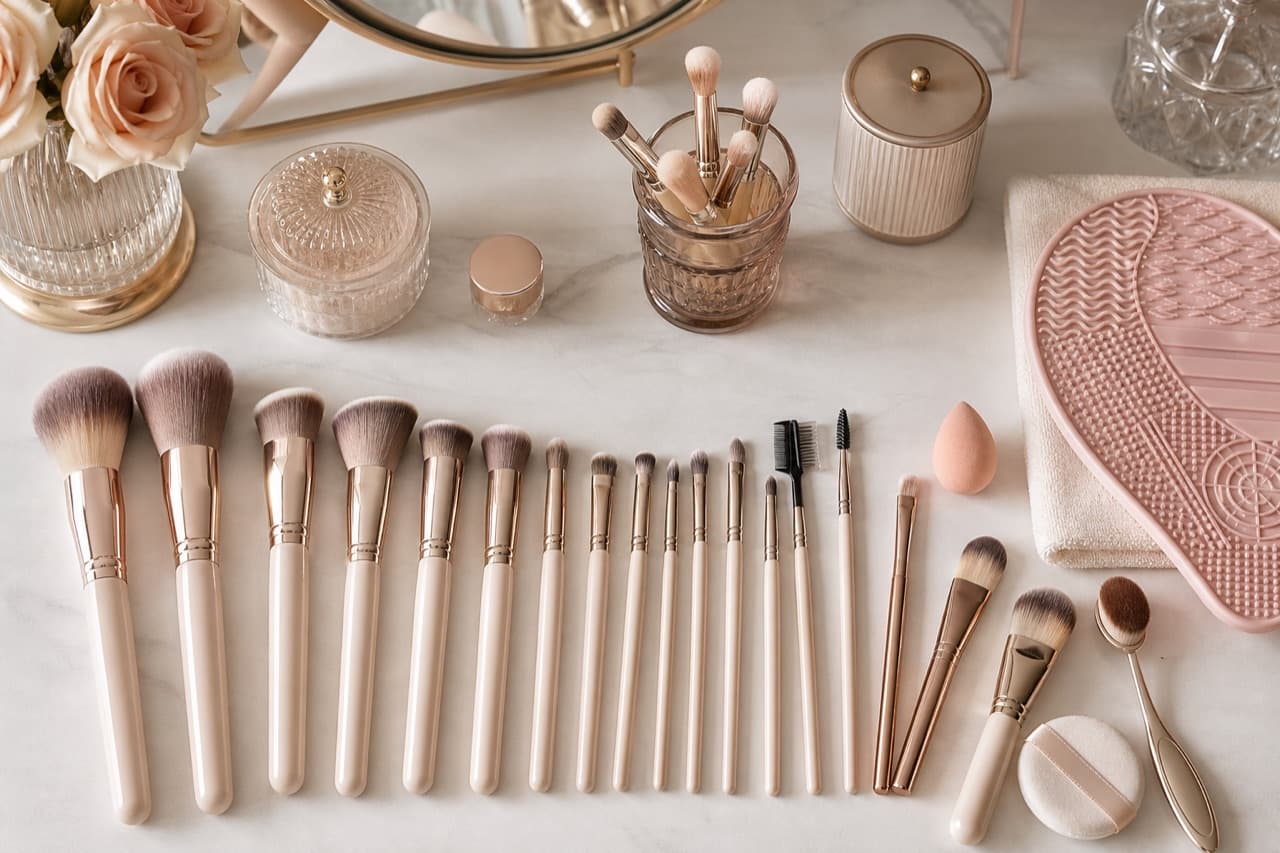
Makeup brush types and uses come down to two things: the shape of the head decides where product goes, and the density of the bristles decides how much product it lays down. A dense, flat brush deposits a lot of product in one place; a loose, fluffy brush spreads a little product over a wide area. Once you understand that, the dozens of brushes in a typical set sort themselves into a handful of jobs. This guide is for beginners building a first kit and for anyone staring at a 15-piece set wondering which ones they actually need, and it closes with a practical cleaning and drying routine so the brushes last.
Key takeaways
- Shape controls placement and density controls coverage: dense for full coverage and precise lines, fluffy for sheer, diffused color.
- Most routines are covered by about six brushes: foundation, concealer, powder, blush, an eyeshadow blending brush and a flat shader.
- Brushes used with liquid or cream products should be washed roughly weekly; powder-only brushes can go a little longer.
- Always dry brushes flat or bristles down. Water running into the ferrule loosens the glue and causes shedding.
- Replace a brush when it sheds steadily, splays out of shape or smells even after washing.
Face brushes and what each one does
Face brushes are larger and handle the products that cover the most area.
Foundation brushes
A flat paddle brush paints liquid foundation on quickly but can leave streaks unless you blend afterward. A dense flat-top or rounded kabuki buffs liquid and cream into the skin with circular motions and gives medium to full coverage. A duo-fiber or “stippling” brush, with longer sparse fibers over a denser base, gives a lighter, airbrushed finish and works well with thin formulas. Damp sponges are an alternative that sheer product out; many people use a brush to apply and a sponge to press and blend.
Concealer brushes
Small, flat, slightly tapered brushes place concealer precisely on blemishes. A small fluffy or dome-shaped brush blends under-eye concealer without dragging delicate skin.
Powder, blush, bronzer and highlight
- Large fluffy powder brush: sets foundation with a light dusting; too dense a brush deposits too much and looks cakey.
- Angled brush: follows the cheekbone for contour or bronzer.
- Medium rounded or tapered brush: blush placed on the cheeks and blended upward.
- Fan or small tapered brush: highlighter on the high points of the face, where you want a thin, controlled sheen.
Eye and detail brushes
Eye brushes are where sets often pad their numbers, so it helps to know which shapes are genuinely different.
| Brush | Shape and density | Main job | Do you need it? |
|---|---|---|---|
| Flat shader | Flat, dense, rounded tip | Packs shadow onto the lid for strong color | Yes, one is essential |
| Blending brush | Fluffy, tapered | Softens edges and blends the crease | Yes; two sizes are handy |
| Crease or pencil brush | Small, dense, pointed | Precise color in the crease, outer corner or lower lash line | Useful for defined looks |
| Smudge brush | Short, dense, rounded | Smoky lower lash line; softening pencil liner | Optional |
| Angled liner or brow brush | Thin, firm, angled | Gel liner, brow powder or pomade | Yes if you fill brows or use gel liner |
| Spoolie | Mascara-wand style | Brushes brows into place, separates lashes | Yes; cheap and very useful |
| Lip brush | Small, flat, firm | Precise lipstick edges | Optional |
Many sets, including the Champagne Makeup Brushes Set, include several eye shapes alongside the face brushes; check the product page for the exact brush list and fiber type, then match it against the table above to see which of your jobs it covers.
Bristle material in brief
Most modern brushes are synthetic (nylon or taklon fibers), which suit liquids and creams because they do not absorb much product and are easy to wash. Natural hair, such as goat, picks up and diffuses powder well but needs gentler cleaning and drying. If you are deciding between the two, our full comparison of synthetic vs natural makeup brushes goes into the trade-offs in depth; this guide focuses on shapes and care, which apply to both.
Construction matters regardless of fiber. Look at the ferrule (the metal or plastic collar holding the bristles): it should be firmly crimped to the handle with no wobble. A brush that sheds several hairs on the first gentle tug is likely to keep shedding.
How to clean makeup brushes
Product, skin oil and dead skin cells build up in bristles, which affects how smoothly brushes apply and can contribute to irritation for some people. A reasonable schedule is weekly for brushes used with foundation, concealer or cream products, and every two weeks or so for powder and eye brushes used only with powder. Brushes used on breakouts or shared with anyone else should be cleaned after each use.
- Wet the tips only. Hold the brush bristles down under lukewarm running water. Avoid hot water and do not soak the ferrule.
- Add a gentle cleanser. A mild unscented soap, a gentle shampoo or a dedicated brush cleanser works. Swirl the bristles in your palm or on a textured silicone mat.
- Rinse until the water runs clear. Foundation brushes may need two rounds. For heavy cream product, a drop of oil before the soap helps break it down, followed by a thorough soap rinse.
- Squeeze, then reshape. Gently press out water with a clean towel and reshape the head with your fingers.
- Dry flat or bristles down. Lay brushes on a towel with the heads hanging over the edge of a counter, or use a drying rack that holds them upside down. Never dry them upright in a cup while wet.
Most brushes dry in 6-12 hours depending on density; dense kabuki brushes can take a full day. Do not use a hair dryer on high heat, which can warp synthetic fibers and loosen glue. Between deep cleans, a quick spray brush cleaner wiped on a paper towel removes surface color when you switch eyeshadow shades.
Mistakes to avoid
- Drying brushes upright. Water runs into the ferrule, dissolves the adhesive and leads to shedding and a musty smell.
- Buying the biggest set available. A 24-piece set often repeats near-identical eye brushes; six to ten well-made brushes cover nearly every look.
- Using a dense brush for powder. Setting powder applied with a tightly packed brush lays down too much product and emphasizes texture.
- Scrubbing hard against a mat. Aggressive scrubbing bends fibers permanently. Light swirls do the job.
- Storing wet brushes in a closed case. Trapped moisture is where mildew and odors start. Let them dry fully first.
How to build your brush kit
Pick a minimal kit of foundation, concealer, powder, blush, flat shader and fluffy blender if you wear everyday makeup and want quick routines. Add an angled contour brush, a pencil crease brush and an angled brow brush if you do more defined eye looks or fill your brows daily. Pick a curated set if you are starting from zero and want consistency, but check that it actually includes the shapes above rather than duplicates. A dedicated pouch or upright holder (for dry brushes) keeps heads from getting crushed. Good light makes all of this easier, so see our LED makeup mirror lighting guide, and browse the wider personal care range for the rest of your routine.
Frequently asked questions
How often should you wash makeup brushes?
Wash brushes used with liquid or cream products about once a week, and powder-only brushes every one to two weeks. Clean any brush after it touches broken skin or is used on someone else.
What makeup brushes does a beginner need?
A foundation brush or sponge, a concealer brush, a powder brush, a blush brush, a flat eyeshadow brush and a fluffy blending brush cover most everyday looks. Add a spoolie and an angled brow brush if you groom or fill your brows.
Can I clean makeup brushes with dish soap?
Many people use a small amount of gentle dish soap to cut through oily foundation, and it generally works on synthetic brushes. Rinse thoroughly, and use a milder shampoo for natural-hair brushes, which can dry out with harsh detergents.
Why are my makeup brushes shedding?
Shedding usually comes from water getting into the ferrule and weakening the glue, aggressive scrubbing, or simply loosely made brushes. Wash bristles down, dry them flat or upside down, and replace a brush that keeps losing hairs.
How long do makeup brushes last?
With regular cleaning and proper drying, well-made brushes commonly last years. Replace one when it sheds steadily, loses its shape, feels scratchy or holds an odor after a thorough wash.
Shop Beauty & Personal Care
View all →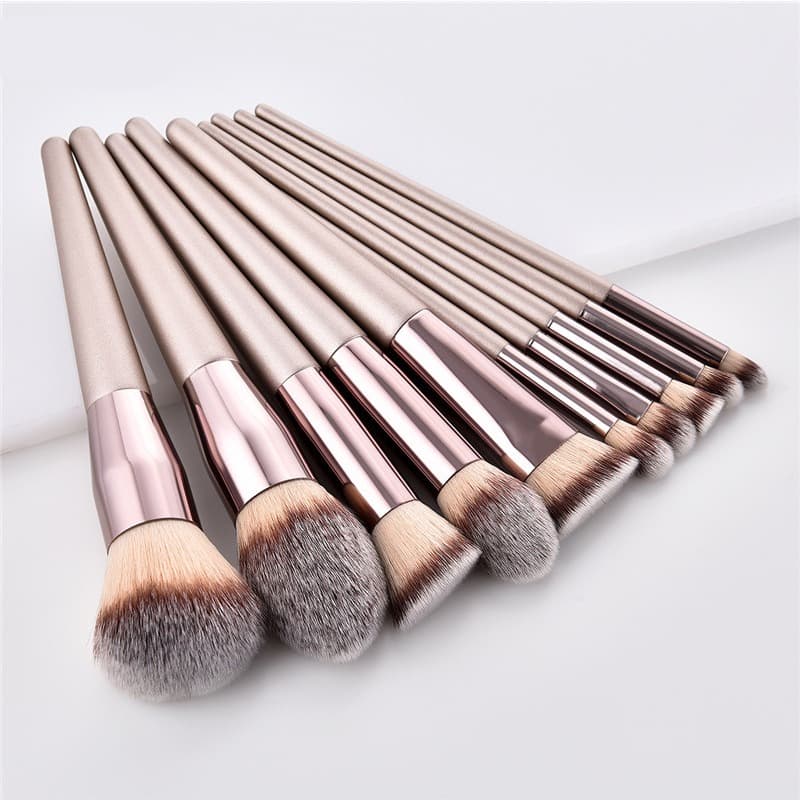 Sale
Champagne Gold Makeup Brush Set with Travel Pouch
In stock · Options available · Ships in 7–21 business days
Tourmaline Ceramic Hair Curler with Adjustable Heat
In stock · Options available · Ships in 7–21 business days
 Sale
Rotating Hot Air Brush with Ceramic Tourmaline Barrel
In stock · Ships in 7–21 business days
 Sale
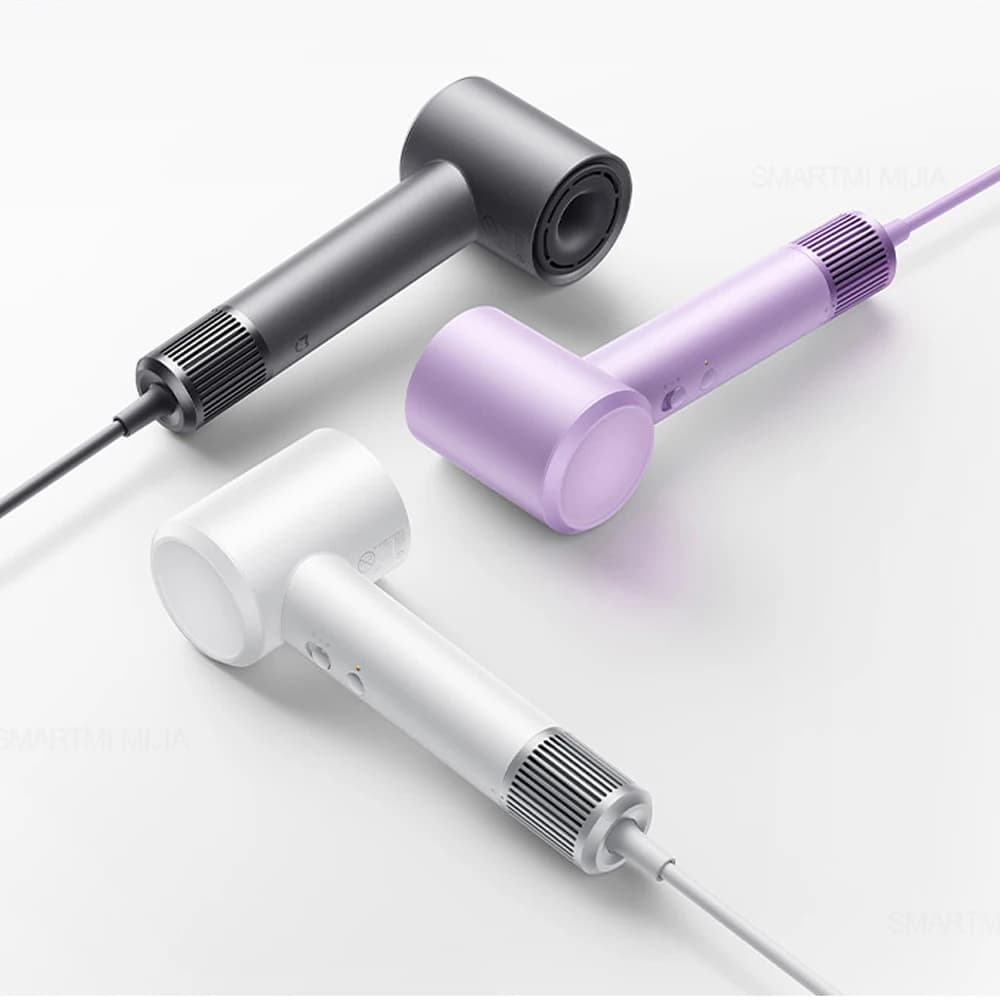
High-Speed Brushless Ionic Hair Dryer with Magnetic Nozzle
In stock · Options available · Ships in 7–21 business days
Continue reading
 Beauty & Personal Care
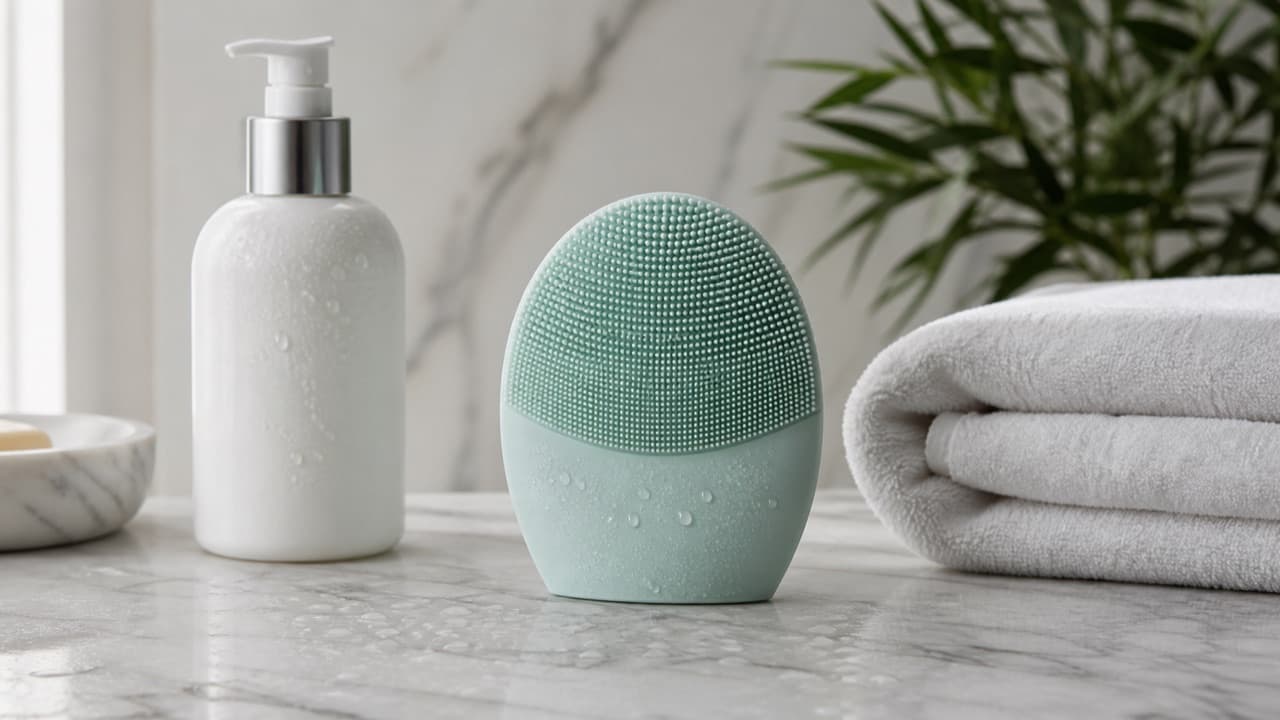
How to Use a Silicone Facial Cleansing Brush Gently
How to use a silicone facial cleansing brush: technique, how often to use it, which skin types should go easy, and how to clean and store the device safely.
 Beauty & Personal Care
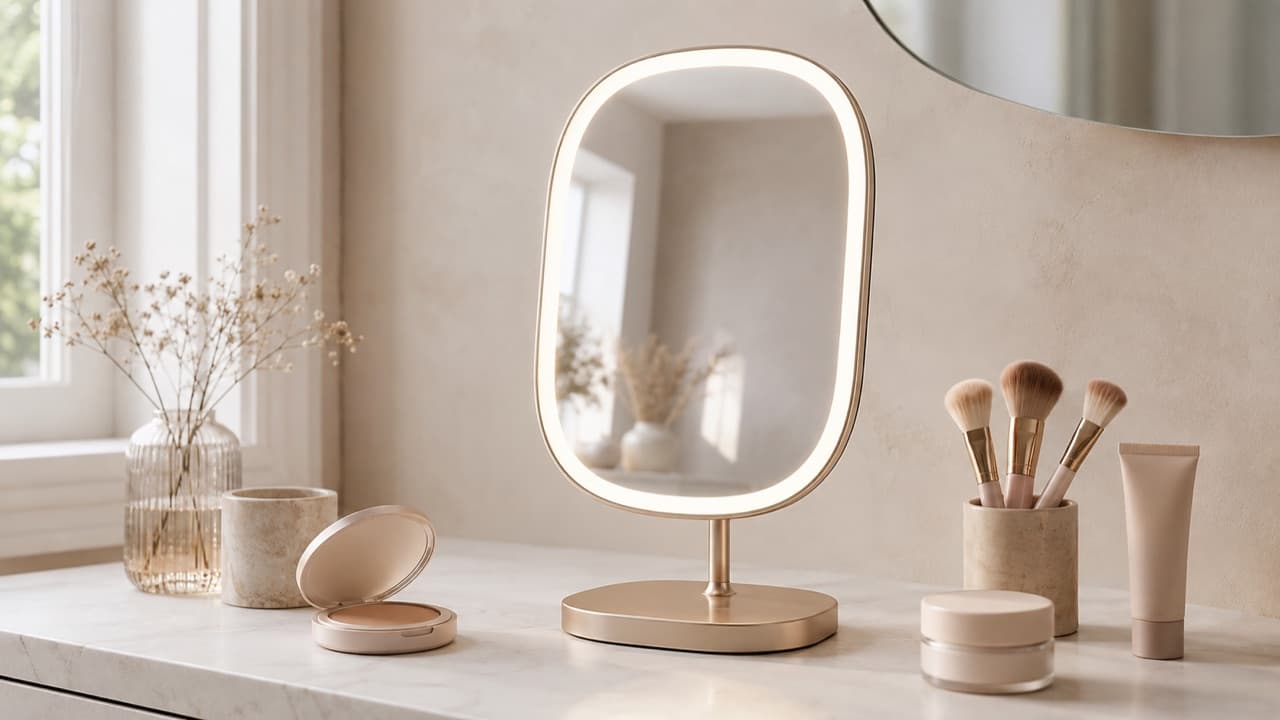
LED Makeup Mirror Lighting: CRI, Color and Brightness
LED makeup mirror lighting explained: what CRI, color temperature, brightness and magnification mean, so foundation matches in daylight, not just indoors.
 Beauty & Personal Care
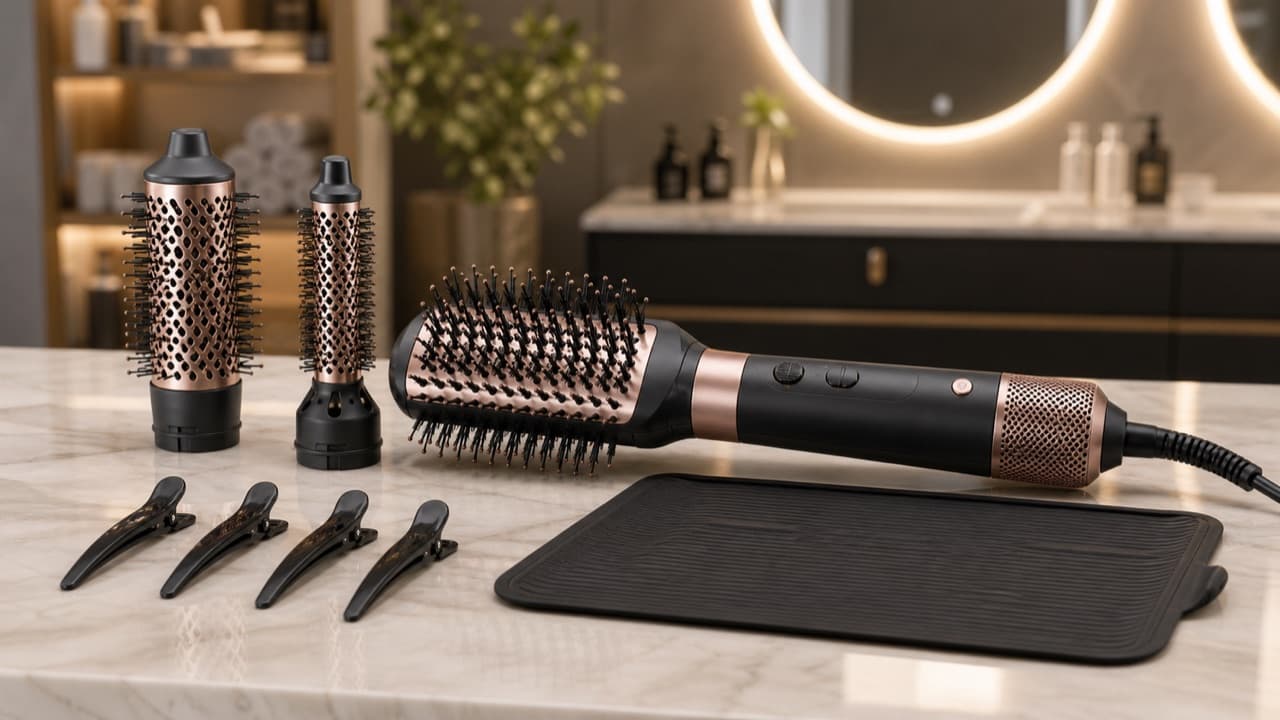
Hot Air Brush Guide: Barrel Size, Settings and Technique
Hot air brush guide: choose barrel shape and size for your hair length, compare rotating vs static brushes, and learn the technique for a smooth blowout.