

How to Clean an Essential Oil Diffuser Step by Step
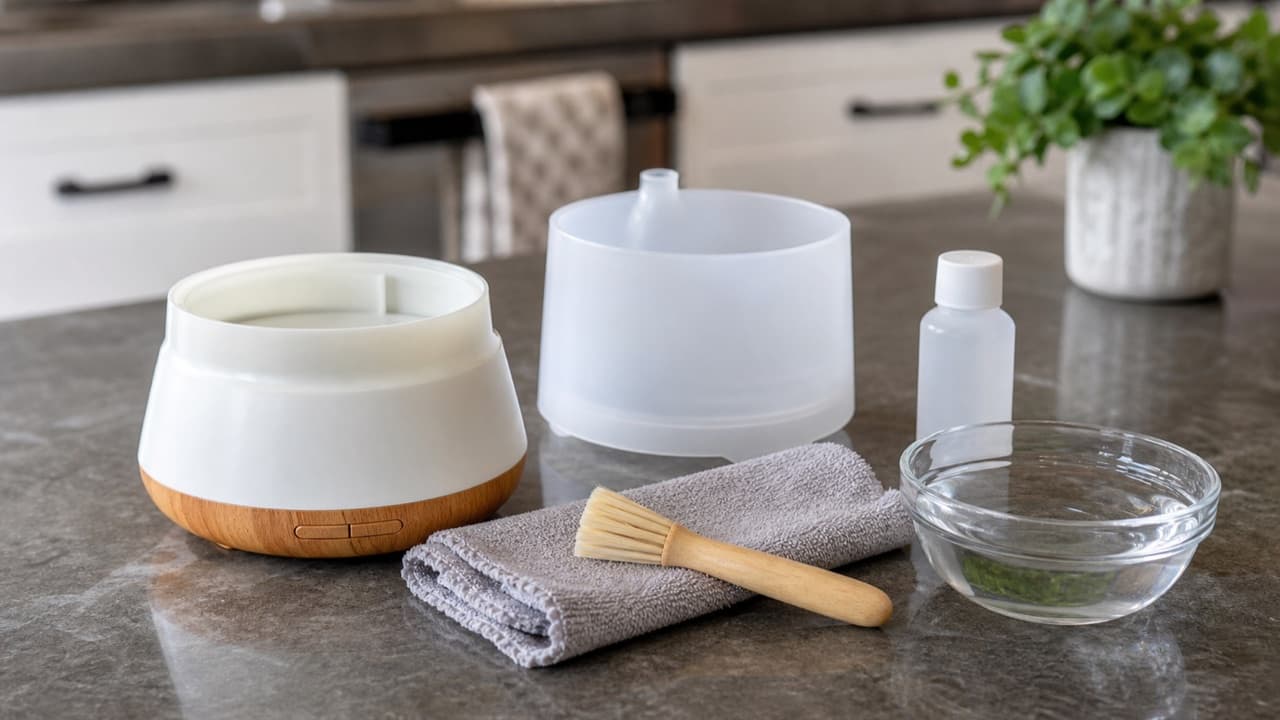
Here is how to clean an essential oil diffuser in one line: empty and wipe it after each use, and once a week run a short cycle with water and a little white vinegar, then gently clean the ultrasonic plate with a cotton swab. That routine prevents most of the problems people blame on a “broken” diffuser, such as weak mist, a sour smell, or scents that blend into each other. This guide covers ultrasonic (water-based) diffusers, waterless nebulizing diffusers and fragrance-oil machines, so you can follow the steps that match the unit on your shelf.
Key takeaways
- Unplug before every clean, and never pour liquid into air vents, the fan opening or the power socket.
- The small metal or ceramic disc at the bottom of an ultrasonic tank does the work. Clean it with a soft cotton swab only; scratching or pressing hard can damage it.
- Weekly descaling with a small amount of white vinegar removes oil film and mineral scale; switching to distilled water slows scale considerably.
- Waterless nebulizing diffusers are cleaned differently, usually by running a little isopropyl alcohol or carrier liquid through them as the maker directs, not with water.
- Never leave water standing in the tank for days. Stagnant water is how musty smells and biofilm start.
Know which type of diffuser you have
Cleaning depends on how the unit turns oil into scent, so identify it first.
| Type | How it works | What builds up | Cleaning approach |
|---|---|---|---|
| Ultrasonic diffuser | A vibrating plate turns water and a few drops of oil into fine mist | Oil film, mineral scale, slime in corners | Wipe after use, weekly vinegar cycle, swab the plate |
| Nebulizing (waterless) diffuser | Air pressure breaks undiluted oil into tiny droplets through a glass or plastic nozzle | Thick, sticky oil residue in the nozzle | Run a cleaning liquid recommended by the maker, wipe the glass |
| Wall-mounted or HVAC-style fragrance machine | Cold-air atomizes fragrance oil from a bottle | Residue in the atomizer head and tube | Follow the manual’s flush procedure, usually with alcohol or a cleaner |
| Combination humidifier-diffuser | Larger ultrasonic tank, sometimes a separate oil tray | Scale, biofilm, oil on plastic | Treat like a humidifier; keep oil only where the manual allows |
If you own a fragrance machine such as the wall-mounted aromatic oil diffuser or a combination unit like the fireplace flame humidifier and diffuser, check the product page and the included manual for the exact cleaning method, because atomizer designs vary.
How to clean an ultrasonic diffuser (weekly deep clean)
- Unplug and empty. Pour out any water from the side the manual indicates. Many units have an arrow marking the pour edge so water does not run into the air outlet.
- Add water and vinegar. Fill the tank to about halfway with clean room-temperature water and add roughly a teaspoon to a tablespoon of plain white vinegar. Stay below the max fill line.
- Run it. Plug in and let it mist for 5 to 10 minutes. This loosens oil film from the walls and the plate.
- Empty and swab. Unplug, pour out the solution, then dip a cotton swab in a little white vinegar or rubbing alcohol and gently clean the ultrasonic plate in small circles. Use light pressure; you are dissolving film, not scrubbing.
- Wipe the tank. Clean corners and the inside of the lid with a soft cloth or another swab. Pay attention to the mist outlet in the cover, where condensed oil collects.
- Rinse and dry. Wipe with a cloth dampened in plain water, then let the open unit air-dry before refilling or storing.
Some manufacturers prefer rubbing alcohol on the plate and say nothing about vinegar, others say the opposite, and a few ask for plain water only. When the manual gives a method, follow it; it reflects what that plate and plastic can tolerate.
Daily habits that keep cleaning easy
- Empty after each session. Do not top up yesterday’s water. Pour it out, wipe the tank dry with a paper towel and start fresh.
- Use fewer drops. Most small diffusers need only 3 to 6 drops of oil per fill, and the manual often gives a range. Extra oil does not scale scent much but leaves more residue.
- Use distilled or filtered water if your tap water is hard. Hard water leaves white crust on the plate and fine white dust around the room.
- Wipe between scents. Citrus oils in particular can be harsh on some plastics, and residue from one oil changes the next blend.
Cleaning nebulizing and waterless diffusers
Nebulizers run pure oil, so the residue is concentrated and sticky. Many makers suggest occasionally removing the oil bottle and running a small amount of isopropyl alcohol, or a carrier liquid they supply, through the system for a few minutes to flush the nozzle. Others recommend soaking the removable glass reservoir in warm soapy water. Never put water into an air pump that is not designed for it, never use alcohol near an open flame or a lit candle, and ventilate the room while flushing. Clean the glass with a soft cloth only; abrasive pads scratch it and give oil more to cling to.
A nebulizer that sputters or produces little mist usually has a partly blocked nozzle from thickened oil. Resinous oils such as vetiver, sandalwood or myrrh thicken fastest, which is why many nebulizer makers recommend diluting or avoiding them.
Mistakes to avoid
- Submerging the base. The fan, circuit board and plate wiring sit below the tank. Water there can short the unit permanently.
- Scraping the ultrasonic plate. Knives, toothpicks and scrub sponges can scratch or crack the disc. Once it is damaged, misting drops off for good.
- Using bleach or strong cleaners. They can attack plastics and leave fumes you then breathe in once the diffuser runs. Vinegar or alcohol in small amounts is enough.
- Running a dry diffuser to “burn off” residue. Most have automatic shutoff, but running without water stresses the plate and does not clean anything.
- Ignoring a musty smell. A sour or damp-basement odor means biofilm. Do a full vinegar clean and dry the unit completely before using it again; if it keeps returning, retire the diffuser.
- Using oil in a unit not designed for it. Some humidifiers explicitly forbid essential oils because they degrade the tank. The humidifier vs aroma diffuser comparison explains why the two are not interchangeable.
Troubleshooting after a clean
No mist or very weak mist: check the water level is between minimum and maximum, the plate is free of film, and the fan opening underneath is not blocked by a tablecloth or rug. Leaking: the tank was overfilled or the unit was moved while full. Scent fades fast: the room may be too large for the output; the diffuser room size guide helps match capacity to space. Water spits instead of misting: the tank is likely overfilled.
For safe placement, how long to run a diffuser, and considerations for pets and children, read the aromatherapy diffuser safety guide. Essential oils can irritate some people and are hazardous to some pets, especially cats and birds, so ask a veterinarian or doctor if you are unsure.
How to choose a cleaning schedule for your diffuser
- Pick the light schedule (empty and wipe after use, vinegar cycle every one to two weeks) if you run a small ultrasonic unit a few evenings a week with distilled water.
- Pick a weekly deep clean if you run it daily, use tap water, or rotate several oils.
- Flush a nebulizer whenever you change oils or notice sputtering, and at least monthly with regular use.
- Consider replacing a unit that still mists weakly after a careful clean, smells musty after drying, or has a cracked tank. A Bluetooth model such as the smart aroma diffuser lists its tank and care details on the product page, and the wider range sits in the home and kitchen category.
Frequently asked questions
How often should I clean my essential oil diffuser?
Wipe and empty it after each use, and deep clean with a vinegar cycle about once a week if you use it daily. Light users can stretch the deep clean to every two weeks. Always follow your manual if it gives a different schedule.
Can I clean a diffuser with rubbing alcohol?
Many manufacturers suggest a cotton swab lightly dampened with rubbing alcohol for the ultrasonic plate. Use a small amount, keep it away from vents and electronics, and let it evaporate fully before refilling. Do not pour alcohol into the tank of an ultrasonic unit.
Why is my diffuser not misting after cleaning?
Common causes are too much or too little water, residue still on the plate, a blocked air intake underneath, or a lid not seated properly. Recheck each before assuming the plate has failed.
Is it safe to use tap water in a diffuser?
Most ultrasonic diffusers accept tap water, but hard water leaves mineral scale on the plate and can produce white dust. Distilled or filtered water reduces scale and cleaning frequency. Check your manual, as a few models specify a water type.
Can a diffuser grow mold?
Yes, if water sits in it for days. Empty it after each use, let it dry with the lid off, and do a vinegar clean if you notice a musty smell or slimy film.
Shop Home & Kitchen
View all →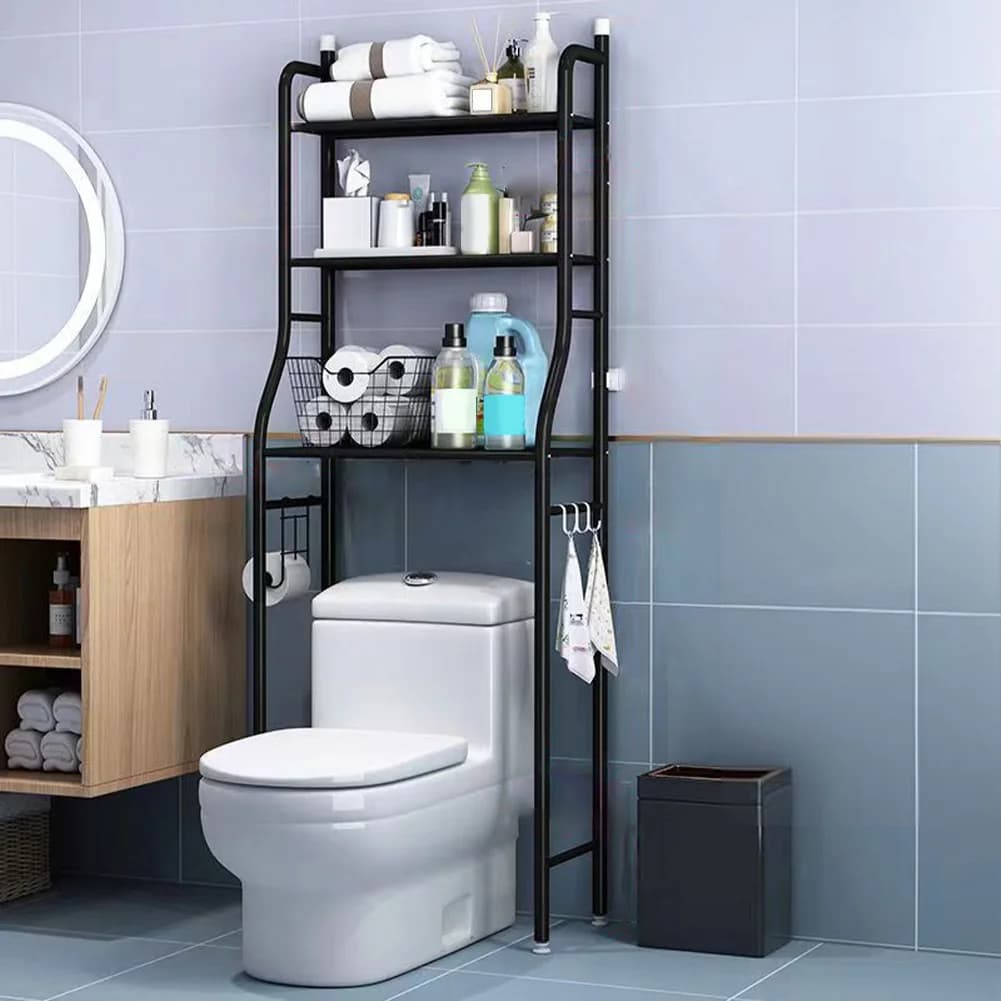
3-Tier Over-Toilet Storage Rack in Powder-Coated Carbon Steel
In stock · Options available · Ships in 7–21 business days
 Sale
Wingback Massage Recliner Chair in PU Leather with Footrest
In stock · Options available · Ships in 7–21 business days
 Sale
Mid-Century Modern Accent Armchairs, Set of Two, Wood Frame
In stock · Options available · Ships in 7–21 business days
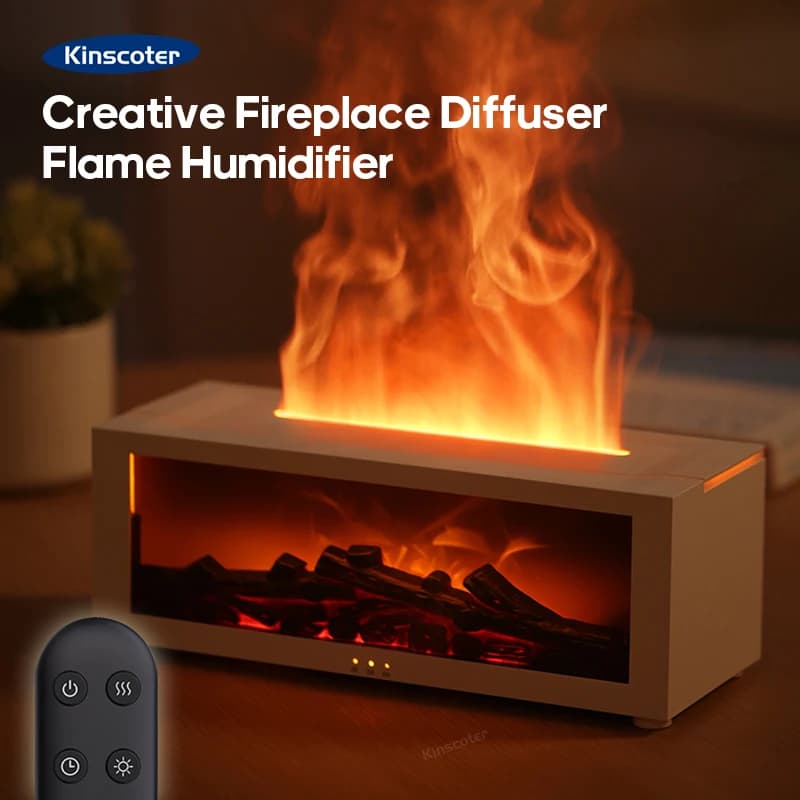
Fireplace Flame Ultrasonic Humidifier and Oil Diffuser
In stock · Options available · Ships in 7–21 business days
Continue reading
 Home & Kitchen
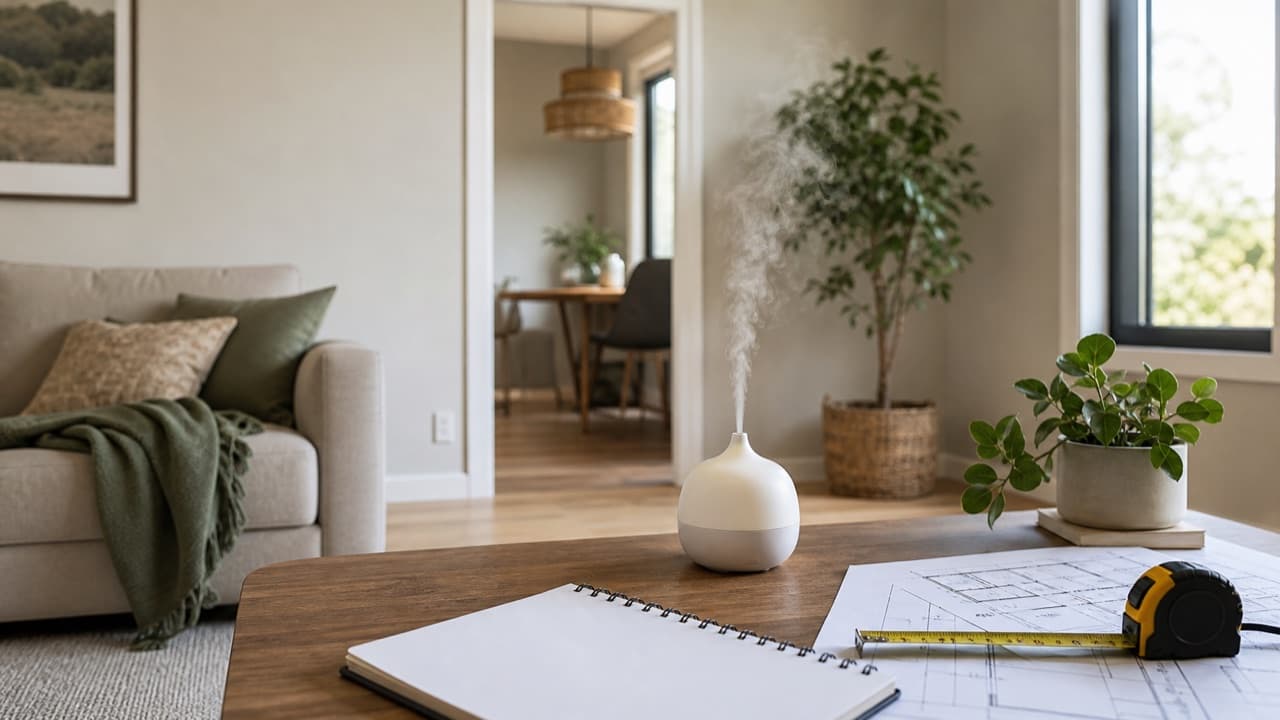
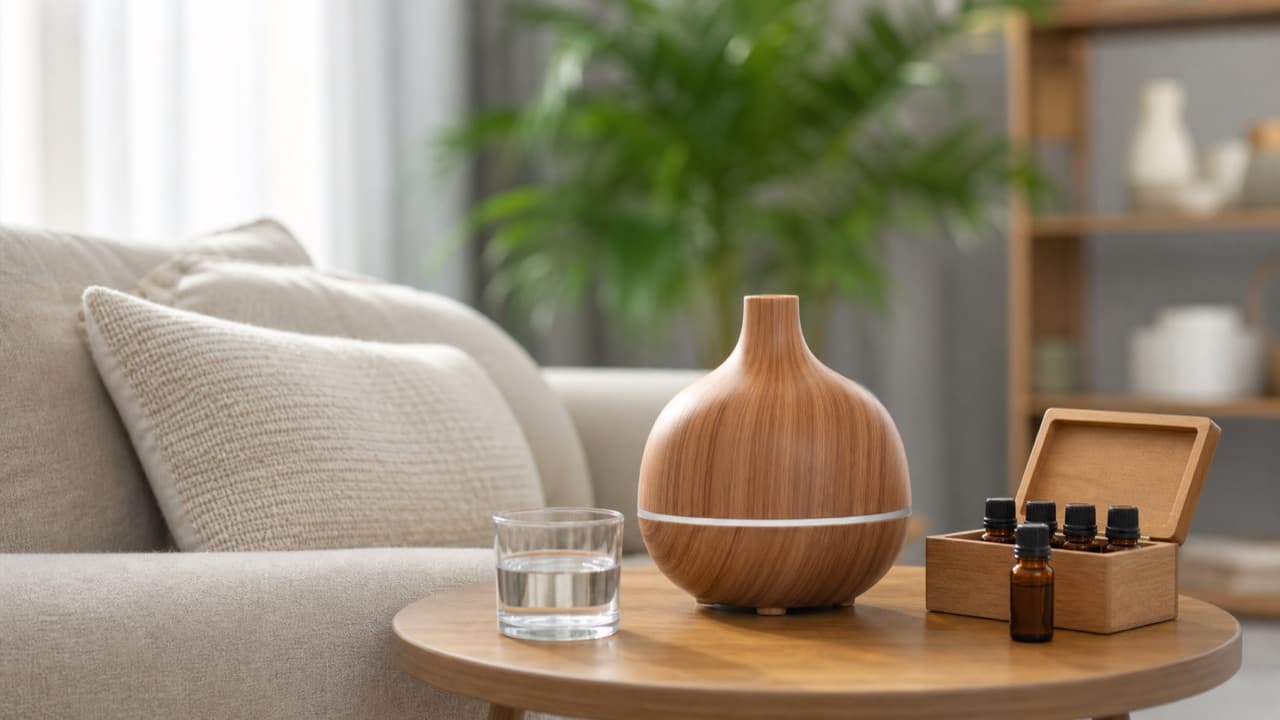
Essential Oil Diffuser Room Size: Coverage and Runtime
Essential oil diffuser room size explained: coverage claims, tank capacity vs runtime, ultrasonic vs nebulizing output, and where to place it safely.
 Home & Kitchen
Aromatherapy Diffuser Safety: Pets, Kids and Placement
Aromatherapy diffuser safety basics: how long to run it, oils to avoid around pets and young children, safe placement, electrical care and warning signs.
 Home & Kitchen
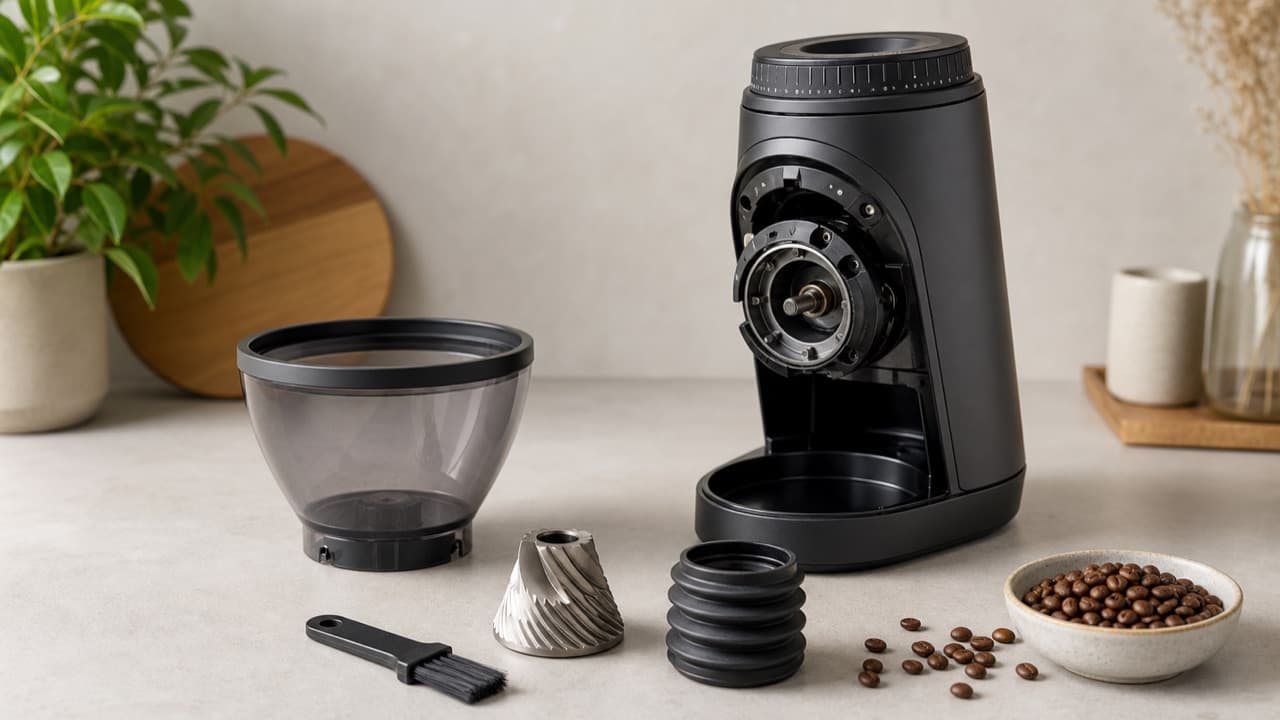
Burr Grinder Cleaning and Calibration: Deep Clean and Re-Zero
A burr grinder cleaning routine beyond a quick brush: removing burrs, clearing the chute, finding zero again, checking alignment and spotting burr wear.