

Essential Oil Diffuser Room Size: Coverage and Runtime
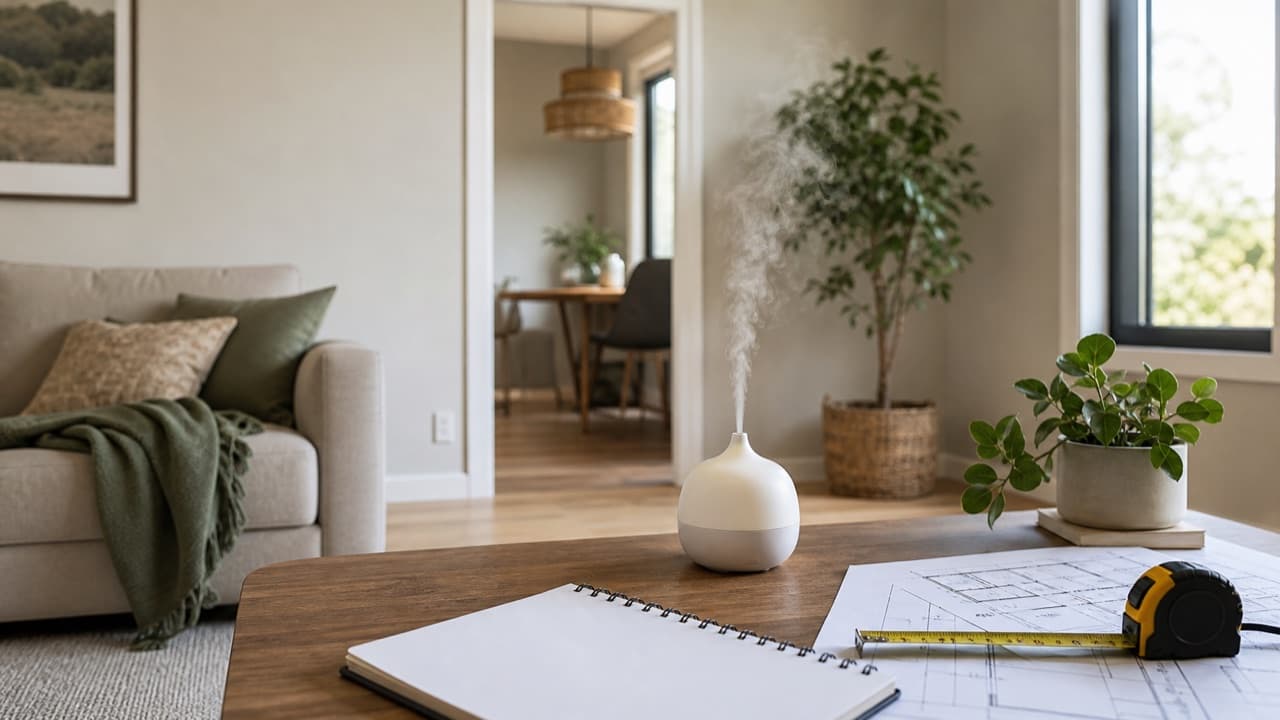
For essential oil diffuser room size, the practical rule is that small ultrasonic diffusers with tanks around 100 to 300 mL suit bedrooms, offices and bathrooms, while open-plan living areas need a higher-output ultrasonic unit, a nebulizing diffuser, or two smaller units. Square-footage claims on boxes are optimistic and rarely say how strong the scent will be, so this guide explains how coverage, mist output, tank size and ceiling height actually interact. It is for anyone matching a diffuser to a specific room, and it keeps safety in view for homes with children, pets or people sensitive to scent.
Key takeaways
- Coverage claims are estimates for faint background scent; there is no standard test behind them.
- Tank size sets runtime, not reach: a bigger tank runs longer but does not necessarily fill a bigger room.
- Nebulizing and cold-air diffusers push undiluted oil and scent large spaces more strongly, but use oil faster.
- Room volume matters: a 300 sq ft room with a 12-foot ceiling holds about 50 percent more air than one with an 8-foot ceiling.
- Intermittent mode and good ventilation keep scent pleasant and reduce exposure, especially around pets and children.
How diffuser coverage is calculated (and why it is fuzzy)
Most diffuser listings give coverage in square feet, often 200, 300 or 500 sq ft for compact units and 1,000 sq ft or more for nebulizing or cold-air scent machines. There is no industry test standard for these numbers, and they usually assume an 8-foot ceiling, closed doors and a faint background scent rather than a noticeable one. Use them for comparison between models from the same brand, not as a promise.
A better approach is to think in room volume. Multiply floor area by ceiling height: a 12 by 14 foot bedroom with an 8-foot ceiling is about 1,350 cubic feet; a 20 by 25 foot living room with a 10-foot ceiling is 5,000 cubic feet, nearly four times as much air to scent. Open doorways, HVAC airflow and ceiling fans dilute scent further.
Diffuser types and the room sizes they suit
| Type | How it works | Typical room fit | Trade-offs |
|---|---|---|---|
| Ultrasonic (water-based) | Vibrating plate turns water and a few drops of oil into fine mist | Bedrooms, offices, bathrooms; larger rooms with high-output models | Adds a little moisture; needs regular cleaning; scent is gentle |
| Nebulizing | Air jet atomizes undiluted oil, no water | Living rooms, open-plan spaces | Uses oil quickly; can be noisy; stronger scent |
| Cold-air scent machine | Similar to nebulizing, often with app or schedule control and wall or HVAC mounting | Large rooms, entryways, whole floors | Higher cost; proprietary or specific oils for some models |
| Evaporative (fan or pad) | Fan blows air over an oil-soaked pad | Small rooms, cars, desks | Scent fades as lighter compounds evaporate first |
| Passive (reed, ceramic) | Oil evaporates without power | Closets, small bathrooms | Very low output; no control |
ADLTHUB’s range shows several of these approaches: the Bluetooth Smart Aroma Diffuser, the Wall-Mounted Aromatic Oil Fragrance Diffuser and the Fireplace Flame Air Humidifier and Diffuser. Check each product page for the diffusion method, tank or oil capacity, coverage claim and timer modes before matching one to a room.
Tank capacity, mist output and runtime
For ultrasonic diffusers, runtime is roughly tank capacity divided by mist output. A 300 mL tank at about 30 mL per hour runs around 10 hours continuously; a 100 mL tank at the same rate runs around 3 hours. Intermittent modes, which cycle on and off every 30 to 60 seconds, roughly double runtime.
- Bedroom overnight: a 200 to 300 mL tank with a timer and low-light or light-off option is usually enough; many people prefer to run it before bed rather than all night.
- Home office: 100 to 300 mL on intermittent mode covers a work session.
- Living room: a high-output ultrasonic unit of 400 mL or more, or a nebulizer on a schedule.
- Whole floor or open plan: a cold-air scent machine, or two diffusers placed in separate zones.
For nebulizing units, check how long a bottle of oil typically lasts at the default schedule; that is the real running cost. Ultrasonic models use far less oil per hour because the oil is diluted in water.
How much oil and where to place the diffuser
Oil quantity
Follow the manual. A common guideline for ultrasonic diffusers is about 3 to 5 drops per 100 mL of water, and many people find fewer drops more comfortable in a small bedroom. If you cannot smell the scent after a while, that is often olfactory fatigue rather than weak output, so step outside and come back before adding more.
Placement
- Raise it 2 to 3 feet off the floor on a stable, water-safe surface so mist disperses before it settles.
- Keep it central and away from walls, curtains and electronics; mist and oil residue can mark wood finishes and paint.
- Keep it out of reach of children and pets, and away from edges where cords can be pulled.
- Do not aim mist at your face or bed; a few feet away across the room works better.
- Avoid placing it right under an HVAC return or fan, which can pull scent away before it spreads.
Safety basics by room and household
Essential oils are concentrated, and some people and animals react to them. Use intermittent mode, ventilate the room, and stop if anyone develops headaches, coughing or irritation. Cats are particularly sensitive to many essential oils, and birds are sensitive to airborne particles of all kinds, so ask a veterinarian before diffusing around pets and always leave them a way to leave the room. People with asthma, pregnant people and parents of infants should check with a healthcare professional first. Never ingest diffuser oils, keep bottles closed and out of reach, and unplug the diffuser before refilling. Our aromatherapy diffuser safety guide goes deeper on these points, and how to clean an essential oil diffuser covers the weekly routine that keeps output steady.
Mistakes to avoid
- Buying by square-footage claim alone. Without a test standard, two 500 sq ft claims can mean very different scent strength.
- Confusing a bigger tank with a stronger diffuser. Tank size buys runtime; output rate and diffusion method decide reach.
- Adding more oil to fill a big room. Concentrated scent near the unit can irritate while far corners still smell faint; add a second unit instead.
- Using a diffuser as a humidifier. Ultrasonic diffusers add very little moisture; see humidifier vs aroma diffuser if dry air is the real problem.
- Running continuously all day. Intermittent use is usually more pleasant and easier on people and pets.
- Skipping cleaning. Oil residue on the ultrasonic plate reduces mist output, which then looks like the diffuser is too small.
Which diffuser fits your room
- Pick a 100 to 300 mL ultrasonic diffuser if the room is a bedroom, office or bathroom up to roughly 250 sq ft with a standard ceiling.
- Pick a high-output ultrasonic unit of 400 mL or more if you want gentle scent in a living room and like the mist effect.
- Pick a nebulizing or cold-air diffuser if the space is open plan, has high ceilings, or you want stronger scent with scheduled control.
- Pick two smaller diffusers if scent needs to reach separate zones, such as a kitchen and lounge sharing one open area.
Browse more options in the home and kitchen category, and confirm delivery and return terms on each product page.
Frequently asked questions
How big of a room will a 300 mL diffuser cover?
A typical 300 mL ultrasonic diffuser suits a bedroom or office, often listed for around 200 to 400 sq ft. Tank size mainly determines runtime, so check the mist output and diffusion method too.
Can one diffuser scent a whole house?
Usually not. Most diffusers scent one room. Whole-home scenting generally needs a larger cold-air unit, sometimes connected to HVAC, or several diffusers in different rooms.
How many drops of essential oil should I put in a diffuser?
Follow your diffuser’s manual; a common guideline is about 3 to 5 drops per 100 mL of water. Start low in small rooms and around children or pets.
Is a nebulizing diffuser better than an ultrasonic one?
It is stronger, not universally better. Nebulizers suit large spaces but use undiluted oil faster and can be louder, while ultrasonic diffusers are gentler and cheaper to run.
Why can’t I smell my diffuser after a while?
Your nose adapts to steady scents within minutes to hours, a normal effect called olfactory fatigue. Try intermittent mode or leave the room briefly before adding more oil.
Shop Home & Kitchen
View all →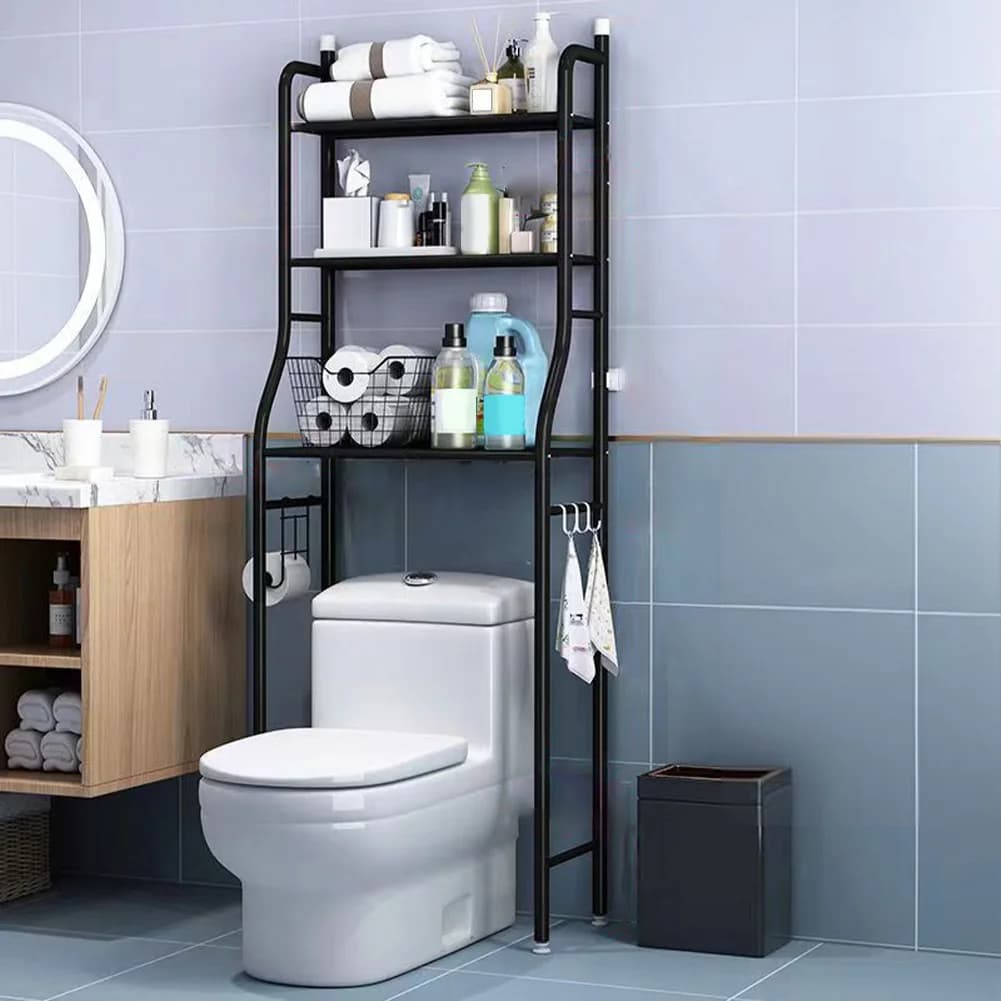
3-Tier Over-Toilet Storage Rack in Powder-Coated Carbon Steel
In stock · Options available · Ships in 7–21 business days
 Sale
Wingback Massage Recliner Chair in PU Leather with Footrest
In stock · Options available · Ships in 7–21 business days
 Sale
Mid-Century Modern Accent Armchairs, Set of Two, Wood Frame
In stock · Options available · Ships in 7–21 business days
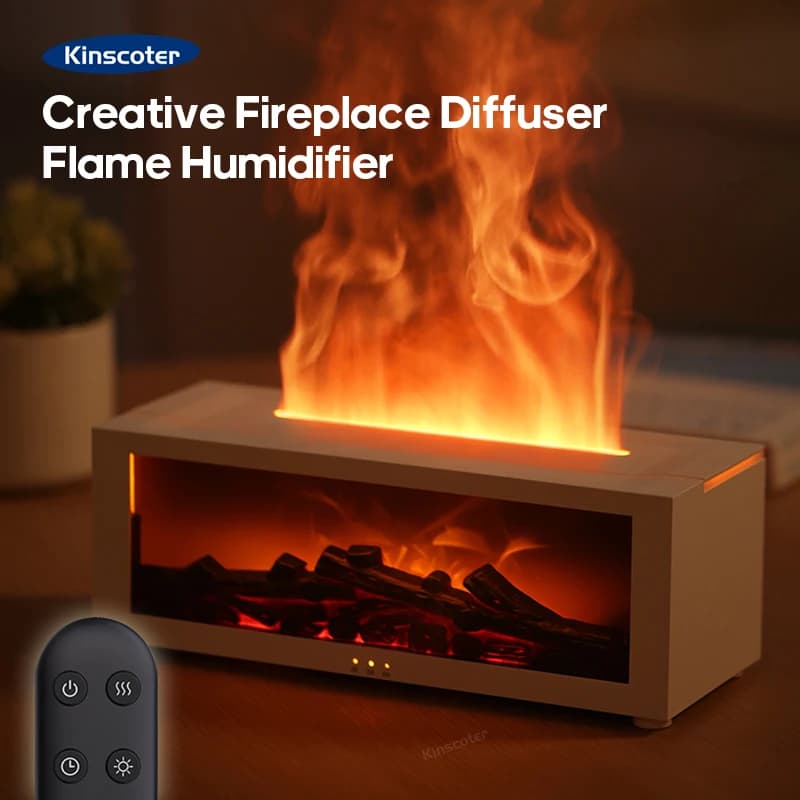
Fireplace Flame Ultrasonic Humidifier and Oil Diffuser
In stock · Options available · Ships in 7–21 business days
Continue reading
 Home & Kitchen
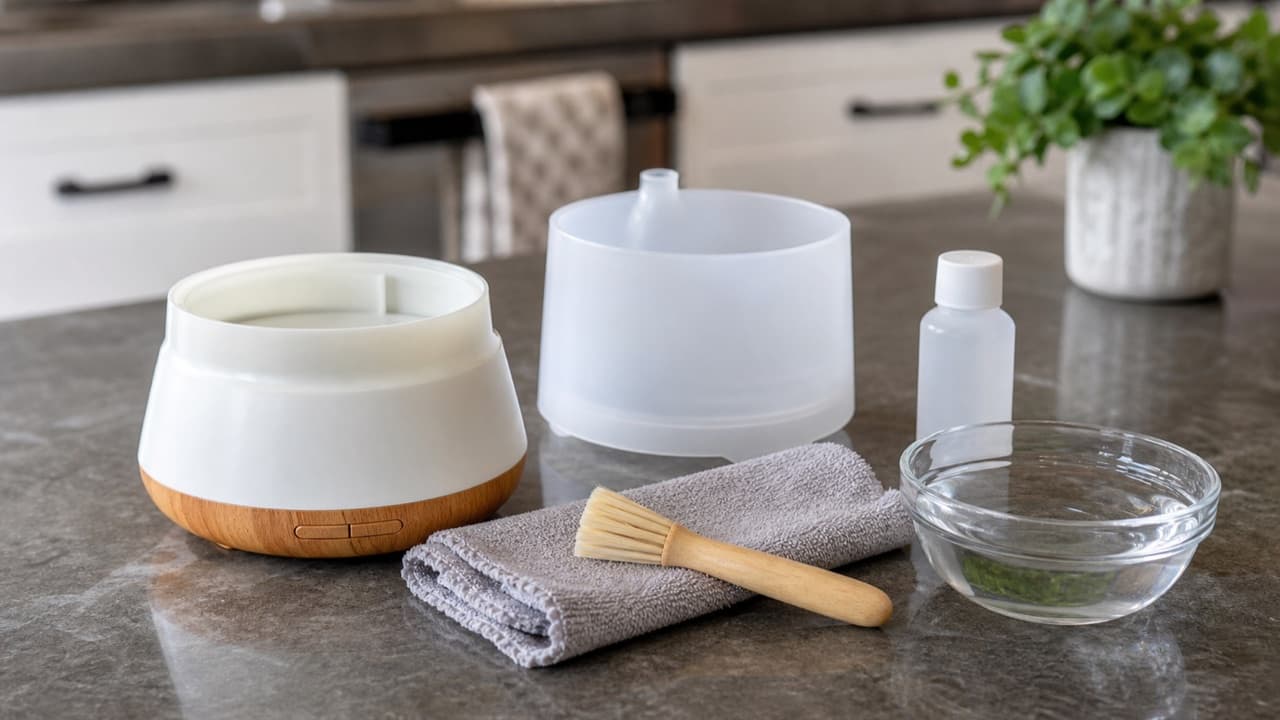
How to Clean an Essential Oil Diffuser Step by Step
How to clean an essential oil diffuser: weekly vinegar descaling, safe care for the ultrasonic plate, nebulizer cleaning, and daily habits that stop residue.
 Home & Kitchen
Humidifier vs Aroma Diffuser: Output, Size and Cost
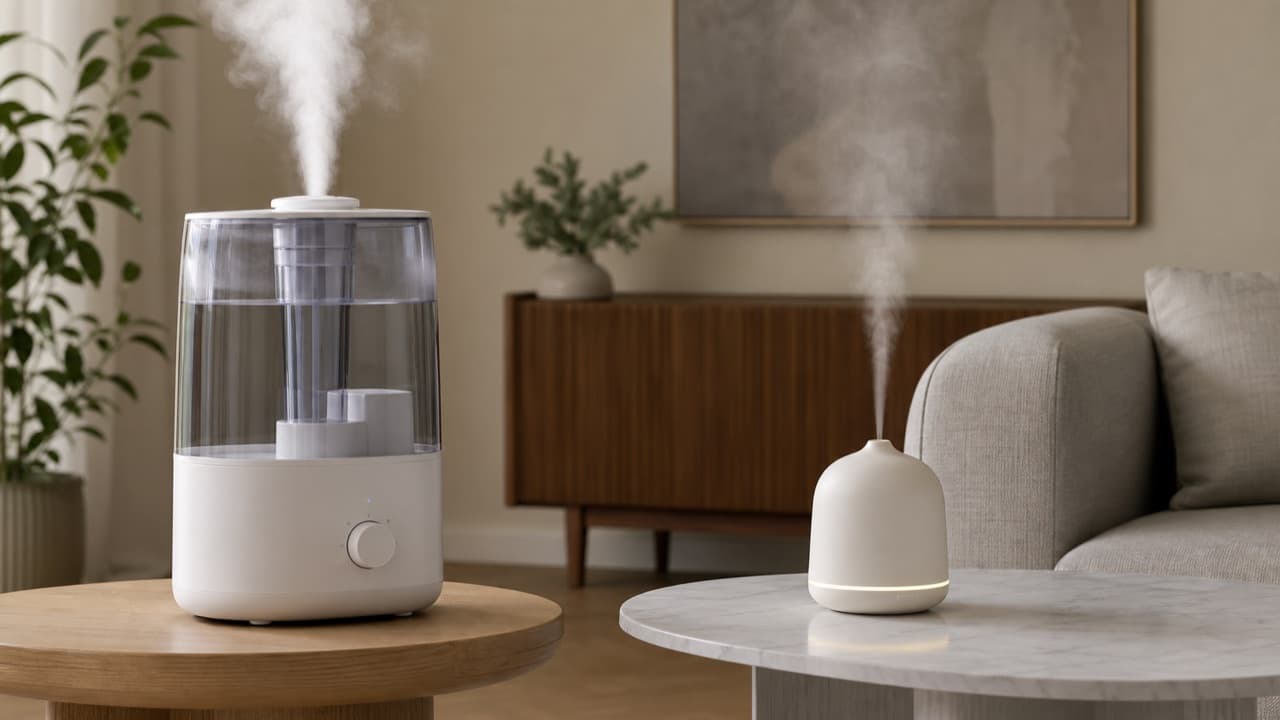
Humidifier vs aroma diffuser compared by mist output, tank size, room coverage, running cost and upkeep, plus when a 2-in-1 unit makes sense for your room.
 Home & Kitchen
Aromatherapy Diffuser Safety: Pets, Kids and Placement
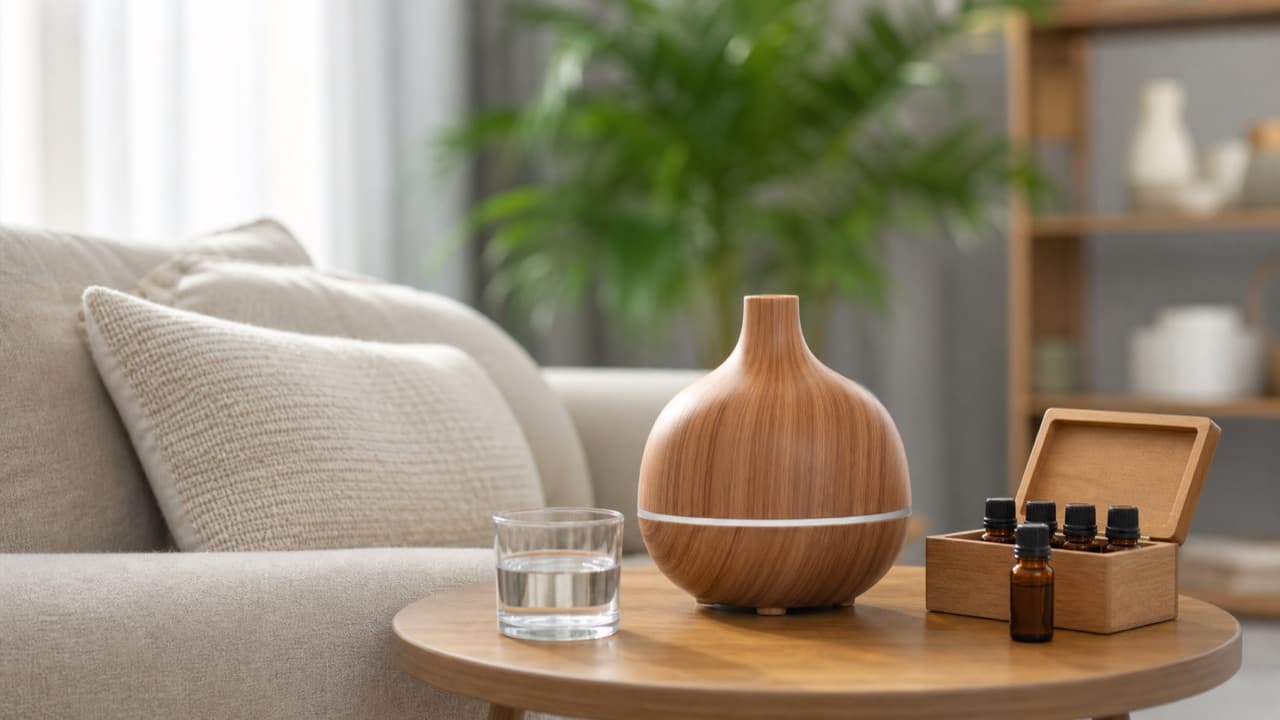
Aromatherapy diffuser safety basics: how long to run it, oils to avoid around pets and young children, safe placement, electrical care and warning signs.