

How to Trim a Beard With an Electric Trimmer: Pro Tips
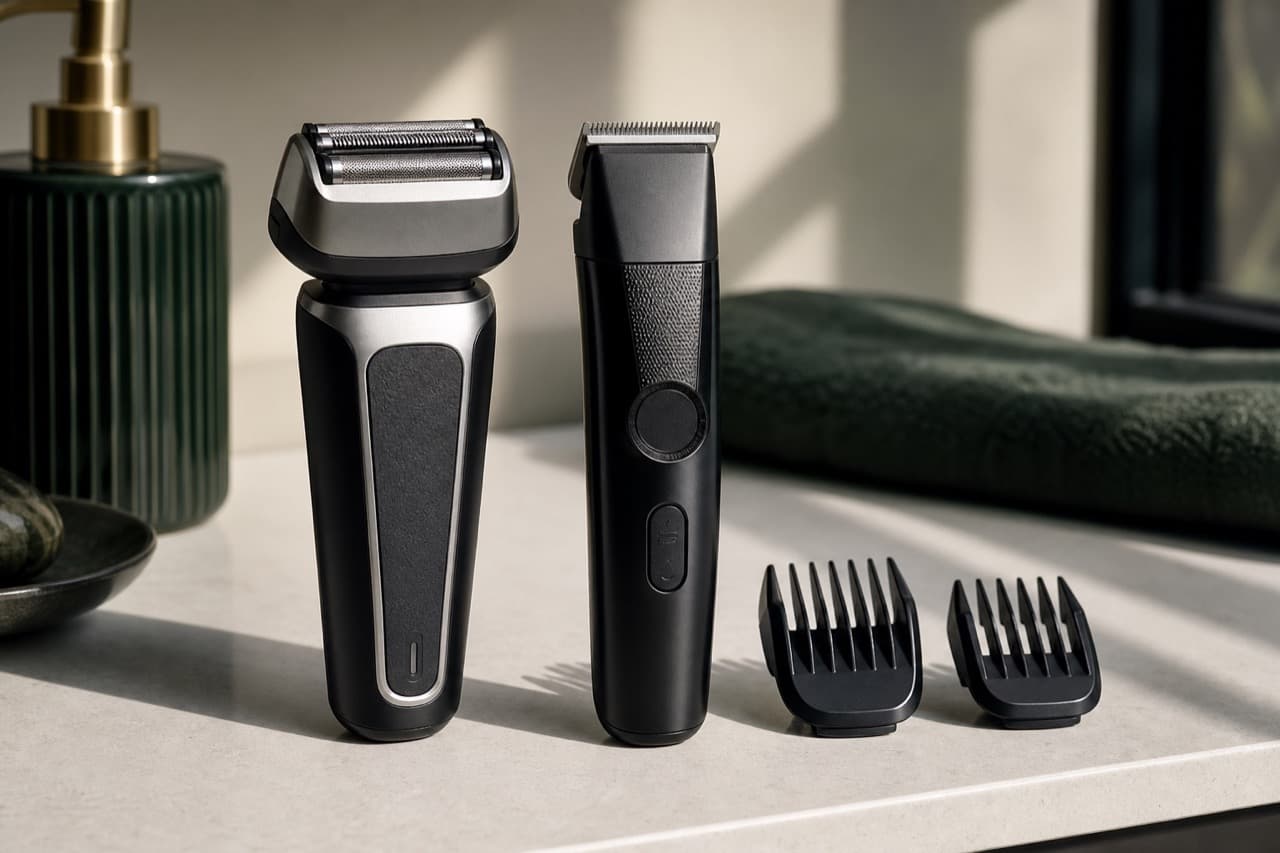
Learning how to trim a beard with an electric trimmer comes down to three habits: trim dry hair with a guard longer than you think you need, set the neckline and cheek line before anything else, and work down in length gradually. Barbers rely on the same sequence because removing hair is easy and putting it back takes weeks. This guide is for anyone shaping a beard at home, from heavy stubble to a full beard, and assumes you already have a trimmer with a set of guards.
Key takeaways
- Trim when the beard is clean and fully dry; wet hair looks longer and stretches, so you take off more than intended.
- Start one or two guard sizes longer than your target and step down.
- Set the neckline about one to two finger-widths above the Adam’s apple; going higher is the most common mistake.
- Use the trimmer without a guard, or flipped, only for edges and outlines, never for bulk length.
- Clean and oil the blade after each session; dull or dirty blades pull and irritate skin.
Prep: wash, dry, comb
Wash with a gentle cleanser, pat dry, and let the beard dry completely. Comb or brush it in the direction of growth, then once against the grain to lift hairs so they can be cut evenly. Look at your growth pattern in good front lighting: cowlicks, patchy areas and the direction hair grows on your neck all influence how you trim. Work in front of a mirror at eye level, ideally with a handheld mirror for checking the jawline from the side.
Guard sizes and length planning
Trimmer guards are usually marked in millimeters. Hair clipper guards often follow a numbered system that loosely maps to fractions of an inch, though brands vary, so read the actual length on the guard.
| Common clipper number | Approx. length | Typical beard look |
|---|---|---|
| #1 | 1/8 in (3 mm) | Heavy stubble |
| #2 | 1/4 in (6 mm) | Short boxed beard |
| #3 | 3/8 in (10 mm) | Short to medium beard |
| #4 | 1/2 in (13 mm) | Medium beard, softer outline |
| Beyond guards | Over 3/4 in (19 mm) | Long beard; shape with comb and scissors |
Guard choice and care are covered in depth in our hair trimmer guards and maintenance guide.
Step by step: how to trim a beard with an electric trimmer
- Even out the bulk. With the longer guard attached, move the trimmer against the direction of growth over the cheeks, chin and jaw using slow, overlapping strokes. Keep the guard flat against the skin. Going against the grain gives an even length; going with the grain removes less and is gentler on sensitive skin.
- Check symmetry. Compare both sides in the mirror. If one side looks fuller, step down a size only on that area, a little at a time.
- Set the neckline. Tilt your head back slightly. Place one or two fingers above your Adam’s apple; that is roughly where the neckline sits. Imagine a gentle U-shaped curve from there back to just behind each earlobe. Trim everything below with no guard or a short guard. Keep the line slightly rounded, not a harsh horizontal edge.
- Define the cheek line. Most beards look natural with the cheek line left mostly as it grows, cleaning up only stray hairs above it. For a sharper look, draw an imaginary line from the top of the sideburn to the corner of the mustache and remove hair above it. Small adjustments here change the face shape a lot, so go slowly.
- Blend the sideburns. For a faded look, use a shorter guard on the sideburns and gradually increase length down toward the jaw, flicking the trimmer outward at the end of each stroke to avoid lines.
- Detail the mustache. Comb the mustache straight down and trim the hairs that hang over the lip line with a precision head or small scissors. Trim a little, check, then trim again.
- Finish clean. Brush out cut hairs, rinse, and apply a few drops of beard oil or a light balm to soften the hair and reduce itch.
Tools: trimmer, detailer, shaver
A cordless trimmer with a full guard set handles most of the job. A narrow detail head helps with the mustache and outlines. An electric shaver gives the closest finish on the neck and above the cheek line for anyone who wants a crisp edge; our foil vs rotary electric shaver guide explains which suits neck shaving. Nose and ear hair are a separate tool job, covered in the nose and ear hair trimmer guide.
On ADLTHUB, the Wireless Sideburns Hair Cutting Trimmer, the 3-in-1 Men’s Body Hair Shaver Kit and the Wet and Dry Men’s Electric Shaver cover trimming, detailing and edge cleanup. Check each product page for included guards, charging and returns.
Skin care and blade maintenance
- Clean after every trim. Remove the guard, brush out hair, and rinse washable heads only if the manual says the head is water-safe.
- Oil the blade. A drop or two of blade oil, run for a few seconds, keeps the blades cutting smoothly and reduces heat.
- Disinfect occasionally, especially if you have breakouts, with a product the manufacturer approves.
- Replace dull blades. If the trimmer starts tugging despite cleaning and oiling, the blade is likely worn.
- Watch for ingrown hairs. Curly beard hair cut very close can curl back into the skin, causing bumps. Leaving a little stubble on the neck rather than shaving it bare, and not stretching the skin while trimming, often helps. Persistent or painful bumps are worth showing to a dermatologist.
- Never share trimmers. Small nicks can spread skin infections.
Mistakes to avoid
- Trimming wet. The beard shrinks as it dries and you end up shorter than planned.
- Setting the neckline at the jawline. It makes the beard look like a chin strap and the face look heavier from the side.
- Chasing symmetry too far. Faces are not perfectly symmetrical; repeated small corrections lead to an overly short beard.
- Using a dirty guard. Hair packed inside a guard lifts it off the skin and leaves uneven patches.
- Trimming with a low battery. Slowing blades pull hair. Charge fully before a full shape-up.
Which approach fits your beard
- Stubble (under 1/4 in): one guard all over every two to four days, plus a neckline cleanup.
- Short boxed beard: a longer guard on the chin, a shorter one on the cheeks, and defined neck and cheek lines weekly.
- Medium to long beard: trimmer for the neckline and sides, comb and scissors for length and shape, with a trim every few weeks.
- Sensitive or bump-prone skin: trim with the grain, leave slight stubble on the neck, and keep blades clean and sharp.
Find grooming tools in the personal care category.
Frequently asked questions
Should you trim your beard wet or dry?
Dry. Wet hair is heavier and stretched, so it looks longer than it is and you are likely to take off too much. Wash and dry the beard fully, then comb it out before trimming.
Where should my beard neckline be?
For most people, about one to two finger-widths above the Adam’s apple, curving back toward the earlobes. Higher lines tend to make the jaw look softer and the beard look thin from the side.
What guard number should I use on my beard?
It depends on the look: around 3 mm for heavy stubble, 6 to 10 mm for a short beard, and longer for medium beards. Start a size longer than your target and step down until you like the length.
How often should I trim my beard?
Short beards and stubble usually need a trim every few days to a week to stay neat. Longer beards can go a few weeks between shape-ups, with the neckline and cheek line cleaned up more often.
Should I trim with or against the grain?
Against the grain gives a more even length and is common for bulk trimming. With the grain removes less and is gentler if you get irritation or ingrown hairs.
Shop Beauty & Personal Care
View all →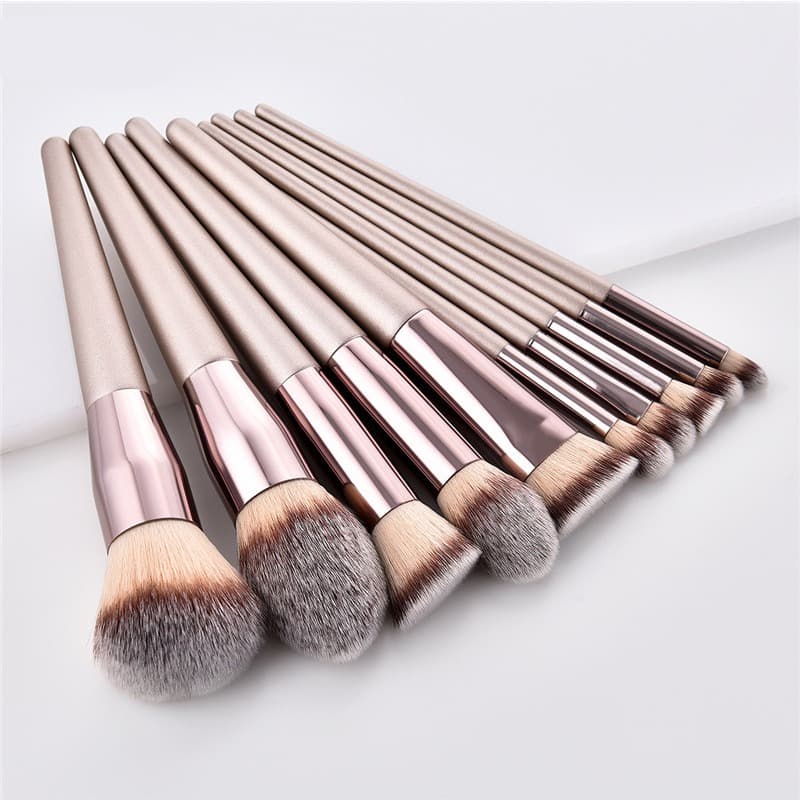 Sale
SaleChampagne Gold Makeup Brush Set with Travel Pouch
In stock · Options available · Ships in 7–21 business days
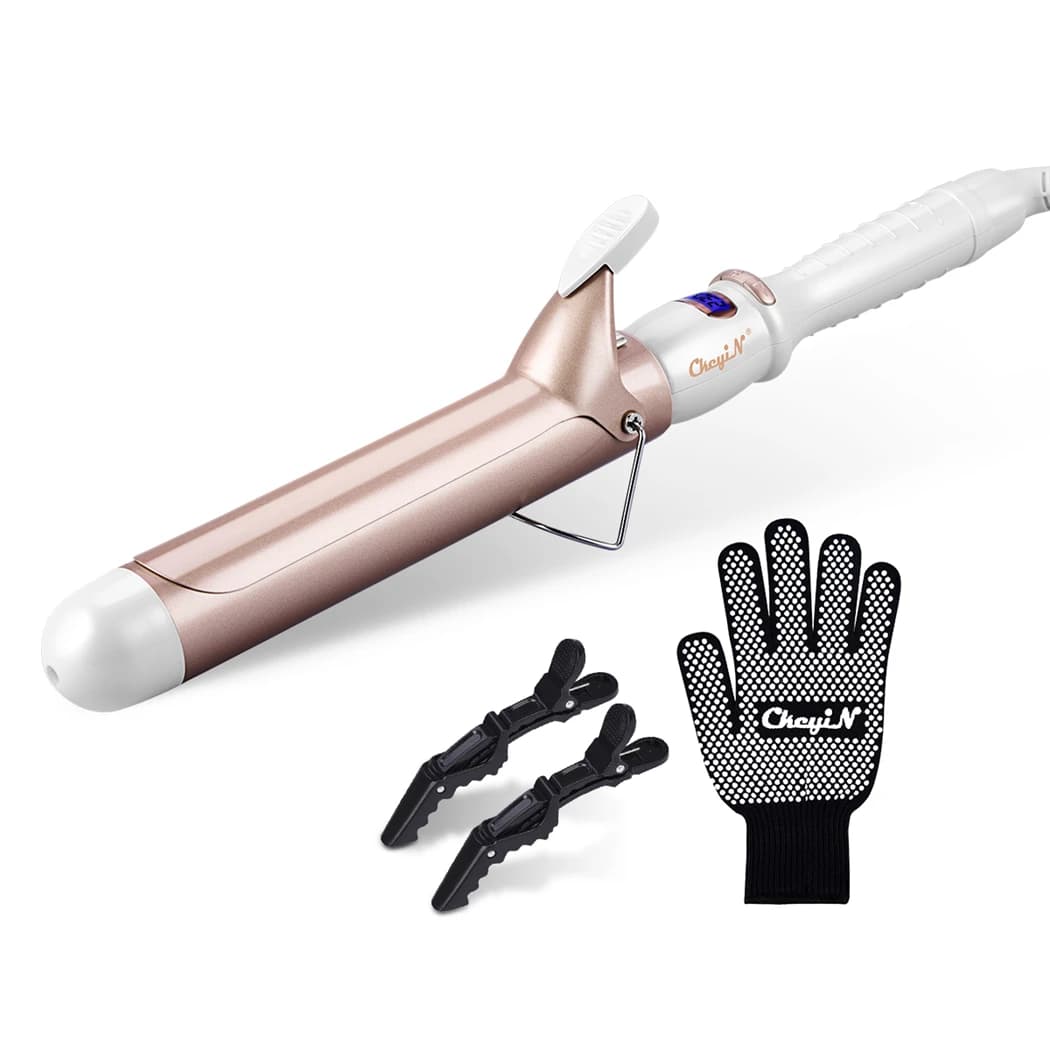
Tourmaline Ceramic Hair Curler with Adjustable Heat
In stock · Options available · Ships in 7–21 business days
 Sale
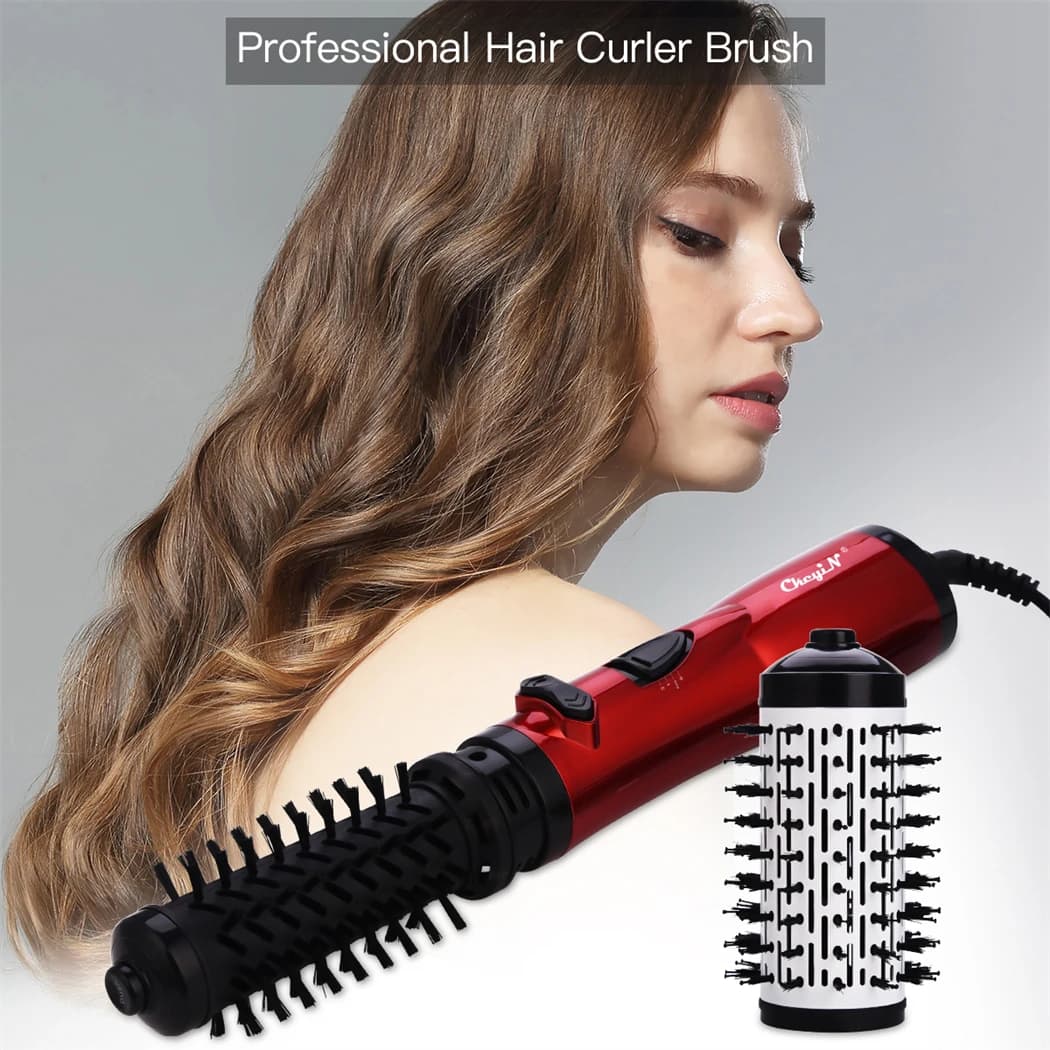
SaleRotating Hot Air Brush with Ceramic Tourmaline Barrel
In stock · Ships in 7–21 business days
 Sale
SaleHigh-Speed Brushless Ionic Hair Dryer with Magnetic Nozzle
In stock · Options available · Ships in 7–21 business days
Continue reading
 Beauty & Personal Care
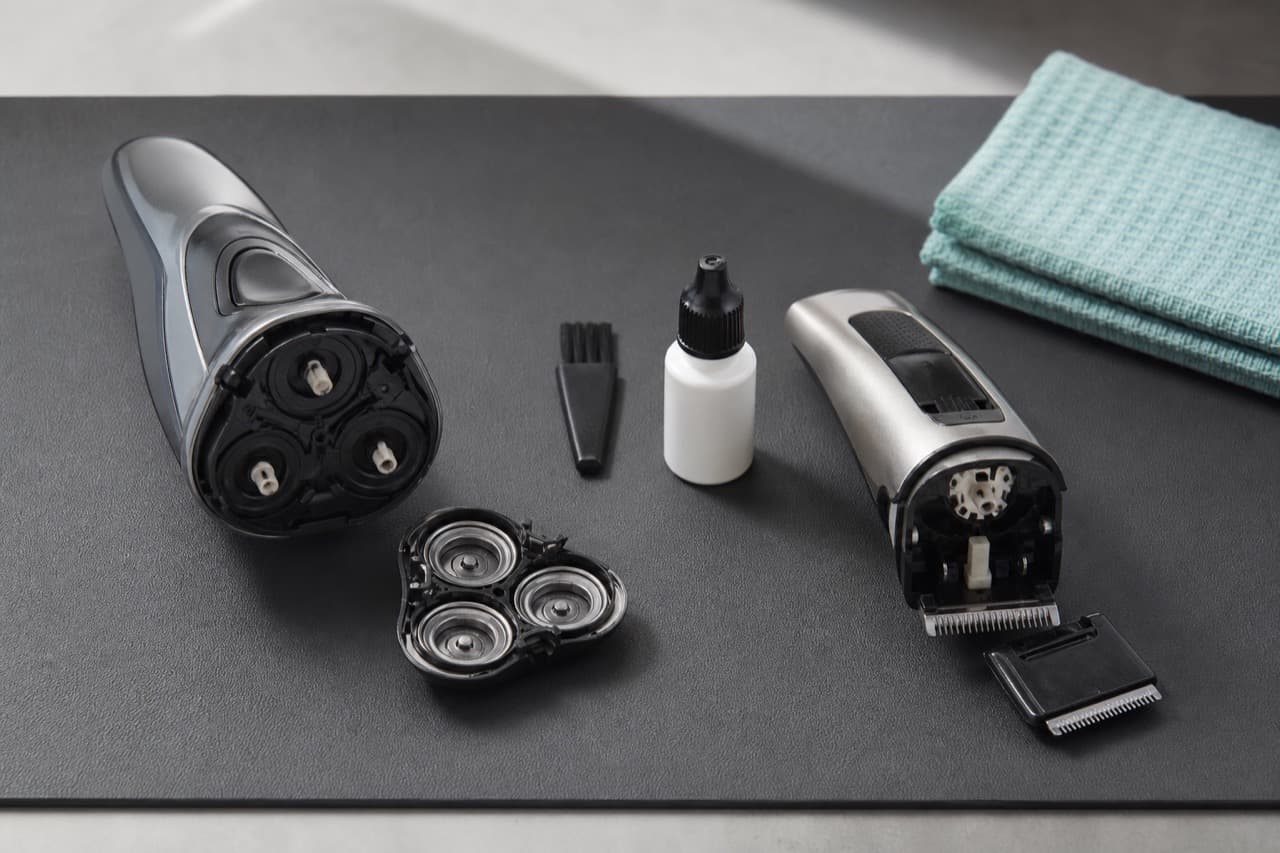
How to Clean an Electric Shaver and Trimmer: Routine and Parts
How to clean an electric shaver and trimmer: what to do after each use, how to oil blades, when to replace foils and heads, and what never to put under water.
 Beauty & Personal Care
How to Trim Nose and Ear Hair Safely: Step by Step
How to trim nose and ear hair safely: how far to insert the trimmer, step-by-step technique, hygiene, why plucking is riskier, and when to see a doctor.
 Beauty & Personal Care
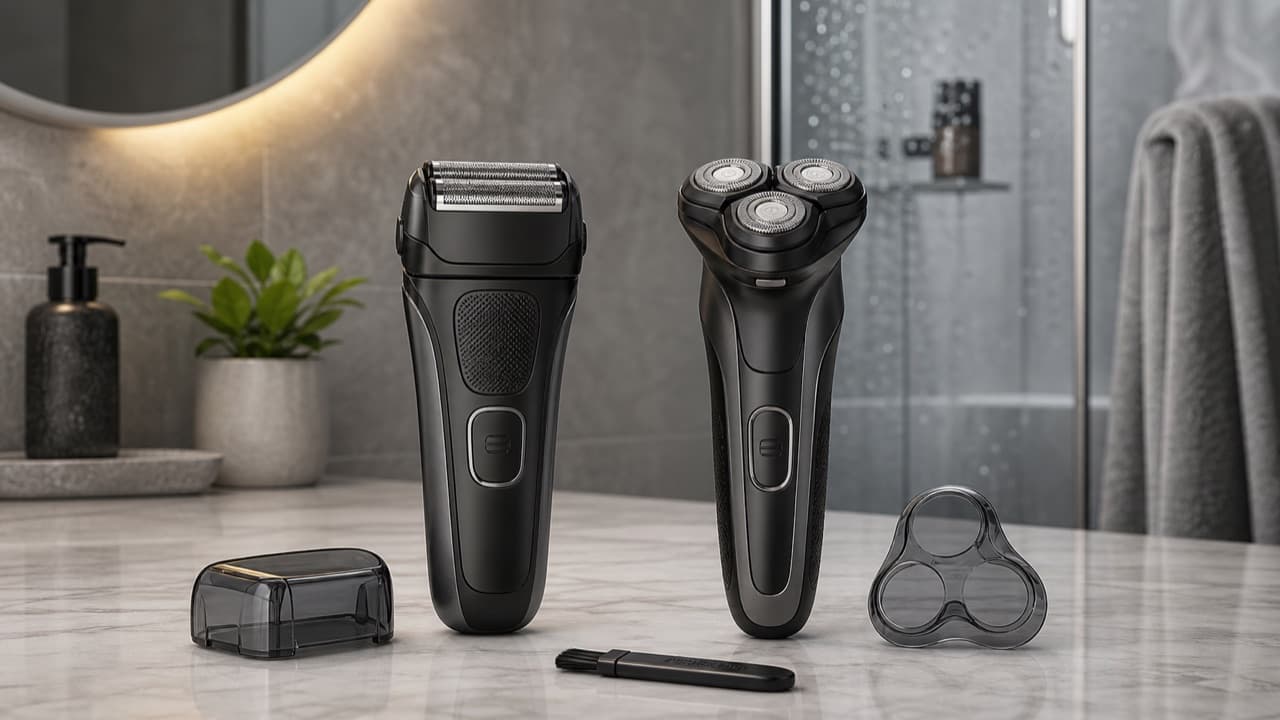
Foil vs Rotary Shaver: Which Suits Your Beard and Skin?
Foil vs rotary shaver compared: how each head cuts, which suits coarse, fine or curly hair, sensitive skin and neck contours, plus upkeep and replacement costs.