

How to Use a Body Groomer Safely and Keep It Clean
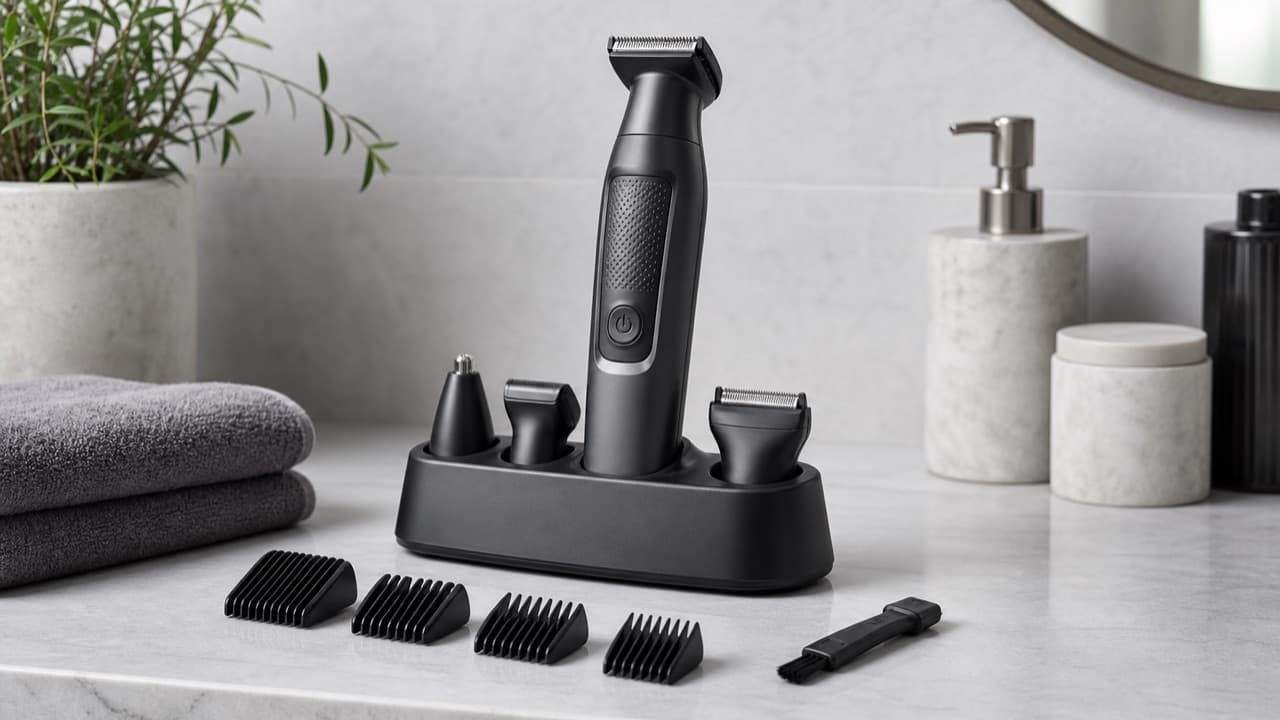
Learning how to use a body groomer well comes down to three habits: trim on clean, dry skin with a guard on first, keep the skin pulled taut, and work in short, slow strokes with the hair before you ever go against it. Then clean the head after every session so hair, skin oil and bacteria don’t build up between the blades. This guide is for anyone grooming below the neck, whether you’re new to it or tired of nicks, itching and a trimmer that pulls.
A body groomer differs from a beard trimmer in ways that matter. Its blades are usually shielded by a skin guard or foil, its guards are longer to suit body hair, and its head is shaped for curved areas you can’t easily see. Using it like a beard trimmer is where most problems start.
Key takeaways
- Trim long hair down with a guard before taking it shorter; a bare blade on long, dense hair snags and pulls.
- Stretch the skin flat with your free hand, especially in loose or folded areas; most nicks happen where skin bunches into the blade.
- Go with the direction of growth in sensitive areas. Against the grain is closer but irritates more.
- Use it wet only if the manual says the groomer is rated for wet use, and never charge it in a wet bathroom.
- Brush out hair after every use, wash only as the manual allows, and dry with the head removed so the blades don’t rust.
- Groomers are personal. Don’t share one, because small nicks can transfer blood.
Before you start: setup and skin prep
Pick the right moment. Trimming is easiest on clean, completely dry hair, since damp hair clumps and lies flat against the skin. Showering first and towel-drying fully, or trimming before your shower and rinsing off the clippings, both work. Some people prefer to trim dry and then shave in the shower with a wet-rated foil head.
- Charge it first. A weak battery slows the blades, which is when they start to pull.
- Check the blades. Look for chipped teeth, a bent foil or trapped hair from last time. A damaged foil can cut skin; replace it rather than “being careful”.
- Good light and a mirror. A handheld mirror helps with the back, shoulders and groin.
- Skip broken skin. Don’t groom over cuts, active rashes, sunburn, raised moles or skin tags. Work around them with the guard on or leave them alone.
How to use a body groomer, area by area
| Area | Best setup | Technique notes |
|---|---|---|
| Chest and stomach | Longer guard first, then shorter if wanted | Work downward with the growth. Blend at the edges by using a longer guard at the boundary. |
| Underarms | Medium guard, arm raised | Hair grows in several directions here; make short passes from different angles rather than pressing harder. |
| Back and shoulders | Long-handle accessory or a helper | Mirror setup helps. Keep strokes short and the head flat on the skin. |
| Arms and legs | Long guard for a natural taper | A guard leaves an even, short length that avoids the itch of regrowth after shaving. |
| Groin | Guard on, skin guard or foil head only | Stretch the skin flat, go with the growth, use slow, light strokes. Never use an open trimmer blade on loose skin. |
Guards and lengths
Guard numbers usually refer to millimeters or eighths of an inch depending on the brand, so check the markings rather than assuming. Start with a longer guard than you think you need. You can always go shorter on a second pass, but you can’t put length back. Read our hair trimmer guards and maintenance guide for how guard sizes and clip-on fit affect results.
Pressure and angle
Let the groomer do the work. Pressing harder pushes skin into the cutter and causes nicks and redness. Keep the flat of the guard or foil in full contact with the skin, rather than tipping the corner in, and slow down over bony or curved spots such as the collarbone, knees and hips.
Trimming vs shaving: avoiding irritation and ingrown hairs
A trimmed length of a few millimeters is far kinder to most skin than a full shave. Shaving cuts hair below skin level, and as curly or coarse body hair regrows, it can curl back into the skin, causing ingrown hairs and bumps. Leaving a short stubble with a guard sidesteps much of that.
If you want a smoother finish, use the foil or shaver head that came with the groomer, go with the grain and accept a slightly less close result in sensitive areas. Afterward, rinse with cool water, pat dry and use a fragrance-free moisturizer. Avoid scented products and tight clothing on freshly groomed skin for the rest of the day. If you get persistent bumps, painful ingrown hairs or signs of infection, stop grooming that area and see a doctor or dermatologist.
How to clean a body groomer after each use
Body hair carries more skin oil and sweat than head or beard hair, so a groomer gets grimy fast. A quick routine every time prevents dull blades and odor.
- Switch off and remove the guard and head as the manual describes.
- Brush out hair from the blade, the head housing and the guard with the cleaning brush. Tap the head gently over a bin.
- Rinse only if it’s washable. Many groomers have washable heads or full-body water resistance; others must stay dry. Check the manual or product page rather than assuming from a “wet and dry” label.
- Dry with the head off. Shake out water and leave the parts to air-dry separately before reassembling. Trapped moisture is the most common cause of rust on steel blades.
- Oil the blades if recommended. One or two drops of the supplied blade oil (or a light clipper oil) along the cutter, run it for a few seconds, then wipe off the excess.
Disinfecting
Periodic disinfection is sensible, especially after any nick. Use only what the manufacturer approves; some recommend an alcohol-based clipper spray, while others warn that solvents can damage plastics or the factory lubricant. Disinfect after cleaning, not instead of it. For a full care routine across shavers and trimmers, see our guide to cleaning an electric shaver and trimmer.
Blades, batteries and replacement parts
Blades and foils wear even if you keep them clean. Signs it’s time to replace them include pulling, needing more passes, more redness than usual, a dented or shiny-thin foil, or chipped teeth. Many manufacturers suggest replacement intervals in the manual; follow those, and buy genuine or confirmed-compatible heads.
Before you buy any groomer, check that replacement heads are actually sold for it. A groomer with no available spares becomes disposable the first time a foil tears. For the battery, avoid leaving the device in a hot car or steamy bathroom, charge in a dry room, and store it partly charged if you won’t use it for a while.
If you’re shopping, the 3-in-1 Men’s Body Hair Shaver Kit is one option to compare; check its product page for the included heads, water resistance and charging details, and browse the wider personal care range.
Mistakes to avoid
- Going straight to the shortest setting on long hair. The blade clogs and pulls. Reduce length in stages.
- Using a beard or hair trimmer on the groin. Exposed blades are designed for flatter skin. Use a groomer with a skin guard or foil.
- Grooming on damp skin with a dry-only tool. It pulls, clogs and exposes electronics to moisture.
- Reassembling while wet. Water trapped behind the blade causes rust and odor and shortens blade life.
- Sharing or lending it. Even with cleaning, a personal grooming tool is not hygienic to share.
- Ignoring a damaged foil. A torn or dented foil is a cut waiting to happen. Replace it before the next use.
How to choose the right groomer for your routine
- Pick a groomer with a dedicated skin guard or foil head if you plan to trim sensitive areas; this matters more than motor speed.
- Pick a wet-rated, washable model if you prefer grooming in the shower and want the easiest cleanup.
- Pick a kit with several long guards if you want a natural, even length on chest, arms and legs rather than a shave.
- Pick a separate beard trimmer for facial hair. Sharing one tool between face and body is less hygienic and the heads are designed for different jobs. Our foil vs rotary shaver guide helps if you’re also choosing a face shaver.
Frequently asked questions
Can I use a body groomer on my face?
Some kits include a beard head, and using that attachment is fine. Avoid using the same body head on your face for hygiene reasons, and remember body guards are often longer than beard guards.
Should I trim body hair wet or dry?
Trimming is usually easiest on dry hair, because damp hair clumps. Use the groomer wet only if the manual rates it for wet use; a foil head in the shower can give a smoother finish on lightly trimmed hair.
How do I avoid nicks in sensitive areas?
Keep the guard or skin guard on, stretch the skin flat with your free hand, go with the direction of growth and use light, slow strokes. Most nicks come from skin folding into the blade or pressing too hard.
How often should I oil and replace groomer blades?
Oil after cleaning whenever the manual recommends it, often after each use or every few uses. Replace blades or foils when they start pulling or show damage, or at the interval the manufacturer gives.
Why does my skin itch after using a body groomer?
Itching usually comes from very short regrowth, going against the grain, or dull blades. A slightly longer guard, trimming with the grain and fresh blades usually help. Persistent bumps or soreness are worth showing to a doctor.
Shop Beauty & Personal Care
View all → Sale
Champagne Gold Makeup Brush Set with Travel Pouch
In stock · Options available · Ships in 7–21 business days
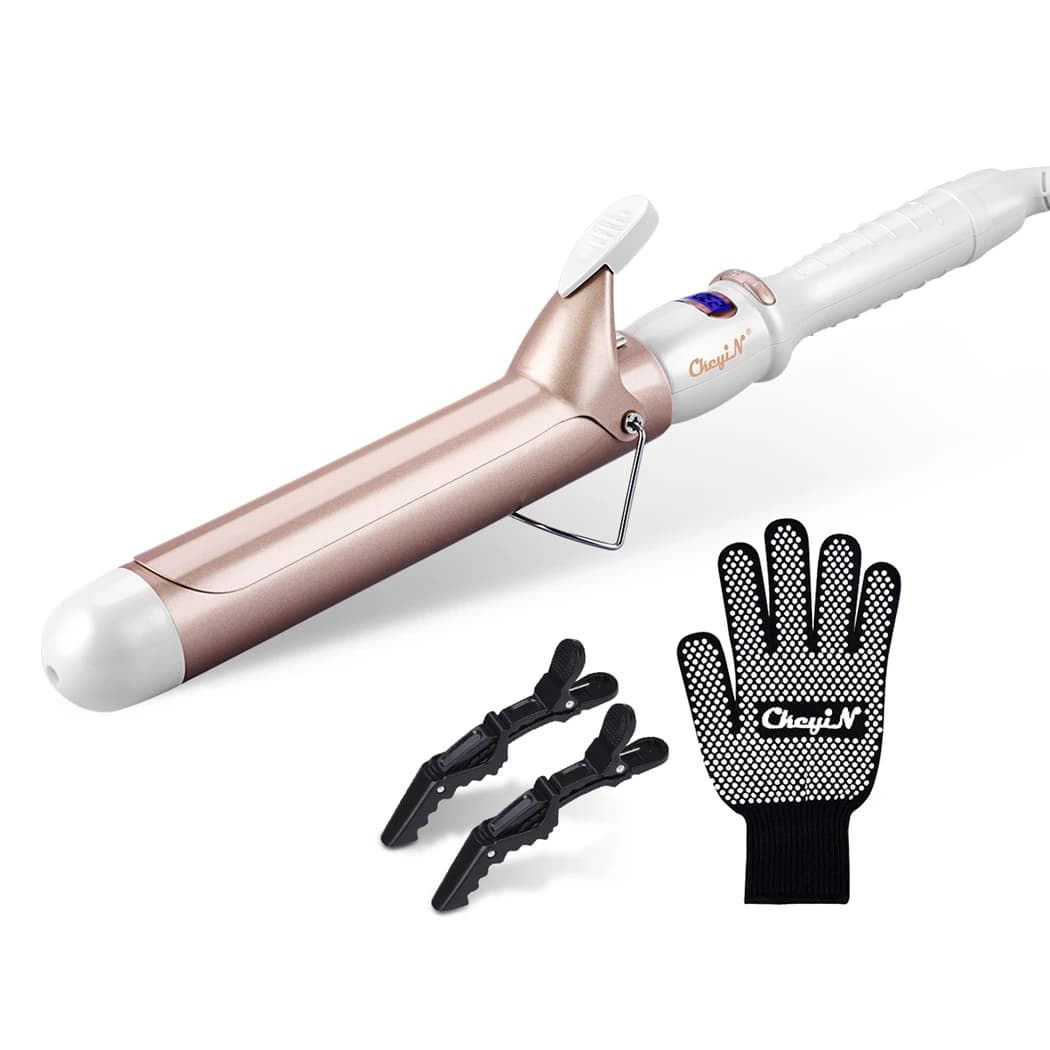
Tourmaline Ceramic Hair Curler with Adjustable Heat
In stock · Options available · Ships in 7–21 business days
 Sale
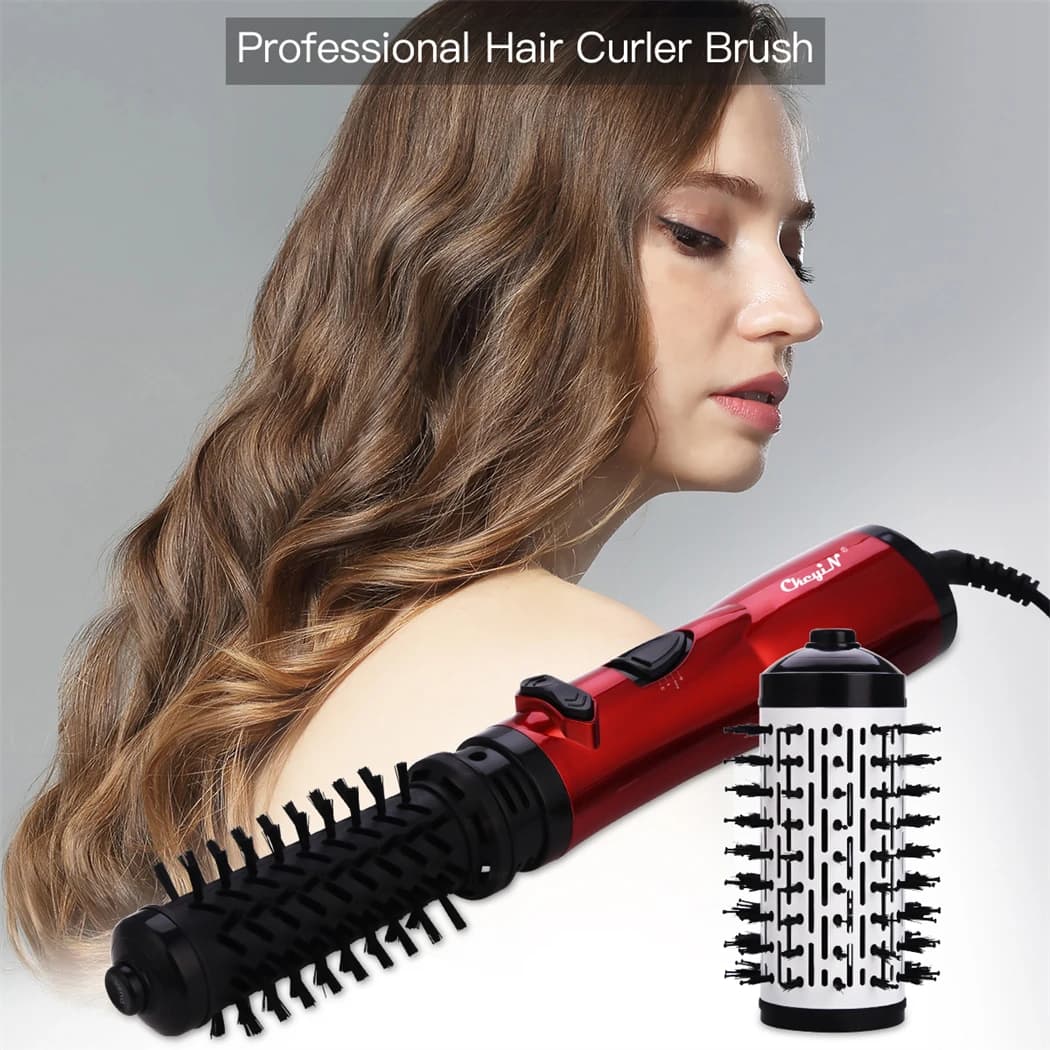
Rotating Hot Air Brush with Ceramic Tourmaline Barrel
In stock · Ships in 7–21 business days
 Sale
High-Speed Brushless Ionic Hair Dryer with Magnetic Nozzle
In stock · Options available · Ships in 7–21 business days
Continue reading
 Beauty & Personal Care
Water Flosser Benefits and How to Use One Safely
Water flosser benefits explained honestly: who gains most, how to use one without hurting your gums, pressure settings, cleaning, and when to ask a dentist.
 Beauty & Personal Care
Face and Body Sunscreen: SPF, Amount and Reapplication
How to choose face and body sunscreen: what SPF and broad spectrum mean, how much to apply, water-resistance labels, mineral vs chemical filters and textures.
 Beauty & Personal Care
How to Use a Silicone Facial Cleansing Brush Gently
How to use a silicone facial cleansing brush: technique, how often to use it, which skin types should go easy, and how to clean and store the device safely.