

How to Clean an Electric Shaver and Trimmer: Routine and Parts
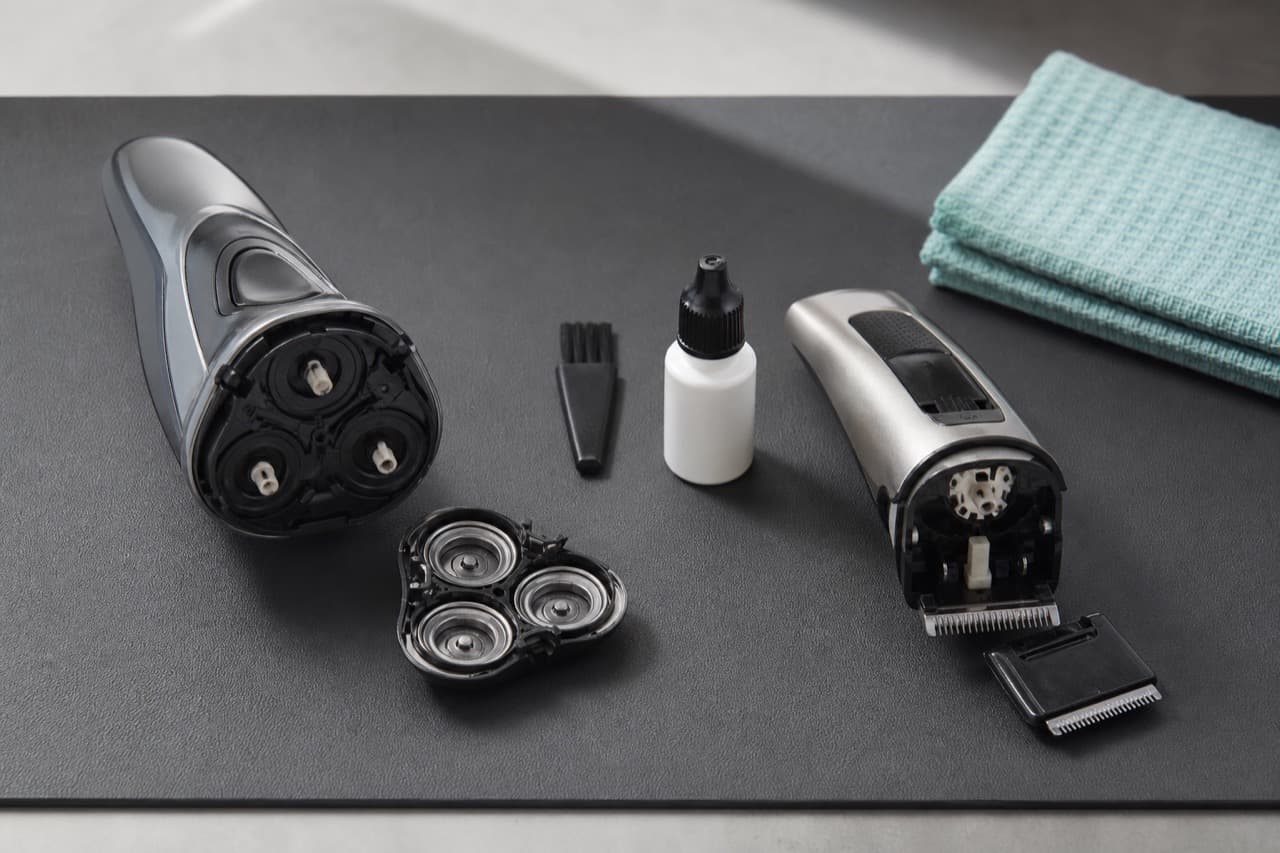
Here is how to clean an electric shaver: switch it off, remove the head, brush out the hair, rinse only if the manual says the unit is washable, then dry it fully and add a drop of oil to metal blades if the maker recommends it. This guide is for anyone with a foil shaver, rotary shaver, beard or hair trimmer, body groomer or nose and ear trimmer who wants a routine that keeps the cut close and the skin comfortable.
Key takeaways
- Do it after every use: tap out, brush, and rinse only if the tool is labeled washable. A two-minute habit beats a monthly deep clean.
- “Wet and dry” or a waterproof rating means the tool tolerates water. A dry-use-only tool must never go under a tap.
- Dry everything before storing. Trapped moisture causes odor, corrosion and stiff blades.
- Lightly oil metal blades only as the manual advises, using shaver or clipper oil rather than cooking oil.
- Replace foils, cutters and blade sets when the tool starts tugging or irritating. Typical intervals run from about 12 months to 2 years with regular use, but the manual decides.
Before you start: safety and what your model allows
Turn the tool off and unplug it from the charger before you open or clean it. Then check three things in the manual: whether the body and head are washable, whether a cleaning station or alcohol-based fluid is supported, and which parts you can remove. Rechargeable shavers have sealed batteries and electrical contacts; a splash rating such as IPX7 (which describes temporary immersion under set test conditions) does not mean the charger, cable or charging port is water-safe.
If the skin under a shaver or trimmer is broken, inflamed or infected, do not use the tool on it. Persistent irritation, ingrown hairs or bumps that do not settle are worth a conversation with a pharmacist or a doctor rather than a new blade.
How to clean an electric shaver by type
Foil shavers
Foil shavers have a thin perforated foil over an oscillating cutter block. Open the head, tap it gently over a bin, and use the supplied brush along the direction of the hair channels. Do not press on the foil with anything hard: it is only a fraction of a millimeter thick and dents easily. If the unit is washable, rinse the head under lukewarm running water, shake off the water and let it air dry. Replace the foil and the cutter block together, because they wear as a matched pair.
Rotary shavers
Rotary heads use two or three circular cutters that rotate against perforated guard rings. Remove the retaining ring or head plate, brush the hair from the cutters and the base, and rinse if washable. Refit the cutters in the same positions and do not mix parts between heads. If the rotors turn stiffly, a single drop of oil on the cutter surface often helps, again as the manual permits.
Hair and beard trimmers
Remove the guard, brush the blade, and rinse a washable head under running water, then shake and pat dry. Blades on many trimmers slide across a fixed comb; a drop of oil along the teeth stops the metal from dragging. Wash the plastic guards with mild soap. Our hair trimmer guards and maintenance guide covers guard lengths and blade alignment.
Nose and ear trimmers, and body groomers
These touch delicate skin, so hygiene matters more. Rinse a washable head under running water after each use, pat it dry, and keep it capped. Never share these tools, and do not push a nose or ear trimmer beyond the guarded tip. Body groomers usually have a skin guard or comb for safety; wash and dry it as well. See how to use and clean a body groomer and the nose and ear hair trimmer guide for tool-specific detail.
A simple schedule, by tool
The timings below are typical starting points. Your manual and your skin are the final word.
| Tool | After each use | About weekly | Replace parts |
|---|---|---|---|
| Foil shaver | Tap, brush, rinse if washable, air dry | Open the head, clean under the foil, light oil if advised | Foil and cutter block about every 12 to 18 months |
| Rotary shaver | Tap, brush, rinse if washable | Remove cutters, clean rings, dry fully | Heads roughly every 1 to 2 years |
| Beard or hair trimmer | Brush the blade, wash guards | Oil the blade teeth as advised | Blades when they pull hair or leave tracks |
| Nose and ear trimmer | Rinse washable head, dry, recap | Check for bent or nicked cutters | Head or unit when cutters dull or rattle |
| Body groomer | Brush, wash comb or guard, dry | Oil blade, check the charging port is dry | Blades when they snag or irritate |
Oil, alcohol and cleaning stations
Metal-on-metal blades run cooler and cut smoother with a thin film of oil. Use the oil the maker specifies, or a light shaver or clipper oil. Cooking oils can turn sticky or rancid and gum up the moving parts. One drop is plenty; run the tool for a few seconds and wipe away any excess.
Isopropyl alcohol is sometimes used to disinfect metal blades, and some shaver models come with a cleaning station that uses a dedicated cleaning fluid. Only use these if the manual supports them. Alcohol can damage plastics, seals and some coatings, and it should never touch the battery contacts or charging port.
Drying, storage and battery care
After cleaning, leave the head open or off for a few minutes so air can reach the cutters. Store the tool somewhere dry with the cap or guard on, not in a sealed, damp travel pouch. If you charge it every night, confirm the charging port and contacts are dry first, use the charger supplied, and unplug once full. Do not leave a shaver in a steamy bathroom if the manual advises against it. For travel, a vented case beats a zippered plastic bag.
If you are comparing tools, ADLTHUB lists the Wet and Dry Men’s Electric Shaver and the Painless Nose and Ear Hair Trimmer, among other personal care tools. Check each product page for whether the head is washable, the charging details, delivery and returns. If you are still deciding between shaver types, read foil vs rotary electric shavers.
Mistakes to avoid
- Rinsing a dry-use-only tool. Water can reach the motor and battery and is not covered by most warranties.
- Tapping the foil hard against the sink. Dented foil snags skin and hair, and it cannot be repaired.
- Brushing across the foil or cutters. Follow the channel direction and use light strokes with the supplied brush.
- Mixing up parts. Cutters and foils wear together and can pull or overheat if paired with new parts.
- Over-oiling. Excess oil collects hair and can transfer to skin, so add one drop and wipe.
- Storing damp in a closed case. Moisture leads to corrosion and odor.
- Pushing on with a dull head. Tugging, redness and slow shaves mean the head is worn, and pressing harder usually makes irritation worse.
Which routine fits you?
- Pick a daily brush-and-rinse routine if you use a washable foil or rotary shaver every day; it takes under two minutes.
- Add a weekly deep clean if you shave with foam or gel, which leaves residue under the foil, or if you trim thick or coarse hair.
- Choose a cleaning station only if you want a hands-off routine and the maker supports it; it also adds fluid cartridges to your running cost.
- Stick to brushing and wiping for a dry-use-only tool. It will never be as thoroughly clean, but it stays safe.
- Replace parts rather than the whole tool when the motor still runs strongly; new foils, heads or blade sets often cost far less than a new device.
Frequently asked questions
How often should I clean my electric shaver?
Brush out the hair after every use and rinse washable heads under running water. Do a deeper clean, taking the head apart and cleaning under the foil or cutters, about once a week. If you shave with foam or gel, cleaning after each use is more important because residue builds up quickly.
Can I rinse my electric shaver under the tap?
Only if the manual says the head or body is washable or waterproof. Even then, keep the charger and charging port dry and let the shaver dry completely before charging or storing it. If the manual says dry use only, use the brush and a dry cloth.
Do I need to oil my electric shaver?
Many foil and rotary shavers and most trimmers benefit from a drop of light oil on the metal blades, but some models are labeled maintenance-free. Follow the manual, use a shaver or clipper oil, and wipe off any excess afterward.
How often should I replace shaver foils and heads?
Manufacturers commonly suggest every 12 to 18 months for foils and roughly every 1 to 2 years for rotary heads with regular use. Replace sooner if the shaver pulls hair, feels rough or irritates your skin, and always replace foil and cutter block together.
Can I disinfect my trimmer blades with alcohol?
Some makers allow wiping the metal blades with isopropyl alcohol, but others warn that it can damage plastic parts and seals. Check the manual first, keep alcohol away from the charging port and battery contacts, and let the blade dry fully before use.
Shop Beauty & Personal Care
View all → Sale
SaleChampagne Gold Makeup Brush Set with Travel Pouch
In stock · Options available · Ships in 7–21 business days
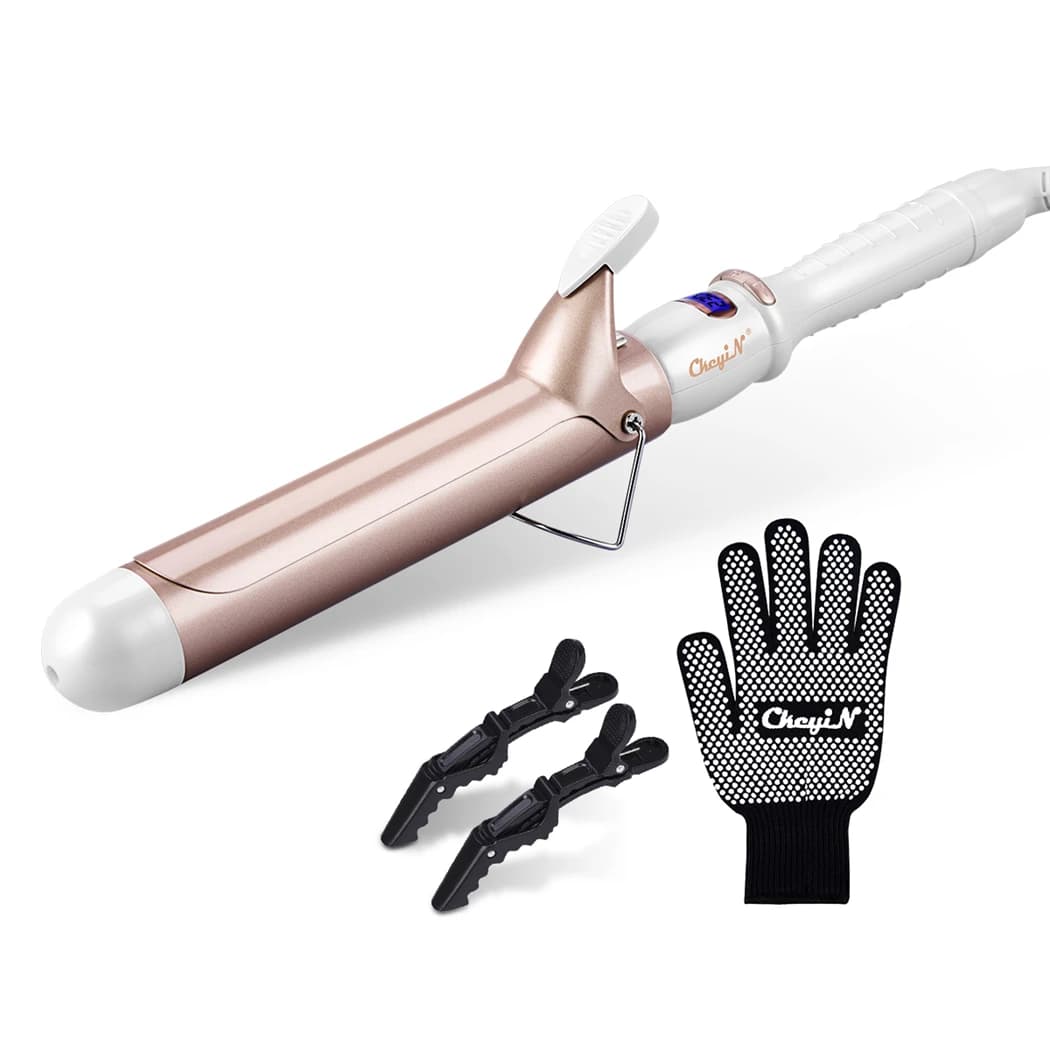
Tourmaline Ceramic Hair Curler with Adjustable Heat
In stock · Options available · Ships in 7–21 business days
 Sale
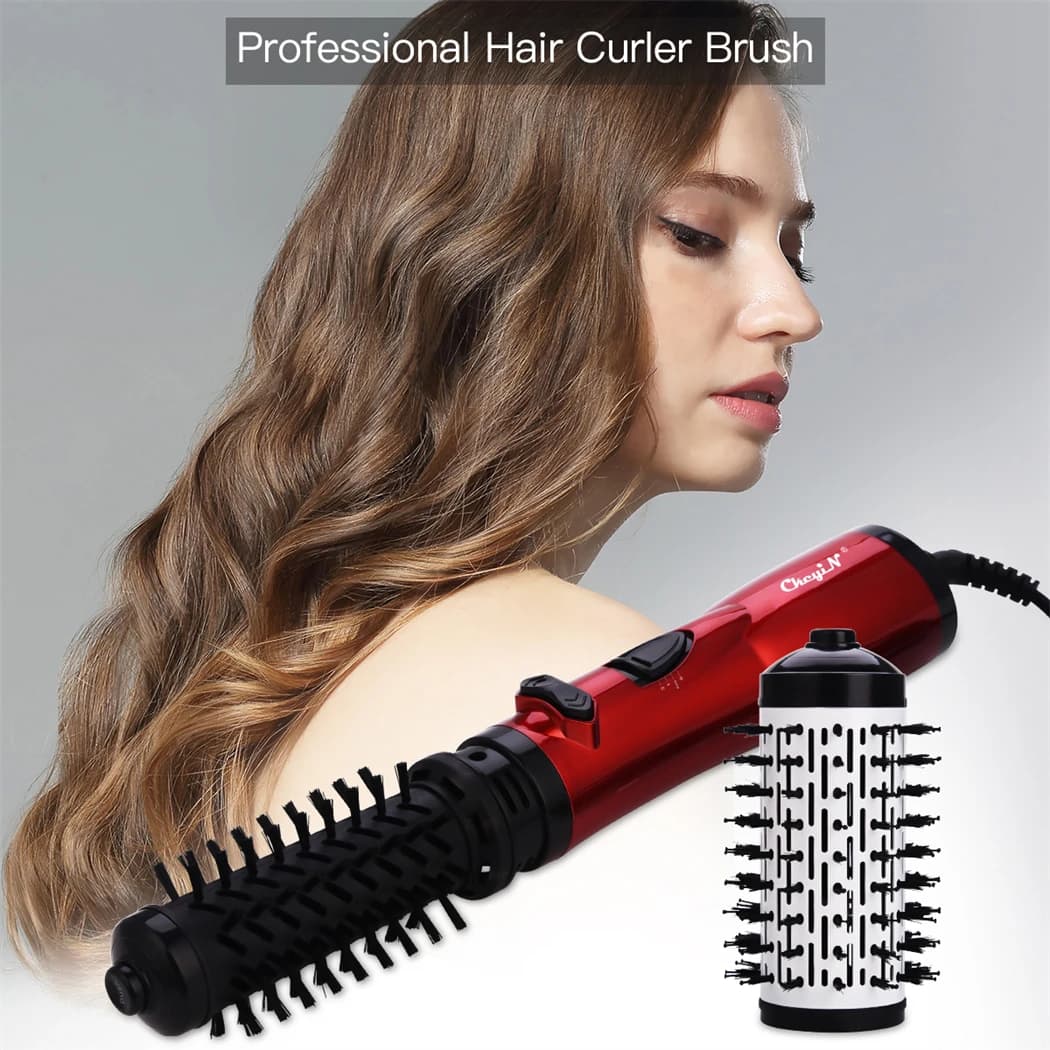
SaleRotating Hot Air Brush with Ceramic Tourmaline Barrel
In stock · Ships in 7–21 business days
 Sale
SaleHigh-Speed Brushless Ionic Hair Dryer with Magnetic Nozzle
In stock · Options available · Ships in 7–21 business days
Continue reading
 Beauty & Personal Care
How to Trim a Beard With an Electric Trimmer: Pro Tips
Learn how to trim a beard with an electric trimmer: guard lengths, cheek and neck lines, fading, mustache detail and blade care for a clean, even shape at home.
 Beauty & Personal Care
Foil vs Rotary Shaver: Which Suits Your Beard and Skin?
Foil vs rotary shaver compared: how each head cuts, which suits coarse, fine or curly hair, sensitive skin and neck contours, plus upkeep and replacement costs.
 Beauty & Personal Care
Hair Trimmer Guard Sizes and Blade Maintenance Guide
Hair trimmer guard sizes decoded: numbers to inches and millimeters, how to fade between guards, and how to clean, oil and store blades so they cut cleanly.