

Aromatherapy Diffuser Safety: Pets, Kids and Placement
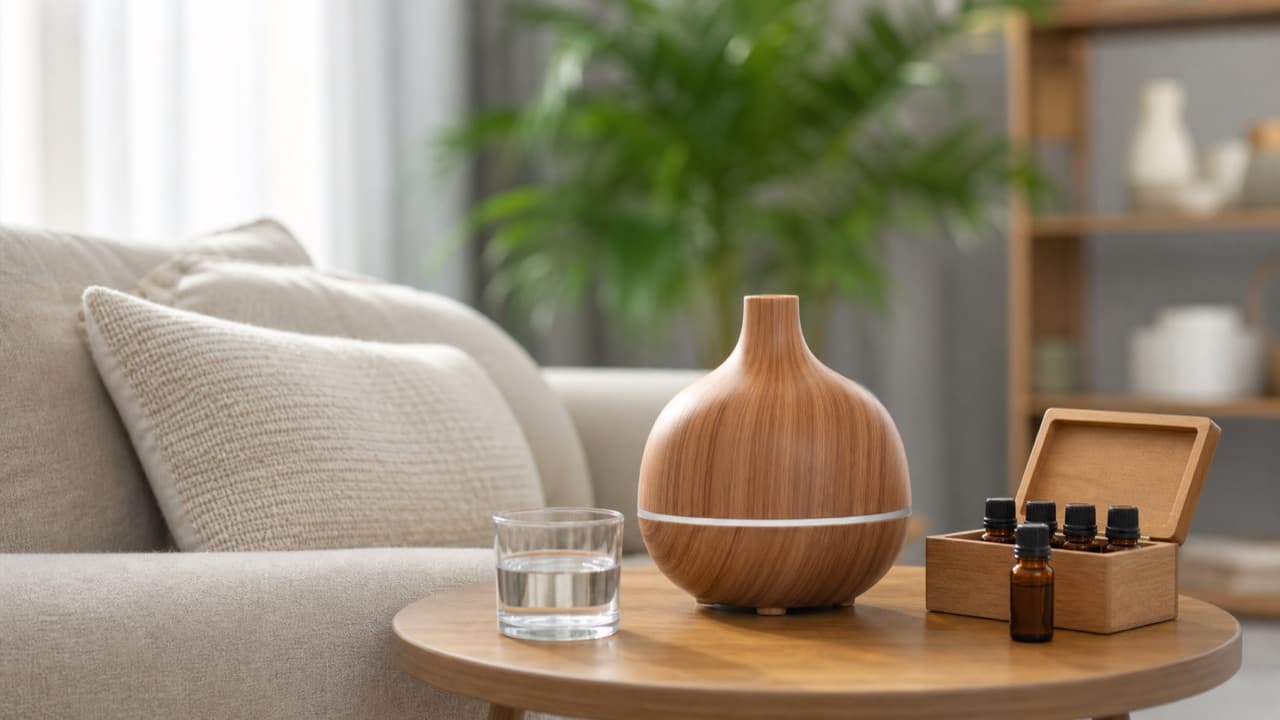
Aromatherapy diffuser safety comes down to three habits: diffuse in short, intermittent sessions in a ventilated room, keep the oils and the mist away from pets, babies and anyone with breathing problems, and treat the diffuser like any small appliance that combines water and electricity. Used that way, a diffuser is a low-risk way to scent a room. This guide is for households with pets, children or asthma, and for anyone who has just bought a diffuser and wants to set it up sensibly.
It is general consumer guidance, not medical advice. If someone in your home is pregnant, has a respiratory condition or takes medication, ask a doctor or pharmacist before diffusing regularly.
Key takeaways
- Run diffusers intermittently, commonly 30 to 60 minutes on followed by a break, rather than all day or all night at full output.
- Cats, birds and small animals are especially sensitive; never diffuse in a closed room they cannot leave.
- Store essential oils like medicines, out of reach of children; swallowing even small amounts can be dangerous.
- Follow the drop count in the manual, usually a few drops per 100 ml of water for ultrasonic models; more is not safer or better.
- Unplug before filling or cleaning, and place the diffuser on a stable, water-resistant surface away from bed edges and electronics.
Types of diffusers and how their risks differ
| Type | How it works | Concentration | Main safety points |
|---|---|---|---|
| Ultrasonic | Vibrating plate turns water plus a few drops of oil into mist | Low to moderate | Water and electricity, mineral dust from tap water, cleaning to prevent growth |
| Nebulizing | Air pressure atomizes undiluted oil | High | Strong output; keep sessions short and rooms well ventilated |
| Heat or candle | Warms oil to release scent | Moderate | Burn and fire risk with open flames; never leave unattended |
| Passive (reed, clay, fan) | Oil evaporates from a surface | Low | Spills and reeds reachable by pets or children |
Combination devices, such as a humidifier with an aroma tray, follow the same rules as ultrasonic diffusers, and some are not designed for oil in the main tank at all. Read the manual before adding oil, because oils can damage plastics not made for them. The humidifier vs aroma diffuser guide covers the difference.
How long and how strong: sensible diffusing habits
Scent fatigue sets in within minutes, which tempts people to add more oil or run the diffuser longer. Resist that. Common practice among aromatherapy educators is intermittent diffusion: a session of about 30 to 60 minutes, then at least as long off. Many diffusers have interval or timer modes for this.
- Leave a door or window slightly open so the room does not become saturated.
- Match output to room size; a small bedroom needs far less than an open-plan living area. Our diffuser room size guide explains coverage figures.
- Stop if anyone develops a headache, nausea, coughing, watery eyes or wheezing, and air out the room.
- Avoid diffusing continuously overnight in a closed bedroom. If you use it at bedtime, set a timer.
Pets: cats, dogs and birds
Pets have stronger senses of smell than people, cannot tell you when a scent bothers them, and in some cases process essential oil compounds poorly. Cats are particularly vulnerable because their livers lack certain enzymes used to break down some of these compounds. Birds have very sensitive respiratory systems and are generally kept away from any airborne fragrance.
Oils frequently listed by veterinary and animal poison control sources as concerns for cats, dogs or both include tea tree (melaleuca), eucalyptus, peppermint, wintergreen, cinnamon, clove, citrus oils, pine, pennyroyal and ylang-ylang. This is not a complete list, and “pet-safe” labels on blends are marketing rather than a regulated claim.
- Diffuse only in rooms your pet can freely leave, and never in a crate area or small enclosed space.
- Place passive diffusers and oil bottles where pets cannot knock them over, lick spills or brush against them; oil on fur gets groomed off and swallowed.
- Watch for drooling, pawing at the face, watery eyes, coughing, wobbliness or lethargy. Stop diffusing, move the pet to fresh air and call your veterinarian or an animal poison control line.
Babies, children and people with asthma
Infants and young children breathe faster relative to their size and have smaller airways. Many pediatric and aromatherapy sources advise against diffusing around infants, and some oils, notably peppermint and eucalyptus, carry specific cautions for young children. Ask your pediatrician before diffusing in a nursery or child’s bedroom.
The bigger danger with children is swallowing oil. Concentrated essential oils can cause serious poisoning in small amounts, and wintergreen and camphor are especially hazardous. Keep bottles capped and stored high, buy bottles with dropper inserts or child-resistant caps, and call Poison Control at 1-800-222-1222 immediately if a child swallows oil, even if they seem fine.
Strong scents are a common asthma and allergy trigger. If anyone in the home has asthma, use the lowest effective output, short sessions, and stop at the first sign of symptoms.
Electrical and placement safety
- Use the supplied adapter, and keep the cord where it cannot be tripped over or chewed.
- Unplug before filling, emptying or cleaning, and never exceed the MAX fill line.
- Set it on a flat surface at least a couple of feet from the edge, away from laptops and wood furniture that mist can mark. A tray or coaster catches drips.
- Choose a model with automatic shut-off when the water runs out.
- Wall-mounted units such as the Wall-Mounted Aromatic Oil Fragrance Diffuser keep scent sources off counters and out of reach; check the product page for how it disperses scent and what oils it accepts. Tabletop options include the Bluetooth Smart Aroma Diffuser.
- Clean regularly; stagnant water and oil residue build up quickly. Follow our diffuser cleaning guide.
Mistakes to avoid
- Running it all day at full output. Continuous diffusion saturates the air and increases the chance of irritation, especially for pets.
- Adding oil to a humidifier tank not built for it. Oils can crack plastics and damage the mechanism.
- Using tap water in hard-water areas. Ultrasonic models can release fine mineral dust; use distilled water if the manual recommends it.
- Trusting “natural” or “therapeutic grade” labels. These are not regulated safety guarantees; the same cautions apply.
- Leaving bottles on a nightstand or bathroom counter. These are the places small children find them.
How to choose a safer setup for your home
- Pick an ultrasonic diffuser with a timer and auto shut-off if you want gentle, controllable scent in a living area.
- Pick a passive diffuser placed up high if you want no electricity or heat, and can keep it out of reach.
- Skip nebulizing diffusers if you have cats, birds, a baby or someone with asthma, since their undiluted output is strong.
- Skip diffusing altogether if a household member reacts badly to fragrance; a fan and open window freshen air without the risk.
Browse diffusers and humidifiers in the home and kitchen category.
Frequently asked questions
Is it safe to diffuse essential oils around cats?
Cats are especially sensitive to many essential oils, so caution is warranted. If you diffuse at all, use short sessions in a ventilated room the cat can leave, avoid oils commonly flagged as toxic such as tea tree and citrus, and ask your veterinarian first.
How long should you run an essential oil diffuser?
A common guideline is 30 to 60 minutes at a time, followed by a break of similar length. Intermittent mode or a timer helps, and shorter sessions are wise in small rooms or around pets and children.
Can you sleep with a diffuser on all night?
It is better not to run one continuously overnight in a closed bedroom. Use a timer to diffuse for a short period around bedtime, keep the door slightly open, and stop if anyone wakes with a headache or congestion.
Are essential oil diffusers safe for babies?
Many sources recommend not diffusing around infants, and some oils have specific cautions for young children. Talk to your pediatrician before using one in a nursery, and always keep oil bottles out of reach.
What should I do if my child swallows essential oil?
Call Poison Control at 1-800-222-1222 right away, even if the child seems fine, and have the bottle with you. Do not try to make them vomit unless instructed. Call 911 if they have trouble breathing or are drowsy.
Shop Home & Kitchen
View all →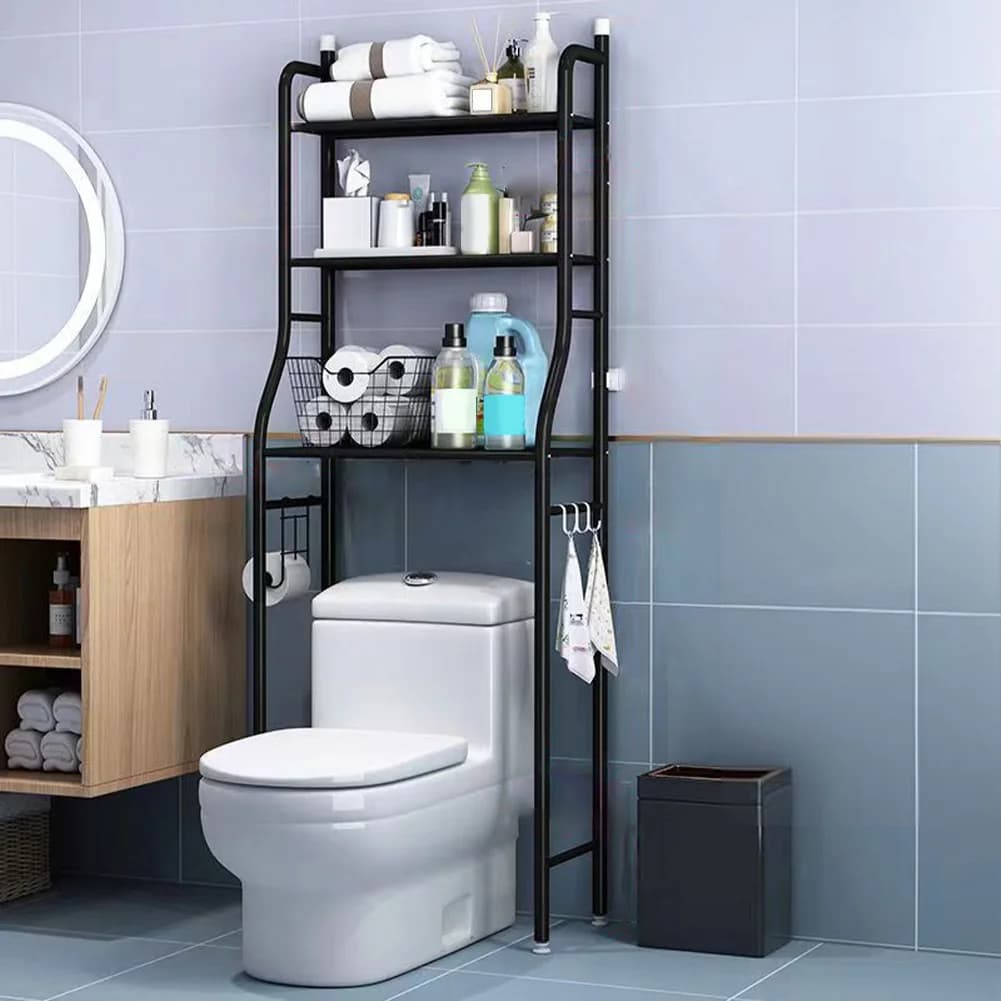
3-Tier Over-Toilet Storage Rack in Powder-Coated Carbon Steel
In stock · Options available · Ships in 7–21 business days
 Sale
Wingback Massage Recliner Chair in PU Leather with Footrest
In stock · Options available · Ships in 7–21 business days
 Sale
Mid-Century Modern Accent Armchairs, Set of Two, Wood Frame
In stock · Options available · Ships in 7–21 business days

Fireplace Flame Ultrasonic Humidifier and Oil Diffuser
In stock · Options available · Ships in 7–21 business days
Continue reading
 Home & Kitchen
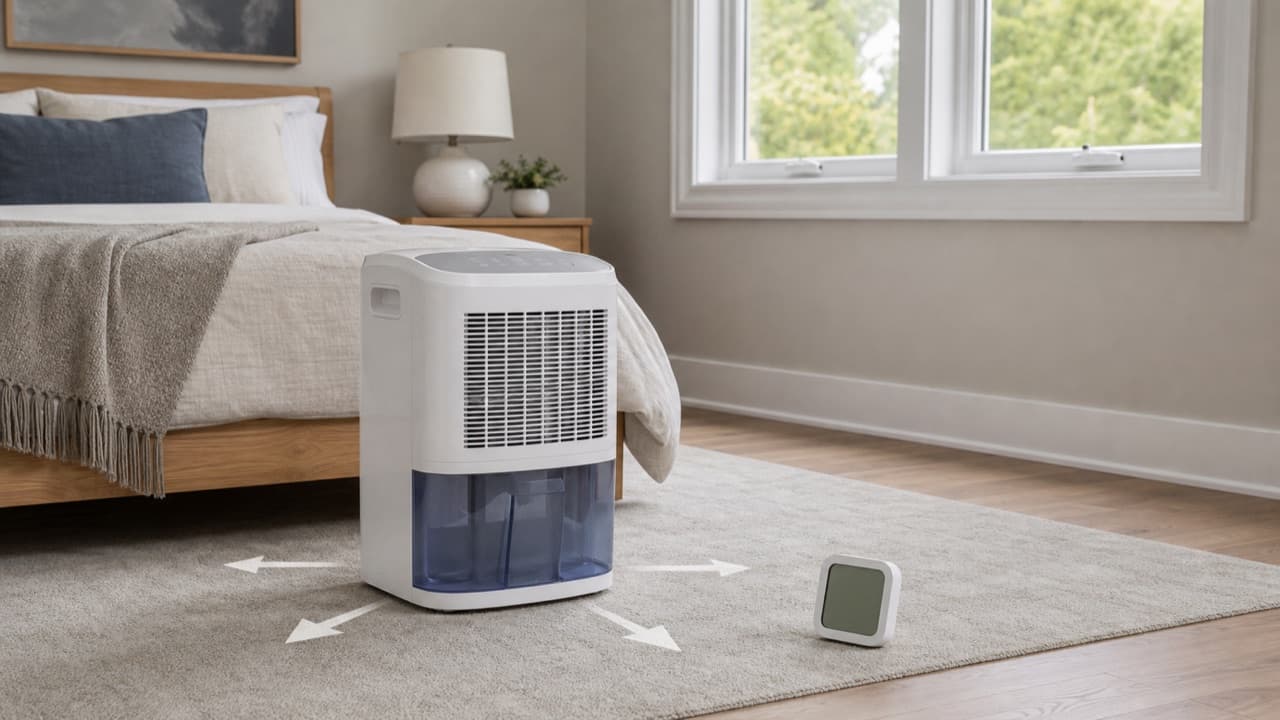
Dehumidifier Size and Placement: Pints, Rooms and Drainage
Dehumidifier size and placement explained: how pint ratings changed, sizing for damp rooms and basements, where to put the unit, and how to plan drainage.
 Home & Kitchen
Wall Light Placement Guide: Heights for Every Room
Wall light placement guide with typical mounting heights and spacing for bedrooms, bathrooms, hallways and stairs, plus glare, switching and wiring basics.
 Home & Kitchen
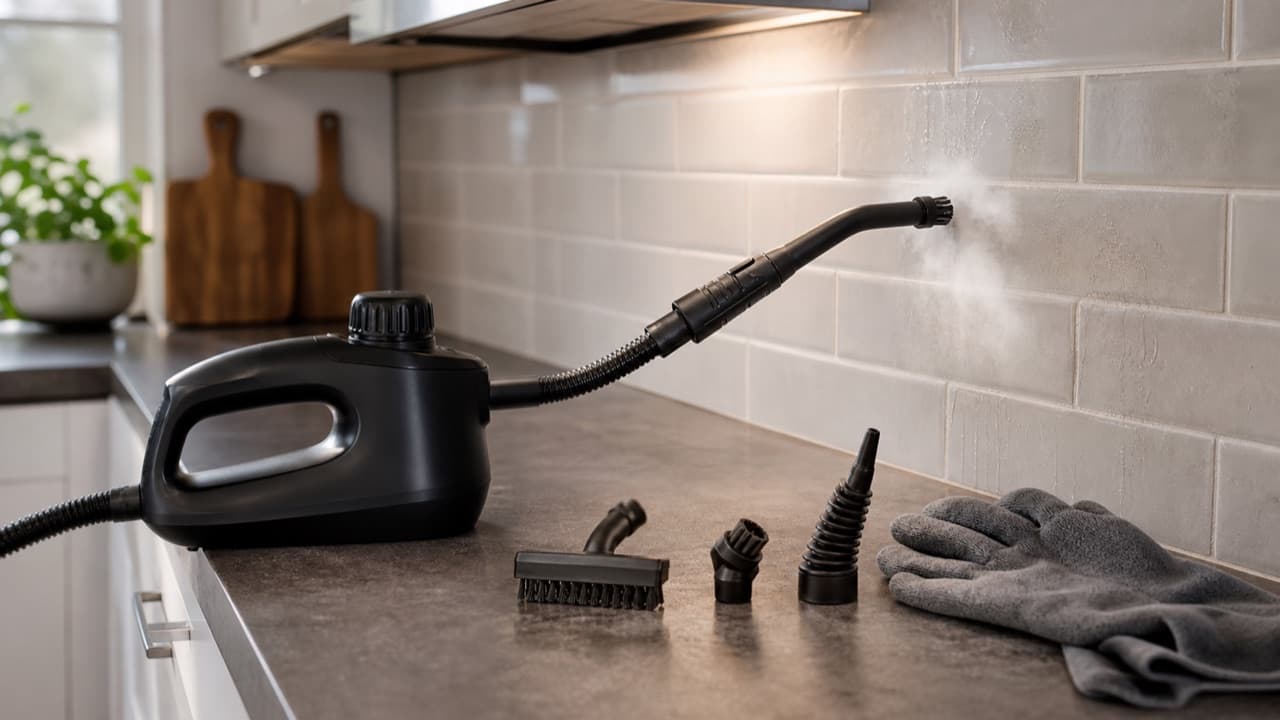
Handheld Steam Cleaner Safety: Burns, Refills and Use
Handheld steam cleaner safety explained: how to fill, heat, refill and store a pressurized steamer, avoid burns and electrical risks, and know when to stop.