

Minimalist Packing List for Travel and Remote Work
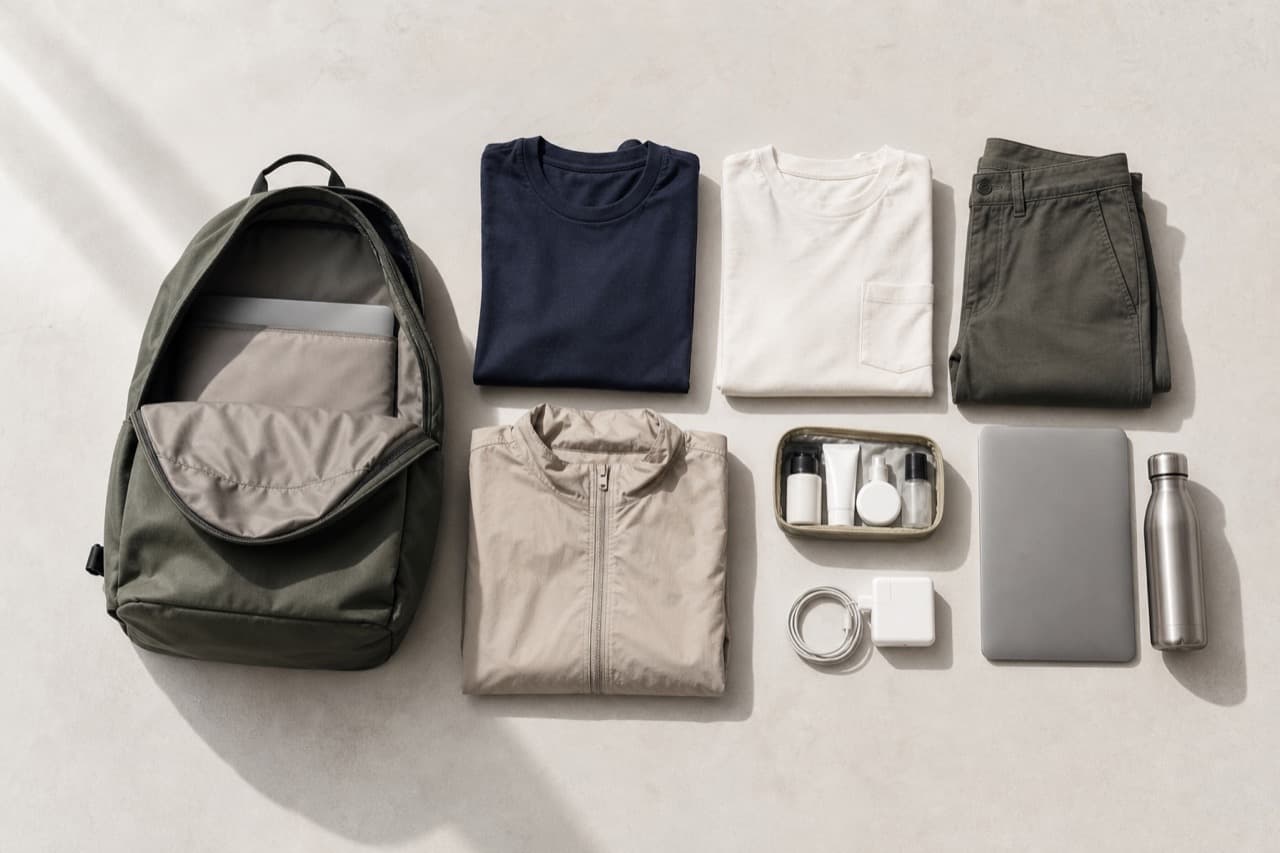
A minimalist packing list works because it is built around laundry, not trip length: pack about seven days of clothes in two or three coordinated colors, add a compact work kit, and wash on the road instead of carrying more. This guide is for people who travel with a laptop for a week, a month or longer and want everything in one carry-on bag plus a personal item. It focuses on the list and the rules for cutting it; for the bag itself, see our carry-on backpack guide for digital nomads.
Key takeaways
- Pack for about a week and plan to do laundry every five to seven days, whether the trip is ten days or three months.
- Build clothes around two or three base colors and quick-drying fabrics so every top works with every bottom.
- Give every item a job. If you would not use it at least three times, or you could buy it locally for a few dollars, leave it home.
- Your work kit is a laptop, a charger, one cable system, headphones and little else. Everything else is optional.
- Weigh the bag at home. Many international and budget airlines cap carry-on at roughly 15 to 22 pounds (7 to 10 kg), and the limit is enforced at the gate.
- Spare lithium batteries and power banks go in the cabin, and most airlines cap them at 100 Wh without approval.
The rules behind a minimalist packing list
Most overpacking comes from planning for the worst day on every day. Five rules cut that out.
- The seven-day rule. Pack one week of clothes, then wash. Anything more is carried weight you will not wear.
- The three-use test. Each clothing item should go with at least three outfits. A single-purpose item only earns its place if it is small and essential, such as a swimsuit for a destination with a pool.
- The buy-there list. Decide what you will purchase on arrival: sunscreen, shampoo, snacks, an adapter in a pinch. Liquids are heavy, and the 3-1-1 limit already restricts them.
- A weight budget. Set a total weight before you pack, such as 15 pounds (7 kg) for strict airlines, then weigh as you go. Our guide on how to weigh carry-on luggage at home shows several accurate methods.
- Wear the heavy items. Boots, a jacket and jeans weigh a lot in a bag and cost nothing to wear on the plane.
Clothing: how many pieces to bring
These counts suit a mixed trip with moderate weather and office-casual or café settings. Adjust for climate, dress codes and your own washing habits.
| Category | Typical count for one week of wear | Notes |
|---|---|---|
| Tops and shirts | 4 to 5 | Mix short and long sleeve; merino or synthetic dries overnight |
| Trousers, jeans or skirts | 2 to 3 | One darker pair for smarter settings; wear the heaviest |
| Underwear and socks | 5 to 7 pairs each | Quick-dry fabrics reduce the count to about four |
| Warm layer | 1 sweater or fleece | Layers beat one thick coat for variable weather |
| Rain layer | 1 packable shell | See our packable rain jacket guide for ratings and packed size |
| Shoes | 2 pairs including the pair you wear | One walking shoe plus one lighter option; shoes are the heaviest single item |
| Sleep and exercise | 1 set each | Sleepwear can double as lounge wear |
| Swimwear, scarf, belt | As needed | Only if the itinerary calls for it |
Fabric matters more than count. Cotton is comfortable but slow to dry, which pushes you toward more pieces. Merino wool and synthetic blends dry faster and tolerate wearing more than once, so you can pack fewer. If you need formal wear for a meeting or event, one wrinkle-resistant outfit is lighter than a suit and a backup; if you do carry a suit, our guide on how to pack a suit for travel shows how to limit creasing.
The remote work kit that earns its space
A laptop job asks for less than most people carry. Start with the core, and add only what you will use weekly.
- Laptop and charger. A typical thin laptop weighs about 2.5 to 4 pounds (1.1 to 1.8 kg), and the charger adds a few ounces. A compact USB-C charger can power a laptop, phone and tablet from one plug, which cuts the number of bricks.
- One cable system. Two USB-C cables and, if needed, one for your phone’s connector are enough. Our guide to organizing travel cables, power banks and adapters explains how to keep them tidy and which adapter you need abroad.
- Headphones. Noise-cancelling headphones help on planes and in busy co-working spaces. The Baseus Bowie H1s ANC Wireless Headphones are one option on ADLTHUB; check the product page for specifications, delivery and returns.
- A USB-C hub, only if you need it. Skip it if your laptop has the ports you use. If you rely on an external monitor, Ethernet or an SD card reader, a single compact hub replaces several dongles; our USB-C hub buying guide covers display and power limits.
- Power bank. Carry one only if your days are long. Airlines regulate batteries by watt-hours, and about 27,000 mAh at 3.7 V is roughly the 100 Wh line, so a bank of 20,000 mAh or less stays comfortably under it. The label usually prints Wh.
- Optional extras. A foldable laptop stand, a small mouse, and a webcam or mic are useful if you work from the same table daily; leave them home for a short trip.
For the wider desk picture, our mobile office checklist covers connectivity, security and workspace choices, so this list can stay focused on what goes in the bag.
Toiletries, medication and documents
Toiletries are small but add up. Decanting into travel bottles, using solid products such as bar shampoo, and sticking to the 3-1-1 rule (containers of 3.4 ounces or 100 ml in one quart bag) keeps the bag light and speeds security. See our carry-on toiletry bag size guide for what fits and how to avoid leaks.
- Carry prescription medication in its original container, in your carry-on, with enough for the trip plus a spare day or two.
- Keep passport, travel insurance details and key documents in the personal item, and keep digital copies stored offline.
- Pack a minimal first-aid kit rather than a pharmacy, and buy anything specific after you arrive.
- Bring a small laundry kit: a few sheets of detergent or a travel wash packet, and a sink stopper if you hand-wash.
Weight, size and packing order
Most carry-on size limits sit near 22 by 14 by 9 inches (56 by 36 by 23 cm) including handles and wheels, and personal items are smaller. Limits and fees vary by airline and fare class, and basic fares often restrict the cabin bag, so check your carrier before you fly. A backpack with a flat back panel and a clamshell opening makes it easier to see everything at once.
Pack in layers: heavy items such as shoes and chargers near the back panel, clothes in the middle, and the items you need at security, such as a liquids bag and laptop, on top or in the personal item. Packing cubes do not reduce the volume of your clothes by much, but they make it easier to find things and compress soft items a little; our piece on compression packing cubes explains what they really change.
A simple laundry plan for longer trips
- Choose accommodation with a washing machine or a laundromat nearby when you can.
- Hand-wash in a sink with a small amount of detergent, roll items in a towel to wring them out, and hang them to dry overnight.
- Wash on a rhythm, such as every Sunday, so you never run short.
- Rotate through your clothes so each piece wears out evenly.
Mistakes to avoid
- Packing for every possible outcome. A just-in-case outfit for the one dinner that may not happen costs weight for the whole trip.
- Carrying cotton-heavy outfits. They take a long time to dry, so you pack more to compensate.
- Bringing three chargers for three devices. One multi-port charger and a short cable set do the same job.
- Skipping the scale. A bag that fits at home can still be over an airline’s weight limit.
- Burying the laptop and liquids bag. Security and gate checks go faster when they sit on top or in your personal item.
- Packing lithium spares in checked luggage. Spare batteries and power banks must be in the cabin.
Which packing approach fits you
- Pick a strict one-bag setup of about 15 pounds if you fly budget airlines or plan many short hops.
- Pick a slightly fuller carry-on with a personal item if you need business-casual clothes or a few extra work accessories.
- Pick a two-week list with a laundry day if you move every few days and want less to wash.
- Pick a one-month base with a longer-stay rental that has a washing machine if you will stay in one city.
If you travel often, build the list once, save it, and edit it after each trip by removing anything you did not use. You can browse bags and gear in outdoor and travel when something on your list needs replacing.
Frequently asked questions
How many clothes should I pack for a month of travel?
About the same as for a week, which is roughly four or five tops, two or three bottoms, and five to seven pairs of underwear and socks. The difference is that you wash every five to seven days instead of carrying more.
What should a digital nomad pack for remote work?
A laptop and charger, one set of cables, headphones and, if needed, a compact hub or power bank. Add a laptop stand or mouse only if you will use them weekly, and remember that you can usually buy small accessories on arrival.
How much can a carry-on weigh?
It depends on the airline and fare. Many international and budget carriers limit carry-on to roughly 15 to 22 pounds (7 to 10 kg), while some US airlines list size limits but no weight limit for domestic flights. Check your carrier’s current rules and weigh the bag before you leave.
Can I bring a power bank on a plane?
Yes, but it must be in the cabin, not checked luggage. Most airlines allow banks up to 100 Wh without approval, and the label typically lists the watt-hours. Check your airline’s own limits on the number of spares.
Is it better to roll or fold clothes when packing light?
Both work. Rolling reduces creases in casual fabrics and lets you see every item, while folding suits structured shirts and trousers. Packing cubes help keep either method organized, but they do not shrink your clothes much.
Shop Outdoor & Travel
View all →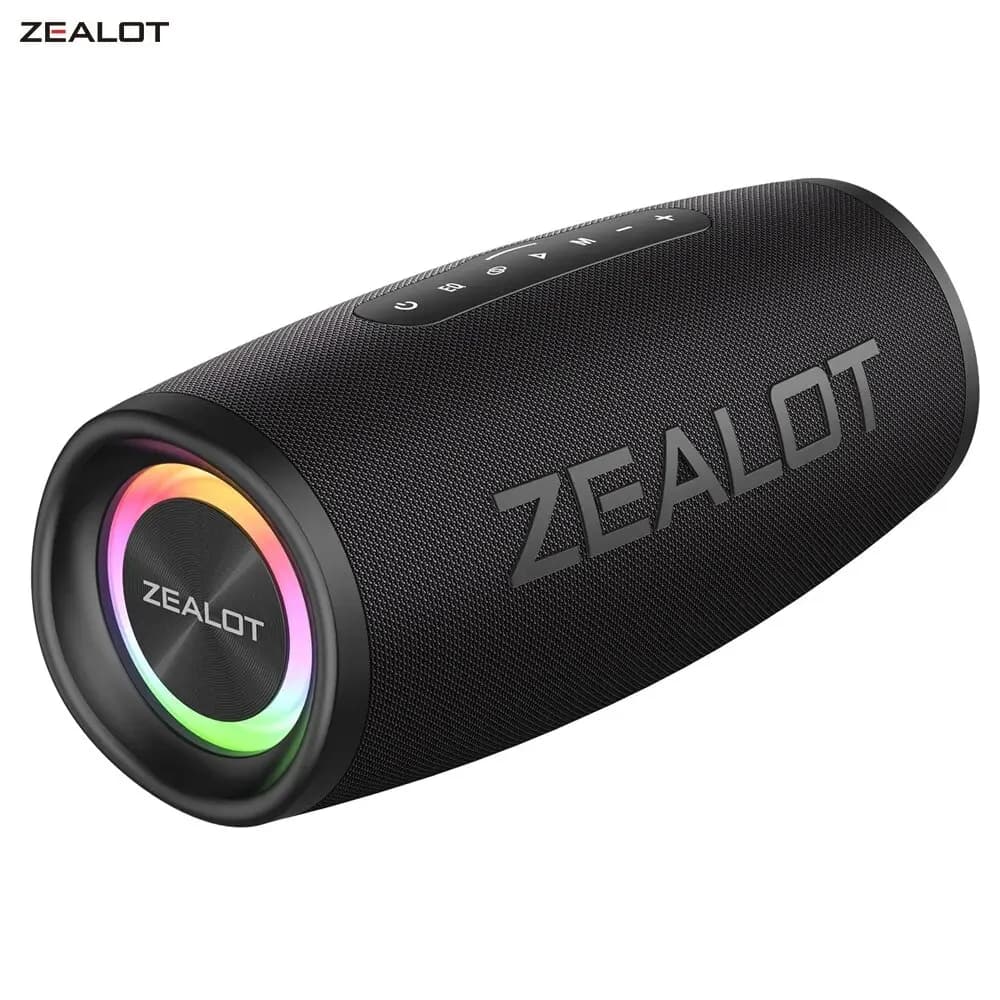
Zealot S56 Rugged Outdoor Bluetooth Speaker
In stock · Ships in 7–21 business days
 Sale
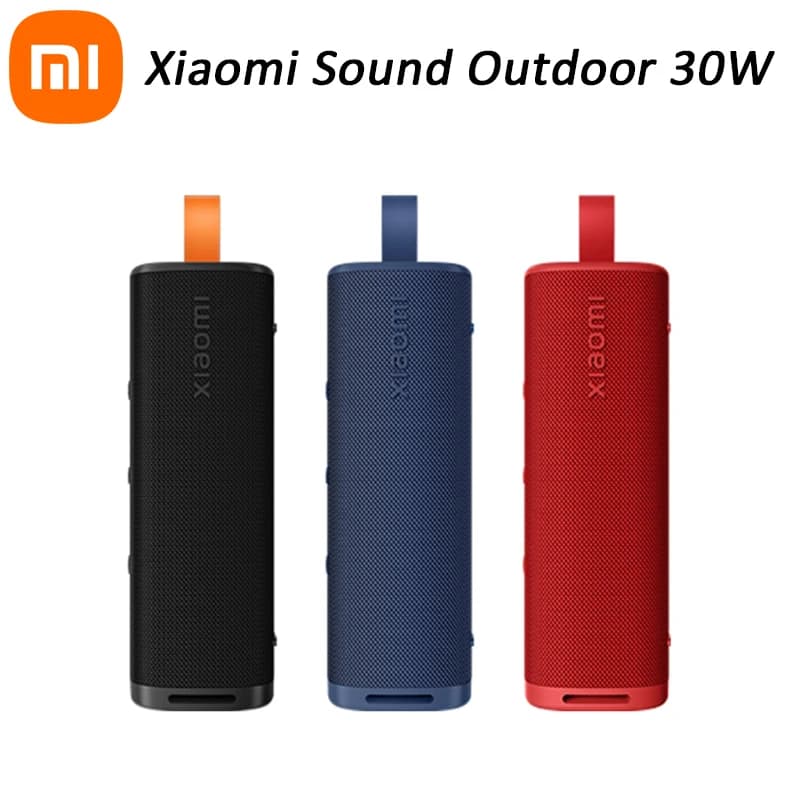
SaleXiaomi Sound Outdoor Portable Bluetooth Speaker
In stock · Options available · Ships in 7–21 business days
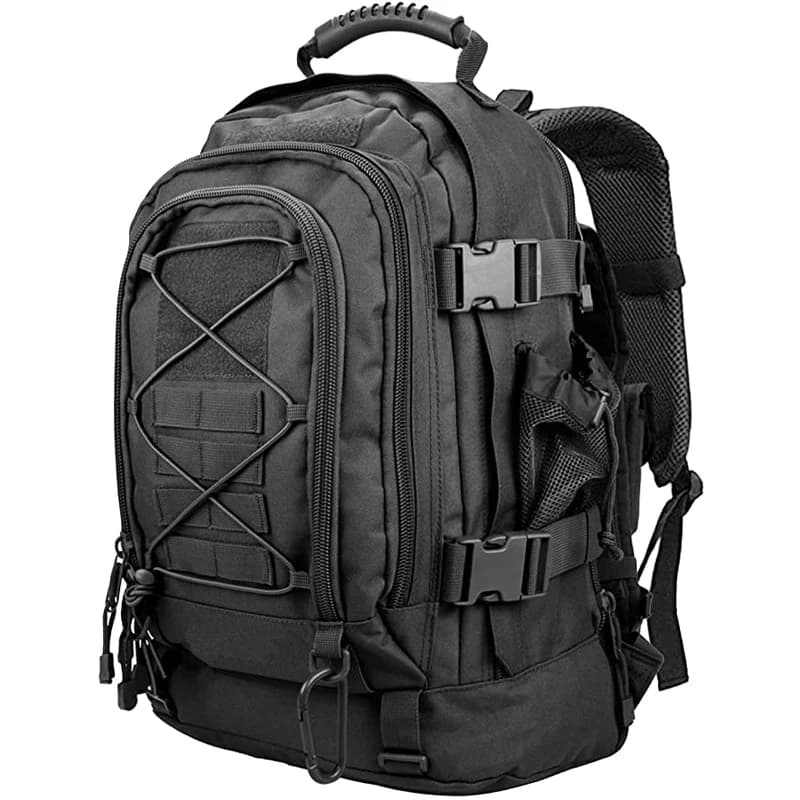
LQArmy 60L Tactical Backpack with Molle Webbing
In stock · Options available · Ships in 7–21 business days
Continue reading
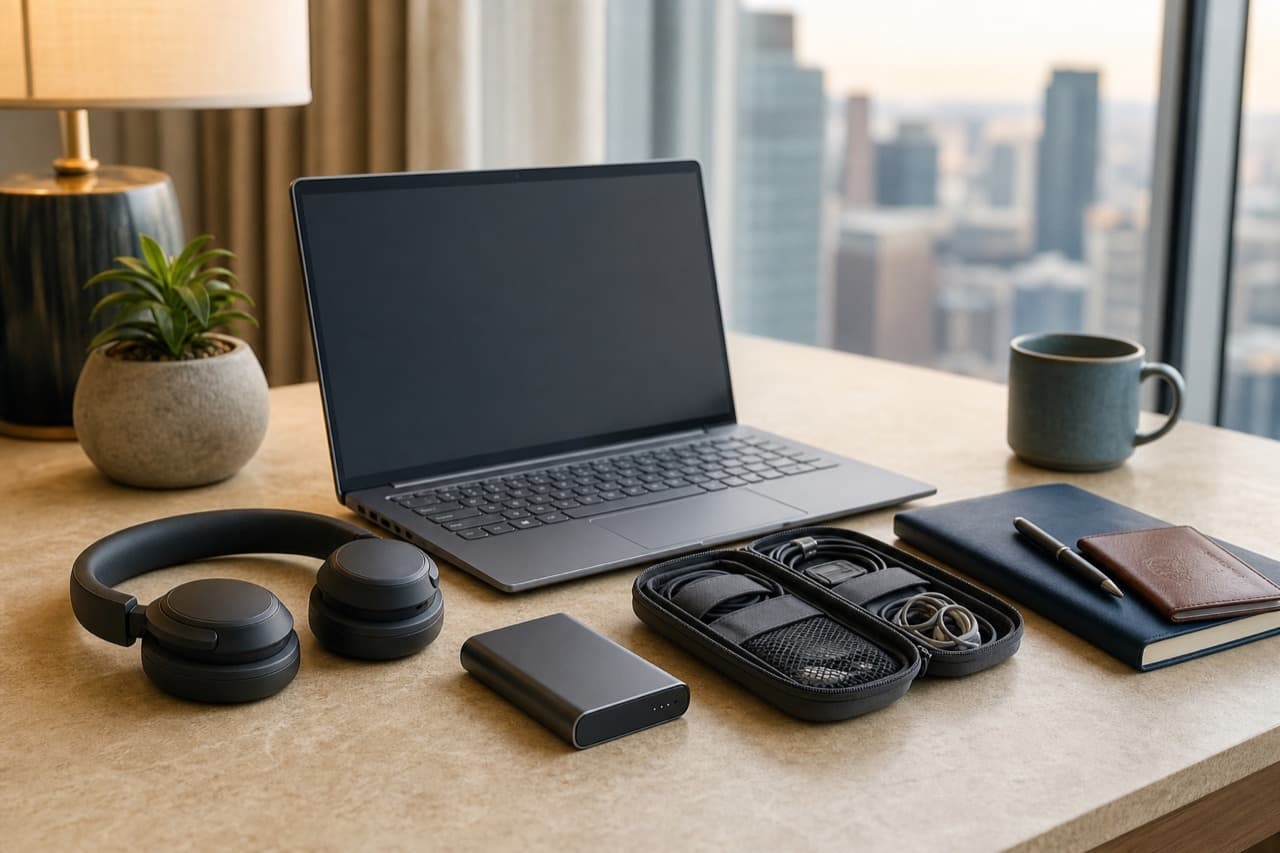 Outdoor & Travel
Mobile Office Checklist for Remote Work While Traveling
Mobile office checklist for remote work while traveling: backup internet, power, laptop setup, security and admin to sort before you go, plus what to pack.
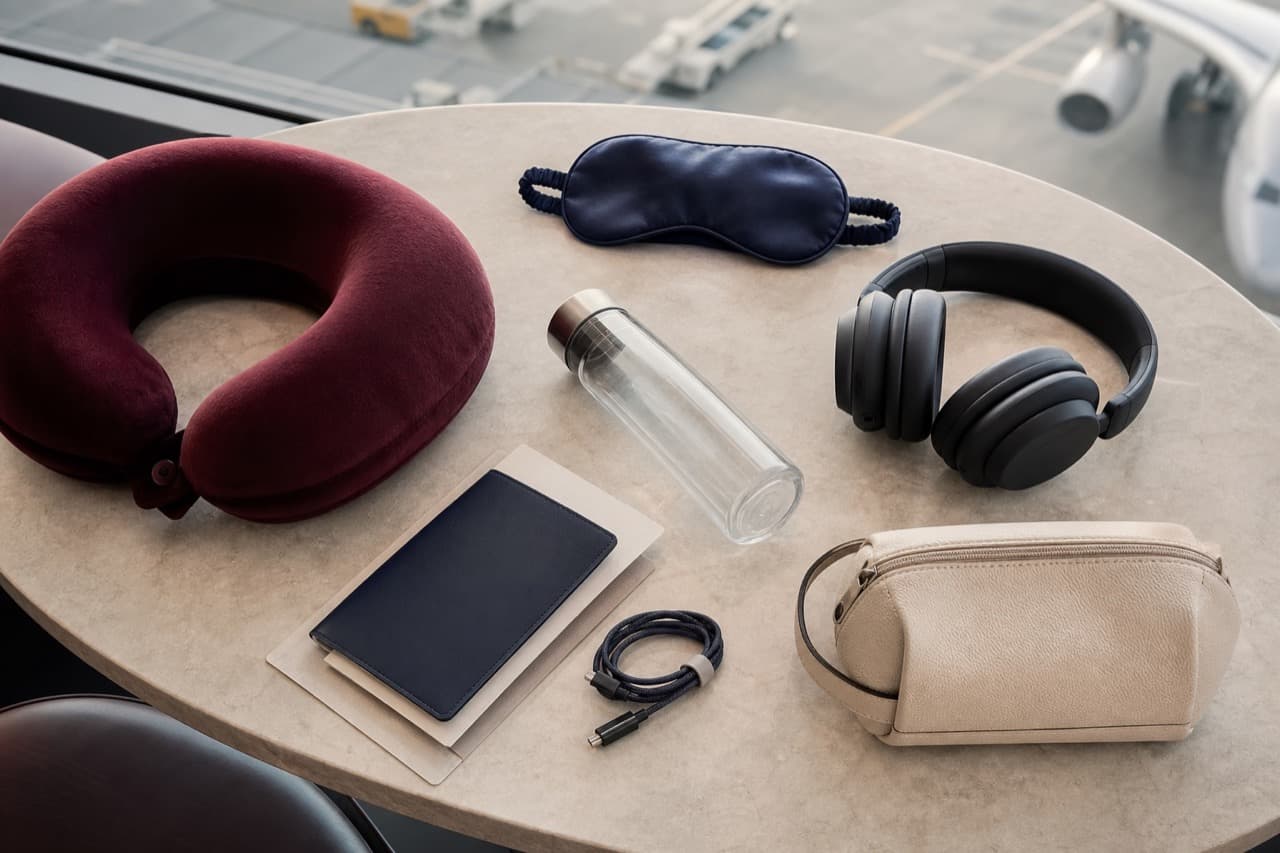 Outdoor & Travel
International Flight Travel Accessories: 10 Worth Packing
The international flight travel accessories worth packing: 10 items for sleep, power, documents and comfort, plus the airline and TSA rules each must meet.
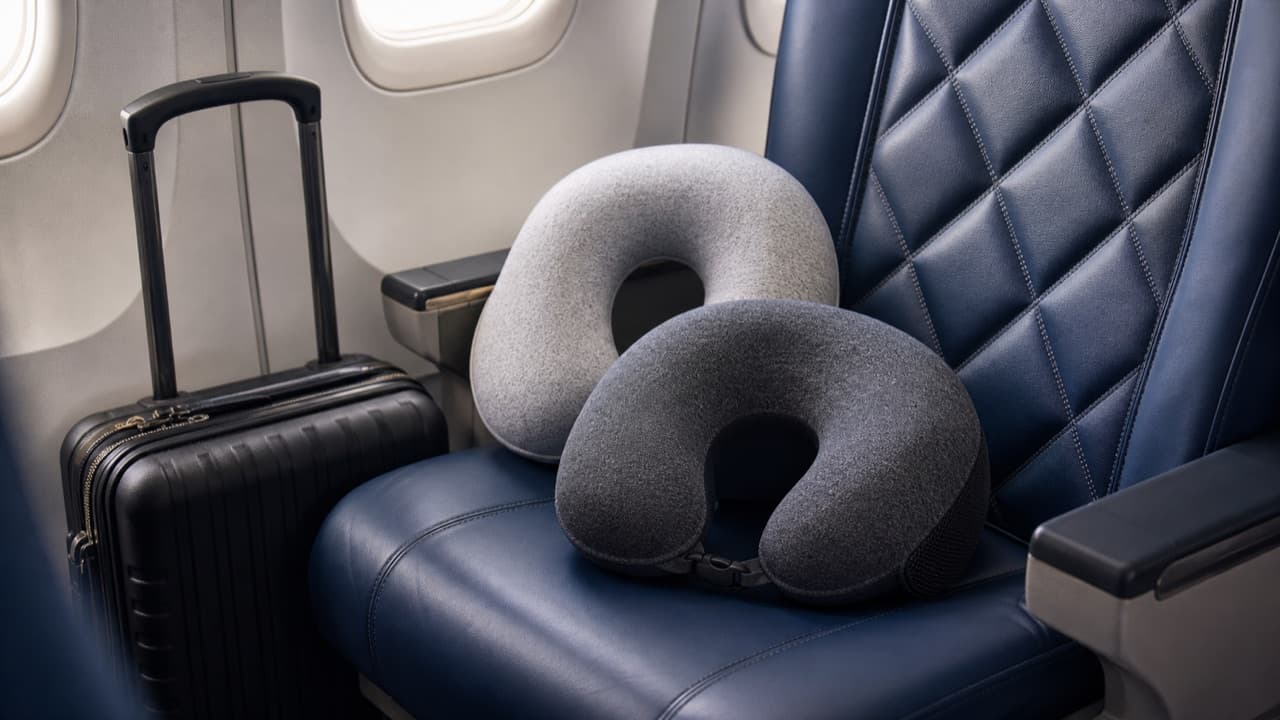 Outdoor & Travel
Travel Pillow Neck Support: Match the Shape to How You Sleep
Travel pillow neck support explained: which shape stops forward nodding or side drops, memory foam vs inflatable, sizing, hygiene and seat-specific tips.