

Compression Packing Cubes: Do They Really Save Space?
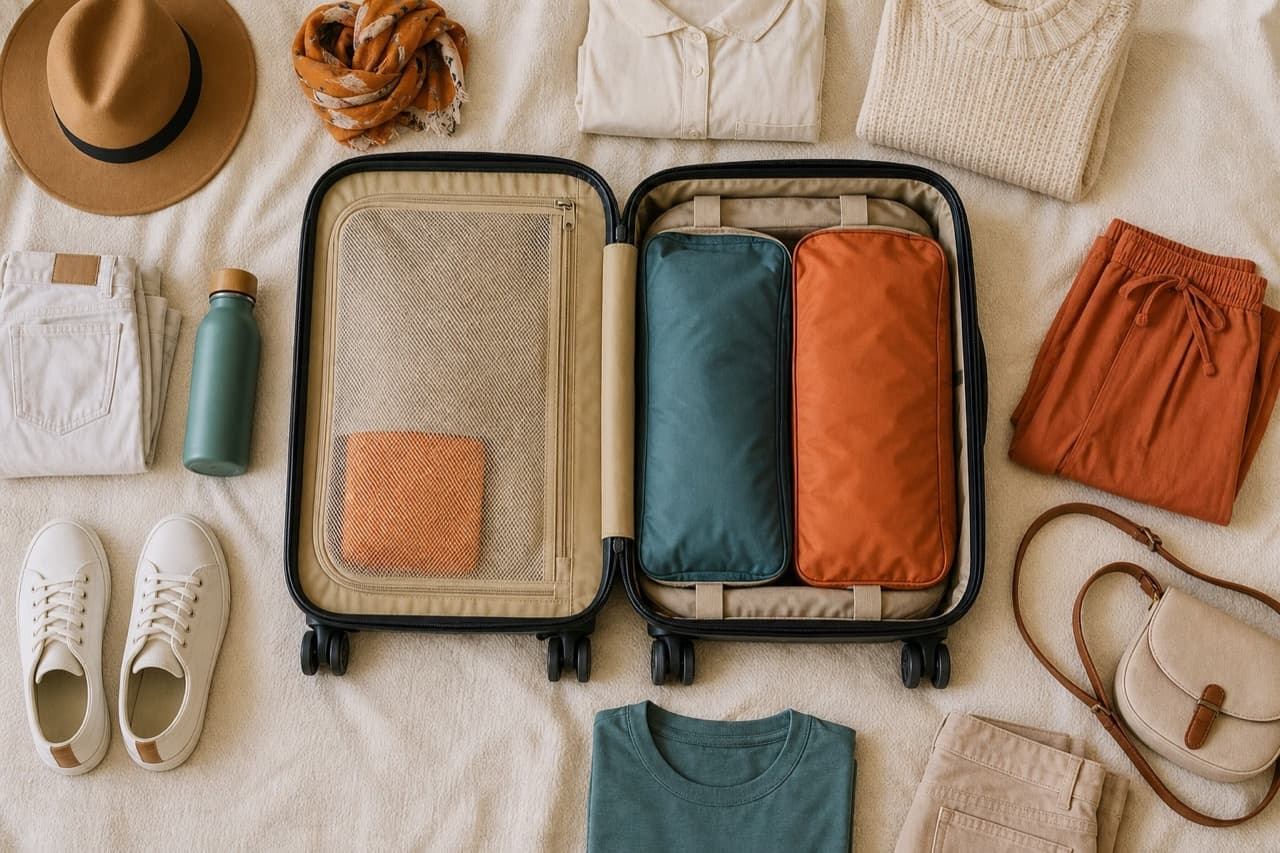
Compression packing cubes can shrink a pile of soft clothing noticeably, but they do not make a suitcase bigger, and they do not make your bag lighter. Any claim that a cube will “save 50% of your space” is marketing; the real gain comes from squaring off loose clothes, squeezing out trapped air and filling awkward gaps. This guide is for travelers deciding between standard cubes and compression cubes, and for anyone who keeps overpacking a carry-on or checked bag.
Key takeaways
- A compression cube is a packing cube with a second zipper that cinches the sides. It reduces the volume of soft items such as tees, knits and underwear; it does nothing for shoes, toiletries or stiff jackets.
- Cubes never reduce weight. Airline limits are set by weight and by bag dimensions, so compressing a heavy load only makes a denser, heavier block.
- Most of the benefit of a standard cube is organization: you can find a shirt without unpacking the whole bag, and you can move a cube to a hotel drawer.
- Buy a set of three to five in mixed sizes rather than one big cube. Sizes should fit your bag in a grid with little dead space.
- Compression increases wrinkles and puts stress on zippers. Do not compress puffy insulated items for long periods, because that can flatten the fill.
How compression packing cubes work
A standard packing cube is a zippered fabric box, typically made from lightweight polyester or nylon with a mesh or solid panel. A compression cube adds a second zipper around the perimeter or along one side. After you fill and close the cube, you close the second zipper, which cuts the height of the cube and pushes air out through mesh or seams.
The squeeze works on clothing that is mostly air: cotton tees, sweaters, leggings, pajamas and socks. It works poorly on anything with structure, such as dress shirts with collars, tailored trousers, sneakers or a hard toiletry kit. Those items either do not compress or bounce back and strain the zipper.
Do packing cubes really save space?
Partly. Cubes recover space in three ways: they force you to fold uniformly so items stack instead of bulging, they eliminate the loose gaps you get when clothes are stuffed in by hand, and, with compression, they remove some trapped air. The result is usually a bag that closes more easily and looks neater. The amount of gain depends heavily on what you pack, so expect modest, not dramatic, improvements.
Cubes also have a cost. Each one has walls and zipper hardware that take up a little room and weigh a few ounces. In a very tight bag, a rigid-sided cube can be harder to wedge around a bag’s curves than a loose sweater. Soft-sided cubes with flexible panels handle irregular shapes better.
Standard cubes vs compression cubes vs vacuum bags
| Type | Main benefit | Best for | Trade-off |
|---|---|---|---|
| Standard cube | Organization, easy repacking | Mixed clothing, short trips, carry-on | Little volume reduction |
| Compression cube | Organization plus some volume reduction | Casual clothing, longer trips, bulky knits | More wrinkles, a slightly heavier cube, stressed zippers if overfilled |
| Roll-up vacuum bag | Strong reduction of soft bulk | Bedding, winter layers on long trips | Clothes come out creased, and it is easy to pack past the weight limit |
Which sizes to buy
Buy for the bag, not for the clothes. Measure the interior of your suitcase or backpack, then choose cubes whose combined footprint fills the space in a grid. Manufacturers use small, medium and large labels loosely, so compare actual dimensions in inches and check that the height matches the depth of your bag.
- Small: underwear, socks, chargers and accessories.
- Medium: tees, shorts, leggings and light knits.
- Large: sweaters, jeans, hoodies or a full outfit set per day-group.
- Slim or shoe cubes: useful for shoes, though heavy soles do not compress.
If you travel with a carry-on only, weight is your real limit. Many airlines cap cabin bags well below checked-bag limits, and the limit varies by airline and route, so read the current policy. Our guide on how to weigh carry-on luggage covers the practical check before you leave home.
How to pack with compression cubes
- Sort by category or by day-group, not by color. One cube for tops, one for bottoms, one for underwear and socks works for most trips.
- Fold or roll flat items so they fit the cube shape. Rolling suits tees and knits; folding suits trousers and shirts.
- Fill the cube until it closes without straining the main zipper. Then use the compression zipper for the last squeeze.
- Put the heaviest cubes near the wheels or the back panel of the bag so the bag balances.
- Leave some slack in the bag for souvenirs, or pack a cube to be filled later.
Tailored clothing needs a different approach. Fold a suit jacket separately or use a garment folder, as described in how to pack a suit for travel. Cubes are a poor match for structured tailoring.
For a whole system, including how many outfits to carry and how to cut duplicates, see the minimalist packing guide for travel and remote work.
What to look for in the build
- Zippers: look for wide coil zippers with fabric pull tabs. Two-way pulls make it easier to open a cube in a full bag. Thin zippers are the usual first failure point.
- Fabric: ripstop nylon or polyester resists snagging. Very thin fabric can tear at the corners after repeated overpacking.
- Mesh panel: good for seeing what is inside and for breathability, but mesh can snag on velcro and rough zippers.
- Stitching: check the seams at the corners; most failures start there.
- Weight: a set of cubes typically adds a few ounces per cube. Over a large set that can matter in a carry-on limit.
Mistakes to avoid
- Overstuffing before compressing. If the main zipper is already at its limit, the compression zipper only adds strain and will eventually split the seam.
- Compressing down and synthetic-insulated jackets tightly for the whole trip. Long compression can reduce loft; use a stuff sack for transit and fluff the jacket when you arrive.
- Buying cubes that do not match the suitcase shape. An oversized cube leaves gaps in a slim carry-on and defeats the point.
- Packing wet or damp items in a cube. Moisture trapped in a compressed cube leads to odor and mildew. Use a separate laundry bag.
- Ignoring weight. Compressing does not change what the scale reads. Compressed clothes also make it easy to pack more than you meant to.
- Using cubes for liquids. Cubes are not waterproof or leakproof. Keep toiletries in a sealed bag; see the carry-on toiletry bag size guide.
How to choose: which cube fits you
- Pick standard cubes if you travel light, take short trips, or mostly want organization. They are cheaper and lighter and put less stress on zippers.
- Pick compression cubes if you pack bulky knits, hoodies or cold-weather layers, or you routinely need a few extra inches of room in a checked bag.
- Pick a mix if you take varied trips: one or two compression cubes for bulky items plus small standard cubes for accessories.
- Skip cubes if you only bring a few items or your bag has built-in compartments that already sort your things.
For bags and luggage that pair well with cubes, browse the outdoor and travel category and check each product page for exact dimensions, delivery and returns before you buy.
Need a bag to pack into? Compression cubes work best in a bag with a large main compartment. The military tactical backpack on ADLTHUB is one option; check its listed dimensions against your cube sizes before you buy.
Frequently asked questions
Do packing cubes save space in a suitcase?
They help you use space more efficiently by keeping items squared off and reducing gaps. Standard cubes save little raw volume, while compression cubes can shrink soft clothing further. The gain depends on what you pack.
Do compression packing cubes wrinkle clothes?
They can. Squeezing folds in place tends to set creases, especially in cotton and linen. Roll casual items, fold shirts flat, and hang or steam wrinkled pieces after you arrive.
Can I use packing cubes in a carry-on?
Yes. Packing cubes are ordinary soft luggage accessories and are fine for cabin or checked bags. The limit that matters is the airline’s weight and size policy for your bag.
Are compression cubes better than vacuum bags?
They are less extreme but more convenient. Cubes organize and compress modestly, while roll-up bags squeeze harder but do not sort your belongings and can leave clothes badly creased.
How many packing cubes do I need?
Three to five cover most trips: one each for tops, bottoms and underwear, plus a small one for accessories. More cubes add weight and zippers without adding much space.
Shop Outdoor & Travel
View all →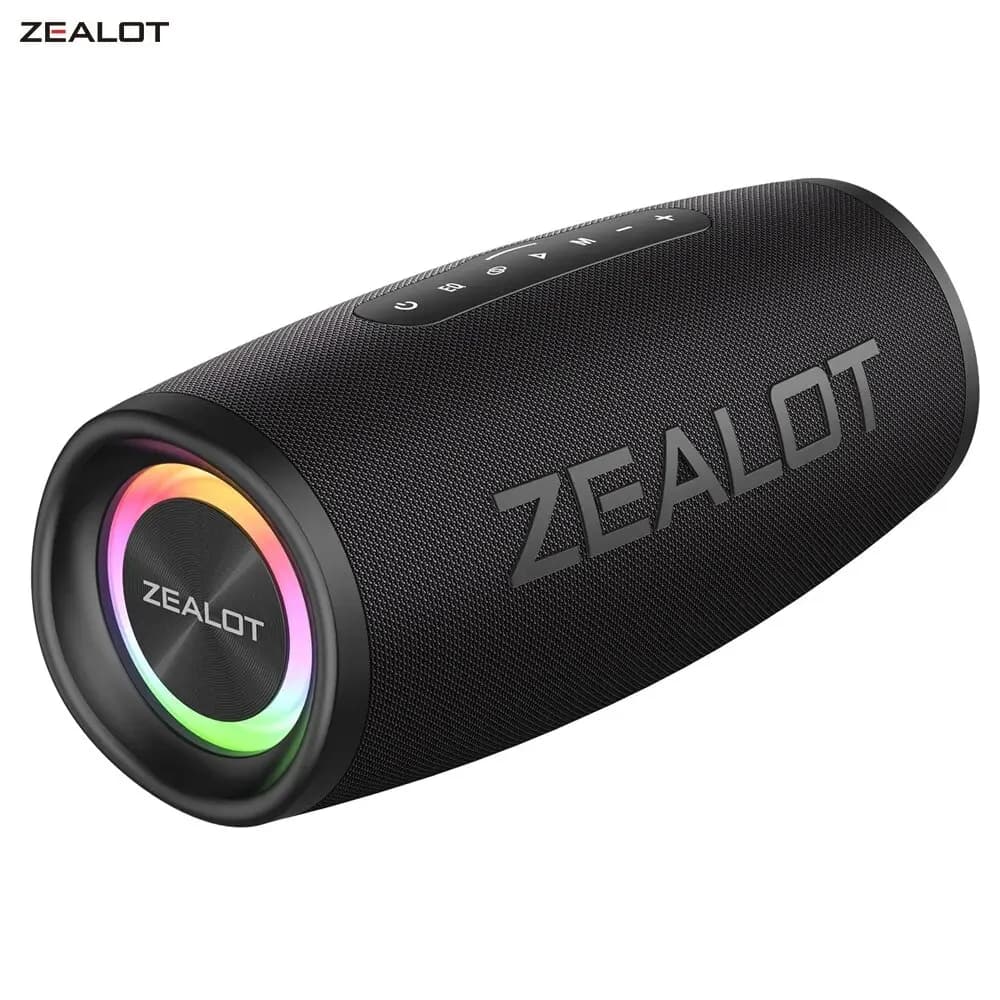
Zealot S56 Rugged Outdoor Bluetooth Speaker
In stock · Ships in 7–21 business days
 Sale
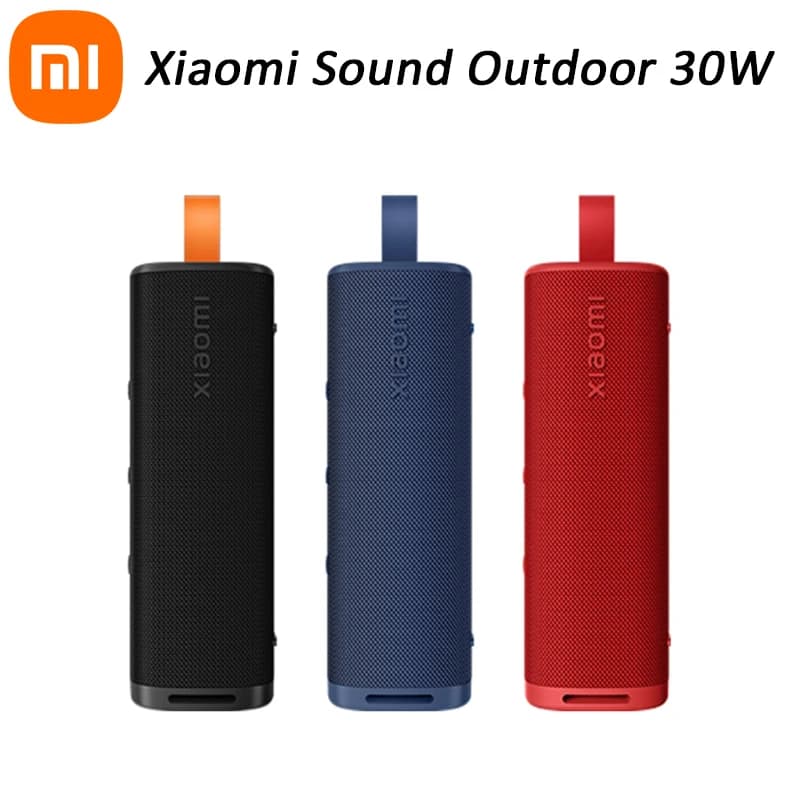
SaleXiaomi Sound Outdoor Portable Bluetooth Speaker
In stock · Options available · Ships in 7–21 business days
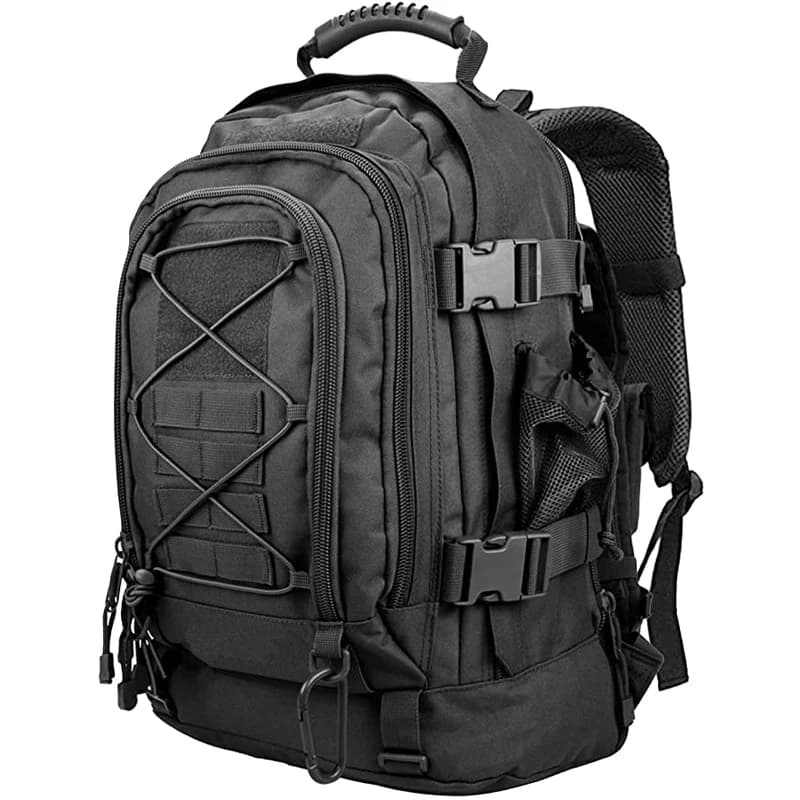
LQArmy 60L Tactical Backpack with Molle Webbing
In stock · Options available · Ships in 7–21 business days
Continue reading
 Outdoor & Travel
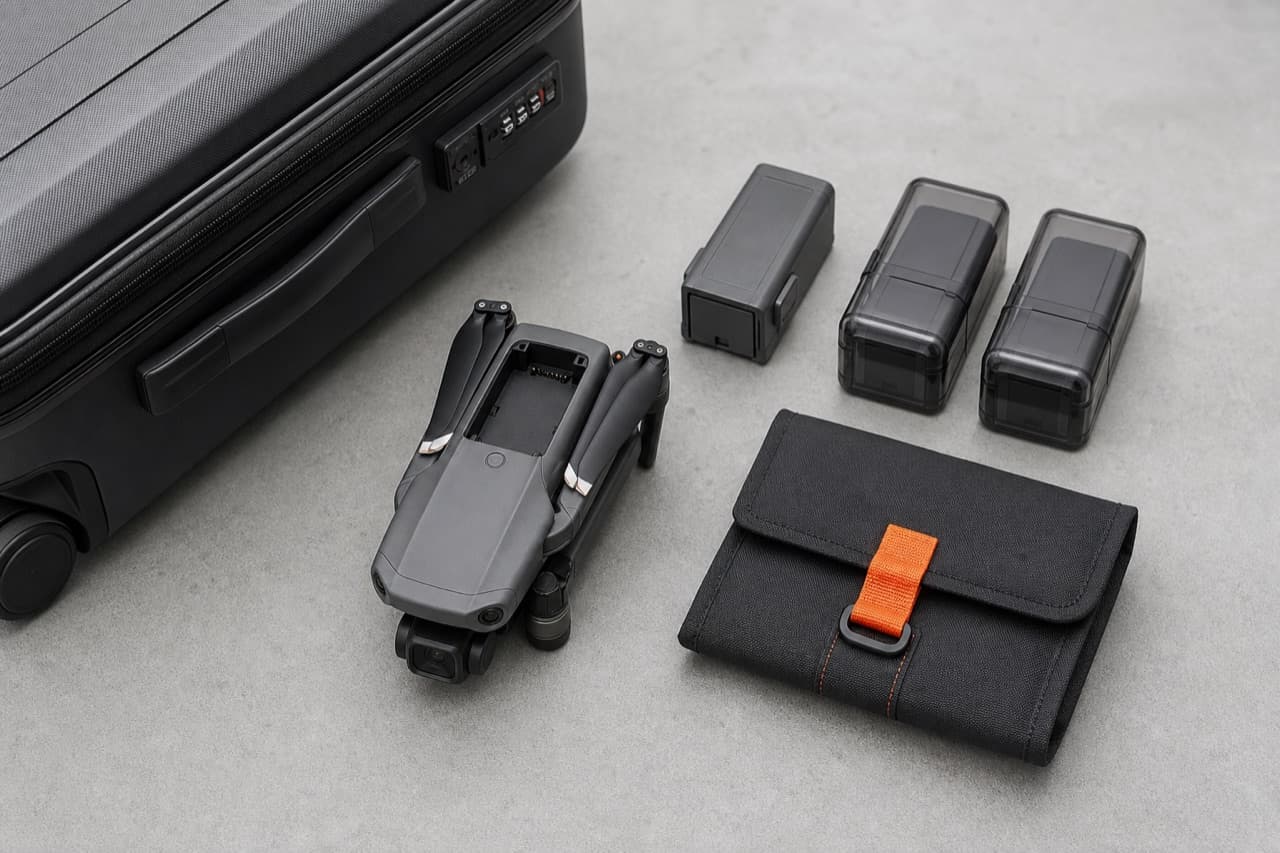
Flying With Drone Batteries: Watt-Hour Limits and Packing
Flying with drone batteries: how to calculate watt-hours, the 100 Wh and 160 Wh limits, why spares must go in your carry-on, and how to pack them safely.
 Outdoor & Travel
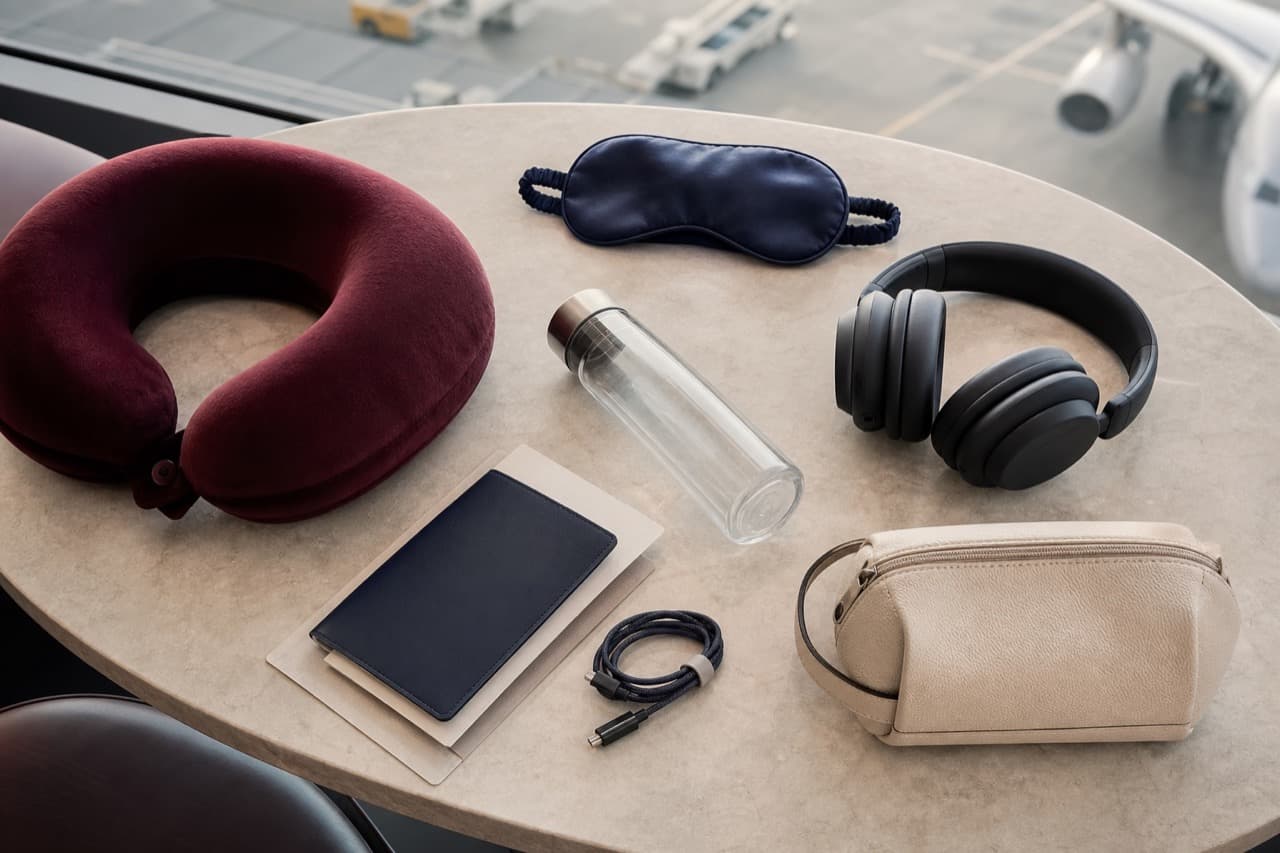
International Flight Travel Accessories: 10 Worth Packing
The international flight travel accessories worth packing: 10 items for sleep, power, documents and comfort, plus the airline and TSA rules each must meet.
 Outdoor & Travel
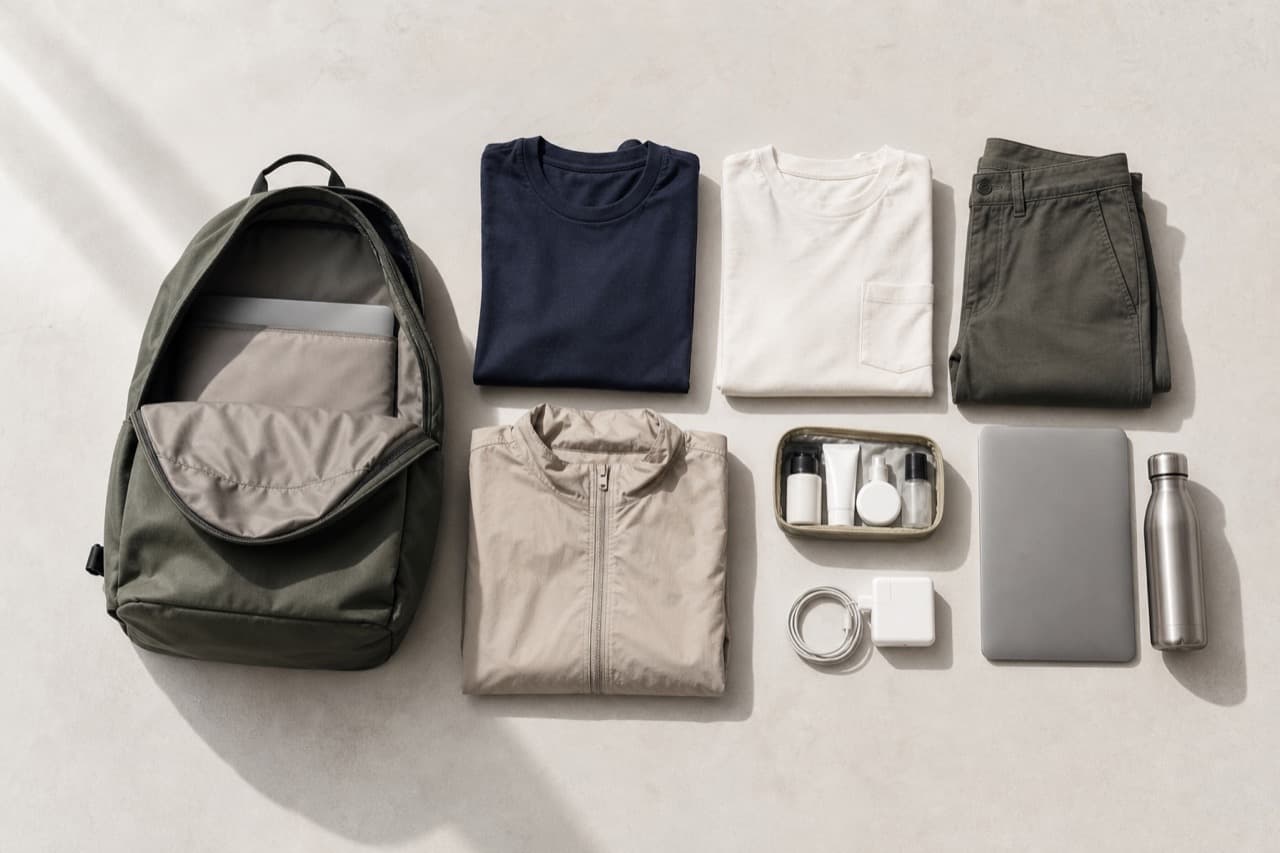
Minimalist Packing List for Travel and Remote Work
A minimalist packing list for travel and remote work: how many clothes to bring, a lean laptop kit, carry-on weight limits and what to cut before you go.