

Tactical Backpack Buying Guide: Size, Straps and MOLLE Explained
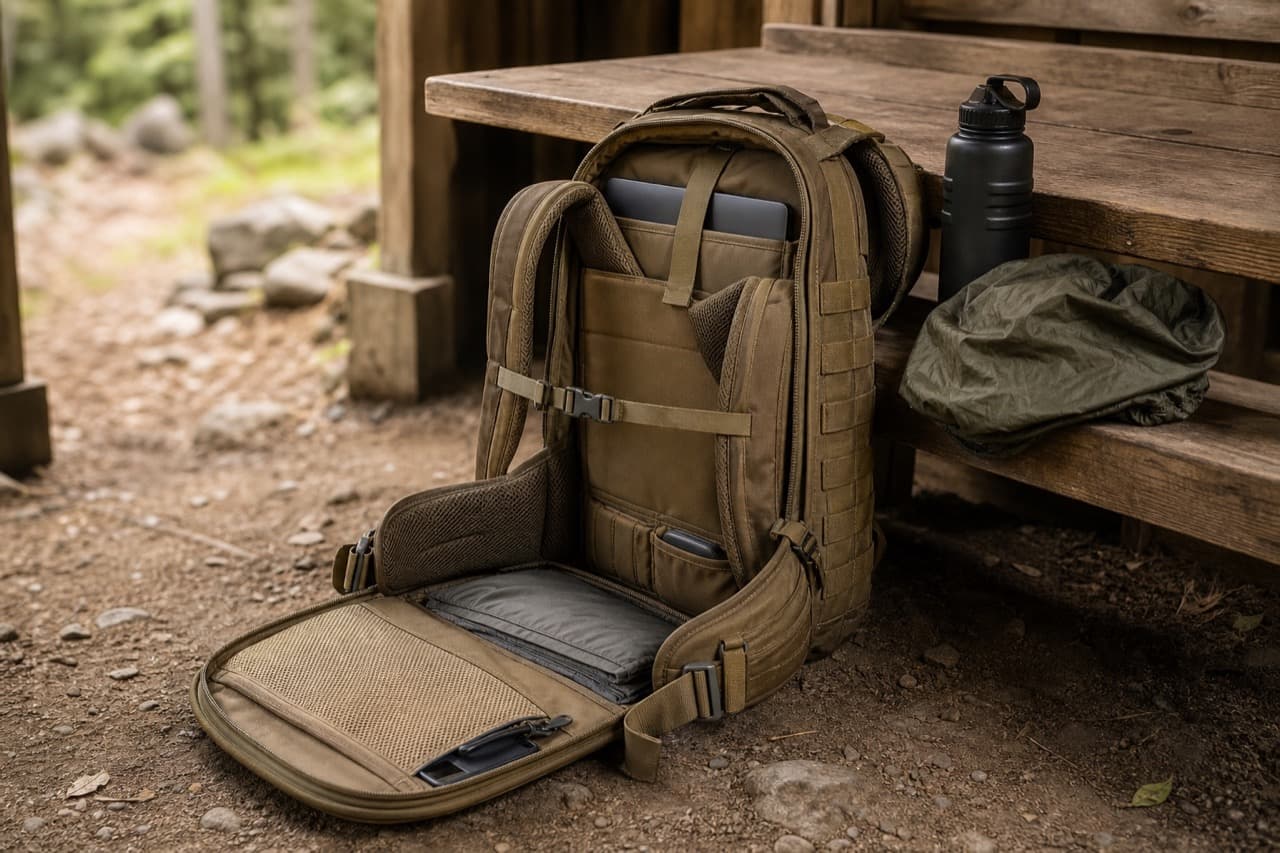
A tactical backpack is a rugged pack with heavy fabric, several compartments and rows of sewn-on webbing (MOLLE) for clipping on pouches. This tactical backpack buying guide is for first-time buyers who want to match capacity to the job, check fit properly and spot weak construction, whether the pack is for hiking, commuting, range days or rough-and-ready travel.
Key takeaways
- Size by use: roughly 20 to 30 liters for daily carry, 30 to 45 liters for a weekend or a one-to-three-day kit, and 50 liters or more only if you genuinely carry that much.
- Fit is set by torso length, not height. A big pack with a thin, unpadded belt puts the whole load on your shoulders.
- Look for high-denier nylon or polyester (commonly 500D to 1000D), reinforced stress points and large, smooth-running zippers.
- “Water-resistant” does not mean waterproof. Plan on a rain cover or dry bags for electronics and paperwork.
- Packs in the 50-liter-plus class will almost never pass as carry-on, and the webbing and padding add empty weight before you pack a thing.
What “tactical” actually means on a backpack
MOLLE stands for Modular Lightweight Load-carrying Equipment. On a backpack it shows up as horizontal rows of nylon webbing sewn to the outside, with straps on compatible pouches weaving through them. It lets you add a bottle holder, a small first-aid pouch or a tool pouch where you want it, and take it off again.
Other common features are a hydration sleeve and hose port, an “admin” panel with pen and cable pockets, external compression straps, a grab handle on top, a sternum strap and hook-and-loop patch panels. What the word does not tell you: there is no certification behind it, it does not imply waterproofing or bulletproofing, and it says nothing about comfort. It is a design style. Treat the listing’s materials, dimensions and listed weight as the facts, and expect an empty tactical pack to weigh more than a similarly sized hiking pack because of the thicker fabric and extra webbing.
How much capacity do you need?
Liter figures are marketing volumes. Some brands count only the main compartment, others add every pocket, so two “40 L” packs can pack differently. Use the number to pick a size class, then check the listed dimensions and the pocket layout.
| Size class | Typical use | What usually fits | Watch out for |
|---|---|---|---|
| 20-30 L | Commuting, daily carry, a range or gym day | Laptop or tablet, lunch, spare layer, small pouch | Too small for sleeping gear; heavy front pockets pull the pack away from your back |
| 30-45 L | Weekend trips, day-to-three-day kit, travel day bag | Change of clothes, jacket, food and water for a full day out | Often the best balance; still check the carry-on dimensions before flying |
| 50-70 L | Multi-day loads, hauling gear, vehicle or storage kit | Sleeping system, extra clothing, larger kits | Heavy when loaded; needs a padded hip belt and stiff back panel; checked bag only on most flights |
A common rule of thumb is to keep a loaded pack around 10 to 20 percent of your body weight for comfortable all-day carrying, with experienced hikers sometimes going higher. A bigger pack invites overpacking, so pick the smallest size that carries your real kit.
Tactical backpack sizing and fit
Fit starts with torso length. Tilt your head forward and find the bony bump at the base of your neck. Then find the tops of your hip bones, roughly where a belt sits, and measure along your spine between the two. Adjustable harnesses on many packs cover torso lengths of about 16 to 20 inches (40 to 51 cm); if you fall outside that, look for a pack sold in sizes.
Then check the load path:
- Hip belt: once a pack is loaded past about 25 to 30 pounds (11 to 14 kg), most of the weight should sit on your hips. A thin webbing belt only stabilizes the pack; a padded, contoured belt carries load.
- Shoulder straps: shaped, padded and wide enough not to dig into your collarbone. Load lifters at the top of the straps pull the pack closer to your back.
- Sternum strap: keeps the straps from sliding outward. Adjust it after the shoulder straps.
- Back panel: foam or mesh airflow channels help in heat; a stiffer panel helps carry heavy loads without the pack sagging.
Our guides to adjusting backpack straps and hiking backpack fit and capacity walk through the adjustments in order.
Fabric, zippers and stitching: where packs fail
Denier (D) measures yarn thickness. Higher numbers usually mean better abrasion resistance but more weight and stiffness; 500D to 1000D nylon or polyester is typical for this style. Ripstop weaves limit tears from spreading. A coating on the inside of the fabric gives water resistance, but coatings wear with abrasion and most packs have untaped seams and zippers that let water in.
Failure points to inspect on the product photos and description:
- Zippers with large teeth and pull cords, and a flap or storm placket over the main opening.
- Bar-tack or box-and-cross stitching where straps meet the body, and at the top grab handle.
- Side-release buckles that feel solid rather than thin plastic, especially on compression and hip straps.
- Edges bound with tape so foam and seams are not exposed.
For cleaning, brush off dry dirt, spot-clean with mild soap and a soft brush, and air dry away from direct heat. Machine washing and harsh detergents strip coatings and can distort foam.
Compartments, MOLLE and organization
A clamshell (full-length) opening makes packing and finding things easier; a top-loader carries bulky items better but buries what is at the bottom. Internal dividers, a padded laptop sleeve and a hydration compartment matter if you commute. Keep pouches low and close to the back panel: weight hung far from your spine pulls you backward, and dense items on the outside snag on doors and branches.
If you want a 60-liter-class option to compare, ADLTHUB lists the LQArmy 60L Military Tactical Backpack; check the product page for exact dimensions, materials, delivery and returns. More packs and travel gear are in the outdoor and travel category.
Travel, security and where you can carry it
Many U.S. airlines allow a carry-on of around 22 x 14 x 9 inches (56 x 36 x 23 cm), and low-cost carriers can be stricter, so a large tactical pack is usually a checked bag. Compress it flat and strap loose webbing down so it does not catch on conveyors. Before you fly, read the airline’s rules and the TSA prohibited-items list: blades, many self-defense items and some tools cannot go in the cabin, and MOLLE pouches make it easy to forget what is attached.
Stadiums, schools and some workplaces limit bag size or require clear bags, and a camouflage or military look can draw extra attention at security checks. A neutral color and a plain layout suit commuting better. Our backpack security guide covers zippers, locks and safer carrying, and how to weigh carry-on luggage at home helps you stay under airline limits.
Mistakes to avoid
- Buying by liters alone. Pocket layout and frame decide how usable a pack is; a 40 L pack with poor access can feel smaller than a well-laid-out 30 L.
- Ignoring torso length. A pack that is too long puts the belt on your ribs and the weight on your shoulders.
- Trusting the belt because it exists. A thin strap is a stabilizer; do not load a pack past your comfort limit relying on it.
- Hanging heavy items off the outside. It shifts the center of gravity and strains the webbing stitching.
- Assuming water-resistant means waterproof. Zippers and seams leak in sustained rain, so bag electronics separately.
- Skipping the empty-weight check. A 5 lb (2.3 kg) empty pack leaves less of your airline or comfort limit for actual gear.
- Treating “tactical” as a security feature. Standard zippers open as easily as on any other pack; use lockable zippers or keep valuables against your back.
How to choose: pick the pack that fits your kit
- Pick 20 to 30 liters if you commute, carry a laptop, or want a range-day bag you will actually take every week.
- Pick 30 to 45 liters if you want one bag for weekends, road trips and short overnight kits, and might occasionally fly with it.
- Pick 50 liters or more only if you regularly carry bulky gear, and prioritize the belt, frame and shoulder padding over the number of pockets.
- Pick less webbing if you never clip anything on; a plainer pack is lighter and looks less conspicuous.
- Choose lighter fabric for hot-weather or long-distance carrying, and heavier denier for rough use where abrasion is the bigger risk.
Frequently asked questions
What size tactical backpack do I need?
For daily carry, 20 to 30 liters is enough for a laptop, lunch and a jacket. For weekend trips or a one-to-three-day kit, aim for 30 to 45 liters. Choose 50 liters or more only if you regularly carry bulky gear, because larger packs encourage overpacking.
What does MOLLE mean on a backpack?
MOLLE stands for Modular Lightweight Load-carrying Equipment. It refers to rows of sewn-on webbing that let you attach compatible pouches and accessories. It adds versatility but also empty weight and bulk, so it only pays off if you will actually clip things on.
Is a tactical backpack good for hiking?
It can work for day hikes and short trips, but many tactical packs use heavy fabric and simple back panels with less ventilation than dedicated hiking packs. For long distances, prioritize a padded hip belt, adjustable torso length and airflow, and compare with a purpose-built hiking pack.
Can I take a tactical backpack on a plane?
Yes, if it fits the airline’s carry-on or personal-item limits, but packs above about 40 liters are often too large for the cabin. Whatever the size, check the TSA prohibited-items list first, since blades and many self-defense items cannot go in carry-on bags.
How do I clean a tactical backpack?
Empty and shake out the pockets, brush off dry dirt, and spot-clean with mild soap, lukewarm water and a soft brush. Avoid machine washing, bleach and heat drying, which can damage waterproof coatings and foam. Let the pack air dry fully before storing it.
Shop Outdoor & Travel
View all →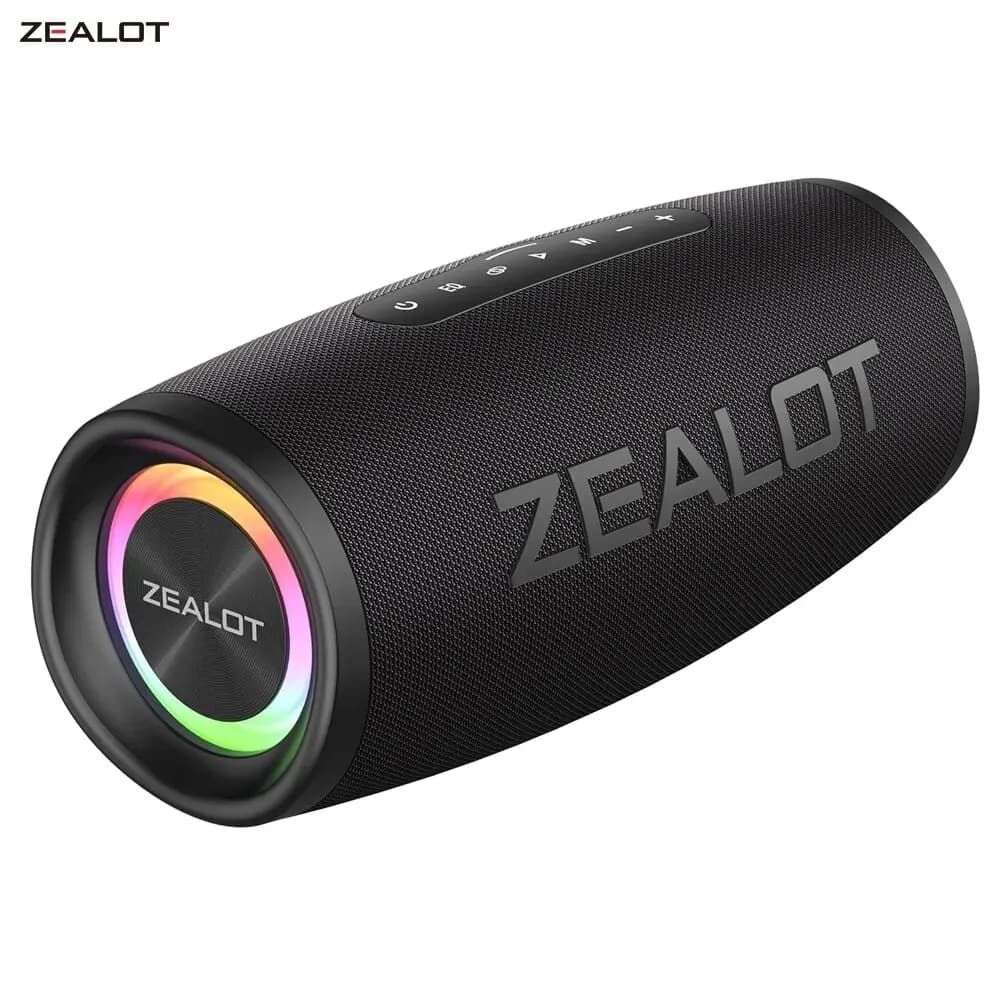
Zealot S56 Rugged Outdoor Bluetooth Speaker
In stock · Ships in 7–21 business days
 Sale
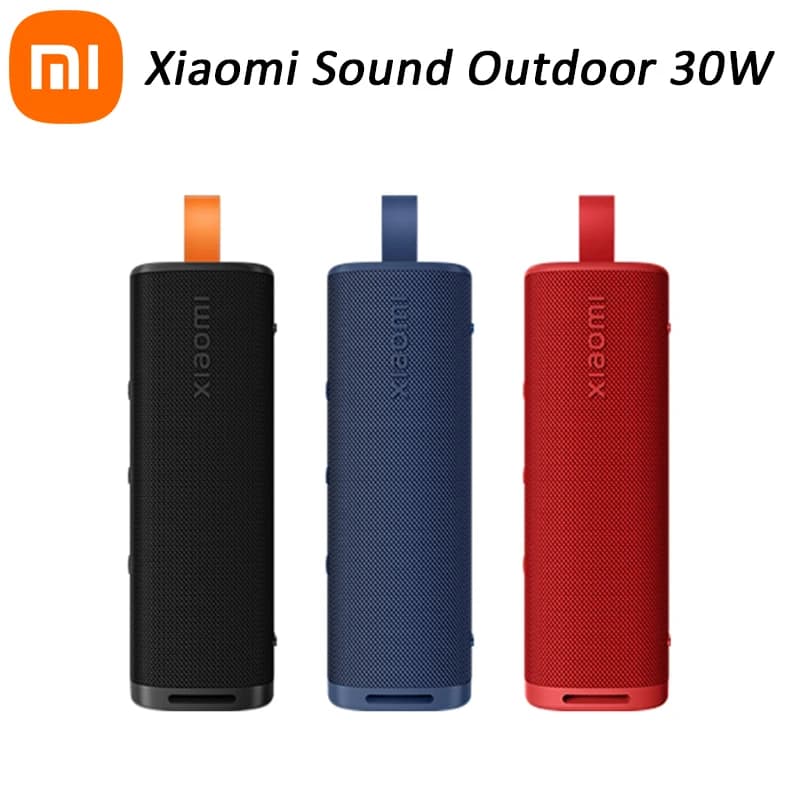
SaleXiaomi Sound Outdoor Portable Bluetooth Speaker
In stock · Options available · Ships in 7–21 business days
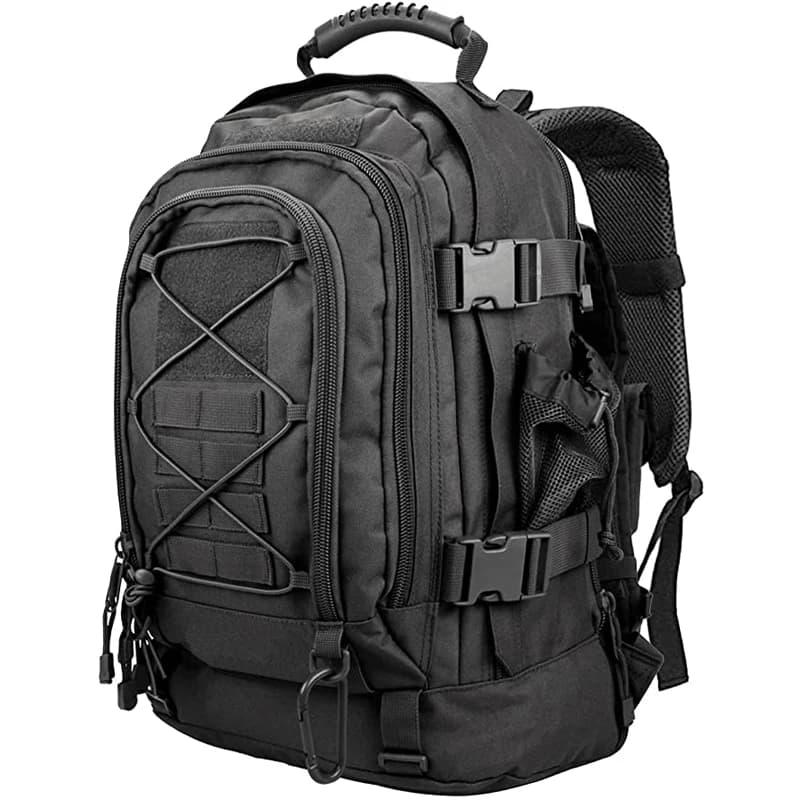
LQArmy 60L Tactical Backpack with Molle Webbing
In stock · Options available · Ships in 7–21 business days
Continue reading
 Outdoor & Travel
Carry-On Toiletry Bag Size: TSA 3-1-1 Rules Explained
Carry-on toiletry bag size made simple: TSA 3-1-1 limits, what counts as a liquid, quart-bag dimensions, solid swaps and how much to pack for your trip length.
 Outdoor & Travel
Hiking Backpack Size Guide: Liters, Torso Length and Fit
Hiking backpack size guide: how many liters you need by trip length, how to measure torso length and hip size, and how to load and adjust a pack to carry well.
 Outdoor & Travel
How to Adjust Backpack Straps in the Right Order
Learn how to adjust backpack straps step by step: hip belt, shoulder straps, load lifters and sternum strap, with fixes for shoulder pain and a sagging pack.