

Carry-On Toiletry Bag Size: TSA 3-1-1 Rules Explained
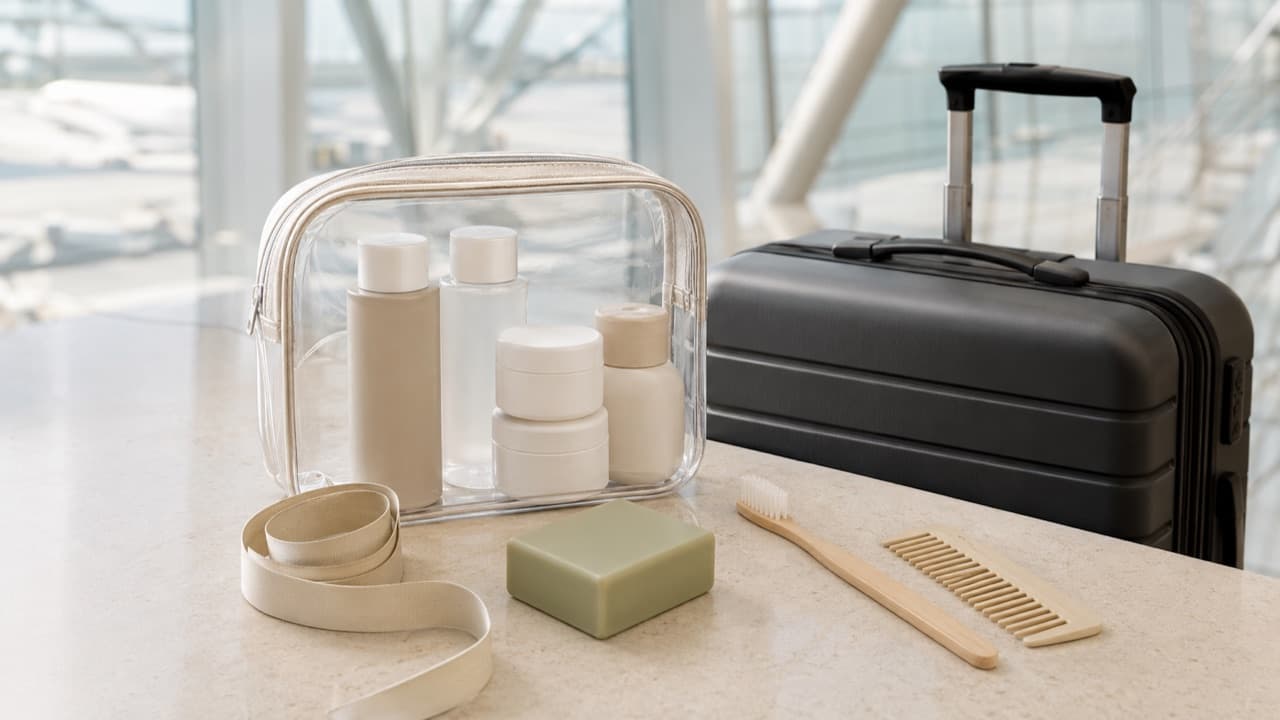
The carry-on toiletry bag size that matters at a US airport is a single quart-size bag for liquids, holding containers of 3.4 ounces (100 milliliters) or less each. That’s the TSA 3-1-1 rule: 3.4-ounce containers, one quart-size bag, one bag per passenger. Your solid toiletries, razor and toothbrush can go in a separate, larger kit. This guide is for carry-on-only travelers who want to pack enough for the trip without having anything confiscated or leaking over their clothes.
Key takeaways
- The limit applies to the container’s size, not how much is inside. A half-full 6-ounce bottle isn’t allowed.
- A quart-size bag is roughly 7 by 8 inches (about 18 by 20 cm) when flat. Bigger “travel” pouches may be questioned at screening.
- Gels, creams, pastes and aerosols count as liquids, including toothpaste, gel deodorant and liquid makeup.
- Solid bars and sticks are not limited, so switching shampoo, soap and deodorant to solid versions frees up bag space.
- Medically necessary liquids, baby formula and breast milk are allowed in larger amounts but must be declared at screening.
- Rules outside the US are similar but not identical, and some airports with newer scanners handle liquids differently. Check each airport on your route.
The TSA 3-1-1 rule in practice
At a TSA checkpoint, every liquid, aerosol, gel, cream and paste in your carry-on must be in a container of 3.4 ounces (100 mL) or less, and all of those containers must fit comfortably in one quart-size bag that closes. Each passenger gets one bag. You’ll usually be asked to take it out of your carry-on for screening, unless you’re in a TSA PreCheck lane or at a checkpoint with scanners that allow it to stay inside. Even then, the container size limits still apply.
What counts as a liquid
If you can spread it, squeeze it, pump it or spray it, treat it as a liquid. That includes:
- shampoo, conditioner, body wash and liquid soap;
- toothpaste, mouthwash and gel or cream deodorant;
- lotion, sunscreen, face cream and serums;
- liquid foundation, mascara and lip gloss;
- hair gel, mousse, hairspray and dry shampoo sprays;
- contact lens solution (exempt in larger amounts if medically necessary, but declare it).
Solids that aren’t limited include bar soap, shampoo and conditioner bars, stick deodorant, lipstick, lip balm, powder makeup and pressed powders.
Bag size: what “quart-size” means
The standard is a clear, resealable bag of about one quart capacity, roughly 7 by 8 inches (18 by 20 cm) flat. Many purpose-made clear pouches are a similar volume with a flat base or gusset. Be cautious with oversized pouches marketed as “TSA-approved”: that label is not an official certification, and an officer can ask you to repack into a smaller bag. The bag should zip closed without straining.
How much fits, and how much to bring
A quart bag realistically holds about five to eight small bottles, depending on their shape. Squat, flat containers pack better than tall round ones. Use this as a starting point:
| Trip length | Liquids bag strategy | Main toiletry kit |
|---|---|---|
| Weekend (2 to 3 days) | Several 1 oz (30 mL) bottles: shampoo, face wash, moisturizer, sunscreen; small toothpaste | Slim flat pouch for toothbrush, razor, solids |
| One week | Mix of 1 to 2 oz bottles; switch at least one item to a solid bar | Medium flat or hanging kit |
| Two weeks or more | Prioritize face and skin products; use bars for soap and shampoo; plan to buy bulk items at your destination | Hanging kit with compartments |
| Hotel stays with toiletries provided | Skin care and anything you’re particular about | Minimal kit |
How quickly you use a product depends on hair length and routine, so do a quick test at home: decant what you think you’ll need into a travel bottle and see how many days it lasts. Most people overpack shampoo and underpack sunscreen.
Choosing the right toiletry bags for carry-on travel
Think of carry-on toiletries as two bags: the screening bag for liquids and a main kit for everything else.
The liquids bag
- Clear and flat so it can be screened quickly and slides into a backpack’s front pocket or the top of a suitcase.
- Durable zip. Thin freezer bags work but tear after a few trips; a sturdier clear pouch lasts longer.
- Easy to reach. Pack it where you can pull it out at security without unpacking everything.
The main toiletry kit
- Flat zip pouch for minimal packers. It fits a backpack’s laptop or front compartment.
- Hanging kit with a hook for bathrooms with no counter space. Bulkier, but easy to use on longer trips.
- Clamshell or boxy kit that opens wide. Protects bottles but takes more space in a packed bag.
- Wipe-clean lining so a leak doesn’t soak the fabric.
Size the main kit to the space you actually have. In a carry-on backpack, a kit about 9 to 10 inches (23 to 25 cm) long and 2 to 3 inches (5 to 8 cm) deep usually fits without crowding. Our carry-on backpack guide covers how much room a typical bag leaves for toiletries.
Leak-proof packing that survives the cabin
Cabin pressure is lower than at ground level, so air trapped in a bottle expands during the flight and can push liquid past a cap.
- Don’t fill to the brim. Leave a little headspace, then squeeze soft bottles gently before closing to expel some air.
- Use leak-resistant containers. Silicone squeeze bottles with locking caps and screw-top jars work well. Test them at home first by squeezing them upside down over the sink.
- Add a seal. A square of plastic wrap under the cap of a bottle that isn’t leak-proof helps.
- Label everything. Clear bottles of white lotion, conditioner and sunscreen look identical.
- Pack liquids upright and away from electronics.
Exceptions, sharp items and international rules
- Medications and medical liquids. Medically necessary liquids, gels and aerosols are allowed in reasonable quantities above 3.4 ounces. Keep them separate and tell the officer at the start of screening.
- Baby formula, breast milk and juice for infants and toddlers are allowed in reasonable quantities; declare them too.
- Razors. Disposable and cartridge razors are allowed in carry-ons; loose safety razor blades are not. An electric option such as a wet and dry electric shaver avoids the question; check its product page for charging and travel details.
- Checked bag toiletries. Larger toiletries can go in checked luggage. FAA rules cap the total quantity of toiletry aerosols and similar items per passenger, so bring only what you need.
- Outside the US. The UK, EU and many other countries use a similar 100 mL container limit with a bag of about one liter. Some airports have introduced scanners that allow larger containers, while others have kept or reinstated limits. Always plan for the strictest airport on your itinerary, including the return trip.
Mistakes to avoid
- Packing a large bottle with only a little left inside. Screening goes by the container’s labeled size.
- Forgetting the “hidden” liquids. Toothpaste, lip gloss, gel deodorant and peanut butter all count.
- Trusting a “TSA-approved” label on an oversized pouch. If it’s much larger than a quart, expect to repack.
- Burying the liquids bag. Digging it out at the checkpoint slows you down and invites a bag check.
- Assuming rules match at your return airport. A setup that was fine at home may not be abroad.
How to choose your toiletry setup
- Pick a clear quart pouch plus a slim flat kit if you travel carry-on only for short trips and want the lightest setup.
- Pick a clear pouch plus a hanging kit for trips of a week or more, or when bathrooms are small.
- Switch to solid bars if you keep running out of room in the liquids bag.
- Check a bag if you need full-size products or more than one quart of liquids, for example on long family trips.
For a whole-trip approach, see our minimalist packing list for travel and remote work and how to weigh carry-on luggage at home, then browse travel gear in the outdoor and travel category.
Frequently asked questions
What size toiletry bag is allowed in a carry-on?
For liquids, TSA requires one quart-size bag per passenger, holding containers of 3.4 ounces (100 mL) or less. Your other toiletries, like a toothbrush and solid items, can go in any size kit that fits your carry-on.
Is toothpaste considered a liquid by TSA?
Yes. Toothpaste is a paste, so it must be in a container of 3.4 ounces or less and go in your liquids bag. Toothpaste tablets are a solid alternative.
Can I bring a bigger clear bag if everything is travel size?
Officially the bag should be quart-size, and an oversized bag may be refused even if each bottle is small. Choose a pouch close to one quart in volume.
Do I need a liquids bag with TSA PreCheck?
PreCheck usually lets you keep the bag inside your carry-on, but the 3-1-1 limits still apply. Keep your liquids packed in a quart-size bag either way.
Are solid shampoo bars allowed in carry-on luggage?
Yes. Solid toiletries such as shampoo bars, bar soap and stick deodorant aren’t subject to the liquids limit. Pack them in a container so they don’t make a mess if still damp.
Shop Outdoor & Travel
View all →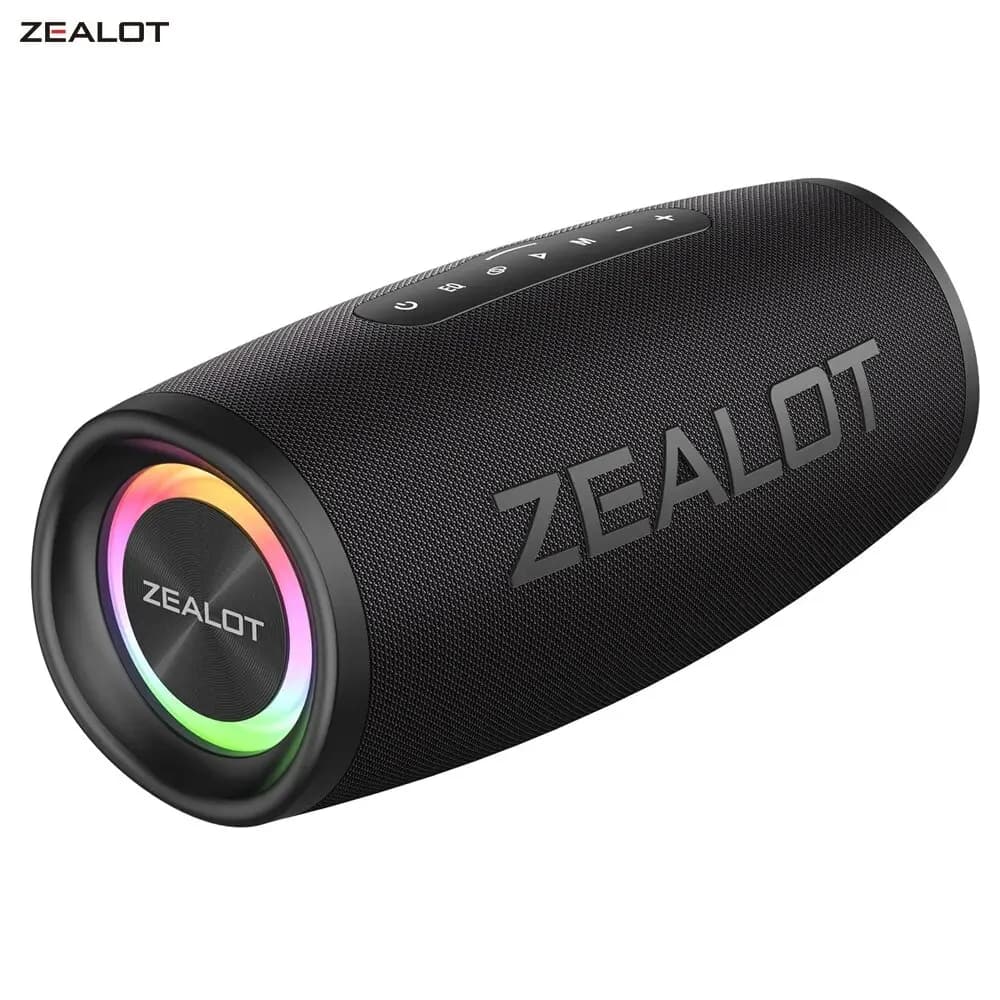
Zealot S56 Rugged Outdoor Bluetooth Speaker
In stock · Ships in 7–21 business days
 Sale
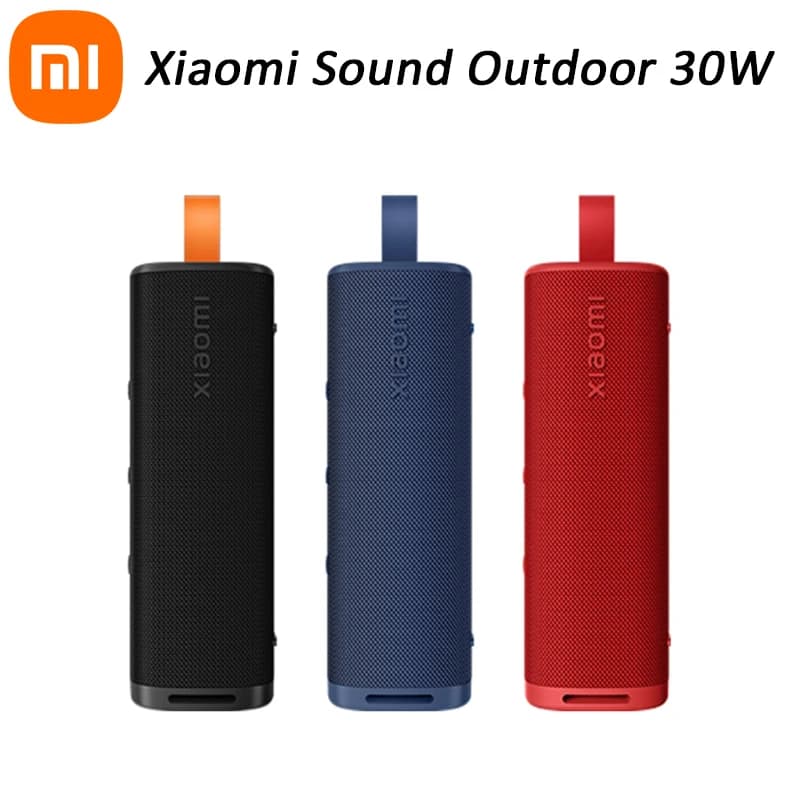
SaleXiaomi Sound Outdoor Portable Bluetooth Speaker
In stock · Options available · Ships in 7–21 business days
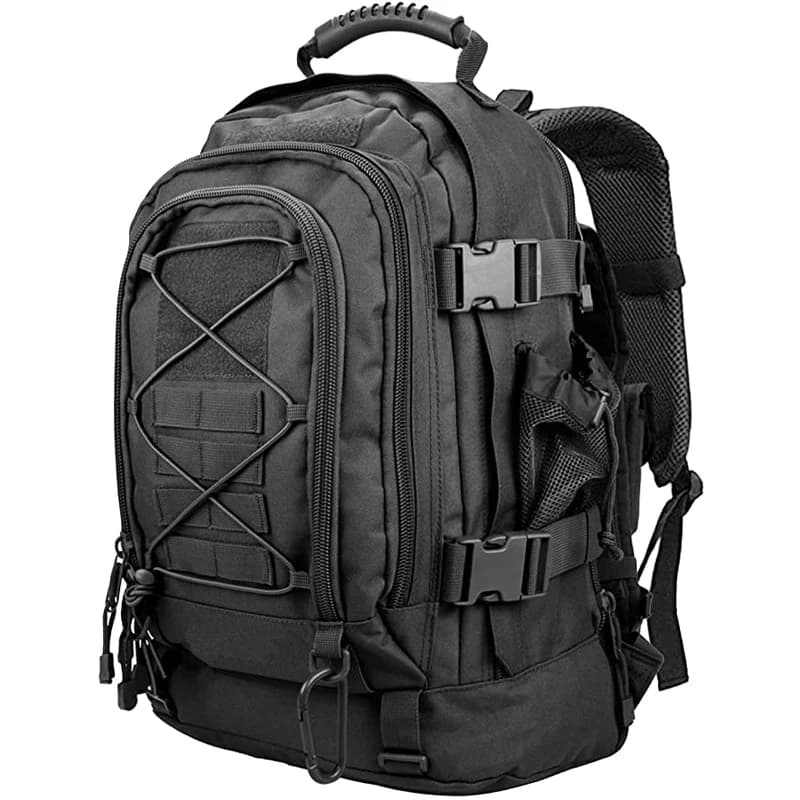
LQArmy 60L Tactical Backpack with Molle Webbing
In stock · Options available · Ships in 7–21 business days
Continue reading
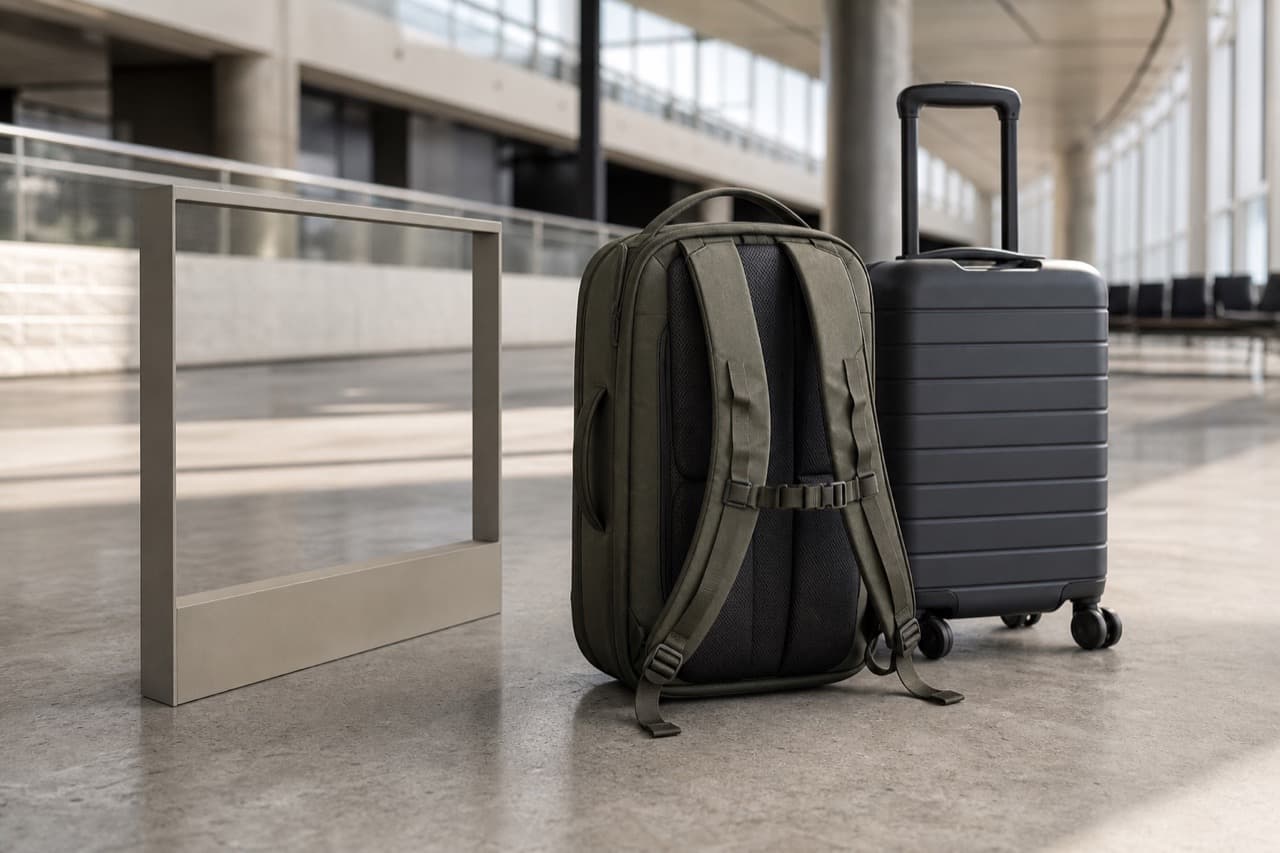 Outdoor & Travel
Carry-On Backpack for Digital Nomads: Size, Fit and Rules
How to choose a carry-on backpack for digital nomads: liters vs airline dimensions, weight limits, laptop access, harness fit and battery rules for long trips.
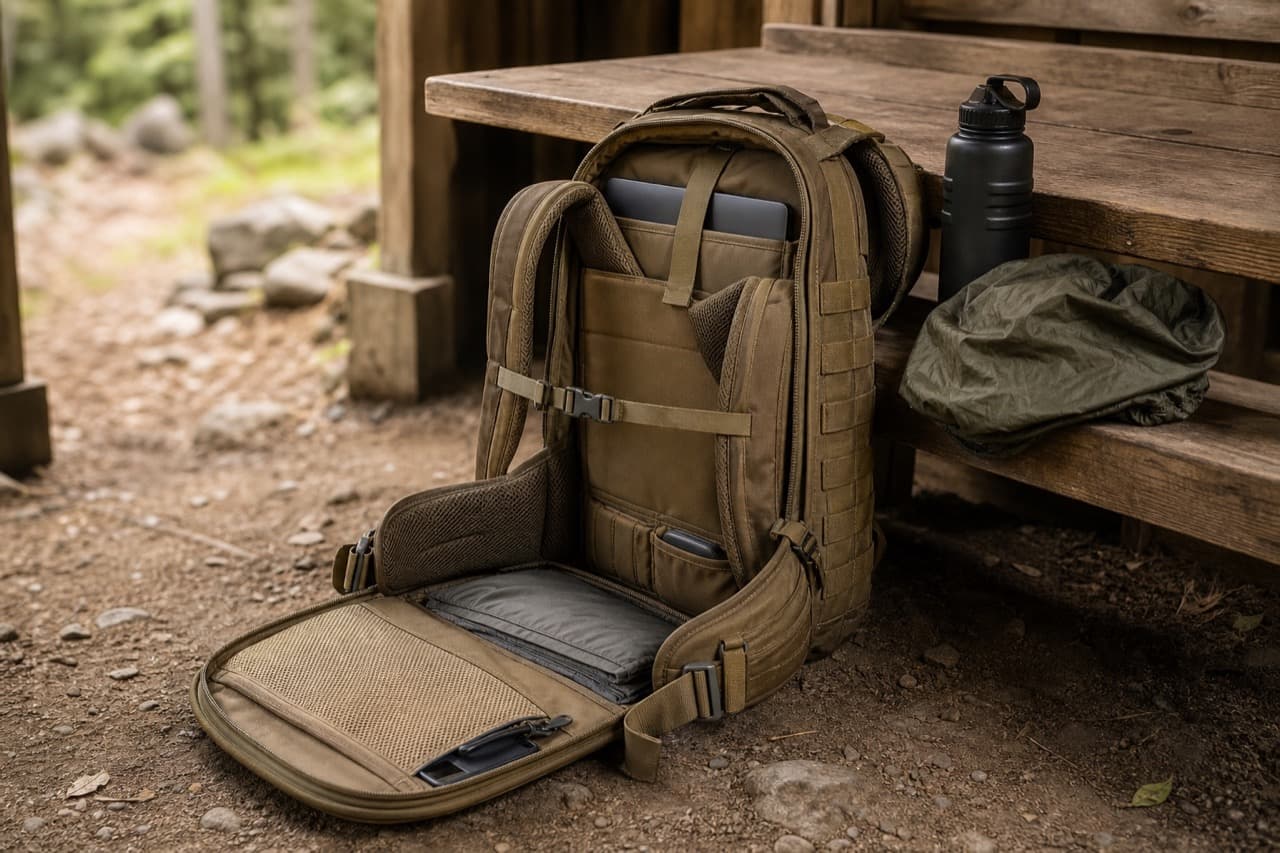 Outdoor & Travel
Tactical Backpack Buying Guide: Size, Straps and MOLLE Explained
Tactical backpack buying guide: match liter size to your use, check torso fit and the hip belt, and judge fabric, zippers and MOLLE webbing before you buy.
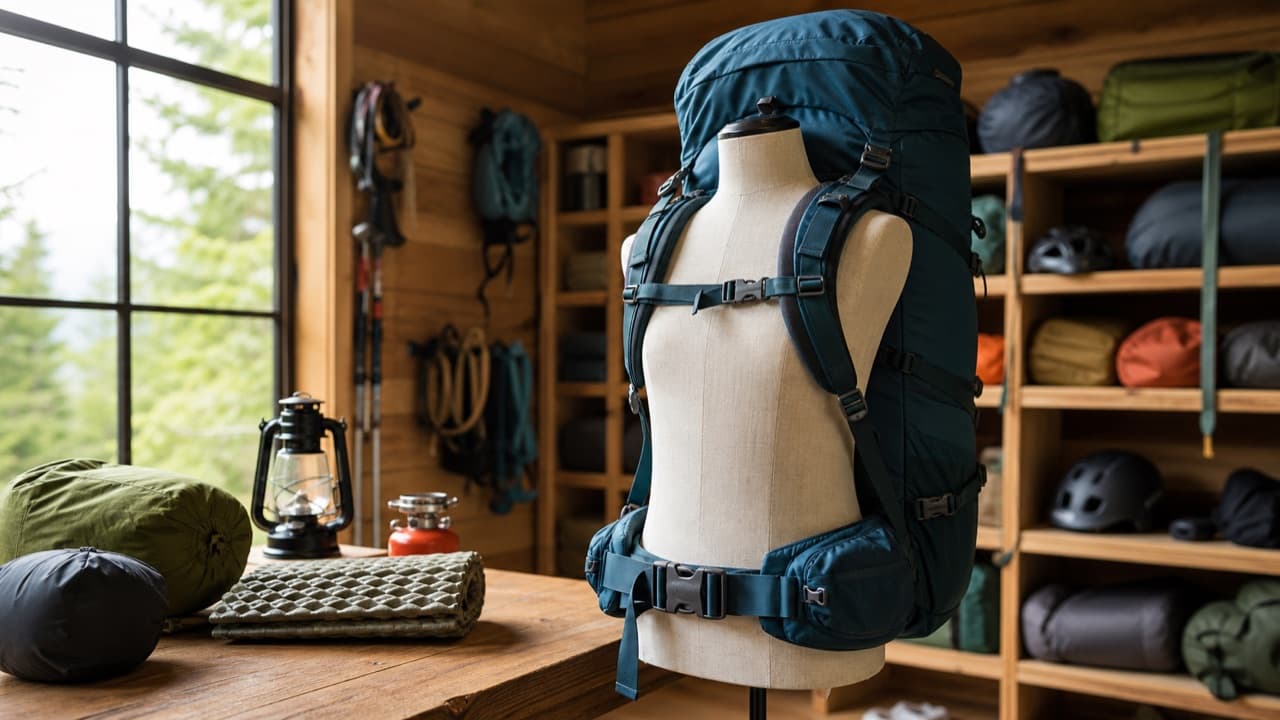 Outdoor & Travel
Hiking Backpack Size Guide: Liters, Torso Length and Fit
Hiking backpack size guide: how many liters you need by trip length, how to measure torso length and hip size, and how to load and adjust a pack to carry well.