

Smart Living Room Ideas for Ambiance Without the Clutter
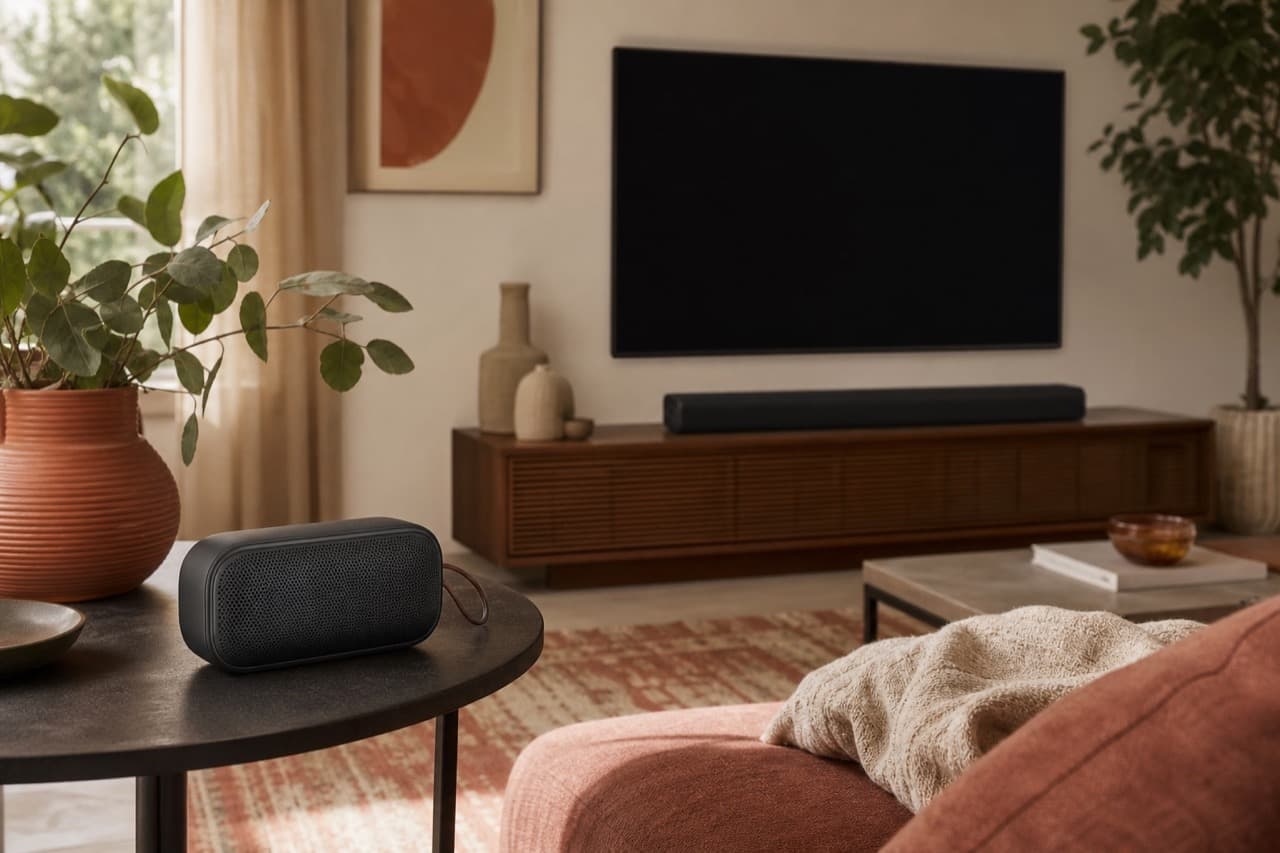
The best smart living room ideas make the room feel calmer and look cleaner, not more like a gadget showroom. Focus on three things: layered lighting you can change with one tap or a schedule, sound that does not need a tangle of speakers, and cable and device management that hides the technology until you need it. This guide is for renters and homeowners who want a living room that sets its own evening mood, looks minimal, and does not depend on five different apps to work.
Key takeaways
- Start with lighting: two or three dimmable warm sources at different heights change the mood more than any other upgrade.
- Choose one ecosystem (Apple Home, Google Home, Amazon Alexa or SmartThings) and favor devices that support Matter so they work together.
- Smart switches suit rooms where everyone uses the wall switch; smart bulbs suit lamps and renters.
- A single soundbar in front of the TV replaces most living room speaker clutter.
- Plan cable routes and outlet locations before buying; visible cords undo a clean look faster than anything.
Layered smart lighting: the biggest change for the money
Most living rooms rely on one overhead fixture, which flattens the room and feels harsh in the evening. Designers talk about three layers: ambient (general light), task (reading, games) and accent (wall washes, shelves, the area behind the TV). Smart control makes the layers practical because you can switch them together as a scene.
Color temperature and brightness
- 2700 to 3000 K warm white is the comfortable evening range for living spaces.
- 3500 to 4000 K neutral white suits daytime tasks or a room with little daylight.
- Tunable-white bulbs let one lamp do both; full-color RGB is fun for accents but rarely needed for main lighting.
- For a typical 200 to 300 sq ft (19 to 28 square meter) living room, several lamps of about 450 to 800 lumens each, plus accent strips, usually cover evening use; daytime task lighting needs more.
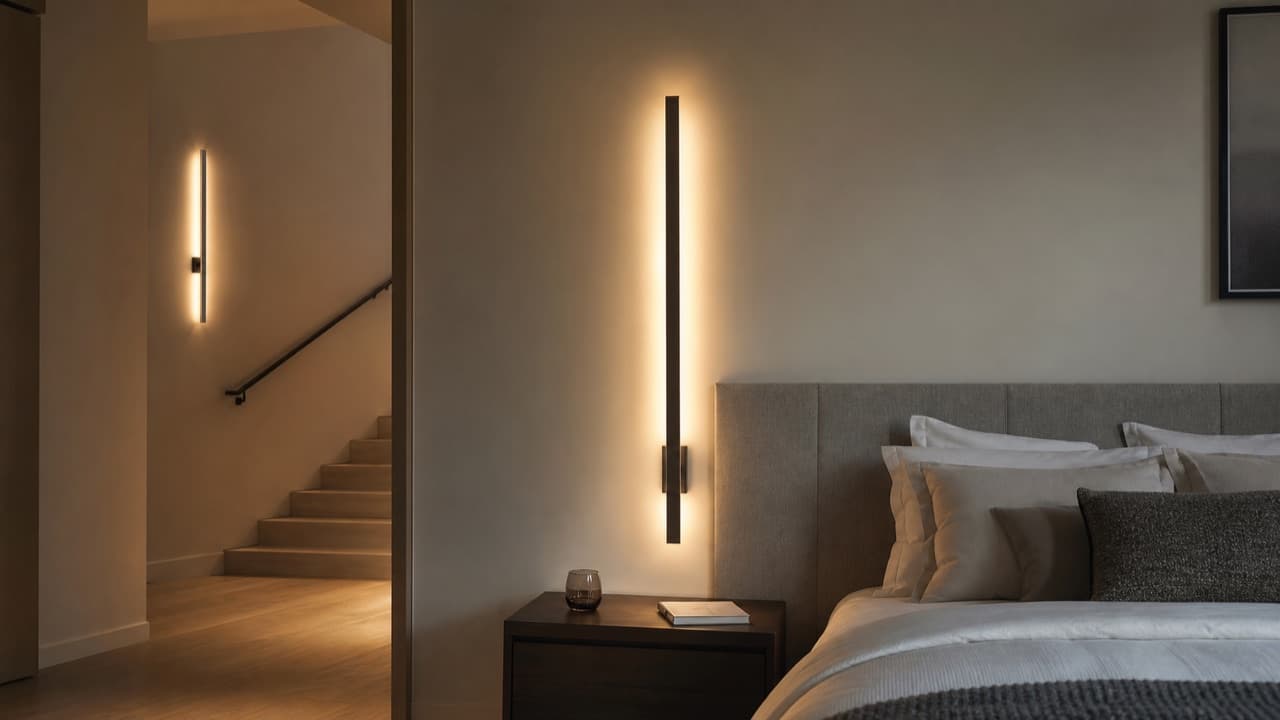
Wall lights are an underrated layer because they light the walls rather than your eyes. A slim linear fixture such as the Minimalist Modern Long LED Wall Lamp can add soft vertical light without taking floor space; check the product page for wiring type, dimming and dimensions. Our minimalist wall light buying guide explains lumens, CRI and plug-in versus hardwired options in detail.
Smart bulbs, smart switches or smart plugs?
| Option | Best for | Trade-offs |
|---|---|---|
| Smart bulbs | Lamps, renters, color and tunable white | Stop working if someone flips the wall switch off; cost adds up per fixture |
| Smart switches or dimmers | Overhead lights, households with guests | Need a neutral wire in many models; installation may need an electrician; check bulb dimmer compatibility |
| Smart plugs | Existing lamps with a regular bulb, diffusers, holiday lights | On/off only for most; no dimming; respect the plug’s load rating |
Pick one ecosystem and keep the app count low
The fastest way to make a smart room annoying is mixing brands that each need their own app and account. Choose the voice assistant or phone platform your household already uses, then filter purchases by compatibility. Matter, the cross-brand standard launched in 2022, lets certified devices work with Apple Home, Google Home, Alexa and SmartThings, and Matter-over-Thread devices also tend to respond quickly and keep working locally. Not every product supports Matter yet, so check the box or listing for the logo and your platform.
Most budget smart devices still use 2.4 GHz Wi-Fi. If your router combines bands under one name, setup can fail; temporarily separating the bands or using a guest network for devices usually solves it. If many devices drop off, the router may be the bottleneck, which our Wi-Fi 6 router upgrade guide covers.
Sound without speaker sprawl
A soundbar is the cleanest audio upgrade for a living room: one slim box under the TV improves dialogue and doubles as a music speaker. Size it to your TV and furniture, keep it at the front edge of the cabinet, and connect over HDMI ARC or eARC so the TV remote controls volume. Our soundbar size and room placement guide covers the measurements. For smaller rooms, the Wireless Bluetooth Sound Bar with LED Clock is one compact option; check its listing for inputs and dimensions.
If you also want background music in the kitchen or patio, choose speakers that group in your chosen ecosystem instead of separate Bluetooth units that each pair to one phone.
Hide the technology: cables, hubs and clean surfaces
- Map outlets first. Put lamps and the TV where power already is, or plan a single surge-protected strip behind the media unit.
- Use cord raceways painted to match the wall for wall-mounted TVs when in-wall routing is not allowed. Only use in-wall kits rated for that purpose; ordinary power cords should not run inside walls.
- Bundle and label cables behind the TV with reusable hook-and-loop ties so you can swap devices later.
- Hide hubs and streaming boxes in a ventilated cabinet; avoid sealing routers and consoles in closed boxes where they overheat.
- Choose fewer, quieter objects. One good diffuser or humidifier beats several plug-in fragrance units at every outlet.
Leave about 3.5 to 4 in (9 to 10 cm) under sofas and media units if you use a robot vacuum; that height lets many robots clean underneath, which keeps the floor tidy with no effort.
Scent, comfort and automations that run themselves
Ambiance is not only light. A diffuser on a timer, a humidifier for dry winter air, and seating arranged around conversation rather than the TV all change how the room feels. App-controlled options like the Bluetooth Smart Aroma Diffuser can run on a schedule; use essential oils sparingly, ventilate, and keep diffusers away from pets and children, following our aromatherapy diffuser safety guide. For seating, our accent chair layout guide helps you place chairs so lamps and side tables land where you need them.
Useful automations to set up first:
- Sunset scene: lamps at 40 to 60 percent warm white 20 to 30 minutes before sunset.
- Movie scene: overhead off, TV backlight or accent strip on low, one lamp dimmed behind the seating.
- Bedtime: everything off except a low path light, triggered by voice or a single button.
- Away: lamps on a varied schedule while you travel.
Find lighting, diffusers and furniture in home and kitchen.
Mistakes to avoid
- Buying devices before choosing an ecosystem. You end up with several apps and automations that cannot talk to each other.
- Cool white everywhere. 5000 K and above looks clinical in a living room at night.
- Smart bulbs on a regular wall switch. Guests switch them off and the automations stop working.
- Too many RGB strips. Color accents look best in one spot, such as behind the TV, not around every edge.
- Ignoring the hum and glow. Status LEDs, buzzing cheap dimmers and fan noise all fight the calm you are trying to create.
Where to start: three budget levels
Start small with two tunable-white smart bulbs in existing lamps and one scene; this alone transforms evenings. Go mid-range by adding a smart dimmer for the overhead light, a soundbar and a tidy cable plan. Go fuller with wall lighting, accent strips, a scheduled diffuser and multi-room audio in one ecosystem. Pick the level that matches whether you rent, how many people use the room, and how much setup time you are willing to spend.
Frequently asked questions
What is the easiest smart upgrade for a living room?
Smart bulbs or smart plugs on your existing lamps. They install in minutes, need no wiring, and let you build an evening scene right away.
Do I need a hub for smart lighting?
Not always. Many Wi-Fi and Matter devices work without a separate hub, though Thread devices need a Thread border router, which is built into many recent smart speakers and streaming boxes. Check your ecosystem’s requirements before buying.
What color temperature is best for a living room?
Warm white around 2700 to 3000 K is the most comfortable for evenings. Neutral white near 3500 to 4000 K helps for daytime tasks, and tunable-white bulbs let you switch between them.
How do I hide TV wires on a wall without cutting drywall?
Use a paintable surface cord raceway from the TV down to the media unit. Keep power cords in surface raceways; running ordinary power cords inside a wall is not code-compliant without a rated in-wall kit.
Are smart home devices safe to leave on all the time?
Most are designed for continuous standby. Stay within the load rating of smart plugs, keep devices ventilated, install firmware updates, and avoid automating heaters or other high-risk appliances.
Shop Home & Kitchen
View all →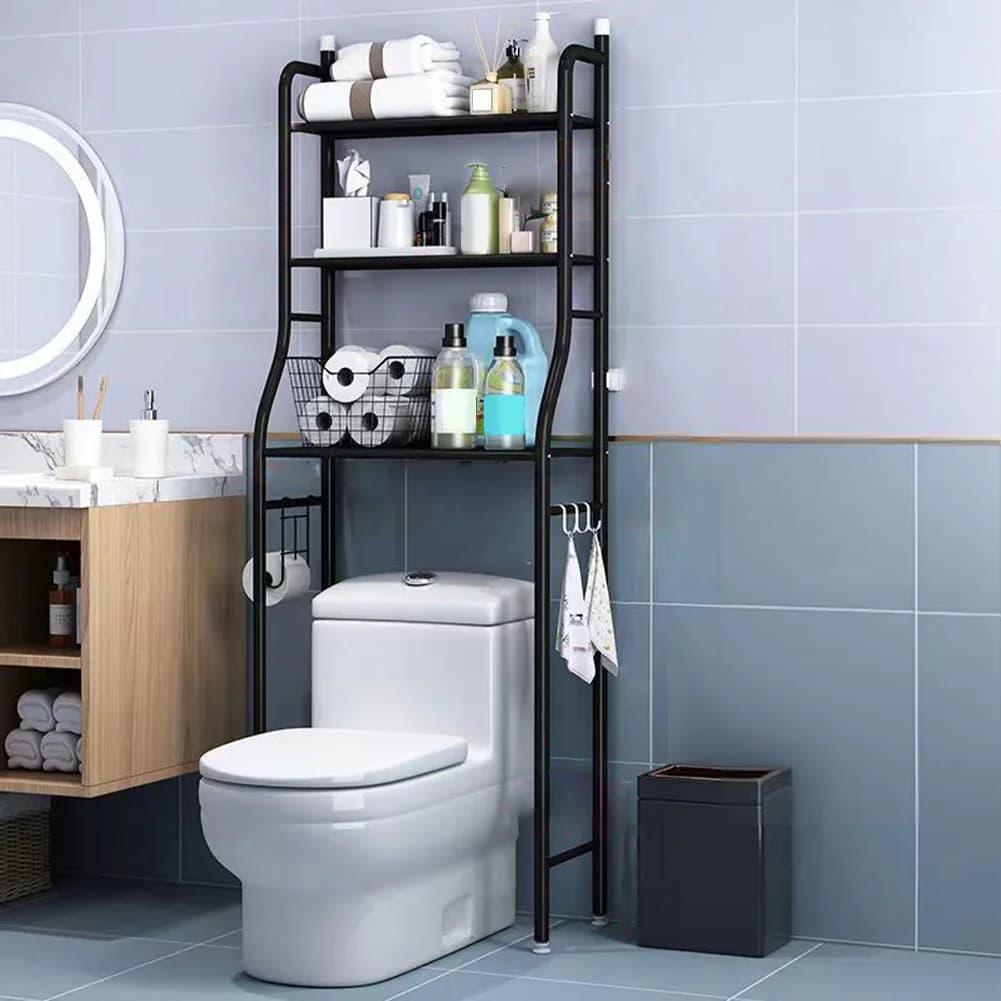
3-Tier Over-Toilet Storage Rack in Powder-Coated Carbon Steel
In stock · Options available · Ships in 7–21 business days
 Sale
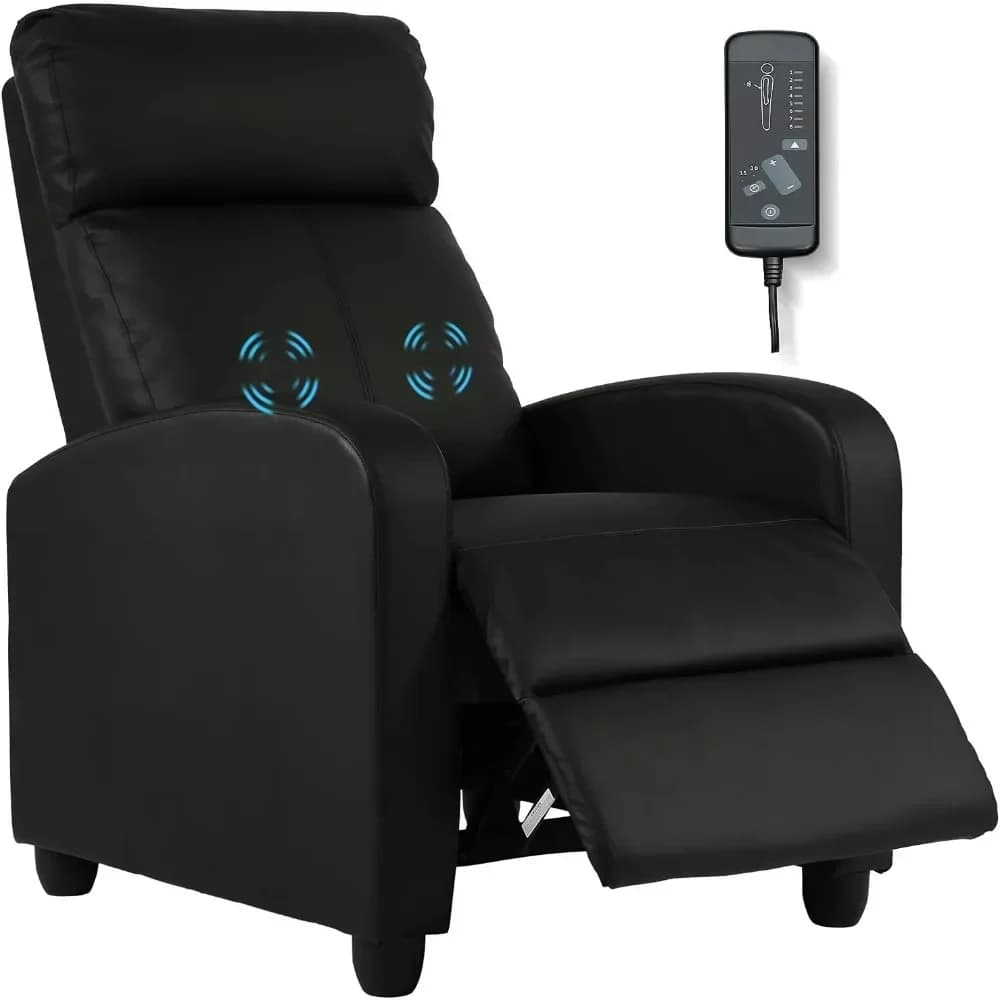
SaleWingback Massage Recliner Chair in PU Leather with Footrest
In stock · Options available · Ships in 7–21 business days
 Sale
SaleMid-Century Modern Accent Armchairs, Set of Two, Wood Frame
In stock · Options available · Ships in 7–21 business days

Fireplace Flame Ultrasonic Humidifier and Oil Diffuser
In stock · Options available · Ships in 7–21 business days
Continue reading
 Home & Kitchen
Wall Light Placement Guide: Heights for Every Room
Wall light placement guide with typical mounting heights and spacing for bedrooms, bathrooms, hallways and stairs, plus glare, switching and wiring basics.
 Home & Kitchen
How to Measure for a Recliner: Room, Wall and Doorway
How to measure for a recliner: reclined length, wall clearance, walkways, doorway and stair access, and body-fit sizes so the chair suits you and your room.
 Home & Kitchen
Essential Oil Diffuser Room Size: Coverage and Runtime
Essential oil diffuser room size explained: coverage claims, tank capacity vs runtime, ultrasonic vs nebulizing output, and where to place it safely.