

Minimalist Wall Light Buying Guide: Lumens, Color, Wiring
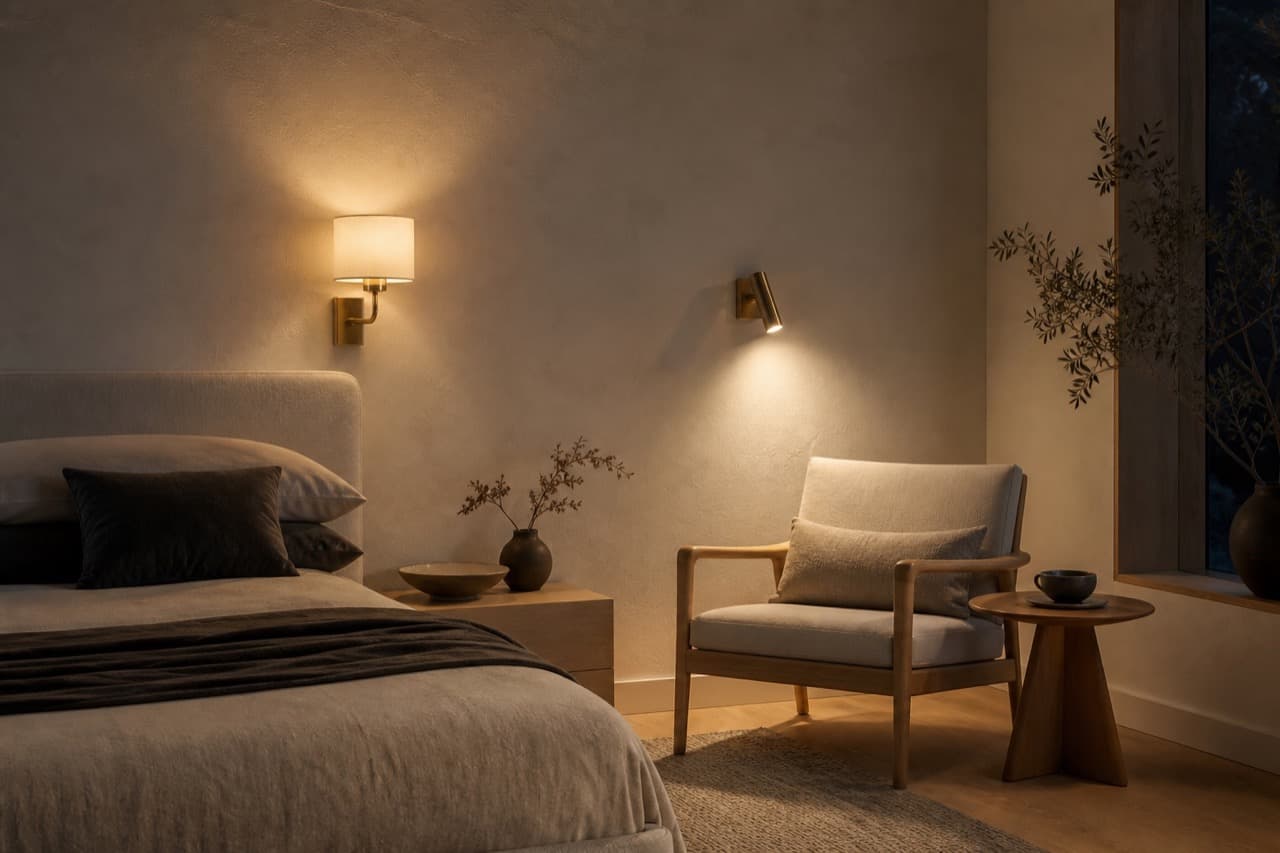
A minimalist wall light earns its place by doing one thing well: casting a clean wash or line of light without visual clutter. Choosing one comes down to five decisions, in this order: what the light is for, how bright it needs to be, what color of white it gives off, how it will be powered, and whether its size suits the wall. This guide is for homeowners and renters choosing slim sconces, linear LED bars or simple up-and-down lights for hallways, bedrooms, living rooms and stairs. If you already know which fixture you want and need to decide where it goes, our wall light placement guide covers mounting positions for bedrooms and stairs.
Key takeaways
- Decide the job first: accent and mood lighting typically needs a few hundred lumens per fixture, while lighting a hallway or reading spot needs more.
- For living spaces, 2700K-3000K feels warm and residential; 4000K looks crisper and suits workspaces and modern kitchens.
- Look for CRI 90 or higher if the light falls on art, wood, skin or textiles; minimalist rooms show color shifts more clearly.
- Integrated LED fixtures are slimmer but usually cannot be repaired by swapping a bulb. Replaceable-bulb designs are bulkier but last longer as a fixture.
- Hardwired lights need an existing or new junction box and should be installed to local code; plug-in and rechargeable sconces suit renters.
Start with the job the light will do
Minimalist fixtures tend to be low-output by design, which is fine for ambience and frustrating if you expected task light. Match the fixture type to the job:
- Accent and mood: up-and-down “wall washer” lights and slim cubes that throw light along the wall. Great beside a sofa or along a corridor, poor for reading.
- Ambient fill: diffused linear bars or frosted shapes that light the room more broadly, useful where there is no ceiling light.
- Task: adjustable or swing-arm sconces aimed at a bed, desk or chair. Minimal designs exist, but the head must point where you need light.
- Vanity: vertical bars on either side of a mirror light the face evenly; a single bar above casts shadows.
Light direction changes how a wall looks. Light grazing straight down a textured or uneven wall emphasizes every bump and patch, which can look dramatic on brick and unflattering on drywall repairs. Diffused, outward-facing light is more forgiving.
Brightness, color temperature and CRI
Ignore wattage as a brightness measure; with LEDs, lumens are what matter. As a rough guide, a decorative sconce in a living room or bedroom typically gives somewhere around 200-500 lumens, while a fixture that is the main light for a hallway or reading nook usually needs more. Two dimmer, well-spaced fixtures usually look better than one very bright one, because they spread light without glare.
| Color temperature | How it looks | Where it suits |
|---|---|---|
| 2700K | Warm, similar to a traditional incandescent bulb | Bedrooms, living rooms, evening ambience |
| 3000K | Warm-neutral, slightly cleaner white | Hallways, dining areas, homes mixing wood and white finishes |
| 3500K-4000K | Neutral to cool white | Home offices, kitchens, utility spaces, crisp modern interiors |
| 5000K and above | Cool, bluish daylight | Garages and work areas; usually too stark for living spaces |
Keep color temperature consistent within a room. A 4000K wall light next to 2700K lamps looks mismatched, and it is especially obvious in pared-back spaces with white walls. Some fixtures offer switchable color temperature (often via a small selector switch on the driver), which is handy when you are not sure.
Color rendering index (CRI) tells you how faithfully colors appear under the light. CRI 80 is common in budget LEDs; CRI 90+ makes wood grain, artwork, plants and skin look noticeably more natural. If the listing does not mention CRI, assume it is ordinary.
Integrated LED or replaceable bulb?
Many minimalist wall lights use integrated LED boards, which is how they get so slim. The trade-off is that when the LEDs or driver fail, you typically replace the whole fixture. LED life ratings are commonly quoted in tens of thousands of hours, but heat and driver quality affect real lifespan, and those ratings come from the manufacturer.
Fixtures that take a bulb, often E26 in the US or a small G9 capsule, are usually deeper but let you change color temperature, brightness and smart features later by swapping bulbs. If you want a smart bulb in a sconce, check that the shade fits the bulb shape and that the fixture is not on a dimmer that conflicts with the bulb’s own dimming.
Dimming compatibility
Not every LED fixture dims, and those that do may only work smoothly with certain dimmer types. Check that the listing says “dimmable,” then look for the dimmer type it supports (for example, TRIAC/leading-edge or ELV/trailing-edge) or a compatible-dimmer list. Mismatches show up as flicker, buzzing or lights that never fully turn off.
Size, finish and the clean minimalist look
Scale matters more on a bare wall than on a busy one. A very small sconce on a tall wall can look lost, while a long linear bar in a narrow hallway can dominate. Some practical guides:
- In a narrow hallway, keep projection from the wall shallow. Public-building accessibility guidance limits wall-mounted objects in walkways to about 4 inches (10 cm) of projection, a sensible benchmark for tight halls at home too.
- Linear lights often specify horizontal or vertical mounting. Check orientation before you plan the layout.
- Matte black, white and brushed brass are common minimalist finishes. White disappears into white walls; black reads as a graphic line; brass adds warmth.
- Look at the back plate. Many minimalist designs depend on a small canopy that fully covers the electrical box; an oversized box or uneven wall can leave visible gaps.
The Minimalist Modern Long LED Wall Lamp is one linear option in our range; check the product page for dimensions, mounting orientation, color temperature and installation requirements.
Installation and safety
Hardwired wall lights connect to a junction box in the wall, and installing a new box or running new wiring is work for a licensed electrician in most cases. Even replacing an existing sconce means turning off the circuit breaker, confirming the power is off with a tester, and following the fixture instructions and local electrical code. Look for a recognized safety listing mark such as UL or ETL on the fixture.
Check location ratings: dry-rated fixtures are for ordinary indoor rooms, damp-rated fixtures suit bathrooms and covered porches, and wet-rated fixtures are needed where rain or spray can hit the light directly. For renters, plug-in sconces with a cord cover, or rechargeable sconces mounted with screws or strong adhesive, avoid electrical work entirely, though cords need to be routed so they do not create a trip hazard.
Mistakes to avoid
- Choosing by looks only. A beautiful sconce that gives 150 lumens will not light a reading chair.
- Mixing color temperatures in one room. The difference between 2700K and 4000K is very visible against plain walls.
- Assuming any dimmer works. Mismatched dimmers cause flicker and buzzing with LEDs.
- Grazing light across imperfect walls. Downward light skimming drywall highlights patches and seams.
- Using an indoor fixture outdoors or in a shower area. Damp and wet ratings exist for safety, not decoration.
Which minimalist wall light fits your space?
Pick an up-and-down wash light in 2700K-3000K if you want atmosphere in a living room or corridor. Pick a diffused linear bar if you need a slim fixture to provide more general light where there is no ceiling fixture. Pick an adjustable sconce for reading by the bed or a chair. Pick a plug-in or rechargeable model if you rent or cannot run wiring, and a hardwired fixture with an electrician for a permanent install. If you are lighting the outside of the house too, our smart outdoor lighting guide covers weather ratings and brightness. Browse more fixtures in our home and kitchen collection.
Frequently asked questions
What color temperature is best for wall lights?
For bedrooms and living rooms, 2700K-3000K is the usual choice because it feels warm and relaxing. Use 3500K-4000K for workspaces or kitchens, and keep the same temperature as other lights in the room.
How many lumens does a wall sconce need?
Decorative or accent sconces typically give around 200-500 lumens each. If the sconce is the main light for a hallway or reading area, choose a brighter fixture or use two.
Can I install a wall light without wiring?
Yes. Plug-in sconces use a cord to a nearby outlet, often hidden with a cord cover, and rechargeable sconces run on a battery. Both avoid electrical work, though rechargeable models need regular charging.
Are integrated LED wall lights worth it?
They allow very slim, minimal designs and avoid bulb changes, but if the LEDs or driver fail you usually replace the whole fixture. If long-term repairability matters, choose a fixture that takes a replaceable bulb.
Do I need an electrician to install a wall sconce?
For hardwired sconces, an electrician is recommended and often required, especially if a new junction box or wiring is needed. Follow local code, and always turn off the breaker and test for power before touching wiring.
Shop Home & Kitchen
View all →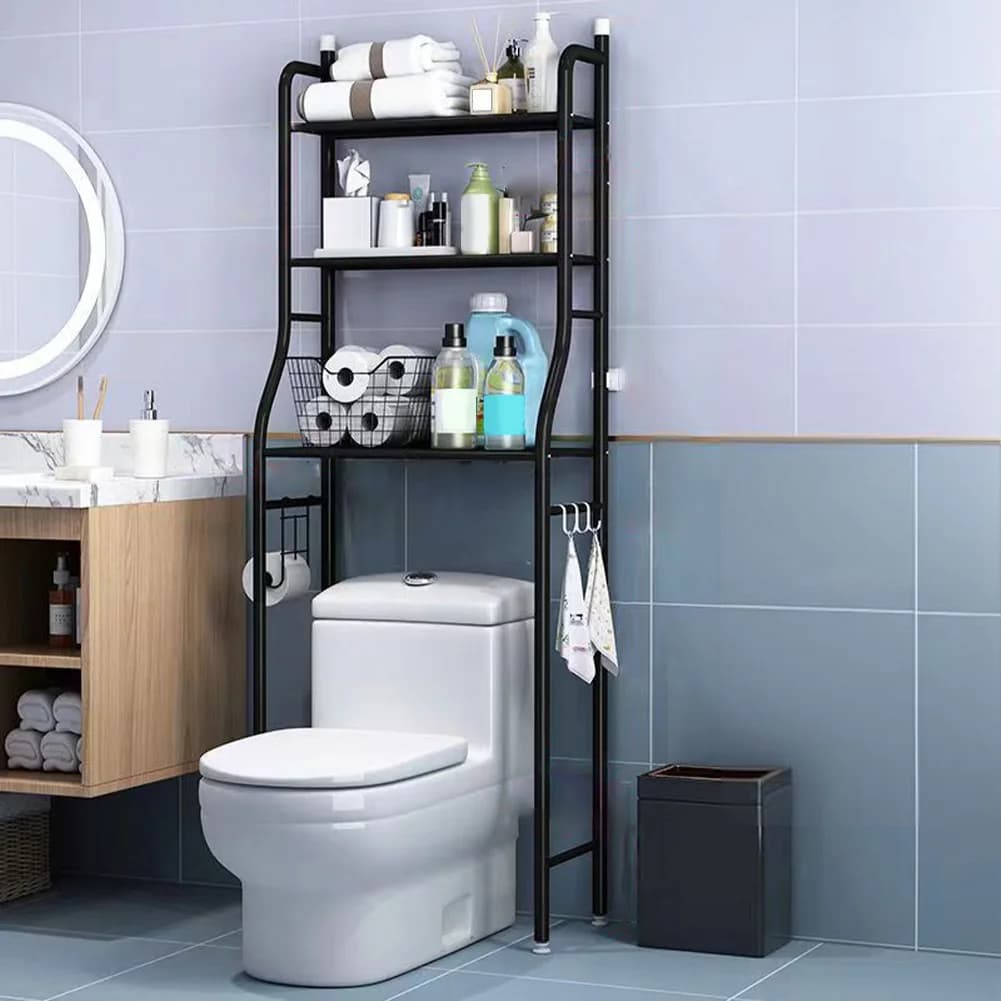
3-Tier Over-Toilet Storage Rack in Powder-Coated Carbon Steel
In stock · Options available · Ships in 7–21 business days
 Sale
Wingback Massage Recliner Chair in PU Leather with Footrest
In stock · Options available · Ships in 7–21 business days
 Sale
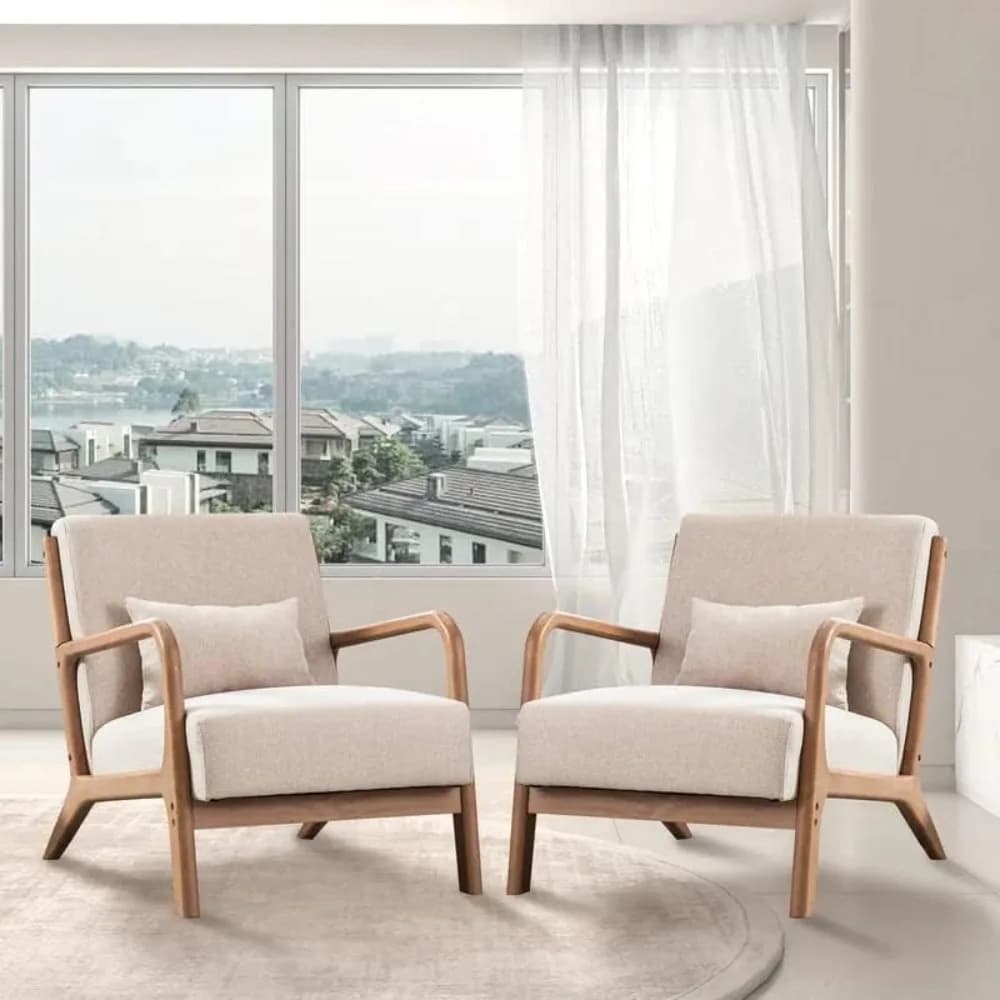
Mid-Century Modern Accent Armchairs, Set of Two, Wood Frame
In stock · Options available · Ships in 7–21 business days

Fireplace Flame Ultrasonic Humidifier and Oil Diffuser
In stock · Options available · Ships in 7–21 business days
Continue reading
 Home & Kitchen
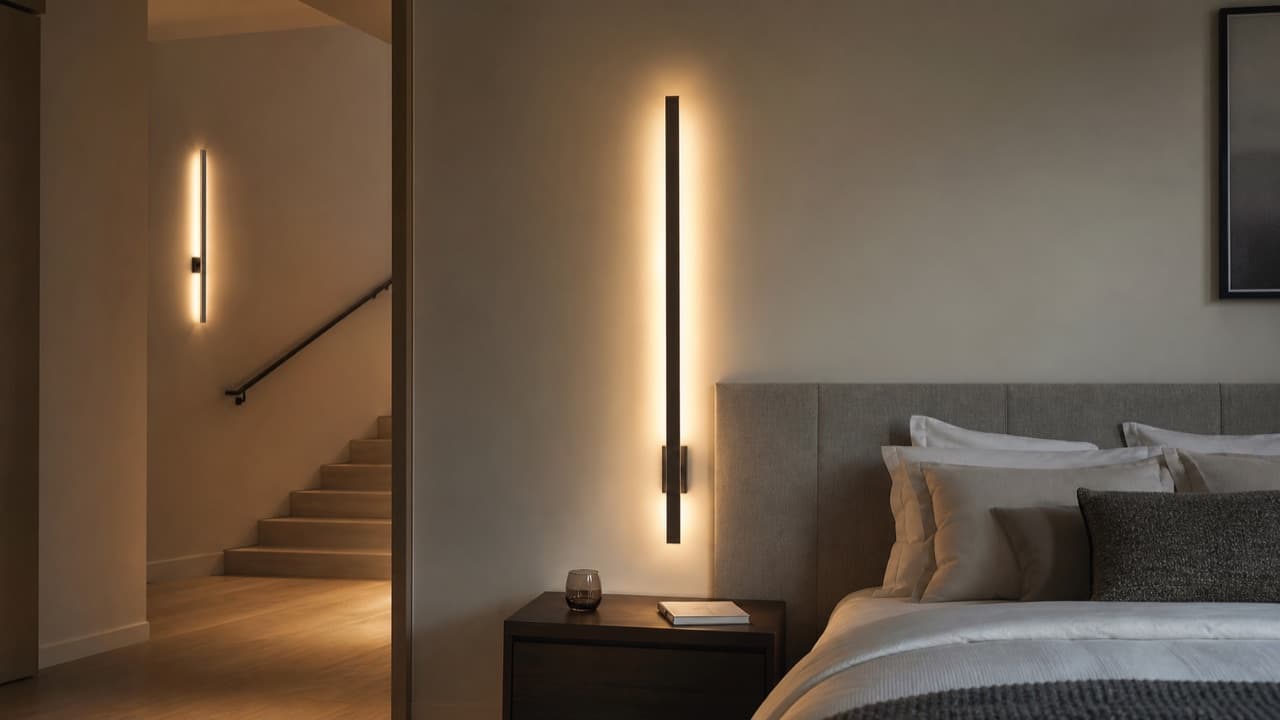
Wall Light Placement Guide: Heights for Every Room
Wall light placement guide with typical mounting heights and spacing for bedrooms, bathrooms, hallways and stairs, plus glare, switching and wiring basics.
 Home & Kitchen
Jewelry Storage for Small Apartments: Minimalist Setups
Jewelry storage for small apartments: how to edit your collection, prevent tangles and tarnish, choose organizers by piece type and store valuables sensibly.
 Home & Kitchen
Manual Coffee Grinder Buying Guide: Burrs, Steps, Speed
Manual coffee grinder buying guide: compare burr size and material, stepped vs stepless adjustment, bearings, capacity and grind effort for your brew.