

Vacuum Sealer Guide: Types, Bags, Features and Food Safety
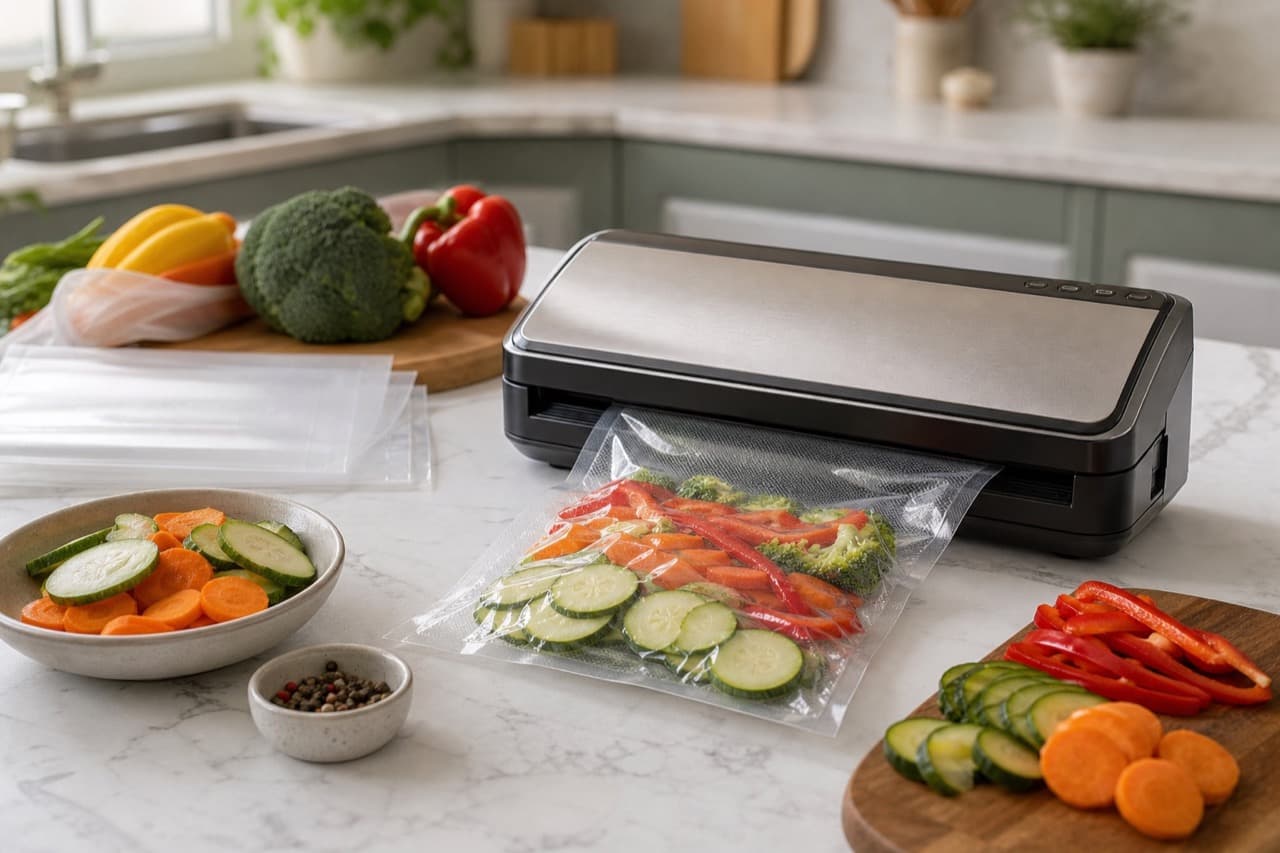
A vacuum sealer pulls air out of a bag and heat-seals it shut, which slows freezer burn and oxidation but does not sterilize food or replace the fridge and freezer. This vacuum sealer guide is for home cooks choosing between machine types, working out which bags to buy, and learning what is safe to seal, so you pay for features you will use and do not trust a tight bag more than you should.
Key takeaways
- Most households are well served by an external (edge) suction sealer with embossed bags; chamber sealers cost far more and make sense mainly for soups, brines and high-volume batch cooking.
- Bags are the running cost, so check whether a machine accepts generic roll bags or ties you to one brand.
- A pulse or gentle setting, a seal-only mode, a removable drip tray and a built-in roll cutter matter more than extras like onboard bag storage.
- Vacuum sealing is a quality tool, not a safety tool: perishable food still needs refrigeration at 40 degrees F (4 degrees C) or below, or freezing at 0 degrees F (-18 degrees C).
- Manufacturers commonly flag raw mushrooms, raw garlic and onions, soft cheeses and raw cruciferous vegetables as poor candidates, so read your manual before sealing them.
What a vacuum sealer actually does to food
In an external sealer, a pump draws air out through the open mouth of the bag while it sits in a small channel. A heating bar then melts the plastic across the opening to close it. The result is a bag with very little oxygen in it.
Less oxygen slows the things oxygen drives: rancid flavors in fats, browning, stale dry goods and the surface dehydration we call freezer burn. It also slows the growth of mold and the aerobic bacteria behind much visible spoilage. What it does not do is just as important. It does not kill bacteria, it does not stop enzymes, and it does not stop organisms that thrive without oxygen. That last point is why a sealed bag of perishable food left on a warm counter is a worse idea than the same food in a loose container in the fridge.
The practical rule: use vacuum sealing to keep properly chilled or frozen food at its best for longer, and keep following normal storage times. Cooked leftovers, for example, are still generally eaten within three to four days in the fridge whether or not they are sealed. If you are weighing a sealer against reusable boxes, our comparison of vacuum sealing vs food containers for meal prep covers where each wins.
Types of vacuum sealers compared
| Type | How it works | Best for | Trade-offs |
|---|---|---|---|
| External (edge) suction sealer | Bag mouth sits in a channel; air is pulled out of the bag, then it is heat-sealed | Everyday freezer portions, dry goods, bulk-buy repacking | Needs textured bags; liquids can be drawn into the channel |
| Handheld sealer with zip bags | A small pump draws air through a valve in a reusable zip bag | Occasional use, small kitchens, short-term fridge or pantry storage | Weaker vacuum; the zipper is the weak point; no heat seal |
| Chamber sealer | The whole bag sits in a chamber; air pressure is equalized, then the bag is sealed | Soups, marinades, sauces and very frequent sealing | High price, large and heavy, pump maintenance |
| Jar or canister attachment | A hose connects an external sealer to a lid or canister | Dry goods such as flour, rice and nuts in rigid containers | Not canning; accessories are often brand specific |
For the typical kitchen, the external sealer is the sensible default. Its limit is liquid, because the pump pulls whatever is loose toward the seal bar. If you routinely seal soups and marinated meat, read our guide to sealing dry and moist foods before deciding whether a chamber model is worth the jump in price and counter space.
Vacuum sealer bags: embossed, smooth, rolls and pre-cut
Bags are where ownership costs hide, so it pays to understand them before you choose a machine.
- Embossed (textured) bags have tiny channels that let air escape toward the pump. External sealers need them. Smooth bags generally only work in chamber machines.
- Rolls vs pre-cut bags: rolls let you cut exactly the length you need and usually cost less per bag, at the price of one extra seal. Pre-cut bags are faster for repeat sizes such as burger patties. Roll widths of around 8 and 11 inches (20 and 28 cm) are common for household machines, but check the width your sealer’s channel and bar accept.
- Thickness: household bags are typically in the 3 to 4 mil range. Heavier film resists punctures from bones and sharp edges, and is the better pick if you plan to cook in the bag.
- Material: good bags are multi-layer, often nylon with polyethylene, to cut oxygen transmission. Look for food-grade wording from the bag maker. If you want to boil, microwave or sous-vide a bag, only do so when the packaging explicitly says that bag is rated for it.
- Brand lock-in: some machines work with any compatible textured roll; others are marketed around a proprietary bag. Check the manual or product page before buying.
When you cut a bag, allow roughly 3 inches (7.5 cm) of empty film above the food. That space keeps the bag mouth inside the channel and gives the heating bar clean plastic to seal.
Features worth paying for, and ones to skip
Features that change results are mostly about control. A pulse setting lets you stop the vacuum yourself so soft foods such as bread, berries or delicate fish are not crushed. A seal-only mode lets you reseal a chip bag or close a bag you filled with a marinade. A moist or gentle mode adjusts the sealing time for wet food, though no mode makes liquid-heavy food easy in a channel sealer. A removable drip tray makes cleanup far easier when something does get pulled in.
Other things to check: whether the machine can seal several bags in a row or needs a cool-down pause because the heating bar builds up warmth; whether it has a double seal or wider seal strip, which is more forgiving when the film is slightly wrinkled; whether a built-in bag cutter is included; and whether the lid latches by hand or automatically. Skip paying extra for features that do not touch the seal itself, such as decorative finishes or onboard storage you would outgrow after a few rolls.
Also check parts support. Gaskets and foam pads wear out, and a machine whose gasket cannot be replaced has a shorter practical life than its price suggests.
What to vacuum seal, and what not to
Good candidates are raw meat and poultry portions for the freezer, cooked meals that have fully cooled, blanched vegetables, hard cheeses, and dry goods such as rice, pasta, nuts and flour. Sealing flour and grains also keeps them away from humidity and pantry insects, although freezing a new bag for several days first is a common step to deal with eggs that may already be inside.
Be cautious with these:
- Raw mushrooms, raw garlic and onions: manufacturers commonly advise against sealing them raw, because low-oxygen, moist conditions suit organisms you do not want. Cook or follow your manual’s guidance first.
- Soft, fresh cheeses: they are moist and low in acid, which is the wrong combination for oxygen-free storage in the fridge.
- Raw broccoli, cabbage and cauliflower: they release gases, which can inflate a sealed bag. Blanching before freezing is the usual fix.
- Raw fish for the fridge: keep sealed fish frozen until you are ready to thaw it in the refrigerator and cook it, rather than holding it chilled for days.
- Fresh-roasted coffee beans: they release carbon dioxide for days after roasting, so a sealed bag may puff up.
Never seal hot food. Let it cool and chill it first, because warm food in a sealed bag gives bacteria a head start and the steam interferes with the seal. Also remember that vacuum sealing jars is not canning, and a vacuum-sealed jar of low-acid food is not shelf stable.
Setup, technique and care
- Wipe the bag mouth and the sealing area dry. A drop of grease or moisture on the seal strip is the most common cause of failed seals.
- Fold a cuff over the outside of the bag before filling, so the opening stays clean.
- Fill the bag without overpacking, leaving the 3 inches of headspace.
- Smooth the opening flat in the channel, close and latch the lid, and run the cycle.
- Look at the finished seal. Wrinkles, channels or a milky look mean you should cut it off and reseal.
- Label the bag with contents and date, and freeze it flat so it stacks.
After use, unplug the machine, wipe the channel, gasket and drip tray with a damp cloth, and let everything dry. Many manufacturers suggest storing the machine with the lid unlatched so the gasket does not stay compressed; check your manual. Do not submerge the base in water.
Mistakes to avoid
- Treating a sealed bag as safe at room temperature. Without oxygen, some bacteria are happier, not unhappier. Keep perishables cold.
- Sealing before food is cool. Steam and warmth cause both weak seals and a food-safety problem.
- Skipping headspace and overfilling. The bag cannot seal cleanly if food sits in the seal zone.
- Using smooth bags in a channel sealer. The air cannot escape and the machine will not pull a vacuum.
- Letting sharp bone ends or pasta tips poke the film. Wrap them in paper towel or use heavier bags.
- Reusing bags that held raw meat. Dry-goods bags that stayed clean can often be washed and reused, but meat bags should not be.
- Buying on machine price alone. A cheap sealer that needs expensive proprietary bags costs more over a year than a pricier one using generic rolls.
How to choose a vacuum sealer for your kitchen
- Pick an external suction sealer if you want to portion meat, repack bulk buys and freeze meals at home, and you are happy to pre-freeze or cool wet items first.
- Pick a handheld sealer with zip bags if you will seal occasionally, have limited cupboard space, or mainly want to protect pantry items and marinating food for a day.
- Pick a chamber sealer only if you routinely seal liquids, buy meat by the case, or cook sous-vide in large batches and have the counter space and budget.
- Choose generic-bag compatibility if you will seal weekly, because bag cost adds up.
The Xiaomi Mijia Vacuum Sealer Machine is one of the sealers listed in the store; check its product page for bag compatibility, sealing width, power, delivery and return terms before ordering. You can compare other kitchen tools in Home and Kitchen, and our list of essential kitchen gadgets helps decide whether a sealer deserves the drawer or counter space.
Frequently asked questions
Is vacuum sealing food safe?
Yes, when it is used on properly handled food and combined with normal refrigeration or freezing. Sealing slows spoilage that needs oxygen but does not kill bacteria or make perishable food shelf stable, and some organisms grow without oxygen, so keep sealed perishables cold.
How long does vacuum sealed food last?
It depends on the food and the temperature. Food kept at 0 degrees F stays safe indefinitely, and sealing mainly protects quality by limiting freezer burn. In the fridge, sealing does not extend the usual safe-use window for perishables such as cooked leftovers.
Can any bag be used with any vacuum sealer?
Not always. External sealers need embossed or textured bags, and some machines are designed around a specific brand. Check the manual for the bag width and type the channel and sealing bar accept.
Can you vacuum seal liquids?
Standard external sealers struggle with liquids because the pump can pull them into the machine. Freezing soups or marinades solid before sealing, or using a chamber sealer, are the usual solutions.
Can you reuse vacuum sealer bags?
Bags that held dry goods or clean, cooked foods can often be washed in warm soapy water, dried and resealed, although each reuse shortens the bag when you cut off the old seal. Do not reuse bags that held raw meat, poultry or fish.
Shop Home & Kitchen
View all →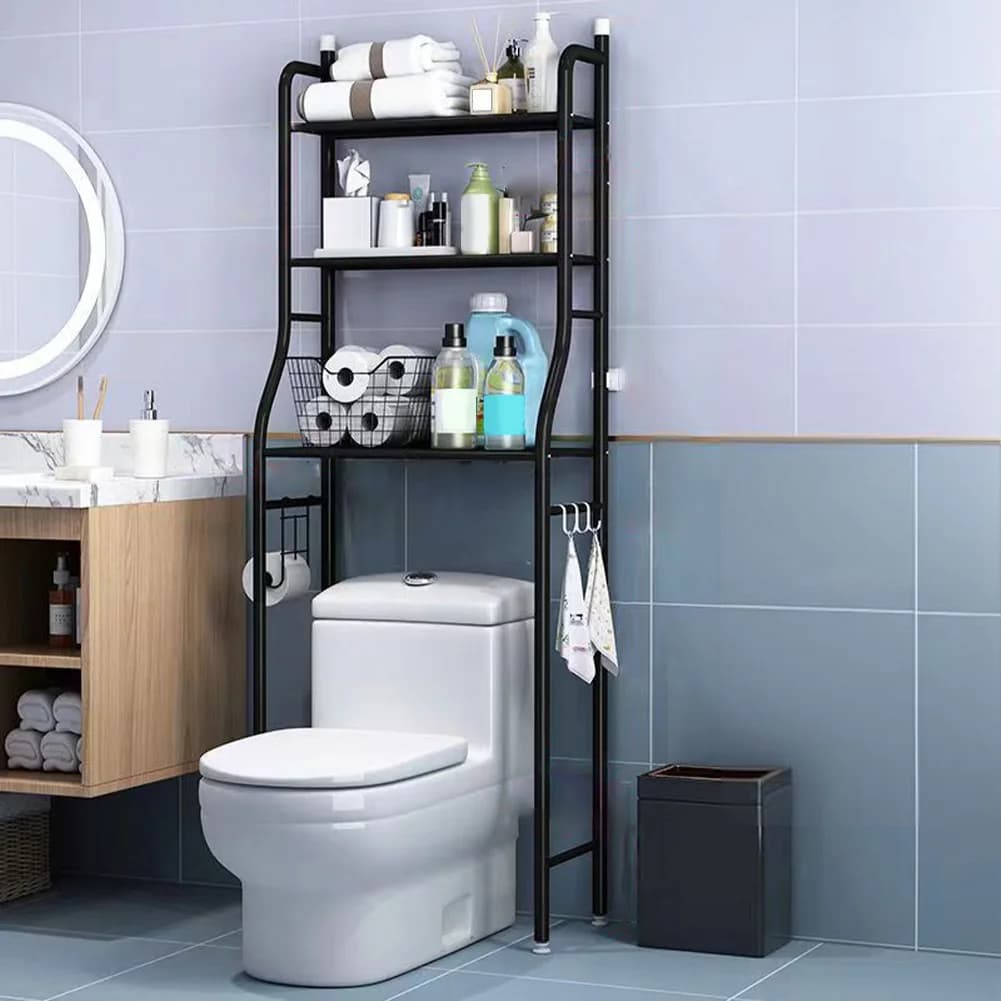
3-Tier Over-Toilet Storage Rack in Powder-Coated Carbon Steel
In stock · Options available · Ships in 7–21 business days
 Sale
Wingback Massage Recliner Chair in PU Leather with Footrest
In stock · Options available · Ships in 7–21 business days
 Sale
Mid-Century Modern Accent Armchairs, Set of Two, Wood Frame
In stock · Options available · Ships in 7–21 business days
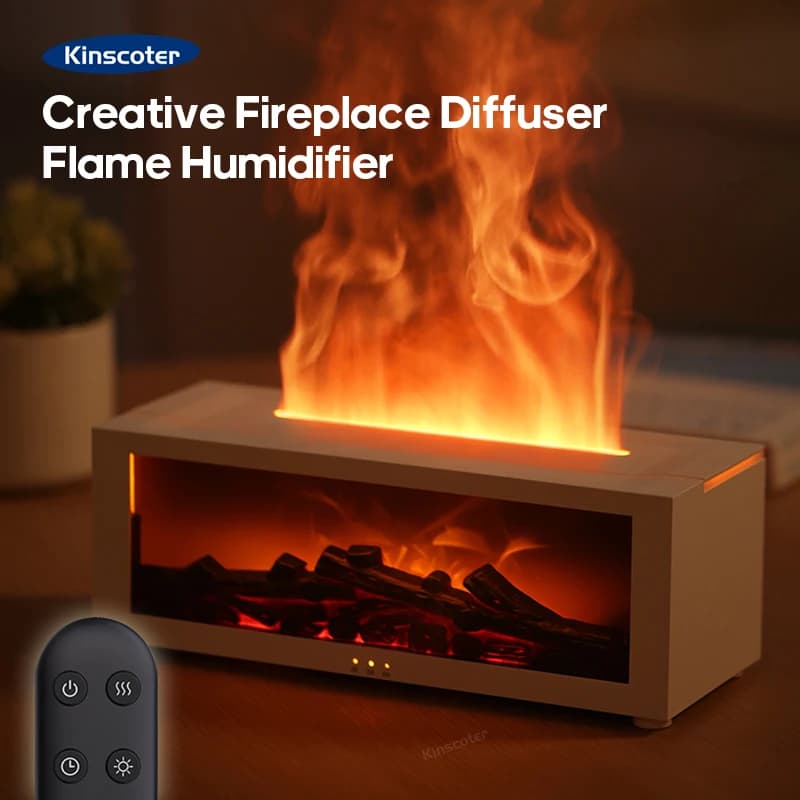
Fireplace Flame Ultrasonic Humidifier and Oil Diffuser
In stock · Options available · Ships in 7–21 business days
Continue reading
 Home & Kitchen
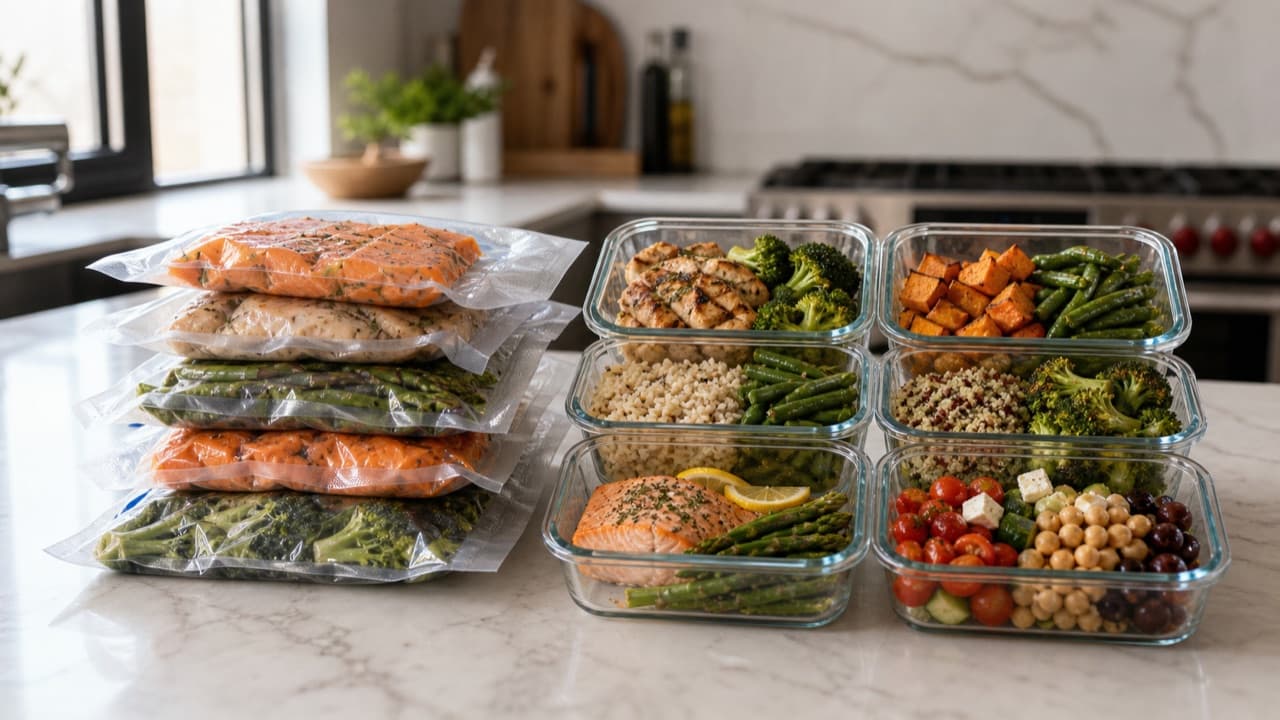
Vacuum Sealing vs Food Containers for Meal Prep
Vacuum sealing vs food containers for meal prep: which keeps food better in the fridge and freezer, what each costs per meal, and the safety limits of sealing.
 Home & Kitchen
Aromatherapy Diffuser Safety: Pets, Kids and Placement
Aromatherapy diffuser safety basics: how long to run it, oils to avoid around pets and young children, safe placement, electrical care and warning signs.
 Home & Kitchen
Robot Vacuum Setup: Stop It Getting Stuck at Home
Robot vacuum setup that stops it getting stuck: prep rooms for the first map, set no-go zones, tame cords, rugs and thresholds, and keep sensors clean.