

Smart Lighting Color Temperature for Better Sleep Habits
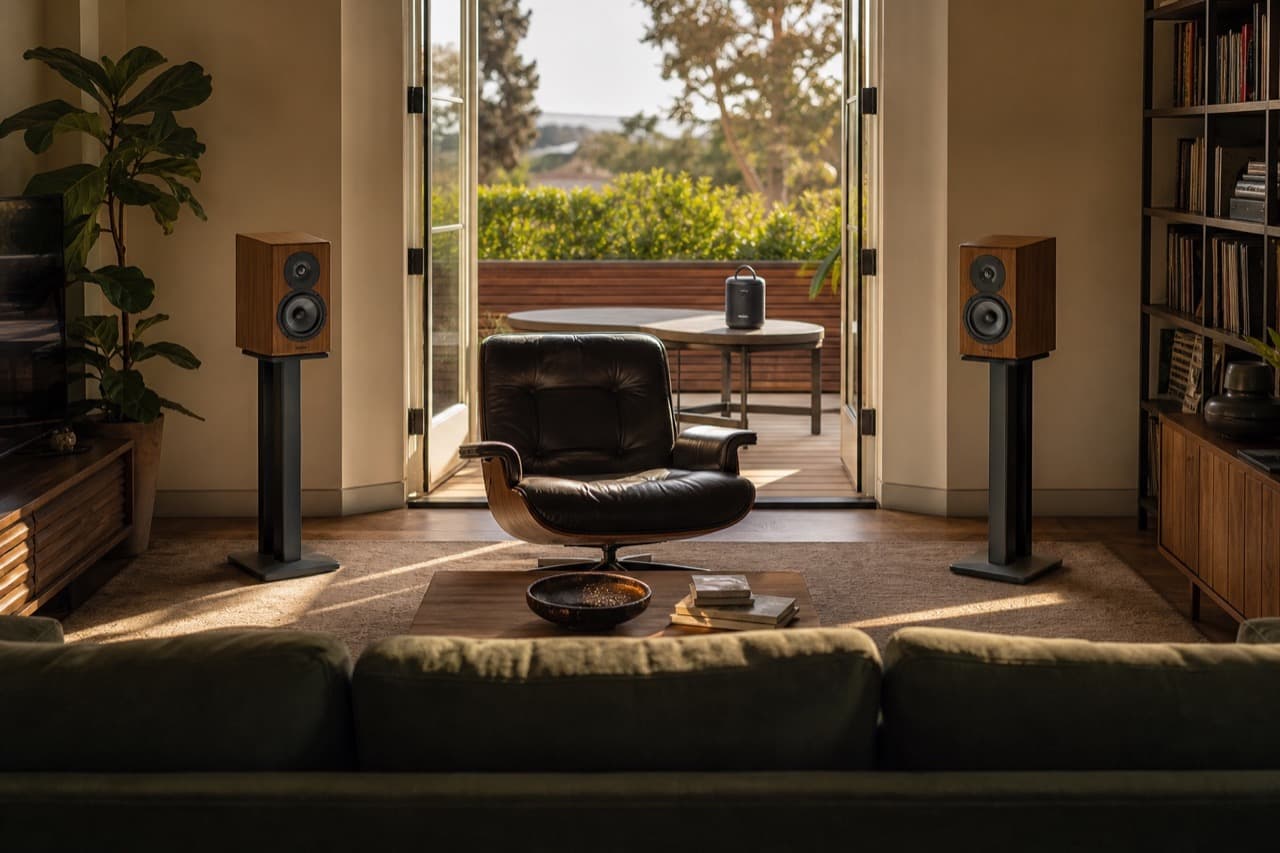
Smart lighting color temperature can support better sleep habits when you use it to make evenings dimmer and warmer and mornings brighter, because light is one of the main signals your body clock uses to tell day from night. Practically, that means shifting to warm, low light (around 2700K or lower) for the last hour or two before bed, keeping the bedroom dark during sleep, and getting bright light in the morning. This guide is for anyone setting up tunable smart bulbs or lamps in a bedroom or living space. It explains Kelvin numbers, why brightness matters as much as color, and how to build schedules that do the work for you. It is general lifestyle guidance, not medical advice.
Key takeaways
- Lower Kelvin means warmer, more amber light; higher Kelvin means cooler, bluer light. For evenings, aim for about 2700K or warmer.
- Brightness matters as much as color. A dim warm lamp is gentler in the evening than a bright warm ceiling light.
- Use bright, cooler light in the morning and daytime, and get outdoor daylight when you can.
- Schedules and gradual fades are the most useful smart features; you stop relying on willpower.
- Keep the bedroom as dark as practical during sleep, including standby LEDs and night lights.
- Lighting changes support good habits but do not treat sleep disorders. Ongoing sleep problems deserve a doctor’s input.
Color temperature explained: what the Kelvin number means
Color temperature describes how warm or cool white light looks, measured in kelvins (K). It has nothing to do with how hot the bulb gets.
| Kelvin range | Common name | How it looks | Good for |
|---|---|---|---|
| About 1800 to 2200K | Candle or amber | Deep orange glow | Late evening, night lights |
| About 2700K | Warm white | Classic incandescent warmth | Evenings, bedrooms, living rooms |
| About 3000K | Soft white | Warm but slightly crisper | Kitchens and dining in the evening |
| About 3500 to 4100K | Neutral or cool white | Clean, neutral | Home offices, task areas by day |
| About 5000 to 6500K | Daylight | Bluish-white, like midday sky | Morning wake-up, daytime work, makeup checks |
Tunable white smart bulbs can move along this range, typically from around 2200K or 2700K up to 5000K or 6500K depending on the model. Color (RGB) bulbs add saturated colors on top. The product page tells you a bulb’s exact range.
How light affects your evening and sleep
Your body clock, the circadian rhythm, takes many of its timing cues from light reaching your eyes. Bright light in the morning helps signal daytime. In the evening, exposure to bright light, especially light rich in blue wavelengths like cool-white LEDs and screens, can delay the release of melatonin, the hormone associated with sleepiness, and push your body clock later. That is the widely accepted reasoning behind warm, dim evening lighting.
Two points are often missed:
- Brightness counts as much as color. Warm light at full brightness is still a lot of light. Dimming is often the bigger lever.
- Where the light sits matters. Overhead lights flood your field of view; low lamps and wall lights at or below eye level feel calmer at the same setting. Our wall light placement guide for bedrooms and stairs covers heights and positions.
Lighting is one factor among many. Caffeine, alcohol, late meals, screens, temperature, stress and schedule all play a role, and no bulb setting fixes insomnia or other sleep conditions. If poor sleep persists, talk with a healthcare professional.
A sample smart lighting schedule
Here is a schedule you can build with most smart lighting apps. Adjust the times to your own bedtime.
- Morning (wake time): bedroom lights fade up over 15 to 30 minutes to a bright, cool setting around 4000 to 5000K. Many apps call this a sunrise or wake-up routine. Open the curtains too; daylight is far brighter than indoor lighting.
- Daytime: neutral or cool white (around 3500 to 5000K) at comfortable brightness where you work.
- Sunset: use the app’s sunset trigger to shift living areas to about 2700 to 3000K.
- Two hours before bed: drop to around 2700K or lower and dim to roughly 30 to 50 percent. Switch off bright overheads in favor of lamps.
- Last 30 to 60 minutes: amber or candle-like settings around 2000 to 2200K at low brightness, or a single bedside lamp.
- Lights out: fade to off over a few minutes. Use a very dim, warm night light in hallways or bathrooms for night-time trips rather than a full ceiling light.
Pair the lighting schedule with other wind-down habits; our guide to evening wind-down routines covers diffusers and humidifiers and how to use them safely.
Features to look for in sleep-friendly smart lighting
- Tunable white range: look for a low end of 2200K or warmer if you want true amber evening light; some bulbs stop at 2700K.
- Smooth, low dimming: the ability to dim to a few percent without flicker or a sudden cut-off. Cheap dimming can flicker noticeably at low levels.
- Schedules and sunrise/sunset triggers: automation is what makes the routine stick.
- Gradual fade: fade-in and fade-out over minutes rather than instant switching.
- Local control and reliability: check whether the light needs a hub, works on 2.4 GHz Wi-Fi only, or supports Bluetooth, Zigbee or Matter, and whether schedules still run if the internet drops.
- Physical switch behavior: smart bulbs need power at the switch. If someone flips the wall switch off, automations stop. Smart switches or switch covers avoid that.
For bedside or wall-mounted fixtures, compare options in our minimalist wall light buying guide. The Minimalist Modern Long LED Wall Lamp is one ADLTHUB option for soft, indirect light; check its product page for color temperature, dimming support, delivery and returns. Browse more in the home and kitchen category.
The rest of the bedroom: screens, LEDs and darkness
- Darkness during sleep: blackout curtains or blinds help in bright streets or early summer sunrises.
- Standby lights: chargers, TVs, smart speakers and clocks often have bright blue or white LEDs. Dim them in settings, turn them away, or cover them with a small piece of light-blocking tape.
- Clock displays: choose clocks with auto-dimming or night mode. Our smart alarm clock guide lists what to check.
- Phones and tablets: use night or warm display modes and lower brightness in the evening, though reducing screen time before bed matters more.
Mistakes to avoid
- Warm color at full brightness. A 2700K ceiling fixture at 100 percent is still bright. Dim it or switch to lamps.
- Daylight bulbs everywhere. 5000K-plus in a bedroom looks clinical at night and works against a winding-down routine.
- Relying on colored mood lighting. Saturated blues and purples can be bright and stimulating. For late evening, stick to warm whites and amber.
- Flipping smart bulbs off at the wall. It breaks schedules and sunrise routines. Use smart switches or keep wall switches on.
- Bright bathroom lights at 3 a.m. A low amber night light is easier on the eyes and on getting back to sleep.
- Expecting lighting to fix sleep problems. It is a supporting habit; persistent issues need professional advice.
How to choose the right setup
- Pick tunable white bulbs if you want one set of lights that is bright and cool by day and warm and dim at night.
- Pick warm-only dimmable bulbs (2700K or lower) if you just want calm bedroom lighting and do not need cool light there.
- Pick a sunrise-capable bulb or lamp if dark winter mornings make waking up hard.
- Pick low lamps or wall lights over overheads if you read in bed or wind down in the bedroom.
Frequently asked questions
What color temperature is best before bed?
Warm light around 2700K or lower, at low brightness, is a common recommendation for the hour or two before bed. Amber settings around 2000 to 2200K are even warmer.
Is blue light really bad for sleep?
Bright, blue-rich light in the evening can delay melatonin release and shift your body clock later. The effect depends on brightness, timing and duration, so dimming lights and reducing screen time at night both help.
Should I use red light at night?
Very dim red or amber light is a reasonable choice for night lights because it is less disruptive than bright white light. Keep it dim; brightness still matters.
Do sunrise alarm lights work?
Many people find a gradual fade-in makes waking more pleasant, especially on dark winter mornings. It is a comfort and routine aid rather than a treatment, and getting outdoor daylight in the morning is also helpful.
What Kelvin should bedroom lights be?
For general bedroom use, 2700K to 3000K suits most people. A tunable bulb lets you go cooler for morning routines and warmer at night.
Shop Home & Kitchen
View all →
3-Tier Over-Toilet Storage Rack in Powder-Coated Carbon Steel
In stock · Options available · Ships in 7–21 business days
 Sale
SaleWingback Massage Recliner Chair in PU Leather with Footrest
In stock · Options available · Ships in 7–21 business days
 Sale
SaleMid-Century Modern Accent Armchairs, Set of Two, Wood Frame
In stock · Options available · Ships in 7–21 business days

Fireplace Flame Ultrasonic Humidifier and Oil Diffuser
In stock · Options available · Ships in 7–21 business days
Continue reading
 Home & Kitchen
Under-Shelf Baskets for Small Apartments: Fit and Load Guide
Under-shelf baskets for small apartments: how to measure shelf thickness and clearance, which shelves can take them, load limits and the best spots to use one.
 Home & Kitchen
Knife Sharpening at Home: Stones, Rods and Pull-Throughs
Knife sharpening at home explained: honing vs sharpening, whetstone grits and angles, pull-through and electric sharpeners, serrated knives, and safe technique.
 Home & Kitchen
Aromatherapy Diffuser Safety: Pets, Kids and Placement
Aromatherapy diffuser safety basics: how long to run it, oils to avoid around pets and young children, safe placement, electrical care and warning signs.