

Smart Outdoor Lighting Buying Guide: Lumens, IP and Power
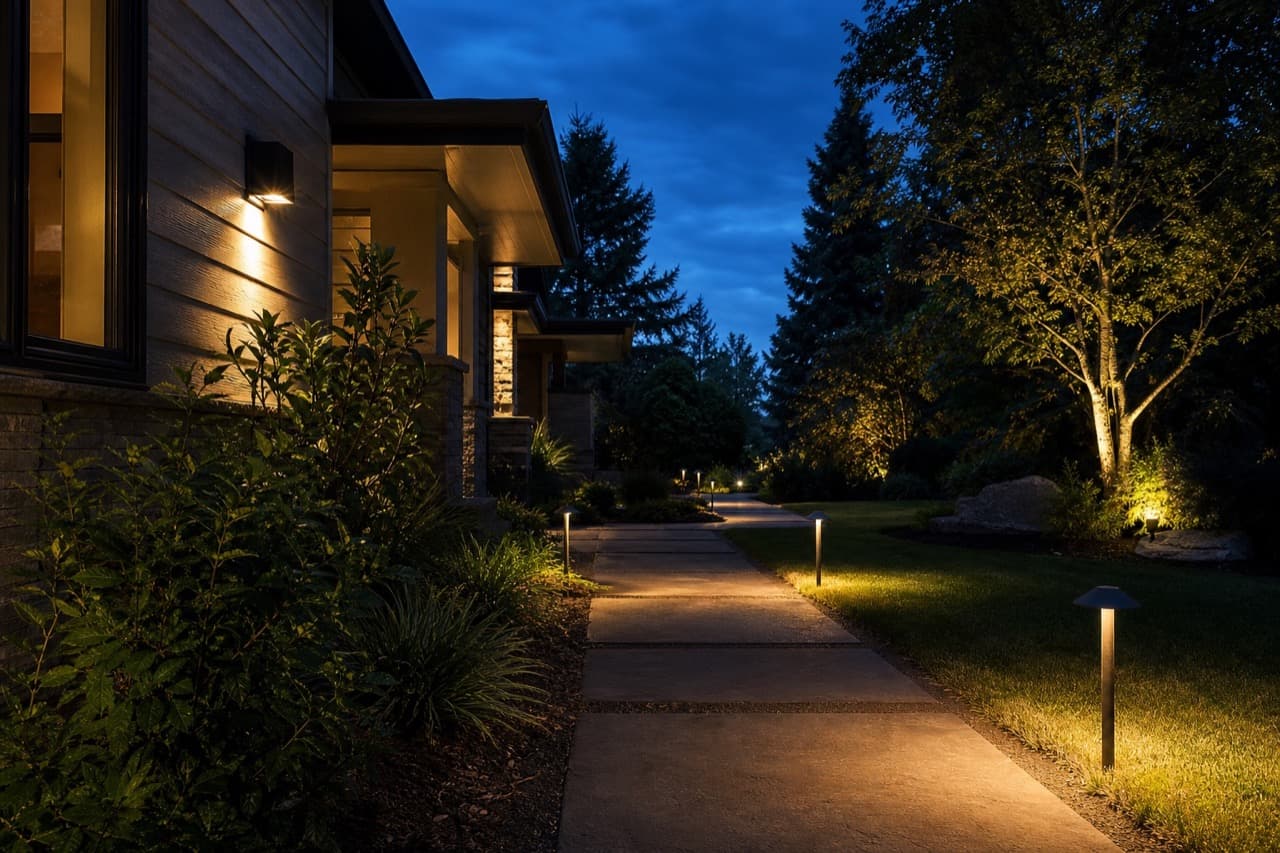
Smart outdoor lighting is worth it when each light has a clear job (finding the path, lighting the door, deterring intruders, or setting a mood) and the hardware is rated for your weather and powered in a way you can maintain. Brightness, color temperature, weather rating and Wi-Fi reach matter more than app features. This guide is for homeowners and renters planning path lights, porch lights, floodlights or color accent lighting, and it helps you match each zone to the right lumens, rating and power source before you buy.
Key takeaways
- Plan by zone: paths and steps need low, glare-free light; entries need moderate light; security needs bright, motion-triggered light.
- For ambiance, choose warm white around 2700 to 3000 K; reserve cooler 4000 K and up for security and work areas.
- Check both the IP rating and the UL or ETL “wet location” or “damp location” listing; they answer different questions.
- Outdoor plug-in lights belong on GFCI-protected outlets with weather-resistant in-use covers.
- Wi-Fi is usually the weak link outdoors; test signal where each light will sit before installing.
How bright should smart outdoor lights be?
Outdoor eyes adapt to darkness, so less light often looks better and causes less glare for neighbors. Typical ranges per fixture:
| Zone | Typical lumens per fixture | Color temperature | Smart feature that helps |
|---|---|---|---|
| Step and deck lights | About 12 to 100 | 2700 to 3000 K | Dusk-to-dawn schedule |
| Path lights | About 100 to 200 | 2700 to 3000 K | Sunset trigger, low dim level after midnight |
| Porch and entry lights | About 400 to 800 | 2700 to 3500 K | Motion boost from dim to full |
| Garden accent and uplights | About 100 to 500 | Warm white or color | Scenes, color for holidays |
| Security floodlights | About 700 to 2,000 or more | 3000 to 5000 K | Motion zones, camera or alarm integration |
Aim lights down and shield the bulb where possible. Downward, shielded fixtures reduce glare, light trespass into bedrooms next door and sky glow, and they make faces and steps easier to see. A motion-triggered floodlight that sits dim or off most of the night is usually more effective as a deterrent than one that blazes until dawn, because the change in light draws attention.
Weather ratings: IP codes and wet versus damp listings
The IP (Ingress Protection) code has two digits: the first is protection against solids and dust, the second against water.
- IP44: protected against splashing water. Fine under a covered porch, not ideal for open exposure.
- IP65: dust-tight and protected against low-pressure water jets. A sensible minimum for fixtures exposed to rain.
- IP66: protected against powerful jets; useful in very exposed spots or where you hose down surfaces.
- IP67: protected against temporary immersion (up to about 3.3 ft or 1 m for 30 minutes). Useful for in-ground lights and spots where water pools.
Separately, US safety listings (UL or ETL) mark fixtures as suitable for damp locations (covered porches, where moisture condenses but rain does not hit directly) or wet locations (direct rain, snow and sprinklers). An exposed fixture should be wet-rated. Remember the whole chain: the plug, controller box, power supply and connectors also need outdoor ratings, and a controller box rated only for indoor use should stay inside or in a weatherproof enclosure.
Power options: plug-in, hardwired, low-voltage and solar
Plug-in Wi-Fi lights
Plug-in string lights, spotlights and strip kits are the easiest start. Use an outdoor outlet with GFCI protection and an in-use (bubble) cover, and only use extension cords marked for outdoor use. Keep connections off the ground and away from pooling water.
Low-voltage landscape lighting
Most path and garden systems run at 12 V from a transformer plugged into a GFCI outlet. Low voltage is safer to handle and lets you rearrange fixtures, and many systems now offer smart transformers or app-controlled hubs. Watch the transformer’s wattage rating and keep total fixture load comfortably below it.
Hardwired fixtures
Wall lanterns and floodlights wired at 120 V should be installed by a licensed electrician if you are not experienced, and local codes may require permits. A smart switch inside, or a smart floodlight with built-in Wi-Fi, adds control without changing the fixture.
Solar lights
Solar path and wall lights need no wiring, but output depends on sun exposure and season. Expect dimmer, shorter nights in winter or in shade; check whether the battery is replaceable.
Permanent eaves and track lighting
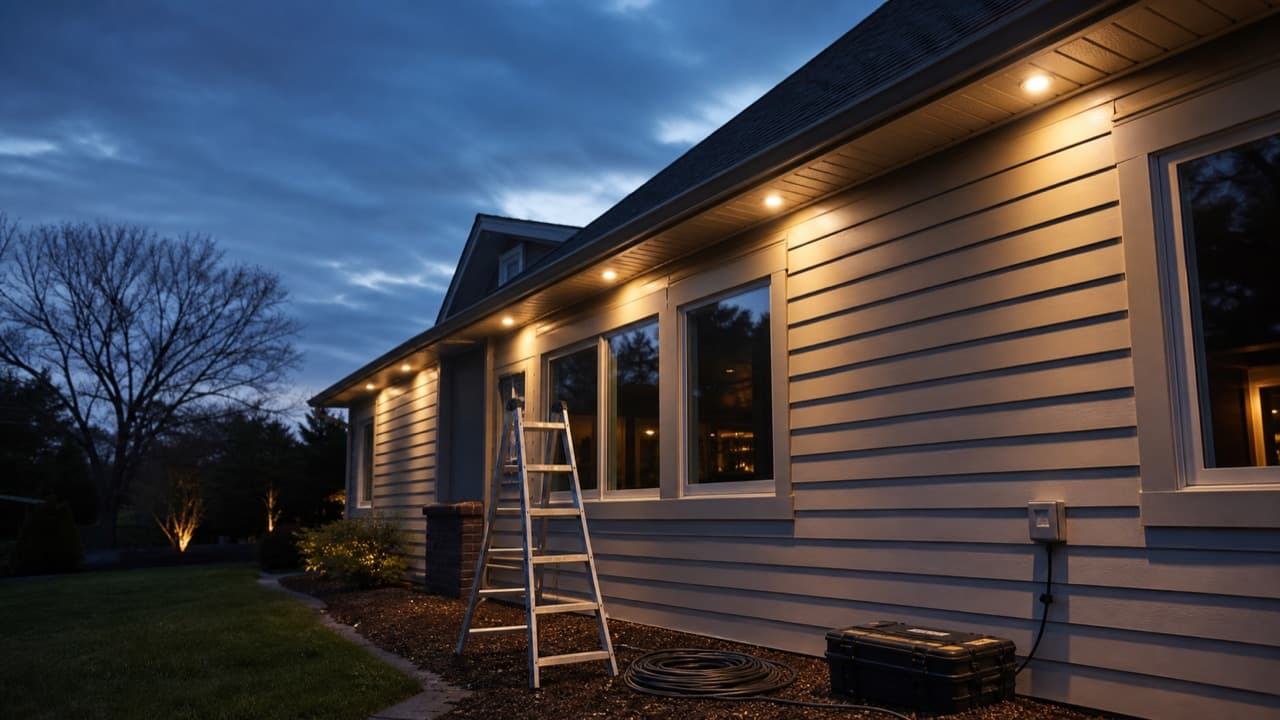
Permanent RGBIC eaves lights mount under the roofline and handle holidays, game days and everyday warm white from one app. RGBIC means segments of the strip can show different colors at once, unlike basic RGB that shows one color along the whole run. The Smart WiFi RGBIC permanent Eaves Lights are one option; check the product page for the IP rating, run length and power supply details. Before you commit, our permanent eaves light planning guide covers measuring, mounting and outlet placement.
Connectivity: Wi-Fi, hubs and range
Most smart outdoor lights connect over 2.4 GHz Wi-Fi, which reaches farther than 5 GHz but still struggles through brick, stucco, metal siding and garage doors. Check your phone’s Wi-Fi signal at the exact mounting spot; if it is weak, an outdoor-rated mesh node or access point usually fixes it more reliably than a cheap extender. Our Wi-Fi 6 router upgrade guide helps if your whole network is stretched. Some landscape systems use a hub with Zigbee, Thread or a proprietary radio, which can extend range and keep schedules running locally even if the internet drops. Ask what happens during an outage: good systems keep running their last schedule offline.
If you plan backyard music too, think about light and speaker positions together; our outdoor speaker placement guide covers the audio side. Browse lighting and outdoor-ready home products in home and kitchen.
Mistakes to avoid
- Buying by maximum lumens. Over-bright path and porch lights cause glare, make dark areas look darker and annoy neighbors.
- Trusting “waterproof” without a rating. Look for a specific IP code and a wet-location listing, and check that it covers the controller and power supply.
- Using indoor extension cords outdoors. They are not built for UV, moisture or cold, and the insulation can crack.
- Ignoring the Wi-Fi map. Lights that keep dropping offline will miss schedules on exactly the nights you rely on them.
- Color everywhere. Full RGB is fun for events, but everyday warm white looks more natural against stone, brick and plants.
How to choose smart outdoor lighting for your home
Pick plug-in smart string or spot lights if you rent or want results this weekend. Pick a low-voltage smart landscape kit if you want path and garden lighting you can rearrange. Pick a smart floodlight or hardwired fixture with an electrician if security is the main goal. Pick permanent eaves lights if you decorate often and want to stop climbing ladders every season. In every case, match the IP and wet rating to the exposure, and check the product page for power requirements, delivery and returns.
Frequently asked questions
What IP rating do outdoor lights need?
For fixtures exposed to rain, IP65 is a sensible minimum. Covered porches can work with IP44, and lights that sit in the ground or where water pools should be IP67. Also check that exposed fixtures are listed for wet locations.
How many lumens do I need for outdoor path lights?
Usually about 100 to 200 lumens per path light is enough, spaced so pools of light overlap slightly. Brighter is rarely better on paths because it creates glare and dark gaps between fixtures.
Can smart outdoor lights work without Wi-Fi?
Some can. Lights using a hub with Zigbee, Thread or Bluetooth mesh, and some with on-device schedules, keep running without the internet. Pure Wi-Fi models may lose app control and some schedules when the network drops.
What color temperature is best for outdoor lighting?
Warm white around 2700 to 3000 K suits paths, patios and the front of the house. Cooler 4000 to 5000 K light is useful for security floodlights and work areas such as driveways.
Do outdoor plug-in lights need a GFCI outlet?
Outdoor receptacles in US homes are generally required to have GFCI protection, and you should use one for any plug-in outdoor lighting. Pair it with a weather-resistant in-use cover so the plug stays protected while connected.
Shop Home & Kitchen
View all →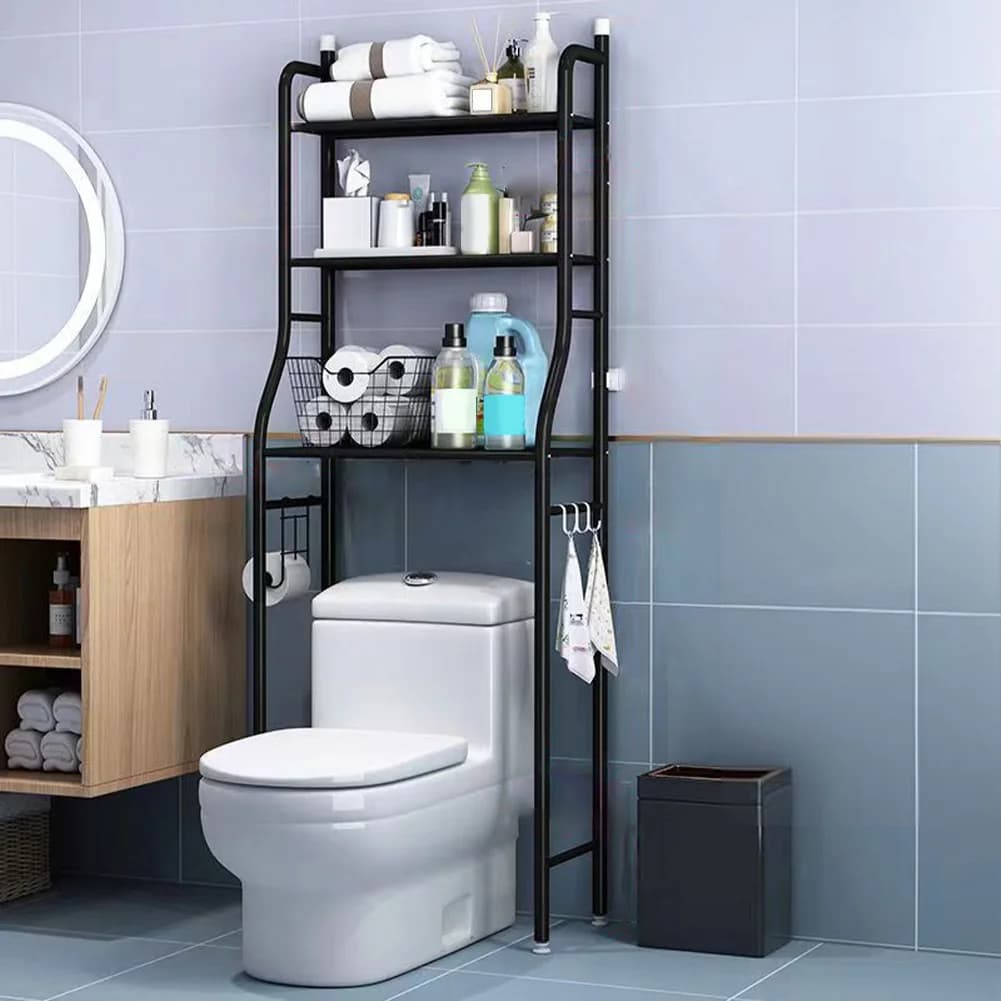
3-Tier Over-Toilet Storage Rack in Powder-Coated Carbon Steel
In stock · Options available · Ships in 7–21 business days
 Sale
Wingback Massage Recliner Chair in PU Leather with Footrest
In stock · Options available · Ships in 7–21 business days
 Sale
Mid-Century Modern Accent Armchairs, Set of Two, Wood Frame
In stock · Options available · Ships in 7–21 business days

Fireplace Flame Ultrasonic Humidifier and Oil Diffuser
In stock · Options available · Ships in 7–21 business days
Continue reading
 Home & Kitchen
Manual Coffee Grinder Buying Guide: Burrs, Steps, Speed
Manual coffee grinder buying guide: compare burr size and material, stepped vs stepless adjustment, bearings, capacity and grind effort for your brew.
 Home & Kitchen
Permanent Eaves Lights: Planning Length, Power and Install
Permanent eaves lights planning guide: how to measure your roofline, size the power supply, check weather ratings and plan a safe, tidy installation.
 Home & Kitchen
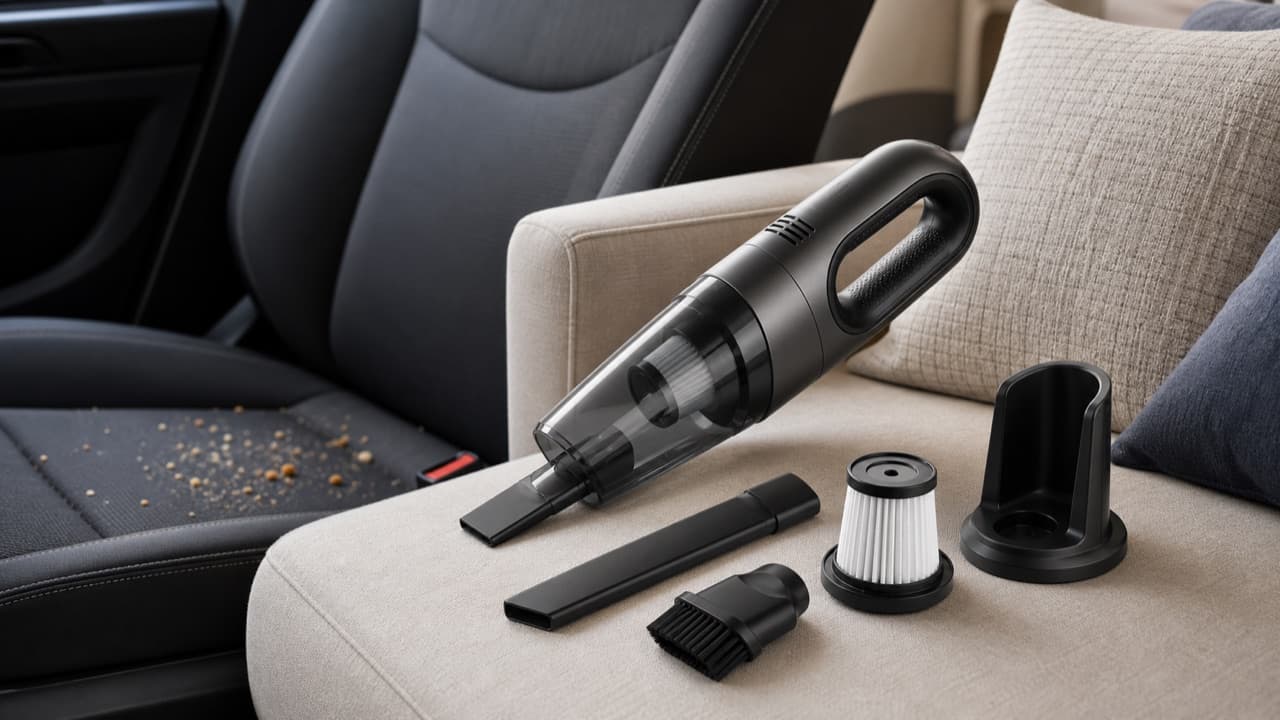
Handheld Vacuum Buying Guide: Runtime, Suction, Filters
Handheld vacuum buying guide: how to read suction and runtime claims, pick attachments and filters, and match a cordless handheld to crumbs, pet hair or stairs.