

Small Space Organization: Minimalist Ideas That Actually Work
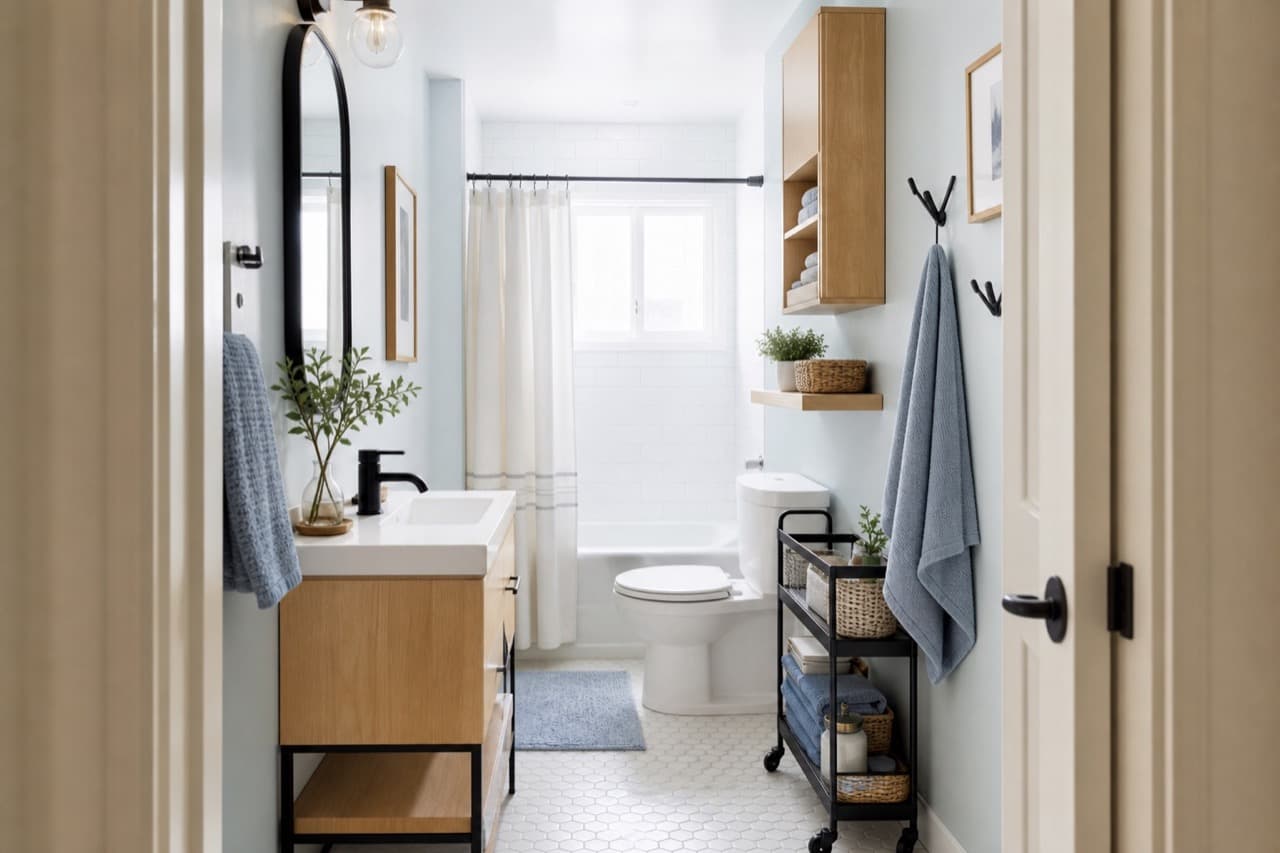
Small space organization comes down to three moves in a fixed order: remove what you do not use, give everything you keep one obvious home, and only then buy storage sized to what is left. This guide is for renters and owners in apartments, studios and small houses who want a minimalist, tidy home without buying a cart full of bins that just move clutter around.
Key takeaways
- Declutter before you buy anything. Storage bought first tends to get filled, and you end up with the same mess in nicer containers.
- Work zone by zone (entry, seating, sleeping, kitchen, bathroom) so every item has a home within a few steps of where you use it.
- Measure the space, including door swing, drawer travel and the depth of shelves, before you order. A rack that is 1 inch too deep blocks a door.
- Use the vertical range between about 12 inches (30 cm) and 72 inches (183 cm) for daily items, and keep the awkward top and bottom bands for occasional things.
- Choose renter-friendly options (over-door, freestanding, adhesive-free) first, and check weight ratings on anything that hangs or mounts.
- Follow a one-in, one-out rule so the system still works six months from now.
Start with an edit, not a shopping list
A minimalist home is not a bare one. It is a home where the number of things matches the space you have. The fastest way to find that number is to sort by frequency of use rather than by how much you like an item.
Pull everything out of one zone at a time and sort it into four piles: daily, weekly, seasonal and gone. Daily items get the best real estate at arm height. Weekly items go in closed but easy-to-reach storage. Seasonal items (holiday decor, off-season coats, camping gear) move to the hard-to-reach bands: high shelves, under the bed or the top of a wardrobe. The “gone” pile is donation, recycling or return, and it should leave the home the same week so it does not become a second clutter zone.
Duplicates are the quiet space thieves in small homes. Three spatulas, five chargers and a drawer of half-dead batteries all take up room that a smaller, better-chosen set would not. Keep the best one or two and let the rest go.
Where small homes lose space
The entry and the floor
Shoes, bags and mail collect in the first three feet of a home. A slim shoe cabinet (often 6 to 12 inches, or 15 to 30 cm, deep) or a wall shelf with hooks keeps that zone clear. Floor space is the most valuable square footage you have, so anything that can leave the floor, from a laundry basket to a vacuum, is worth relocating.
The seating and sleeping zones
Furniture that stores things earns its footprint: a bed with drawers or a clear underbed space, an ottoman or bench with a lid, a coffee table with a shelf. Measure underbed clearance before buying flat containers, since bed frames vary and many sit only 6 to 12 inches (15 to 30 cm) off the floor.
The kitchen and bathroom
These rooms hold lots of small, frequently used items, so depth and reach matter most. Under-shelf baskets, tiered turntables and door-back racks help in kitchens; our guide to under-shelf baskets for small apartments covers the fit checks. For food storage, the principles in the pantry organization guide apply even to a single cupboard. In a bathroom, a rack that straddles the toilet uses dead vertical space, and something like the 3-Tier Over-Toilet Bathroom Organizer Rack is the kind of option worth measuring for, though you should read the product page for exact dimensions and weight limits. Our bathroom organizer measurement guide walks through the measurements step by step.
Vertical storage that holds up
Going up is the classic small-space answer, but it only works if the storage can bear the load and you can actually reach it.
- Wall shelves: Mount into studs or use anchors rated for the load and the wall type (drywall, plaster and masonry all need different hardware). If you cannot drill, use freestanding units instead of trusting a sticky adhesive with heavy items.
- Tall, narrow furniture: A bookcase 10 to 12 inches (25 to 30 cm) deep uses far less floor than a deep cabinet. Anchor tall units to the wall so they cannot tip, especially with children or pets around.
- Over-door racks: These are renter-friendly, but check door thickness and clearance so the door still closes. They suit light items such as toiletries, wrapping paper and cleaning supplies.
- Hooks and rails: Rail systems are flexible for bags, tools and kitchen utensils. Verify the per-hook weight rating rather than assuming.
Keep the eye-level and waist-level bands for the things you touch every day. Shelves above your reach get forgotten, and shelves near the floor get ignored. If you would need a step stool, the item belongs in the seasonal category.
Comparing common storage options
| Option | Best for | Watch out for | Renter-friendly? |
|---|---|---|---|
| Clear stackable bins | Seasonal items, pantry overflow | Stacking height, lids that do not fit, dust | Yes |
| Wall shelves | Books, plants, everyday items | Stud location, load rating, drilling permission | Sometimes |
| Over-door racks | Toiletries, cleaning supplies, accessories | Door thickness, door closing clearance | Yes |
| Underbed containers | Off-season clothing, linens | Bed frame clearance, wheel scuffs on floors | Yes |
| Storage furniture (ottoman, bench) | Blankets, shoes, games | Lid weight, internal depth, hinge safety | Yes |
| Freestanding narrow shelves | Bathrooms, entryways, kitchens | Tipping risk, floor levelness | Yes |
Mistakes to avoid
- Buying containers before decluttering. You size storage to the clutter, which locks the clutter in place.
- Skipping measurements. Door swing, baseboards, outlets and radiators regularly eat into the space you thought you had.
- Ignoring weight ratings. A shelf, hook or rack that is fine when empty can fail under wet towels or a stack of books. Check the stated load capacity and stay well under it.
- Using deep shelves for small items. Small things vanish at the back. Use shallow shelves, dividers or pull-out trays.
- Over-labelling and over-matching. Perfect matching sets look tidy in photos, but a system you cannot maintain in a busy week is worse than a plain one you can.
- Blocking access or safety routes. Keep exits, fuse boxes, water shutoffs and heating equipment clear and follow local safety rules.
How to choose your approach
Pick freestanding and over-door options if you rent, move often or cannot drill; they cost little and leave no marks. Pick wall-mounted storage if you own or have permission to drill and you are short on floor space, and use a stud finder and hardware rated for your wall. Pick storage furniture if you have very little closed storage and need surfaces too, such as a bench that doubles as seating. Pick a modest edit-and-maintain routine if you already own too many containers: emptying one drawer a week is often a better investment than any new product. Browse the home and kitchen category for storage and organizers, and read each product page for dimensions, load limits, delivery and returns before you buy.
Keep it minimal over time
The system only holds if maintenance is cheap. Set a two-minute reset at night: things back to their homes, surfaces clear. Adopt one-in, one-out for categories that grow fastest (clothes, mugs, books). Once a season, re-run the four-pile sort for one zone, not the whole home, so it never becomes a weekend project. If a container is always overflowing, that is the signal to reduce what goes in it, not to buy a bigger one.
Frequently asked questions
Where should I start organizing a small apartment?
Start with the zone that annoys you most each day, often the entry or the kitchen counter. Empty it fully, keep only what you use, and give each remaining item a fixed home before buying any storage.
How do I add storage without drilling into walls?
Use freestanding narrow shelves, over-door racks, tension-rod solutions and furniture with built-in storage. Check the weight rating on each, and keep tall units anchored or stable so they cannot tip.
Is clear or opaque storage better in a small home?
Clear bins make contents easy to find, which suits pantries and utility items. Opaque or lidded storage looks calmer in living spaces and hides visual clutter, so many people use a mix.
How many items should a minimalist keep?
There is no fixed number. A useful test is whether every item is used regularly or has a clear purpose, and whether your storage closes without force. If it does not, you have more than your space supports.
What is the most overlooked storage space in a small home?
Vertical wall space above doors and furniture, the back of doors, and the area under the bed. All of them are free to use if you measure clearances and check load ratings first.
Shop Home & Kitchen
View all →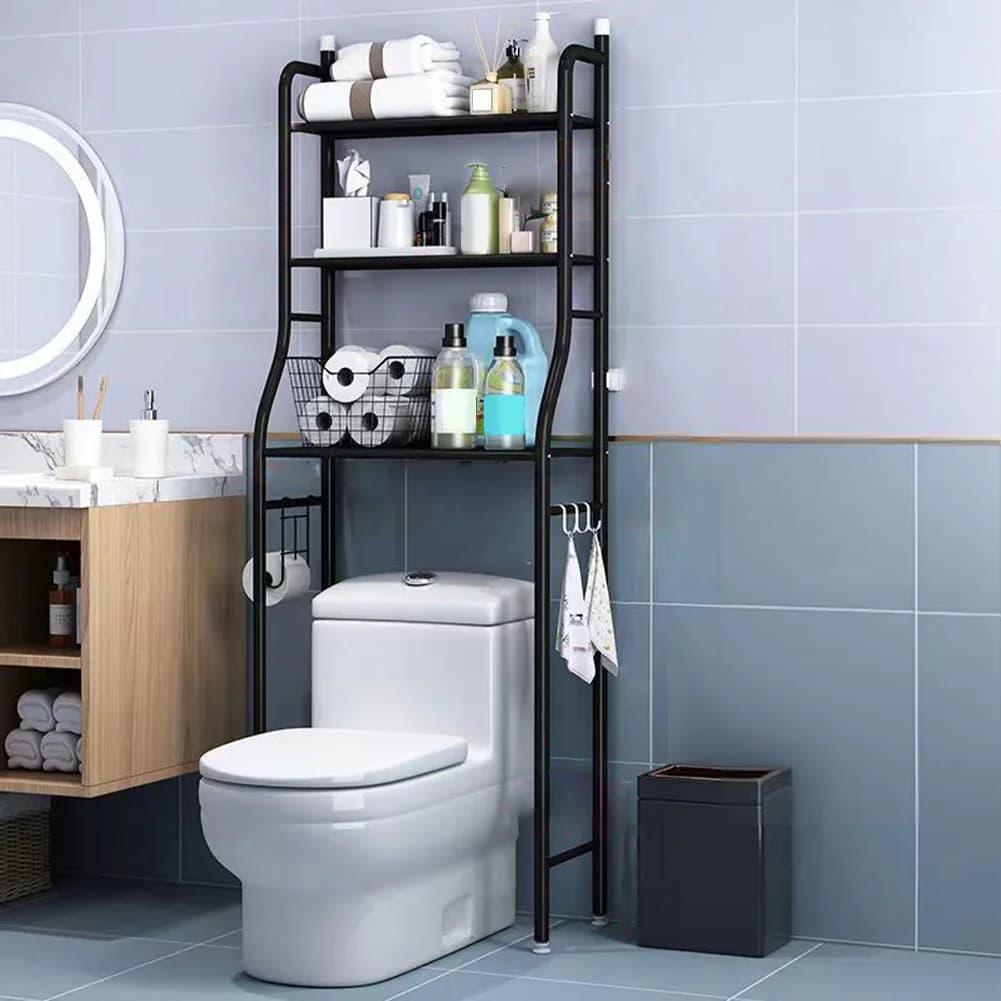
3-Tier Over-Toilet Storage Rack in Powder-Coated Carbon Steel
In stock · Options available · Ships in 7–21 business days
 Sale
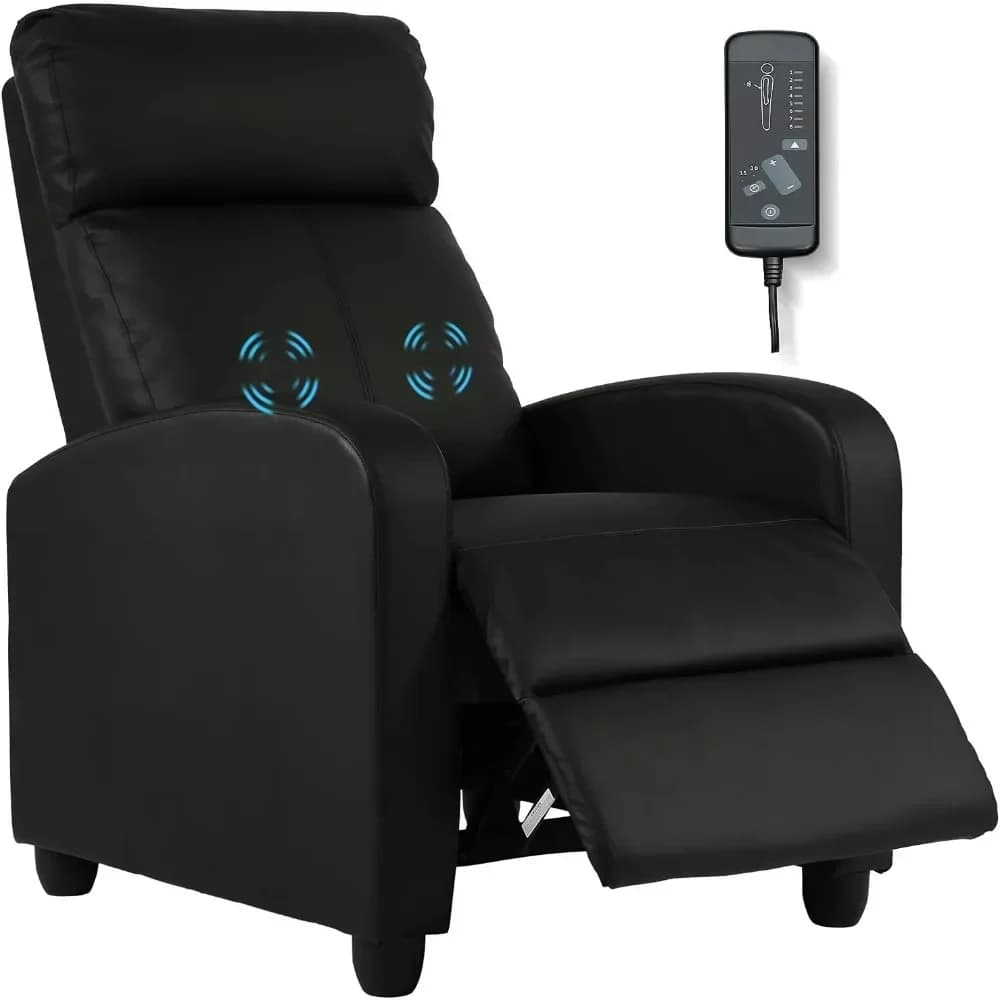
SaleWingback Massage Recliner Chair in PU Leather with Footrest
In stock · Options available · Ships in 7–21 business days
 Sale
SaleMid-Century Modern Accent Armchairs, Set of Two, Wood Frame
In stock · Options available · Ships in 7–21 business days

Fireplace Flame Ultrasonic Humidifier and Oil Diffuser
In stock · Options available · Ships in 7–21 business days
Continue reading
 Home & Kitchen
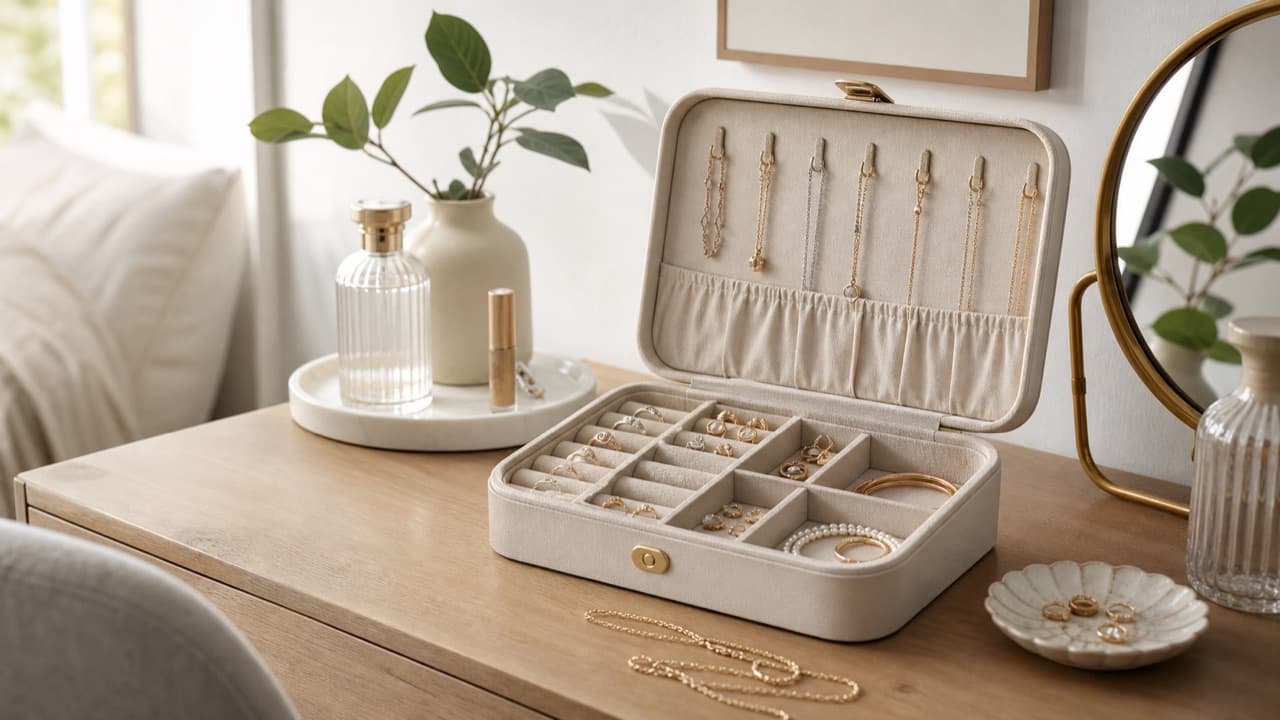
Jewelry Storage for Small Apartments: Minimalist Setups
Jewelry storage for small apartments: how to edit your collection, prevent tangles and tarnish, choose organizers by piece type and store valuables sensibly.
 Home & Kitchen
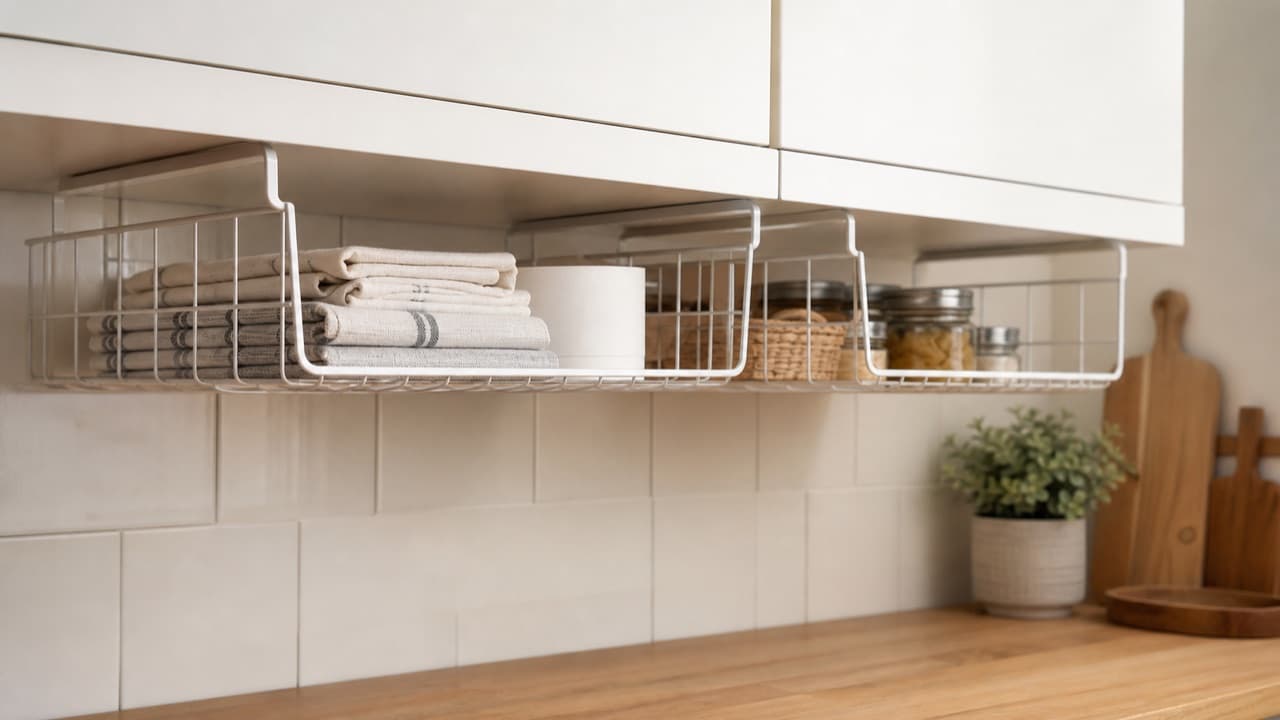
Under-Shelf Baskets for Small Apartments: Fit and Load Guide
Under-shelf baskets for small apartments: how to measure shelf thickness and clearance, which shelves can take them, load limits and the best spots to use one.
 Home & Kitchen
Knife Sharpening at Home: Stones, Rods and Pull-Throughs
Knife sharpening at home explained: honing vs sharpening, whetstone grits and angles, pull-through and electric sharpeners, serrated knives, and safe technique.