

Home Espresso Machine Types Explained for Beginners
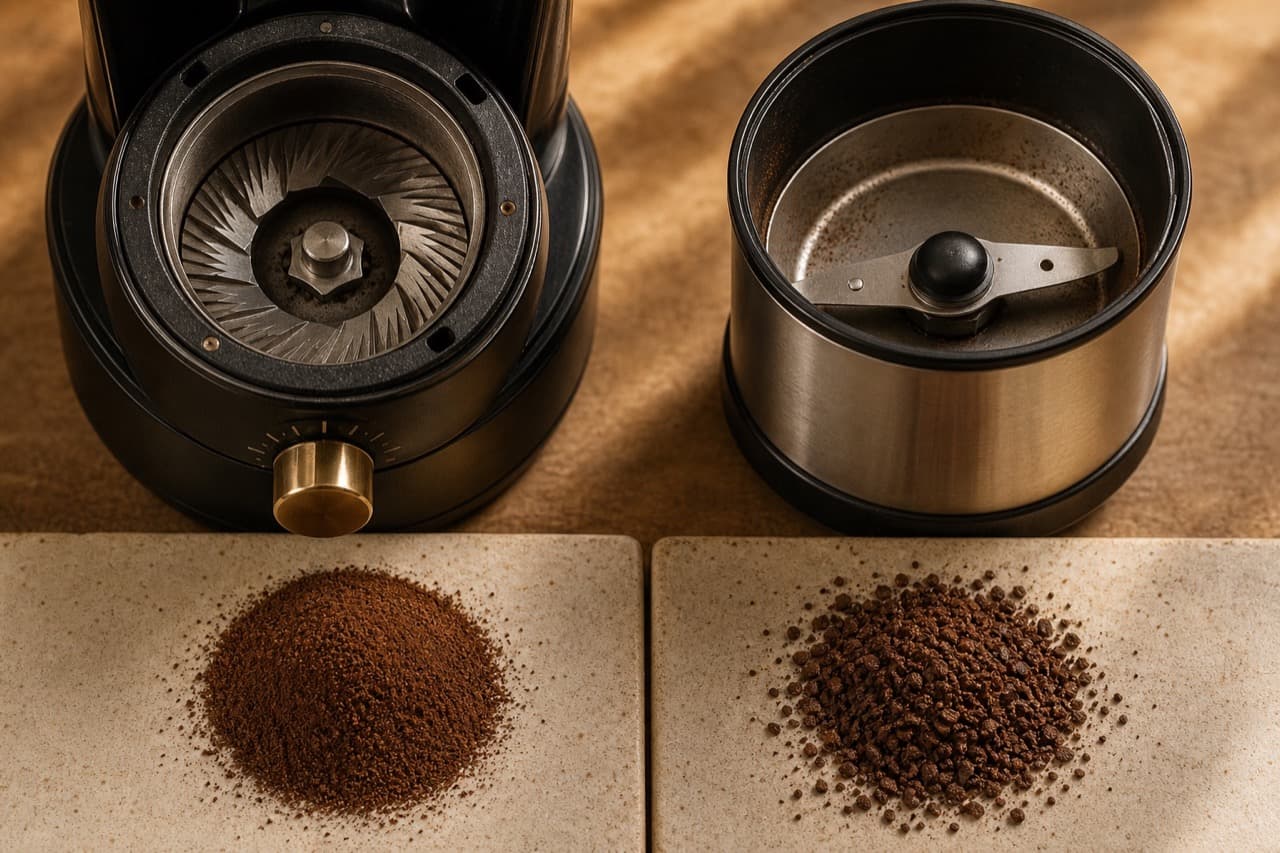
The main home espresso machine types are semi-automatic machines (single boiler, thermoblock, heat exchanger and dual boiler), manual lever machines, super-automatics that grind and brew at the touch of a button, and capsule machines. The right one depends on how many milk drinks you make, how much hands-on control you want, and whether you already own a grinder that can handle espresso. This guide is for anyone building a home espresso setup for the first time or upgrading from a pod machine, and it focuses on how each system works so you can read spec sheets with confidence.
Key takeaways
- Espresso is typically brewed at around 9 bar of pressure; a “15 bar” or “20 bar” label describes the pump’s maximum, not a better shot.
- Boiler design decides your milk workflow: single boilers make you wait between brewing and steaming, heat exchangers and dual boilers do both at once.
- Budget for an espresso-capable burr grinder; it affects shot quality as much as the machine does.
- Pressurized baskets forgive inconsistent grinding but cap quality; non-pressurized baskets reward a good grinder.
- Super-automatics trade control and some flavor for convenience, and need regular internal cleaning.
How espresso brewing works, in one paragraph
Hot water, usually around 195 to 205°F (90 to 96°C), is forced through a compacted puck of finely ground coffee at roughly 9 bar. A common starting recipe is 18 grams of coffee in, about 36 grams of liquid out (a 1:2 ratio) in roughly 25 to 35 seconds. Hitting that window repeatedly depends on three things: a grinder that can make small, consistent adjustments, a machine that holds temperature steadily, and a scale to weigh dose and output. Everything else is refinement. Our espresso dial-in guide covers adjusting grind to hit a recipe.
Home espresso machine types compared
| System | How it heats | Brew and steam at once? | Learning curve | Best for |
|---|---|---|---|---|
| Single boiler | One boiler switches between brew and steam temperature | No, wait between | Moderate | Mostly straight espresso, occasional milk drink |
| Thermoblock or thermocoil | Water heated on demand as it flows through a metal block | Some models, often sequential | Low to moderate | Fast warm-up, small kitchens, beginners |
| Heat exchanger (HX) | Steam boiler with a tube passing brew water through it | Yes | Moderate; may need a cooling flush | Several milk drinks in a row |
| Dual boiler | Separate brew and steam boilers, usually PID-controlled | Yes | Moderate | Enthusiasts wanting stable temperature and steaming power |
| Manual lever | Boiler or kettle; you create pressure by pulling a lever | Depends on design | High | Hobbyists who enjoy hands-on control |
| Super-automatic | Built-in grinder and thermoblock | Yes, often automatic milk | Very low | Convenience, households with mixed skill levels |
Single boiler and thermoblock machines
These are the usual entry point. A single boiler holds water at brewing temperature, then heats further to make steam, so after steaming milk you need to cool it down before the next shot. Thermoblock machines heat water on demand and warm up in a minute or two, which suits people who make one drink in the morning. Look for a PID controller, which holds temperature more precisely than a basic thermostat, and a standard portafilter size such as 51, 54 or 58 mm so baskets and tampers are easy to find.
Heat exchanger and dual boiler machines
If you make lattes and cappuccinos back to back, these remove the waiting. A heat exchanger keeps a large steam boiler hot and runs brew water through a tube inside it; after idling, brew water can run too hot, so many owners flush a little water before pulling a shot. Dual boilers keep brew and steam water separate and are the most stable, but they are bigger, heavier and slower to warm up, often 15 to 30 minutes unless the machine has a fast-heat mode. Many need a dedicated outlet, since two heating elements can draw more than 1,500 watts.
Manual lever machines
Lever machines let you control pressure by hand, and spring-lever designs give a naturally declining pressure profile. They are mechanically simple and can last a long time, but the learning curve is steep and consistency depends on you.
Super-automatic and capsule machines
Super-automatics grind, dose, tamp, brew and often froth milk at the push of a button. They are convenient for households where several people want different drinks. The trade-offs are less control over grind and dose, a built-in grinder you cannot upgrade, and more internal parts to descale and clean. Capsule machines are simpler still and very consistent, but cost more per cup and limit you to compatible pods.
The grinder, scale and water: the rest of the system
Espresso needs a fine, even grind adjustable in small steps. Blade grinders cannot do it, and many entry-level burr grinders are designed for drip and pour-over. Check that a grinder is specifically described as espresso-capable. Electric options like the Starseeker E55 Electric Coffee Grinder and hand grinders like the Timemore Chestnut C2 are on ADLTHUB; check each product page for grind range and whether it suits espresso, and see our manual coffee grinder buying guide for the trade-offs.
A scale with 0.1 g resolution and a built-in timer, such as the Timemore Black Mirror Coffee Scale, lets you measure dose, yield and shot time together.
Water matters for both taste and machine life. Hard water deposits scale inside boilers and thermoblocks, which is a leading cause of espresso machine repairs. Use filtered water as the manual recommends and descale on schedule; avoid fully distilled water unless the manufacturer approves it, since some machines rely on minerals for water-level sensors.
Mistakes to avoid
- Buying on bar numbers. Higher maximum pump pressure is not better espresso; temperature stability and grind quality matter far more.
- Spending everything on the machine. A great machine with a poor grinder makes sour, inconsistent shots. Many experienced home baristas suggest splitting the budget fairly evenly between the two.
- Using pre-ground coffee in a non-pressurized basket. Supermarket pre-ground coffee is usually too coarse and stale for espresso; use a pressurized basket or grind fresh.
- Ignoring maintenance. Backflush (on machines with a three-way valve), clean the group gasket and shower screen, and replace the gasket when it hardens, often every year or so with daily use.
- Forgetting counter and power needs. Measure height under cabinets, including room to fill the reservoir, and check outlet capacity.
Which espresso system fits you
- Pick a thermoblock or single boiler with a PID if you mostly drink espresso or one milk drink a day and want to learn the craft on a budget.
- Pick a heat exchanger if you make several milk drinks in a row and do not mind a cooling flush.
- Pick a dual boiler if you want temperature stability, strong steam and plan to keep the machine for many years.
- Pick a lever if the hands-on process is the point for you.
- Pick a super-automatic if convenience for a busy household outweighs control, and you are happy to keep up with cleaning cycles.
- Consider a moka pot or AeroPress first if you are unsure about the commitment; neither makes true espresso, but both make strong coffee for a fraction of the cost.
Planning the space too? The coffee station setup guide covers layout and storage, and the home and kitchen category lists grinders, scales and accessories.
Frequently asked questions
What is the difference between a single boiler and a dual boiler espresso machine?
A single boiler uses one boiler for both brewing and steaming, so you switch temperatures and wait between tasks. A dual boiler has separate boilers for each, letting you brew and steam at the same time with more stable brew temperature.
How many bars of pressure do you need for espresso?
Espresso is typically extracted at about 9 bar. Pumps rated at 15 or 20 bar are common, but that figure is the pump’s maximum capacity; the machine or the coffee puck limits the actual brewing pressure.
Is a super-automatic espresso machine worth it?
It is worth it if convenience is the priority and several people want quick drinks. If you want the best possible shot and enjoy adjusting grind and dose, a semi-automatic with a separate grinder offers more control and easier upgrades.
Do I need a separate grinder for an espresso machine?
Unless the machine has one built in, yes. Espresso requires a fine, consistent grind that blade grinders and many drip-focused burr grinders cannot produce, and fresh grinding makes a large difference in flavor.
What is a heat exchanger espresso machine?
It is a machine with one large steam boiler and a tube running through it that heats brew water on its way to the group. It lets you brew and steam simultaneously, though brew water can overheat after idling, so a short flush is common.
Shop Home & Kitchen
View all →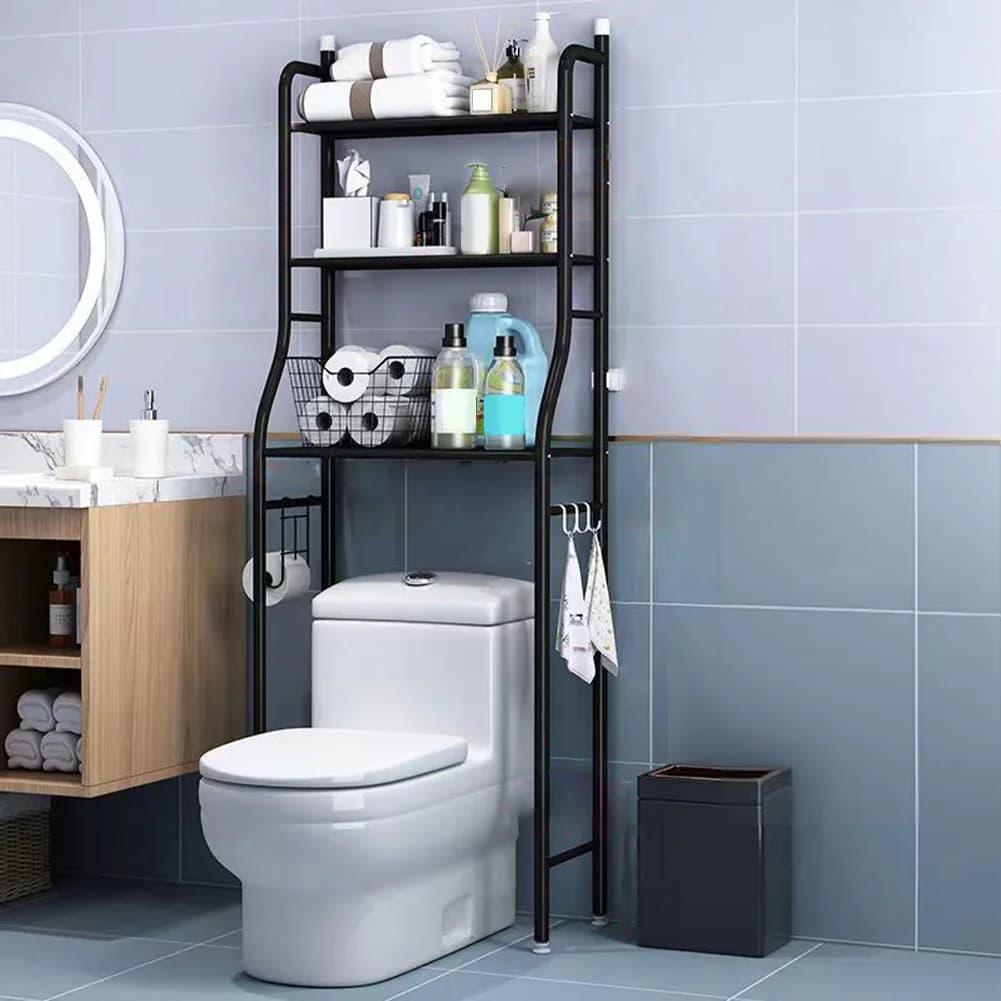
3-Tier Over-Toilet Storage Rack in Powder-Coated Carbon Steel
In stock · Options available · Ships in 7–21 business days
 Sale
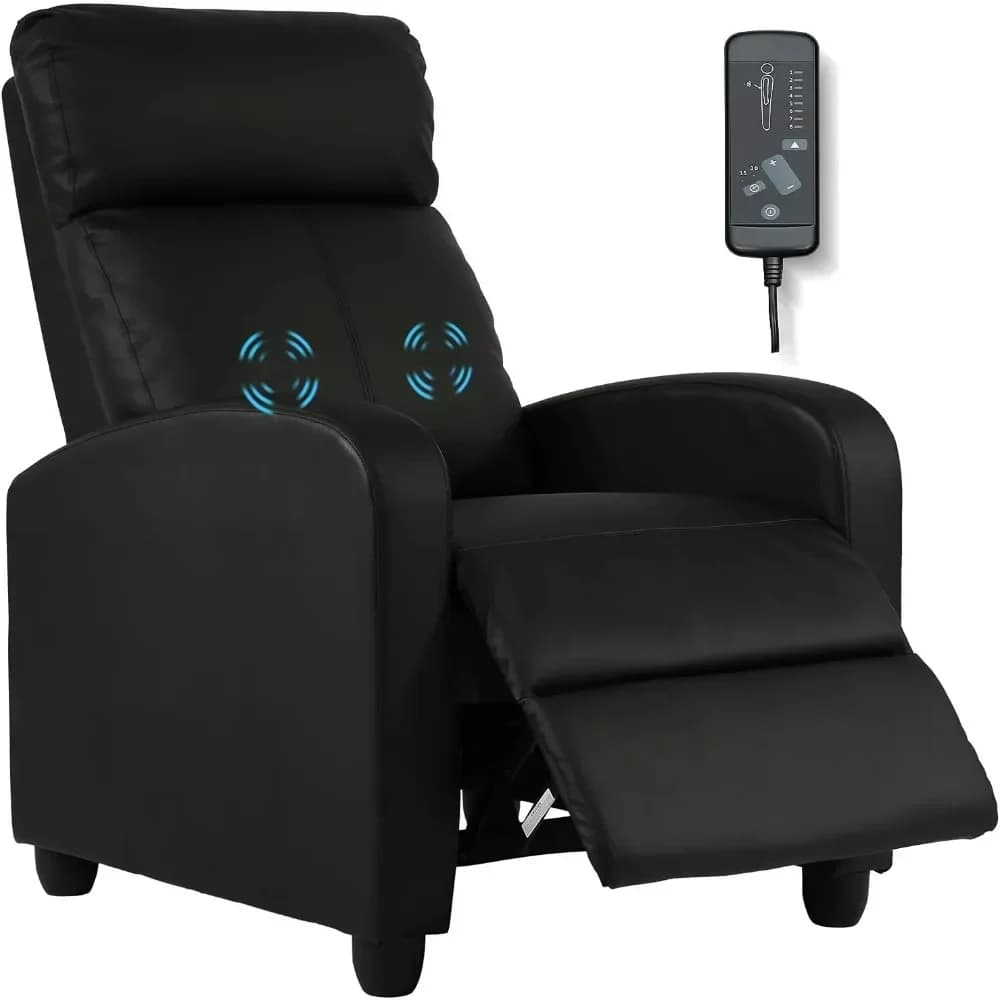
SaleWingback Massage Recliner Chair in PU Leather with Footrest
In stock · Options available · Ships in 7–21 business days
 Sale
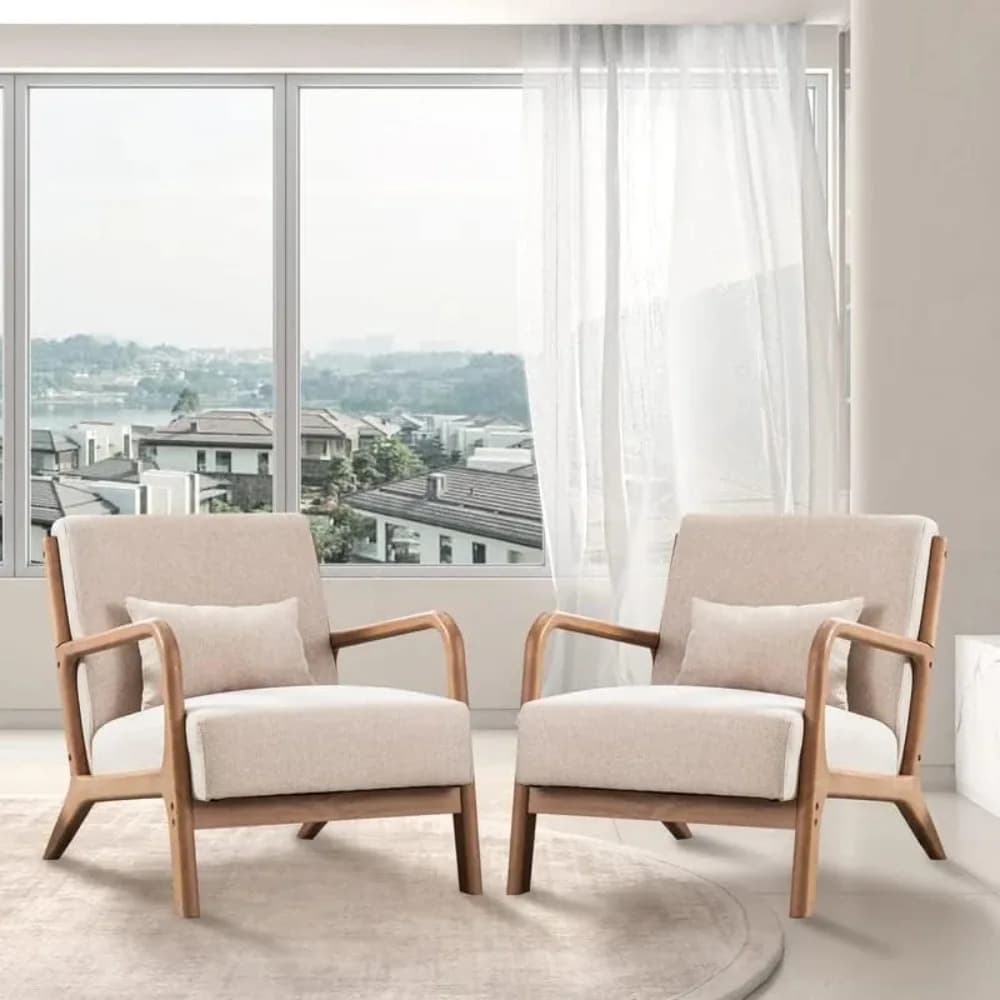
SaleMid-Century Modern Accent Armchairs, Set of Two, Wood Frame
In stock · Options available · Ships in 7–21 business days
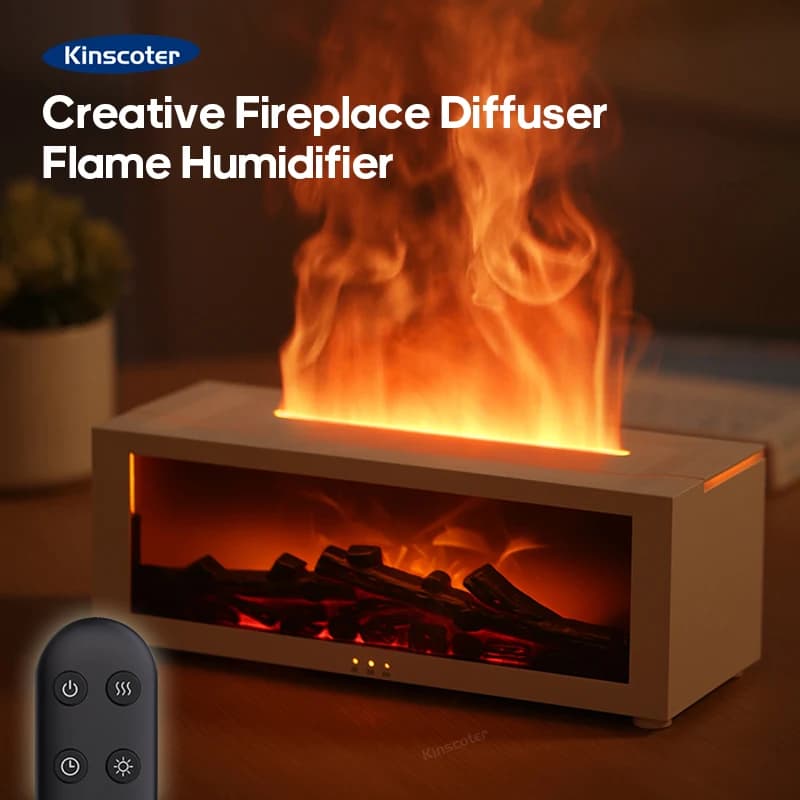
Fireplace Flame Ultrasonic Humidifier and Oil Diffuser
In stock · Options available · Ships in 7–21 business days
Continue reading
 Home & Kitchen
Knife Sharpening at Home: Stones, Rods and Pull-Throughs
Knife sharpening at home explained: honing vs sharpening, whetstone grits and angles, pull-through and electric sharpeners, serrated knives, and safe technique.
 Home & Kitchen
Robot Vacuum Setup: Stop It Getting Stuck at Home
Robot vacuum setup that stops it getting stuck: prep rooms for the first map, set no-go zones, tame cords, rugs and thresholds, and keep sensors clean.
 Home & Kitchen
Is a Robot Vacuum Worth It for Your Home? Fit Checklist
Is a robot vacuum worth it for your home? Check thresholds, rug pile, dark floors, furniture clearance, pets, stairs and dock space before you buy one.