
Headphones for Remote Work: ANC, Microphones, Comfort and Multipoint Guide
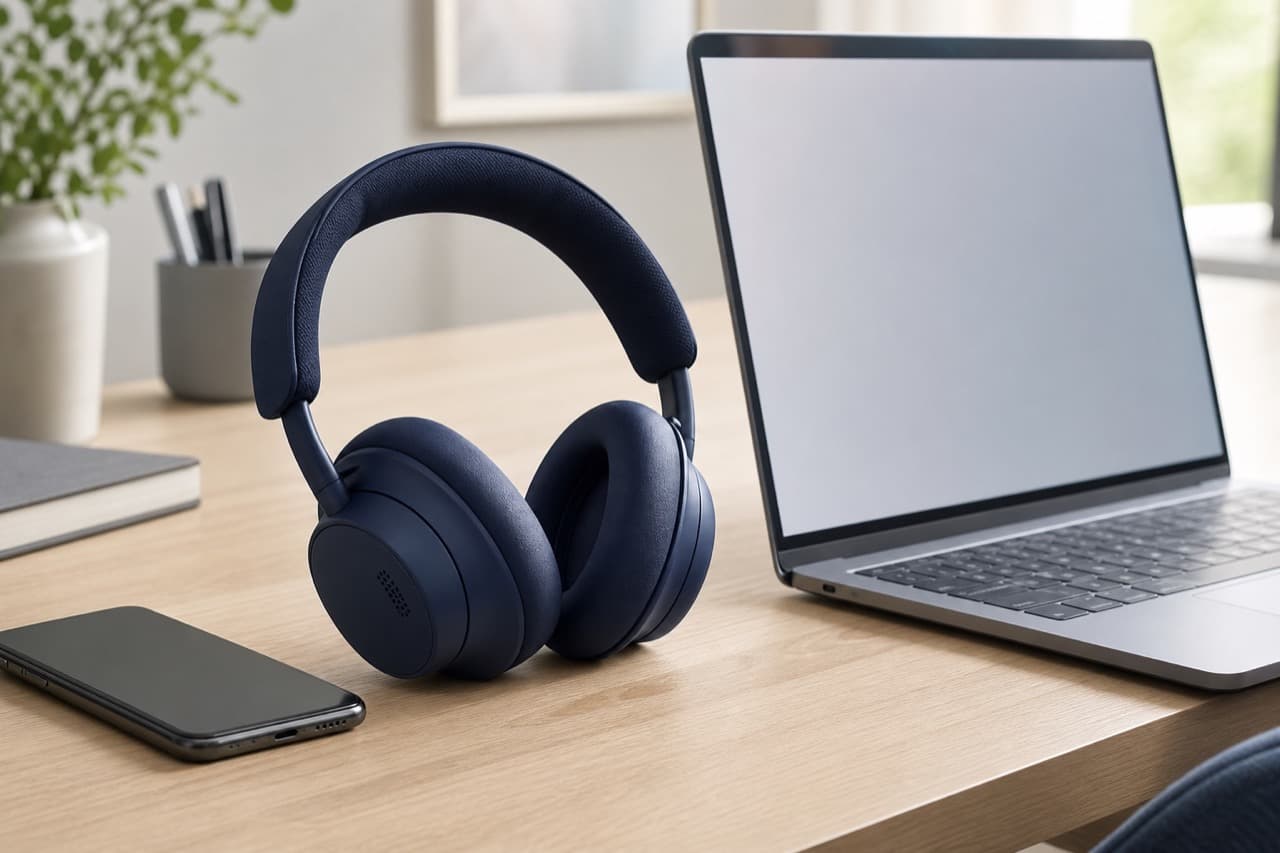
Headphones for Remote Work: ANC, Microphones, Comfort and Multipoint can be a smart purchase when it solves a real problem, fits your space or routine, and remains easy to use after the first week. Many shoppers compare only price and appearance, but the better decision usually comes from checking fit, setup, material quality, comfort, safety, maintenance, warranty, and return terms together.
This Headphones for Remote Work guide is written for practical online shoppers in the US, Europe, Australia, and similar markets. Use it to understand what matters before ordering, what details to verify on the product page, and how to avoid buying something that looks good but does not suit your daily life.
Start with the job you need it to do
Before comparing specifications, describe the main job in plain language. Are you buying for travel, a small apartment, home office work, grooming, fitness, cleaning, audio, clothing care, storage, or everyday convenience? The right choice depends on the setting. A compact item may be perfect for travel but frustrating at home. A powerful model may be useful for heavy tasks but awkward for quick daily use.
Write down where you will use it, how often, who else will use it, and what problem it must solve. This simple step prevents impulse buying and helps search engines and shoppers understand the intent of the page: useful guidance, not thin product filler.
Quick buying checklist
- Size and fit: check dimensions, weight, capacity, cable length, strap range, room size, or storage space depending on the product.
- Materials: compare fabrics, plastics, metal parts, coatings, filters, batteries, seals, handles, and finishes.
- Performance: look for realistic everyday performance, not only the biggest headline number.
- Ease of use: confirm setup steps, controls, cleaning, charging, refills, replacement parts, and instructions.
- Safety: check heat, electricity, water exposure, skin contact, children, pets, ventilation, and manufacturer warnings.
- Ownership cost: include filters, bags, bands, cables, batteries, accessories, subscriptions, and replacement parts.
How to compare product listings
Online listings often highlight the most attractive claims first. Read beyond the first image. Look for exact dimensions, compatibility notes, included accessories, care instructions, warranty details, and delivery information. If a listing uses vague phrases such as premium quality or professional grade without explaining materials or limits, compare it with clearer alternatives.
For electronics, check charging standards, plug type, app compatibility, privacy settings, firmware support, and whether the device still works without a subscription. For home products, check surface compatibility, room size, mounting requirements, ventilation, and cleaning needs. For clothing, bags, and wearable items, check fit charts, fabric behavior, stretch, weight, closures, and return conditions.
Comfort and daily usability
A product that is uncomfortable or annoying rarely becomes a good value. Think about the repeated actions: carrying it, cleaning it, charging it, folding it, refilling it, wearing it, storing it, or moving it between rooms. Small irritations become important when the item is used every day.
Good usability usually means clear controls, stable placement, sensible size, readable instructions, and parts that are easy to clean or replace. If you are buying for an older family member, a child, a shared household, or a small workspace, prioritize simple operation over features that only one person understands.
Quality signs to look for
Quality is not only about price. Look for neat stitching, smooth edges, stable hinges, secure clips, reliable zippers, consistent finish, replaceable filters, clear labels, and realistic specifications. Product photos should show scale, ports, seams, controls, attachments, and the item in use. Reviews are more useful when they mention long-term use rather than first impressions.
Be careful with products that show many accessories but do not explain what each one does. Accessories are helpful only when they match your task. Extra pieces can also make storage harder, especially in small homes or travel bags.
Safety and compatibility checks
Safety depends on product type, but the principle is the same: match the item to the environment. Check voltage and plug compatibility for travel electronics. Keep heat tools away from surfaces that can scorch. Use water-related products only within the stated rating. Follow fabric, skin, food, appliance, and floor-care instructions when relevant.
If the product touches skin, hair, food, pets, children, or electrical outlets, read the warnings before first use. If it affects health, pain, allergies, medication, sleep, or medical conditions, treat online advice as general information and ask a qualified professional when needed.
Setup before first use
When the order arrives, inspect it before discarding packaging. Confirm the model, size, color, plug, parts, manual, and accessories. Test basic operation while you are still inside the return window. For app-connected products, check pairing, account requirements, notifications, data sharing, and whether essential features are locked behind a paid plan.
For furniture, lights, storage racks, and mounted products, measure twice before assembly. For grooming, cleaning, coffee, fitness, and travel items, start gently and learn the controls before using maximum settings.
Maintenance and long-term value
The best product is one you can maintain. Check whether filters, blades, bags, bands, pads, batteries, cables, brushes, seals, or other consumables are available. A cheaper item can become expensive if replacements are hard to find. A slightly more expensive item can be better value if it is easier to clean and repair.
Create a simple care routine: wipe after use, dry before storage, charge before travel, empty tanks or bins, wash removable parts, and store accessories together. These habits protect performance and make the purchase last longer.
Common mistakes to avoid
- Buying only because the discount looks large.
- Ignoring measurements, compatibility, or return rules.
- Choosing the most powerful version when a smaller one is easier to use.
- Forgetting replacement parts, filters, cables, bags, or subscriptions.
- Assuming one product will work equally well for travel, home, office, and outdoor use.
Questions to ask before buying
Can I store it easily? Will I use it weekly? Does it fit my room, body, device, clothing, surface, or routine? Are the instructions clear? Can I clean it without special tools? Are replacement parts available? Does the seller explain warranty and returns clearly? If several answers are uncertain, pause before ordering.
FAQ
How do I know if headphones for remote work: anc, microphones, comfort and multipoint is worth buying?
It is worth considering when it solves a specific problem, fits your space or routine, and has clear product details, realistic reviews, and acceptable return terms.
Should I choose the cheapest option?
Not always. Compare total value, including durability, comfort, accessories, replacement parts, warranty, and how often you will use it.
What should I check first on the product page?
Start with dimensions, compatibility, materials, included parts, safety notes, care instructions, delivery estimate, and return eligibility.
Final buying advice
Choose headphones for remote work: anc, microphones, comfort and multipoint by matching the product to your real use case, not only to photos or discounts. A clear product page, practical specifications, comfortable setup, easy maintenance, and honest limitations are stronger buying signals than hype. Keep images, descriptions, measurements, and FAQ details aligned so the page is useful for shoppers and easier for search engines to understand.
Shop Tech & Gadgets
View all →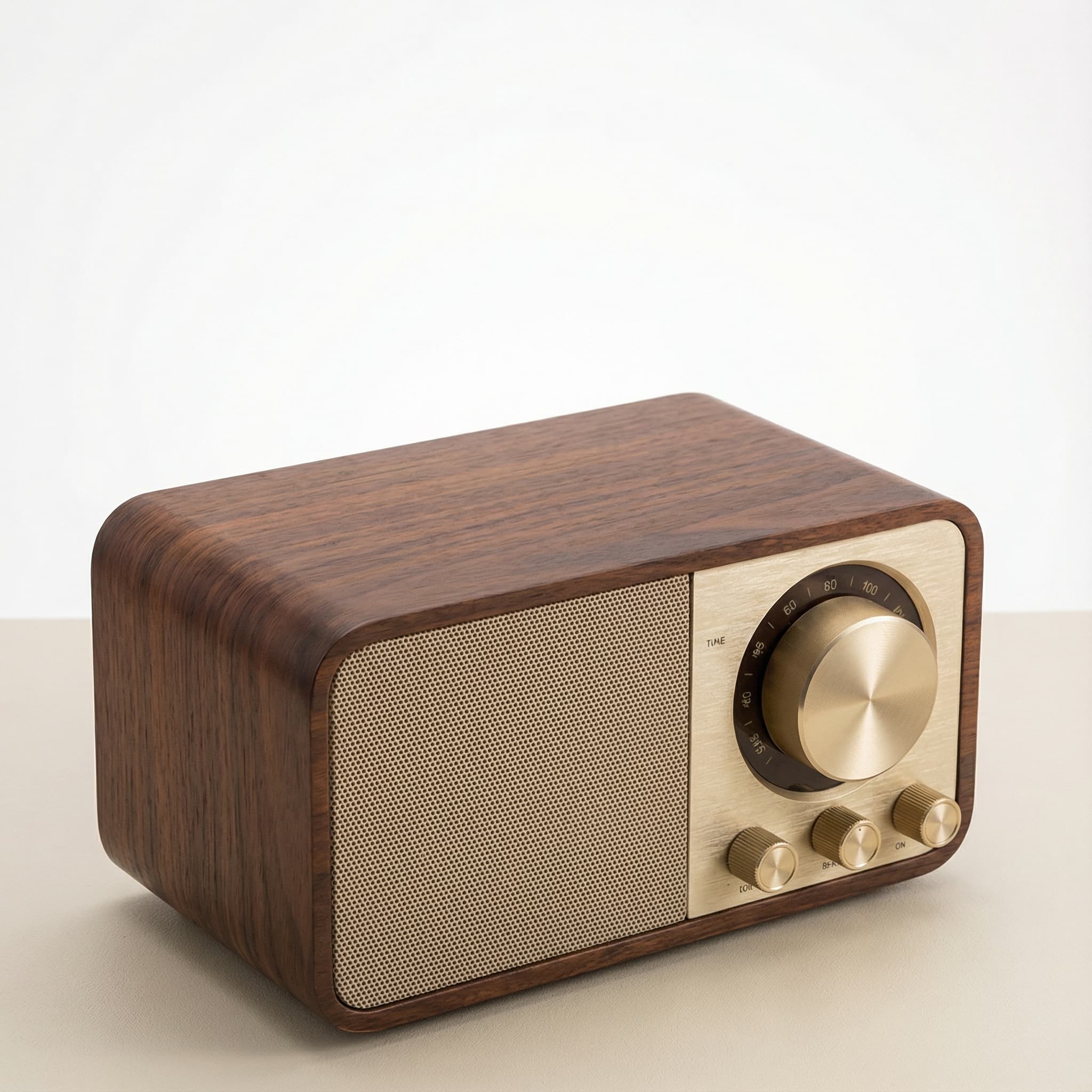
Continue reading
 Tech & Gadgets
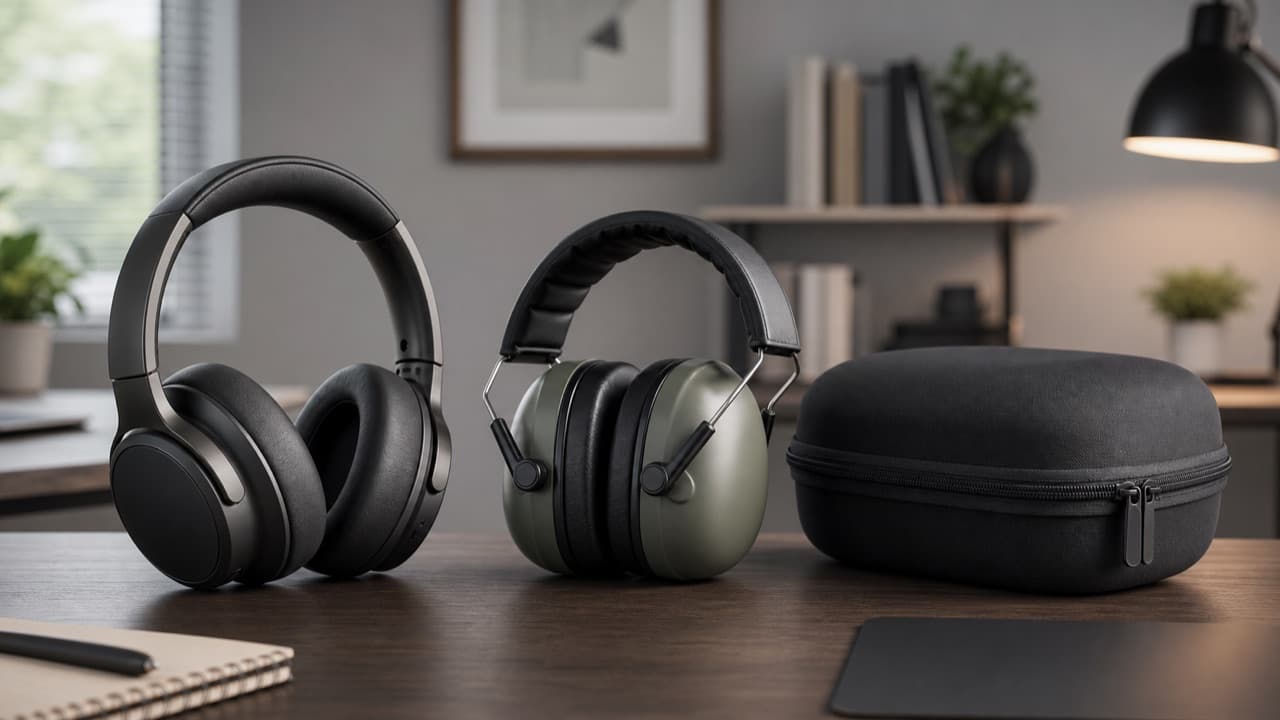
ANC vs Passive Noise Isolation in Headphones
Understand what earcups, fit and active processing can and cannot reduce.
 Tech & Gadgets
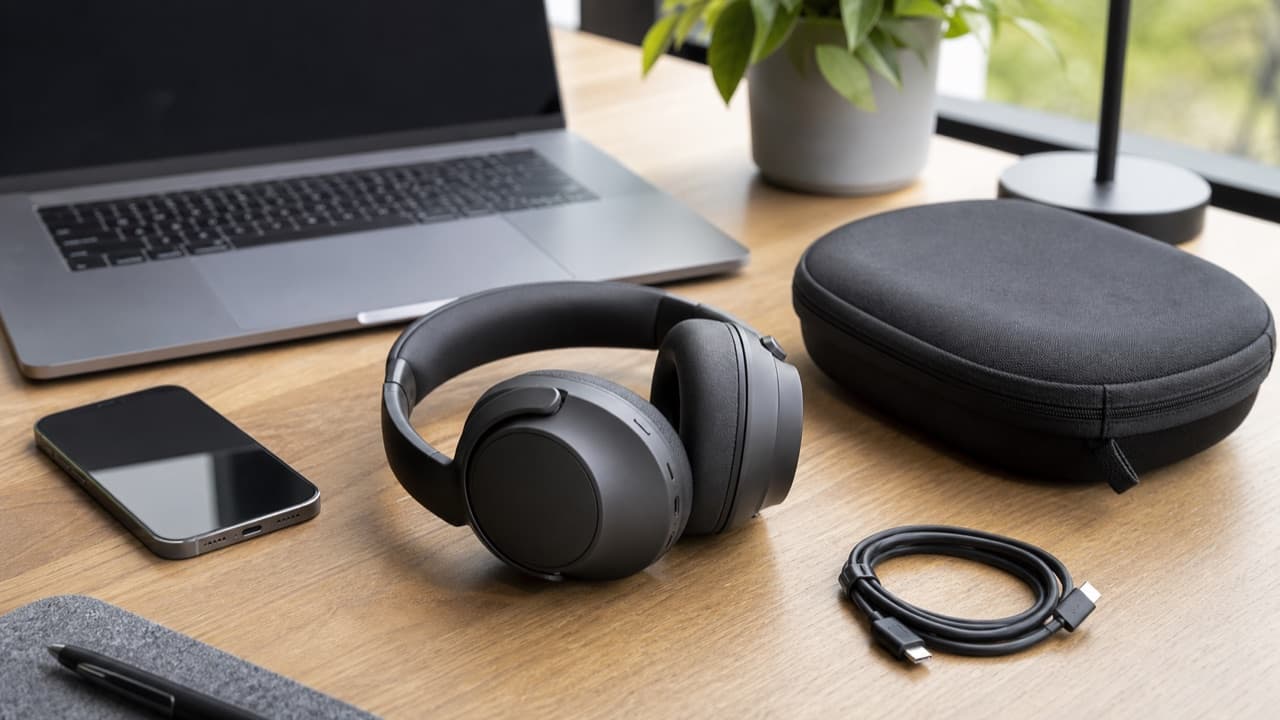
ANC Headphone Battery Life: What Affects Runtime? Guide
Compare anc headphone battery life: what affects runtime? by fit, features, safety, setup, durability, care, budget, and daily-use needs before buying online.
 Tech & Gadgets
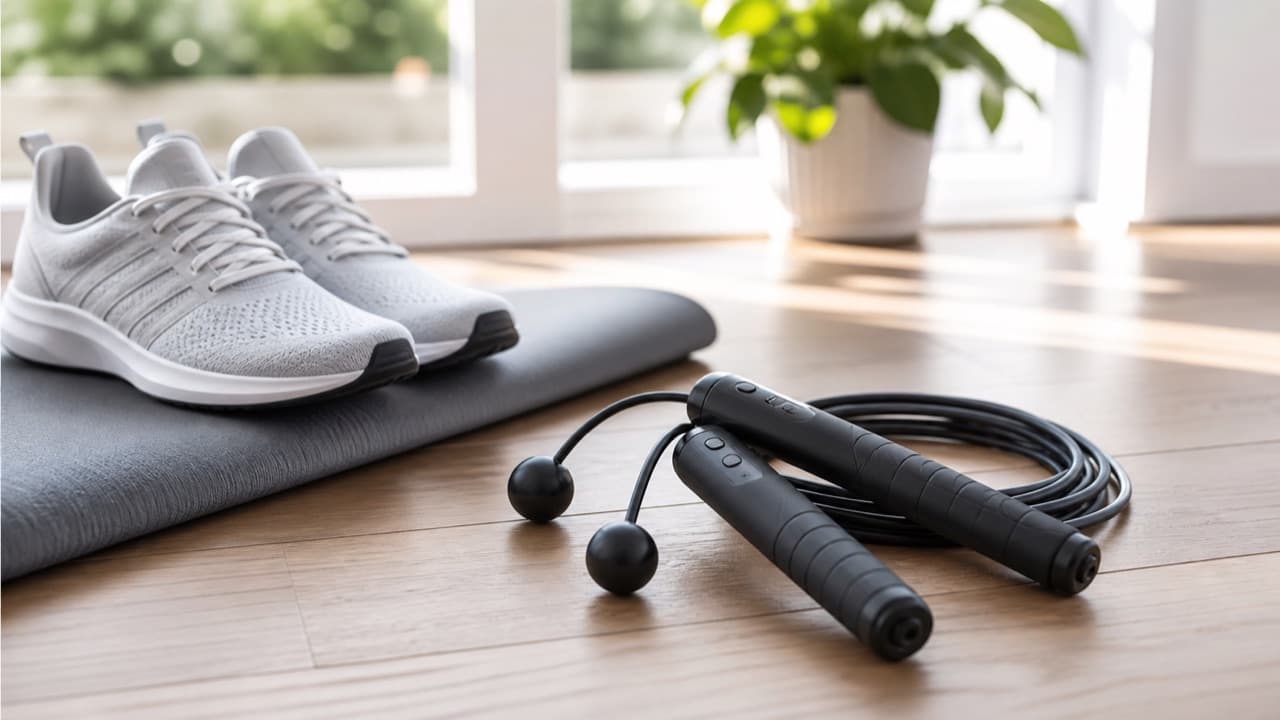
Smart Jump Rope Training Guide: Counts, App Features and Workout Progress
Choose and use a smart jump rope by checking rope length, handles, app tracking, counting accuracy, surface, skill level, and training safety.