

Noise-Cancelling Earbuds vs Over-Ear Headphones: Which to Buy
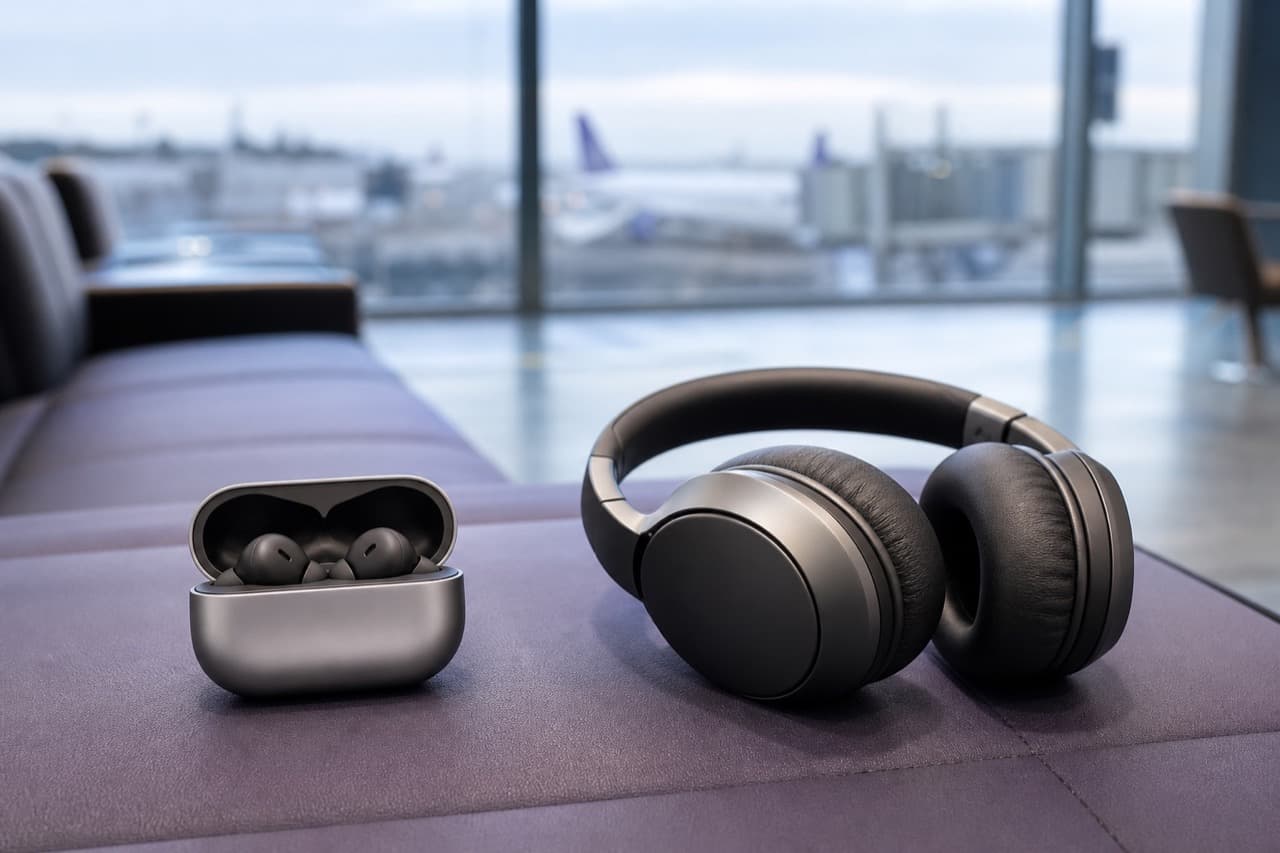
Over-ear headphones usually cut low, steady noise such as engine drone more effectively and last longer per charge, while noise-cancelling earbuds win on portability and passive sealing when the tips fit well. If you are choosing between noise-cancelling earbuds vs over-ear headphones for commuting, flights, an open-plan office or the gym, this guide shows where each type actually pulls ahead.
Key takeaways
- Active noise cancelling (ANC) works best on steady, low-pitched sound such as airplane engines, trains and air conditioning. It does far less against voices and sudden sounds, so passive isolation still matters.
- Earbuds typically run roughly 4 to 8 hours per charge with ANC on, with the case extending that to a day or two. Over-ear models commonly run 20 hours or more on a single charge.
- A good seal decides everything for earbuds. If no supplied ear tip seals, the ANC will underperform no matter what the spec says.
- Over-ear pads and headbands add clamp force, heat and weight, which some people find tiring after a few hours and others prefer to earbud pressure.
- Whichever you buy, use transparency or ambient mode when walking near traffic, and keep the volume moderate. ANC lets you listen at a lower volume in noise, which is easier on your ears.
How ANC works, and why form factor matters
ANC uses microphones to pick up ambient sound and generates an opposing signal to reduce it. It handles slow, repetitive, low-frequency noise well and struggles with fast, irregular sound such as speech, so every ANC product also relies on physical blocking. That is the same reason we compare ANC and passive noise isolation separately.
Over-ear headphones have a large cup that covers the ear and rests against the head, giving them a big passive barrier plus room for larger drivers, more microphones and bigger batteries. Earbuds sit in the ear canal; a snug silicone or foam tip blocks noise physically, and the small distance between the microphone and your eardrum helps the electronics respond quickly. Neither always wins: a well-sealed pair of earbuds can beat a poorly fitted over-ear headset, and the reverse.
Side-by-side comparison
| Factor | Noise-cancelling earbuds | Over-ear headphones |
|---|---|---|
| Low-frequency noise (engines, trains) | Good with a proper seal | Usually stronger, thanks to larger cups and more mics |
| Voices and office chatter | Good passive block if sealed | Good; visible as a “do not disturb” signal |
| Battery per charge | Typically about 4 to 8 hours; case adds more | Commonly 20 hours or more |
| Portability | Fits in a pocket | Needs a case or bag; folding designs help |
| Comfort over long sessions | Ear pressure and fatigue for some people | Clamp force, warmth and weight for some people |
| Sports and sweat | Better suited; check a sweat or water rating | Usually poorer: warm, and pads can slip |
| Risk of loss | Small and easy to drop or lose | Harder to lose |
| Wear items | Ear tips are cheap; batteries are small and sealed | Ear pads are often replaceable; battery is larger |
Battery, charging and lifespan
Battery life is the clearest practical gap. Earbuds hold small cells, so playback per charge is short, and you rely on the charging case. Over-ear headphones have room for a large cell and can be used for a long-haul flight or several commuting days on one charge. Check whether a short quick-charge (for example, a few minutes for a few hours of playback) is claimed and whether it uses USB-C. For runtime factors such as volume, codec and ANC mode, our ANC headphone battery life guide explains what to expect.
Both types use sealed lithium-ion batteries that lose capacity gradually over years of use. Earbud batteries are tiny, and when one wears down, the pair is typically not economical to repair. Over-ear pads and, in some models, the headband cushion can be replaced, so ownership cost tends to be lower over time.
Calls, connectivity and codecs
Call quality depends on microphone count and wind handling, and earbuds have the microphones farther from your mouth. Over-ear headphones can carry a boom or multiple beamforming mics closer to the mouth. Look for Bluetooth multipoint if you switch between a laptop and a phone, and check the codec support if you care about audio quality: SBC and AAC are common baselines, while others depend on both the headphones and your source device. Our Bluetooth codec and range guide covers what those labels mean and which device pairs benefit.
Situations: flights, commuting, office and gym
- Long flights: Over-ear is the safer pick for engine drone and battery life, but earbuds can work if you pack a spare ear-tip size and a charging case.
- Daily commute: Either works. Earbuds are easier on crowded trains; over-ear is easier to put on and take off with gloves.
- Open-plan office: Over-ear headphones signal that you are focusing, and they hold up over an eight-hour day for many people.
- Gym and running: Earbuds, ideally with a sweat and water rating and secure fit. Use transparency mode outdoors so you can hear traffic.
- Sleeping: Standard earbuds and headbands are awkward when lying on your side. Look for a design made for sleeping instead of forcing a regular pair.
Mistakes to avoid
- Judging ANC by the box. Marketing decibel numbers are measured under their own conditions; fit, seal and noise type change your real result.
- Skipping ear-tip sizing. Try each supplied size. A tip that is even slightly too small breaks the seal and reduces bass and noise reduction.
- Ignoring transparency mode. ANC makes traffic, cyclists and announcements harder to hear, so switch modes when you walk or cycle.
- Buying for a single scenario. A pair chosen only for flights may be uncomfortable for an eight-hour workday, and vice versa.
- Forgetting cleaning. Earwax and sweat clog earbud meshes and degrade pads; see how to clean headphones and portable speakers.
- Turning up the volume to beat noise. Using ANC and moderate volume is gentler on hearing than cranking it to cover the noise.
How to choose between earbuds and over-ear
- Pick over-ear if you fly often, work in a noisy office, want long battery life, or dislike anything in your ear canal.
- Pick earbuds if you exercise, carry everything in your pockets, or wear glasses and hats that make headphones uncomfortable.
- Pick over-ear if you take many calls and want the microphone close to your mouth.
- Pick earbuds if you can confirm a proper seal with the ear-tip sizes provided and you are fine with recharging from a case.
If you want listings to compare, ADLTHUB carries ANC wireless headphones such as the Baseus Bowie H1s ANC Wireless Headphones and the QCY H3 ANC Wireless Headphones. Check each product page for the exact specifications, battery details, delivery and returns. More audio gear is in the electronics and accessories category.
Frequently asked questions
Are over-ear headphones better at noise cancelling than earbuds?
Often, but not always. Over-ear headphones usually reduce low-frequency noise such as engines better because of larger cups, more microphones and more passive blocking. Earbuds with a good seal can match them in some conditions, so fit matters as much as form factor.
Which is better for flying, earbuds or over-ear?
Over-ear headphones are the safer choice for long flights because of longer battery life and stronger reduction of engine drone. Earbuds are lighter to pack and easier to sleep in, but check the battery life with ANC on and make sure you have a good ear-tip seal.
Can noise-cancelling headphones damage your hearing?
ANC itself does not harm hearing, and it can let you listen at a lower volume in noisy places. The risk comes from prolonged loud volume, so keep it moderate and take breaks. If you notice ringing or discomfort, stop and ask a healthcare professional.
Do noise-cancelling earbuds block all sound?
No. They reduce steady low-frequency noise well and provide some passive isolation, but voices and sudden sounds still come through. That is by design in transparency mode, and it is why you should stay alert around traffic.
How long do noise-cancelling earbuds and headphones last?
The battery in either type gradually loses capacity, and many owners notice a drop after a couple of years of regular use. Earbuds are harder to service because of their small sealed batteries, while over-ear pads and cushions are often replaceable.
Shop Tech & Gadgets
View all →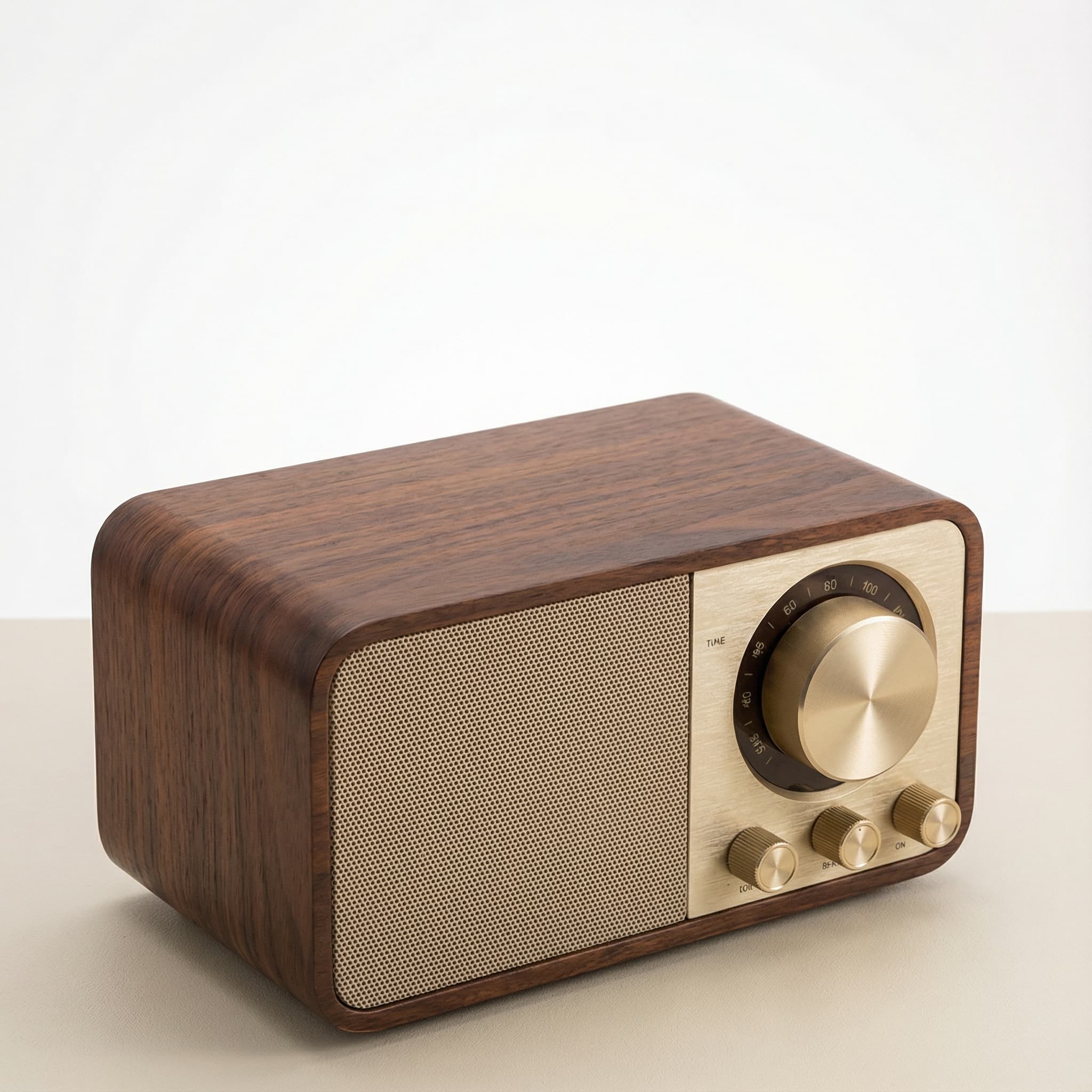 Sale
SaleRetro Wood-Cabinet Bluetooth Speaker with FM Radio
In stock · Ships in 7–21 business days
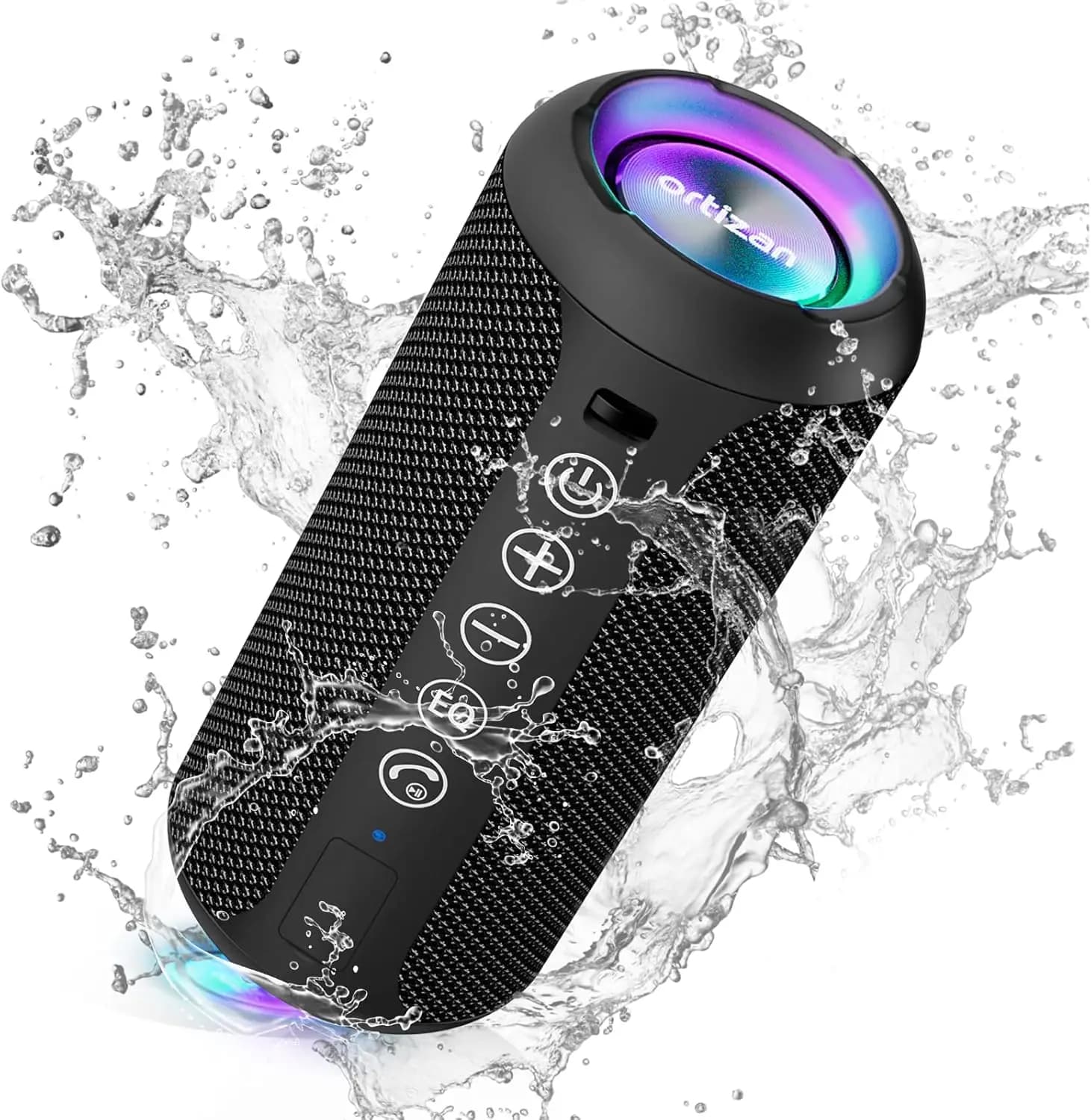
Ortizan X10 Portable Bluetooth Speaker with RGB Lights
In stock · Options available · Ships in 7–21 business days
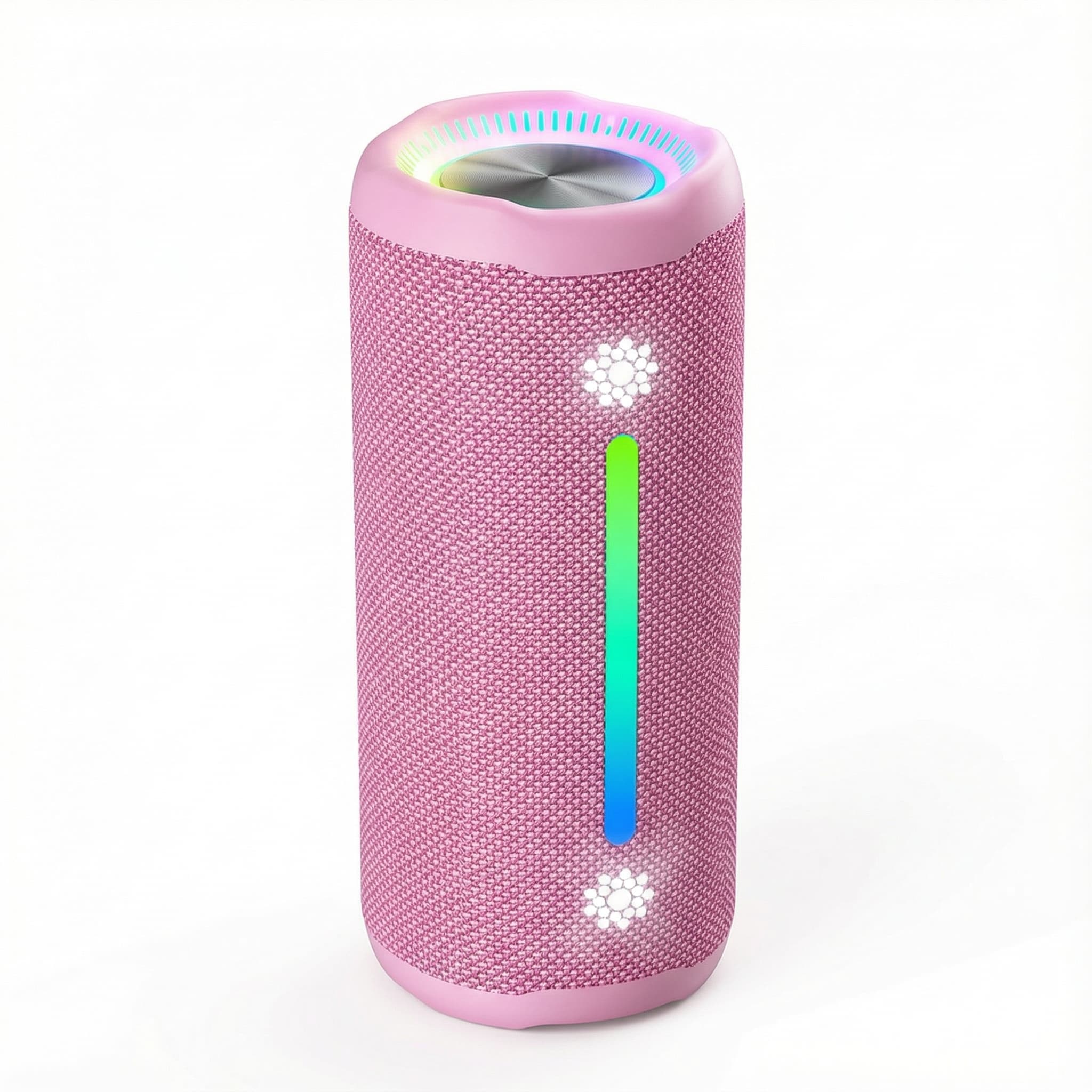
Ohayo X10 Max Bluetooth Speaker with Bass Boost and Lights
In stock · Options available · Ships in 7–21 business days
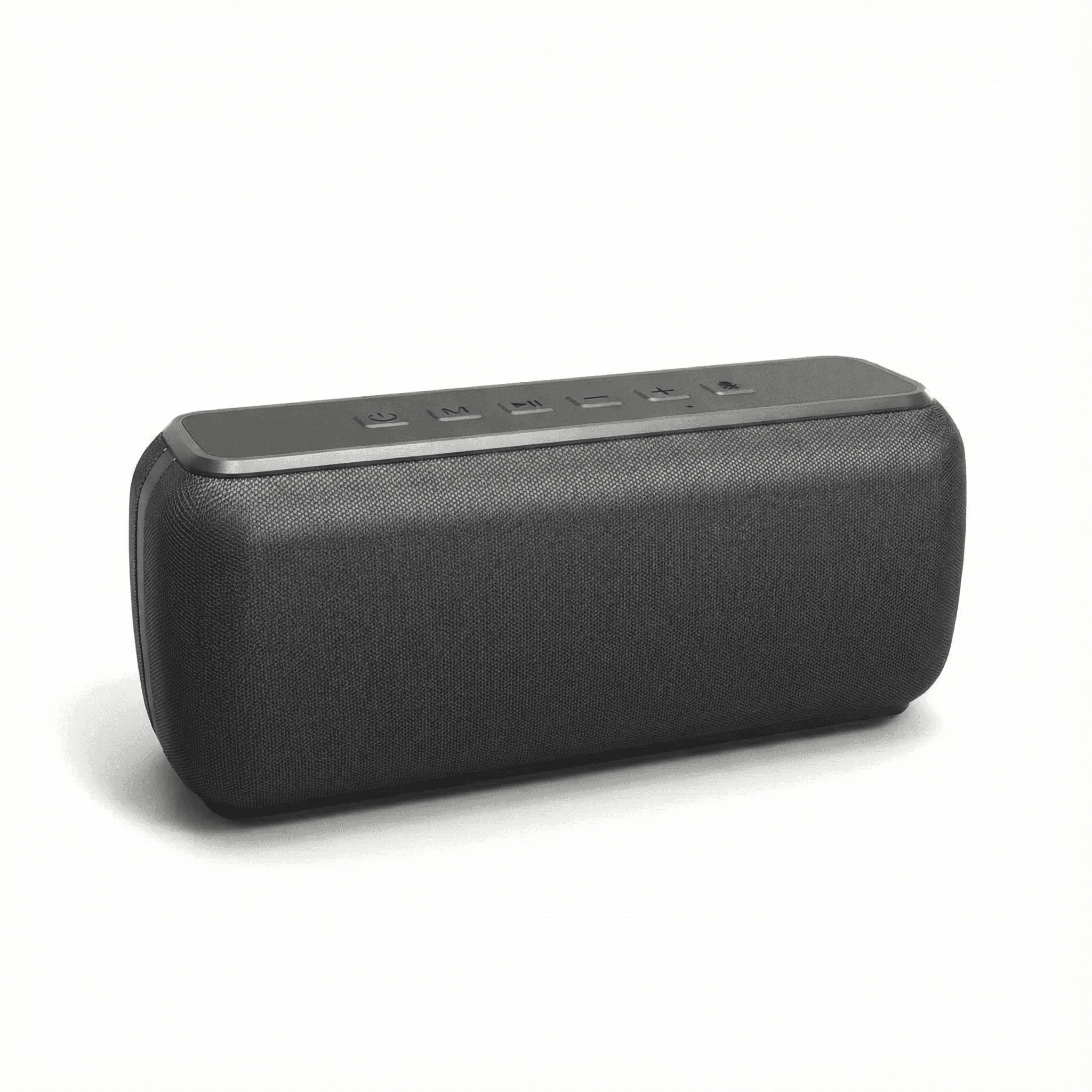
Xdobo X8 II Portable Bluetooth Speaker with Power Bank
In stock · Options available · Ships in 7–21 business days
Continue reading
 Tech & Gadgets
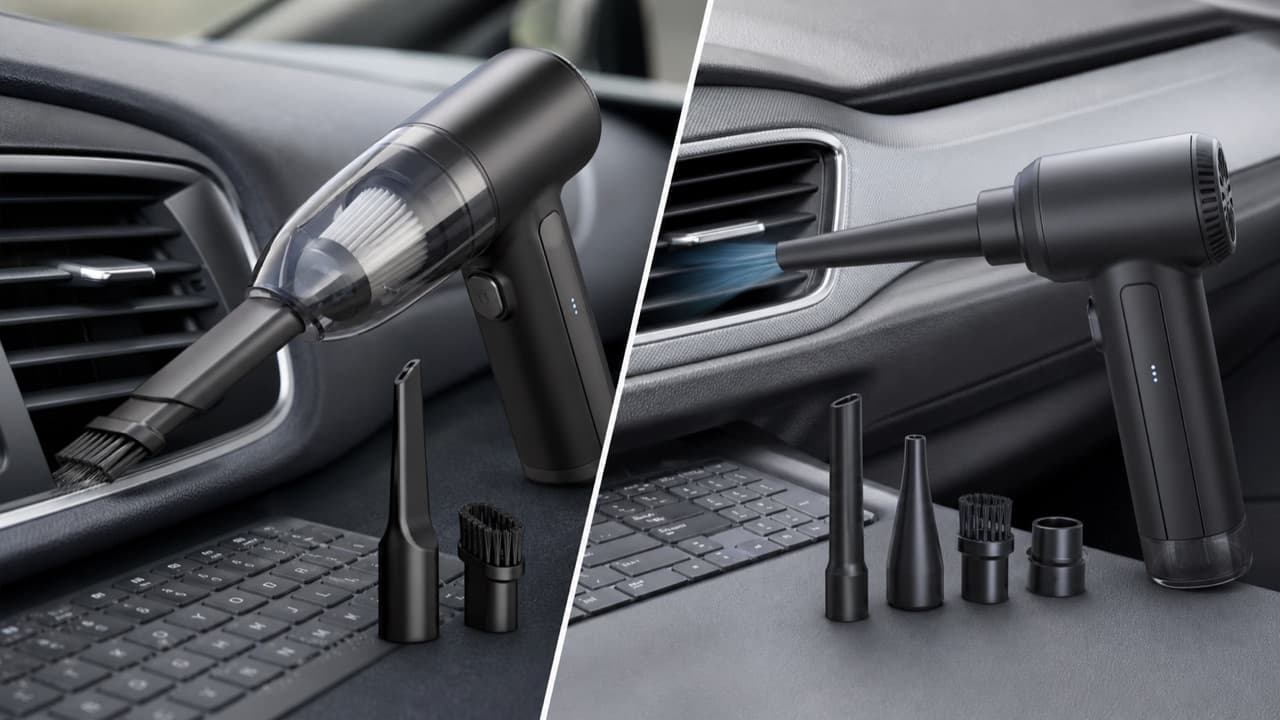
Car Vacuum vs Air Duster: Which Cleans Your Car Better?
Car vacuum vs air duster: what each tool removes, why blowers move dust rather than collect it, 2-in-1 trade-offs and a blow-then-vacuum routine for cars.
 Tech & Gadgets
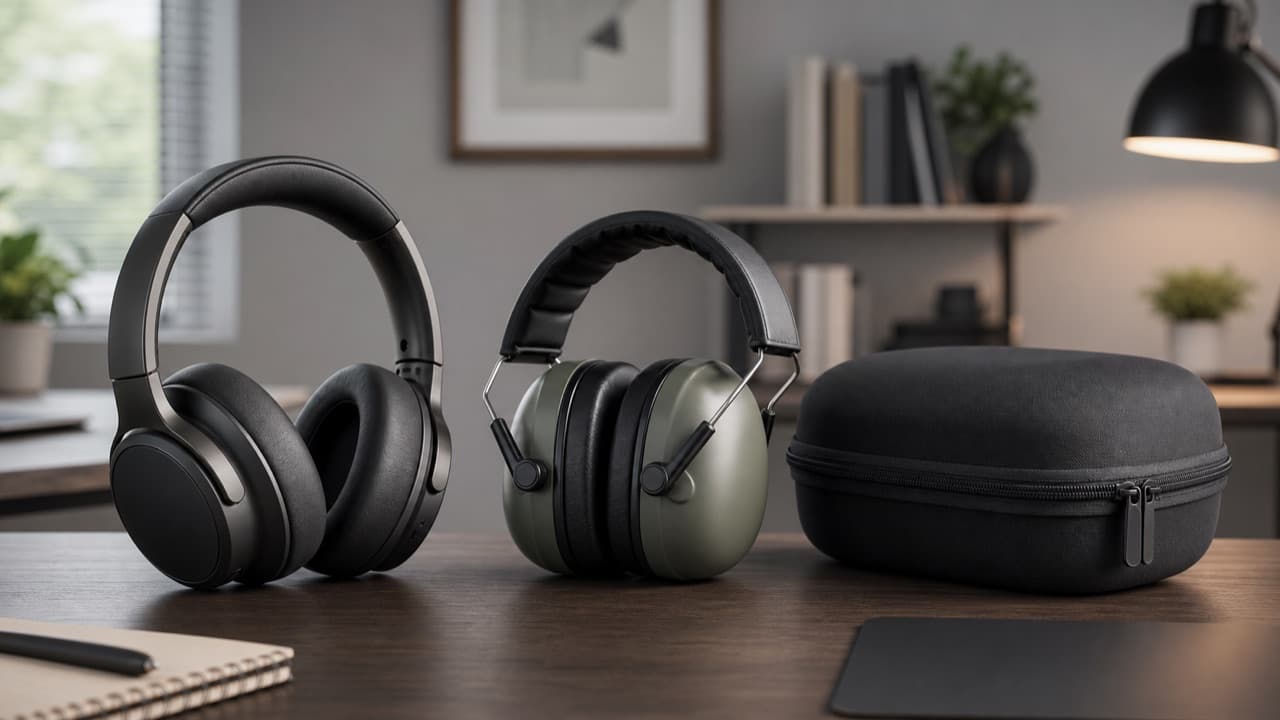
ANC vs Passive Noise Isolation: What Each Blocks
ANC vs passive noise isolation explained: which sounds each one reduces, why fit matters so much, and which headphones suit planes, offices and transit.
 Tech & Gadgets
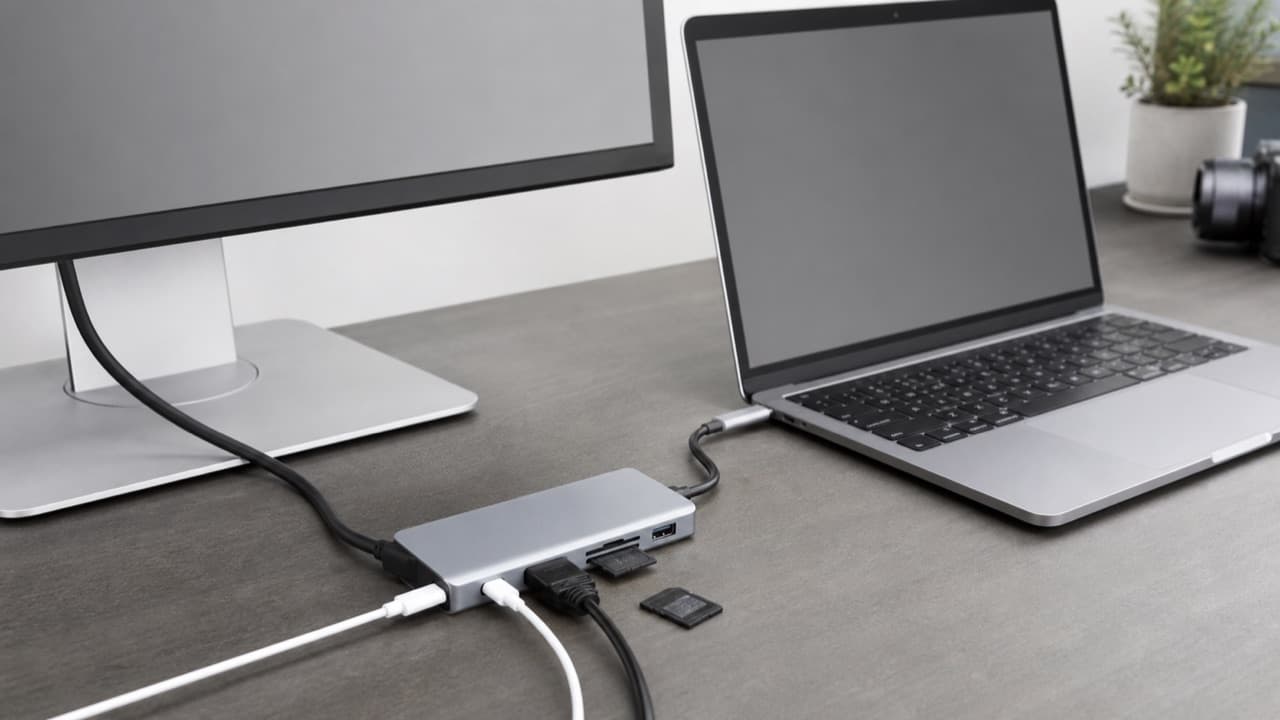
USB-C Hub Buying Guide: Ports, Video and Power Explained
USB-C hub buying guide: check what your laptop port supports, read data speed labels, size power pass-through and match the video and ports you need.