

Handheld Vacuum Buying Guide: Runtime, Suction, Filters

The right handheld vacuum is the one you will actually grab: light enough to use one-handed, with a bin and filter you can empty in seconds and enough runtime on its normal setting to finish the job in front of you. Big suction numbers matter less than most listings suggest. This handheld vacuum buying guide is for people who want a quick-clean tool for crumbs, stairs, upholstery, pet hair or the car alongside their main vacuum, and it explains how to read the specs, which attachments earn their place, and where cheap handhelds tend to fail.
Corded 12V vs cordless car vacuums
| Factor | Corded 12V (power socket) | Cordless (rechargeable) |
|---|---|---|
| Runtime | Unlimited while connected | Typically 10 to 30 minutes on normal power, much less on boost |
| Power ceiling | Limited by the socket’s fuse, often 10 to 15 amps (roughly 120 to 180 watts) | Limited by battery size and heat |
| Convenience | Cord to manage; needs a long enough lead to reach the trunk | Grab and go; also useful at home |
| Car battery impact | Can drain the battery if the engine is off for long sessions | None |
| Long-term wear | No battery to wear out | Battery capacity fades over years; check if it’s replaceable |
If you go corded, measure from your front power socket to the far corner of your trunk. Many cars need around 13 to 16 feet (4 to 5 m) of cord to reach everywhere. Check your vehicle manual for the socket’s rating, and avoid running long sessions with the engine off. If you go cordless, look for USB-C charging if you’d like to top it up from the car or a laptop charger, and confirm the charging time.
Car vacuum suction: what Pa, kPa and air watts mean
Most handheld car vacuums advertise suction in pascals or kilopascals. That figure describes the pressure difference the motor can create when the inlet is blocked (sometimes called sealed suction). It’s a real property, but it isn’t the whole story:
- Airflow matters just as much. Lifting crumbs and sand needs moving air. A vacuum with high sealed suction but weak airflow can still struggle with loose debris.
- There’s no single required test. Different brands measure differently, and listing figures are rarely independently verified. Treat large numbers with healthy skepticism.
- Air watts, when stated, combine suction and airflow into one figure and are more useful for comparison, but few car vacuums publish them.
- Nozzle design is a force multiplier. A narrow crevice tool concentrates airflow, which is why the same vacuum performs much better in seat gaps with the right tool on.
In practice, the best signals are a clear statement of power modes, how runtime changes between them, the attachments included and a filter that’s easy to clean. Embedded sand in carpet and pet hair in fabric are the hardest tests for any small vacuum.
Key takeaways
- Decide on the three jobs you will do most often, then buy for those; a crumb-and-counter vacuum and a pet-hair stair vacuum are different tools.
- Compare runtime on the normal setting, not the maximum figure, which usually comes from the lowest power mode.
- Suction in pascals (Pa) is not measured the same way across brands; use it as a rough guide only.
- A motorized brush makes a bigger difference on pet hair and fabric than extra suction.
- Check that replacement filters are sold for the exact model before you buy.
- Bin size of a few hundred milliliters is normal; anything smaller fills quickly with pet hair or cereal.
Start with the jobs, not the spec sheet
Handheld vacuums are good at short, frequent, targeted cleanups. Before comparing models, list the jobs:
- Kitchen crumbs, counters and high chairs: light weight and a wide nozzle matter most. A crevice tool handles toaster crumbs and drawer corners.
- Stairs and upholstery: a motorized mini brush and a reasonable runtime matter most, because carpeted stairs take longer than you expect.
- Pet hair: a motorized brush with an easy-to-clear roller, a sealed bin, and a washable or replaceable fine filter.
- Car interiors: a slim crevice tool, a long-reach extension and a compact body. Our car vacuum buying guide covers seat gaps, footwells and storing a vacuum in the car.
- Workshop or garage: fine dust, drywall dust and ash can clog or damage a small household handheld. Use a vacuum rated for that debris.
If you are deciding between a handheld and a robot vacuum for daily floor cleaning, see handheld vacuum vs robot vacuum; the short version is that robots maintain floors and handhelds handle everything above them.
How to read suction and power claims
Pascals, air watts and volts
Listings describe power in several ways, and they are not interchangeable:
- Pascals (Pa): a measure of suction pressure. Figures vary widely and test conditions are rarely stated, so two “same Pa” vacuums can perform very differently. Pressure alone also ignores airflow, which is what carries debris.
- Air watts (AW): combines airflow and suction and is more useful for comparison when listed, but many budget handhelds do not publish it.
- Battery voltage (V): common handheld packs are roughly 7.2 to 21.6 V. Higher voltage often means a stronger motor, but also a heavier pack.
- Motor watts: describes power draw, not cleaning performance.
The practical takeaway: use suction claims to separate weak from strong, not to rank similar models. Nozzle design, brush type and a well-sealed filter often decide real pickup more than headline numbers.
Runtime: the number that disappoints most
Cordless handhelds commonly run somewhere around 10 to 30 minutes on their normal setting and only a few minutes on boost. Listings often quote the longest figure, achieved on the lowest mode with no motorized tool attached. Look for the runtime on the mode you will use, and check recharge time, which can be several hours. A replaceable battery extends the useful life of the vacuum, because lithium-ion cells lose capacity over years of charging. For keeping that battery healthy, many of the same habits in our portable speaker battery care guide apply.
Filters, bins and maintenance
A handheld that clogs is a handheld that sits in a cupboard. Check:
- Filter type: many handhelds use a stainless mesh pre-filter plus a pleated or foam main filter. “HEPA” in a listing means the filter material; whether the whole vacuum seals well enough to stop fine dust leaking past it is a separate matter that listings rarely confirm.
- Washability: washable filters must dry completely, typically 24 hours, before refitting. Running a damp filter can damage the motor and grow mildew. A spare filter means you can wash one while using the other.
- Replacement cost and availability: filters wear out. If the seller does not list replacements, assume you may not find them later.
- Bin release: one-button bottom-opening bins are faster and less messy than twist-off bins. Hair often wraps around cyclone parts, so look for a design you can reach into.
- Brush roll access: motorized brushes tangle with long hair. A roll you can remove without tools saves frustration.
Our car vacuum filter and maintenance guide walks through emptying and drying routines that apply to any compact cordless vacuum.
Handheld vacuum types compared
| Type | Strengths | Weak points | Best for |
|---|---|---|---|
| Compact cordless (low voltage) | Light, cheap, always ready | Short runtime, small bin, weaker on carpet | Crumbs, counters, desks |
| Cordless with motorized brush | Lifts pet hair and lint from fabric | Heavier, roller tangles | Stairs, sofas, pet beds |
| Corded handheld | Unlimited runtime, steady suction | Cord limits reach; needs an outlet | Long upholstery or stair sessions |
| Stick vacuum with handheld mode | Doubles as floor vacuum | Bulkier handheld unit, higher cost | Small homes wanting one tool |
| Wet/dry handheld | Handles small liquid spills | Needs careful cleaning to avoid odors | Kitchens, kids’ spills |
Handling, noise and storage
- Weight and balance: most cordless handhelds weigh roughly 1.5 to 3.5 pounds (0.7 to 1.6 kg). Balance matters as much as weight; a nose-heavy design tires your wrist on overhead jobs like curtain tops.
- Trigger or switch: a lock-on switch is easier for long jobs; a trigger saves battery during start-stop cleanups.
- Noise: small high-speed motors can be high-pitched. If you vacuum while a baby naps or late at night, check whether the listing quotes a decibel level and compare like for like.
- Charging and storage: a wall dock or charging stand keeps it visible and charged. USB-C charging is convenient for the car and travel; check the charger is included.
ADLTHUB carries several compact cordless models that work around the house and in the car, including the Cordless Stick Vacuum for Home & Car, the Cordless Handheld Car Vacuum and the Xiaomi Car Vacuum Cleaner. Check each product page for its attachments, filter details, charging method, delivery and returns.
Mistakes to avoid
- Buying on the biggest Pa figure. Unstated test conditions make those numbers hard to compare, and a poorly sealed filter wastes suction anyway.
- Trusting maximum runtime. It usually reflects the weakest mode. Plan around the normal-mode figure.
- Vacuuming liquids with a dry-only model. Water can reach the motor and battery. Only wet/dry models are designed for spills.
- Picking up hot ash, fine plaster or toner. These can damage the motor, clog filters or create a fire risk. Use equipment rated for them.
- Refitting a damp filter. It can encourage mildew and damage the motor. Let it dry fully.
- Ignoring parts availability. A vacuum without replaceable filters or batteries has a short useful life.
How to choose the right handheld vacuum
- Pick a light compact cordless if your jobs are kitchen crumbs, desks and quick spot cleans.
- Pick a model with a motorized brush if you have pets, carpeted stairs or fabric sofas.
- Pick a corded handheld if you clean upholstery or stairs for long stretches and hate waiting on a charge.
- Pick a slim, long-nozzle model if it will spend most of its life in the car.
- Pick a stick vacuum with a handheld mode if you want one tool for small-apartment floors and above-floor cleaning.
Browse vacuums and cleaning tools in the home and kitchen category.
Frequently asked questions
How long should a handheld vacuum battery last?
Per charge, many cordless handhelds run roughly 10 to 30 minutes on normal power and only a few minutes on boost. Over its lifetime, a lithium-ion battery gradually loses capacity, so a replaceable battery extends the vacuum’s useful life.
Is a handheld vacuum good for pet hair?
Yes, if it has a motorized brush or a rubber-bristle tool and a bin you can empty easily. Plain suction nozzles struggle with hair woven into fabric.
What does Pa mean on a vacuum?
Pa stands for pascals, a unit of suction pressure. It shows how strongly the vacuum pulls, but not how much air it moves, and test methods vary, so it is best used as a rough comparison.
Can I use a handheld vacuum as my only vacuum?
In a very small apartment with hard floors, possibly, but it is tiring for whole rooms and runtimes are short. Most homes pair a handheld with a stick, upright or robot vacuum.
How often should I clean a handheld vacuum filter?
Tap out the filter after most uses and wash it, if washable, on the schedule in the manual, often every few weeks with regular use. Always let it dry completely before refitting.
Products featured in this guide
View all →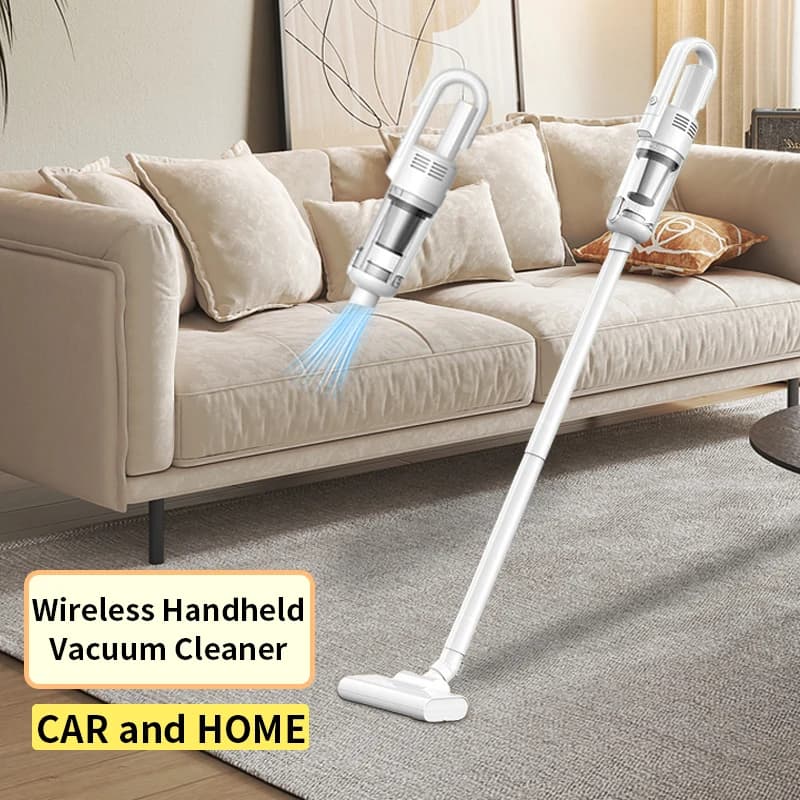 Sale
In stock · Options available · Ships in 7–21 business days
Choose options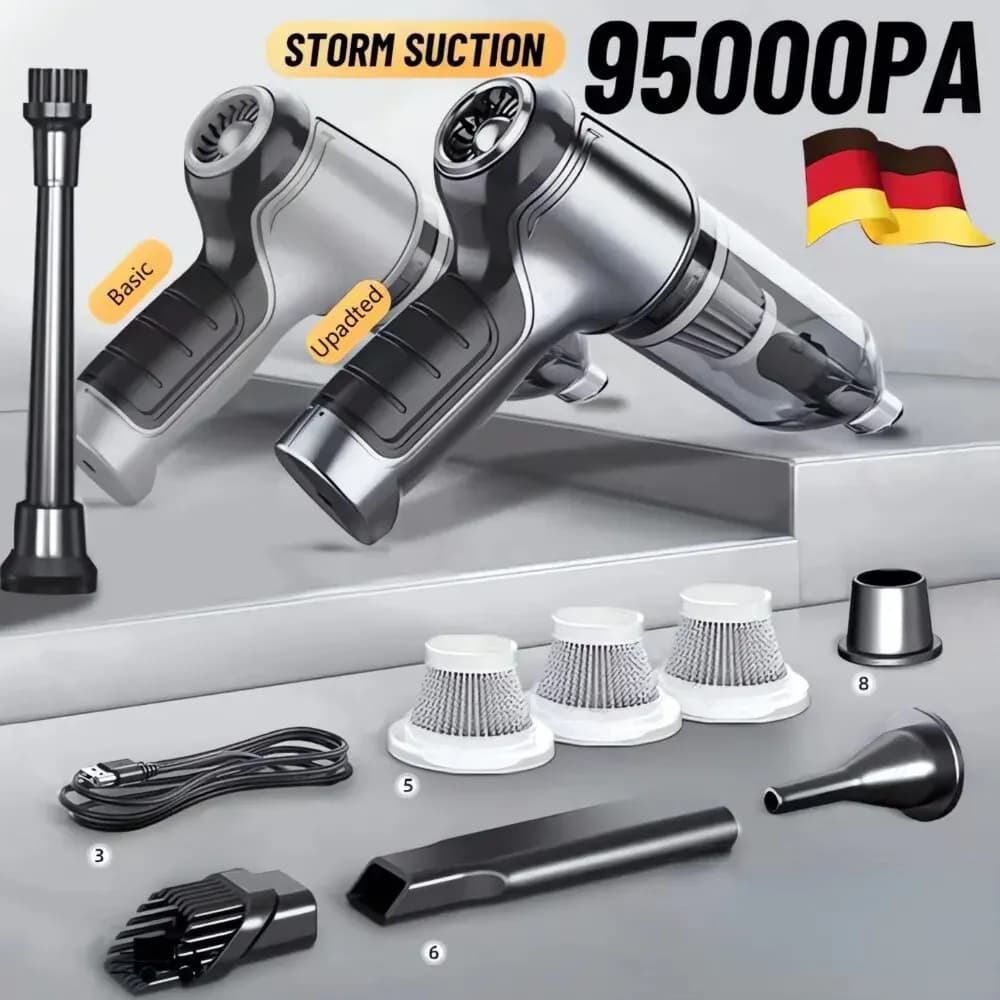
In stock · Options available · Ships in 7–21 business days
Choose options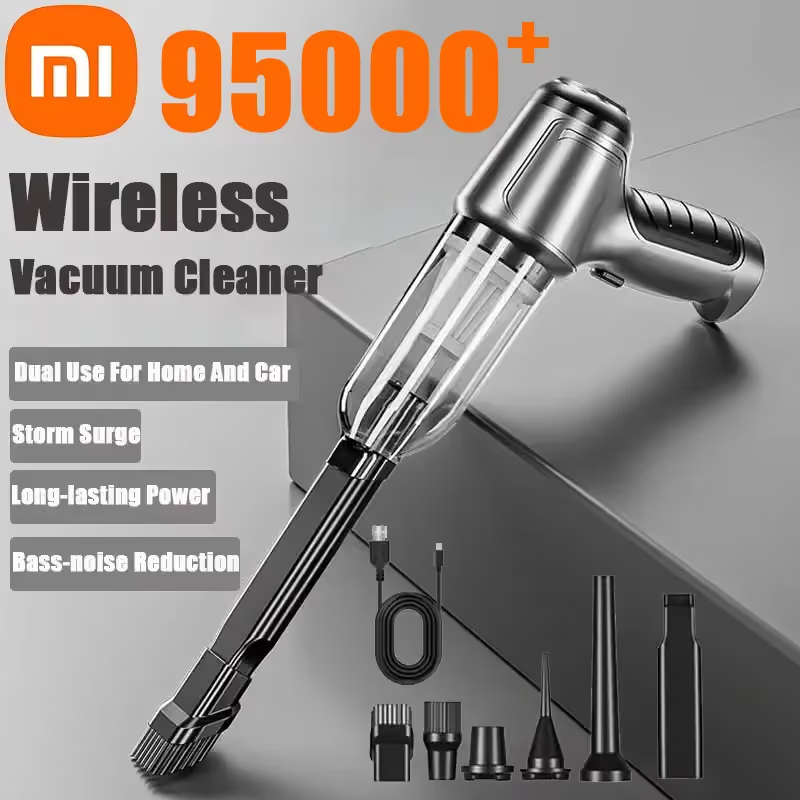
In stock · Options available · Ships in 7–21 business days
Choose optionsContinue reading
 Home & Kitchen
Robot Vacuum Setup: Stop It Getting Stuck at Home
Robot vacuum setup that stops it getting stuck: prep rooms for the first map, set no-go zones, tame cords, rugs and thresholds, and keep sensors clean.
 Home & Kitchen
Manual Coffee Grinder Buying Guide: Burrs, Steps, Speed
Manual coffee grinder buying guide: compare burr size and material, stepped vs stepless adjustment, bearings, capacity and grind effort for your brew.
 Home & Kitchen
Is a Robot Vacuum Worth It for Your Home? Fit Checklist
Is a robot vacuum worth it for your home? Check thresholds, rug pile, dark floors, furniture clearance, pets, stairs and dock space before you buy one.