

Manual Coffee Grinder Buying Guide: Burrs, Steps, Speed
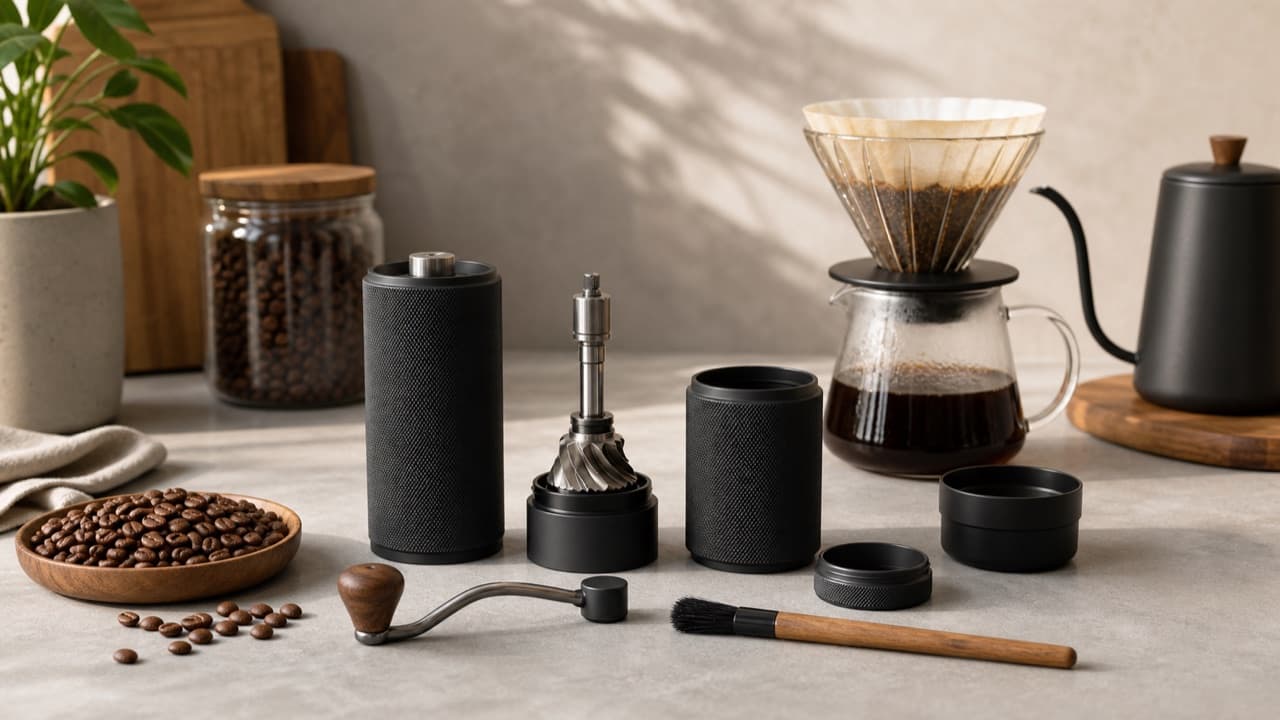
This manual coffee grinder buying guide is for anyone who wants better coffee without a counter-hogging electric grinder, or who needs a grinder that works in a campsite, office or hotel room. The short answer: a good hand grinder uses steel conical burrs on a shaft supported by two bearings, has an adjustment system fine enough for your brewing method, and holds at least one full dose of beans. Get those three right and a hand grinder can match the grind quality of electric grinders costing several times more. Get them wrong and you end up with a slow, wobbly tool that makes uneven coffee.
Key takeaways
- Choose burrs before anything else: steel conical burrs around 38-48 mm are the common sweet spot for speed and consistency in hand grinders.
- A shaft held by two bearings keeps the burrs centered, which matters more than body material for grind consistency.
- Filter brewing tolerates coarse steps; espresso needs very small steps or stepless adjustment.
- Check the bean chamber against your usual dose; most hand grinders hold roughly 15-30 g, enough for one or two cups.
- Expect roughly 30-60 seconds of grinding for a filter dose and longer for espresso, depending on burrs, beans and roast.
Burrs: size, shape and material
Every decent manual grinder uses burrs rather than a blade, because burrs crush beans to a set gap and produce far more even particles. (If you are still deciding between those two approaches, our comparison of burr vs blade coffee grinders covers it.) Within burr grinders, the details shape both taste and effort.
Burr diameter
Larger burrs have more cutting surface, so each turn of the handle grinds more coffee. Budget hand grinders often use small burrs in the 30-38 mm range and can feel slow on a full dose. Mid-range and premium models commonly use 38-48 mm burrs, which noticeably cut grinding time. Bigger is not automatically better in a hand grinder, because larger burrs also need a wider, heavier body.
Steel vs ceramic
Ceramic burrs do not rust and hold up to moisture, which is why they show up in inexpensive and travel grinders. They are usually less sharp, grind slower and can chip if a stone slips through. Hardened stainless steel burrs are sharper and more precise, and they are standard on hand grinders aimed at specialty coffee. Steel needs to be kept dry, which is easy if you clean with brushes rather than water.
Burr geometry
Manufacturers tune burr profiles toward clarity (good for light-roast pour-over) or body (good for espresso and darker roasts). Listing language like “pour-over focused” or “espresso capable” hints at the intended use, but there is no standard test behind those labels, so treat them as a guide rather than a guarantee.
Adjustment: stepped, stepless and click size
How you set grind size decides whether a grinder can do the brew methods you care about.
| Adjustment type | How it works | Good for | Watch for |
|---|---|---|---|
| Stepped (internal dial) | Clicks under the burr; you remove the handle and catch cup to turn it | Pour-over, AeroPress, French press | Click size; coarse steps make espresso hard to dial in |
| Stepped (external dial) | Numbered ring on the outside, adjusted without disassembly | People who switch methods often | Some external dials allow minor play; check reviews of consistency |
| Stepless | Continuous adjustment with no fixed clicks | Espresso and fine-tuning | Easy to lose your setting; mark or note it |
For filter coffee, steps around 30 microns or larger per click are typically workable. For espresso, people generally want steps closer to 10-20 microns, or a stepless system, because a tiny change in grind size noticeably changes shot time. Manufacturers do not always publish microns per click; if they do, compare that number rather than the total click count, which says little on its own.
Write down your settings for each coffee and method. Counting clicks from fully closed (burrs touching, then backed off) gives a repeatable zero point. If you do pull espresso, our espresso grinder dial-in guide explains how to use those small steps.
Build quality, bearings and handling
The single biggest predictor of grind consistency is how steadily the inner burr spins. Look for a central shaft supported by two bearings, one above and one below the burr. Single-bearing or bushing designs can let the burr wobble, which widens the spread of particle sizes and produces more fines and boulders.
- Body: aluminum alloy is common and strikes a balance between weight and rigidity; stainless and plastic bodies exist at both ends of the price range.
- Grip: a textured or wood-wrapped body helps you hold the grinder without squeezing. Body diameter matters if your hands are small.
- Handle: a longer crank gives more leverage for fine or light-roast grinding. A folding or magnetic handle makes travel packing easier.
- Catch cup: magnetic or threaded cups are both fine; threaded ones are less likely to drop off mid-grind.
Weight is a trade-off. Lighter grinders, often around 1-1.3 lb (450-600 g), are easier to pack, while heavier ones sit more steadily in your hand during long espresso grinds.
Capacity and daily workflow
Most single-cup pour-over recipes use roughly 15-22 g of coffee, and many hand grinders hold about 20-25 g, which suits one person or two smaller cups. If you regularly brew a full carafe at 40-60 g, you will be grinding in batches, which is when an electric grinder starts to make more sense. Lightly roasted beans are denser and harder to grind than medium or dark roasts, so grinding time and effort vary with your coffee choice.
A manual grinder is quiet, needs no outlet and pairs naturally with a scale for consistent doses. The Timemore Chestnut C2 Manual Coffee Grinder is one hand grinder we stock; check its product page for burr details, capacity, delivery and returns before deciding.
Cleaning and maintenance
Keep the grinder dry. Brush retained grounds out of the burrs and chamber every week or two with a dry brush, and do a fuller clean every month or so by removing the burr according to the manual. Photograph or write down the parts order and your grind setting before disassembly. Avoid water on steel burrs and bearings, and avoid grinding rice to clean, which can be hard on burrs; use dedicated cleaning pellets only if the manufacturer approves them. Our guide on how to clean a coffee grinder walks through the steps.
Mistakes to avoid
- Buying a filter-oriented grinder for espresso. If the steps are too coarse, you cannot hit the narrow grind window espresso needs.
- Judging by total number of clicks. A grinder with many clicks but huge steps is still coarse; microns per click is the useful figure.
- Ignoring capacity. A 15 g chamber makes daily two-person brewing tedious.
- Washing burrs with water. Moisture can rust steel burrs and bearings; most makers recommend dry cleaning only.
- Assuming ceramic is “safer” for flavor. Ceramic resists rust, but steel burrs typically cut cleaner and faster.
Which manual grinder fits you?
Pick a mid-size steel-burr grinder with dual bearings and stepped adjustment if you mostly brew pour-over, AeroPress or French press at home. Pick a model with very fine steps or stepless adjustment, a long handle and a sturdy body if espresso is your main drink. Pick a compact, light grinder with a folding handle if it will mostly travel, and accept slower grinding. If you brew large batches or grind for several people every morning, consider an electric burr grinder instead. Browse coffee gear in our home and kitchen collection.
Frequently asked questions
Are manual coffee grinders better than electric?
Not inherently, but at the same price a hand grinder can usually afford better burrs and bearings because it has no motor. Electric grinders win on speed and volume, so the better choice depends on how much you grind each day.
How long does it take to grind coffee by hand?
A filter dose of around 15-20 g typically takes about 30-60 seconds with a good hand grinder. Espresso settings, light roasts and smaller burrs take longer.
Can a manual grinder grind for espresso?
Some can, provided they have small enough adjustment steps, stable burrs and burrs designed for fine grinding. Check that the listing explicitly supports espresso and look for fine steps or stepless adjustment.
Should I choose ceramic or steel burrs?
Steel burrs are sharper and the usual choice for specialty coffee, while ceramic burrs resist rust and suit budget or travel grinders. For most home brewers, steel conical burrs are the better pick.
How do I clean a hand grinder?
Brush out loose grounds regularly and periodically remove the burr following the manual to clean it dry. Avoid water unless the manufacturer allows it, and dry everything completely before reassembly.
Shop Home & Kitchen
View all →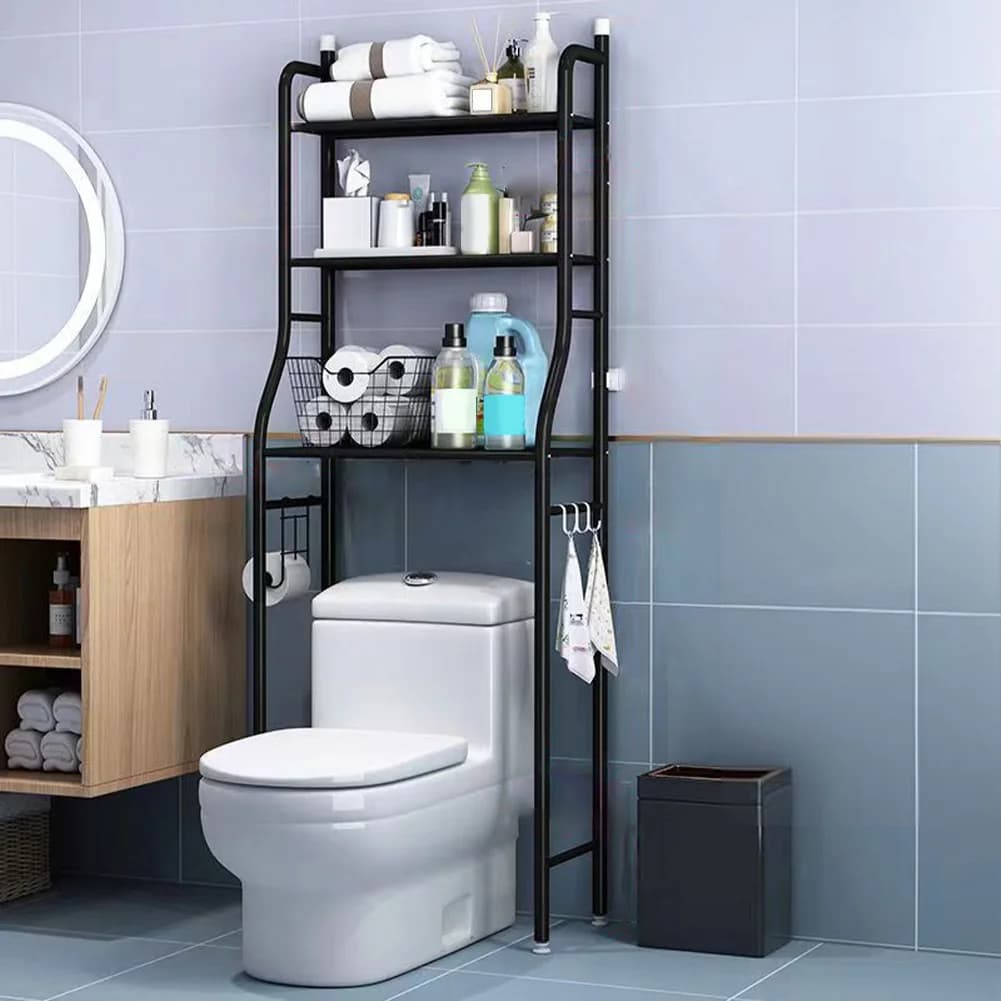
3-Tier Over-Toilet Storage Rack in Powder-Coated Carbon Steel
In stock · Options available · Ships in 7–21 business days
 Sale
Wingback Massage Recliner Chair in PU Leather with Footrest
In stock · Options available · Ships in 7–21 business days
 Sale
Mid-Century Modern Accent Armchairs, Set of Two, Wood Frame
In stock · Options available · Ships in 7–21 business days

Fireplace Flame Ultrasonic Humidifier and Oil Diffuser
In stock · Options available · Ships in 7–21 business days
Continue reading
 Home & Kitchen
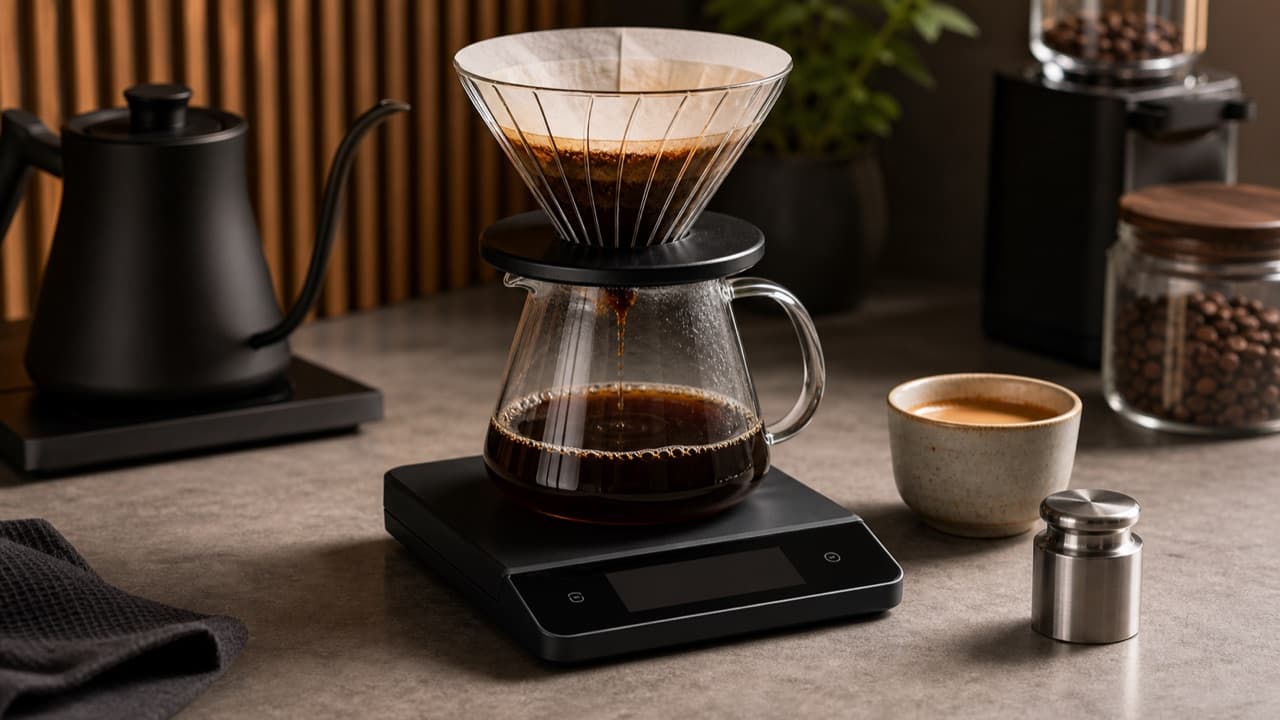
Coffee Scale Accuracy: Response Time, Timers and Calibration
Coffee scale accuracy explained: resolution vs true accuracy, response lag, auto-start timers, and how to check and calibrate your scale at home.
 Home & Kitchen
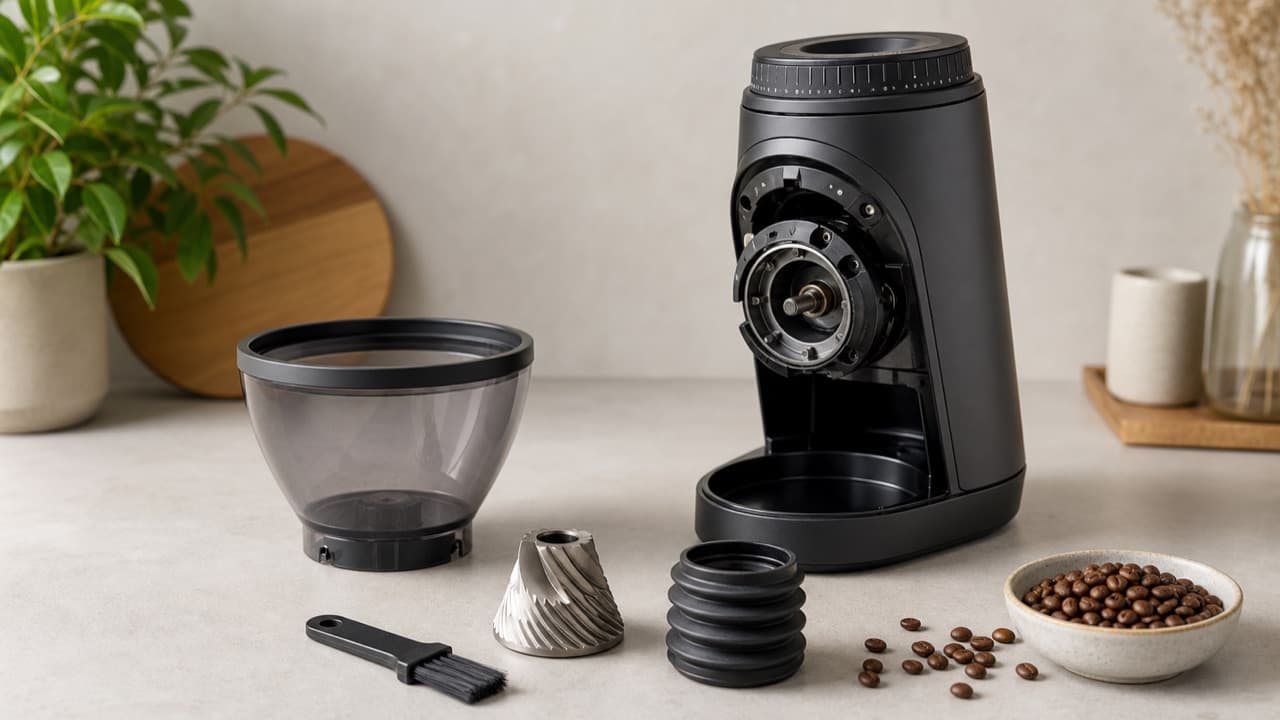
Burr Grinder Cleaning and Calibration: Deep Clean and Re-Zero
A burr grinder cleaning routine beyond a quick brush: removing burrs, clearing the chute, finding zero again, checking alignment and spotting burr wear.
 Home & Kitchen
Handheld Vacuum Buying Guide: Runtime, Suction, Filters
Handheld vacuum buying guide: how to read suction and runtime claims, pick attachments and filters, and match a cordless handheld to crumbs, pet hair or stairs.