

Dehumidifier Size and Placement: Pints, Rooms and Drainage
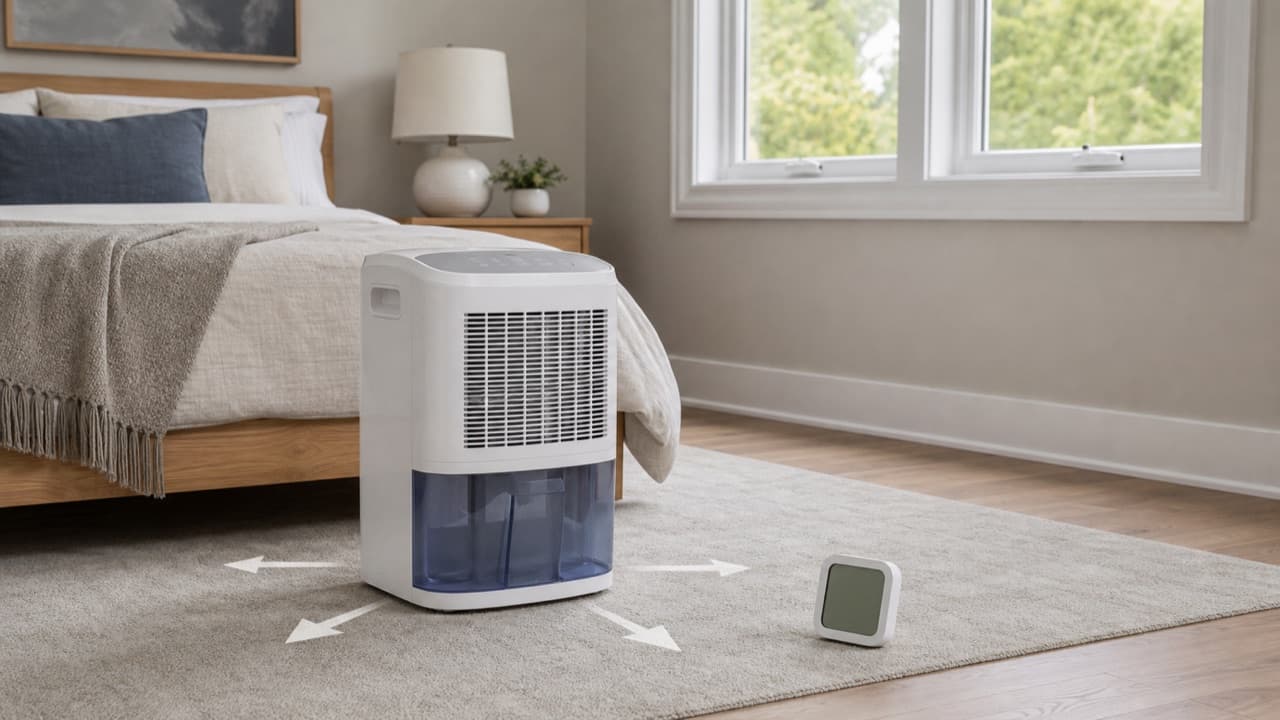
The right dehumidifier size depends less on square footage than on how wet the space is, how cool it is, and how the water will leave the machine. A compact unit can keep a closet or small bathroom in check, while a damp basement usually needs a compressor dehumidifier rated in the 30 to 50 pint range under current labeling, placed centrally and draining continuously. This guide is for homeowners and renters trying to pick a dehumidifier size, decode pint ratings, and place the unit where it actually works, especially in basements, bedrooms and laundry areas.
Key takeaways
- Measure first: a separate hygrometer tells you whether you have a humidity problem; indoor humidity is generally best kept between about 30 and 50 percent.
- Pint ratings changed in 2019; a unit labeled 35 pints today is roughly comparable to an older 50-pint unit.
- Cool basements below about 65°F (18°C) strain compressor units; look for auto-defrost or consider a desiccant model.
- Tiny thermoelectric (Peltier) units remove only small amounts of water and suit closets, cabinets and small rooms, not basements.
- Plan drainage before buying: bucket only, gravity hose, or a built-in pump decides how much babysitting the unit needs.
Start by measuring humidity and finding the source
An inexpensive digital hygrometer is the first purchase. Place it where the problem is, wait a day, and note readings morning and evening. Readings that stay above about 60 percent, or condensation on windows, pipes or walls, musty smells and visible mold spots all point to excess moisture. The EPA advises keeping indoor humidity below 60 percent, ideally in the 30 to 50 percent range, to limit mold growth.
A dehumidifier treats the air, not the cause. Before sizing one, check for leaking pipes, clogged gutters, downspouts dumping water near the foundation, dryer vents venting indoors, and bathrooms without a working exhaust fan. Fixing a water source can shrink the dehumidifier you need, or remove the need entirely. If the space feels dry rather than damp, you need the opposite machine; our dehumidifier vs humidifier guide covers how to tell which problem you have.
How dehumidifier pint ratings work
Capacity is listed in pints of water removed per day under standard test conditions. In 2019 the US Department of Energy changed those conditions from a warm 80°F (27°C) at 60 percent relative humidity to a cooler 65°F (18°C) at 60 percent, which better reflects basements. Because cooler air holds less moisture, the same machine now earns a lower number. Approximate equivalents commonly cited are:
| Older rating (pre-2019) | Current rating (approx.) | Typical use |
|---|---|---|
| 30 pints | About 20 to 22 pints | Damp bedroom, small apartment, laundry room |
| 50 pints | About 35 pints | Average damp basement or large open area |
| 70 pints | About 50 pints | Wet basement, large spaces, very humid climates |
This matters when comparing listings and reviews. A 50-pint unit from an older listing is not the same class as a 50-pint unit labeled under the current test. Also check whether a pint figure comes from the DOE test or from a manufacturer measurement at saturation conditions, such as 86°F and 80 percent humidity, which produces bigger numbers.
What dehumidifier size do you need?
Use dampness first, then area. Manufacturer coverage claims in square feet vary widely and tend to assume favorable conditions, so treat them as an upper bound.
- Closets, cabinets, small bathrooms, RVs: compact thermoelectric units or rechargeable desiccant tubs. Thermoelectric units are quiet and low-power but typically remove well under a couple of pints a day, so they suit only small, enclosed spaces.
- Damp bedroom, office or small apartment: a compact compressor unit in the roughly 20 to 22 pint class under current ratings.
- Moderately damp basement or open-plan area: a mid-size compressor unit around 30 to 35 pints.
- Wet basement, frequent musty smell, visible seepage, or humid coastal climate: a large compressor unit around 50 pints, ideally with a pump or continuous drain.
Sizing up one step is usually reasonable. A larger unit reaches the target faster and then cycles off, while an undersized one runs constantly and may never get there. ADLTHUB’s Mute Room Air Dehumidifier Dryer is a room-scale option; check its product page for the technology type, water-removal rating and tank size before deciding whether it suits a bedroom or a larger space.
Temperature: the basement trap
Compressor dehumidifiers pull moisture by condensing it on cold coils. When room temperature drops below roughly 65°F (18°C), those coils can frost, and the machine spends time defrosting instead of drying. For basements that stay cool, look for:
- Auto-defrost and a stated minimum operating temperature in the manual.
- Desiccant dehumidifiers, which use a moisture-absorbing wheel and a heater. They keep working in cold garages, boats and unheated spaces, but they use more power and warm the room slightly.
Where to place a dehumidifier
- Close doors and windows to the area you are drying. A dehumidifier in a room open to outdoor air will chase humidity forever.
- Put it near the moisture, but in open air. In a basement, a central spot near the damp area beats a far corner. Avoid tucking it behind furniture or inside a closet unless it is a closet unit.
- Leave clearance around the vents. Many manuals call for several inches to a foot or more around the intake and exhaust; follow the stated figure.
- Use a level, hard surface so the bucket float switch works correctly and the unit does not leak or rattle.
- Keep it out of dust and lint where possible, such as directly beside a dryer, which clogs the filter faster.
- Mind noise in bedrooms. Compressor units hum; placing one in a hallway with doors open can work if a bedroom is the target.
Plug the unit directly into a properly grounded wall outlet. Manufacturers generally advise against extension cords, and basement and laundry outlets near water should be GFCI-protected.
Drainage options and daily upkeep
- Bucket only: fine for small rooms. In a damp basement, a bucket can fill within a day, and when it is full the unit stops removing moisture.
- Gravity drain hose: attaches to an outlet and runs to a floor drain. The drain must be lower than the outlet, with no upward loops or kinks.
- Built-in condensate pump: pushes water up to a sink or out a window, useful in basements without a floor drain.
Clean the air filter every few weeks as the manual suggests, wash the bucket with mild soap to prevent slime and odor, and check the hose for blockages each season. The habits in our humidifier filter replacement guide apply here too: a clogged filter cuts airflow and capacity. Running costs depend on wattage and hours; comparing the Energy Star efficiency figure, listed in liters per kilowatt-hour, gives a fair sense of which unit uses less electricity for the same work. You can browse related appliances in the home and kitchen category.
Mistakes to avoid
- Trusting the built-in humidity display alone. Onboard sensors read the air at the machine; a separate hygrometer across the room shows the real result.
- Comparing old and new pint ratings. A pre-2019 50-pint unit and a current 50-pint unit are different sizes.
- Using a mini unit for a basement. Thermoelectric units simply cannot remove basement-scale water.
- Setting the target too low. Pushing below about 35 to 40 percent wastes energy and can dry out wood and skin.
- Running a hose uphill. Gravity drains fail silently and can leak at the outlet.
- Ignoring the cause. A dehumidifier will not fix a leaking foundation or blocked gutter.
How to choose the right unit
- Pick a thermoelectric or desiccant mini if the space is a closet, cabinet, small bathroom or RV.
- Pick a 20 to 22 pint compressor unit if a single bedroom, office or small apartment reads 55 to 65 percent.
- Pick a 30 to 35 pint unit if a typical basement or open area feels damp and smells musty.
- Pick a 50 pint unit with a pump if the basement is wet, large or lacks a floor drain.
- Pick a desiccant unit if the space regularly sits below about 60°F.
Frequently asked questions
What size dehumidifier do I need for a basement?
Most damp basements need a compressor unit around 30 to 35 pints under current ratings, and wet or large basements often need about 50 pints. If the basement is cool, check the unit’s minimum operating temperature and defrost feature.
Where is the best place to put a dehumidifier?
Put it centrally in the damp area, on a level surface, with doors and windows closed and the vents clear by the distance the manual specifies. Avoid corners, closets and spots right next to a dryer.
What humidity should I set my dehumidifier to?
A setting of about 45 to 50 percent suits most homes and keeps humidity below the 60 percent level associated with mold growth. Going much lower mostly adds running cost.
Can a dehumidifier be too big for a room?
Not usually. A larger unit reaches the target and cycles off, though it costs more and takes up more space. An undersized unit is the more common problem because it runs constantly without reaching the target.
Why is my dehumidifier not collecting water?
Common causes are a room that is already dry, temperatures too cool for the compressor, frosted coils, a clogged filter, or a full or misaligned bucket. Check the hygrometer and the manual’s troubleshooting steps first.
Shop Home & Kitchen
View all →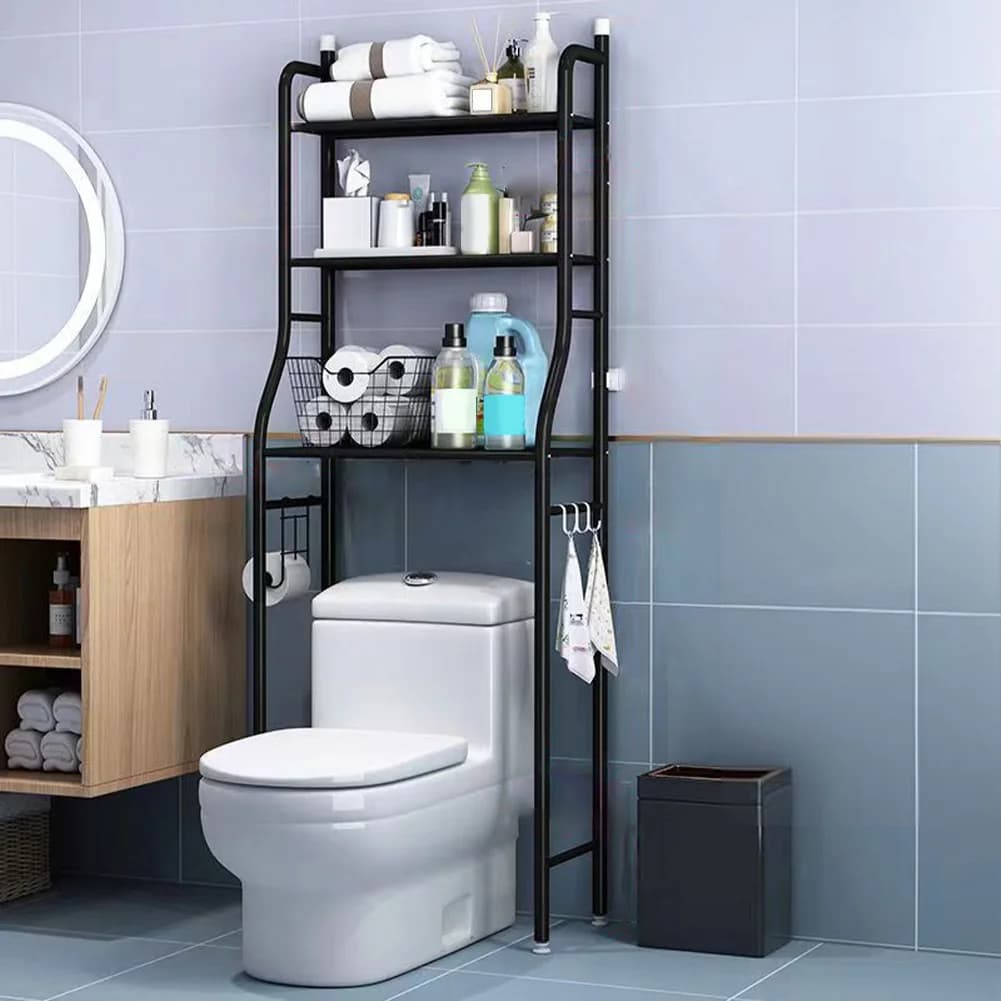
3-Tier Over-Toilet Storage Rack in Powder-Coated Carbon Steel
In stock · Options available · Ships in 7–21 business days
 Sale
Wingback Massage Recliner Chair in PU Leather with Footrest
In stock · Options available · Ships in 7–21 business days
 Sale
Mid-Century Modern Accent Armchairs, Set of Two, Wood Frame
In stock · Options available · Ships in 7–21 business days
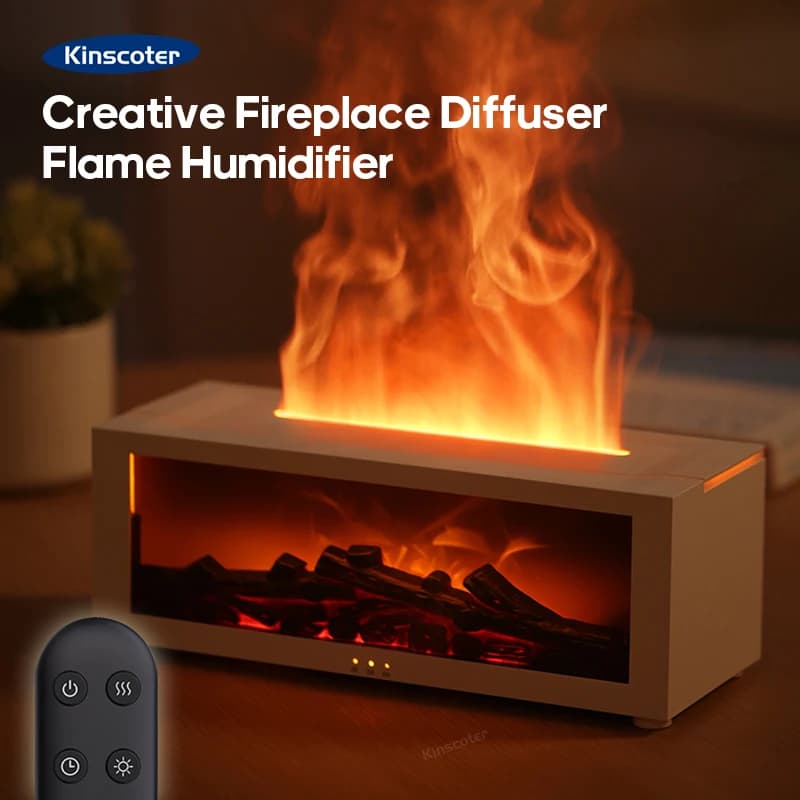
Fireplace Flame Ultrasonic Humidifier and Oil Diffuser
In stock · Options available · Ships in 7–21 business days
Continue reading
 Home & Kitchen
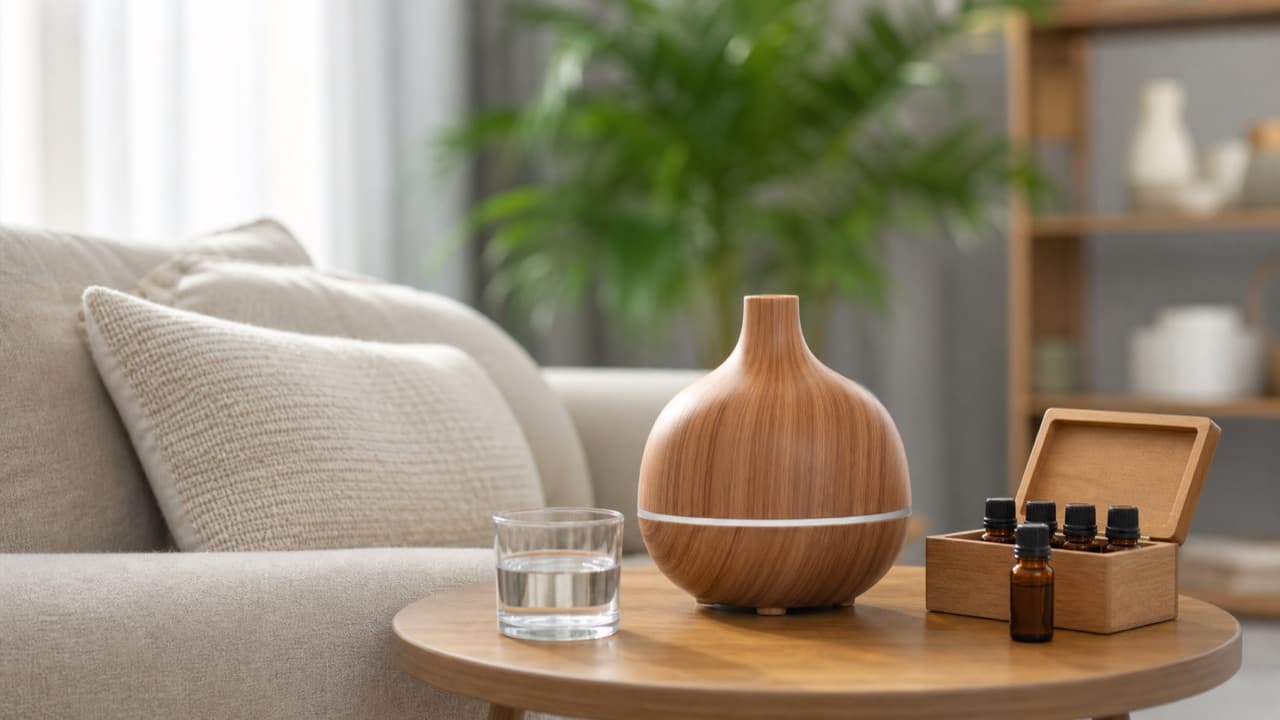
Aromatherapy Diffuser Safety: Pets, Kids and Placement
Aromatherapy diffuser safety basics: how long to run it, oils to avoid around pets and young children, safe placement, electrical care and warning signs.
 Home & Kitchen
Wall Light Placement Guide: Heights for Every Room
Wall light placement guide with typical mounting heights and spacing for bedrooms, bathrooms, hallways and stairs, plus glare, switching and wiring basics.
 Home & Kitchen
Humidifier vs Aroma Diffuser: Output, Size and Cost
Humidifier vs aroma diffuser compared by mist output, tank size, room coverage, running cost and upkeep, plus when a 2-in-1 unit makes sense for your room.