

How to Dial In Espresso: Grind, Dose, Yield and Time
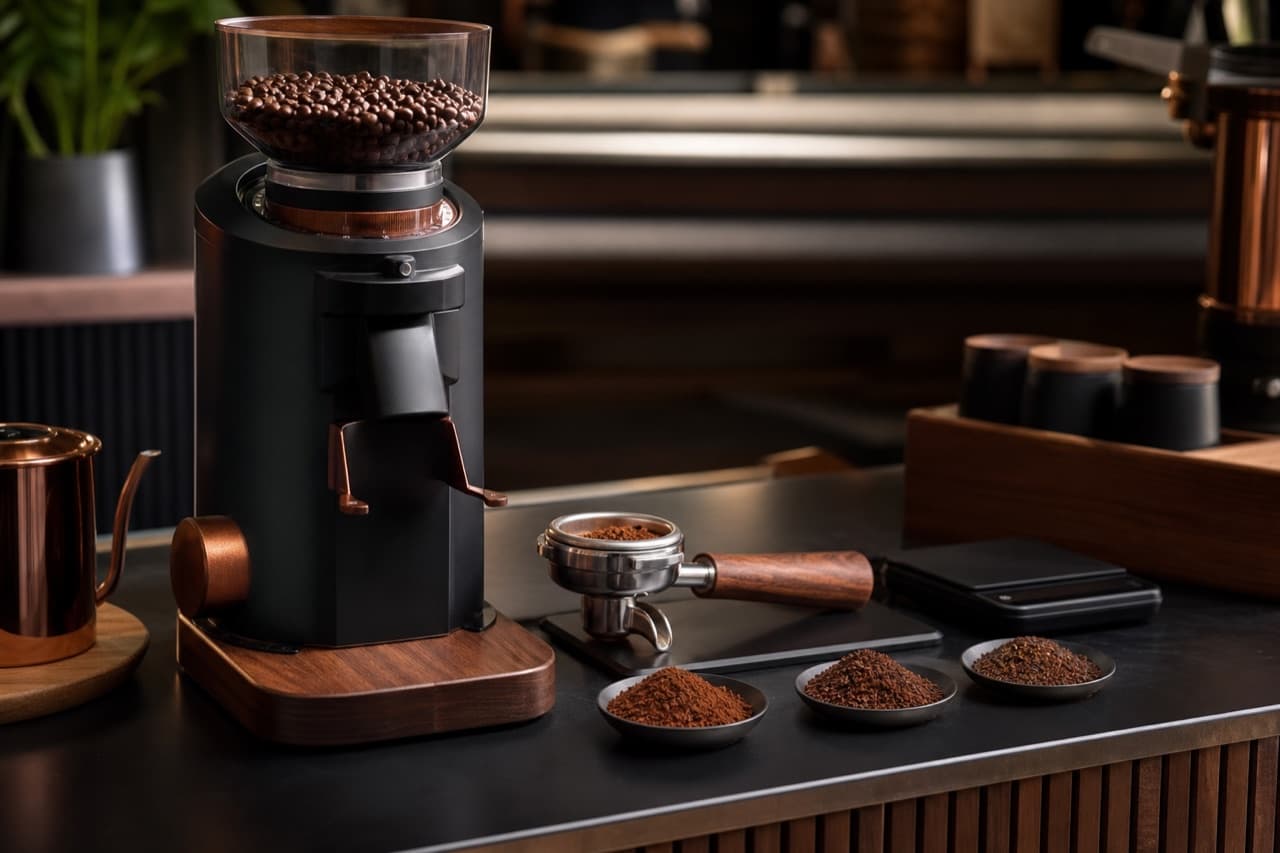
To dial in espresso, fix your dose, choose a target ratio such as 1:2, then change only the grind size until the shot runs in roughly 25 to 32 seconds and tastes balanced. Sour and fast means grind finer; bitter, harsh and slow means grind coarser. That is the core of how to dial in espresso, and this guide expands it into a repeatable routine for home baristas with a burr grinder and a non-pressurized basket, including what to do when the numbers look right but the cup still tastes wrong.
Key takeaways
- Change one variable at a time, and make grind your main adjustment; keep dose and ratio fixed while you search.
- A common starting recipe is 18 g of coffee in, about 36 g of espresso out, in 25 to 32 seconds; treat it as a starting point, not a rule.
- Taste beats the timer: sour, thin and salty means under-extracted; bitter, dry and hollow means over-extracted.
- Purge a little coffee after each grind change, because grinders retain some old grounds.
- Pressurized (dual-wall) baskets are designed for coarser, pre-ground coffee, so fine-tuning grind has little effect with them.
Before you start: equipment that makes dial-in possible
Dialing in depends on making small, repeatable changes. Three things matter most:
- An espresso-capable burr grinder. It must grind fine enough and adjust in small enough steps. Stepless grinders allow any setting; stepped grinders need many closely spaced steps in the espresso range. Many grinders designed mainly for pour-over cannot reach, or finely adjust, espresso fineness. If you are weighing grinder types, see our burr vs blade grinder guide.
- A scale reading 0.1 g. Dose and yield both need weighing; our coffee scale accuracy guide covers response time and timers.
- A non-pressurized basket. Single-wall baskets let grind size control flow. Dual-wall baskets create pressure through a tiny exit hole, so they mask grind changes.
Fresh, properly rested beans matter too. Coffee only a few days past roasting releases lots of carbon dioxide and can spurt and taste sharp; many roasters suggest resting espresso beans roughly one to three weeks after the roast date.
Step-by-step: how to dial in espresso
- Choose a dose that fits your basket. Baskets are usually designed for a dose range, such as 18 g give or take a gram. Weigh it every time.
- Pick a starting ratio. 1:2 (18 g in, 36 g out) is a common middle ground. Use about 1:1.5 for a denser, more concentrated shot and about 1:2.5 for lighter roasts.
- Grind, distribute and tamp consistently. Break up clumps, level the bed, tamp firmly and level. Consistency matters more than tamp force.
- Pull the shot and stop at your target yield. Time from when you start the pump, and note the result.
- Taste first, then read the timer. Use the table below.
- Adjust grind only, in small steps, purge a few grams, and pull again. Most beans need three to five shots to land.
- Fine-tune ratio once the grind is close. If a well-timed shot still tastes slightly sour, extend yield a few grams; if it is slightly harsh, shorten it.
Reading the shot: what to change
| What you notice | Likely cause | First fix |
|---|---|---|
| Fast shot (under about 20 s), sour, thin, pale crema | Under-extraction; grind too coarse | Grind finer |
| Slow shot (over about 35 s), bitter, dry, dark spotty crema | Over-extraction or choked puck; grind too fine | Grind coarser |
| Normal time but both sour and bitter | Channeling: water found weak paths through the puck | Improve distribution and tamp; check for clumps |
| Good time, slightly sour | Yield a little short for this coffee | Increase yield by 2 to 4 g |
| Good time, flat or hollow | Yield a little long | Reduce yield by 2 to 4 g |
| Spurting or blond streams early | Channeling or very fresh beans | Check prep; let beans rest longer |
Time is a guide, not the goal. A light roast may taste best at a longer ratio and a slightly shorter time, while a dark roast often tastes best tighter and cooler. If the cup tastes good, it is dialed in, regardless of what the timer says.
Grinder adjustment: steps, retention and drift
How big is one step?
Grinder dials are not standardized. One click on one grinder can be a much larger change than a full number on another. Make the smallest move you can first, then larger moves only if the shot barely changes. On stepless grinders, mark the collar with a pencil or tape so you can return to a setting.
Purge after changes
Most grinders retain some grounds in the chute and burr chamber. After adjusting, grind and discard a small amount, or single-dose and clear the chamber, so your next shot reflects the new setting rather than a mix.
Why yesterday’s setting stops working
Beans age and degas, room temperature and humidity change, and burrs warm during back-to-back shots. Expect small daily corrections, usually a step or two finer as a bag ages. Cleaning matters too: built-up oils and fines shift the grind, and recalibration after cleaning is common. The burr grinder cleaning and calibration guide explains how to clean without losing your zero point.
ADLTHUB carries the Starseeker E55 Electric Coffee Grinder and the Timemore Chestnut C2 Manual Coffee Grinder; check each product page for the stated grind range and whether espresso is a listed use before buying one for dial-in. Hand-grinder buyers can also read the manual coffee grinder buying guide.
Puck prep habits that make dial-in stick
- Dose to the same weight every time. A 1 g swing changes flow noticeably.
- Break up clumps. Stirring the grounds with a thin-needle tool (often called WDT) evens density and reduces channeling.
- Tamp level. A tilted tamp sends water down the thin side.
- Keep the basket dry and clean between shots so old grounds and water do not create weak spots.
- Preheat. A cold portafilter and cup pull heat from the shot and push it toward sour.
Mistakes to avoid
- Changing grind, dose and ratio together. You will not know which change fixed or broke the shot.
- Chasing 30 seconds over taste. The time window is a starting range, and different beans prefer different times.
- Grinding too fine with a pressurized basket. It can choke the machine and still not improve flavor.
- Skipping the purge. Leftover grounds blur the first shot after every adjustment.
- Pushing the grinder past zero. Adjusting until burrs touch can damage them; know where the burrs meet before you go fine.
- Using beans that are stale or too fresh. Very old beans flow fast and taste flat; very fresh ones spurt and taste sharp.
How to choose your starting recipe
- Start at 1:2 in 25 to 32 seconds if you are on a medium roast and want a balanced, versatile shot for straight espresso or milk drinks.
- Start at 1:1.5 if you use dark roasts or drink mostly milk-based drinks and want a thicker, sweeter base.
- Start at 1:2.5 if you use light roasts and your shots taste sour even at normal times.
- Upgrade the grinder first if you cannot get shots slower than about 20 seconds even at the finest setting.
For other kitchen and coffee gear, see ADLTHUB’s home and kitchen category.
Frequently asked questions
How long should an espresso shot take?
Roughly 25 to 32 seconds from pump start is a common target for a 1:2 shot. Lighter roasts and longer ratios can taste good outside that window, so use taste as the final judge.
Should I grind finer or coarser if my espresso is sour?
Grind finer. Sourness with a fast shot usually means the water passed through too quickly and under-extracted the coffee. Make a small change and purge before the next shot.
Why does my espresso taste both sour and bitter?
That combination usually points to channeling, where water rushes through some parts of the puck and over-extracts them while bypassing others. Improve distribution, break up clumps and tamp level.
How often do I need to re-dial my grinder?
Expect a fresh dial-in with every new bag and small tweaks every few days as the beans age. Temperature changes and grinder cleaning can also shift the ideal setting.
Can I dial in espresso without a scale?
You can get close by eye with a marked shot glass, but weighing dose and yield is far more consistent. Volume is misleading because crema makes shots look larger than their weight.
Shop Home & Kitchen
View all →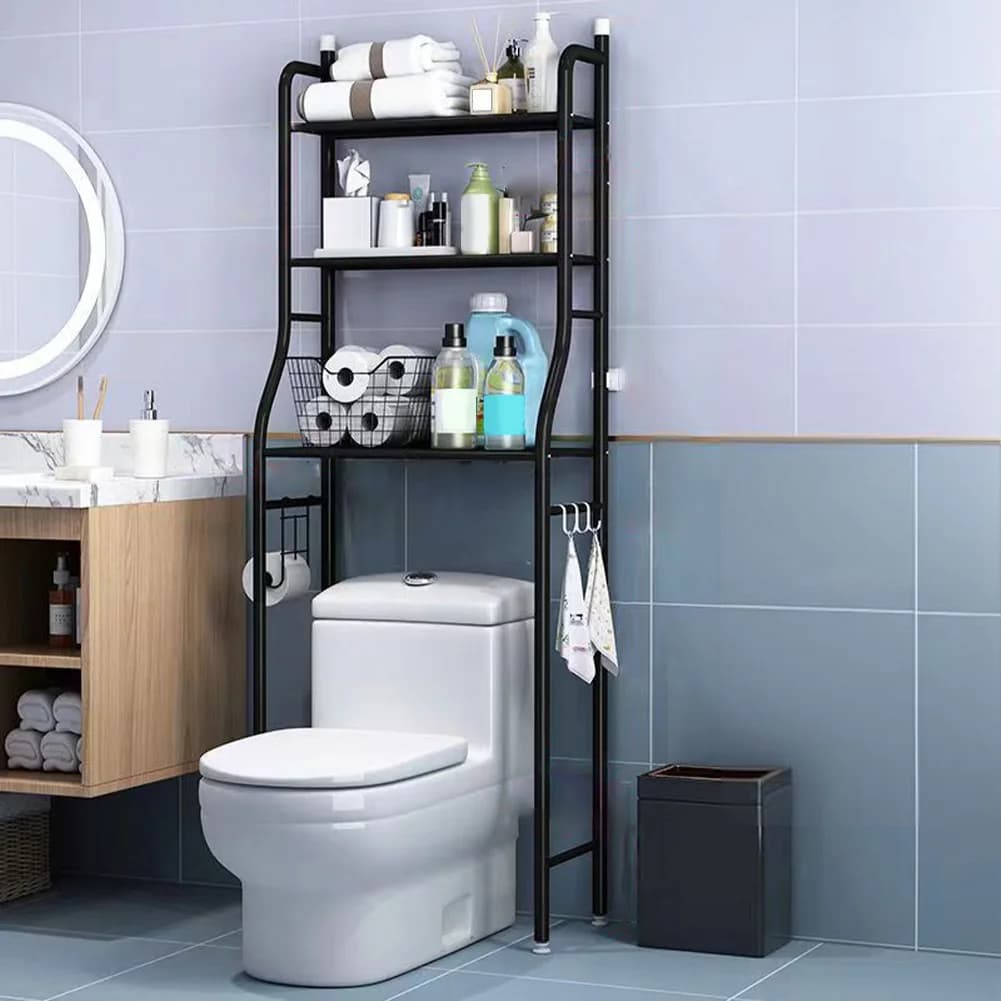
3-Tier Over-Toilet Storage Rack in Powder-Coated Carbon Steel
In stock · Options available · Ships in 7–21 business days
 Sale
Wingback Massage Recliner Chair in PU Leather with Footrest
In stock · Options available · Ships in 7–21 business days
 Sale
Mid-Century Modern Accent Armchairs, Set of Two, Wood Frame
In stock · Options available · Ships in 7–21 business days

Fireplace Flame Ultrasonic Humidifier and Oil Diffuser
In stock · Options available · Ships in 7–21 business days
Continue reading
 Home & Kitchen
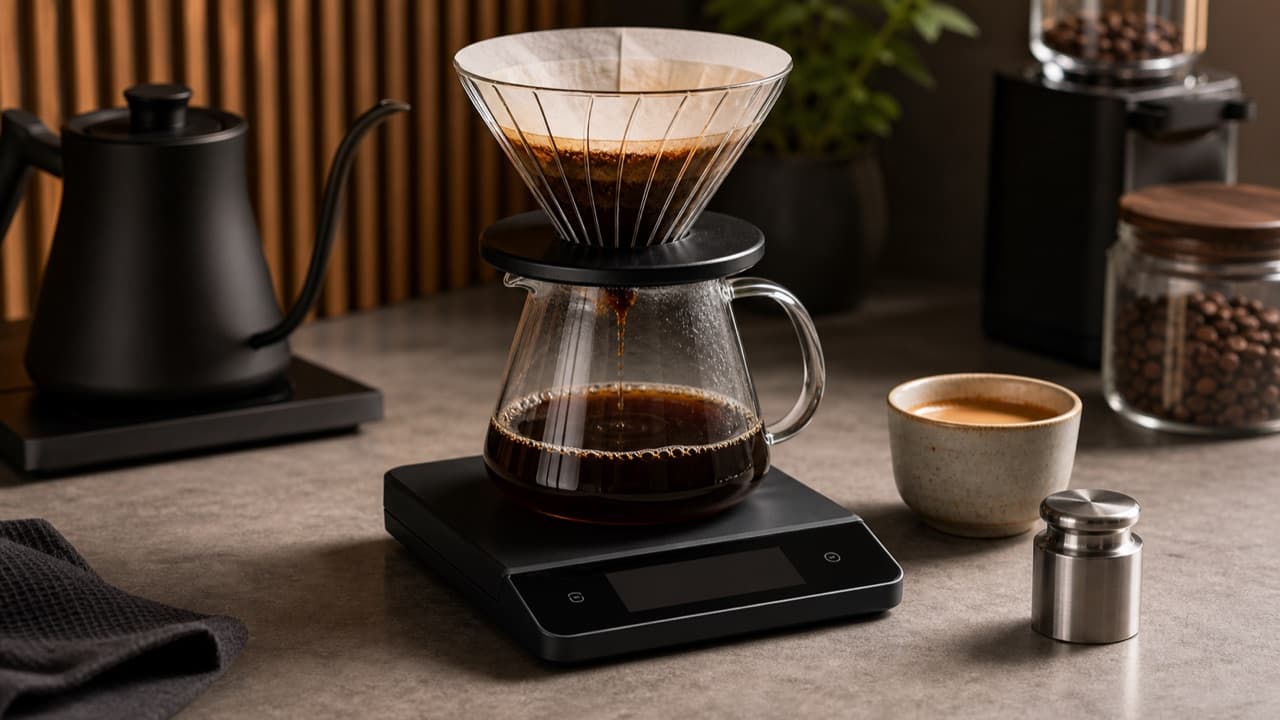
Coffee Scale Accuracy: Response Time, Timers and Calibration
Coffee scale accuracy explained: resolution vs true accuracy, response lag, auto-start timers, and how to check and calibrate your scale at home.
 Home & Kitchen
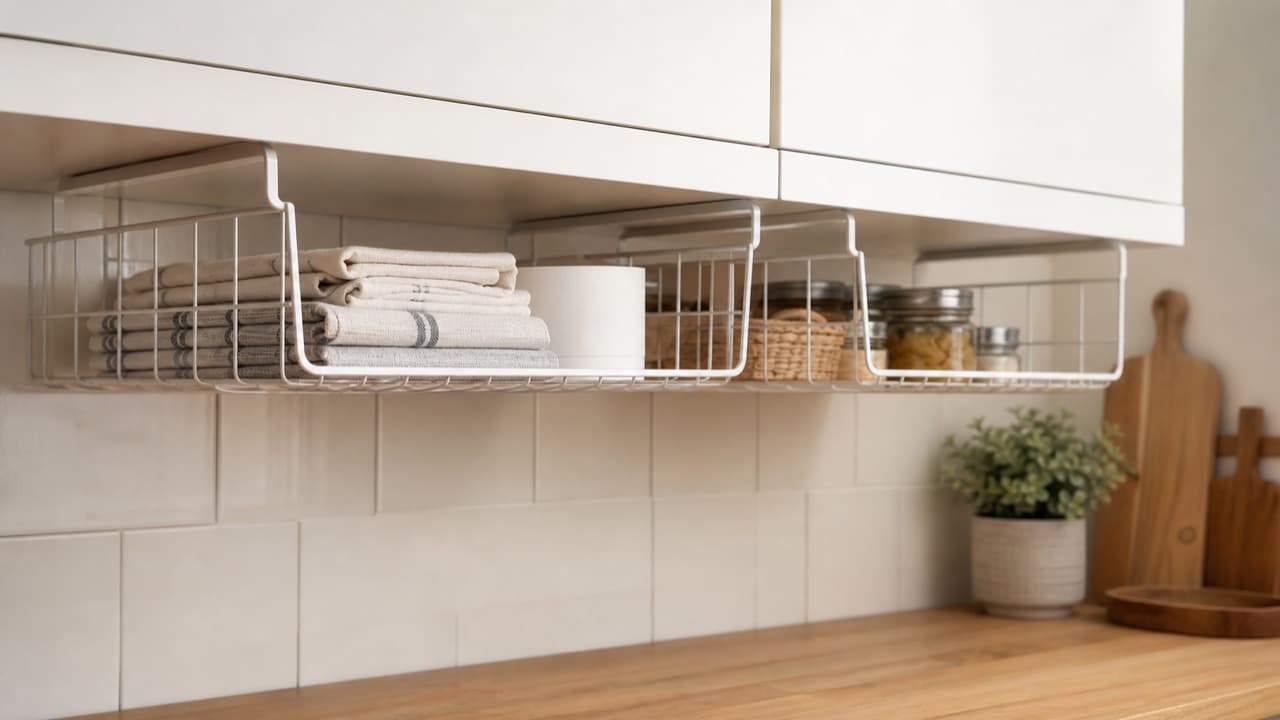
Under-Shelf Baskets for Small Apartments: Fit and Load Guide
Under-shelf baskets for small apartments: how to measure shelf thickness and clearance, which shelves can take them, load limits and the best spots to use one.
 Home & Kitchen
Knife Sharpening at Home: Stones, Rods and Pull-Throughs
Knife sharpening at home explained: honing vs sharpening, whetstone grits and angles, pull-through and electric sharpeners, serrated knives, and safe technique.