

HEPA Air Purifier vs Humidifier for Indoor Air Quality
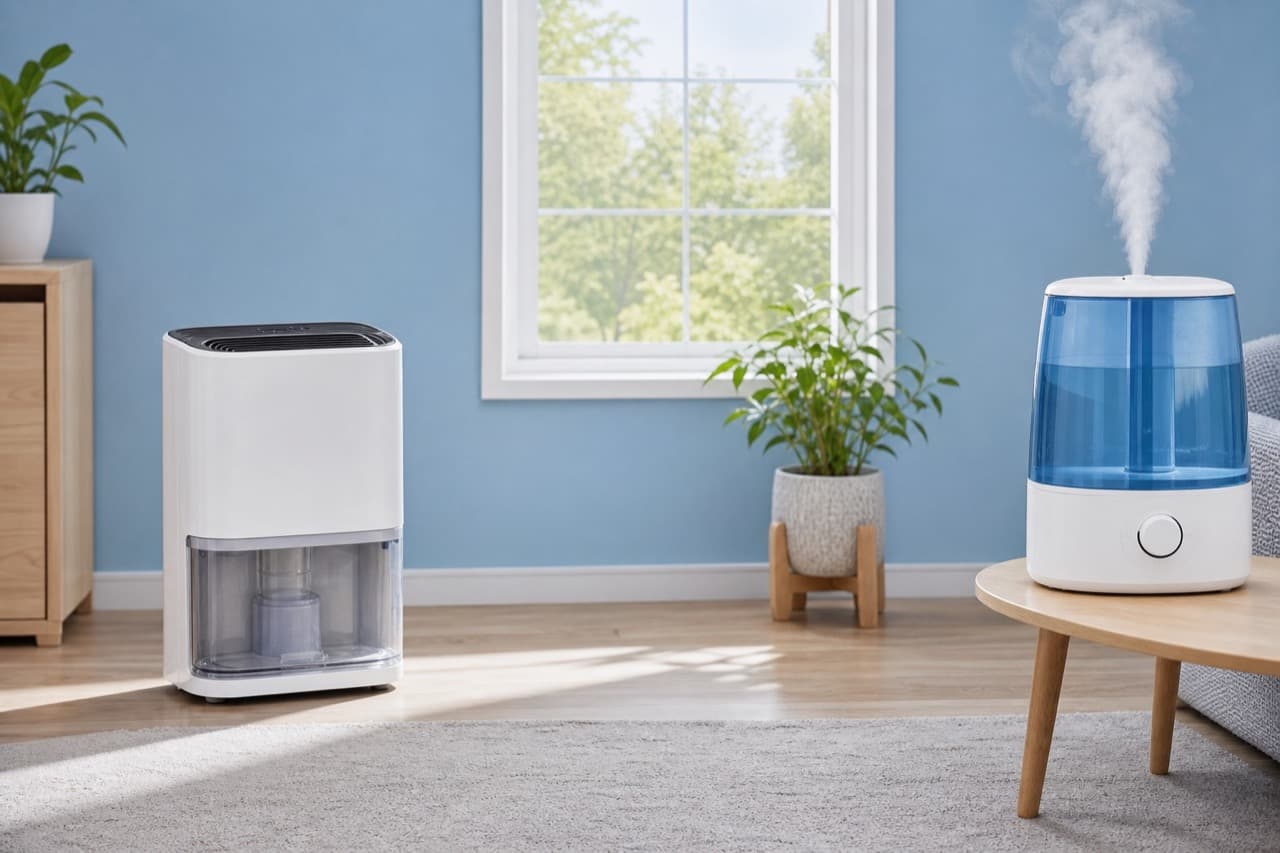
In the air purifier vs humidifier decision, the two machines solve different problems: a HEPA air purifier removes particles such as dust, pollen, pet dander and smoke from the air, while a humidifier adds moisture to fix dry air and does nothing to clean it. If you sneeze from dust or pollen, you need a purifier; if your skin, lips and sinuses dry out in a heated winter home, you need a humidifier. Plenty of homes benefit from both. This guide explains what each device actually does, how to size them, and how to avoid choices that make indoor air worse.
Key takeaways
- True HEPA filters are defined by a US Department of Energy standard as capturing at least 99.97 percent of particles 0.3 microns in size; “HEPA-type” or “HEPA-like” filters do not have to meet it.
- Size a purifier by its CADR (clean air delivery rate). A common rule of thumb is a smoke CADR of at least two-thirds of the room’s floor area in square feet for 8-foot ceilings.
- Keep indoor humidity around 30 to 50 percent. Below 30 percent feels dry; above 50 to 60 percent encourages dust mites and mold.
- Ultrasonic humidifiers filled with hard tap water can release fine mineral particles, which a purifier then has to remove. Use distilled water.
- Avoid air cleaners that intentionally produce ozone. In California, air cleaners must be certified by the California Air Resources Board for ozone emissions; that certification list is a useful check anywhere.
What each device does
| Feature | HEPA air purifier | Humidifier |
|---|---|---|
| Main job | Removes airborne particles | Adds water vapor to raise humidity |
| Helps with | Dust, pollen, pet dander, smoke, some mold spores | Dry skin, dry sinuses and throat, static, cracking wood |
| Does not help with | Dry air; gases and odors unless it has a substantial carbon filter | Particles, allergens, smoke, odors |
| Key spec | CADR and room size, filter type, noise in decibels | Output per day or hour, tank size, humidistat |
| Ongoing cost | Replacement HEPA and carbon filters | Wick filters or cartridges, distilled water, cleaning |
| Main risk | Ozone from ionizers in some models; low CADR doing little | Over-humidifying, microbial growth in dirty tanks, white dust |
How HEPA air purifiers work and how to size one
A fan pulls room air through a dense pleated filter that traps particles. The 0.3 micron size in the HEPA standard is close to the hardest size to capture; filters are generally more efficient at both larger and smaller particles. Many purifiers add a prefilter to catch hair and lint and an activated carbon layer for odors. A thin carbon sheet does little for gases; meaningful odor and VOC reduction needs a substantial amount of carbon.
CADR and room size
CADR, tested under an AHAM standard, tells you how many cubic feet per minute of filtered air a purifier delivers for smoke, dust and pollen. For a 12 x 15 foot bedroom (180 square feet) with standard 8 foot ceilings, the two-thirds rule suggests a smoke CADR of at least 120. For higher ceilings, scale up. Purifiers also list air changes per hour (ACH); for allergy relief, many people look for around 4 to 5 air changes per hour in the room where they sleep.
Rated room sizes on boxes often assume fewer air changes than you might want. Buying one size up lets you run the purifier on a quieter setting while still cleaning the air well, which matters in bedrooms where noise keeps people from using it.
Filter costs and placement
Replacement HEPA filters typically last 6 to 12 months in normal use, less in smoky or dusty homes. Check filter price and availability before buying the machine, since filters are the main cost of ownership. Place the purifier where air can flow freely, a foot or more from walls and furniture, and close doors and windows in the room for best effect.
How humidifiers affect air quality
Humidity changes how air feels and how comfortable your nose and skin are. During heating season, indoor humidity can fall well below 30 percent. A humidifier sized for the room brings it back into the comfortable range.
The air quality catch is maintenance. US EPA consumer guidance for home humidifiers advises changing the water daily, cleaning every third day, and using distilled or demineralized water, because dirty tanks can grow microbes and ultrasonic or impeller units can release them, along with minerals, into the air. Evaporative humidifiers tend to produce less white dust because minerals stay in the wick. The humidifier filter replacement guide explains filter care, and the humidifier vs aroma diffuser comparison covers why a diffuser does not substitute.
If your home is already humid, a humidifier is the wrong tool; high humidity feeds dust mites and mold. In that case a dehumidifier helps more. The dehumidifier room size and placement guide shows how to size one, and the room air dehumidifier lists its capacity on the product page.
Can you run an air purifier and a humidifier together?
Yes, and in a dry winter with allergies it is often the best setup. A few practical points:
- Use distilled water in the humidifier. Mineral dust from ultrasonic units can make the purifier’s particle sensor read high and load the filter faster.
- Separate them. Keep them a few feet apart and do not aim mist into the purifier intake. Damp HEPA filters can lose efficiency and may support mold growth.
- Watch the hygrometer. A purifier does not change humidity; a humidifier with a humidistat set to 40 to 45 percent prevents overshooting.
- Clean both on schedule. A dirty humidifier undermines a clean purifier.
A small ultrasonic unit such as the fireplace flame air humidifier lists its tank and output on the product page; compare that output with your room size before relying on it for winter dryness.
Mistakes to avoid
- Buying “HEPA-type” thinking it is true HEPA. Only filters meeting the 99.97 percent at 0.3 micron standard are true HEPA.
- Undersizing the purifier. A low-CADR purifier in a large open-plan room barely moves the needle.
- Choosing ozone generators as purifiers. Ozone is a lung irritant, and devices marketed as ozone “air purifiers” can produce harmful levels indoors.
- Over-humidifying for comfort. Above about 50 percent, condensation, dust mites and mold become more likely.
- Using tap water in ultrasonic humidifiers in hard-water areas. It creates white dust and fine particles.
- Expecting either device to replace ventilation. Cooking fumes, CO2 and many gases need fresh air or a range hood, not a purifier or humidifier.
Which one should you buy
- Pick a HEPA air purifier if you have allergies, pets, wildfire smoke seasons or dusty surroundings, and humidity is normal.
- Pick a humidifier if a hygrometer reads below 30 percent in winter and you have dry skin, nosebleeds, static or dry eyes, without major allergy symptoms.
- Pick both if you have allergies and a dry heated home. Start with the purifier in the bedroom and add a humidifier with a humidistat.
- Pick a dehumidifier if humidity is above 60 percent, windows sweat, or you smell mustiness. Explore options in the home and kitchen category.
Anyone with asthma or a respiratory condition should discuss air cleaning and humidity targets with a doctor; these devices support comfort but are not a medical treatment.
Frequently asked questions
Is an air purifier or humidifier better for allergies?
For airborne allergens like pollen, dust and pet dander, a HEPA air purifier is the tool that removes them. A humidifier only changes moisture and can worsen dust mite and mold allergies if humidity goes too high.
Does a humidifier clean the air?
No. It adds water vapor but does not remove particles or gases. A poorly maintained humidifier can actually add microbes or mineral dust to the air.
What size air purifier do I need?
A common guideline is a smoke CADR at least two-thirds of the room’s square footage for 8-foot ceilings. A 300 square foot room would need a smoke CADR of about 200 or more. Go larger for higher ceilings or if you want quieter operation.
Can a humidifier make my air purifier work worse?
It can if an ultrasonic humidifier uses hard water, since mineral particles load the filter and trigger sensors. Mist blowing directly into a purifier can also dampen the filter. Use distilled water and keep the devices apart.
What is a good indoor humidity level?
About 30 to 50 percent is a widely recommended range for comfort and to limit dust mites and mold. Use an inexpensive hygrometer to check.
Shop Home & Kitchen
View all →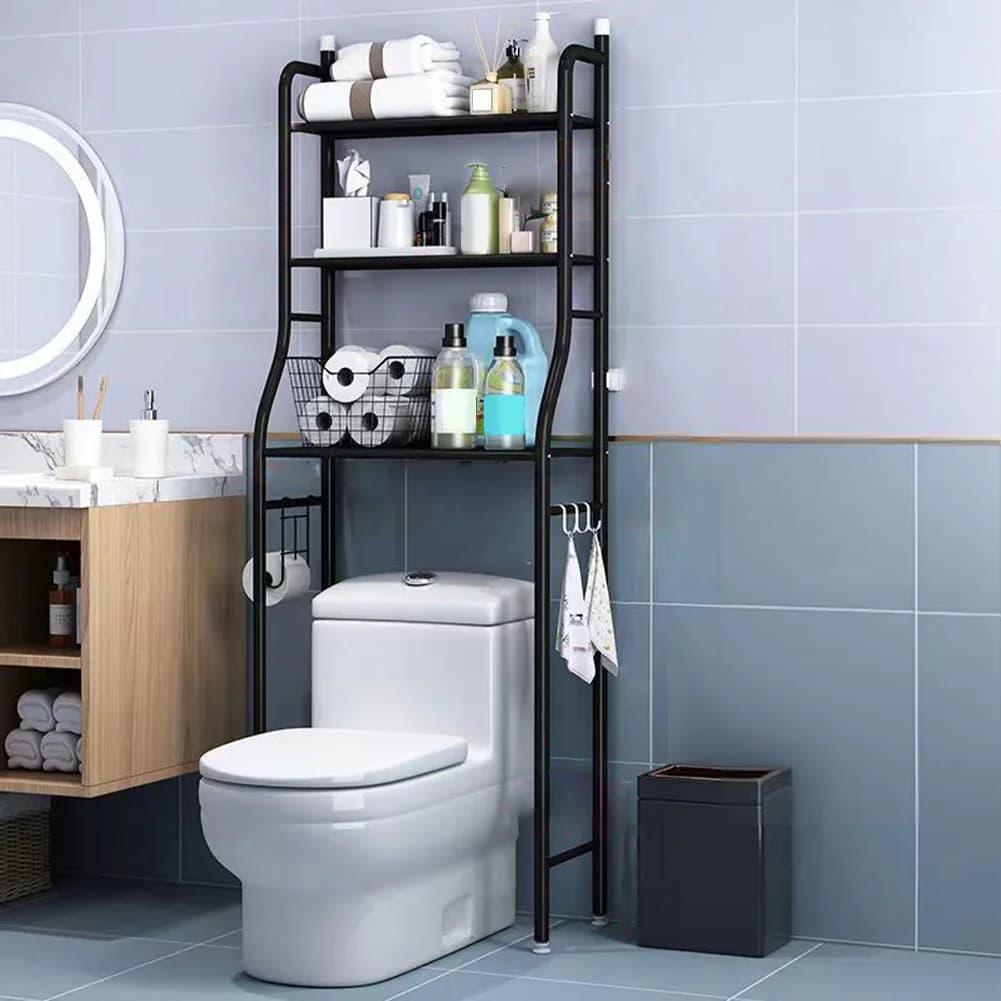
3-Tier Over-Toilet Storage Rack in Powder-Coated Carbon Steel
In stock · Options available · Ships in 7–21 business days
 Sale
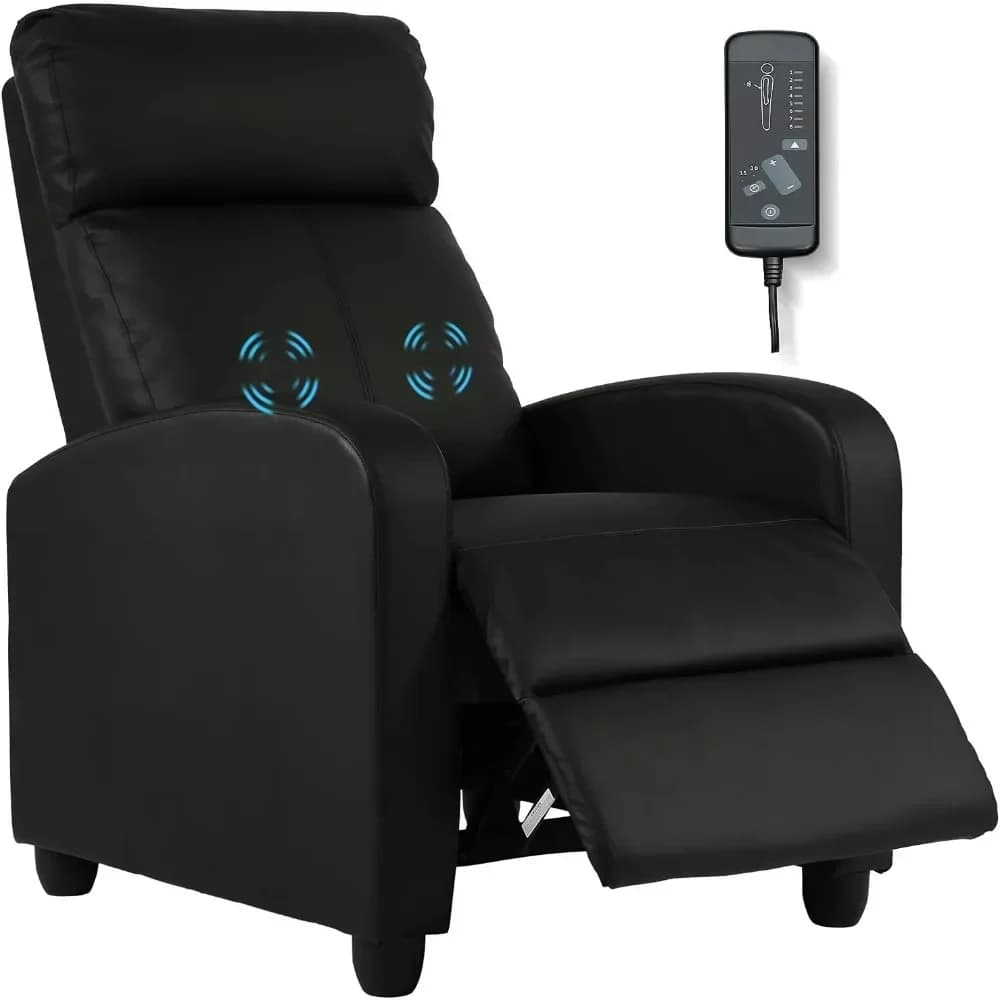
SaleWingback Massage Recliner Chair in PU Leather with Footrest
In stock · Options available · Ships in 7–21 business days
 Sale
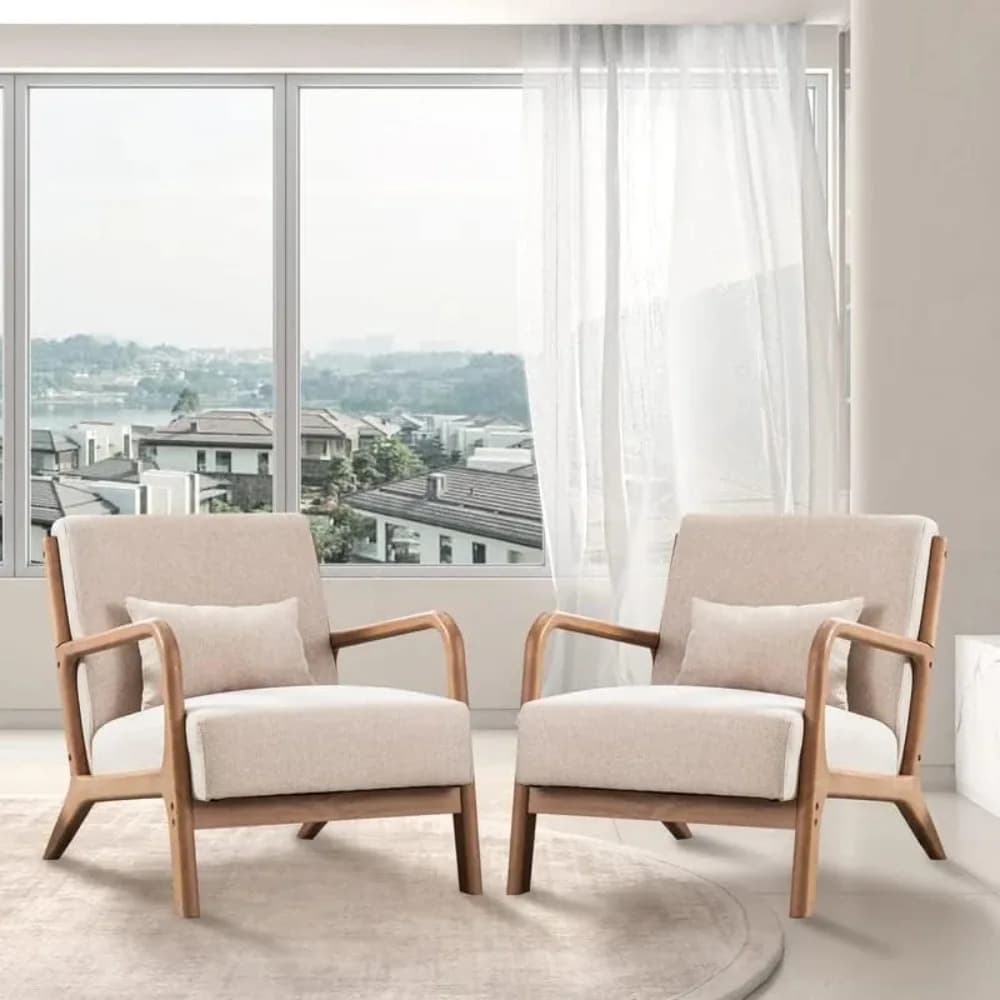
SaleMid-Century Modern Accent Armchairs, Set of Two, Wood Frame
In stock · Options available · Ships in 7–21 business days
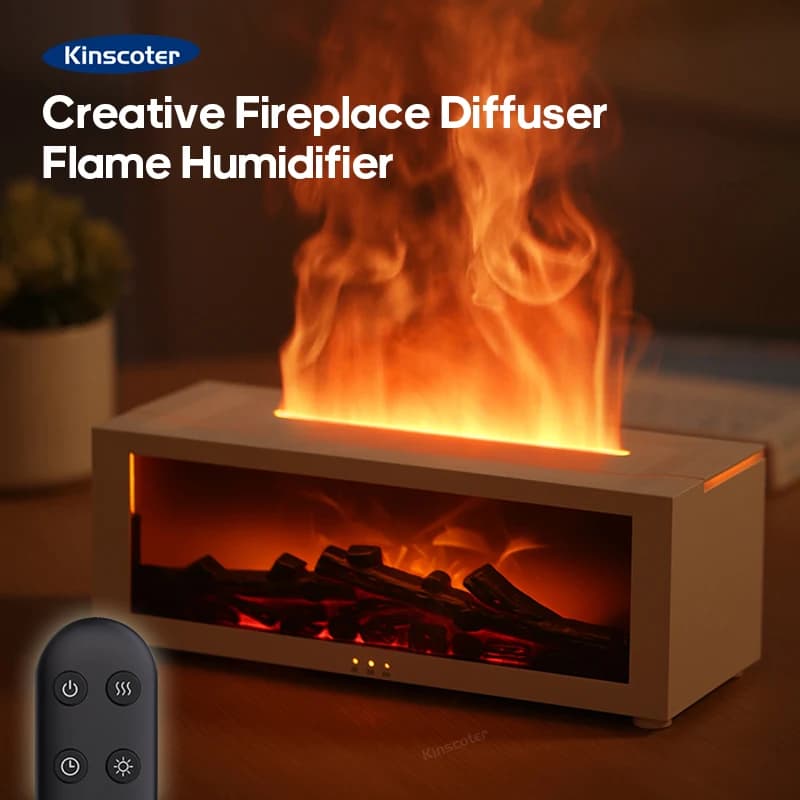
Fireplace Flame Ultrasonic Humidifier and Oil Diffuser
In stock · Options available · Ships in 7–21 business days
Continue reading
 Home & Kitchen
Humidifier Filter Replacement: When and How to Do It
Humidifier filter replacement explained: wick vs cartridge filters, how often to change them, warning signs, hard-water effects, and how to clean between swaps.
 Home & Kitchen
Air Fryer Energy Cost: How Much Does It Cost to Run?
Work out your air fryer energy cost per use with simple watts-to-dollars math, see how it compares with an oven and microwave, and learn when it saves money.
 Home & Kitchen
Humidifier vs Aroma Diffuser: Output, Size and Cost
Humidifier vs aroma diffuser compared by mist output, tank size, room coverage, running cost and upkeep, plus when a 2-in-1 unit makes sense for your room.