

Rugged Bluetooth Speaker Guide: Drops, Dust and Heat
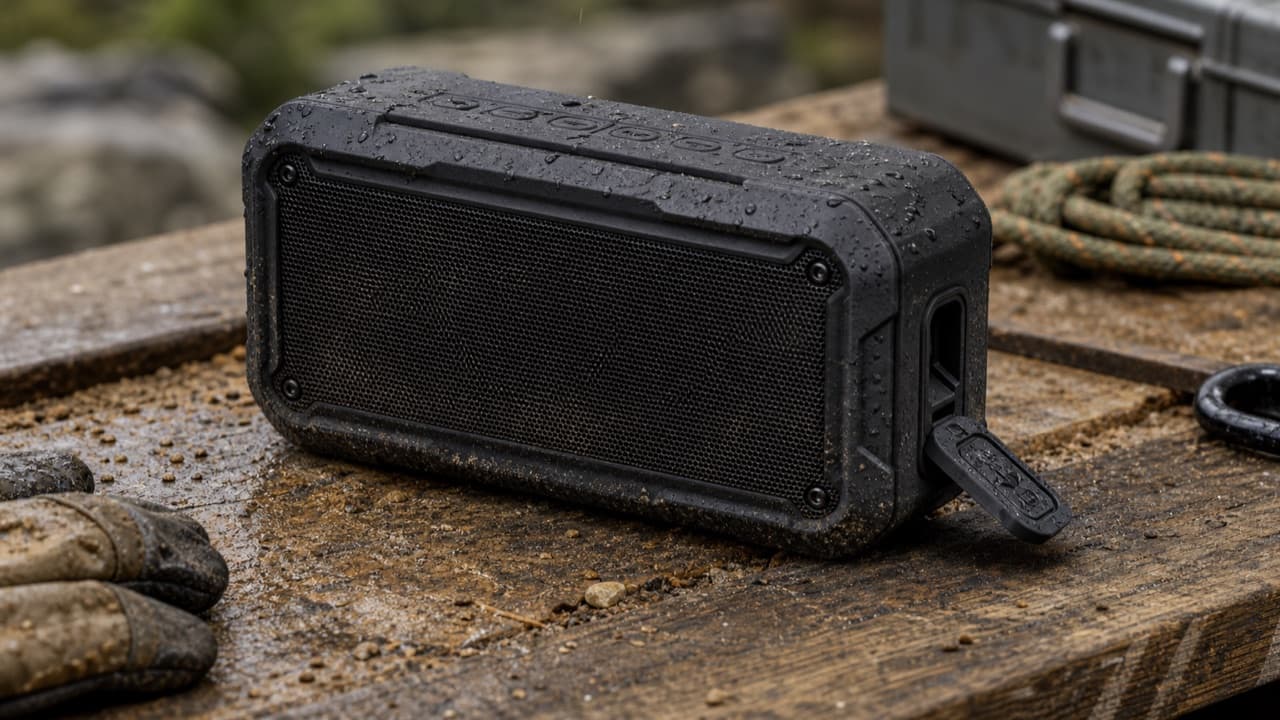
A rugged Bluetooth speaker is one designed to survive drops, dust, sun and temperature swings as well as water, but “rugged” on a box is a description, not a test result. The useful questions are what height and surface a drop claim refers to, whether the dust rating is IP5X or IP6X, and what temperatures the battery is rated for. This guide is for campers, climbers, cyclists, contractors and anyone whose speaker lives in a truck bed or on a tailgate rather than a bookshelf.
Key takeaways
- A credible drop claim names a height (for example 4 feet or 1.2 m), a surface and ideally the number of drops; “shockproof” alone tells you little.
- “MIL-STD-810” refers to a menu of US military test methods. Brands choose which tests to run and usually self-declare the result; it isn’t a certification.
- For sand and job-site dust, look for a first IP digit of 6 (dust-tight), not just a water rating like IPX7.
- Lithium-ion batteries are the weak link in heat and cold; many makers limit charging to roughly 32 to 104°F (0 to 40°C).
- Metal grilles, rubber bumpers, recessed buttons and solid strap anchors matter more over years than a tough-looking shell.
Drop and impact claims: how to read them
Impact damage is the most common way an outdoor speaker dies, and it’s also the least standardized claim. Water and dust have the IEC 60529 IP code; drops don’t have an equivalent consumer rating. Read every drop claim for four details:
- Height. A 3 to 5 foot (0.9 to 1.5 m) range covers table and tailgate falls. A drop from a climbing harness or a car roof is a different story.
- Surface. Plywood over concrete, as used in some test methods, is gentler than bare concrete or rock.
- Orientation and count. Landing on a corner or the grille is harsher than landing flat. A claim covering multiple drops and orientations is stronger than “survived a drop”.
- Outcome. “Still works” is different from “still meets its water rating”. A cracked seam can leave a speaker playing but no longer sealed.
What MIL-STD-810 does and doesn’t mean
MIL-STD-810 is a US Department of Defense standard describing environmental test methods: shock, vibration, temperature, humidity, sand and dust, among others. It doesn’t set a single pass mark for consumer products. When a speaker says “MIL-STD-810H tested”, ask which methods were used and under what conditions. If the listing or manual doesn’t say, treat the phrase as marketing that suggests some testing took place, not as a guarantee of toughness.
Dust, sand and grit
Water ratings get the attention, but sand and dust wreck speakers too. Fine particles work into buttons and port seals, abrade gaskets, and pack into the grille and passive radiators, damping bass.
- IP6X (dust-tight): no ingress of dust under the test conditions. The right choice for beaches, deserts, workshops and job sites.
- IP5X (dust-protected): some dust may get in, but not enough to interfere with operation under test conditions.
- X in the first digit: the speaker wasn’t rated for dust at all. An IPX7 speaker may still be well built, but there’s no dust claim to rely on.
Cleaning matters as much as the rating. Brush sand off grilles with a soft brush rather than blowing it deeper with compressed air, and wipe port seals before closing them. The portable speaker water-resistance guide covers rinsing and drying after beach use.
Heat, cold and UV: the battery is the weak link
Plastics, rubber and adhesives tolerate a lot, but the lithium-ion battery inside has narrower limits. Typical manufacturer guidance is to charge only between about 32 and 104°F (0 and 40°C), with a wider range for operation or storage. Check your manual for the exact figures, which vary.
- Hot car or truck bed: a closed vehicle in summer can far exceed storage limits. Heat speeds permanent battery wear and can soften gaskets.
- Freezing conditions: a cold battery delivers less runtime and may shut down early. Charging below freezing can damage lithium-ion cells, so warm the speaker to room temperature before plugging in.
- Direct sun for hours: UV fades and embrittles rubber and some fabric grilles over seasons. Shade extends both battery and housing life.
- Condensation: bringing a cold speaker into a warm, humid cabin can cause moisture inside the port. Let it acclimate before charging.
More on charge levels and storage is in the portable speaker battery care guide.
Build details that predict a long life
| Feature | Tougher option | Why it matters |
|---|---|---|
| Grille | Perforated metal or dense, coated fabric | Resists punctures to the driver; light fabric can snag and tear |
| Corners and ends | Raised rubber bumpers or over-molded edges | Corners take most impacts; bumpers spread the force |
| Buttons | Recessed, rubber-sealed | Less likely to be pressed in a bag or snapped off in a fall |
| Strap points | Anchored into the frame, metal or reinforced loops | A thin fabric loop glued to the shell can tear off with weight |
| Ports | Sealed port or tight-fitting flap with a tether | Flaps without tethers get torn off, leaving the port exposed |
| Passive radiators | Recessed or guarded | Exposed radiators can be punctured or pushed in by impacts |
Weight is a hidden factor. A heavier speaker carries more momentum, so it hits harder when it falls. A light speaker clipped securely can be more survivable than a heavy one balanced on a cooler lid.
Carrying and mounting it safely
- Use the strap or carabiner loop the speaker was designed for, and check that a carabiner is rated to hold weight if it isn’t a purely decorative clip.
- Keep it off the edges of tailgates, ledges and boat gunwales; a lanyard to a fixed point beats a non-slip base.
- On bikes and motorcycles, use a mount made for that speaker’s shape. Constant vibration loosens screws and can crack housings over time.
- After any hard drop, inspect seams, port flaps and the grille before trusting the speaker near water again.
Mistakes to avoid
- Reading “rugged” as “indestructible”. No consumer speaker is guaranteed against every fall. Check what the warranty says about physical damage; many exclude it.
- Treating IPX7 as a dust rating. The X means dust wasn’t tested. For sand, look for IP6X.
- Charging in the cold. Plugging in a frozen speaker in the car can damage the battery. Warm it first.
- Using compressed air on a sandy grille. It can drive grit past seals. Brush or rinse gently instead, as the manual allows.
- Ignoring a torn port flap. Once the cover is gone, the water and dust ratings that depended on it are gone too.
How to choose a rugged speaker for your use
- Pick IP67 with a stated drop height if you camp, hike or spend days at the beach, where sand, water and drops all happen.
- Pick a heavier, bumpered speaker with a metal grille if it lives in a garage, workshop or job site where knocks and dust are constant, and it isn’t carried far.
- Pick a compact, light speaker with a strong strap anchor if it rides on a pack, bike or kayak, where secure mounting prevents most falls.
- Look for clear temperature limits in the manual if you use it in winter or leave it in a vehicle.
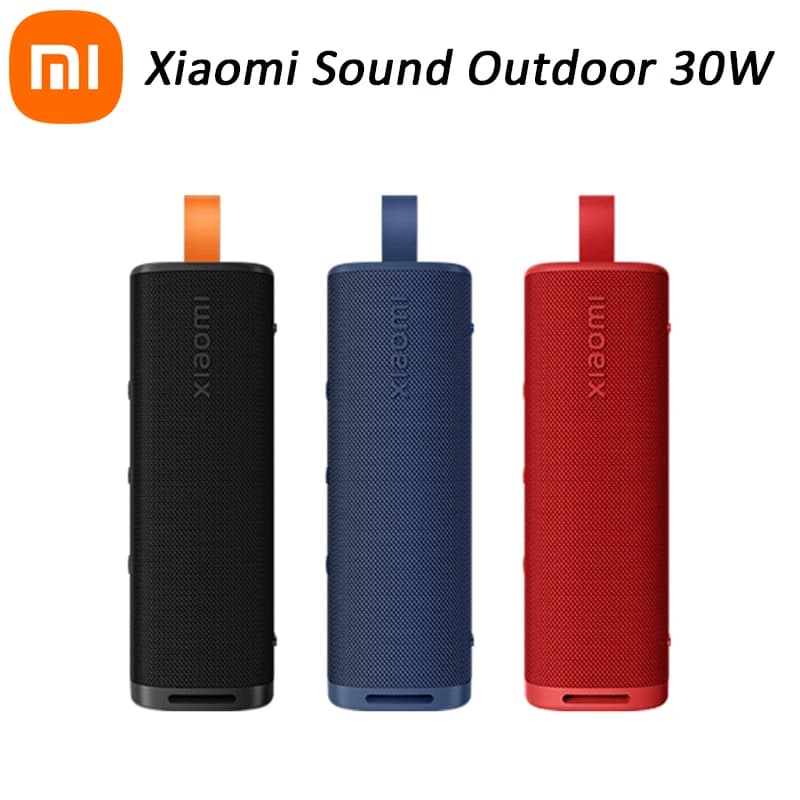
Outdoor-oriented options on ADLTHUB include the Zealot S56 outdoor speaker and the Xiaomi Sound Outdoor speaker; check each product page for its ratings, delivery and returns. For sizing and volume, see the portable speaker size and loudness guide, and browse more gear in outdoor and travel.
Frequently asked questions
What makes a Bluetooth speaker rugged?
A combination of a sealed housing with an IP rating for water and dust, impact protection such as rubber bumpers and a tough grille, and components that tolerate outdoor temperatures. Look for specific claims, such as IP67 and a named drop height, rather than the word rugged alone.
Is MIL-STD-810 a certification?
No. It’s a set of test methods published by the US Department of Defense. Manufacturers choose which methods to run and usually report the results themselves, so ask which tests were performed.
Can I leave a rugged speaker in my car?
Not for long in hot or freezing weather. Closed cars can exceed the battery’s storage limits, which speeds up battery wear and can stress seals. Bring it inside when you can.
Will a drop void the water rating?
It can. If a fall cracks the housing, deforms a seam or tears a port flap, water can get in even though the speaker still plays. Inspect it carefully after any hard impact.
What does IP67 mean for a speaker?
The 6 means dust-tight under test conditions, and the 7 means it withstood immersion in fresh water to 1 meter for 30 minutes. It doesn’t cover drops, saltwater or heat.
Shop Outdoor & Travel
View all →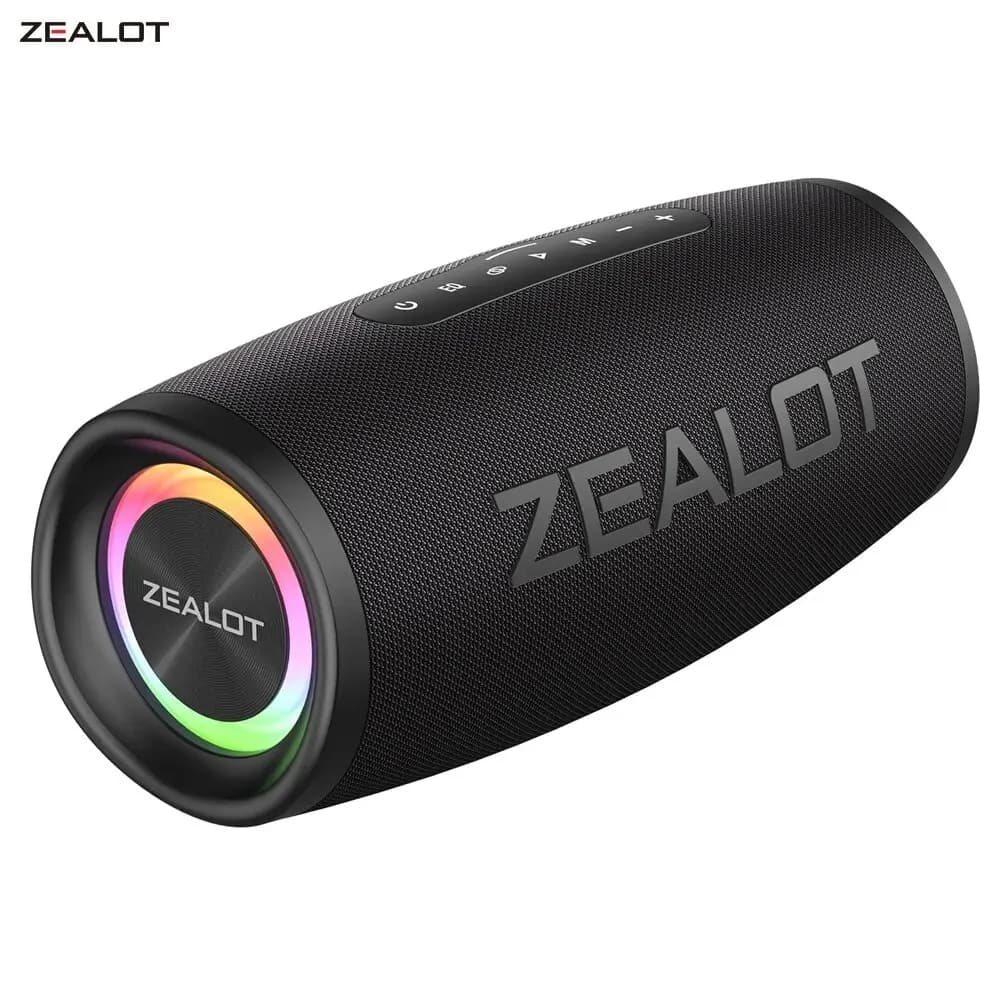
Zealot S56 Rugged Outdoor Bluetooth Speaker
In stock · Ships in 7–21 business days
 Sale
Xiaomi Sound Outdoor Portable Bluetooth Speaker
In stock · Options available · Ships in 7–21 business days
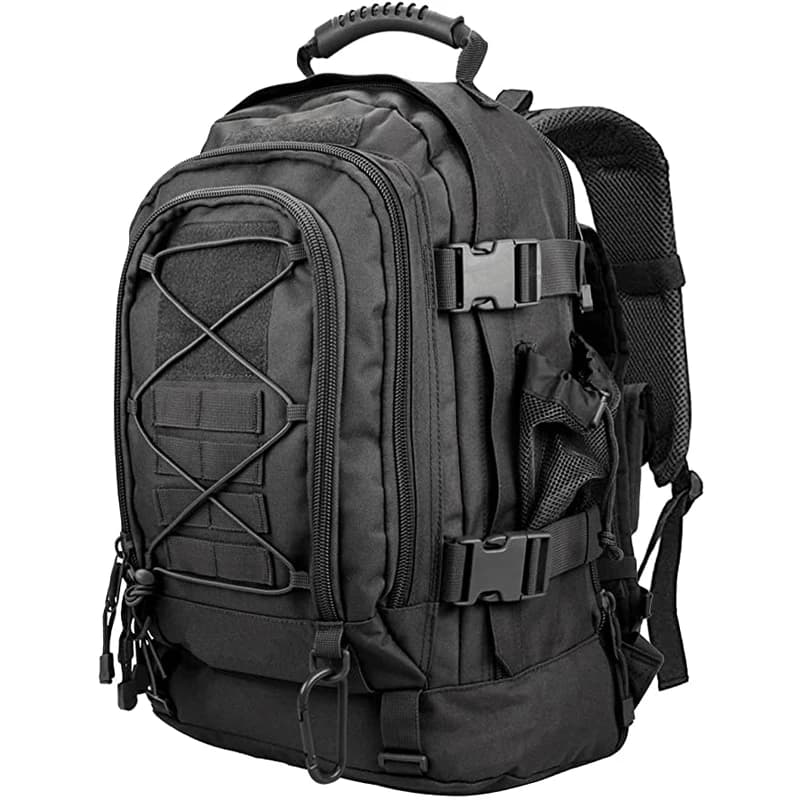
LQArmy 60L Tactical Backpack with Molle Webbing
In stock · Options available · Ships in 7–21 business days
Continue reading
 Outdoor & Travel
Waterproof Bluetooth Speaker Care: Pool, Beach and Rain
Waterproof Bluetooth speaker care for pools, beaches, showers and rain: what ratings miss, how to rinse and dry it, and why you never charge it wet.
 Outdoor & Travel
Travel Pillow Neck Support: Match the Shape to How You Sleep
Travel pillow neck support explained: which shape stops forward nodding or side drops, memory foam vs inflatable, sizing, hygiene and seat-specific tips.
 Outdoor & Travel
Packable Rain Jacket Guide: Ratings, Layers and Fit
Packable rain jacket guide: what waterproof and breathability ratings mean, 2-layer vs 2.5 vs 3-layer, key features and care to keep it beading water.