

Car Vacuum vs Air Duster: Which Cleans Your Car Better?
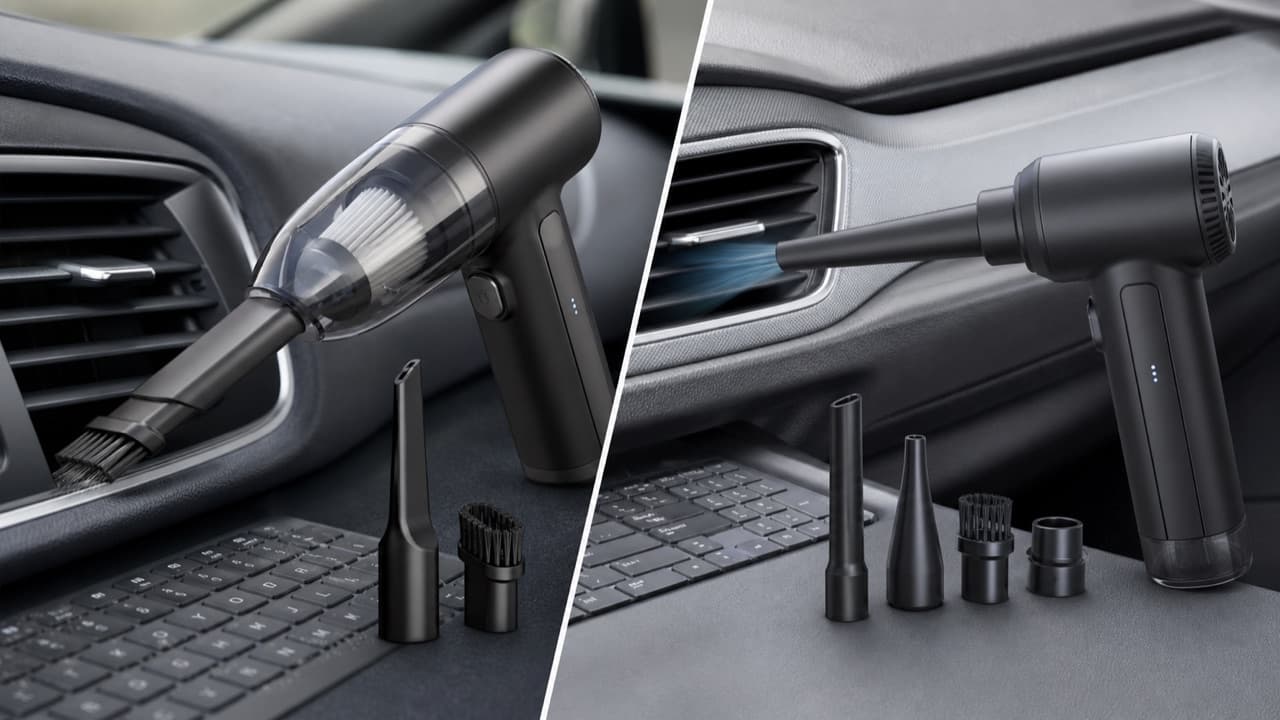
In the car vacuum vs air duster question, the short answer is that they do opposite jobs: a vacuum collects dirt and removes it from the car, while an electric air duster blows dust out of places nothing else can reach, such as vents, stitching, switch gaps and seat rails, so it lands somewhere you can then vacuum or wipe. If you only buy one for a car, buy the vacuum. Add a duster if you care about detail work, also clean electronics at your desk, or want to blow water out of mirrors and trim after a wash. This guide is for drivers and desk-tidiers deciding between the two, or wondering whether a 2-in-1 is worth it.
Key takeaways
- A vacuum removes debris; a duster relocates it. In a car, a duster on its own mostly moves dust from vents onto seats and carpet.
- Dusters excel at narrow seams, air vents, cupholder edges, seat tracks and around buttons where a nozzle can’t fit.
- Electric dusters replace canned air for repeated use, without propellant, cold spray or recurring purchases.
- 2-in-1 vacuum-blowers are convenient but usually compromise on both suction and airflow compared with dedicated tools.
- The best routine is top-down: blow out vents and seams with doors open, then vacuum everything that falls.
What each tool actually does
Car vacuum
A handheld car vacuum pulls air in through a nozzle, trapping crumbs, sand, hair and dust in a bin and filter. It’s the only one of the two that actually takes dirt out of the car. Its weakness is reach: a nozzle needs a gap wide enough to enter, and in tight seams the airflow it can draw is limited. Our car vacuum buying guide explains how to choose one.
Electric air duster
An electric air duster (sometimes called a cordless air blower) uses a small, very fast fan to push out a narrow, high-speed stream of air through a nozzle. It dislodges dust and crumbs from crevices that a vacuum can’t reach and from surfaces too delicate to brush hard. It doesn’t capture anything; whatever it blows loose ends up in the air, on the floor or on nearby surfaces.
Canned air
“Canned air” isn’t air: it’s a liquefied gas propellant under pressure. It works well for occasional use, but each can loses pressure and gets very cold as you spray, tilting it can release freezing liquid onto surfaces, and many products are flammable. They’re also not to be inhaled. For frequent cleaning, an electric duster is generally more convenient and has no recurring cost, though it’s louder and heavier.
Car vacuum vs air duster at a glance
| Factor | Car vacuum | Electric air duster |
|---|---|---|
| Main job | Collects and removes debris | Dislodges debris from tight spaces |
| Best places in a car | Carpets, mats, seats, footwells, trunk | Vents, seams, button gaps, seat rails, door pockets, badges |
| Fine dust | Captured if filter is clean and sealed | Blown into the air, settles elsewhere |
| Crumbs and sand | Very effective | Moves them into reach of the vacuum |
| Electronics at your desk | Gentle low-power use only | Keyboards, laptop vents, PC cases, speaker grilles |
| Maintenance | Empty bin, clean or replace filter | Minimal; keep intake clear |
| Typical noise | Moderate to loud | Often loud and high-pitched at full power |
Where an air duster beats a vacuum in a car
- Air vents. Slatted vents trap dust deep between louvers. A duster clears them in seconds; a vacuum brush only gets the surface.
- Seams and stitching. Crumbs wedge into seat piping and console seams. Blow them out, then vacuum the seat.
- Seat rails and under-seat tracks. Hard to reach with a crevice tool, easy to clear with a jet of air.
- Buttons, switches and screen edges. Air avoids rubbing grit across glossy trim and screens.
- After a car wash. Blowing water out of mirror housings, door handles, badges and grille gaps reduces drips and water spots. Don’t aim at wet paint from very close, and don’t use it to dry the main paintwork if it’s still gritty.
Outside the car, the same duster is useful for keyboards, laptop vents, speaker grilles and PC cases. Our guide to cleaning headphones and portable speakers covers gentler methods for delicate audio gear.
A blow-then-vacuum routine for a cleaner car
- Remove floor mats and loose items. Shake mats outside.
- Open all doors. Give blown dust somewhere to go besides the cabin, and stand upwind if you’re outdoors.
- Work top-down with the duster. Start with the dashboard vents, then the center console, door panels and seat seams. Finish with seat rails and the gaps around the seat base.
- Vacuum everything that fell. Use the crevice tool along seams and the brush tool on carpets and seats.
- Wipe hard surfaces last with a slightly damp microfiber cloth to pick up settled dust.
- Empty the vacuum and tap out the filter before putting it away. See our car vacuum filter maintenance guide for the details.
Are 2-in-1 vacuum and blower combos worth it?
Some handhelds switch between suction and blowing, either by moving the nozzle to the exhaust or through a mode switch. They save space and money, and they’re handy for light jobs. The trade-offs are typical of combo tools:
- A fan designed to do both jobs is rarely as strong in either mode as a dedicated tool.
- Blowing through the exhaust can push out residual dust from the filter area unless the design separates the two airflows.
- Switching modes mid-clean is slower than having two tools on hand.
A 2-in-1 suits light, occasional cleaning and small storage spaces. If you detail your car regularly or clean electronics often, dedicated tools tend to do each job better. Check a combo’s product page for how the blower mode works and whether it has separate airflow paths.
Safety and good practice
- Protect your eyes. High-speed air sends grit flying. Wear safety glasses for detail work, and never point a duster at people or pets.
- Hold fan blades still when blowing dust out of a computer fan. Letting a fan spin far beyond its normal speed can damage its bearings.
- Keep camera sensors and lenses for specialist tools. Use a hand-squeezed rubber blower for optics, not a powerful duster or canned air.
- Don’t vacuum liquids unless your vacuum is rated for wet pickup.
- Mind battery heat. Dusters and cordless vacuums both run warm at full power. Let them cool between long bursts, and store them indoors rather than in a hot car.
Mistakes to avoid
- Using only a duster in the car. Without a vacuum afterward, you’ve only moved the dust around the cabin.
- Blowing dust with the doors shut. The fine particles settle back onto the dashboard and into the vents you just cleaned.
- Vacuuming vents with a bare nozzle. Hard plastic edges can scuff soft-touch trim; use the brush tool or blow first.
- Tipping canned air upside down. It can spray freezing liquid propellant that marks plastics and screens.
- Expecting a combo tool to match two dedicated tools. Buy one for convenience, not for top performance.
Which one should you buy?
- Pick a car vacuum if you want one tool that genuinely gets your car cleaner. Crumbs, sand, hair and carpet dirt all need collecting, not blowing.
- Add an electric air duster if you detail your interior, have lots of vents and textured trim, or regularly clean keyboards, PCs and speaker grilles.
- Pick a 2-in-1 if storage is tight, your cleaning is light and you value convenience over peak performance.
- Stick with canned air only for rare, small jobs, and use it upright.
To start with the essential tool, compare options such as the Wireless Cordless Car Vacuum Cleaner and check its product page for included tools, runtime, delivery and returns. Browse more gadgets in electronics and accessories.
Frequently asked questions
Can an air duster replace a car vacuum?
No. An air duster only moves debris; it doesn’t collect it. You’ll still need a vacuum to remove the crumbs and dust the duster blows out of vents and seams.
Is an electric air duster better than canned air?
For frequent use, generally yes. It doesn’t run out, doesn’t get cold or spray liquid propellant, and has no ongoing cost. Canned air is lighter, quieter and fine for occasional small jobs.
Can I use an air duster to dry my car after washing?
Yes, it’s useful for blowing water out of mirrors, badges, handles and grille gaps to reduce drips. It’s slow for drying large panels, so use a clean drying towel for the main paintwork.
Is it safe to use an air duster on a laptop or PC?
Generally yes, with the device switched off and unplugged. Hold fan blades still while blowing on them, keep the nozzle a few inches away, and follow the device maker’s cleaning guidance.
Do 2-in-1 car vacuum blowers work well?
They work for light, occasional jobs and save space. Dedicated vacuums and dusters usually perform better in their own roles, so frequent detailers often prefer two separate tools.
Shop Tech & Gadgets
View all →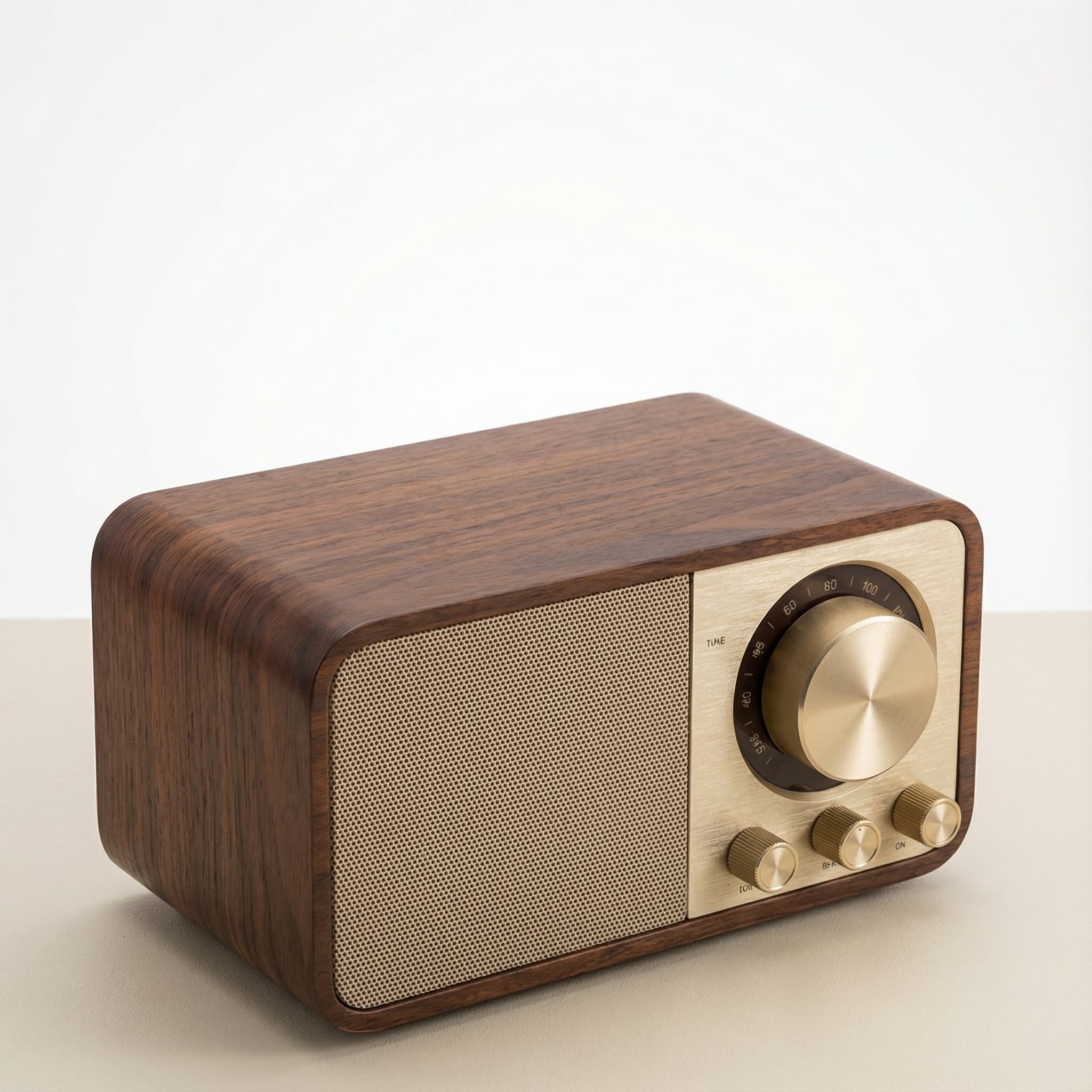 Sale
Retro Wood-Cabinet Bluetooth Speaker with FM Radio
In stock · Ships in 7–21 business days
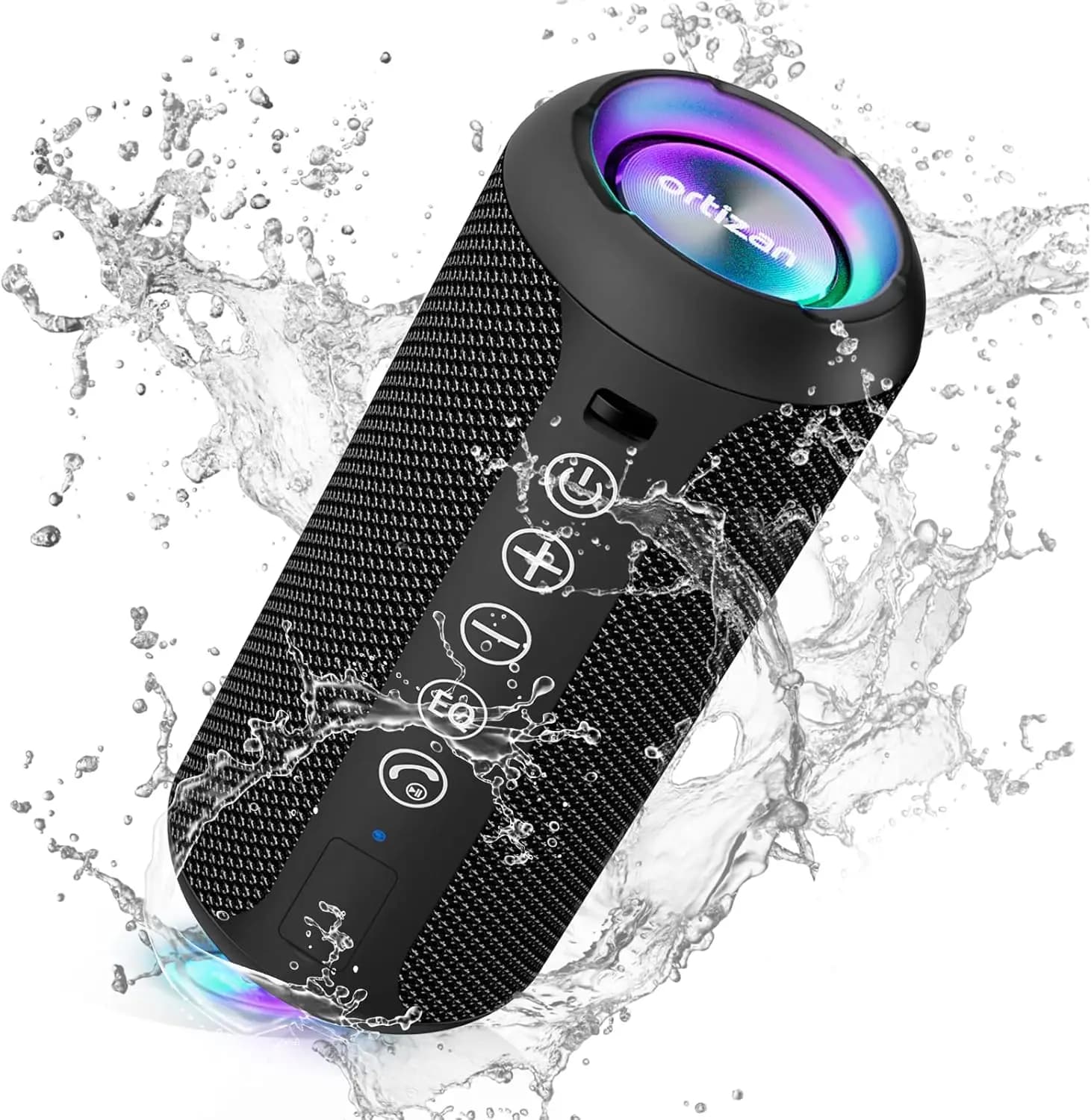
Ortizan X10 Portable Bluetooth Speaker with RGB Lights
In stock · Options available · Ships in 7–21 business days
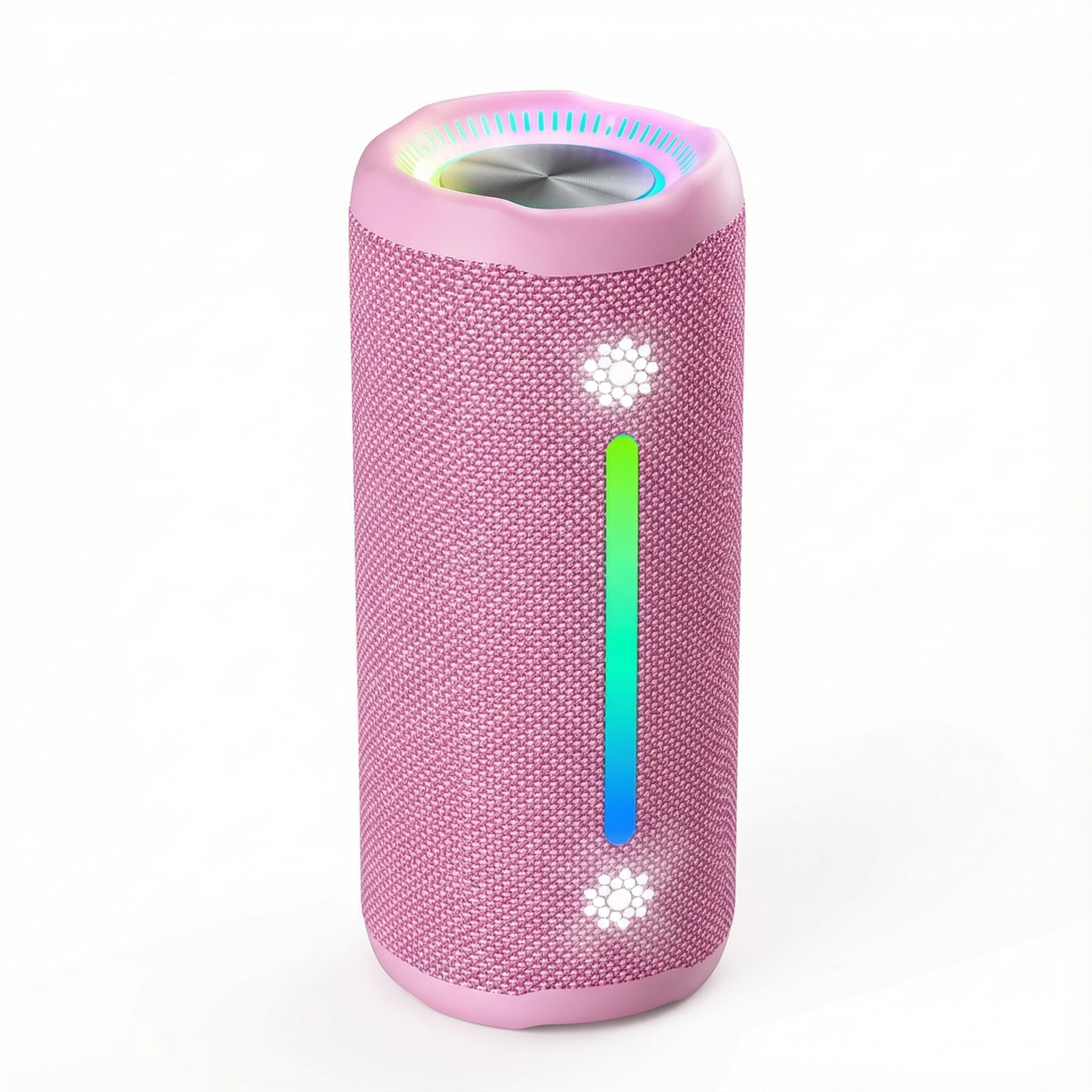
Ohayo X10 Max Bluetooth Speaker with Bass Boost and Lights
In stock · Options available · Ships in 7–21 business days
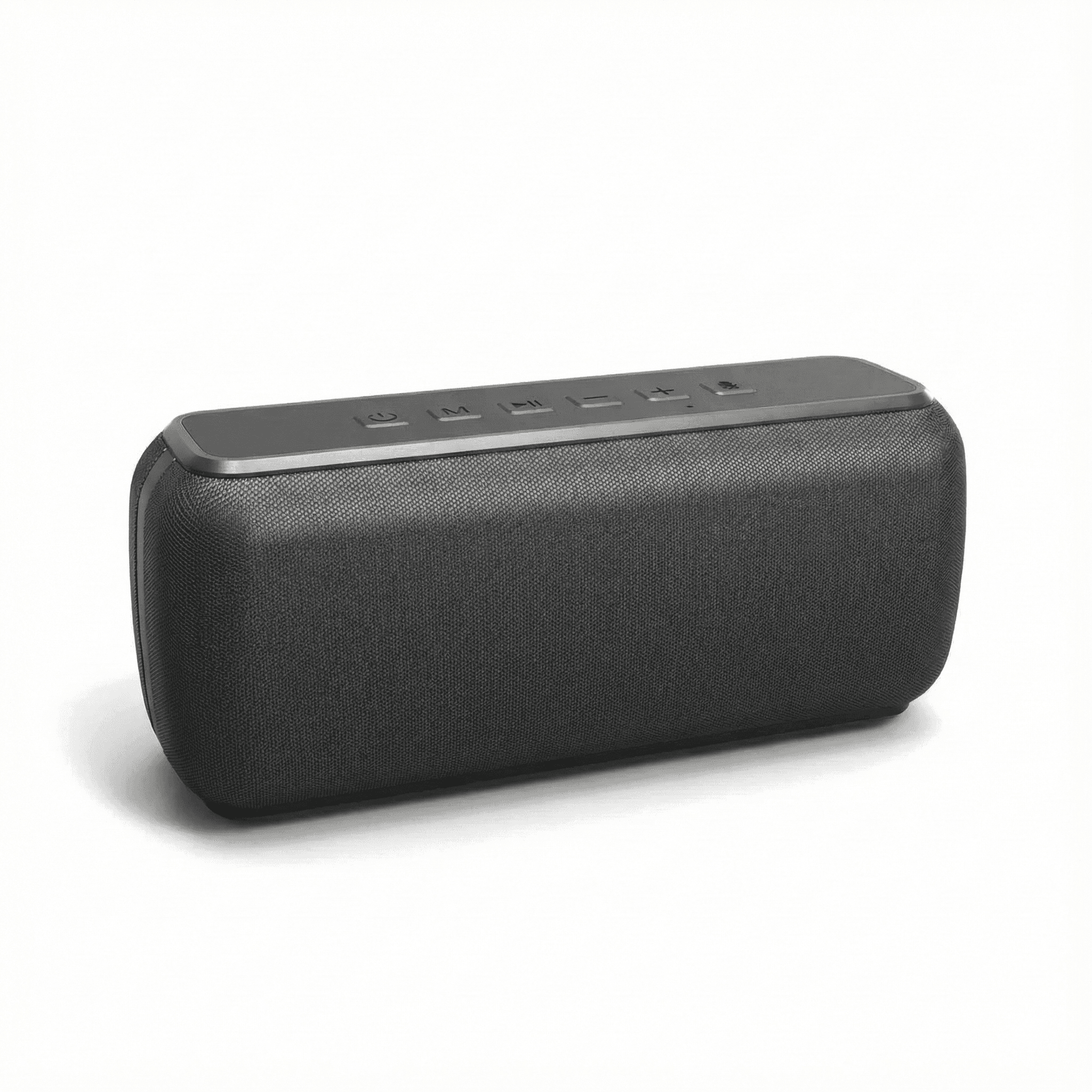
Xdobo X8 II Portable Bluetooth Speaker with Power Bank
In stock · Options available · Ships in 7–21 business days
Continue reading
 Tech & Gadgets
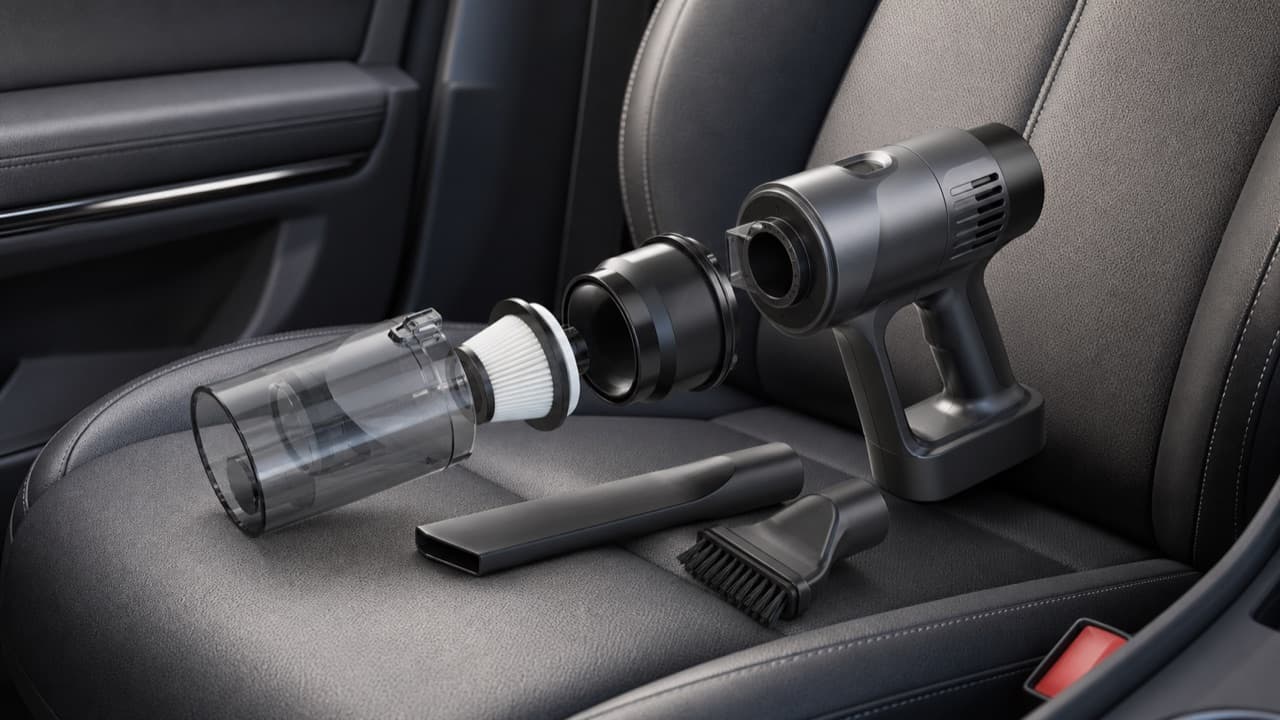
Car Vacuum Filter Cleaning: How to Restore Lost Suction
Car vacuum filter cleaning step by step: how to wash or tap out each filter type, drying times, airflow checks, when to replace parts and why suction drops.
 Tech & Gadgets
Budget Webcam Lighting: Look Better on Video Calls
Budget webcam lighting that works: where to place a key light, window tricks, color temperature and CRI, ring light glare fixes and webcam settings to lock.
 Tech & Gadgets
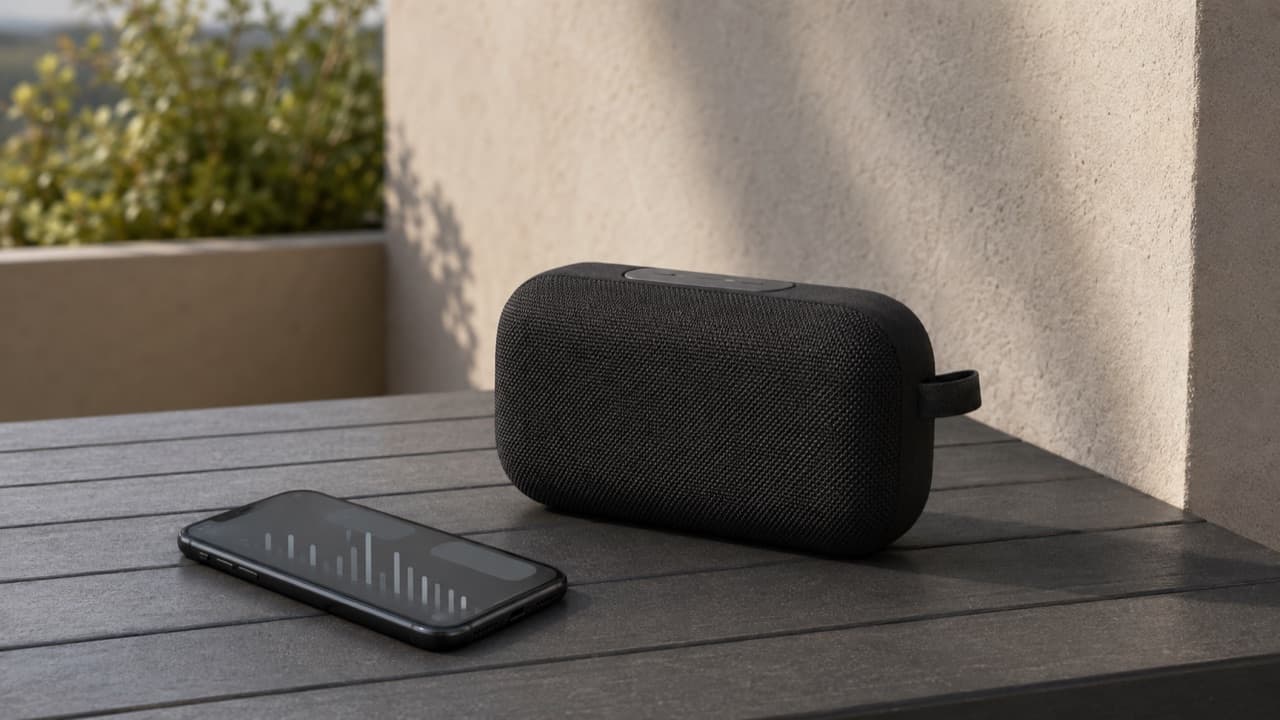
Portable Speaker EQ Settings: How to Get Better Bass
Portable speaker EQ settings explained: how bass boost, app presets and placement change the sound, why bass fades at high volume, and how to tune it well.