

Foil vs Rotary Shaver: Which Suits Your Beard and Skin?
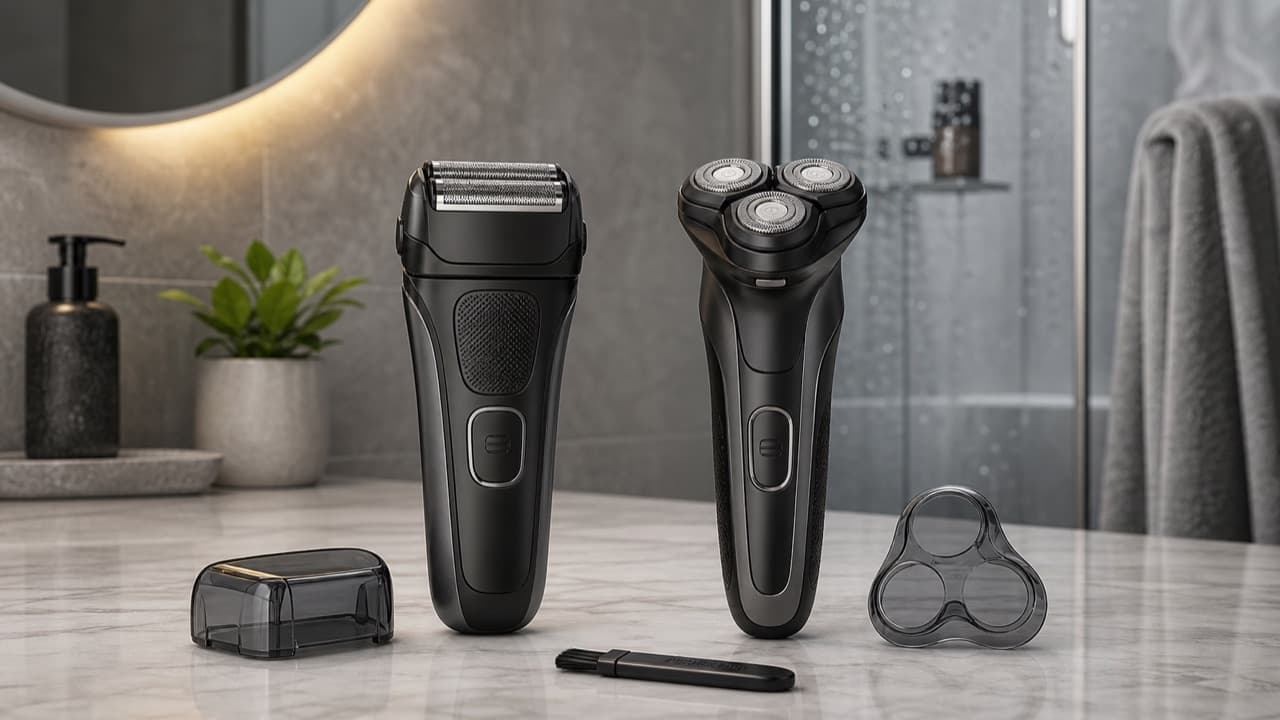
In the foil vs rotary shaver decision, choose a foil shaver if you shave daily, have fine to medium hair and want crisp edges along sideburns and the jaw; choose a rotary shaver if your beard is thick, grows in different directions on your neck, or you often shave after two or three days of growth. Both can give a close, comfortable shave once your skin adjusts, but they cut differently and suit different faces. This guide is for men switching from blades, replacing an old shaver, or wondering why their current one pulls or irritates, and it covers technique, wet versus dry use, and the running costs of each design.
Key takeaways
- Foil shavers cut with blades oscillating behind a thin perforated foil; you move them in straight lines against the grain.
- Rotary shavers use circular cutters under round heads that flex; you move them in small circles over curved areas.
- Foil usually wins on straight lines, edges and daily shaving; rotary usually wins on necks, jawlines and longer or wiry growth.
- Expect an adjustment period of a few weeks when switching from blades or between types.
- Budget for replacement heads: manufacturers commonly suggest replacing foils, cutters or rotary heads roughly every 12 to 24 months.
How foil and rotary shavers cut
Foil shavers
A foil shaver has one to four thin metal foils with small holes. Hair pokes through the holes and blades moving side to side underneath cut it. Because the foil sits between blade and skin and the head is flat or gently curved, foil shavers make precise straight passes and handle edges well. Multi-foil models usually add a trimmer element for longer hairs that lie flat.
Rotary shavers
A rotary shaver typically has three round heads, each containing spinning cutters under slotted guards. The heads pivot and flex independently to follow the jaw, chin and Adam’s apple. Slots around the edges catch longer and flatter hairs, so rotary designs often cope better with a few days of growth and with hair that grows in swirls.
Foil vs rotary shaver comparison
| Factor | Foil shaver | Rotary shaver |
|---|---|---|
| Motion | Straight strokes, against the grain | Small overlapping circles |
| Best hair type | Fine to medium, fairly uniform growth | Medium to coarse, wiry or multi-directional |
| Shave frequency | Daily or every other day | Handles two to three days of growth better |
| Contours | Good on cheeks, less natural on neck curves | Flexing heads follow jaw and neck |
| Edges and sideburns | Crisp straight lines | Harder to define edges; often includes pop-up trimmer |
| Typical noise | Often louder buzz | Often quieter hum |
| Replacement parts | Foil and cutter block, sometimes as one cassette | Set of rotary heads, usually replaced together |
These are tendencies, not rules. Head design, motor quality and how sharp the cutters are matter as much as the head type, which is why a well-maintained mid-range shaver often outperforms a neglected premium one.
Which head type suits your skin and beard
Sensitive skin and razor bumps
Many people with sensitive skin prefer foil shavers because the foil limits how much skin touches the cutters and straight passes avoid going over the same spot repeatedly. Others find rotary heads gentler because they glide without pressure. The common causes of irritation are the same for both: pressing too hard, too many passes, and dull or dirty heads. Electric shavers cut hair slightly above the skin line, which some people prone to ingrown hairs find helpful; persistent bumps or rash are worth discussing with a dermatologist.
Coarse, curly or fast-growing beards
Rotary heads and multi-element foil shavers with a dedicated long-hair trimmer both handle coarse growth. If you shave only a few times a week, rotary designs usually catch longer hairs more easily. Very curly hair that lies flat can be tough for any shaver; using a trimmer first to shorten the growth helps either type.
Neck and jawline
Growth on the neck often changes direction, sometimes within an inch. Rotary circles meet each hair from several angles, which is why rotary users often report fewer missed patches here. Foil users can compensate by stretching the skin and shaving in several directions.
Wet vs dry shaving and technique
Wet and dry shavers can be used with gel or foam, or in the shower, and are usually washable. Dry shaving works best on completely dry skin, so wait a few minutes after washing your face or use a pre-shave product made for electric shavers. Wet shaving with gel adds glide and suits sensitive skin, but cuts may be a little less close and it takes longer.
- Foil technique: hold the head at a right angle to the skin, use short straight strokes against the grain, and let the shaver’s weight do the work.
- Rotary technique: keep all heads flat on the skin and move in small circles with light pressure, covering each area systematically.
- Both: stretch skin with your free hand on the neck and jaw, and avoid pressing harder to fix missed hairs; another pass from a different angle works better.
ADLTHUB’s Wet and Dry Men’s Electric Shaver is one option for this kind of routine; check its product page for head type, charging, water-resistance and replacement-part details. If you are still deciding between a shaver and a trimmer for stubble styles, see our electric shaver vs beard trimmer guide.
Cleaning, replacement heads and running costs
Hair dust and skin oils dull cutters and pull hair, which is a leading cause of irritation with older shavers. Rinse washable heads under warm water after each shave if the manual allows, open and tap out dry-only models, and let the head air dry open. Avoid wiping foils with towels or tissue, as the thin foil dents easily. Some shavers come with cleaning stations that use cartridges; they are convenient but add an ongoing cost. Our routine for cleaning an electric shaver and trimmer walks through each part.
Replacement parts are the main long-term cost. Signs you need new heads include more pulling, needing more passes, new redness, or visible dents and holes in a foil. Before buying a shaver, check that replacement foils or heads are easy to find and fairly priced, because a shaver with no available parts becomes disposable once the cutters wear.
Mistakes to avoid
- Judging a shaver after one week. Skin and beard typically need a few weeks to adjust to a new shaving method.
- Pressing hard. Pressure flattens hair and pushes skin into the cutters, causing redness without a closer result.
- Using a foil shaver in circles or a rotary in straight lines. Each design is built for its own motion.
- Dry shaving damp skin. Moisture makes skin drag and hair soften unevenly.
- Ignoring a dented foil. A damaged foil can nick skin; replace it promptly.
- Buying without checking replacement parts. Unavailable heads turn a good shaver into waste.
How to choose between foil and rotary
- Pick a foil shaver if you shave daily, have fine to medium hair, want sharp sideburns and edges, or find circular motions awkward.
- Pick a rotary shaver if your beard is coarse or grows in swirls on the neck, you shave every two to three days, or you have a pronounced jawline and Adam’s apple.
- Pick a wet and dry model of either type if you have sensitive skin and want to shave with gel or in the shower.
- Add a separate body groomer if you plan to shave below the neck; facial shavers are not designed for it. Our body groomer use and cleaning guide explains why.
Compare grooming tools in ADLTHUB’s personal care category.
Frequently asked questions
Is a foil or rotary shaver better for sensitive skin?
Many people with sensitive skin prefer foil shavers, but technique and sharp heads matter more than design. Use light pressure, fewer passes and a wet and dry model with gel if your skin reacts to dry shaving.
Which shaves closer, foil or rotary?
Foil shavers are often considered slightly closer on cheeks and straight areas, while rotary shavers can be closer on neck curves and multi-directional growth. Results vary with beard type and the specific model.
How often should I replace electric shaver heads?
Manufacturers commonly recommend replacing foils, cutters or rotary heads roughly every 12 to 24 months, depending on use. Replace sooner if the shaver starts pulling, irritating or the foil is damaged.
How long does it take to get used to an electric shaver?
A few weeks is typical. Your skin and beard adapt to the new cutting action, so give it consistent daily use before deciding it is not working.
Can I use a foil or rotary shaver on a long beard?
Neither is designed for long growth. Trim long hair down first with a beard trimmer, then use the shaver for the final close shave.
Shop Beauty & Personal Care
View all → Sale
Champagne Gold Makeup Brush Set with Travel Pouch
In stock · Options available · Ships in 7–21 business days
Tourmaline Ceramic Hair Curler with Adjustable Heat
In stock · Options available · Ships in 7–21 business days
 Sale
Rotating Hot Air Brush with Ceramic Tourmaline Barrel
In stock · Ships in 7–21 business days
 Sale
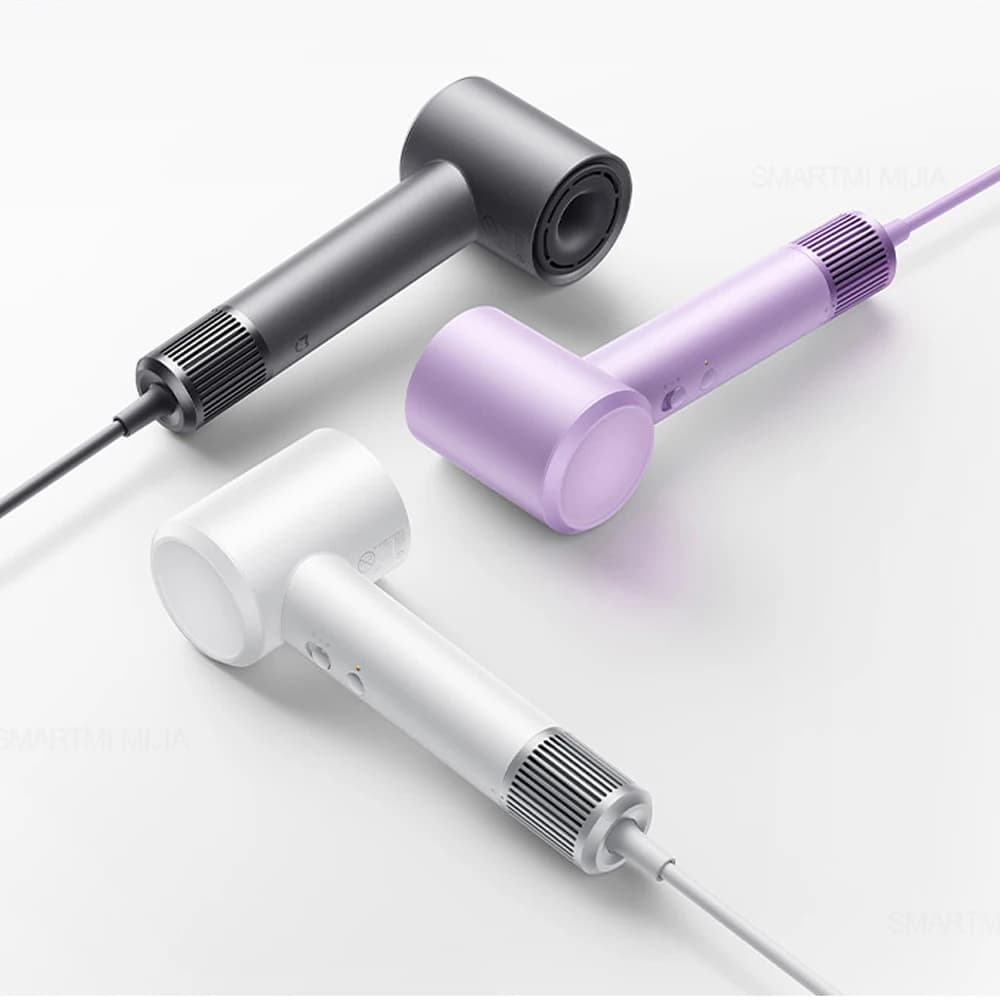
High-Speed Brushless Ionic Hair Dryer with Magnetic Nozzle
In stock · Options available · Ships in 7–21 business days
Continue reading
 Beauty & Personal Care
Synthetic vs Natural Makeup Brushes: Which Should You Buy?
Synthetic vs natural makeup brushes: how each bristle type handles powder, cream and liquid, how to wash them, and which to buy for face and eye makeup.
 Beauty & Personal Care
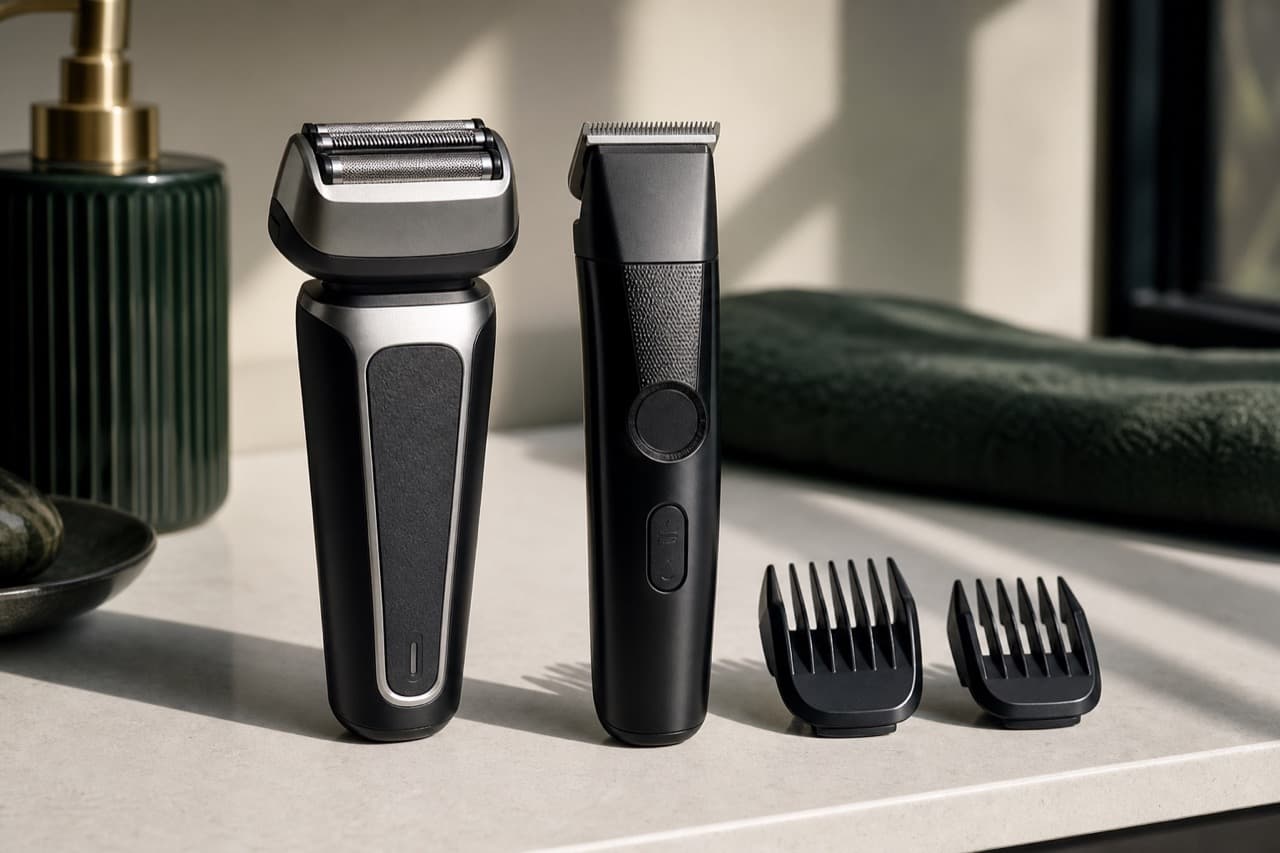
How to Trim a Beard With an Electric Trimmer: Pro Tips
Learn how to trim a beard with an electric trimmer: guard lengths, cheek and neck lines, fading, mustache detail and blade care for a clean, even shape at home.
 Beauty & Personal Care
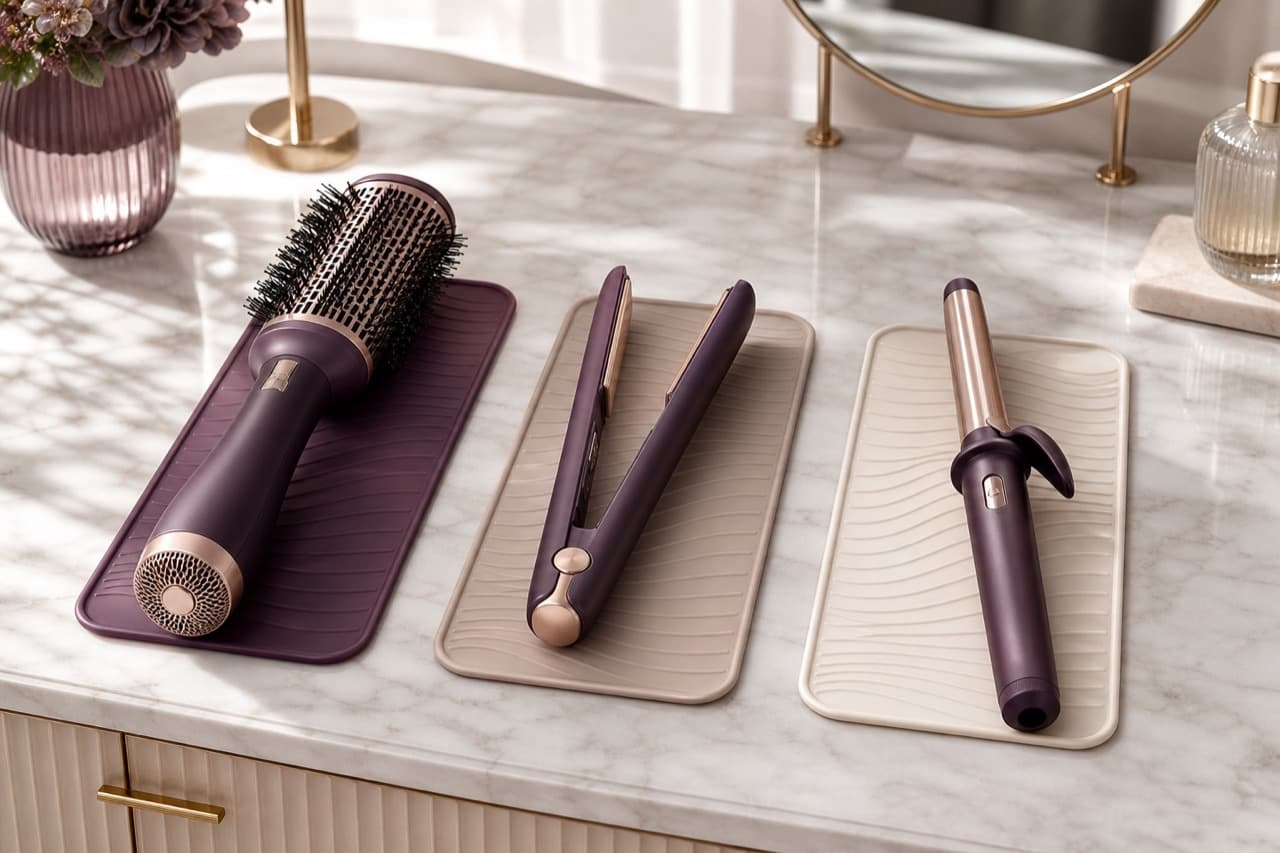
Hair Dryer Brush vs Straightener vs Curler: Which to Buy
Hair dryer brush vs straightener vs curler: compare results, heat, hair types, styling time and damage risk so you buy the one tool that fits your routine.