

Nose and Ear Hair Trimmer Guide: Features That Matter
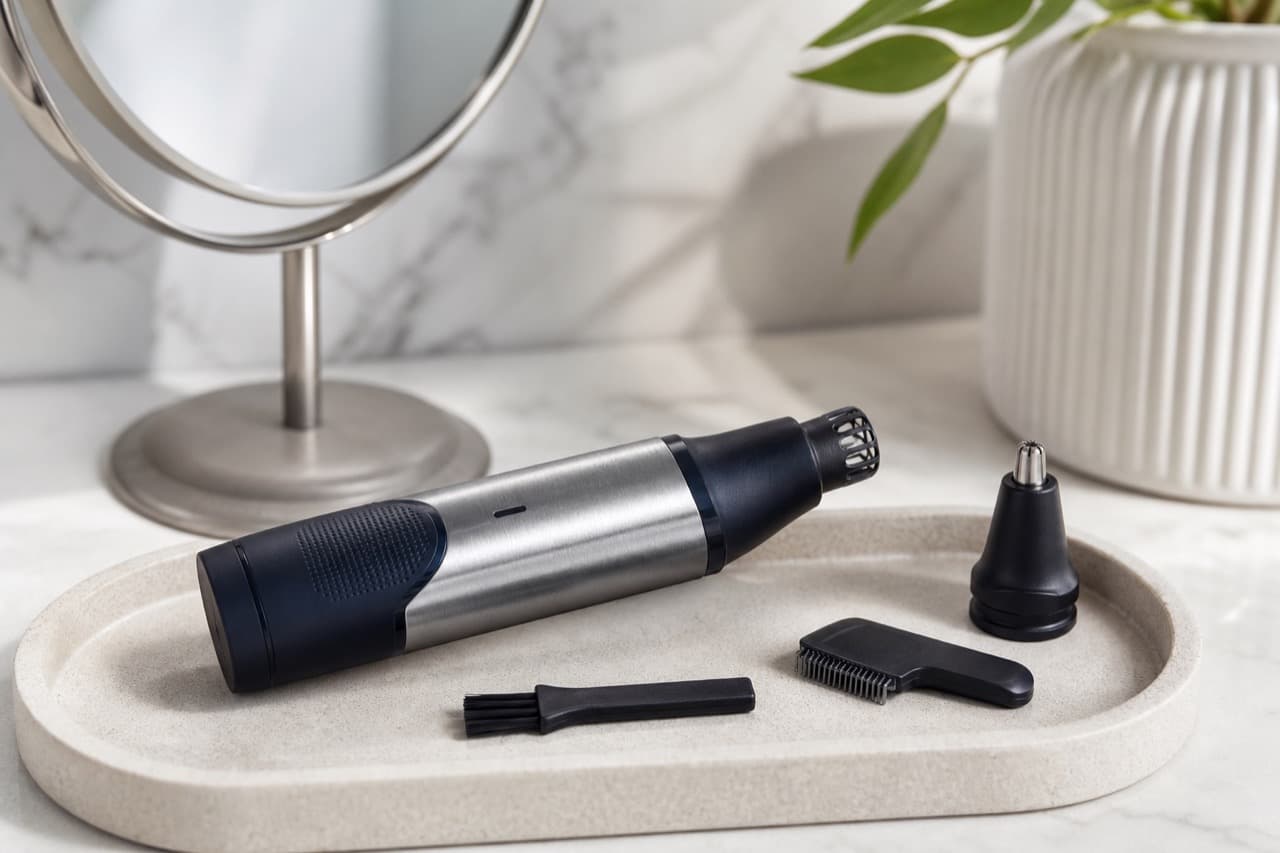
A good nose and ear hair trimmer has a small, guarded head with blades that never touch your skin, a motor strong enough to cut without pulling, and a head you can rinse clean. Most of the difference between a trimmer you use for years and one that ends up in a drawer comes from the blade design, the power source and how easy it is to clean, not from the number of attachments in the box. This guide is for anyone choosing a first nose and ear hair trimmer or replacing one that tugs, rattles or rusts.
Key takeaways
- Choose the cutting head first: rotary heads are good at nostrils, while vertical (reciprocating) heads are better for ears and stray brow hairs; dual-edge heads try to do both.
- A pulling sensation almost always means dull blades, hair buildup or a weak battery, so a low-friction head and a steady motor matter more than a high spin claim.
- Washable heads that you can rinse under the tap make hygiene easy; check whether the whole body or only the head is rated for water.
- AA-powered trimmers are simple and travel-friendly, while USB-C rechargeables avoid buying batteries; both work if the motor speed stays steady.
- Eyebrow guides and length combs are useful only if they click on firmly and suit your brow shape.
- Budget for care, not replacement: a quick rinse after use and an occasional drop of oil keep most heads cutting cleanly.
How a nose and ear hair trimmer cuts
Every nose and ear trimmer works on the same safety principle: the moving blade sits inside a perforated metal or plastic guard. Hair enters the slots or holes in the guard and is clipped by the blade just inside it, so the cutting edge is never exposed to the lining of your nose or ear. That is why these tools trim rather than shave, and why you will always leave a short stub of hair behind. That stub is a feature, not a flaw: nose hair helps filter air, and removing it completely is neither necessary nor advisable.
There are two main head designs, and they behave differently.
Rotary heads
A rotary head has a small cup-shaped guard with side slots and a blade spinning inside. Hairs that poke through any of the slots get cut as the blade passes. Rotary heads are compact and rounded, so they fit into a nostril comfortably and catch hair growing at many angles. Their weak spot is longer or coarser hair, which can wrap around the blade instead of being cut cleanly, especially if the motor slows down.
Vertical or reciprocating heads
A vertical head has a narrow comb-like guard with a blade moving side to side behind it, similar to a tiny hair clipper. It is easier to aim at individual hairs on the outer ear, earlobes and eyebrows, and it handles slightly longer hairs well. It is less forgiving deep in a nostril because it cuts mainly along one edge.
Dual-edge and multi-head kits
Some trimmers use a rotary cup with an extra cutting edge on top, or ship with swappable heads for nose, ears, brows and sideburns. These are handy if you want one tool for all small detail work, but each extra head is another part to clean, store and eventually replace.
Features worth paying for, and features to ignore
| Feature | What to look for | Why it matters |
|---|---|---|
| Blade material | Stainless steel or coated steel; hypoallergenic coatings if you react to nickel | Resists corrosion from moisture and rinsing; holds an edge longer |
| Guard design | Smooth, rounded tip with no sharp seams | Comfort inside the nostril and less chance of scraping skin |
| Power source | One AA battery, or a rechargeable cell charged by USB-C | Determines running cost, travel convenience and how steady the motor stays |
| Water resistance | A stated water-resistance rating or clear rinse instructions | Tells you whether you can rinse the head only, or the whole body |
| Attachments | Eyebrow combs with marked lengths, a detail trimmer head | Useful only if they lock on firmly and you will actually use them |
| Built-in light | Small LED near the head | Helps you see inside a nostril; nice to have, not essential with good bathroom light |
Ignore vague claims like “painless for everyone” without detail. A trimmer is comfortable when its blade is sharp, the guard is smooth and the motor does not bog down. If a listing shows the head design clearly and explains how to remove and rinse it, that tells you more than adjectives. ADLTHUB carries a nose and ear hair trimmer; check its product page for the exact head type, power source, water resistance and what is included.
AA battery vs rechargeable: which power source is better?
Both power types work well when the design is sound. The deciding factors are how often you trim and how you travel.
- AA battery trimmers are simple: no cable, no charging, and a fresh battery from any store if it dies on a trip. The trade-off is that motor speed drops as the battery drains, and a slowing motor is the most common cause of tugging. Swap the battery at the first sign of pulling, and remove it if you will not use the trimmer for months, because a leaking cell can corrode the contacts.
- Rechargeable trimmers usually hold a steadier speed until the battery is nearly empty and avoid the ongoing cost of disposable batteries. Prefer USB-C charging so you can share a cable with your phone. A sealed rechargeable body also tends to be easier to make water-resistant. Check whether the battery is replaceable; in most small trimmers it is not, so battery life sets the product’s lifespan.
Trimming nose and ear hair takes a minute or two, so even a modest battery lasts weeks between charges. Runtime is rarely the limiting factor; steady speed is.
How to clean a nose and ear hair trimmer
Hair clippings, skin oils and moisture collect inside the guard every time you use it. Left alone, that mix dulls the blade, slows the motor and can smell. A short routine after each use keeps it hygienic.
- Switch off and tap out. Turn the trimmer off and tap the head gently on the edge of the sink to dislodge loose hair.
- Remove the head if it detaches. Most heads twist or pull off. This exposes the blade and the drive shaft so you can clear trapped hair.
- Rinse only what is rated for water. If the head is washable, rinse it under warm running water. If the listing or manual says the body is not water-resistant, keep water away from the battery compartment and switch.
- Brush the blade. Use the small brush supplied, or a clean, dry soft brush, to clear hair from the blade and guard slots.
- Dry fully. Shake out water, run the trimmer briefly with the head attached to fling out remaining droplets if the manual allows, and leave it with the cap off to air-dry before storing.
- Disinfect occasionally. Many manufacturers allow wiping the guard with isopropyl alcohol; check the manual first, because some plastics and coatings do not tolerate it.
- Oil the blade now and then. If the manual recommends it, a drop of clipper oil on the blade keeps it moving freely. Run it for a few seconds, then wipe off excess.
The same habits keep other grooming tools working; our guide to hair trimmer guards and blade maintenance covers oiling and blade care for larger trimmers in more depth.
Mistakes to avoid
- Buying on attachment count. Six heads you never use add clutter and cleaning time. One good head that suits your main need is a better buy.
- Rinsing a body that is not water-resistant. Water in the battery compartment corrodes contacts and can kill the motor. Know which parts are rated before you hold it under the tap.
- Ignoring a slowing motor. Pulling and tugging usually means a weak battery or clogged blade. Pushing on harder makes it worse and is uncomfortable.
- Storing it wet with the cap on. Trapped moisture encourages rust and odor. Let it dry first.
- Sharing a trimmer. It touches the inside of your nose and ears. Treat it like a toothbrush, one per person.
- Using it for jobs it was not made for. A nose trimmer is not a beard trimmer. For larger areas use a dedicated tool; our guide to electric shavers vs beard trimmers explains which tool suits which job.
How to choose the right nose and ear hair trimmer
- Pick a rotary head if your main job is nostril hair and you want a quick, compact tool.
- Pick a vertical or dual-edge head if you trim a lot of ear hair, earlobe fuzz or stray brow hairs and want precise aim.
- Pick a rechargeable, water-resistant model if you trim several times a week and want to rinse the whole thing clean.
- Pick an AA model if you travel often, trim occasionally, or prefer not to manage another charger.
- Pick a kit with brow combs if you also tidy eyebrows and want consistent lengths without scissors.
Before you start trimming, read our nose and ear hair trimmer safety guide for technique, how far to insert the head and when to see a doctor instead. You can browse more grooming tools in the personal care category.
Frequently asked questions
Is it better to trim or pluck nose hair?
Trimming is generally the safer choice. Plucking pulls the hair out at the root and can leave small openings in the skin inside the nose where irritation or infection can start. A guarded trimmer shortens the visible hair while leaving enough behind to keep filtering the air you breathe.
Can I use a nose hair trimmer on my eyebrows?
Yes, for stray long hairs. A vertical head or an eyebrow comb attachment gives you more control than a rotary head. Use a comb with a marked length if you want to shorten the whole brow evenly, and trim a little at a time.
Why does my nose hair trimmer pull hairs?
The usual causes are a weak battery, hair packed inside the guard, or a dull blade. Replace or recharge the battery, clean the head thoroughly, and oil the blade if the manual allows it. If tugging continues on a clean, fully powered trimmer, the blade is likely worn.
How often should I trim nose and ear hair?
Most people trim every one to three weeks, depending on how fast their hair grows. Trim when hairs become visible rather than on a fixed schedule, and remove only what shows.
Are waterproof nose trimmers worth it?
They are worth it if you like to rinse the whole tool or use it in the shower. A model where only the head is washable still cleans well, as long as you keep water away from the body. Check the stated rating or rinse instructions rather than assuming.
Shop Beauty & Personal Care
View all →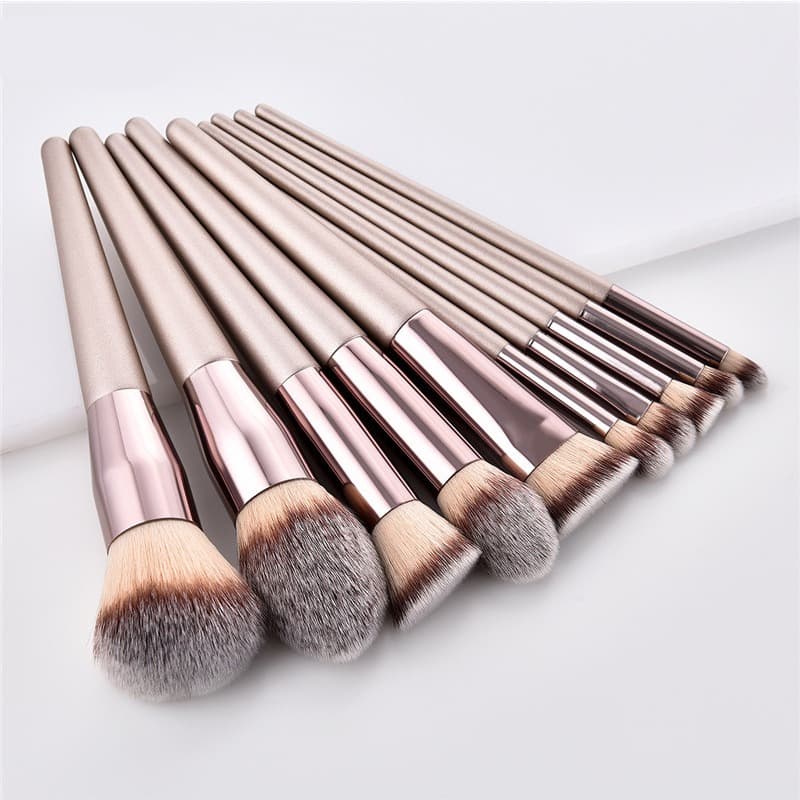 Sale
SaleChampagne Gold Makeup Brush Set with Travel Pouch
In stock · Options available · Ships in 7–21 business days
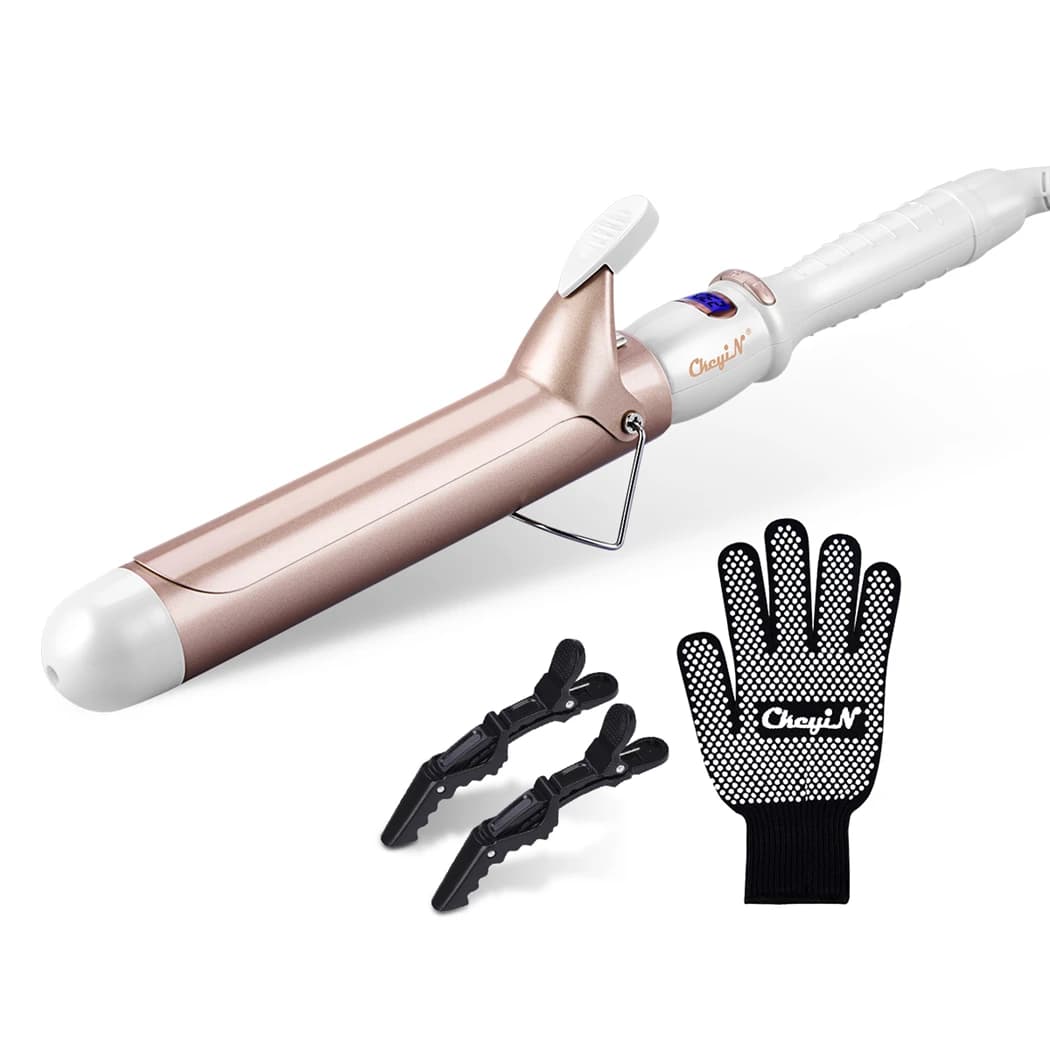
Tourmaline Ceramic Hair Curler with Adjustable Heat
In stock · Options available · Ships in 7–21 business days
 Sale
SaleRotating Hot Air Brush with Ceramic Tourmaline Barrel
In stock · Ships in 7–21 business days
 Sale
SaleHigh-Speed Brushless Ionic Hair Dryer with Magnetic Nozzle
In stock · Options available · Ships in 7–21 business days
Continue reading
 Beauty & Personal Care
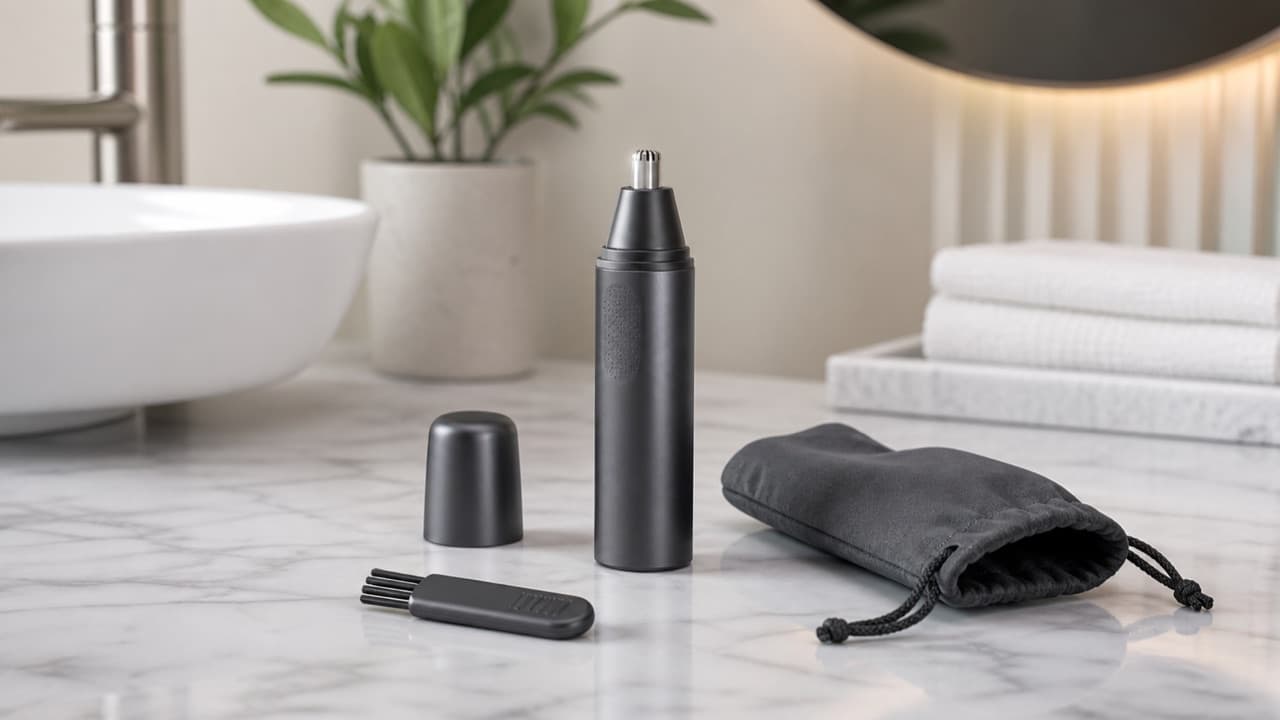
How to Trim Nose and Ear Hair Safely: Step by Step
How to trim nose and ear hair safely: how far to insert the trimmer, step-by-step technique, hygiene, why plucking is riskier, and when to see a doctor.
 Beauty & Personal Care
Hair Trimmer Guard Sizes and Blade Maintenance Guide
Hair trimmer guard sizes decoded: numbers to inches and millimeters, how to fade between guards, and how to clean, oil and store blades so they cut cleanly.
 Beauty & Personal Care
Hair Dryer Wattage, Heat Settings and Voltage Explained
Hair dryer wattage, heat and speed settings, motor types and voltage explained, so you can compare dryers, avoid travel burnout and dry faster with less heat.