

Synthetic vs Natural Makeup Brushes: Which Should You Buy?
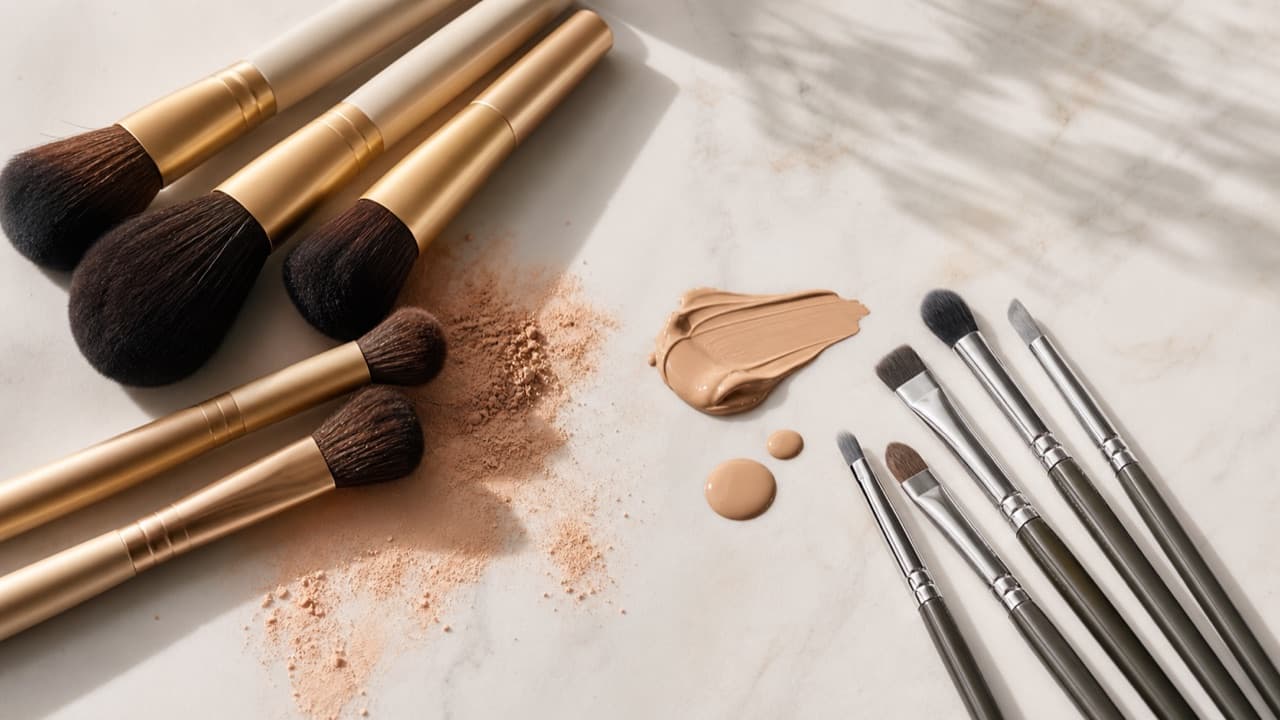
The short answer on synthetic vs natural makeup brushes: choose synthetic bristles for liquid, cream and gel products, and natural hair or a well-made synthetic blend for loose and pressed powders. The fiber changes how a brush picks up, holds and releases product, so matching it to the formula matters more than paying for a famous name. This guide is for anyone building a first kit or replacing worn brushes who wants to know where each material earns its price, how to clean it, and when the label is doing the selling.
Key takeaways
- Synthetic fibers do not absorb liquid, so they apply foundation, concealer, cream blush and gel liner evenly and rinse clean quickly.
- Natural hair has microscopic cuticles that grab and blend powder softly, which is why it is popular for blush, bronzer, eyeshadow and setting powder.
- Modern synthetics are good enough for powder too, and cheap natural brushes can feel scratchy, so shape, density and cut often matter more than the label.
- Natural bristles come from animals. Vegan, cruelty-free and sourcing claims vary by maker, so read the label and the brand’s own statement.
- Wash brushes with a mild cleanser, keep water away from the glue under the ferrule, and dry them flat or bristles-down so they keep their shape.
- You need fewer brushes than a 24-piece set suggests; a handful of well-chosen shapes covers most routines.
How synthetic and natural bristles differ
Natural bristles are animal hair, commonly goat, pony, squirrel, sable or badger. Each strand has a tapered tip, a slightly scaly surface and a porous interior. The scales and pores pick up dry pigment and release it gradually, which gives the soft, diffused finish many people look for in powder and shadow. The same structure soaks up liquids and creams, which leaves product in the brush and makes it harder to clean.
Synthetic fibers are usually nylon or polyester filaments (PBT) that are sold under names such as Taklon. They are smooth and non-porous, so they sit on the surface and release product more fully. Manufacturers shape, taper and layer them, and the best are difficult to tell from natural hair in use. Cheap synthetics can feel stiff or bristly and leave streaks.
Two other factors change the feel as much as the fiber. The first is cut and shape: a rounded, tapered or flat head behaves differently even in the same material. The second is density: a tightly packed brush deposits more and a looser one diffuses. For a shape-by-shape breakdown of brushes and how to use them, see our makeup brush types and care guide.
Which fiber works best for each product
| Product | Better fiber | Why |
|---|---|---|
| Liquid foundation | Synthetic, dense | Does not soak up product, applies evenly and washes out quickly |
| Concealer and cream correctors | Synthetic, small and flat or tapered | Precise placement with no waste in the bristles |
| Cream blush, bronzer or contour | Synthetic | Cream formulas cling to natural hair and are hard to rinse out |
| Powder foundation and setting powder | Natural or soft synthetic, fluffy | Large, airy head diffuses powder without caking |
| Powder blush and bronzer | Natural or natural-synthetic blend | Natural fibers pick up and blend dry pigment softly |
| Eyeshadow, soft blending | Natural or a soft synthetic | Diffuses edges; many artists keep both |
| Eyeshadow, packing color and metallics | Synthetic flat or dense | Presses pigment onto the lid with more payoff |
| Gel and liquid liner, brows | Synthetic, firm | Holds a precise line and cleans easily |
| Lipstick and gloss | Synthetic | Non-absorbent and easy to sanitize between colors |
That table points to the practical split: use synthetics wherever there is moisture, and let natural fibers handle dry, fluffy jobs if you like their feel. A kit built from synthetics alone will work for almost everyone, and it is also the simplest to keep clean.
Face brushes: foundation, powder and blush
For liquid foundation, a dense, flat or rounded synthetic buffing brush gives even coverage and pushes product into skin rather than leaving streaks. Skip natural hair here: it drinks foundation, wastes product and takes longer to wash. For setting powder, choose a large, fluffy head. A natural-hair brush works well, and so do synthetic brushes sold as soft and fluffy. Press lightly, tap off the excess and sweep, because over-applying with a dense brush is what makes powder look heavy.
For blush and bronzer, the question is the product. Powder formulas suit either fiber, with natural giving a softer wash and synthetic giving more precise placement. Cream blush works better with a synthetic brush or a sponge. If you wear both formulas, a small synthetic brush for cream and a fluffy natural for powder is a sensible pair.
Eye and detail brushes
For eyes, the best answer is usually a mix. A natural or soft synthetic fluffy blending brush softens edges. A flat synthetic shader presses color onto the lid. A small synthetic angled brush handles brows and gel liner. Detail brushes are where cheap synthetics most often disappoint, because splayed tips ruin a precise line, so look at the tip when you buy: it should come to a clean point or a neat edge. Good lighting at the mirror also helps you see blending mistakes; our LED makeup mirror lighting guide explains what to look for.
Animal hair, ethics and sensitive skin
Natural brushes are animal-derived. Some makers state that the hair is collected without harming the animal, such as by combing or trimming, while others do not describe their sourcing. Those claims vary and are difficult for a shopper to verify, so the label and the brand’s own statement are the best evidence. If you want to avoid animal products entirely, buy brushes labelled vegan or synthetic, and check that the handle glue and any ferrule coatings meet your standard as well.
Skin sensitivity is individual. Some people find rough natural bristles irritating on the face, while others find some synthetics too stiff. If your skin is reactive, try a soft synthetic first, keep the brushes clean, and stop using any brush that causes redness or discomfort. If you have a skin condition or have had an eye infection, ask a doctor or dermatologist about brushes and replace eye products as they advise. For gentle cleansing of the skin itself, our silicone facial cleansing brush guide covers that separate tool.
Cleaning, drying and lifespan
Synthetic and natural brushes both need washing, but the margin for error differs.
- Rinse the bristles under lukewarm running water with the head pointing downward, so water does not run into the ferrule (the metal band) and soften the glue.
- Swirl the brush in a palm or on a textured mat with a drop of mild shampoo or brush cleanser until the water runs clear.
- Rinse again, squeeze out water with a towel, and reshape the head with your fingers.
- Dry flat, or hanging with bristles pointing slightly down, away from direct heat. Never stand a wet brush upright in a cup, because water sits at the base.
A common guideline is to wash brushes used with liquid or cream products about once a week, powder brushes every week or two, and eye brushes at least every couple of weeks, sooner if you notice buildup or breakouts. Synthetics tolerate frequent washing and dry quickly. Natural hair is more delicate: use gentle cleansers, avoid harsh solvents and hot water, and let it dry fully. Spot-cleaning sprays on synthetics are fine between washes, but regular use of strong alcohol on natural hair can dry it.
A well-cared-for brush can last for years. Replace one when the bristles fray, splay permanently or shed heavily, when the ferrule loosens, or when it holds odor after washing. A few natural hairs shedding at first is normal; ongoing heavy shedding points to poor construction or rough washing.
Mistakes to avoid
- Using natural hair for liquid foundation. It absorbs product, streaks, and is slow to rinse clean.
- Assuming natural means better. A cheap natural brush can be scratchy, and a good synthetic often beats it.
- Soaking the brush head and handle. Water loosens the glue in the ferrule, and the head starts to shed.
- Drying bristles-up. Water pools at the base, which damages the glue and lets the brush smell.
- Buying a huge set. Many pieces in a 20-plus-brush set are redundant, and unused ones are wasted money.
- Skipping the wash. Oil, product and skin cells build up in bristles, which affects application and can irritate skin.
How to choose your brush kit
- Pick all-synthetic if you wear liquid or cream products, prefer vegan items, or want easy cleaning.
- Pick a natural fluffy powder or blending brush if you like a soft, diffused finish on powder products and care for it gently.
- Pick a hybrid of both if you use both powder and cream formulas, with synthetic for face and detail work.
- Pick a small kit of core shapes first: a foundation brush, a concealer brush, a powder brush, a blush brush, a fluffy eye brush and a flat eye brush.
- Pick a travel-friendly kit with a brush cover if you pack makeup often; our carry-on toiletry bag size guide covers how to fit it.
If you want a ready-made starting point, ADLTHUB lists the Champagne Makeup Brushes Set; check the product page for the bristle material, number of brushes, care notes, delivery and returns before you decide. You can compare more tools in personal care.
Frequently asked questions
Are synthetic or natural makeup brushes better?
Neither is better in every case. Synthetic brushes are better for liquids, creams and gels because they do not absorb product, while natural hair or a good synthetic blend suits powders and soft blending. Shape and density matter as much as fiber.
Which brushes are best for liquid foundation?
A dense synthetic brush, either flat or rounded, applies liquid foundation evenly without soaking it up. Natural hair absorbs liquid and tends to streak, so keep it for powder products.
Are natural makeup brushes cruelty-free?
It depends on the brand. Some state that hair is collected without harming the animal, and others do not disclose sourcing, so read the label and the brand’s own information. If you want to avoid animal products entirely, choose brushes labelled synthetic or vegan.
How often should you wash makeup brushes?
A common guideline is weekly for foundation and concealer brushes, every week or two for powder brushes, and at least every couple of weeks for eye brushes. Wash sooner if a brush looks dirty, smells, or you have skin breakouts.
Why do my makeup brushes shed?
A few hairs often fall out in the first weeks, especially from natural brushes. Continued heavy shedding usually comes from low-quality construction, soaking the ferrule, or harsh cleaning, and it means the brush is nearing replacement.
Shop Beauty & Personal Care
View all →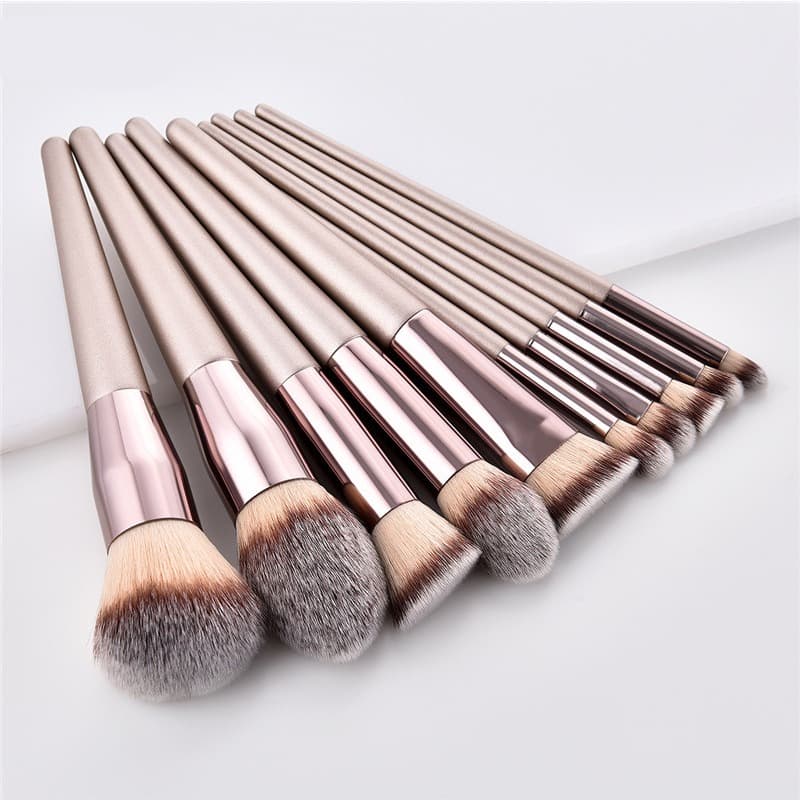 Sale
Champagne Gold Makeup Brush Set with Travel Pouch
In stock · Options available · Ships in 7–21 business days
Tourmaline Ceramic Hair Curler with Adjustable Heat
In stock · Options available · Ships in 7–21 business days
 Sale
Rotating Hot Air Brush with Ceramic Tourmaline Barrel
In stock · Ships in 7–21 business days
 Sale
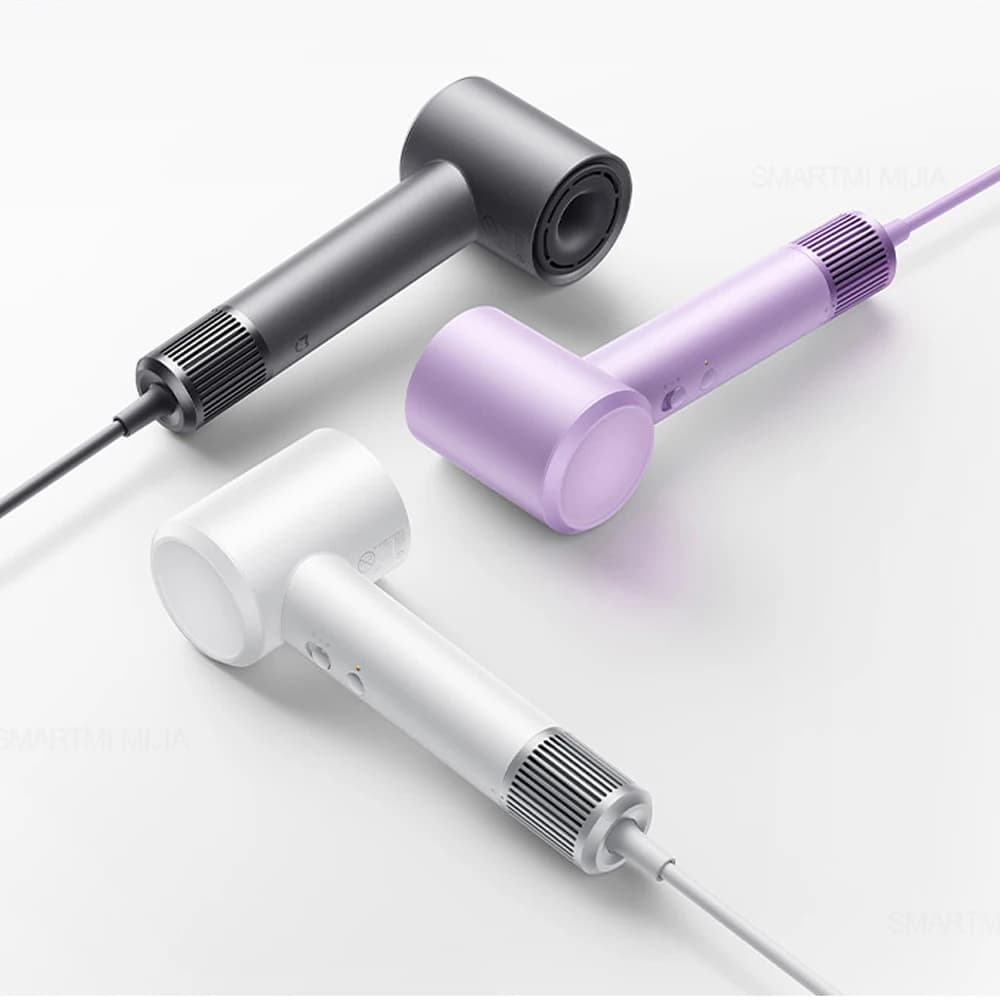
High-Speed Brushless Ionic Hair Dryer with Magnetic Nozzle
In stock · Options available · Ships in 7–21 business days
Continue reading
 Beauty & Personal Care
Hair Dryer Brush vs Straightener vs Curler: Which to Buy
Hair dryer brush vs straightener vs curler: compare results, heat, hair types, styling time and damage risk so you buy the one tool that fits your routine.
 Beauty & Personal Care
LED Makeup Mirror Lighting: CRI, Color and Brightness
LED makeup mirror lighting explained: what CRI, color temperature, brightness and magnification mean, so foundation matches in daylight, not just indoors.
 Beauty & Personal Care
Foil vs Rotary Shaver: Which Suits Your Beard and Skin?
Foil vs rotary shaver compared: how each head cuts, which suits coarse, fine or curly hair, sensitive skin and neck contours, plus upkeep and replacement costs.