

Hiking Backpack Size Guide: Liters, Torso Length and Fit
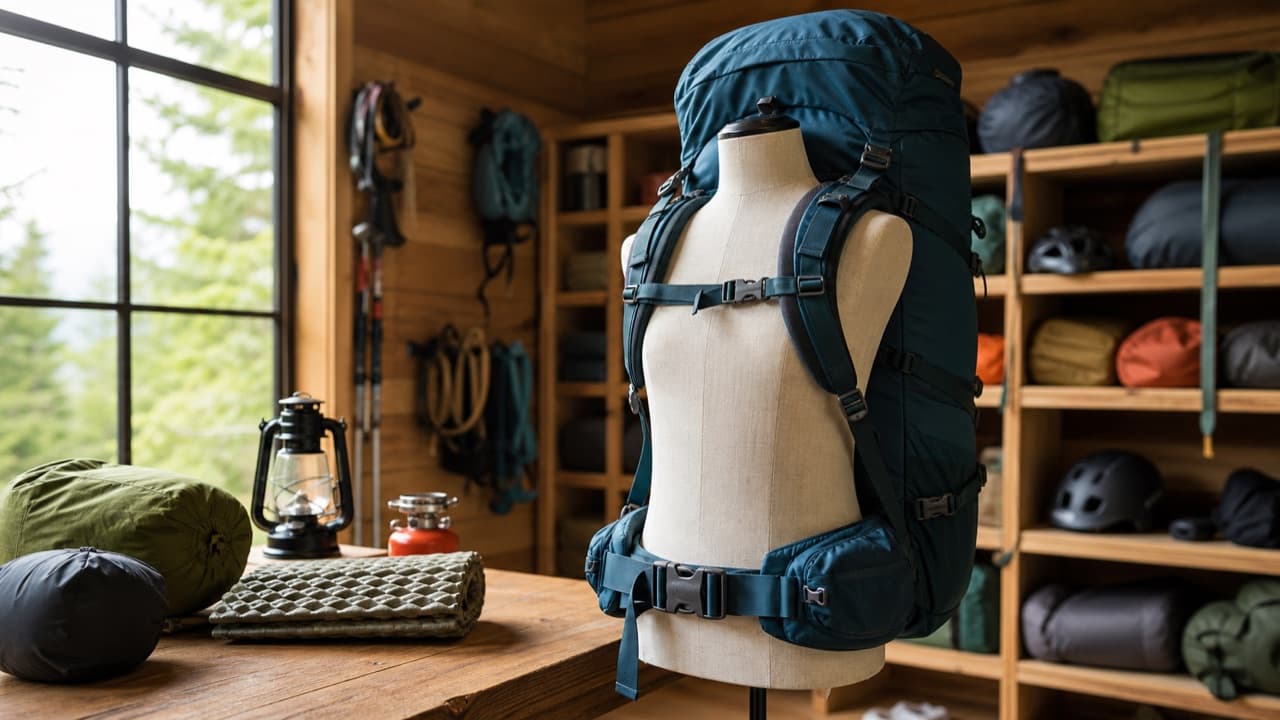
The right hiking pack is sized twice: once in liters, for the gear your trip demands, and once by torso length, so the hip belt carries the weight instead of your shoulders. As a starting point, day hikes usually need roughly 15 to 30 liters, overnights 30 to 50 liters, and multi-day trips 50 liters or more, but a pack in the right volume and the wrong torso size will still hurt. This hiking backpack size guide is for new hikers buying a first real pack and day hikers moving up to overnights. It covers capacity by trip, measuring yourself, loading, and the fit checks that matter on the trail.
Key takeaways
- Pick capacity from your gear list and trip length, not from the biggest pack you can afford; spare space tends to get filled with weight.
- Pack sizes are based on torso length, not your height or clothing size. Measure from the C7 vertebra to the top of the hip bones.
- The hip belt should sit centered on your hip bones and carry most of the load on loaded multi-day packs.
- A common rule of thumb is to keep a loaded backpacking pack to around 20 percent of body weight or less, and a day pack to around 10 percent.
- Most packs are water-resistant, not waterproof. Plan on a liner or rain cover.
- Try packs loaded, ideally with 15 to 20 pounds (7 to 9 kg), before deciding.
How many liters do you need?
| Trip type | Typical capacity | What has to fit |
|---|---|---|
| Short day hike (2 to 4 hours) | About 15 to 25 L | Water, snacks, rain shell, warm layer, first aid, phone and map |
| Long or cold-weather day hike | About 25 to 35 L | Extra insulation, more water, food, headlamp, emergency items |
| Overnight, 1 to 2 nights | About 30 to 50 L | Shelter, sleeping bag and pad, stove, food, layers |
| Multi-day, 3 to 5 nights | About 50 to 70 L | More food, fuel, possibly a bear canister |
| Extended trips, winter or group gear | About 70 L and up | Bulky winter gear, shared equipment, longer resupply gaps |
These ranges shift with your gear. Compact, modern sleeping bags and tents can pull an overnight trip down toward 35 liters, while older, bulkier gear, a required bear canister, cold weather or carrying shared gear for a child pushes you up. The most reliable method is to lay out everything for your typical trip and test-pack it in the store or at home before the return window closes.
Why oversizing backfires
A pack that is too big tempts you to bring extras, and a half-empty large pack lets the load slump and shift. Compression straps help, but a pack sized to your gear carries better.
How to measure torso length and hip size
Pack makers size harnesses by torso length, and two people of the same height can need different sizes. You will need a flexible tape measure and a helper.
- Find C7. Tilt your head forward. The most prominent bony bump at the base of your neck is the C7 vertebra. That is the top of the measurement.
- Find your iliac crest. Put your hands on your hips, fingers forward, thumbs pointing back, on the top of your hip bones. Imagine a line between your thumbs across your spine. That is the bottom.
- Measure along the spine between the two points, following the curve of your back.
- Measure hip size around the top of the hip bones (not your trouser waist) to check the hip belt range.
Most adults measure somewhere around 15 to 22 inches (38 to 56 cm). Each brand maps those numbers to its own sizes, so compare your measurement with the size chart for the exact pack. If you fall between sizes, an adjustable-torso harness gives you more room to dial in fit. Women’s and shorter-torso models typically offer shorter torso ranges, narrower shoulder straps and differently shaped hip belts; choose by fit rather than label.
Frames, back panels and weight
- Frameless packs are light and simple but rely on careful packing; they suit light loads, roughly under 20 pounds.
- Internal-frame packs use stays or a frame sheet to transfer weight to the hips. They suit most overnight and multi-day loads.
- External-frame packs carry heavy, awkward loads and ventilate well, but are bulkier on narrow trails.
- Suspended mesh back panels improve airflow on hot days at the cost of a slightly further-back center of gravity.
Empty weight varies a lot. Lightweight overnight packs can come in around 2 pounds, while feature-heavy or very durable packs can weigh 5 pounds or more. Every pound of pack is a pound you carry all day, so balance durability against weight for your trips.
Tactical-style packs are a different category. A 60L military tactical backpack offers heavy-duty fabric and MOLLE webbing for attaching pouches, but such packs tend to be heavier and their harnesses are usually less adjustable than hiking packs. Check the product page for dimensions, weight and returns, and read our tactical backpack buying guide before choosing one for trails.
Loading and adjusting: the order that works
Load it
- Bottom: sleeping bag and camp clothes, which you will not need until evening.
- Middle, close to your back: the heaviest items: food, water reservoir, stove and fuel. Keeping dense weight between your shoulder blades and close to the spine keeps the load stable.
- Top and lid: rain shell, insulation, first aid, water filter.
- Hip-belt and side pockets: snacks, sunscreen, phone, bottles.
Adjust it
- Loosen every strap, then put the loaded pack on.
- Hip belt: center the padded part on your iliac crest and tighten firmly.
- Shoulder straps: snug them so they wrap the shoulders without gaps, but let the hips keep the weight.
- Load lifters: pull until they angle back toward the pack, often around 45 degrees, to draw the load against you.
- Sternum strap: roughly an inch below the collarbone, snug enough to stabilize the straps without restricting breathing.
Re-check after the first mile; straps settle as you walk. Our backpack strap adjustment guide goes deeper on each strap and fixing common pressure points.
Weather, pockets and practical details
- Water resistance: coated fabrics and seams still leak eventually, especially at zips. Use a pack liner or trash-compactor bag inside, and a rain cover if you hike in sustained rain. Pair it with a good shell from our packable rain jacket guide.
- Hydration: check the reservoir sleeve and hose port if you use a bladder, and that side pockets hold your bottles while the pack is on.
- Access: a front U-zip or side zip lets you reach the middle of the pack without unloading the top.
- Lash points: handy for trekking poles and foam pads, but heavy gear hung outside a pack swings and snags.
- Air travel: packs over roughly 40 liters usually exceed carry-on size and often travel as checked baggage; loose straps can catch on conveyors, so stow them or use a duffel.
Mistakes to avoid
- Buying by height or T-shirt size. Torso length decides the harness size, and it often differs from what your height suggests.
- Wearing the hip belt on your waist. Too high and it squeezes your stomach; too low and it slides. Center it on the hip bones.
- Trying on an empty pack. Almost any pack feels fine empty. Load it with realistic weight before judging.
- Loading heavy items at the bottom or outside. It pulls you backward and makes the pack sway.
- Cranking shoulder straps to carry the weight. Numb arms or sore shoulders usually mean the hip belt is loose or too low.
- Trusting a pack to stay dry. A soaked sleeping bag is a safety problem in cold weather. Line the pack.
How to choose your hiking pack
- Pick 18 to 30 liters if you do day hikes up to a few hours in mild weather.
- Pick 30 to 50 liters if you want one pack for long day hikes and occasional overnights with compact gear.
- Pick 50 to 65 liters if you plan multi-day trips or need room for a bear canister or bulkier gear.
- Pick an adjustable-torso harness if you fall between sizes or will share the pack with someone else.
- Pick a frameless or minimal pack only if your loaded weight is consistently light and you pack carefully.
Browse packs and trail gear in the outdoor and travel category.
Frequently asked questions
What size backpack do I need for a day hike?
Most day hikes are well served by roughly 15 to 30 liters. Go toward the upper end for long days, cold weather or if you carry gear for others.
How do I know my backpack torso size?
Measure along your spine from the C7 vertebra at the base of your neck to the line between the tops of your hip bones. Compare that number with the brand’s size chart for the pack you are considering.
Is a 40 liter backpack enough for an overnight trip?
Often yes, especially with compact sleeping gear and a small tent. Bulky or older gear, cold weather or a bear canister may push you toward 50 liters.
How heavy should my backpack be?
A common rule of thumb is to keep a loaded backpacking pack to around 20 percent of your body weight or less, and day packs to about 10 percent. Comfort and terrain matter more than hitting an exact number.
Where should the hip belt sit?
The padded part of the hip belt should be centered on the top of your hip bones, the iliac crest. It should feel snug and carry most of the weight on a loaded pack.
Shop Outdoor & Travel
View all →
Zealot S56 Rugged Outdoor Bluetooth Speaker
In stock · Ships in 7–21 business days
 Sale
Xiaomi Sound Outdoor Portable Bluetooth Speaker
In stock · Options available · Ships in 7–21 business days
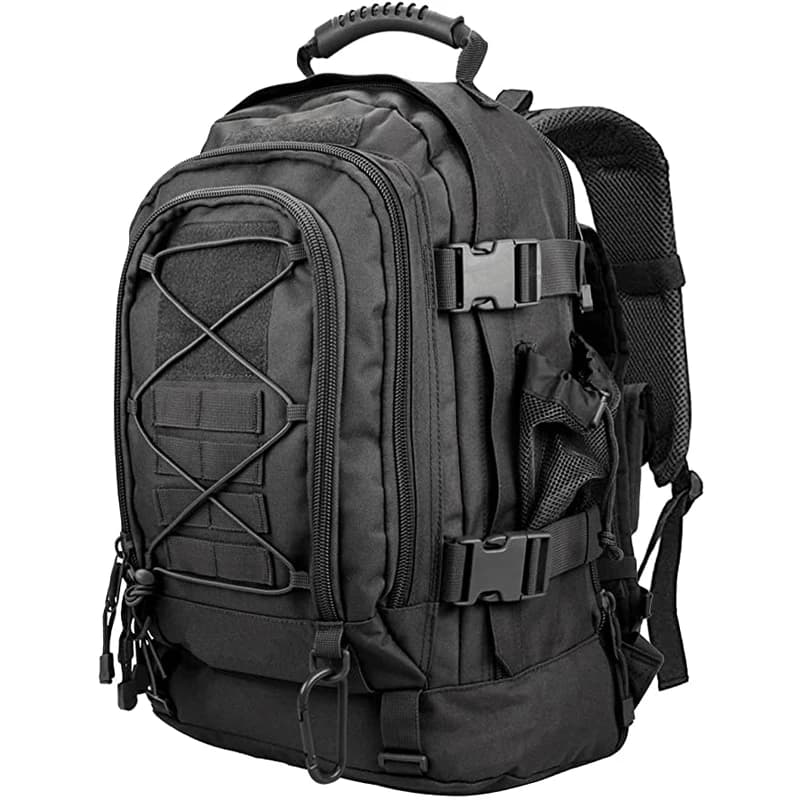
LQArmy 60L Tactical Backpack with Molle Webbing
In stock · Options available · Ships in 7–21 business days
Continue reading
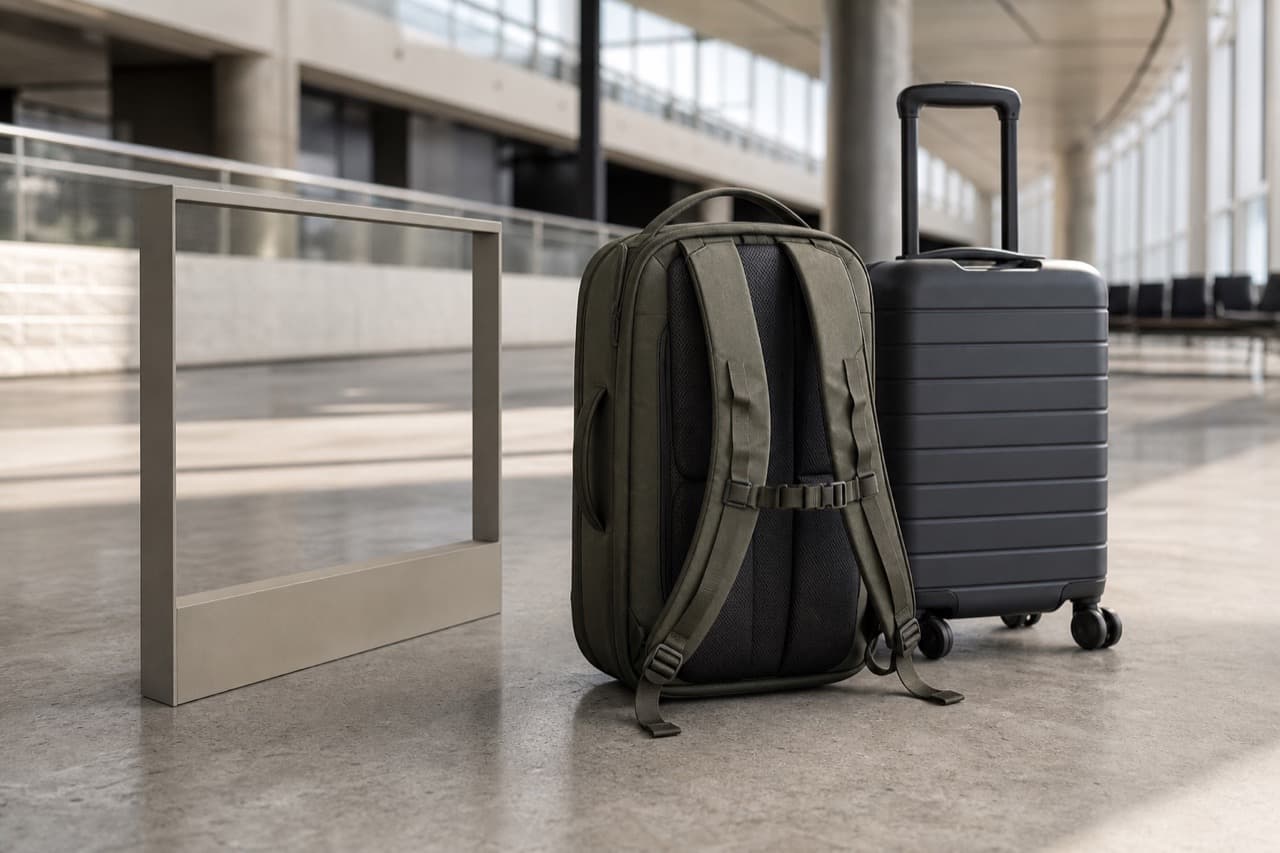 Outdoor & Travel
Carry-On Backpack for Digital Nomads: Size, Fit and Rules
How to choose a carry-on backpack for digital nomads: liters vs airline dimensions, weight limits, laptop access, harness fit and battery rules for long trips.
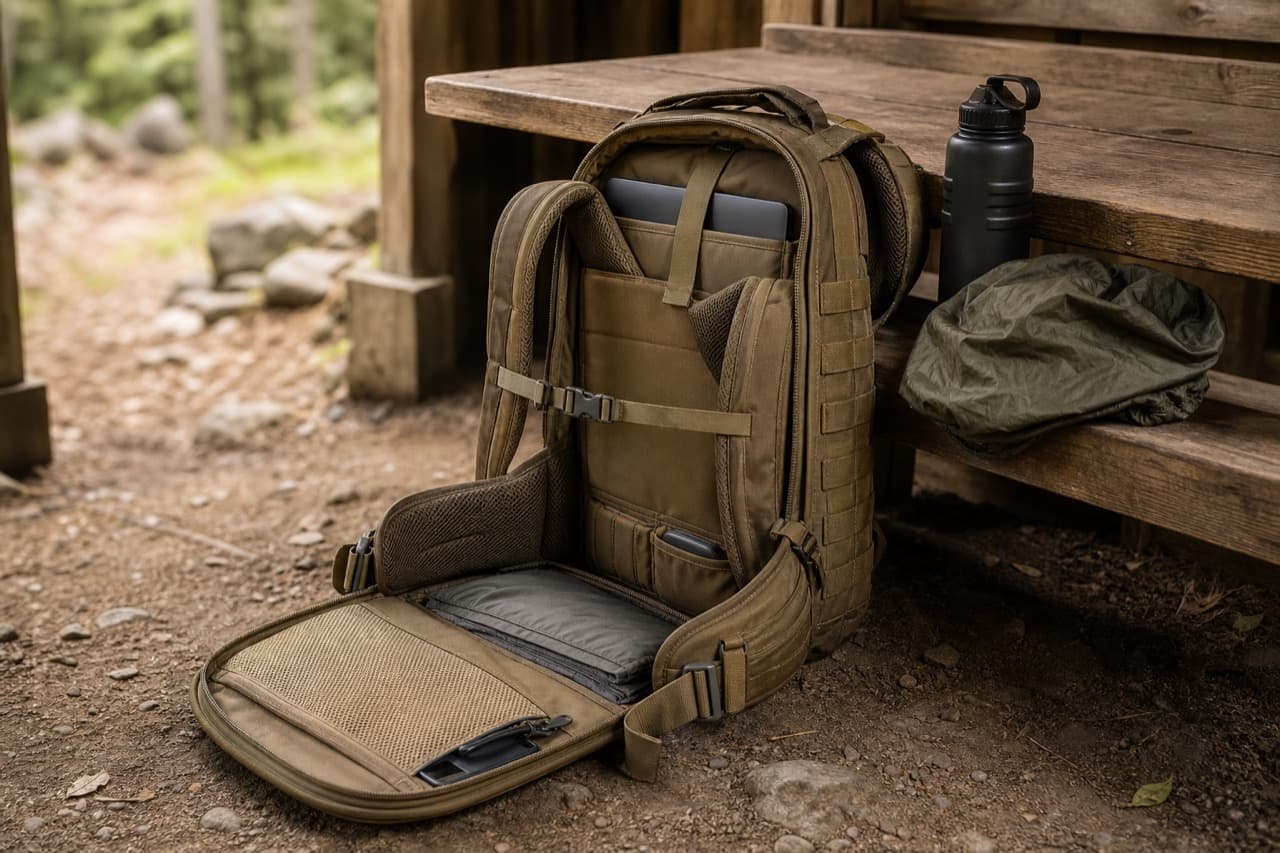 Outdoor & Travel
Tactical Backpack Buying Guide: Size, Straps and MOLLE Explained
Tactical backpack buying guide: match liter size to your use, check torso fit and the hip belt, and judge fabric, zippers and MOLLE webbing before you buy.
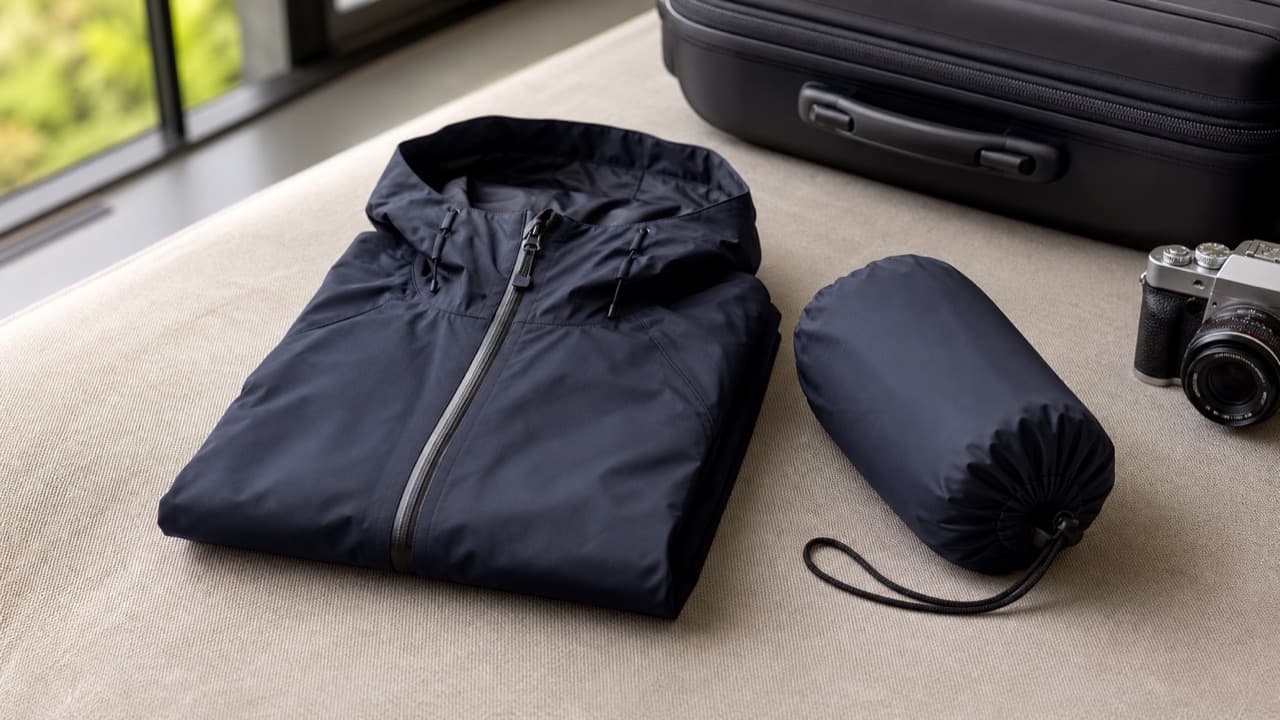 Outdoor & Travel
Packable Rain Jacket Guide: Ratings, Layers and Fit
Packable rain jacket guide: what waterproof and breathability ratings mean, 2-layer vs 2.5 vs 3-layer, key features and care to keep it beading water.