

Motorcycle Bluetooth Intercom Guide: Mesh, Range, Fit
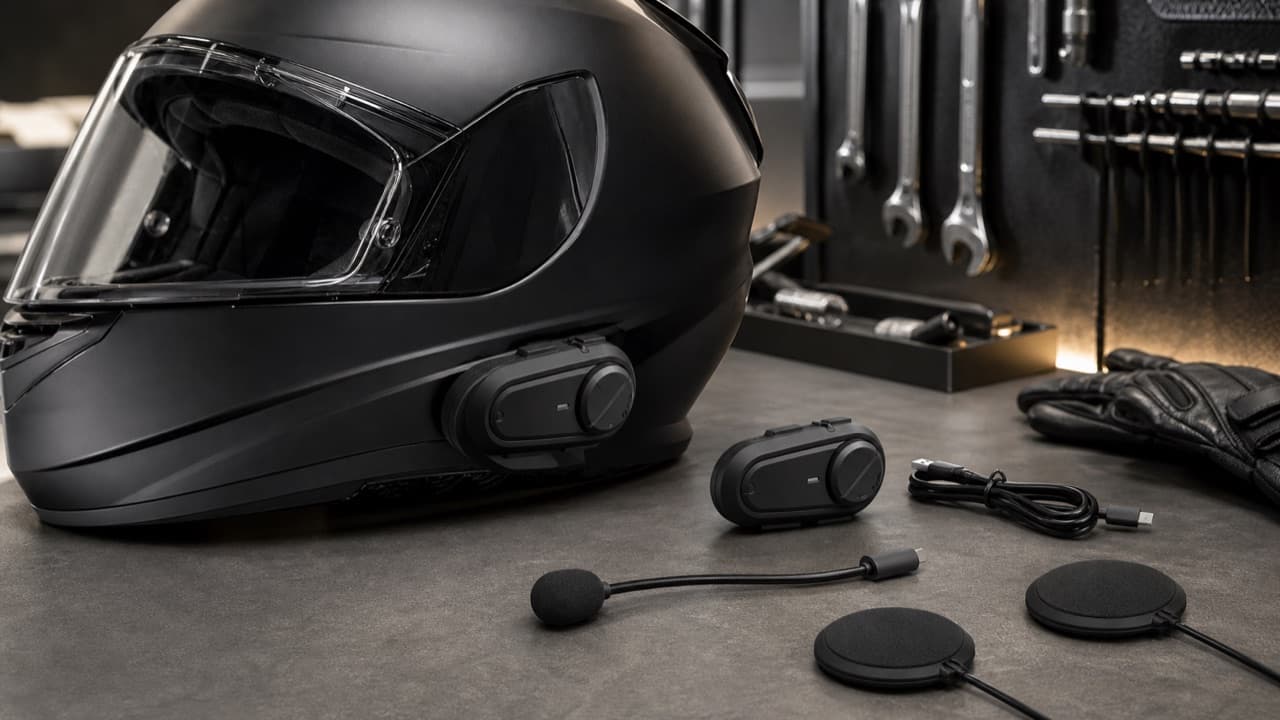
A motorcycle Bluetooth intercom clamps to your helmet and lets you take calls, hear navigation prompts, stream music and talk to other riders hands-free. The decision that matters most is how you ride: solo riders mainly need clear audio and a good microphone, while group riders need to choose between classic Bluetooth chaining and mesh networking, which handles groups very differently. Fit inside your helmet comes a close second. This guide is for riders buying their first headset or upgrading for group trips, and it explains what range claims, mesh and universal pairing actually mean before you spend money.
Key takeaways
- Solo riders and pairs do fine with standard Bluetooth intercom; groups of four or more are usually better served by mesh.
- Advertised range is measured in open, line-of-sight conditions. Hills, buildings, traffic and riding position typically cut it well short.
- Mesh systems are generally brand-specific. Riding with friends often matters more than any spec, so check what they use.
- Measure your helmet’s speaker pockets; thick speakers in shallow pockets press on your ears and get uncomfortable within an hour.
- Laws on earpieces and helmet speakers vary by state; check your local rules, keep volume moderate and use the system without taking your hands off the bars.
Bluetooth intercom vs mesh intercom
All helmet communicators use Bluetooth to connect to your phone. The difference is how they connect rider to rider.
| Feature | Bluetooth intercom | Mesh intercom |
|---|---|---|
| How riders connect | Paired one-to-one or in a chain, each unit linked to the next | Riders join a shared network; units relay signal to each other |
| Typical group size | Two riders easily; chains are usually limited to about four | Larger groups, with limits set by each brand |
| When a rider drops out | A chain can break and need re-linking | Others stay connected and the rider rejoins automatically when back in range |
| Cross-brand use | Possible via universal pairing, often with reduced features | Usually works only within the same brand’s mesh system |
| Cost | Lower | Usually higher |
Universal intercom pairing lets one brand’s unit link to another brand’s by pretending to be a phone headset. It works for conversation between two riders but may disable music sharing, and quality varies. If your regular group already runs one mesh system, buying into that system is the simplest path.
Range: what the numbers really mean
Intercom range is usually quoted in ideal, open-field conditions with clear line of sight. On real roads, the signal is blocked by terrain, buildings, trucks and even riders’ bodies, so you should expect noticeably less than the advertised figure, particularly in towns and on twisty roads. Mesh helps because each rider can relay the signal, effectively extending the group’s reach when everyone is spread out in a line.
Phone connections are separate from rider-to-rider range. Your phone sits on the bike or in a pocket, within a few feet, so call and music quality depend more on the headset’s audio and microphone than on range. For the basics of how Bluetooth versions and codecs affect sound and reach, our Bluetooth audio codec and range guide explains the terminology.
Helmet fit: speakers, microphone and mount
An intercom only works as well as it fits your helmet.
Speakers
Most helmets have recesses (speaker pockets) around the ear area. Measure their depth and diameter, or check the helmet maker’s specs, and compare with the speaker size, commonly around 32-40 mm across. Speakers should sit centered over your ear canal, not on your ear; small adjustments with the supplied hook-and-loop pads make a big difference to both volume and comfort. Thinner speakers suit snug helmets and riders who wear glasses.
Microphone
- Boom microphone: on a flexible arm, used with open-face and modular helmets.
- Wired button microphone: sticks inside the chin bar of full-face helmets.
Position the mic close to your mouth with the wind foam on. Most systems use digital noise reduction, but at highway speed a poorly placed mic is the most common reason riders sound muffled or windy.
Mount
Clamp mounts slide between the helmet shell and liner and are easy to move between helmets. Adhesive mounts suit helmets with no room for a clamp but are semi-permanent. Some helmets have built-in cavities made for a specific brand’s communicator, which gives the cleanest fit if you match the brand.
Battery, weather resistance and extras
Talk-time claims vary widely between models. Real runtime depends on volume, intercom vs music use, mesh vs Bluetooth mode and temperature; cold weather reduces lithium battery capacity. Check whether the unit can be used while charging, which matters on long tours where you can run a USB cable from the bike. A USB-C charging port avoids carrying a separate cable.
Most riders will meet rain, so look for a stated water-resistance rating and close any charging port covers before riding. Ratings describe test conditions rather than guarantees; our explainer on IP ratings covers what those codes actually test.
Extras worth weighing include voice commands for calls and music, an FM radio, music sharing with a passenger, and built-in action cameras. A camera-equipped unit such as the FreedConn R1 Pro Motorcycle Intercom with 1080P Camera combines communication and recording in one housing; check the product page for its intercom type, rider count, battery and helmet compatibility. Be aware that rules on recording audio of other people differ between states.
Safety, hearing and the law
A headset should reduce distraction, not add to it. Pair devices, set volume and load your playlist before you ride, and use voice commands or large buttons you can find with gloves on. Wind noise at highway speeds is loud, and many riders turn the volume up to compensate, which adds to overall noise exposure. Wearing earplugs and keeping intercom volume moderate is a common approach; some systems are designed to remain audible with earplugs in. Our article on ANC vs passive noise isolation explains why passive isolation is the relevant protection here.
State laws on wearing headphones or earpieces while riding differ, and some restrict covering both ears. Helmet-mounted speakers are treated differently in different places, so check the rules where you live and ride before installing a system.
Mistakes to avoid
- Buying a different mesh brand from your riding group. You may end up with only basic universal pairing, or none.
- Trusting the advertised range for group planning. Plan for much less in real conditions and keep the group reasonably close.
- Ignoring speaker pocket depth. Pressure on the ears becomes painful on longer rides.
- Leaving the mic far from your mouth. Wind noise then drowns your voice for everyone else.
- Adjusting settings while moving. Do setup before the ride or at stops.
Which intercom fits your riding?
Pick a basic Bluetooth unit if you mostly ride solo and want calls, navigation and music, or ride with one regular partner. Pick a mesh system if you ride in groups of four or more, especially if riders join and leave during the day. Pick a camera-equipped model if you want ride footage without a separate camera mount, and confirm it fits your helmet. Browse communicators and accessories in our electronics and accessories collection.
Frequently asked questions
Is mesh better than Bluetooth for motorcycle intercoms?
For groups, usually yes, because riders can drop out and rejoin without breaking the chain. For solo riders or two riders, standard Bluetooth is simpler and often cheaper.
Can different intercom brands talk to each other?
Many Bluetooth intercoms support universal pairing, which connects two different brands with limited features. Mesh systems usually only work with the same brand’s mesh units.
How far do motorcycle intercoms really work?
Real range is typically much shorter than the advertised figure, which is measured in open line of sight. Terrain, buildings and traffic all reduce it, so keep groups fairly close.
Can I use a motorcycle intercom with earplugs?
Many riders do, and it is a common way to protect hearing while still hearing the intercom. Keep volume moderate and choose speakers that sit well over your ears.
Are helmet intercoms legal in the US?
Rules vary by state. Some restrict headphones or earpieces in both ears while riding, so check your state’s laws before installing a system.
Shop Tech & Gadgets
View all →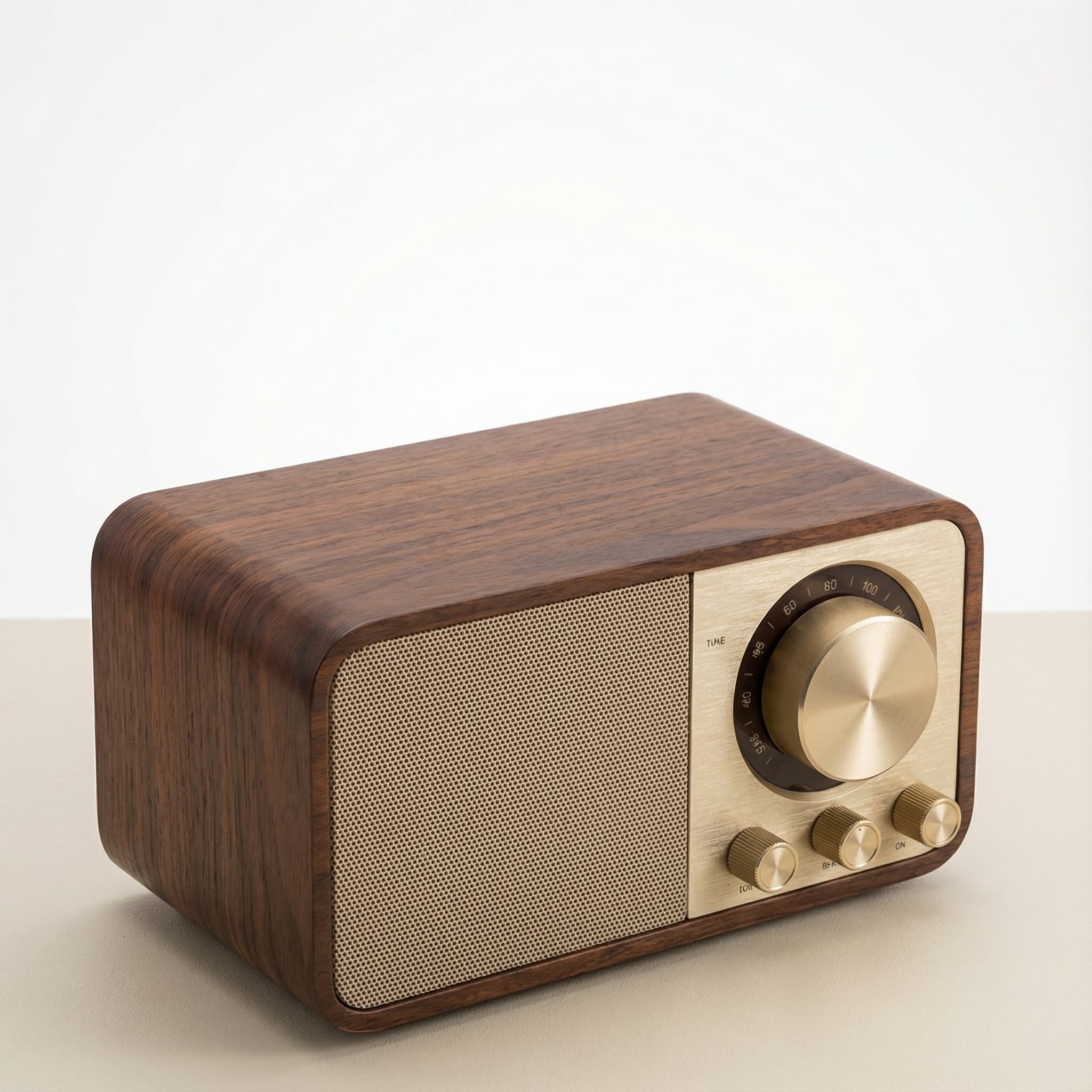 Sale
Retro Wood-Cabinet Bluetooth Speaker with FM Radio
In stock · Ships in 7–21 business days
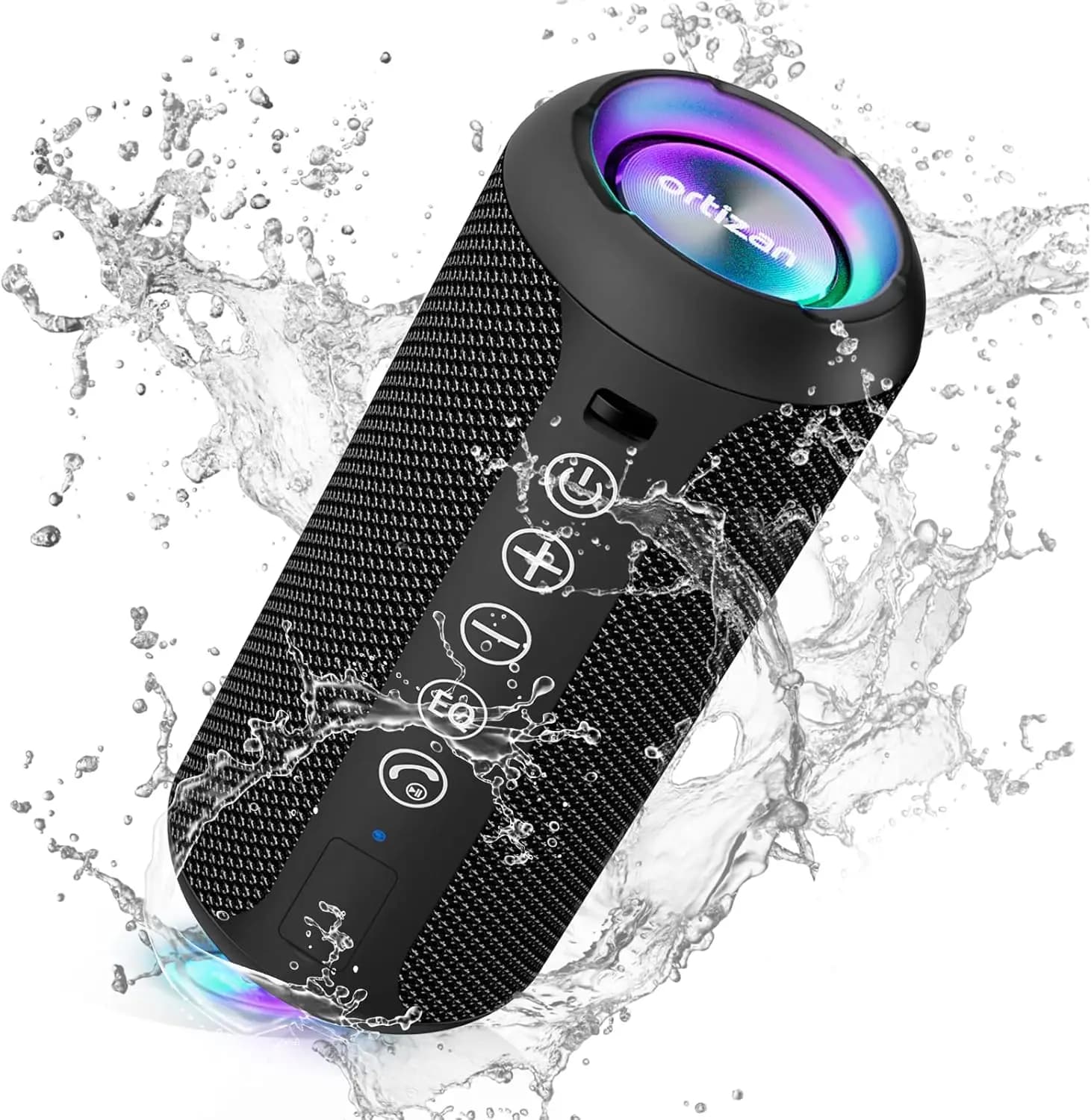
Ortizan X10 Portable Bluetooth Speaker with RGB Lights
In stock · Options available · Ships in 7–21 business days
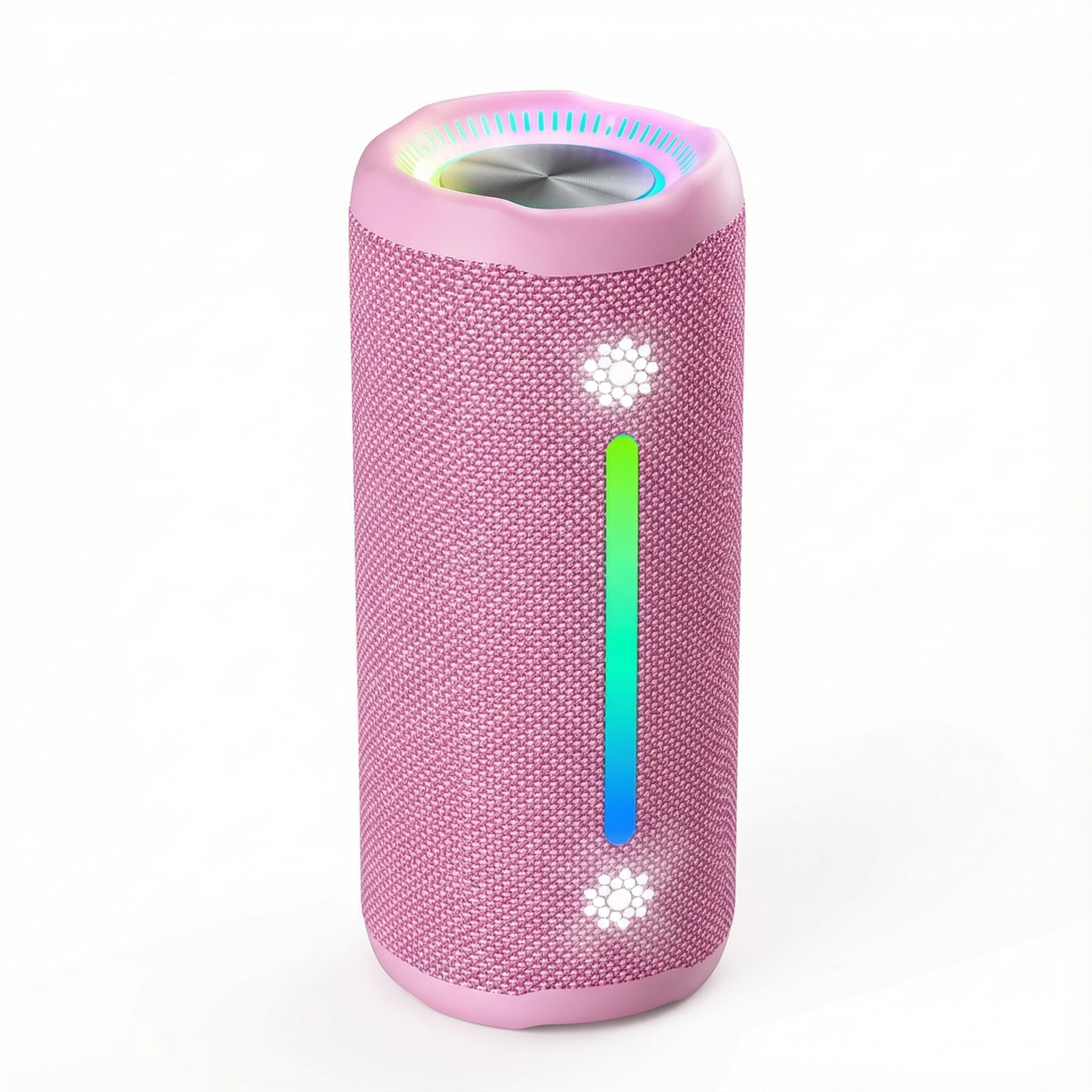
Ohayo X10 Max Bluetooth Speaker with Bass Boost and Lights
In stock · Options available · Ships in 7–21 business days
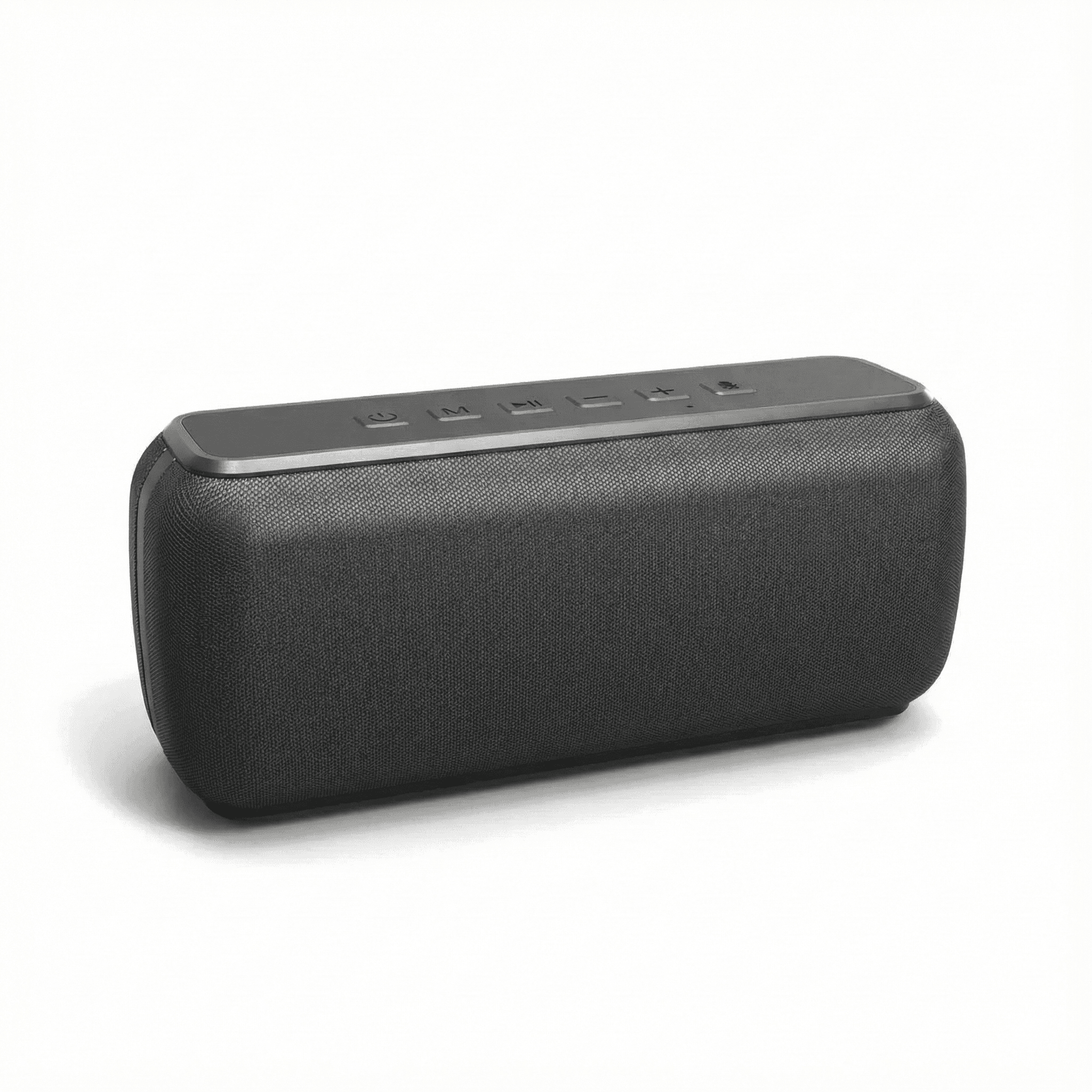
Xdobo X8 II Portable Bluetooth Speaker with Power Bank
In stock · Options available · Ships in 7–21 business days
Continue reading
 Tech & Gadgets
Bluetooth Codec and Range Guide: Quality, Lag and Dropouts
A Bluetooth codec and range guide: how SBC, AAC, aptX, LDAC and LC3 are negotiated, what real-world range to expect, and how to fix lag and audio dropouts.
 Tech & Gadgets
How to Connect Multiple Bluetooth Speakers for a Party
How to connect multiple Bluetooth speakers: compare party mode, Auracast and Wi-Fi multiroom, then link, place and test speakers for even, echo-free sound.
 Tech & Gadgets
Bluetooth Speaker Stereo Pairing: Setup, Sync and Lag Fixes
Bluetooth speaker stereo pairing explained: which speakers can pair, how to set up left and right channels, and how to fix dropouts and video lag.