

How to Organize Travel Cables, Power Banks and Adapters
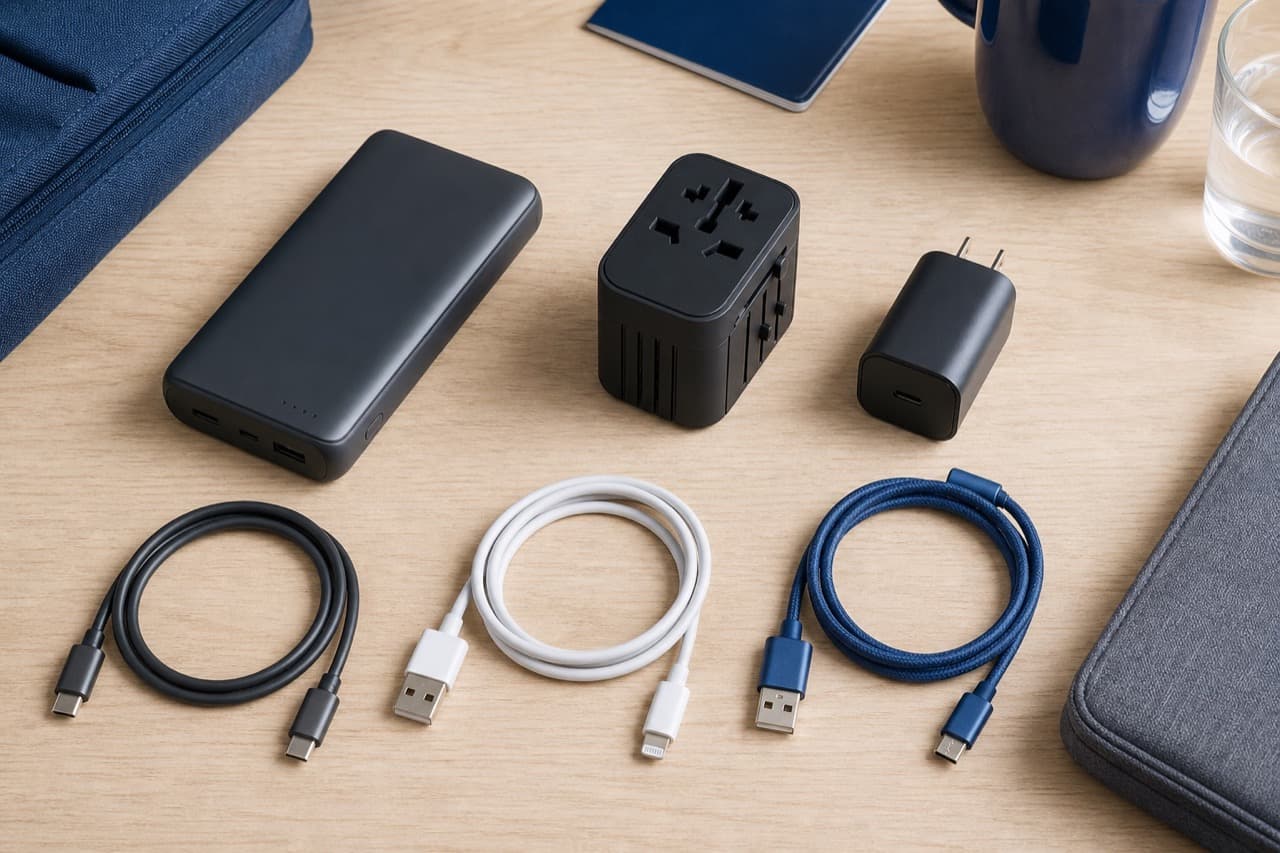
The fastest way to organize travel cables, power banks and adapters is to shrink the kit first and then give every item a fixed spot: one multi-port USB-C charger, two or three cables, one power bank that is legal to fly with, and the plug adapters your destinations actually need, all in a single pouch that lives in your carry-on. Most tangled-cable chaos comes from packing too much, not from the wrong organizer. This guide is for frequent flyers, remote workers and anyone heading abroad who wants to stop digging for a charger at the gate.
Key takeaways
- Consolidate before you organize. A single multi-port USB-C charger with enough total wattage often replaces three or four separate bricks.
- Power banks and spare lithium batteries go in carry-on bags only. In the US, packs up to 100 watt-hours are allowed without airline approval; 101 to 160 Wh needs airline approval.
- Many airlines now restrict using or charging power banks during flight, so check your carrier’s current rules before relying on one in the air.
- A plug adapter changes the shape of the plug, not the voltage. Most phone and laptop chargers accept 100 to 240 V, but many hair tools and appliances do not.
- Label or color-code cables by type and wattage so you can grab the right one without testing it.
Build a lean travel charging kit first
List every device you are bringing and its connector, then work backward to the smallest set of gear that charges all of them overnight.
- One wall charger. A compact GaN charger with two or three USB-C ports and maybe one USB-A port covers most travelers. Add up what you need at once: a laptop might want 45 to 100 W over USB Power Delivery, a phone 20 to 30 W, earbuds a few watts. Remember that total output is shared when several ports are in use, so a 65 W charger may only give a laptop 45 W while a phone charges. The fast charging guide to GaN, USB PD and wireless charging explains the tiers.
- Two or three cables. A USB-C to USB-C cable rated for 60 W (3 A) handles phones and most small laptops; choose a 100 W or higher (5 A, e-marked) cable if your laptop draws more. Add a USB-C to Lightning cable only if you still carry older Apple devices, and one short spare.
- One power bank. 10,000 mAh is enough for one or two phone charges in a day; 20,000 mAh suits long travel days or topping up a tablet. Only bring a higher-capacity laptop power bank if you will genuinely use it.
- Plug adapters for your destinations only. Compact single-region adapters are lighter than universal cubes, but a universal adapter makes sense for multi-country trips.
- Small extras: a few cable ties, a SIM tool, and any device-specific chargers such as a watch puck.
Power bank rules for flying
Lithium-ion power banks are treated as spare batteries by US and international aviation rules, which is why they cannot go in checked luggage. The limit is set in watt-hours (Wh), not milliamp-hours. Many packs print the Wh figure; if yours only lists mAh, calculate it: Wh = mAh × voltage ÷ 1,000, using the nominal cell voltage, typically 3.6 or 3.7 V.
| Power bank capacity | Approximate Wh at 3.7 V | US carry-on status |
|---|---|---|
| 5,000 mAh | About 18.5 Wh | Allowed, no approval needed |
| 10,000 mAh | About 37 Wh | Allowed, no approval needed |
| 20,000 mAh | About 74 Wh | Allowed, no approval needed |
| 27,000 mAh | About 100 Wh | Right at the limit; check the printed Wh rating |
| Over about 27,000 mAh, up to 160 Wh | 101 to 160 Wh | Airline approval required; usually a maximum of two spares |
| Over 160 Wh | Above 160 Wh | Not allowed in passenger baggage |
A power bank with no visible capacity marking can be refused at security, so choose one with clearly printed specifications. Individual airlines may be stricter than the baseline: some limit how many power banks you can carry, some forbid charging them on board, and some ban using them in flight. Check your airline’s current policy, which can change quickly. Keep power banks in a pocket of your carry-on where you can reach them, not in a bag that might be gate-checked. The same principles apply to other lithium gear; the drone battery air travel guide covers larger batteries.
Plug adapters vs voltage converters
The US uses Type A and B plugs at about 120 V and 60 Hz. Much of Europe uses Type C and F at about 230 V, the UK and Ireland use Type G, Australia and New Zealand use Type I, and many countries use more than one. A plug adapter simply lets your US plug fit the foreign socket.
Check the small print on each charger. If it says Input: 100-240V ~ 50/60Hz, it is dual-voltage and needs only an adapter. Most phone, laptop and camera chargers are dual-voltage. Many hair dryers, flat irons, kettles and some electric shavers are 120 V only; plugging them into 230 V through a plain adapter can destroy them or create a fire risk. For those, either buy a dual-voltage version or leave them at home, since heat-producing appliances draw too much power for most small travel converters.
Also note that many adapters are not grounded and do not include surge protection. Avoid stacking adapters, and do not run high-wattage appliances through cheap multi-socket adapters.
How to organize travel cables in a pouch
- Pick one pouch with a few elastic loops and a mesh pocket. A flat, slim pouch fits a laptop sleeve; a boxier one suits a backpack’s main compartment.
- Coil cables loosely. Use an over-under or simple loose loop and secure it with a soft hook-and-loop tie. Tight wraps around a charger brick stress the cable where it meets the plug, which is the most common failure point.
- Color-code. A small colored tie or tape flag by wattage or connector type (for example, red for 100 W, blue for phone cables) saves you from guessing.
- Separate high-use items. Keep the phone cable and power bank in an outer pocket for the gate and plane; the main pouch holds overnight charging gear.
- Keep adapters together and plugged onto the charger they will be used with, so you never arrive without the right one.
- Do a departure check. Before leaving each hotel, count the items back into their loops. Empty loops show you what is still in a wall socket.
For a wider look at what else to bring on the plane, see international flight essentials worth packing, and for working on the road, the mobile office checklist.
Mistakes to avoid
- Packing power banks in checked bags. It breaks aviation rules and the bag can be pulled for inspection or the battery confiscated.
- Assuming mAh means the same across packs. Wh is what airlines check; a high mAh number at a higher voltage may exceed the limit.
- Bringing a 120 V-only hair tool abroad. An adapter does not convert voltage, and the appliance can overheat.
- Using a thin cable for a laptop. Underrated cables limit charging to slower speeds; e-marked 5 A cables are needed above 60 W.
- Carrying damaged or swollen batteries. A bulging power bank is a fire risk. Retire it through a proper battery recycling drop-off, not in the trash.
- Over-wrapping cables. Sharp bends and tight wraps near connectors fray cables over time.
Which setup fits your trip
- Weekend domestic trip: a 20 to 30 W charger, one USB-C cable, one 10,000 mAh power bank.
- Business travel with a laptop: a 65 to 100 W GaN charger, a 100 W cable plus a phone cable, a 10,000 to 20,000 mAh power bank, and region adapters.
- Multi-country trip: the business kit plus one universal adapter with USB ports, and confirm each country’s plug types before you go.
- Digital nomad: add a short spare cable and a compact extension strip with dual-voltage rating if you need several devices at one socket. Browse travel gear in the outdoor and travel category.
Frequently asked questions
Can I bring a 20,000 mAh power bank on a plane?
Generally yes in your carry-on. At a typical 3.6 to 3.7 V, 20,000 mAh is roughly 72 to 74 Wh, below the 100 Wh threshold. It must not go in checked baggage, and some airlines restrict using it during the flight.
Do I need a voltage converter or just an adapter?
Check the input rating on your charger or appliance. If it reads 100-240 V, a plug adapter is enough. If it lists only 110-120 V, you need a dual-voltage replacement or a suitable converter, and many high-heat devices are better left at home.
How do I keep cables from tangling in my bag?
Coil each cable loosely, secure it with a soft tie, and give it a fixed loop or pocket in one pouch. Fewer cables, all of a standard type such as USB-C, is the most effective fix.
Is a universal travel adapter worth it?
For trips that cross several plug regions, yes, because one item covers them all. For a single destination, a small region-specific adapter is lighter and often fits recessed sockets better.
Can I charge my power bank on the plane?
Policies vary by airline and are tightening. Some allow it, some ban charging or using power banks onboard. Check your airline’s current rules before the flight and charge the bank fully before you leave.
Shop Outdoor & Travel
View all →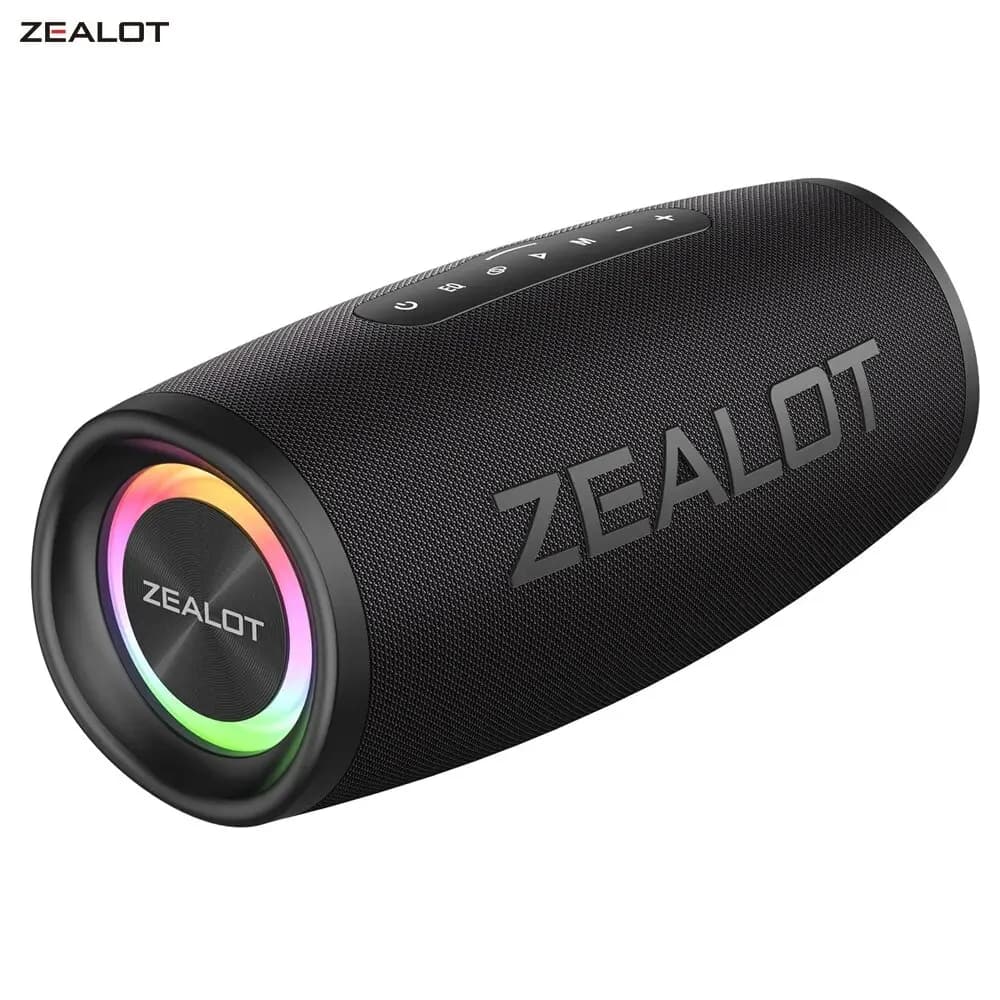
Zealot S56 Rugged Outdoor Bluetooth Speaker
In stock · Ships in 7–21 business days
 Sale
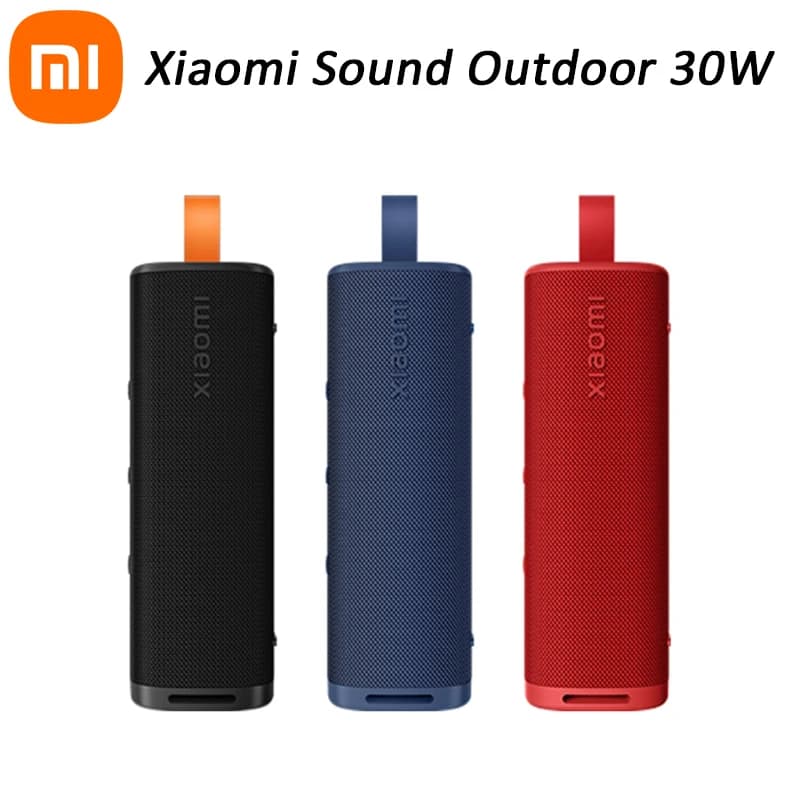
SaleXiaomi Sound Outdoor Portable Bluetooth Speaker
In stock · Options available · Ships in 7–21 business days
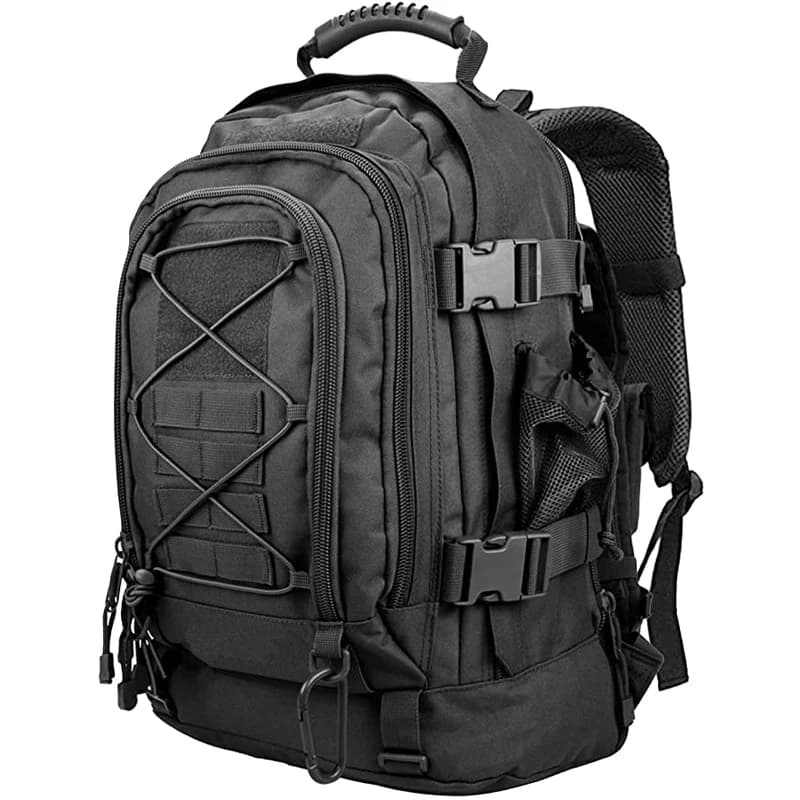
LQArmy 60L Tactical Backpack with Molle Webbing
In stock · Options available · Ships in 7–21 business days
Continue reading
 Outdoor & Travel
Travel Pillow Neck Support: Match the Shape to How You Sleep
Travel pillow neck support explained: which shape stops forward nodding or side drops, memory foam vs inflatable, sizing, hygiene and seat-specific tips.
 Outdoor & Travel
Travel Steamer vs Compact Iron: Which to Pack for Your Trip
Travel steamer vs compact iron: which handles dress shirts, suits and dresses, how much space each takes, voltage traps and what to pack by trip type.
 Outdoor & Travel
Travel Garment Steamer Guide: Voltage, Fabrics and Technique
A travel garment steamer guide covering dual voltage, tank size, heat-up time, which fabrics steam well, hotel-room technique and packing it safely.