

Travel Pillow Neck Support: Match the Shape to How You Sleep
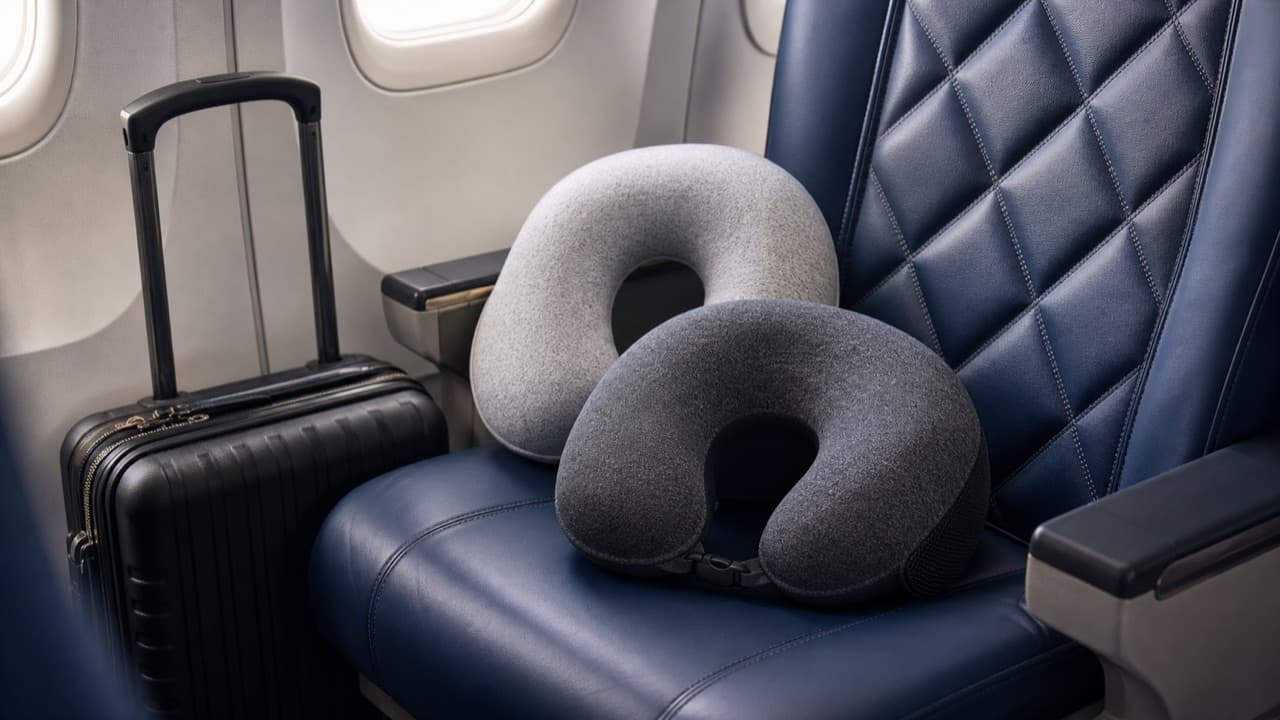
Good travel pillow neck support comes from matching the pillow’s shape to the direction your head actually falls when you doze off. If your head drops sideways, a classic U-shape or a side wedge helps; if it falls forward and wakes you, you need front or chin support that a standard U-pillow does not give. This guide is for anyone who sleeps badly on planes, trains or long car rides, and it covers how to diagnose your sleeping pattern, which shapes and materials work, how to size and wear a pillow, and how to keep it clean.
Key takeaways
- Work out whether your head falls forward, sideways or both before you buy; that decides the shape more than any other feature.
- Classic U-pillows mainly stop side drops; forward nodding needs a front-closing, chin-supporting or wraparound design.
- Memory foam gives the most consistent support but is bulky; inflatable pillows pack smallest and let you tune firmness.
- A pillow that is too thick pushes your head forward, which can make neck strain worse rather than better.
- A removable, washable cover matters on frequent trips, and latex or fragrance sensitivities are worth checking in the materials.
Diagnose how your head moves
Most people who wake with a stiff neck after a flight have one of three patterns. Think about your last journey, or ask a travel companion.
- Side drop: your head tips toward a shoulder or the window. This is the problem a U-shaped pillow was designed for.
- Forward nod: your chin drops to your chest and you jerk awake. This is common in upright economy seats with little recline, and it is the pattern that standard U-pillows handle worst, because the open front gives no support.
- Both, plus slumping: your whole upper body slides down and sideways. Seat position, lower back support and recline matter as much as the pillow here.
Seat choice changes the problem. A window seat gives you a wall to lean on, so a side-support pillow or a wedge against the wall often works well. Aisle and middle seats offer nothing to lean on, so forward and side support both matter.
Travel pillow shapes compared
| Shape | Best for | Limitations |
|---|---|---|
| Classic U-shape | Side drops, especially in a reclined seat | Little help with forward nodding; can push the head forward if too thick at the back |
| U-shape with front clasp or raised chin area | Mild forward nodding plus side drops | Can feel warm and closed-in; must not press on the throat |
| Wraparound or scarf-style with internal support | Forward and side drops in upright seats | Supports one side at a time; takes practice to position |
| J-shaped or convertible | Chin and side support you can rotate | Fit varies by neck length |
| Inflatable U or wedge | Packing small, adjustable firmness | Can feel slippery or firm; vinyl can feel sweaty without a cover |
| Window wedge or lean-forward pillow | Window sleepers and people who sleep leaning on a tray table | Depends on seat and airline rules for tray tables during taxi, takeoff and landing |
Memory foam vs inflatable vs microbead
Memory foam
Foam holds its shape and offers the most consistent support across a long flight. It is also the bulkiest option; even compressible foam pillows usually take a noticeable share of a personal item or have to be clipped to the outside of a bag. Denser foam supports more but feels firmer, especially in a cold cabin, where foam stiffens until it warms to your body.
Inflatable
Inflatable pillows fold to roughly fist size and let you adjust firmness, which is useful because the lower cabin pressure at cruising altitude can make them feel firmer than they did at the gate. Letting out a little air often makes them more comfortable and less likely to push your head forward. A flocked or fabric cover reduces the slippery, sweaty feel of bare vinyl.
Microbead and fiberfill
Microbead pillows conform to your neck and pack lighter than foam, but they offer less structure and can flatten over time. Fiberfill pillows are soft and cheap but compress quickly and give the least support.
How to size and wear a travel pillow
- Check the back thickness. The part behind your neck should fill the gap between your neck and the headrest, not push your head forward. If you feel your chin being pushed toward your chest, the pillow is too thick there, or it should be worn rotated.
- Check the side height. The sides should meet your jaw or cheek when your head tilts, so it does not drop far before support arrives. People with longer necks often need taller sides.
- Try it rotated. Many people get better forward support by wearing a U-pillow with the opening at the back and the thick part under the chin, or offset to the side they lean toward.
- Use the seat. Recline as much as the seat and your neighbors allow, sit with your hips fully back, and put a rolled sweater or small cushion behind your lower back. A pillow cannot fix a slumped posture.
- Test before the trip. Sit upright in a dining chair at home and doze or read for twenty minutes. Discomfort shows up quickly.
Hygiene, care and safe use
Travel pillows sit against your skin and hair for hours and get set down on airport floors. A removable, machine-washable cover makes routine cleaning easy; check the care label, since many foam cores should only be spot cleaned and air dried, never machine washed or tumble dried. Wipe inflatable pillows with mild soapy water and let them dry fully, valve open, before packing so moisture is not trapped inside.
Check the materials if you have latex allergies or are sensitive to fragrance or foam odor; new foam can have a smell that fades after airing for a day or two. Keep the pillow clear of your seat belt and do not let it obstruct your neighbor or the aisle, and follow crew instructions about tray tables and seat positions. A pillow is a comfort item, not a medical device. If you have an existing neck or spine condition, ongoing pain or numbness, ask a doctor or physical therapist which support suits you. On long flights, stand and move when it is safe to do so.
Mistakes to avoid
- Buying the thickest pillow available. Extra loft behind the neck pushes the head forward and can increase strain.
- Using a U-pillow for forward nodding. If your chin drops to your chest, the open front of a standard U-pillow does almost nothing. Rotate it or choose a chin-supporting design.
- Overinflating. A rock-hard inflatable pillow tilts your head away from the support. Let some air out.
- Forgetting packability. A bulky foam pillow you clip to your bag can catch on things and may count toward your personal item on strict airlines.
- Never washing the cover. Skin oils, sweat and makeup build up quickly over several flights.
Which travel pillow fits you?
Pick a classic U-shape if you recline and your head tips sideways. Pick a wraparound, front-clasp or chin-support design if your head falls forward in upright seats. Pick an inflatable if you travel carry-on only and want the pillow to disappear when not in use. Pick memory foam if comfort matters more than space and you fly long-haul often. Pair the pillow with the other sleep basics in our international flight travel accessories list, and see the carry-on backpack guide for bags with room or straps to carry one. Browse travel gear in the outdoor and travel category.
Frequently asked questions
Which travel pillow is best if my head falls forward?
Choose a design with front or chin support, such as a wraparound, front-clasp U-pillow or J-shaped pillow. A standard U-pillow can help if you wear it rotated with the thick part under your chin. Reclining your seat also reduces forward nodding.
Are memory foam travel pillows better than inflatable ones?
Memory foam gives steadier support and feels softer, while inflatables pack much smaller and let you adjust firmness. Frequent long-haul travelers with bag space often prefer foam. Carry-on-only travelers often prefer inflatable.
How should a travel pillow fit?
It should fill the space between your neck and the headrest without pushing your head forward, and the sides should catch your head soon after it starts to tilt. It should not press on your throat. Try it in an upright chair before your trip.
Can you wash a travel pillow?
Most covers can be removed and machine washed, but many foam cores should only be spot cleaned and air dried. Follow the care label. Inflatable pillows can be wiped with mild soapy water and dried with the valve open.
Do travel pillows count as a carry-on item?
Many airlines let you carry a pillow in addition to your bags, but policies vary, especially on low-cost carriers. Check your airline’s personal item rules, or choose an inflatable that packs inside your bag.
Shop Outdoor & Travel
View all →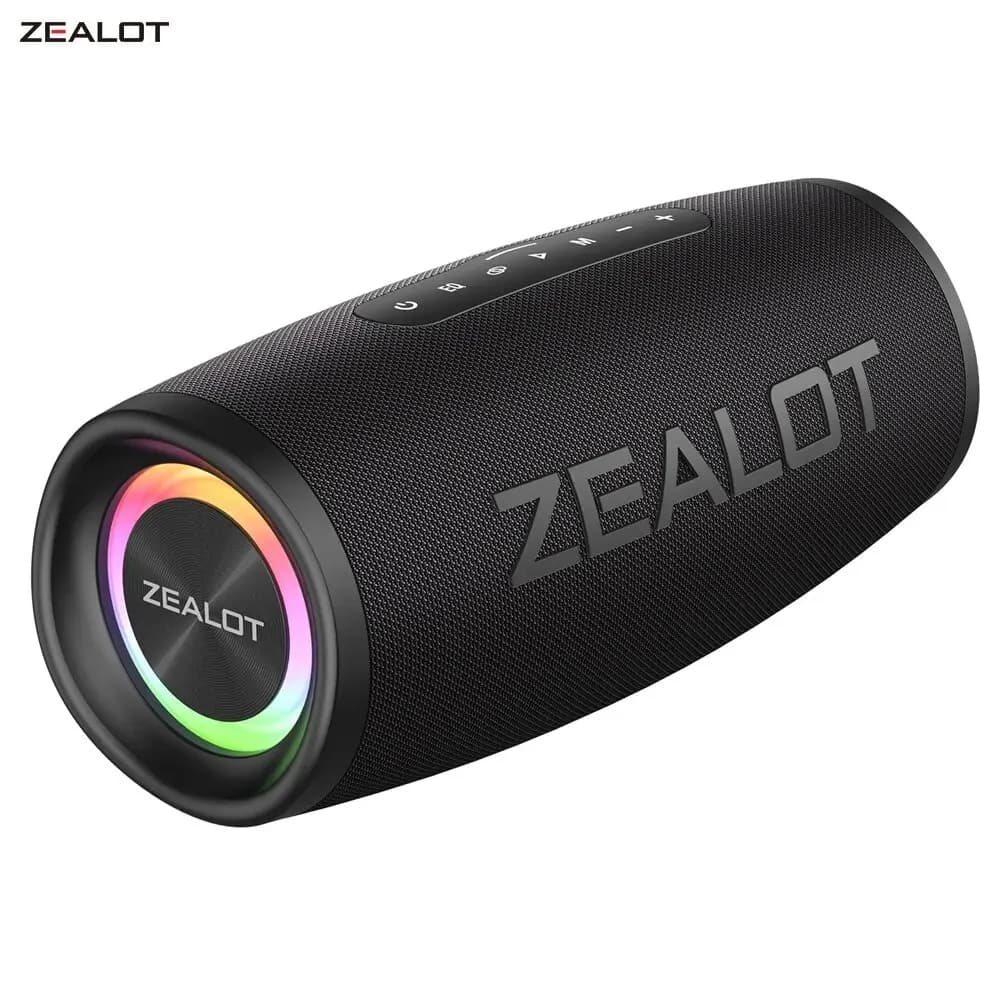
Zealot S56 Rugged Outdoor Bluetooth Speaker
In stock · Ships in 7–21 business days
 Sale
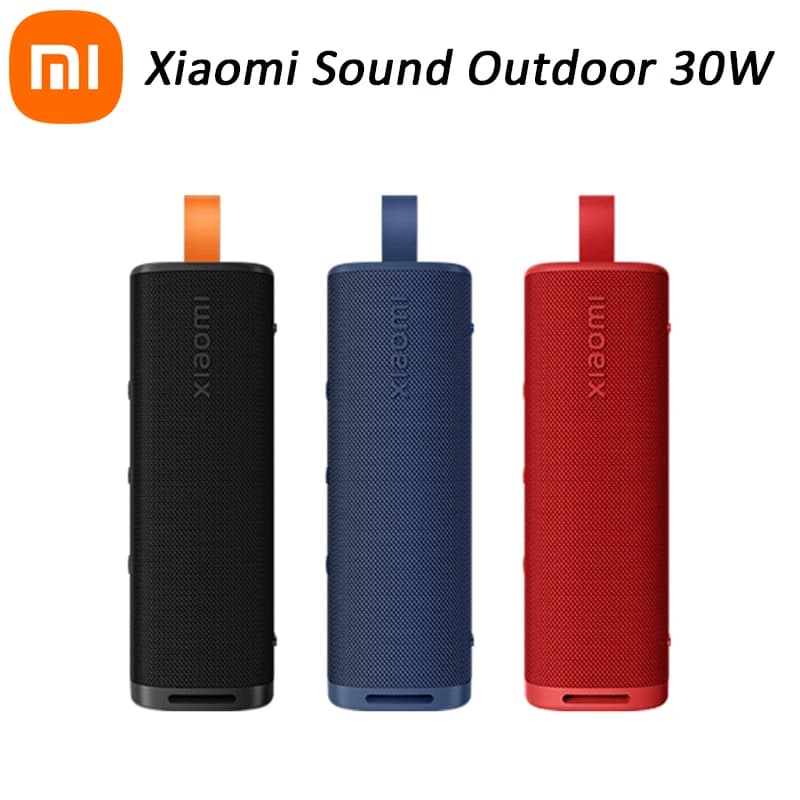
Xiaomi Sound Outdoor Portable Bluetooth Speaker
In stock · Options available · Ships in 7–21 business days
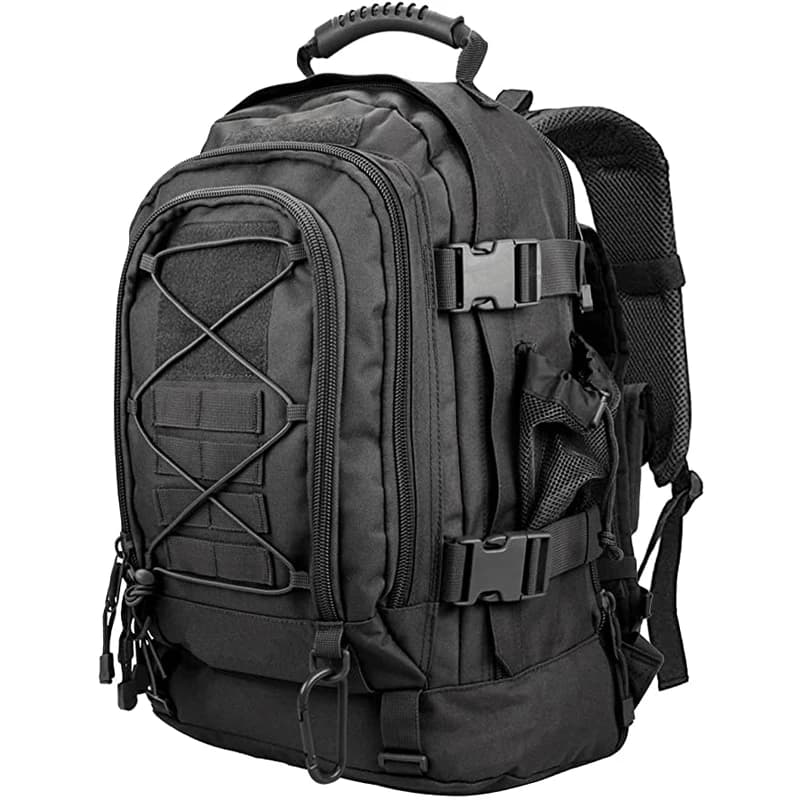
LQArmy 60L Tactical Backpack with Molle Webbing
In stock · Options available · Ships in 7–21 business days
Continue reading
 Outdoor & Travel
Travel Steamer vs Compact Iron: Which to Pack for Your Trip
Travel steamer vs compact iron: which handles dress shirts, suits and dresses, how much space each takes, voltage traps and what to pack by trip type.
 Outdoor & Travel
Travel Garment Steamer Guide: Voltage, Fabrics and Technique
A travel garment steamer guide covering dual voltage, tank size, heat-up time, which fabrics steam well, hotel-room technique and packing it safely.
 Outdoor & Travel
How to Organize Travel Cables, Power Banks and Adapters
How to organize travel cables, power banks and adapters: a lean charging kit, airline battery rules, plug types vs voltage, and a pouch system that works.