

Beginner Camera Drone Buying Guide: Rules, Camera, Battery
The best beginner camera drone is one that is legal for you to fly where you live, stable enough to keep you out of trouble, and backed by spare parts and batteries, with camera quality a close fourth. In the US, that means understanding the FAA’s 250 gram threshold, choosing GPS positioning with return-to-home, and judging the camera by its sensor and stabilization rather than a headline resolution. This guide is for first-time buyers who want aerial photos and video for travel, real estate curiosity or hobby use, and want to avoid an expensive crash or a fine.
Key takeaways
- Every US recreational flyer needs to pass the free TRUST safety test, regardless of drone weight.
- Drones weighing 250 grams (0.55 lb) or more must be registered with the FAA and broadcast Remote ID.
- Judge cameras by sensor size, a mechanical gimbal and sample footage; a large resolution number on a small sensor rarely looks good.
- Plan on usable flight time well below the advertised figure, and land with a reserve of roughly 20 to 30 percent battery.
- Spare batteries, propellers and repair support often matter more over time than the drone’s launch features.
US rules to check before you buy
Rules shape which drone makes sense, so start here. For recreational flying in the US:
- TRUST certificate. All recreational flyers must take The Recreational UAS Safety Test, a free online course, and carry proof when flying.
- Registration. Drones at or above 250 grams (0.55 lb) takeoff weight must be registered on the FAA DroneZone site. Registration currently costs $5 and lasts three years, and the number must be marked on the outside of the drone. Adding accessories like a larger battery or guards can push a sub-250 g drone over the line.
- Remote ID. Registered drones must broadcast Remote ID, either built in or through an add-on module.
- Where and how high. Stay at or below 400 feet above ground in uncontrolled airspace, keep the drone within your visual line of sight, and get authorization (often instantly through LAANC apps) before flying in controlled airspace near airports. Do not fly over people or moving vehicles, near emergency scenes, or in national parks, where launching and landing drones is prohibited.
- Commercial use. If you fly for pay or business, you generally need a Part 107 Remote Pilot Certificate, which requires passing a knowledge test.
Rules change and vary internationally, so check the FAA website or the B4UFLY app before each new location, and check local and destination rules before travelling. Privacy and trespass laws also apply even when airspace rules are met.
Camera specs: what actually affects image quality
Sensor size
The sensor gathers light. Small 1/2.3-inch sensors, common in budget drones and older models, produce acceptable daylight footage but get noisy at dusk. Larger 1/1.3-inch and 1-inch sensors capture more detail, dynamic range and low-light performance. Resolution claims of 4K or higher on very low-cost drones can be upscaled or recorded at low bitrates, so look for sample footage from the exact model.
Stabilization
A 3-axis mechanical gimbal physically keeps the camera level as the drone tilts in wind. Electronic image stabilization (EIS) crops and digitally smooths footage, and works less well in gusts. For smooth video, a mechanical gimbal is the single most important camera feature.
Bitrate, frame rate and storage
Higher bitrate preserves detail in moving scenes like water and foliage. Frame rates of 24 or 30 fps suit normal video; 60 fps and above allow slow motion. Check the microSD card class the drone requires and whether footage is also saved to your phone, which is often lower quality.
Flight time, wind and batteries
Advertised flight times come from ideal conditions: calm air, moderate temperature, a new battery and steady cruising speed. Consumer camera drones commonly advertise somewhere around 20 to 45 minutes. Wind, cold, fast flying, hovering in place and battery age all reduce that. Plan your shots around a realistic figure and set your return-to-home and low-battery alerts conservatively.
Check the manufacturer’s stated wind resistance. Lightweight sub-250 g drones are more affected by wind, which can make it hard to fly home against a headwind. Most beginners end up wanting two or three batteries in total, so price spares before you commit. Lithium polymer drone batteries need careful storage: around a mid-level charge for long periods, away from heat, and never charged when swollen or damaged. If you plan to travel, spare lithium batteries must go in carry-on bags; our drone battery air travel guide explains watt-hour limits.
Comparing beginner drone tiers
| Tier | Typical features | Good for | Watch out for |
|---|---|---|---|
| Toy or indoor mini | No GPS, prop guards, basic camera | Learning stick control indoors | Drifts outdoors, weak video, short flights |
| Budget GPS camera drone | GPS hold, return-to-home, EIS or 2-axis gimbal | Casual photos in light wind | Inflated camera specs, limited parts and app support |
| Sub-250 g camera drone | 3-axis gimbal, GPS, no registration needed for recreational use | Travel, beginners wanting fewer rules | Wind sensitivity; TRUST still required |
| Mid-range camera drone | Larger sensor, obstacle sensing, longer range | Serious photo and video hobbyists | Registration and Remote ID; higher repair costs |
The Xiaomi Mijia V88 Professional Drone is listed on ADLTHUB; check its product page for weight, camera, gimbal, battery and support details to see which tier it fits and whether registration applies.
Safety features that save beginners
- GPS position hold keeps the drone in place when you let go of the sticks, which is the biggest help for new pilots outdoors.
- Return-to-home brings it back on low battery or signal loss. Set the return altitude above local trees and buildings.
- Obstacle sensing helps but has blind spots, often to the sides and above, and struggles with thin branches, wires and low light.
- Geofencing warns about or blocks restricted zones on some models; it does not replace checking airspace yourself.
- Beginner or speed-limited modes reduce top speed and distance while you learn.
Practice in a large, open field away from people, start with short hops and slow orbits, and fly a simulator or app trainer if your drone supports one.
Mistakes to avoid
- Buying on resolution alone. A small sensor without a mechanical gimbal produces shaky, noisy footage whatever the label says.
- Skipping the rules. Flying without TRUST, registration (when required) or airspace authorization can lead to FAA penalties.
- Trusting obstacle avoidance completely. Most crashes happen sideways or backward into things sensors cannot see.
- Ignoring parts and support. Propellers break, batteries age and apps get updated. Check that spares are available and that the app supports your phone. Our warranty registration guide covers protecting the purchase.
- Buying open-box without checking batteries. Used drone batteries may be worn or swollen; see open-box vs new electronics for what to inspect.
How to choose your first camera drone
- Pick an indoor mini drone first if you have never flown and want to learn controls cheaply before risking a camera drone.
- Pick a sub-250 g drone with a 3-axis gimbal if you want travel-friendly aerial video with fewer registration requirements and mostly fly in calm weather.
- Pick a heavier drone with a larger sensor if image quality and wind stability matter more and you are happy to register and use Remote ID.
- Pick a budget GPS drone if you want casual snapshots and accept lower video quality; read the product page carefully for camera and stabilization details.
See more gadgets in the electronics and accessories category.
Frequently asked questions
Do I need a license to fly a drone recreationally in the US?
You do not need a pilot license for recreational flying, but you must pass the free TRUST test and carry proof. If the drone weighs 250 grams or more, you must also register it with the FAA and use Remote ID.
Do drones under 250 grams need to be registered?
Not for recreational flying in the US, as long as the takeoff weight stays under 250 grams with any accessories attached. TRUST is still required, and all airspace and safety rules still apply. Commercial flights require registration regardless of weight.
How long do beginner drone batteries last?
Many consumer camera drones advertise around 20 to 45 minutes per battery, but real flights are shorter in wind, cold or at high speed. Plan to land with a reserve of roughly 20 to 30 percent.
Is a 4K drone worth it for a beginner?
Only if the drone also has a decent sensor and a mechanical gimbal. Resolution alone does not guarantee sharp, stable video, so compare sample footage from the exact model.
What happens if my drone loses signal?
Drones with GPS return-to-home typically fly back to the takeoff point automatically. Set the return altitude above nearby obstacles before flying, because the drone may not avoid trees or buildings on its way back.
Shop Tech & Gadgets
View all →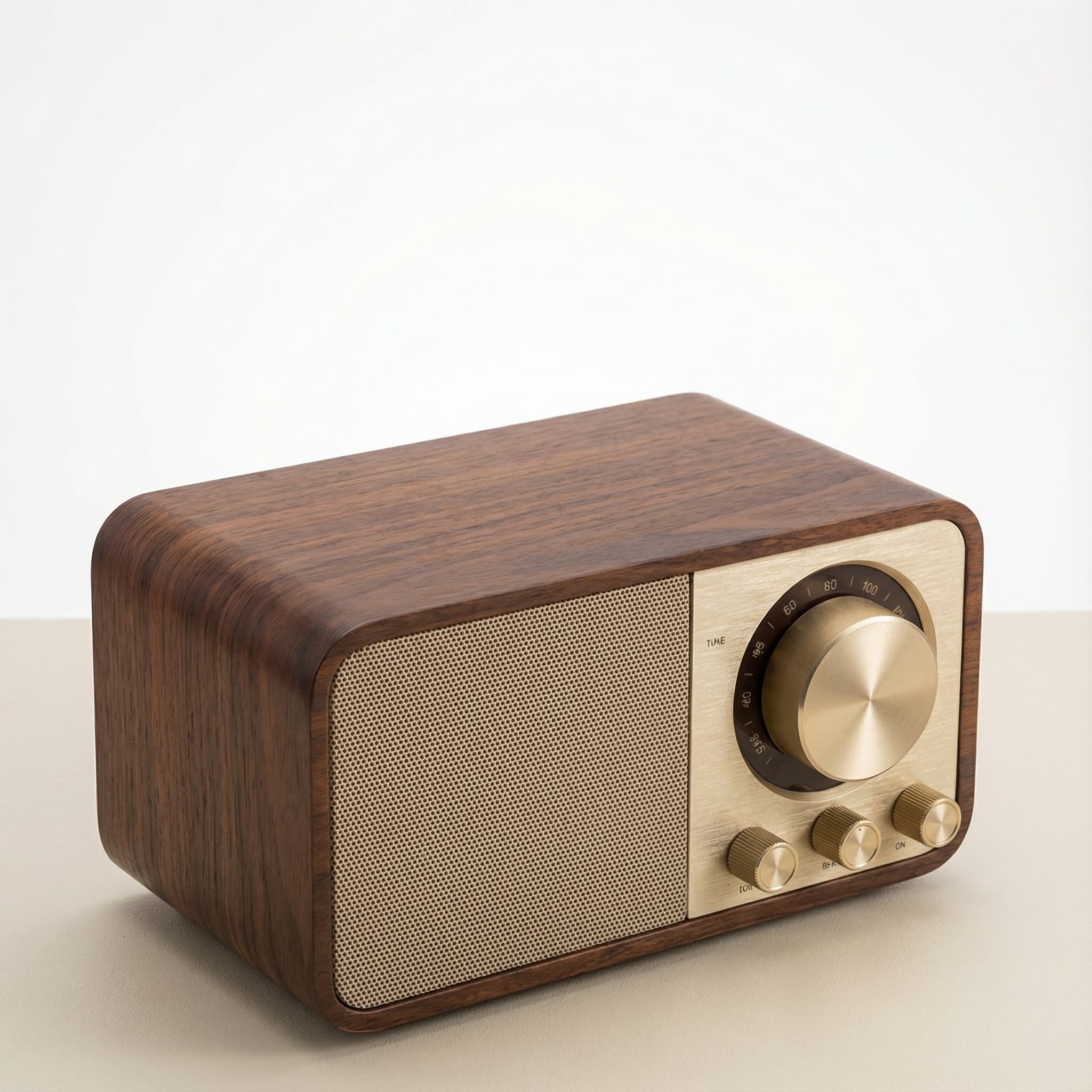 Sale
Retro Wood-Cabinet Bluetooth Speaker with FM Radio
In stock · Ships in 7–21 business days
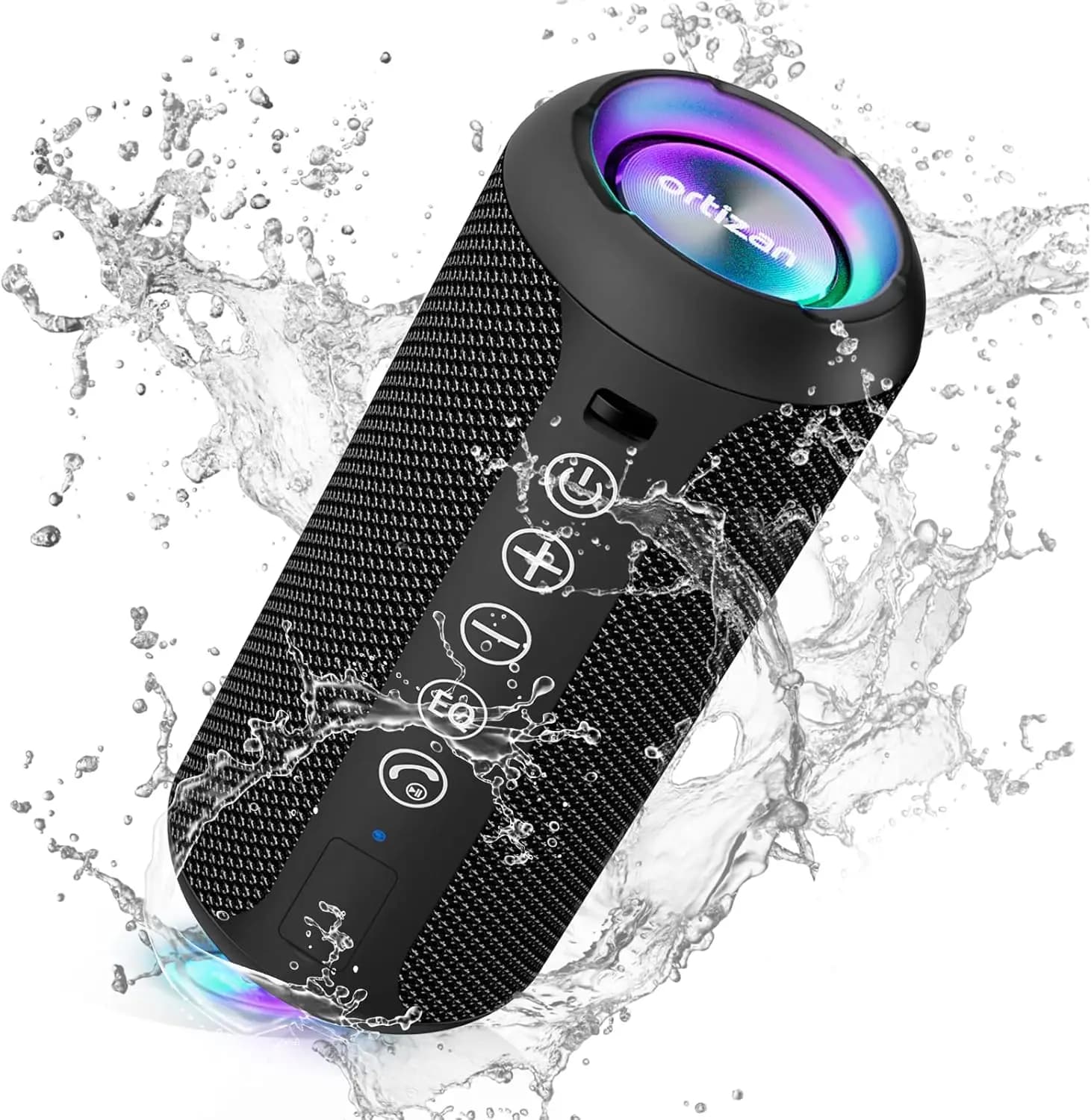
Ortizan X10 Portable Bluetooth Speaker with RGB Lights
In stock · Options available · Ships in 7–21 business days
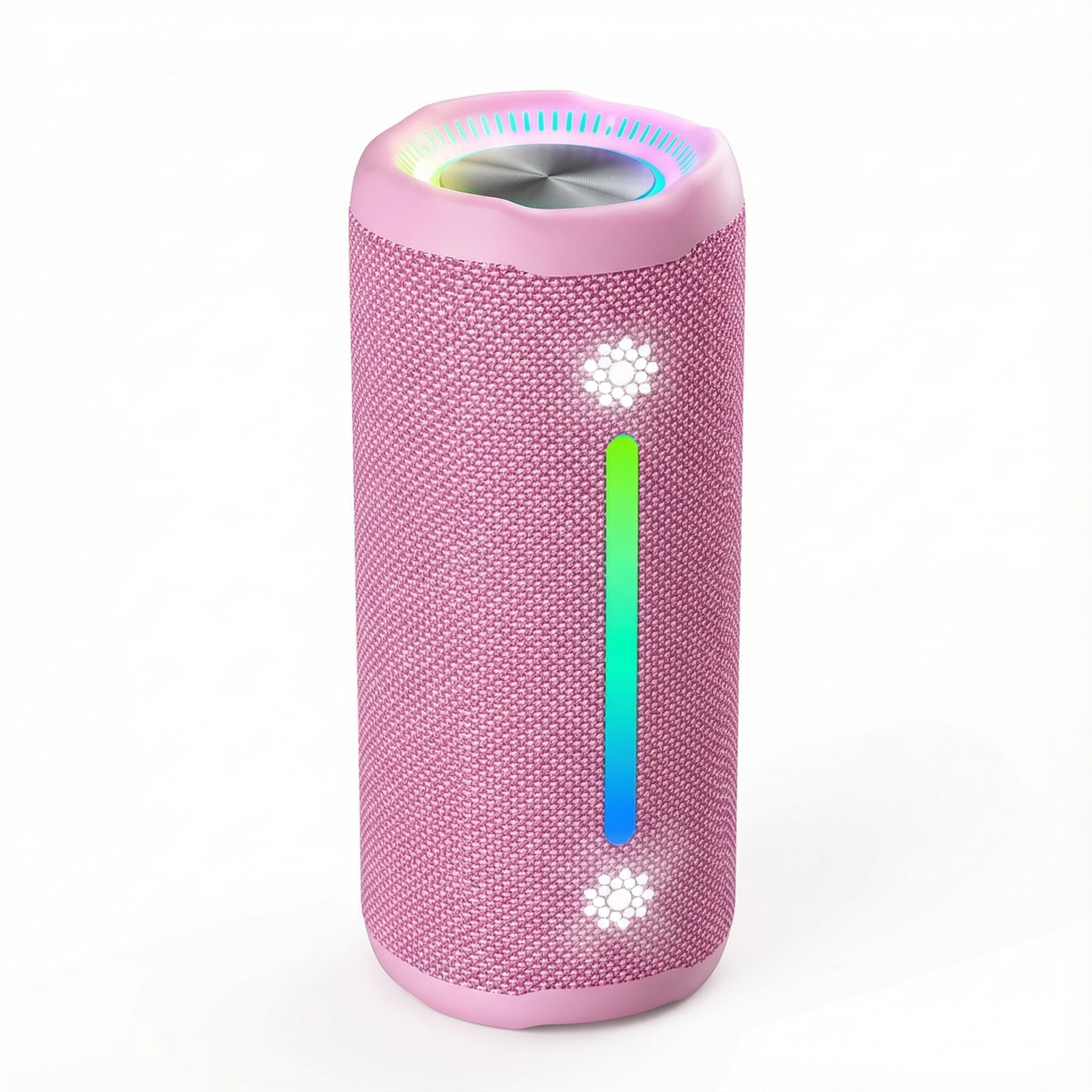
Ohayo X10 Max Bluetooth Speaker with Bass Boost and Lights
In stock · Options available · Ships in 7–21 business days
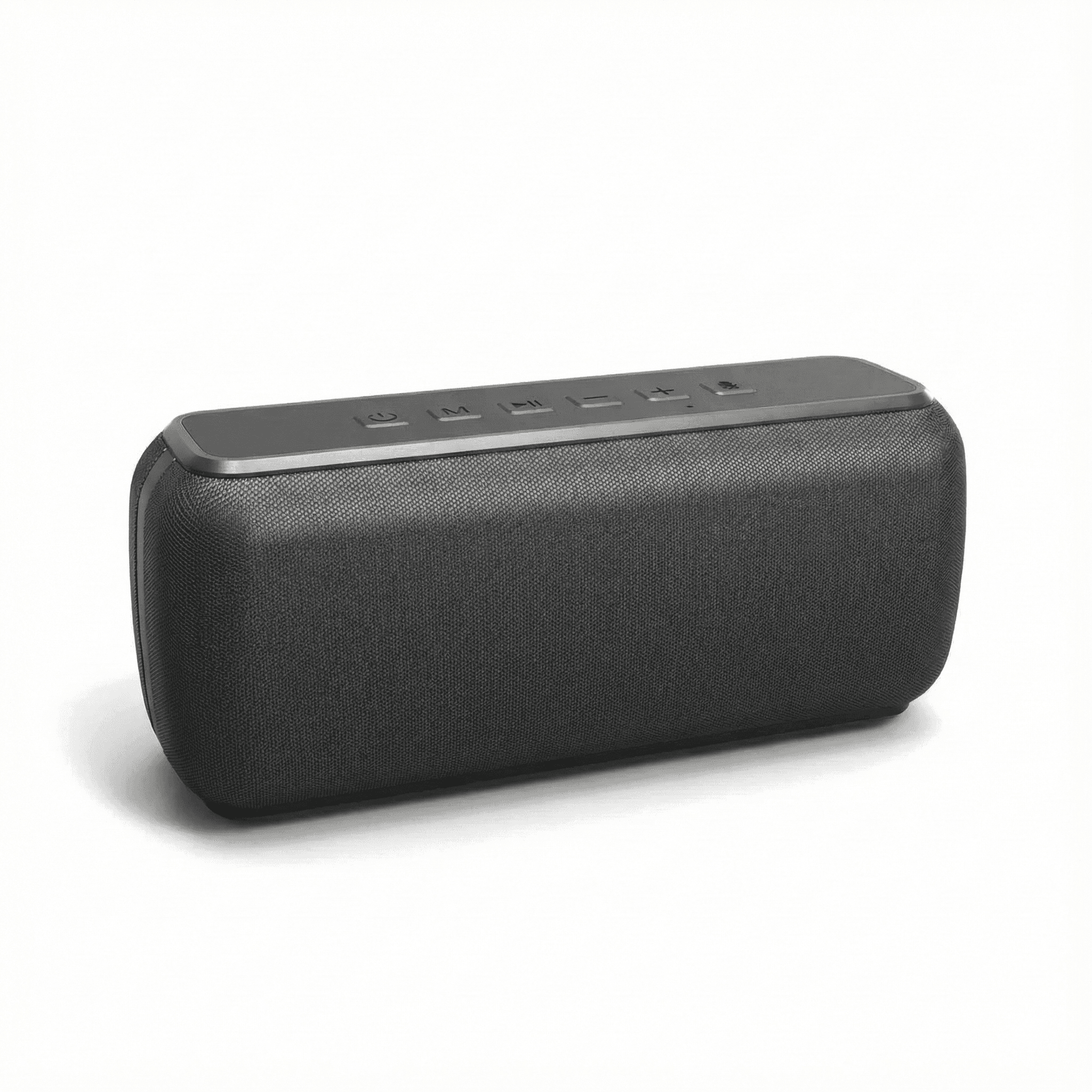
Xdobo X8 II Portable Bluetooth Speaker with Power Bank
In stock · Options available · Ships in 7–21 business days
Continue reading
 Tech & Gadgets
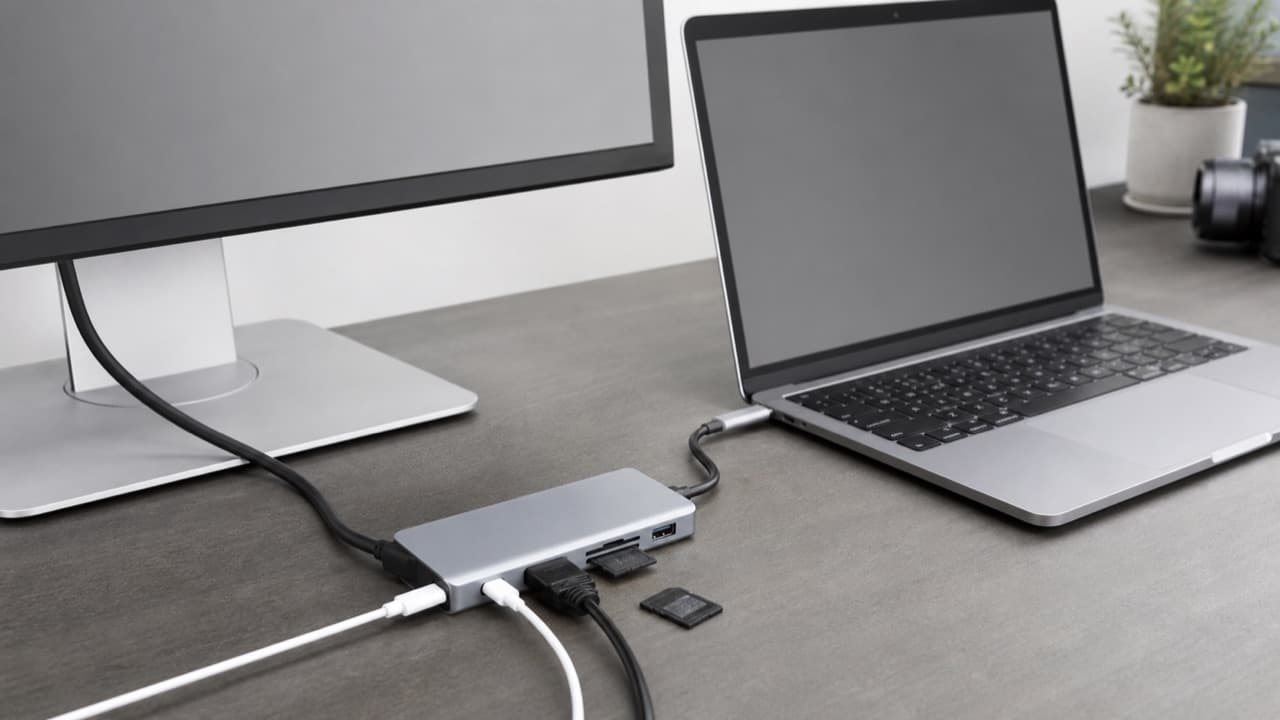
USB-C Hub Buying Guide: Ports, Video and Power Explained
USB-C hub buying guide: check what your laptop port supports, read data speed labels, size power pass-through and match the video and ports you need.
 Tech & Gadgets
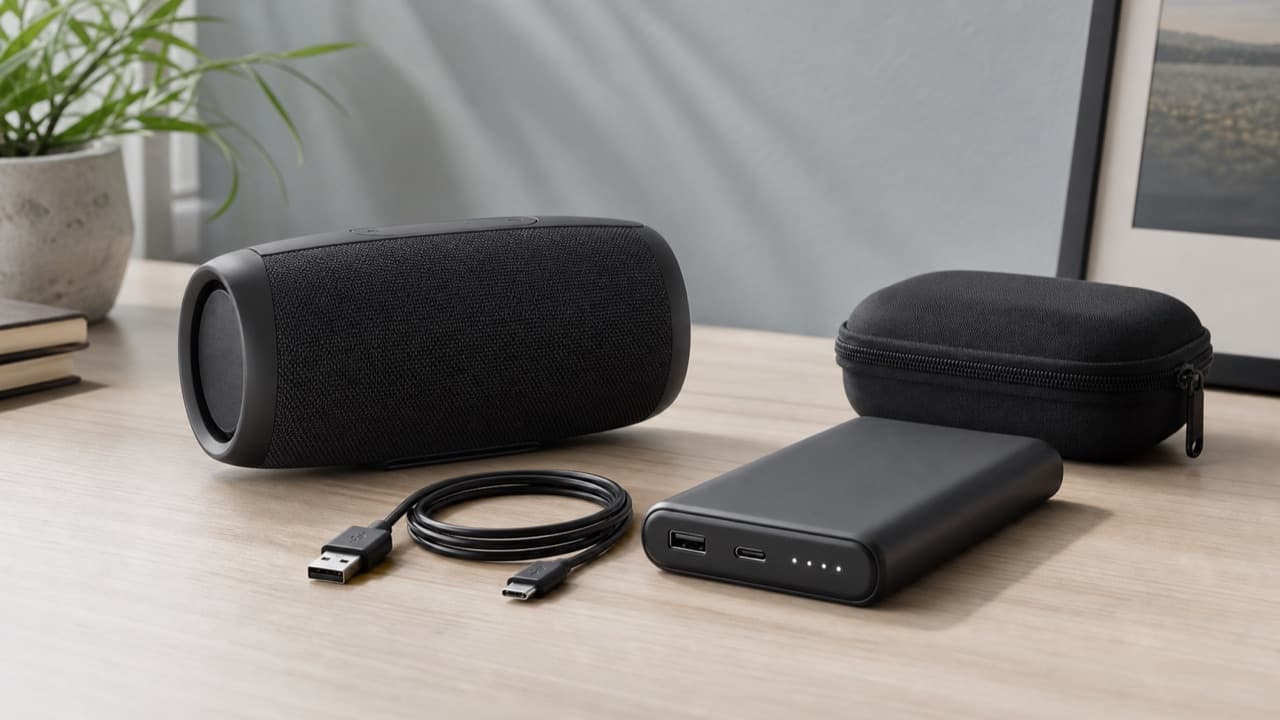
Portable Speaker Battery Care: Charging, Storage and Heat
Portable speaker battery care made simple: how to charge, store and use a Bluetooth speaker so its lithium-ion battery lasts longer and stays safe.
 Tech & Gadgets
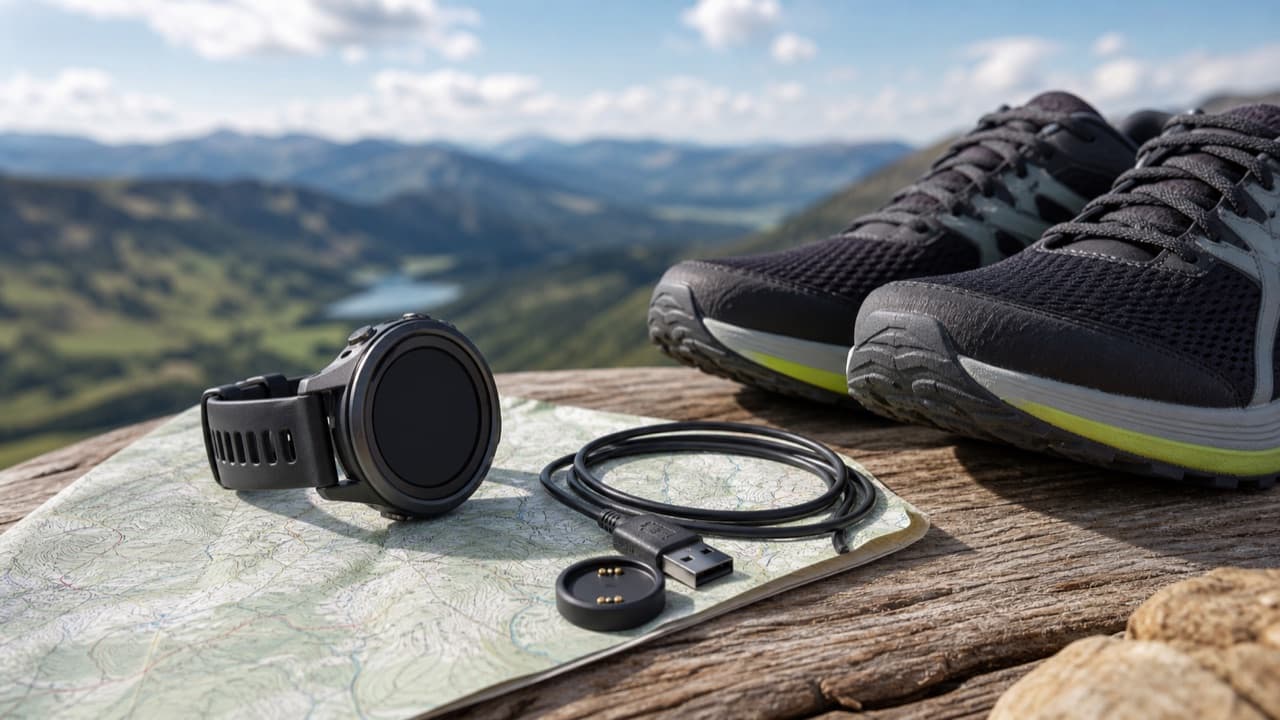
GPS Watch Accuracy: Dual-Band, Pace and Battery Explained
GPS watch accuracy explained: why distance and pace drift, when dual-band GNSS helps, why race distances read long, and how GPS modes change battery life.