

Car Vacuum Buying Guide: Suction, Battery and Tools
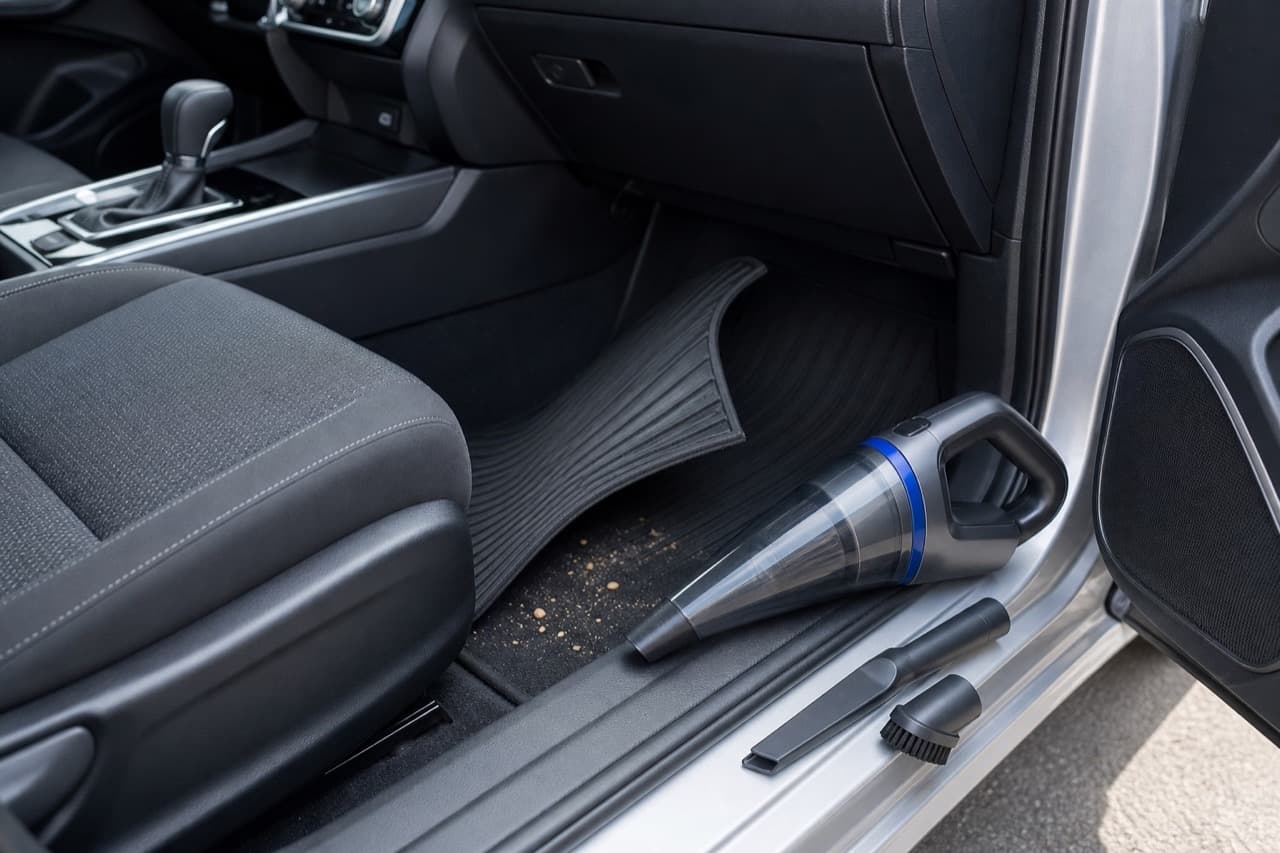
This car vacuum buying guide starts with the decision that matters most: a corded 12-volt vacuum that plugs into your car’s power socket never runs out mid-job, while a cordless one is easier to grab and use anywhere but is limited by its battery. After that, the attachments, the filter and how easily you can empty the bin decide whether you’ll actually use it. It’s written for drivers dealing with crumbs, sand, pet hair and the gaps between seats that a household vacuum can’t reach comfortably.
Car interiors are a specific cleaning job: small spaces, tight angles, low-pile carpet that traps sand, fabric seats that grab hair, and hard plastic trim with lots of seams. A great house vacuum isn’t automatically a great car vacuum, and the reverse is also true.
Key takeaways
- Choose corded 12V for long cleans and road trips, cordless for quick, frequent tidies and use away from the car.
- Suction figures in pascals (Pa or kPa) are listing claims without a single standard test for handhelds; compare them cautiously and look at airflow, nozzle design and real tools too.
- Advertised runtime is usually measured on the lowest setting; plan on far less in boost mode.
- A long, narrow crevice tool and a brush tool do most of the work in a car. A motorized mini head helps a lot with pet hair.
- Don’t store a cordless vacuum in a hot car; lithium-ion batteries age quickly in high heat.
- Check that replacement filters are sold before you buy.
Corded 12V vs cordless car vacuums
| Factor | Corded 12V (power socket) | Cordless (rechargeable) |
|---|---|---|
| Runtime | Unlimited while connected | Typically 10 to 30 minutes on normal power, much less on boost |
| Power ceiling | Limited by the socket’s fuse, often 10 to 15 amps (roughly 120 to 180 watts) | Limited by battery size and heat |
| Convenience | Cord to manage; needs a long enough lead to reach the trunk | Grab and go; also useful at home |
| Car battery impact | Can drain the battery if the engine is off for long sessions | None |
| Long-term wear | No battery to wear out | Battery capacity fades over years; check if it’s replaceable |
If you go corded, measure from your front power socket to the far corner of your trunk. Many cars need around 13 to 16 feet (4 to 5 m) of cord to reach everywhere. Check your vehicle manual for the socket’s rating, and avoid running long sessions with the engine off. If you go cordless, look for USB-C charging if you’d like to top it up from the car or a laptop charger, and confirm the charging time.
Car vacuum suction: what Pa, kPa and air watts mean
Most handheld car vacuums advertise suction in pascals or kilopascals. That figure describes the pressure difference the motor can create when the inlet is blocked (sometimes called sealed suction). It’s a real property, but it isn’t the whole story:
- Airflow matters just as much. Lifting crumbs and sand needs moving air. A vacuum with high sealed suction but weak airflow can still struggle with loose debris.
- There’s no single required test. Different brands measure differently, and listing figures are rarely independently verified. Treat large numbers with healthy skepticism.
- Air watts, when stated, combine suction and airflow into one figure and are more useful for comparison, but few car vacuums publish them.
- Nozzle design is a force multiplier. A narrow crevice tool concentrates airflow, which is why the same vacuum performs much better in seat gaps with the right tool on.
In practice, the best signals are a clear statement of power modes, how runtime changes between them, the attachments included and a filter that’s easy to clean. Embedded sand in carpet and pet hair in fabric are the hardest tests for any small vacuum.
Attachments that matter in a car
- Long crevice tool. The most-used tool in a car. Longer and slimmer is better for the gap between seats and the center console.
- Brush tool. Soft bristles loosen dust on dashboards, vents and door pockets without scratching trim.
- Wide upholstery nozzle. Faster on seats and floor mats.
- Motorized or rubber-bristle pet head. Agitates fabric to pull out embedded hair that suction alone won’t lift.
- Flexible extension hose. Reaches under seats and into footwells without bending double.
- Built-in light. Useful under seats and in dark trunks.
Also check how the tools store. A carry bag or case that keeps everything together is worth more than an extra nozzle you’ll lose under a seat. If dust in vents and tight seams is your main problem, a blower may help too; see our comparison of car vacuums vs electric air dusters.
Filters, bins and wet pickup
Car vacuums are small, so the bin is small, often a few hundred milliliters or less, and fine dust reaches the filter quickly. A clogged filter is the most common reason a car vacuum “loses suction”.
- Filter type. Many use a washable mesh pre-filter plus a pleated or HEPA-style main filter. “True HEPA” refers to a standard of capturing at least 99.97 percent of particles at 0.3 microns; “HEPA-type” or “HEPA-style” doesn’t promise that, and the vacuum’s seals matter as much as the filter itself.
- Washable vs replaceable. Washable filters must dry completely, usually a full day, before refitting. Having a spare lets you keep cleaning while one dries.
- Bin emptying. One-button release over a bin beats fiddly twist-off designs, especially with sand.
- Wet pickup. Only vacuum liquids if the manual says the model is rated for wet use. Liquid in a dry-only vacuum can damage the motor and creates an electrical hazard.
Our car vacuum filter and maintenance guide covers cleaning intervals and the airflow checks that bring suction back.
Weight, noise and storage
Most car vacuums weigh roughly 1 to 3 pounds (about 0.5 to 1.4 kg). Lighter is easier for overhead and long sessions; heavier models often carry bigger batteries or motors. Noise varies widely; if you clean early in the morning in a shared garage, it’s worth checking user comments about volume.
Storage is easy to overlook. Car interiors parked in the sun can get far hotter than the outside air, well above the storage range most lithium-ion devices allow. Heat speeds battery aging and can be a safety risk. Keep a cordless vacuum indoors and bring it out to clean; a corded 12V model is the better choice if you want something that lives in the trunk year-round. Cold weather temporarily reduces battery runtime too.
Mistakes to avoid
- Buying on the biggest suction number. Without airflow, tools and a clean filter, the number won’t translate into performance.
- Judging runtime by the box. If you need boost mode for carpets, your real runtime may be a fraction of the headline figure.
- Skipping the crevice tool. Using the bare nozzle in seat gaps wastes most of the suction.
- Vacuuming wet spills with a dry-only model. Blot liquids first; only vacuum them with a wet-rated unit.
- Letting the bin fill up. Performance drops well before the bin looks full, because fine dust coats the filter.
- Running a 12V vacuum for a long time with the engine off. It can leave you with a flat car battery.
How to choose a car vacuum
- Pick a corded 12V vacuum if you do thorough monthly cleans, take long road trips or want a vacuum that lives in the car.
- Pick a cordless vacuum if you do quick weekly tidies, also want a handheld for the house, or park away from your car’s power socket. Our handheld vacuum buying guide covers home use.
- Prioritize a pet head and brush tool if you carry dogs or cats.
- Prioritize a long crevice tool and an easy-empty bin if sand and crumbs are your main problem.
To compare options, look at the Wireless Cordless Car Vacuum Cleaner and the Powerful Handheld Wireless Car Vacuum, and check each product page for runtime, included tools, filter details, delivery and returns. You’ll find more in the electronics and accessories category.
Frequently asked questions
Is a corded or cordless car vacuum better?
Corded 12V models are better for long, thorough cleans because they never run out of power. Cordless models are more convenient for quick, frequent use and can be used anywhere. Many drivers prefer cordless for weekly tidies and a car wash vacuum for occasional deep cleans.
How much suction does a car vacuum need?
There’s no single number, because brands measure suction differently. Focus on clear power modes, a good crevice tool and a clean filter, and expect any handheld to work harder on embedded sand and pet hair than on loose crumbs.
Can I leave a cordless vacuum in my car?
It’s best not to in hot weather. Parked cars can get far hotter than lithium-ion batteries are designed to be stored at, which shortens battery life and can be unsafe. Check the manual’s storage temperature range.
Will a 12V car vacuum drain my car battery?
It can if you run it for a long time with the engine off. For long sessions, run the engine, and check your vehicle manual for the power socket’s rating.
How do I get pet hair out of car seats?
A motorized or rubber-bristle head that agitates the fabric works best, followed by a pass with the upholstery nozzle. Going over the seat in short strokes in different directions helps lift hair woven into the fabric.
Shop Tech & Gadgets
View all →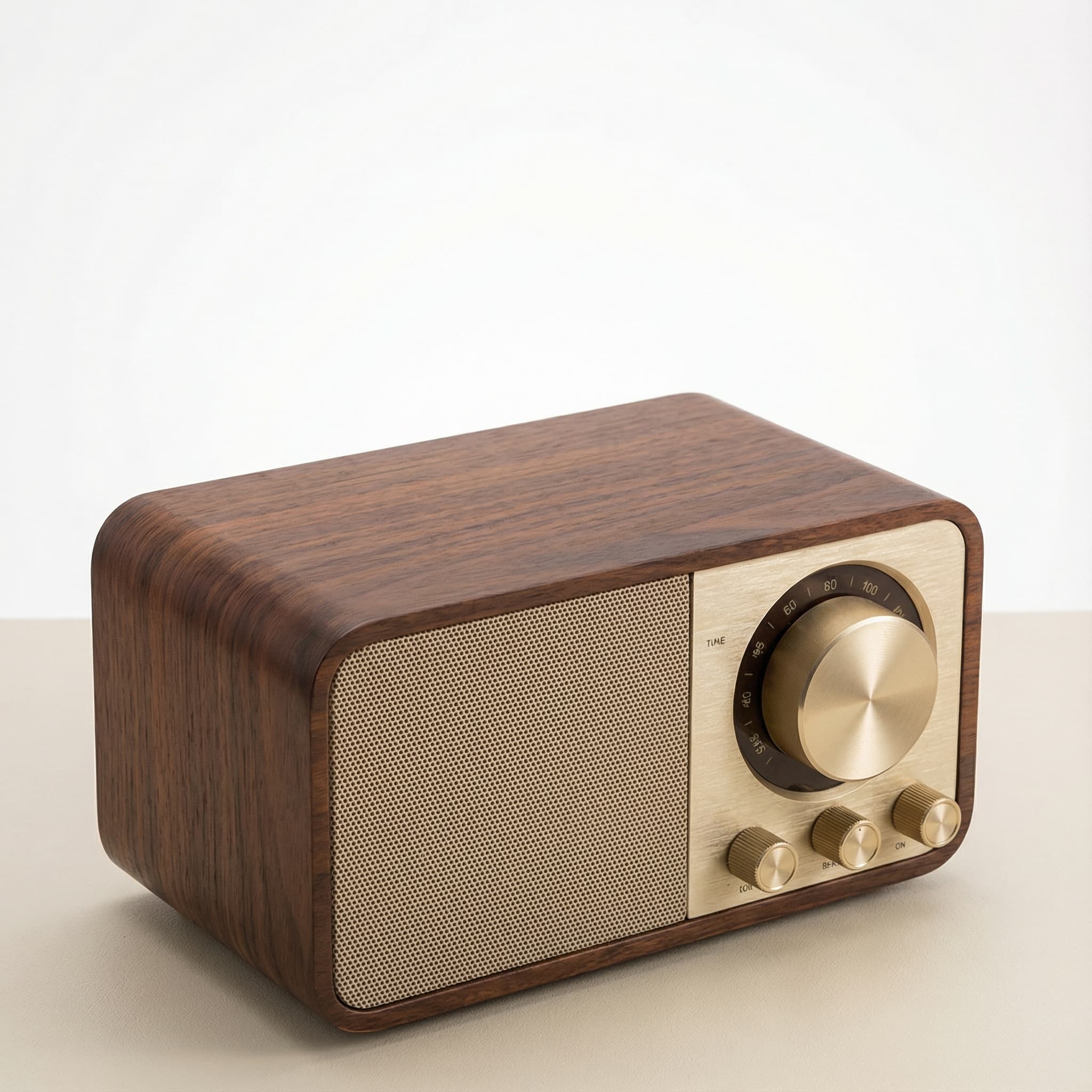 Sale
SaleRetro Wood-Cabinet Bluetooth Speaker with FM Radio
In stock · Ships in 7–21 business days
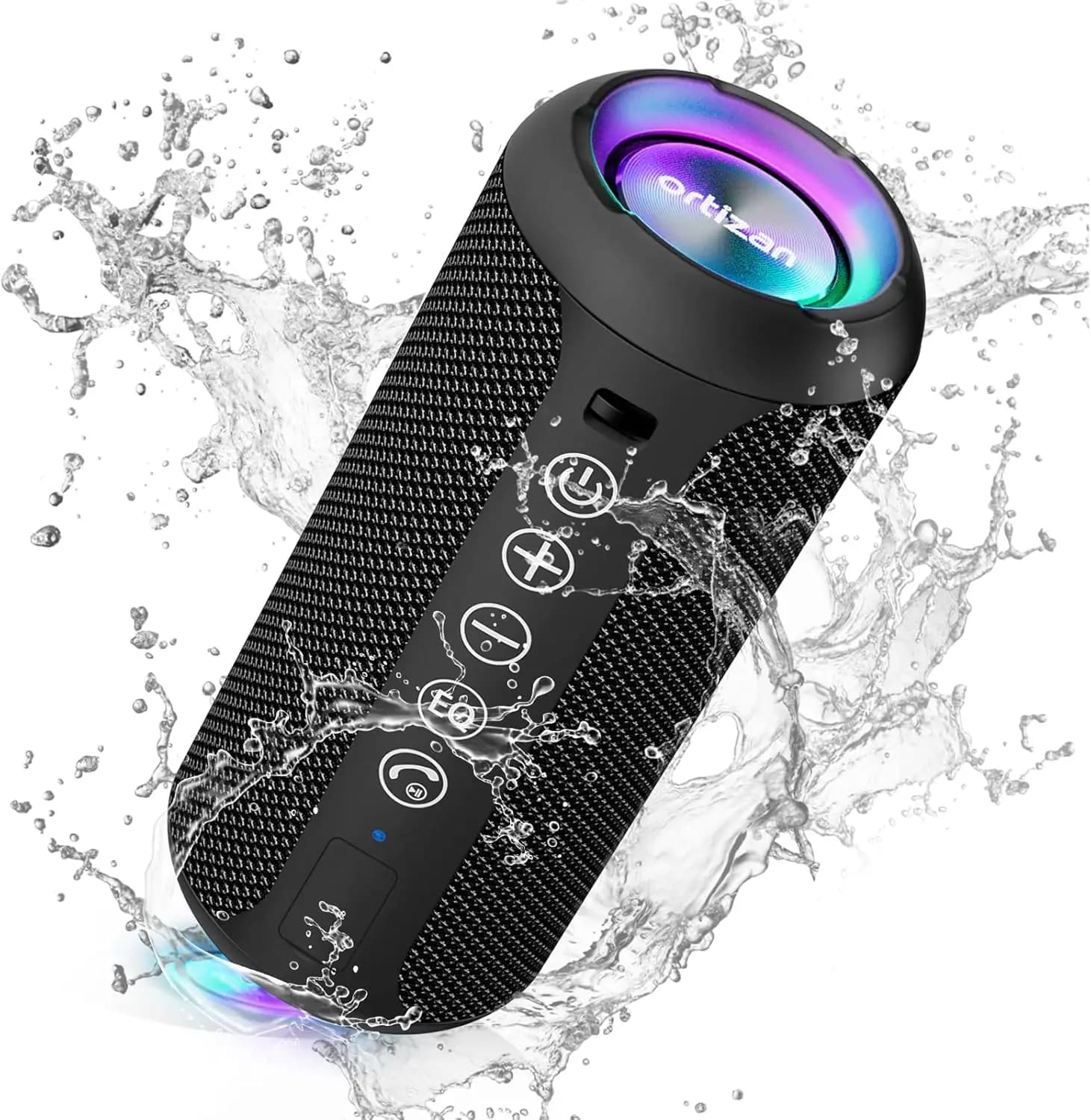
Ortizan X10 Portable Bluetooth Speaker with RGB Lights
In stock · Options available · Ships in 7–21 business days
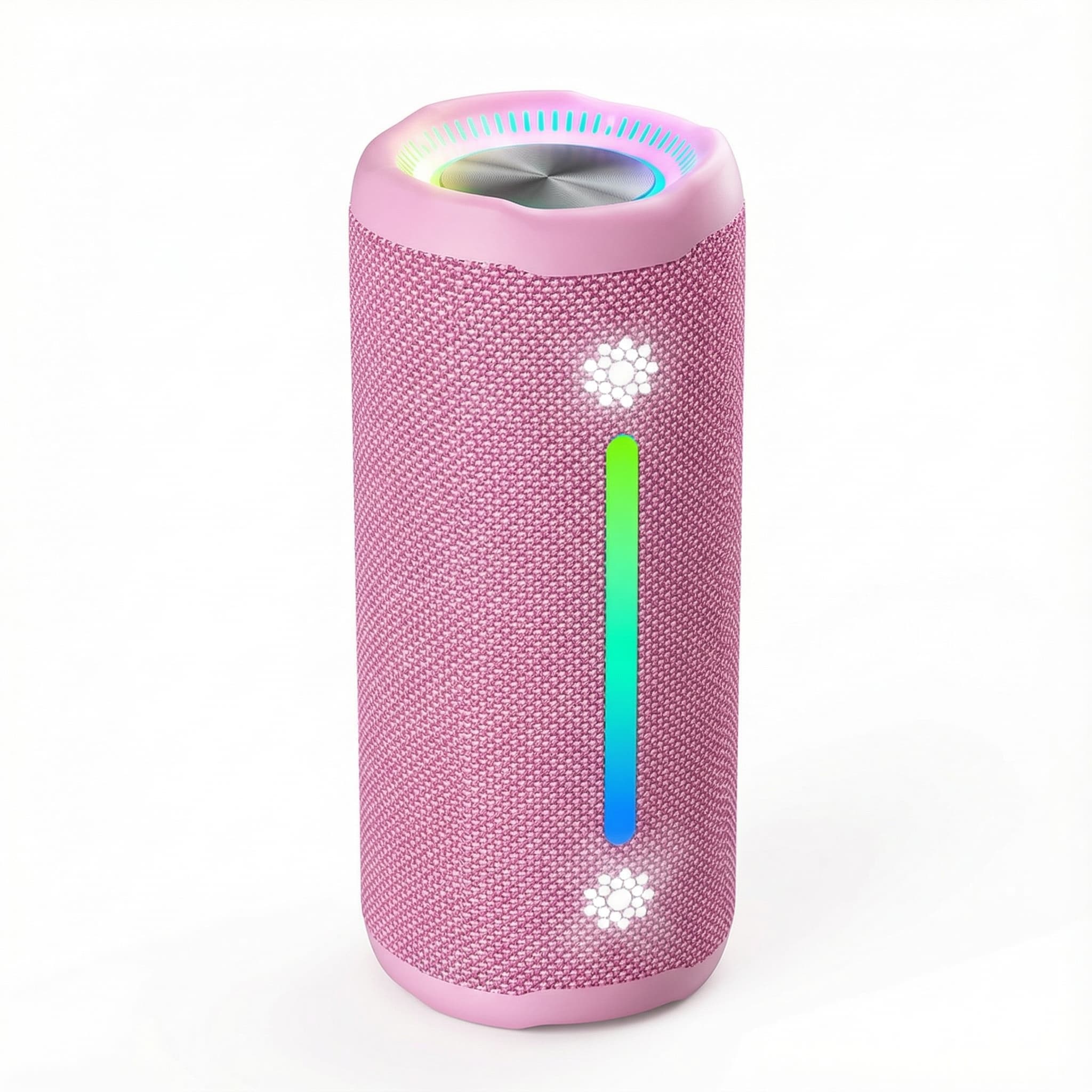
Ohayo X10 Max Bluetooth Speaker with Bass Boost and Lights
In stock · Options available · Ships in 7–21 business days
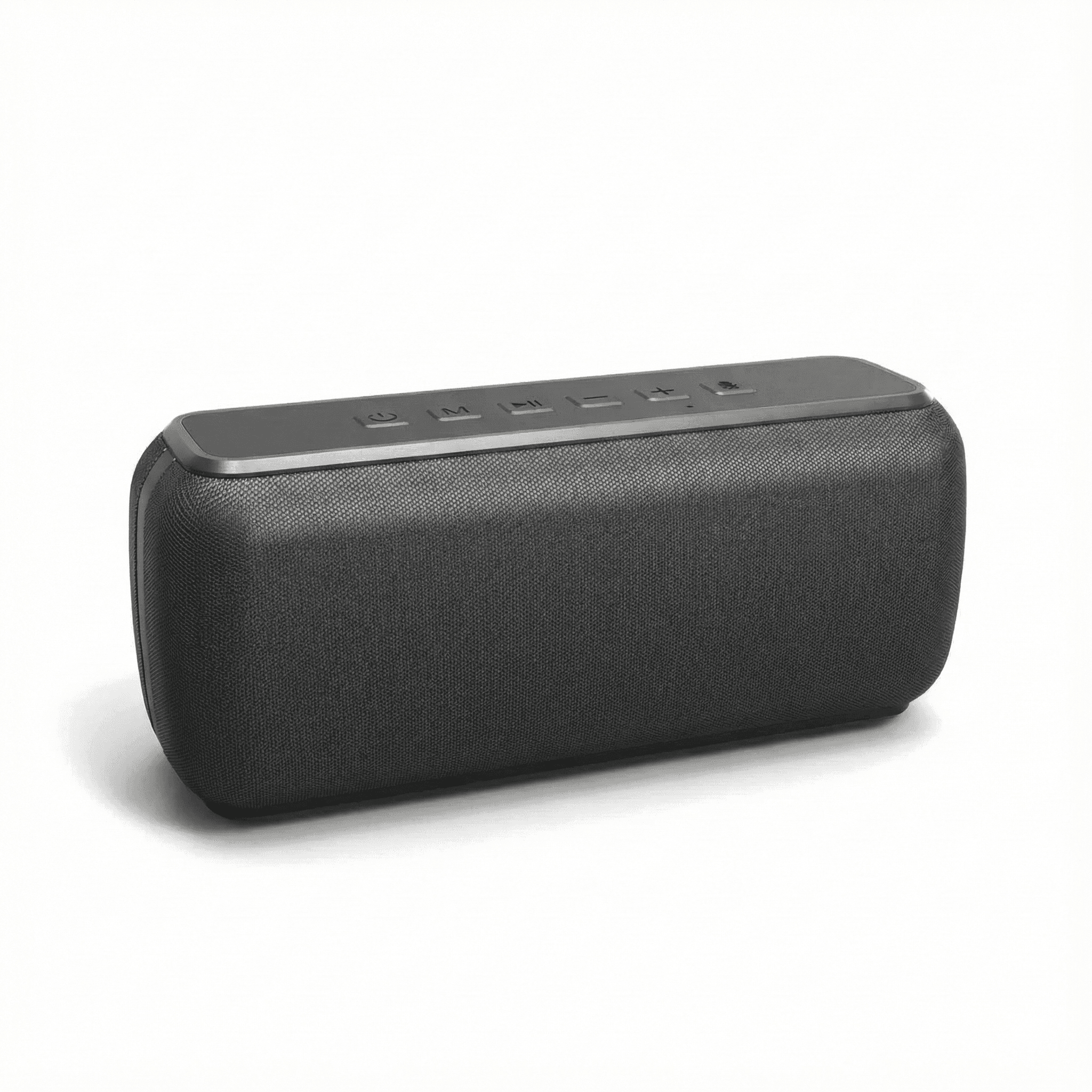
Xdobo X8 II Portable Bluetooth Speaker with Power Bank
In stock · Options available · Ships in 7–21 business days
Continue reading
 Tech & Gadgets
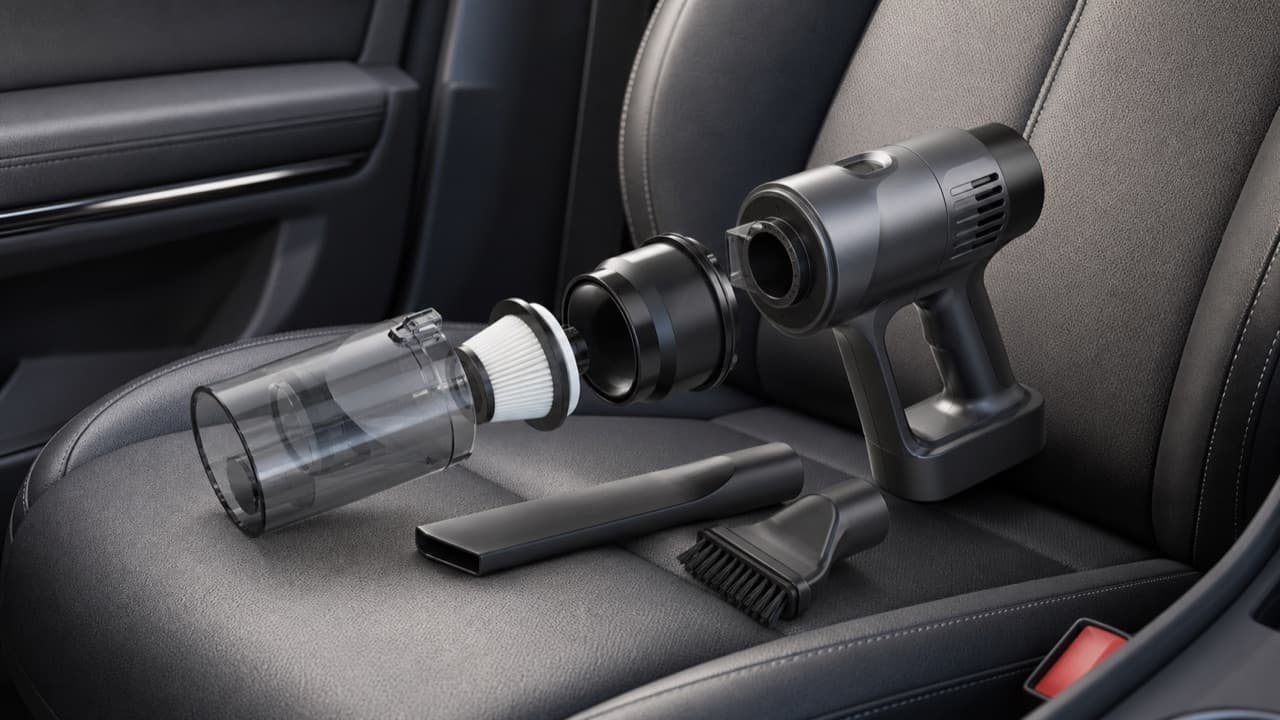
Car Vacuum Filter Cleaning: How to Restore Lost Suction
Car vacuum filter cleaning step by step: how to wash or tap out each filter type, drying times, airflow checks, when to replace parts and why suction drops.
 Tech & Gadgets
Beginner Camera Drone Buying Guide: Rules, Camera, Battery
A beginner camera drone guide for US flyers: FAA rules by weight, what camera specs really mean, realistic flight time, safety features and repair support.
 Tech & Gadgets
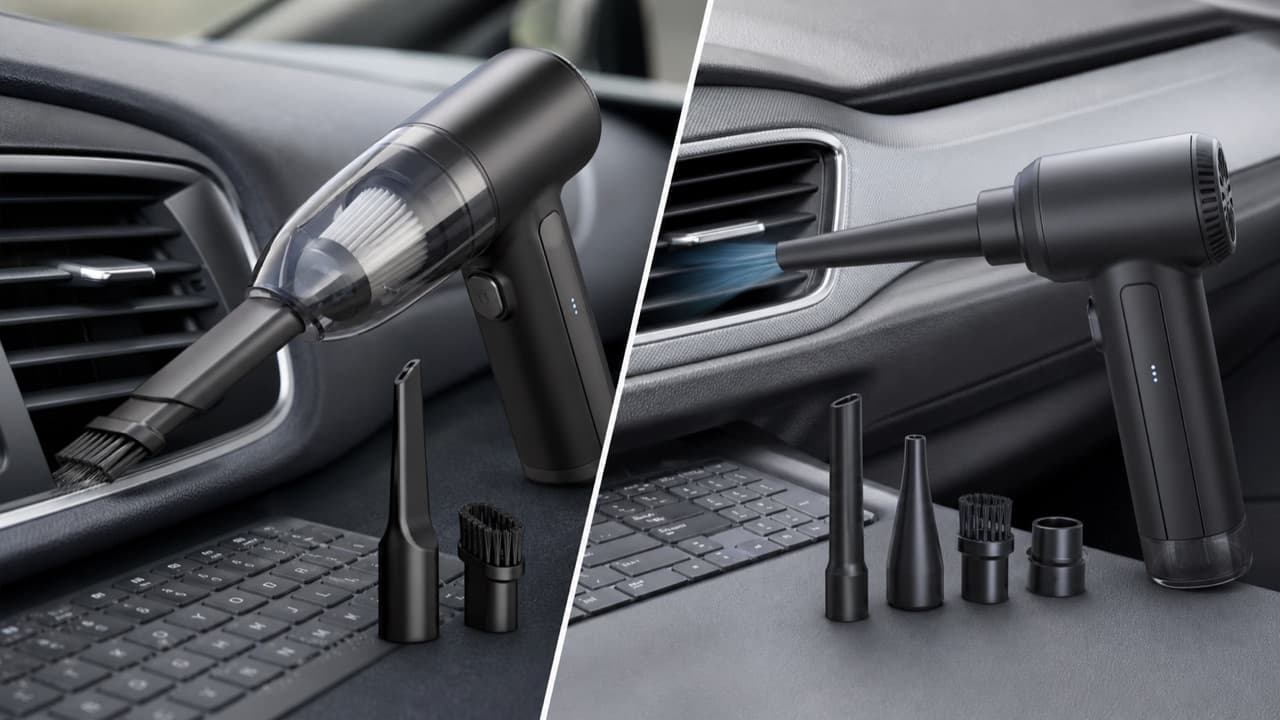
Car Vacuum vs Air Duster: Which Cleans Your Car Better?
Car vacuum vs air duster: what each tool removes, why blowers move dust rather than collect it, 2-in-1 trade-offs and a blow-then-vacuum routine for cars.