

How to Adjust Backpack Straps in the Right Order
Here is how to adjust backpack straps correctly: loosen everything, load the pack, then tighten in a fixed order: hip belt first, shoulder straps second, load lifters third, sternum strap last. Done in that sequence, the hip belt carries most of the weight and the shoulder straps just keep the pack close and stable. This guide is for hikers, travelers and commuters whose pack feels heavy, pulls backward or digs into their shoulders, and it works for both framed hiking packs and simple daypacks.
Key takeaways
- Always adjust with the pack loaded to the weight you will actually carry; an empty pack fits differently.
- The hip belt’s padded wings should sit on top of your hip bones (iliac crest), not around your waist.
- Shoulder straps should wrap over your shoulders with no gap at the top, without bearing most of the weight on a framed pack.
- Load lifters, when present, work best at roughly a 45-degree angle from the shoulder strap to the pack.
- The sternum strap sits about an inch or two below the collarbones and should be snug, not tight enough to restrict breathing.
Before you start: check the pack’s torso length
No amount of strap adjustment fixes a pack that is the wrong size for your torso. Torso length runs from the prominent bone at the base of your neck (C7 vertebra) down to the imaginary line between the tops of your hip bones. Most adult torsos fall somewhere around 15 to 22 inches (38 to 56 cm). Many hiking packs come in sizes or have an adjustable harness; check the manufacturer’s size chart. Our hiking backpack fit and capacity guide covers measuring and sizing in detail.
For a frameless daypack or school bag there is no torso adjustment, so the goal is simpler: the bottom of the pack should sit at or slightly above your waist, not sag down toward your buttocks.
Step-by-step: how to adjust backpack straps
- Load and loosen. Pack the bag with your usual load, heaviest items close to your back and roughly between your shoulder blades. Loosen the hip belt, shoulder straps, load lifters and sternum strap.
- Put it on and position the hip belt. Lift the pack slightly so the padded hip belt wings center over your hip bones, about half above and half below the top of the bone. Buckle and tighten firmly, pulling both side straps forward evenly.
- Tighten the shoulder straps. Pull the straps down and back until they wrap smoothly over your shoulders. The anchor point where the strap meets the pack should sit roughly 1 to 2 inches below the top of your shoulders. On a framed pack, stop when there is no gap; do not crank them so tight that weight shifts off your hips.
- Snug the load lifters. These short straps run from the top of the shoulder straps to the pack frame. Pull them until the pack draws in toward your upper back. Aim for an angle around 45 degrees; overtightening lifts the shoulder strap off your shoulder.
- Clip the sternum strap. Slide it up or down to sit about an inch or two below your collarbones, then tighten just enough to pull the shoulder straps inward so they do not slide toward your arms.
- Walk and fine-tune. Walk for a few minutes, including a few stairs or a slope if you can. Small adjustments are normal.
Strap jobs at a glance
| Strap | Main job | Signs it is wrong | Fix |
|---|---|---|---|
| Hip belt | Transfers load to your hips and legs | Sore shoulders, belt sliding down, bruised hip bones | Center on iliac crest, tighten more, check torso size |
| Shoulder straps | Keep the pack close and stable | Gap above shoulders, straps digging in at the neck | Loosen if bearing weight, adjust torso length if anchor is too high or low |
| Load lifters | Pull the top of the pack toward you | Pack leans backward, pulling you off balance | Tighten toward 45 degrees |
| Sternum strap | Holds shoulder straps in place | Straps slip toward armpits, chest feels constricted | Move to just below collarbones, loosen slightly |
| Compression straps | Stabilize the load inside | Contents shift and the pack sways | Cinch after packing, especially on part-full packs |
Adjusting a daypack or commuter backpack
Most daypacks have only shoulder straps and perhaps a sternum strap, so the shoulders carry everything. Keep the load light and close:
- Shorten both shoulder straps evenly so the pack rides high on your back, bottom near your waistline.
- Always use both straps. Slinging a pack over one shoulder concentrates the load on one side and makes it easier for thieves to reach into, as our backpack security guide explains.
- If there is a sternum strap, use it on longer walks to keep the straps from drifting outward.
- Put the heaviest item, usually a laptop, in the sleeve closest to your back.
For children, pediatric guidance commonly suggests a loaded school backpack weigh no more than about 10 to 20 percent of the child’s body weight, carried on both shoulders.
Mistakes to avoid
- Tightening shoulder straps first. This sets the pack too high and leaves the hip belt riding on your waist, so your shoulders take the weight all day.
- Wearing the hip belt around the waist. The soft area above the hip bones cannot carry weight; the belt slides and you lose the benefit.
- Cranking load lifters vertical. Past roughly 45 degrees they lift the straps off your shoulders instead of stabilizing the load.
- Sternum strap at the throat or across the chest. Too high presses on your neck; too low can restrict breathing and feels awkward, especially for people with larger chests.
- Never readjusting. As you drink water and eat food, the load changes. Loosen and retighten the hip belt and lifters at breaks, and loosen lifters slightly on steep descents to give your shoulders a rest.
Which adjustment approach fits your pack
- If you have a framed hiking pack (roughly 35 liters and up): follow the full hip-shoulder-lifter-sternum sequence and confirm torso length first.
- If you have a large tactical or travel pack: the same order applies; also use compression straps and any waist belt fully, since these packs carry heavy loads. The LQArmy 60L Military Tactical Backpack is one large-capacity option; check its product page for the harness and belt design, and see the tactical backpack buying guide for fit considerations.
- If you have a daypack or laptop bag: focus on even, short shoulder straps, a high ride and a light load.
- If pain persists after adjusting: the pack is likely the wrong size or overloaded. Reduce weight or try a different torso size before blaming your body.
Find packs for trails and trips in the outdoor and travel category.
Frequently asked questions
How tight should backpack straps be?
Shoulder straps should be snug enough to keep the pack against your back with no gap on top of your shoulders, but not so tight that they carry most of the weight on a pack with a hip belt. You should be able to slide a flat hand under the strap.
Where should a backpack sit on your back?
For a framed pack, the hip belt sits on your hip bones and the top of the pack sits a little above your shoulders. For a daypack, the bottom should be near your waist, not hanging below it.
What are load lifters on a backpack for?
Load lifters are small straps between the top of the shoulder straps and the pack frame. Tightening them pulls the load closer to your upper back so the pack does not lean away from you.
Why does my backpack hurt my shoulders?
The most common causes are a hip belt that is loose or too high, shoulder straps tightened first, a torso length that does not match yours, or simply too much weight. Readjust in order and lighten the load before replacing the pack.
Where should the sternum strap go?
Roughly an inch or two below your collarbones. It should hold the shoulder straps in toward your chest without pressing on your throat or making breathing feel restricted.
Shop Outdoor & Travel
View all →
Zealot S56 Rugged Outdoor Bluetooth Speaker
In stock · Ships in 7–21 business days
 Sale
Xiaomi Sound Outdoor Portable Bluetooth Speaker
In stock · Options available · Ships in 7–21 business days
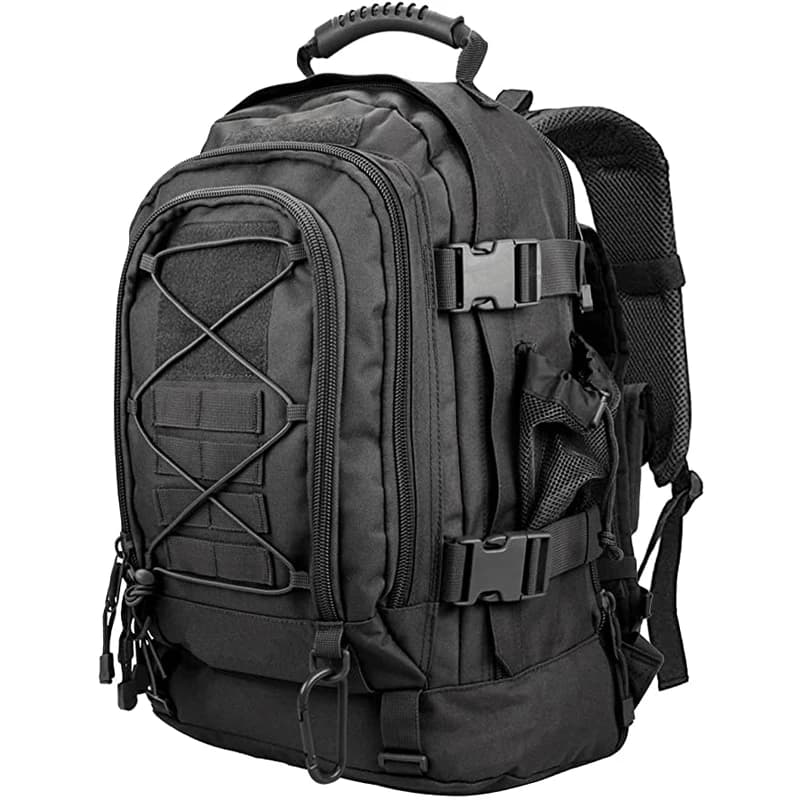
LQArmy 60L Tactical Backpack with Molle Webbing
In stock · Options available · Ships in 7–21 business days
Continue reading
 Outdoor & Travel
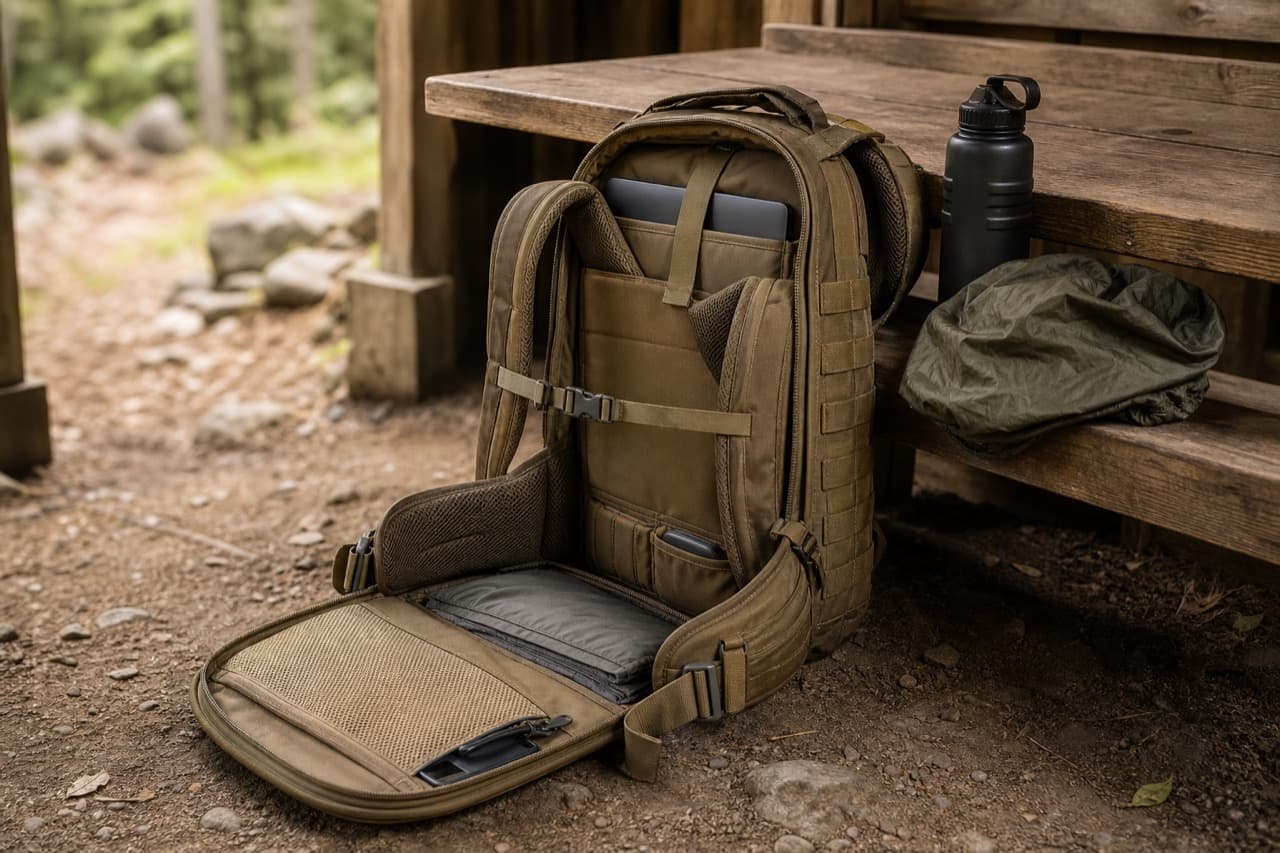
Tactical Backpack Buying Guide: Size, Straps and MOLLE Explained
Tactical backpack buying guide: match liter size to your use, check torso fit and the hip belt, and judge fabric, zippers and MOLLE webbing before you buy.
 Outdoor & Travel
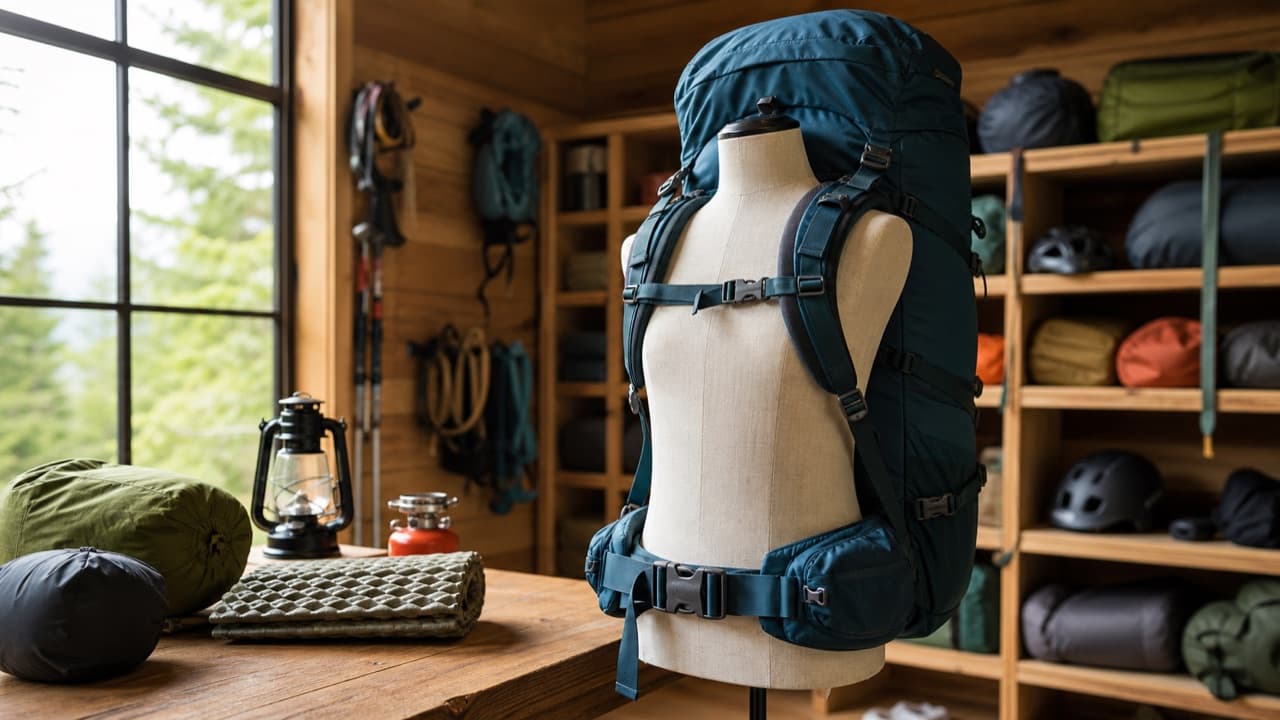
Hiking Backpack Size Guide: Liters, Torso Length and Fit
Hiking backpack size guide: how many liters you need by trip length, how to measure torso length and hip size, and how to load and adjust a pack to carry well.
 Outdoor & Travel
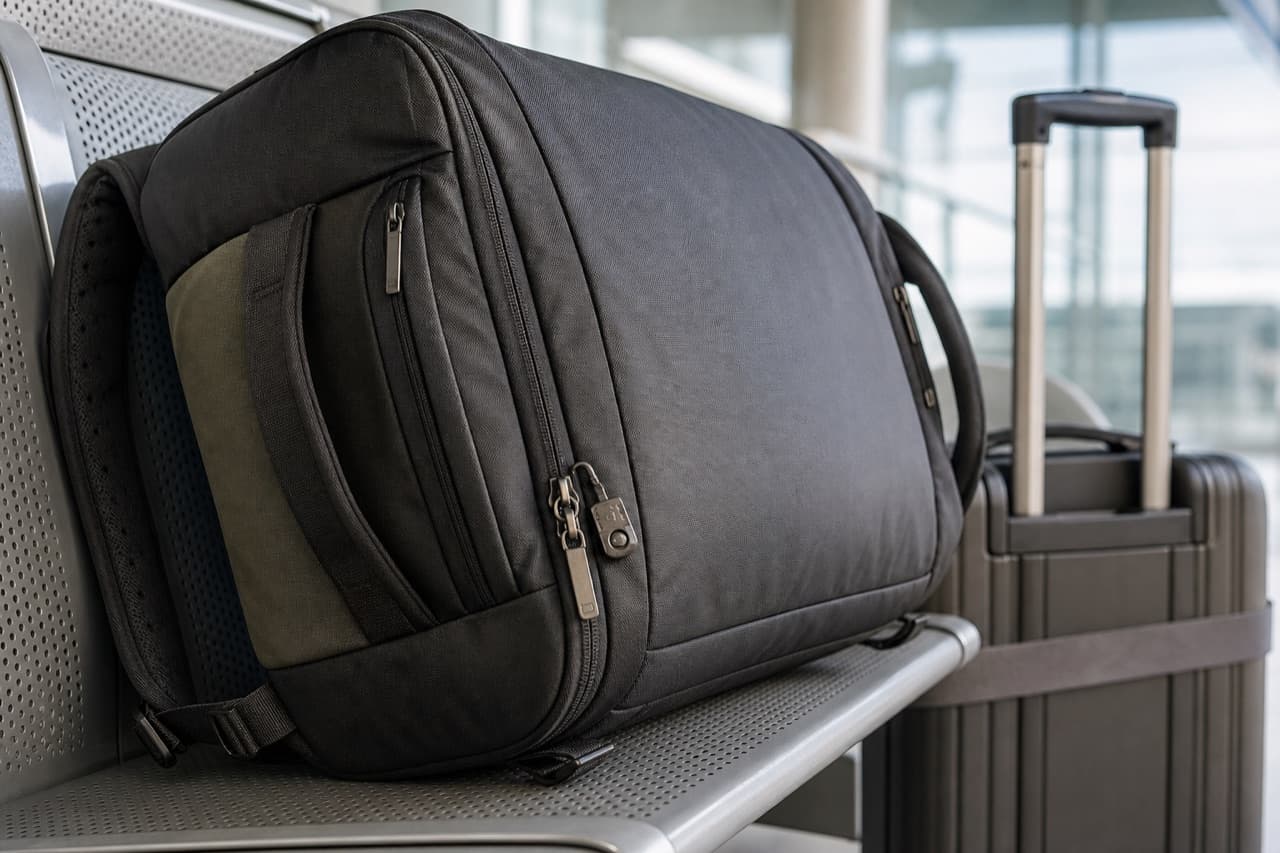
Backpack Security: Anti-Theft Features That Work
A backpack security guide for travelers: which anti-theft features matter, how zipper tricks and slash thefts work, and simple habits that keep valuables safe.