

Backpack Security: Anti-Theft Features That Work
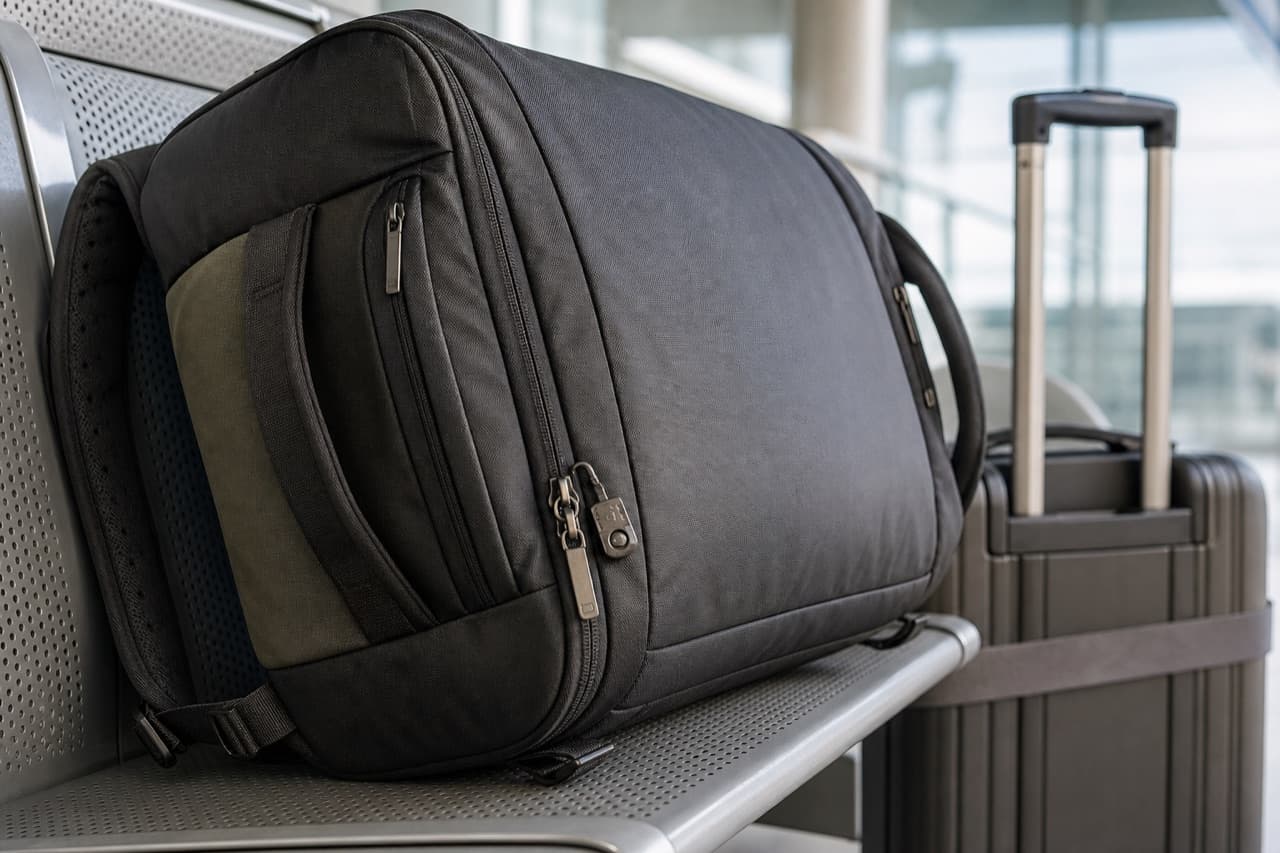
Good backpack security is mostly about making your bag slower and more awkward to get into than the next person’s: zippers that lock or hide against your back, a few hidden pockets for passports and cards, and habits like wearing the bag on your front in crowds. Features such as RFID blocking and cut-proof panels help in specific situations but are not magic. This guide is for travelers, commuters and digital nomads deciding what anti-theft features are worth paying for, and how to use an ordinary backpack more securely.
Key takeaways
- Most backpack theft is opportunistic: an open zipper in a crowd, a bag left on a chair, or a bag swapped at a café table. Habits stop more of it than features do.
- Zippers that face your back, or can be clipped or locked together, are the most useful anti-theft feature.
- A small lock does not stop a determined thief, since coil zippers can be forced open with a pen tip, but it does stop casual dips.
- Split valuables: keep a backup card and a copy of your passport somewhere other than your main bag.
- A Bluetooth tracker tag helps recover lost or stolen bags; match it to your phone’s ecosystem.
How backpacks actually get stolen
Knowing the methods tells you which features matter:
- Zipper dipping. In a packed subway, line or market, someone opens an outer pocket behind you. Front pockets and top lids are the usual targets.
- Grab and go. A bag on the back of a chair, beside you on a bench, or on the floor at a café disappears while you look away.
- Distraction. Someone spills something on you, asks for directions or causes a commotion while an accomplice lifts the bag or opens a pocket.
- Slashing. Less common, but in some crowded tourist areas thieves cut the bottom or side of a bag to reach contents.
- Zipper forcing. Coil zippers can be split apart with a pointed object and then closed again by running the sliders over them, leaving little trace. Locked sliders do not prevent this.
Anti-theft backpack features compared
| Feature | What it stops | Limits | Worth paying for? |
|---|---|---|---|
| Back-facing main zipper | Zipper dipping while worn | Less convenient to access; useless when bag is off | Yes, for crowded cities |
| Lockable or clip-together zipper pulls | Casual opening | Coil zippers can still be split | Yes, low cost |
| Hidden back-panel pocket | Theft of passport, phone, cards | Small capacity | Yes |
| Cut-resistant fabric or mesh panels | Slash-and-grab | Adds weight and cost; strap can still be cut on some designs | Only for high-risk areas |
| Lock-to-object cable or strap loop | Grab-and-go from a table or train rack | Needs a fixed point | Useful on overnight trains and hostels |
| RFID-blocking pocket | Unauthorized contactless reads | Skimming of modern chip cards is rare and limited | Nice to have, not a priority |
A note on RFID blocking
RFID-blocking pockets use a metal mesh layer that stops radio signals. Contactless bank cards use one-time cryptographic codes per transaction, and reading one through a bag requires close range, so this type of theft is uncommon. An RFID pocket does no harm, but do not choose a bag mainly for it over better zippers or fit.
Locks, trackers and hardware
For a backpack, a small combination lock or a locking carabiner through both zipper pulls is enough to defeat a quick dip. TSA-recognized locks matter only for checked luggage that security may need to open; most backpacks are carried on, so any small lock works.
A Bluetooth tracker sewn into a lining pocket or clipped inside helps you find a misplaced or stolen bag. Apple AirTag works with iPhone’s Find My network; Android users need a tracker built for Google’s Find My Device network or a brand-specific app. Trackers are a recovery aid, not a reason to chase a thief yourself.
If you carry power banks and cables, organize them in a separate pouch so you can lift out valuables quickly at security checks without exposing the whole bag. Our guide to organizing travel cables and power banks walks through a layout.
Habits that matter more than features
- Wear the bag on your front in crowded transit, queues, markets and festivals.
- At cafés and restaurants, keep the bag between your feet with a strap looped around your leg or chair leg, never hanging on the back of the chair.
- Put the most valuable items deepest in the bag or in the back-panel pocket, and leave decoys (tissues, a water bottle) in the outer pockets.
- Carry only the cards and cash you need for the day; leave a backup card in the hotel safe or a separate bag.
- Photograph your passport, driver’s license and the serial numbers of electronics before the trip.
- On overnight trains and in hostels, lock the bag to a fixed object or keep it in a locker.
A well-adjusted pack is also harder to tamper with unnoticed, because it sits close to your body. See the backpack strap adjustment guide for the details.
Mistakes to avoid
- Relying on a lock alone. It deters, but a forced coil zipper leaves no trace. Combine locks with hidden pockets and good habits.
- Keeping passport, phone and wallet in the same pocket. One theft then takes everything; split them.
- Choosing a bag that screams expensive gear. Camera-brand logos and flashy designs advertise what is inside.
- Setting the bag down on transit. Floor and overhead racks are where bags get swapped or lifted when you doze off.
- Ignoring fit. A loose bag swinging behind you is easy to open without you feeling it.
Which level of security fits you
- Pick a standard backpack plus a few habits if you commute in a familiar city: clip the zipper pulls, use an inner pocket for your phone and wallet.
- Pick a bag with back-facing zippers and a hidden pocket if you travel through busy tourist hubs and use public transit a lot. The carry-on backpack guide for digital nomads covers sizing for that style of travel.
- Pick cut-resistant panels and a lock-to-object cable if you take overnight trains, stay in hostels or carry expensive camera and laptop gear.
- Pick a rugged tactical-style pack if durability and compartment count matter more than looking low-key; the LQArmy 60L Military Tactical Backpack is one option, and our tactical backpack buying guide explains the trade-offs. Check the product page for materials and closures.
Browse more bags and travel gear in the outdoor and travel category.
Frequently asked questions
Are anti-theft backpacks worth it?
They are worth it if you often travel through crowded tourist areas or use busy public transit. The most useful features are hidden or back-facing zippers and secret pockets. For everyday commuting, a regular backpack with good habits is usually enough.
Can someone open a locked backpack zipper?
Yes. Coil zippers can be split with a pointed object even when the sliders are locked together, then resealed. Locks still help because they stop quick, casual theft, which is the most common kind.
Do RFID-blocking backpacks really work?
The blocking layer does stop radio signals, but contactless card skimming is uncommon because cards use one-time codes and need very close range. Treat RFID blocking as a minor bonus rather than a key feature.
Where should I keep my passport in a backpack?
Use a hidden pocket against your back or a zipped inner compartment, not an outer pocket. Keep a photo of the passport on your phone and a printed copy in a separate bag in case it is lost.
Should I put an AirTag in my backpack?
A tracker is a good way to locate a lost or stolen bag. AirTags suit iPhone users; Android users should pick a tracker compatible with their phone. If a bag is stolen, report it to police rather than tracking it down yourself.
Shop Outdoor & Travel
View all →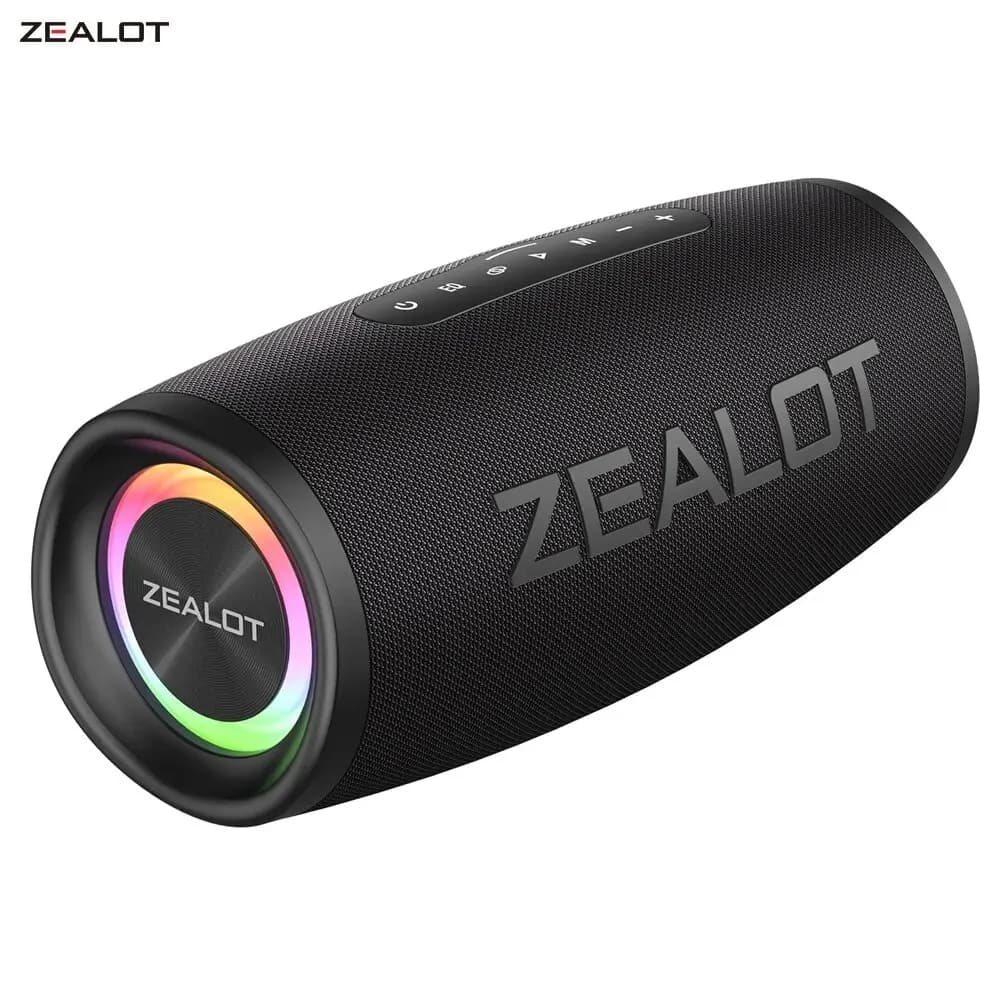
Zealot S56 Rugged Outdoor Bluetooth Speaker
In stock · Ships in 7–21 business days
 Sale
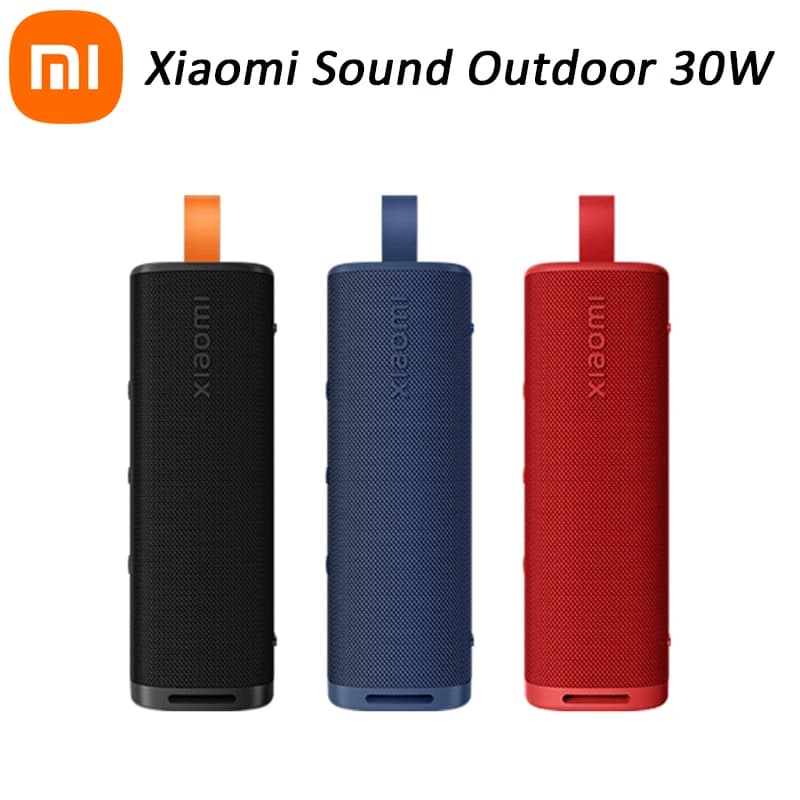
Xiaomi Sound Outdoor Portable Bluetooth Speaker
In stock · Options available · Ships in 7–21 business days
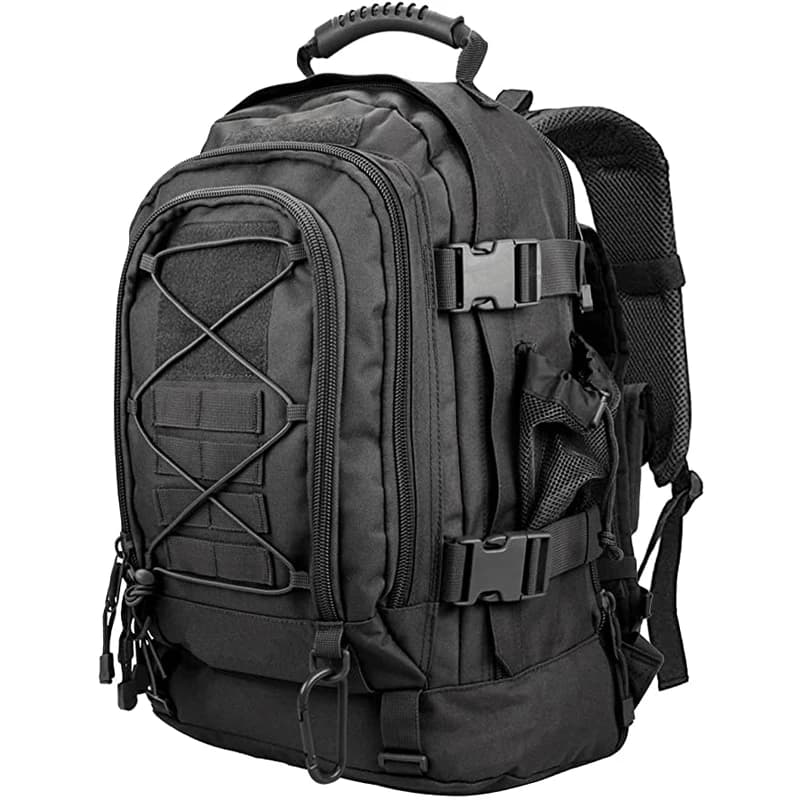
LQArmy 60L Tactical Backpack with Molle Webbing
In stock · Options available · Ships in 7–21 business days
Continue reading
 Outdoor & Travel
Hiking Backpack Size Guide: Liters, Torso Length and Fit
Hiking backpack size guide: how many liters you need by trip length, how to measure torso length and hip size, and how to load and adjust a pack to carry well.
 Outdoor & Travel
How to Adjust Backpack Straps in the Right Order
Learn how to adjust backpack straps step by step: hip belt, shoulder straps, load lifters and sternum strap, with fixes for shoulder pain and a sagging pack.
 Outdoor & Travel
Mobile Office Checklist for Remote Work While Traveling
Mobile office checklist for remote work while traveling: backup internet, power, laptop setup, security and admin to sort before you go, plus what to pack.