

Packable Rain Jacket Guide: Ratings, Layers and Fit
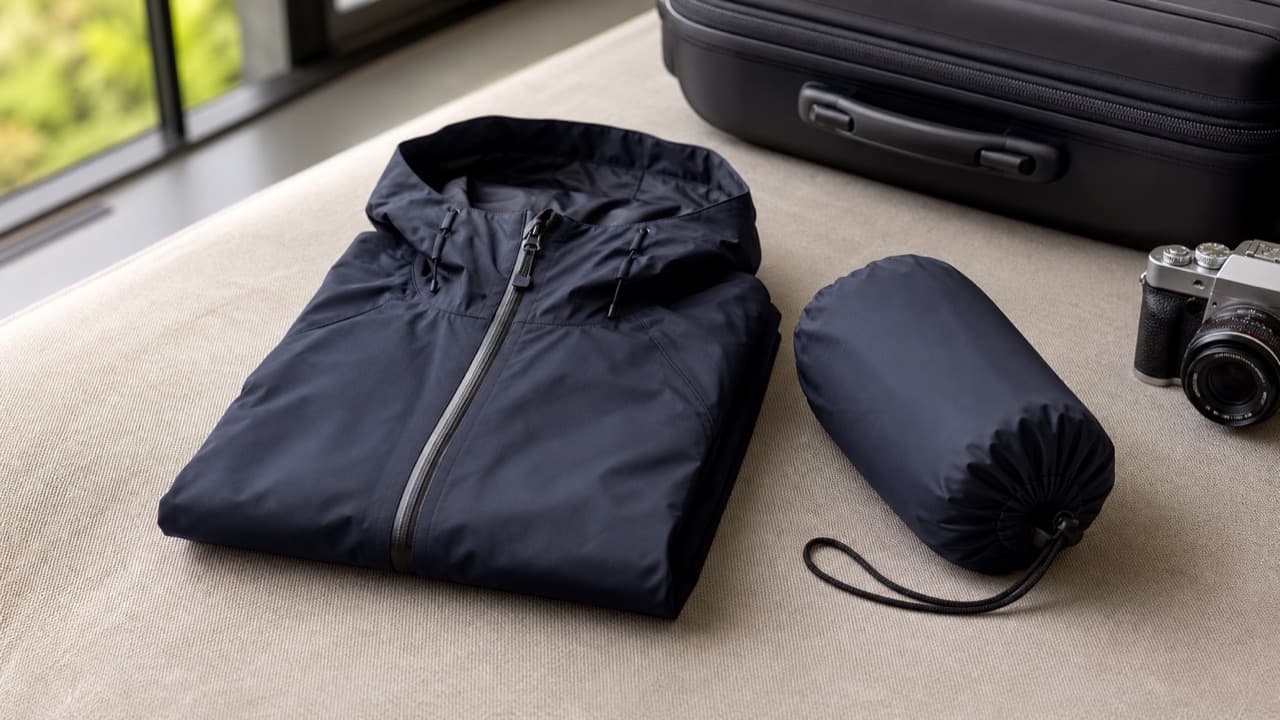
A good packable rain jacket keeps steady rain out, lets enough sweat vapor escape that you do not end up wet from the inside, and squeezes into its own pocket or a small stuff sack so it is always in your bag. The trade-off is durability: the lighter and smaller a jacket packs, the thinner its fabric and the more carefully it needs to be treated. This guide is for travelers, commuters and day hikers who want to understand waterproof ratings, layer construction and the features that matter before buying a packable rain jacket.
Key takeaways
- Look for a stated waterproof rating of around 10,000 mm or more for regular rain; 20,000 mm and up suits sustained, wind-driven storms.
- Breathability matters as much as waterproofing when you are moving; higher g/m²/24h figures or lower RET values breathe better.
- 2.5-layer shells are the lightest and pack smallest; 3-layer shells are tougher and feel drier but cost and weigh more.
- Fully taped seams, a hood with an adjustable brim and covered or water-resistant zippers separate rain jackets from water-resistant windbreakers.
- Most “leaking” is actually condensation or a worn-out DWR coating; washing and reactivating the coating often restores performance.
Waterproof vs water-resistant: what the ratings mean
Water-resistant jackets, often thin nylon shells with a water-repellent coating, shed light showers but will soak through in steady rain. Waterproof jackets use a membrane or coating that blocks liquid water, plus sealed seams.
Waterproof rating (hydrostatic head)
Waterproof ratings are usually given in millimeters. The number describes how tall a column of water the fabric can hold back before water seeps through in a lab test. Rough guide:
- Around 5,000 mm: light rain and short exposure.
- Around 10,000 mm: moderate rain for typical travel, city and day-hike use.
- Around 20,000 mm and above: heavy, sustained or wind-driven rain, and pressure from backpack straps.
Not every brand publishes a number, and test methods vary, so treat it as a guide rather than a guarantee. Pressure points such as shoulders under a pack strap and knees when kneeling push water through fabric more easily than rain falling on it.
Breathability ratings
Breathability is often given as grams of water vapor per square meter per 24 hours (g/m²/24h). Around 10,000 suits casual use; 15,000 to 20,000 and above suits active hiking. Some brands use RET instead, where lower is better: under about 6 is very breathable, 6 to 12 is reasonably breathable. No waterproof jacket breathes like a cotton shirt, so expect some dampness during hard effort in warm, humid weather.
2-layer vs 2.5-layer vs 3-layer construction
| Construction | How it is built | Packability | Durability and feel | Best for |
|---|---|---|---|---|
| 2-layer | Outer fabric bonded to a membrane or coating, with a separate hanging mesh or fabric liner | Bulkier because of the liner | Comfortable, warmer, liner can trap heat | Commuting and everyday wear |
| 2.5-layer | Outer fabric and membrane with a thin printed or sprayed protective layer inside instead of a liner | Lightest and smallest | Can feel clammy against skin; inner layer wears with heavy pack use | Travel, emergency shell, occasional hikes |
| 3-layer | Outer fabric, membrane and an inner fabric backer bonded into one | Light but larger packed size than 2.5-layer | Most durable and drier-feeling; usually most expensive | Frequent hiking, backpacking, wet climates |
For most people who want a jacket that lives in a daypack or carry-on, a 2.5-layer shell is the sweet spot. If you will wear it under a loaded backpack for hours, a 3-layer jacket holds up better.
Features that make a packable rain jacket work
Seams and zippers
- Fully taped seams. Needle holes leak unless sealed. “Critically taped” means only some seams are sealed, which is a common cost-saving shortcut.
- Front zipper protection. Either a water-resistant coated zipper or a storm flap behind or over the zipper.
- Pit zips. Underarm vents release heat fast. They add weight and cost but make a big difference for active use.
Hood
A good hood has a stiffened or wired brim to keep rain off your face, a rear volume adjuster so it turns with your head, and front drawcords that seal around the face. If you wear a helmet for cycling or climbing, check that the hood fits over it.
Pockets and packing
Many packable jackets stuff into one of their own pockets, which then zips closed with a loop to clip it to a harness or bag. Hand pockets placed high stay accessible above a backpack hip belt. Check whether pocket zippers are water-resistant; mesh-backed pockets double as vents but can let rain in.
Cuffs, hem and fit
Adjustable cuffs, often with hook-and-loop tabs, keep water from running up your sleeves. A drawcord hem stops wind lifting the jacket. Size it to fit over a light fleece or insulating layer without restricting your arms, and check that the hem covers your waistband when you raise your arms.
Weight, packed size and travel use
Packable rain jackets typically weigh roughly 6 to 14 ounces (about 170 to 400 g), depending on size, fabric thickness and features. The lightest options often skip pit zips and adjustable hoods. For travel:
- A jacket that packs to roughly the size of a water bottle fits easily in a personal item or daypack.
- A rain jacket doubles as a windbreaker on cool evenings, airplanes and ferries, which justifies the space.
- Pair it with a small umbrella in cities if you prefer not to overheat in warm rain.
For packing strategy, see our minimalist packing list for travel and remote work and the hiking backpack fit and capacity guide if you are planning trail days.
Care: keeping a rain jacket waterproof
The outer fabric has a durable water repellent (DWR) finish that makes water bead and roll off. When dirt, body oils and abrasion wear it down, the outer fabric “wets out,” turning darker and soggy. The membrane may still block water, but it can no longer move vapor out, so you feel wet inside and assume the jacket leaks.
- Wash it. Follow the care label. Many shells can be machine washed on a gentle cycle with a technical wash or a small amount of mild liquid detergent. Avoid fabric softener and powder detergents, which leave residues that reduce water repellency.
- Rinse thoroughly. An extra rinse removes leftover detergent.
- Reactivate the DWR. If the label allows, tumble dry on low heat for a short time, which often helps the finish bead water again.
- Reproof when needed. If water no longer beads after washing and heat, apply a spray-on or wash-in DWR product made for waterproof-breathable fabrics.
- Store loosely. Keep it hung or loosely folded at home; long-term tight compression can crease and wear coatings.
Several US states have restricted PFAS chemicals in clothing, and many brands have moved to PFC-free DWR finishes. These generally work well but may need washing and reproofing more often than older treatments.
Mistakes to avoid
- Buying a windbreaker for rain. Without a waterproof membrane and taped seams, it will soak through.
- Sizing too tight. You need room for a midlayer and full arm movement.
- Never washing it. Dirt and oils kill water repellency faster than washing does.
- Using fabric softener. It coats the fabric and blocks breathability.
- Expecting a 2.5-layer shell to survive daily heavy pack use. The thin inner layer wears at shoulders and hips.
- Ignoring the hood. A hood that does not turn with your head or keep rain off your face makes even a waterproof jacket miserable.
How to choose a packable rain jacket
- Pick a 2.5-layer jacket around 10,000 mm if you need an emergency shell for travel, city use and occasional hikes and want the smallest packed size.
- Pick a 3-layer jacket with 20,000 mm or more if you hike often in wet climates or carry a heavy pack.
- Pick a 2-layer jacket with a liner if you mostly commute and want comfort over packability.
- Prioritize pit zips if you run warm or hike uphill in rain.
- Prioritize an adjustable brimmed hood if you will be out in steady rain for hours.
Find travel and trail gear in the outdoor and travel category, and keep valuables safer on the road with our backpack security guide.
Frequently asked questions
What waterproof rating do I need for a rain jacket?
For typical travel and day hikes, around 10,000 mm is a sensible minimum. For heavy, sustained rain or long hikes under a pack, look for 20,000 mm or more. Taped seams and a good hood matter as much as the number.
Why does my rain jacket feel wet inside?
Usually because of condensation from sweat or a worn DWR coating that has let the outer fabric wet out. Open vents, slow your pace, and wash and reactivate the coating. True leaks are more likely at untaped seams or worn pressure points.
Is a 2.5-layer rain jacket waterproof?
Yes, 2.5-layer jackets are waterproof when they have a membrane and taped seams. They are lighter and pack smaller than 3-layer jackets, but they can feel clammier and wear faster under a heavy backpack.
How often should I wash a rain jacket?
Wash it whenever it looks dirty or water stops beading, and after heavy use such as a multi-day trip. For occasional use, a few times a season is common. Follow the care label.
Can you put a rain jacket in the dryer?
Many can, on low heat, and it often helps reactivate the water-repellent finish. Check the care label first, because some fabrics or trims should only be air-dried.
Shop Outdoor & Travel
View all →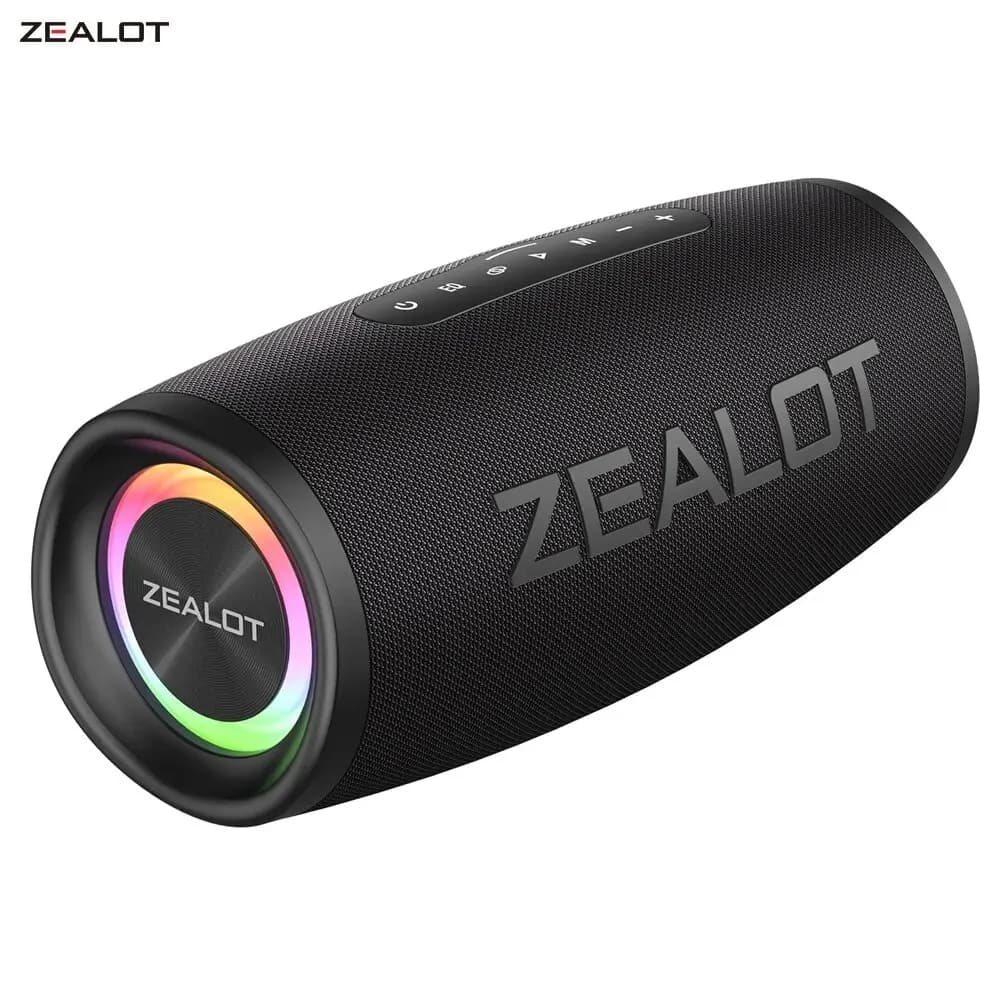
Zealot S56 Rugged Outdoor Bluetooth Speaker
In stock · Ships in 7–21 business days
 Sale
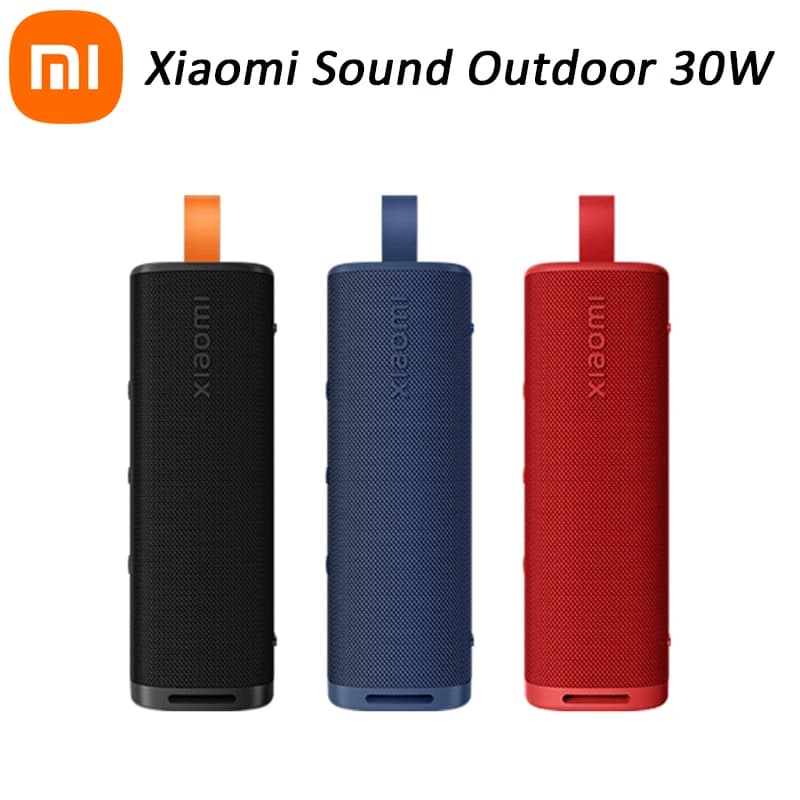
Xiaomi Sound Outdoor Portable Bluetooth Speaker
In stock · Options available · Ships in 7–21 business days
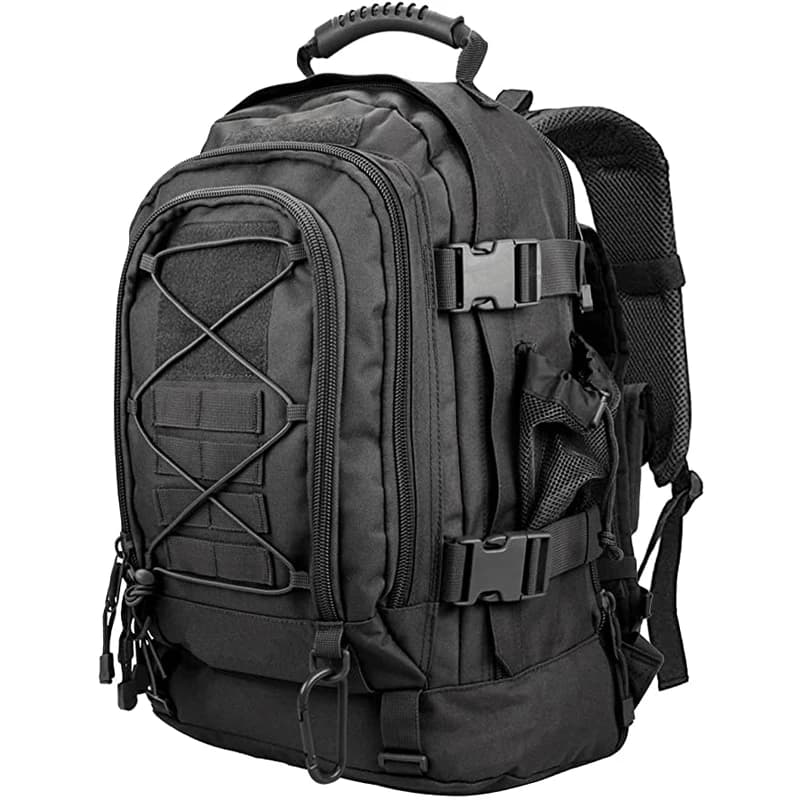
LQArmy 60L Tactical Backpack with Molle Webbing
In stock · Options available · Ships in 7–21 business days
Continue reading
 Outdoor & Travel
Waterproof Bluetooth Speaker Care: Pool, Beach and Rain
Waterproof Bluetooth speaker care for pools, beaches, showers and rain: what ratings miss, how to rinse and dry it, and why you never charge it wet.
 Outdoor & Travel
Hiking Backpack Size Guide: Liters, Torso Length and Fit
Hiking backpack size guide: how many liters you need by trip length, how to measure torso length and hip size, and how to load and adjust a pack to carry well.
 Outdoor & Travel
Carry-On Backpack for Digital Nomads: Size, Fit and Rules
How to choose a carry-on backpack for digital nomads: liters vs airline dimensions, weight limits, laptop access, harness fit and battery rules for long trips.