

Garment Steamer vs Iron: Which Works Best at Home?
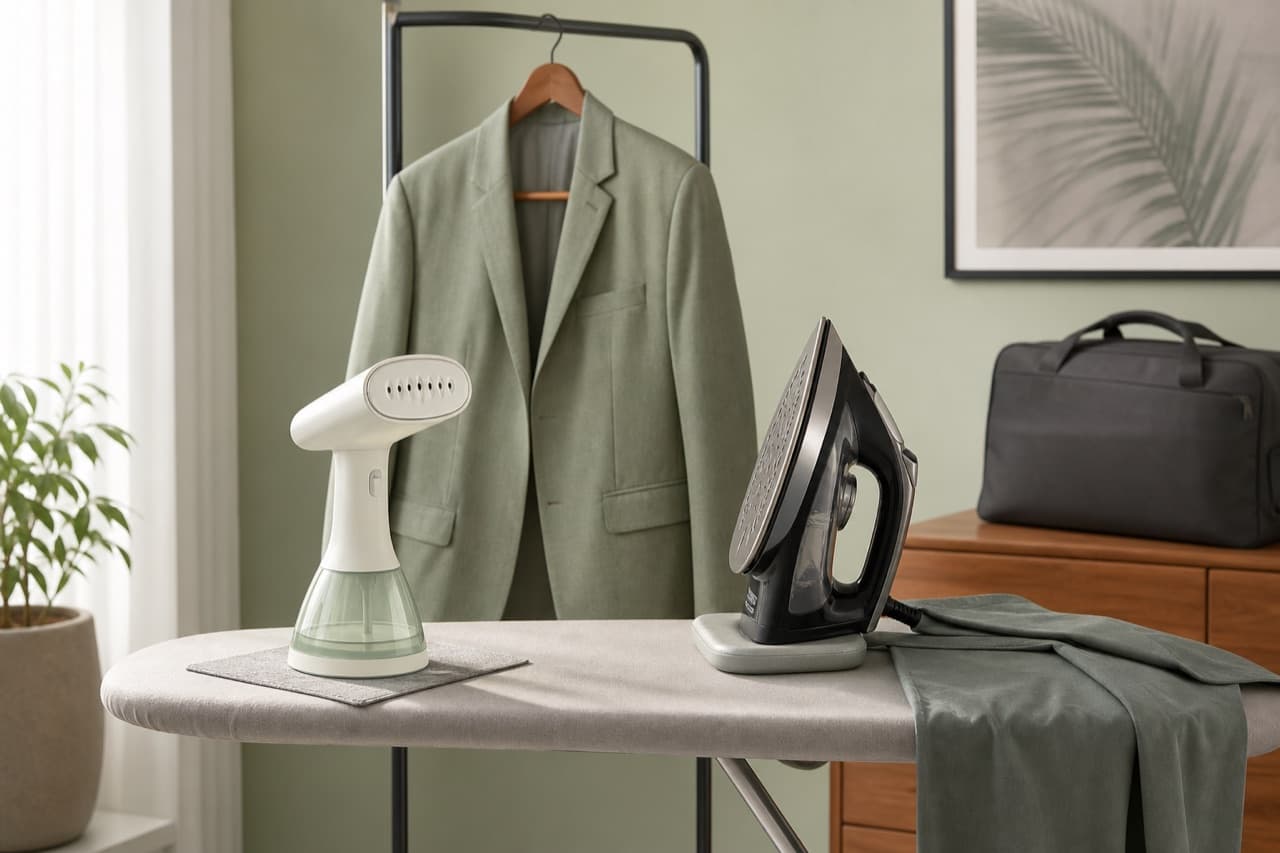
In the garment steamer vs iron question, an iron is the better tool when you want sharp creases, crisp collars and flat cotton or linen, while a steamer is faster for relaxing wrinkles in delicate, structured or hanging items like dresses, knits, suit jackets and curtains. Most households that dress for work end up happiest with an iron as the main tool and a steamer for quick refreshes, but one tool can be enough if your wardrobe leans heavily one way. This guide is for anyone setting up home clothing care, and it covers fabrics, results, speed, water and safety. If you mainly need something for a suitcase, our travel steamer vs compact iron guide covers the smaller tools.
Key takeaways
- Irons combine heat, pressure and a flat soleplate, so they set creases and flatten heavy cotton and linen.
- Steamers use hot steam without pressure, so they relax wrinkles but cannot create sharp creases or pleats.
- Steamers are kinder to delicates, sequins, velvet and tailoring, and avoid the shine an iron can leave on wool and dark fabrics.
- Handheld steamers suit quick touch-ups; upright steamers with a larger tank suit frequent use and curtains.
- Hard water and minerals are the common failure point for both; follow the manual on water type and descale regularly.
How each tool removes wrinkles
Wrinkles are fiber bonds set in the wrong shape. Heat and moisture loosen those bonds; the fabric then cools and dries in a new shape. An iron adds pressure from a hot, flat plate, so the new shape is flat and any fold you press becomes a crease. A steamer adds moisture and heat while the garment hangs, and gravity pulls the fibers straight. That is why a steamer leaves fabric soft and drapey, and an iron leaves it crisp.
Irons for home use commonly draw roughly 1,000 to 1,800 watts and have a dial with fabric-specific heat settings. Handheld steamers often sit around 1,000 to 1,500 watts with small tanks, while upright models typically use more power and hold a larger reservoir for longer sessions.
Fabric by fabric: steamer or iron?
| Fabric or item | Better tool | Why |
|---|---|---|
| Cotton dress shirts | Iron | Collars, cuffs and plackets need pressure to look crisp |
| Linen | Iron, high heat with steam | Linen wrinkles deeply; steam alone leaves it rumpled |
| Chinos and dress trousers | Iron for creases; steamer for refresh | Only an iron sets a front crease |
| Wool suit jackets and coats | Steamer | Avoids flattening structure and shine on the cloth |
| Silk, chiffon, satin | Steamer, held slightly away | Gentle; reduces scorch and water-spot risk when done carefully |
| Polyester and blends | Steamer, or iron on low | Synthetic fibers can melt or go shiny with high heat |
| Velvet, sequins, embellishments | Steamer only | Pressure crushes pile and can damage trims |
| Curtains and bedding on the bed | Steamer | Treat them in place without taking them down |
Always check the care label first. The dot symbols on the iron icon indicate maximum heat: one dot for low (synthetics), two for medium (wool, silk), three for high (cotton, linen). An iron with a crossed-out steam symbol, or a garment that says do not iron, is a strong hint to steam gently or not at all.
Suits, shirts and workwear
For a work wardrobe, the division of labor is clear. Iron cotton shirts, starting with collar and cuffs, then yoke, sleeves and body, so the most visible parts look sharpest. Use a steamer on suit jackets and wool trousers between dry cleanings to relax sitting creases and refresh the cloth; if a wool trouser crease needs resetting, iron through a damp pressing cloth to avoid shine. Hanging a suit in a steamy bathroom works as a light refresh but is less effective than a steamer. Our wedding suit color and fabric guide explains how wool weight and linen blends behave, and how to pack a suit for travel covers reducing creases before they start.
Speed, setup and storage
- Iron: needs an ironing board or a heat-resistant pad, a few minutes to heat, and more time per garment. In return, it handles a full shirt rotation predictably.
- Handheld steamer: heats in about a minute on many models and works on hanging clothes, so a dress or blazer can be ready in a few minutes. Small tanks need refilling during longer sessions.
- Upright steamer: larger tank and steadier steam for frequent use, but it takes floor space and longer to heat.
Steamers produce condensation that can drip, so steam over a hard floor or a towel, and hang garments to dry for a few minutes before wearing. ADLTHUB’s Xiaomi Mijia Handheld Garment Steamer is a handheld option; check its product page for tank size, heat-up time, voltage and care instructions.
Water, scale and safe use
Both tools boil water, so minerals in hard tap water leave scale that can clog steam holes, spit white flakes, or reduce steam output. Manuals differ: some ask for tap water or a tap and distilled mix, others allow distilled only. Follow your model’s guidance, empty the tank after use, and descale as directed. The travel garment steamer guide explains water and voltage issues if you take a steamer abroad.
Steam causes serious burns quickly. Point the head away from your body and others, never steam clothes you are wearing, keep the cord and hot base away from children and pets, and set irons on their heel rest, not face down. Unplug before refilling, and use a model with auto shut-off if you tend to get distracted.
Mistakes to avoid
- Expecting a steamer to make crisp shirts. It removes wrinkles but cannot set a sharp collar or crease.
- Ironing wool or dark fabrics directly. Use a pressing cloth or steam instead to avoid shine.
- Pressing the steamer head hard into delicate fabric. Hold it close but let steam do the work; pressure can mark or stretch fibers.
- Using high heat on synthetics. Polyester and acetate can melt onto the soleplate.
- Ignoring descaling. Scale buildup is a common reason irons spit and steamers lose power.
- Wearing a garment straight after steaming. Damp fabric wrinkles again quickly; let it hang and dry.
Which one do you need?
- Pick an iron if you wear cotton or linen shirts and trousers with creases most days.
- Pick a handheld steamer if your wardrobe is mostly knits, dresses, blouses, synthetics and casual wear, or you have little storage space.
- Pick an upright steamer if you steam often, have long dresses or curtains, and have floor space.
- Own both if you wear suits and dress shirts: iron the shirts, steam the jackets and delicates.
Explore clothing and care options in ADLTHUB’s fashion and apparel category.
Frequently asked questions
Is a garment steamer better than an iron?
Neither is better overall. A steamer is faster and gentler for delicates, tailoring and hanging items, while an iron is better for crisp shirts, creased trousers and linen. Many people use both.
Can a steamer replace an iron completely?
For casual, knit and synthetic wardrobes, often yes. For cotton dress shirts, linen and trouser creases, a steamer alone usually leaves results softer than most people want.
Can I steam a suit jacket?
Yes. Steaming is a common way to refresh wool suit jackets between cleanings. Keep the head moving, avoid soaking the fabric, and let the jacket hang to dry before wearing.
Which fabrics should not be steamed?
Check the care label. Some waxed, coated or water-sensitive fabrics, certain leathers and suedes, and some plastics or trims can be damaged by steam. Test on an inside seam if you are unsure.
Do I need distilled water for a steamer or iron?
It depends on the model. Some manuals recommend tap water or a mix because pure distilled water may affect certain irons, while others require distilled. Follow the manual and descale regularly.
Shop Home & Kitchen
View all →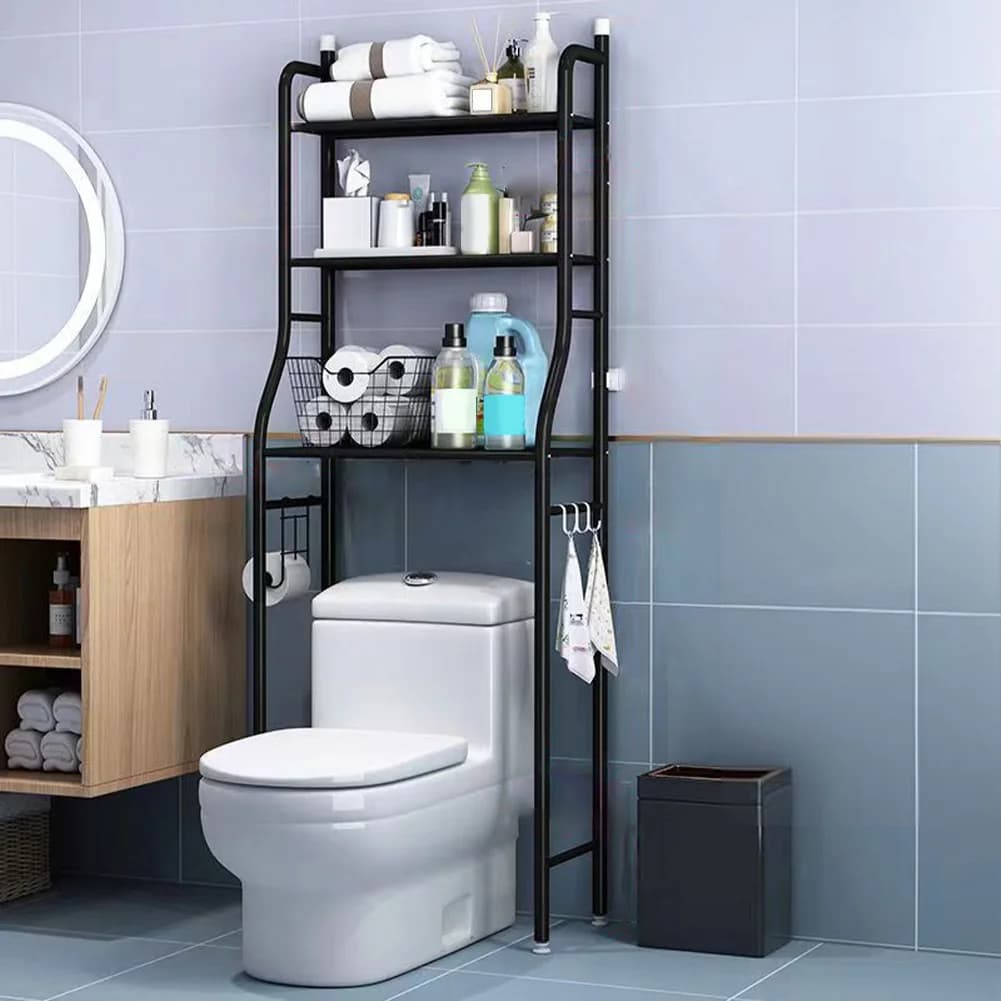
3-Tier Over-Toilet Storage Rack in Powder-Coated Carbon Steel
In stock · Options available · Ships in 7–21 business days
 Sale
Wingback Massage Recliner Chair in PU Leather with Footrest
In stock · Options available · Ships in 7–21 business days
 Sale
Mid-Century Modern Accent Armchairs, Set of Two, Wood Frame
In stock · Options available · Ships in 7–21 business days

Fireplace Flame Ultrasonic Humidifier and Oil Diffuser
In stock · Options available · Ships in 7–21 business days
Continue reading
 Home & Kitchen
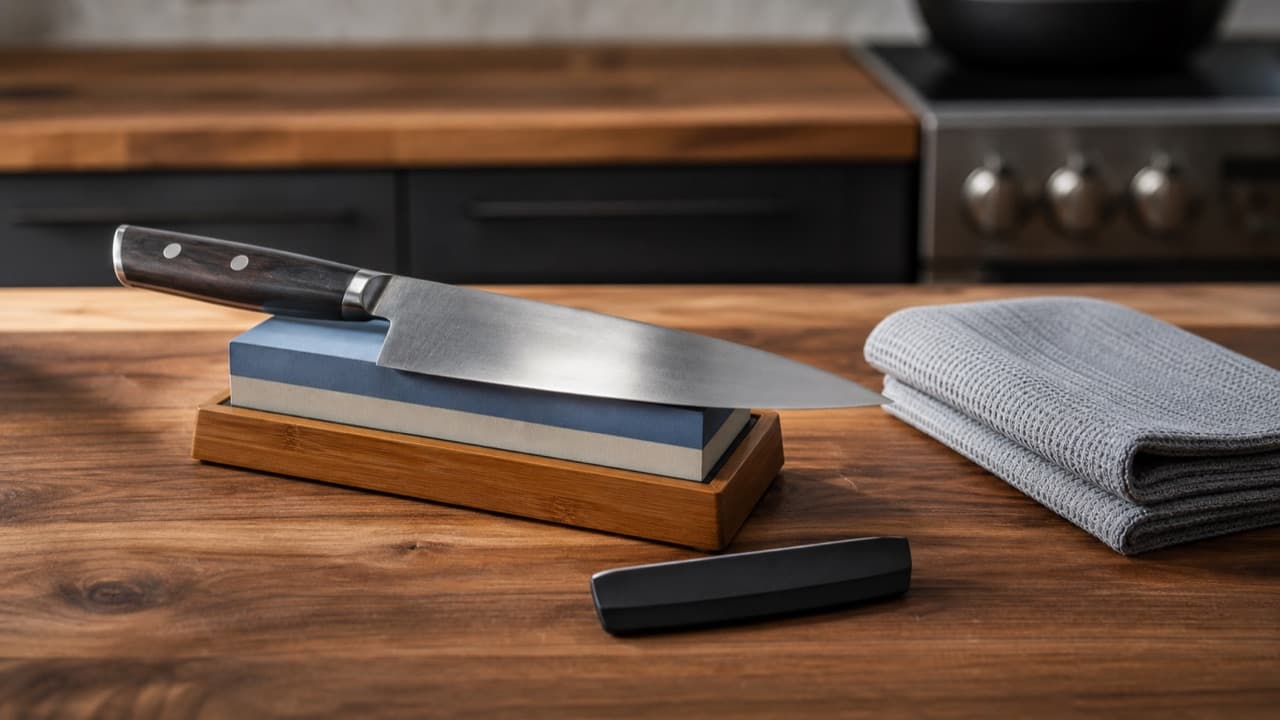
Knife Sharpening at Home: Stones, Rods and Pull-Throughs
Knife sharpening at home explained: honing vs sharpening, whetstone grits and angles, pull-through and electric sharpeners, serrated knives, and safe technique.
 Home & Kitchen
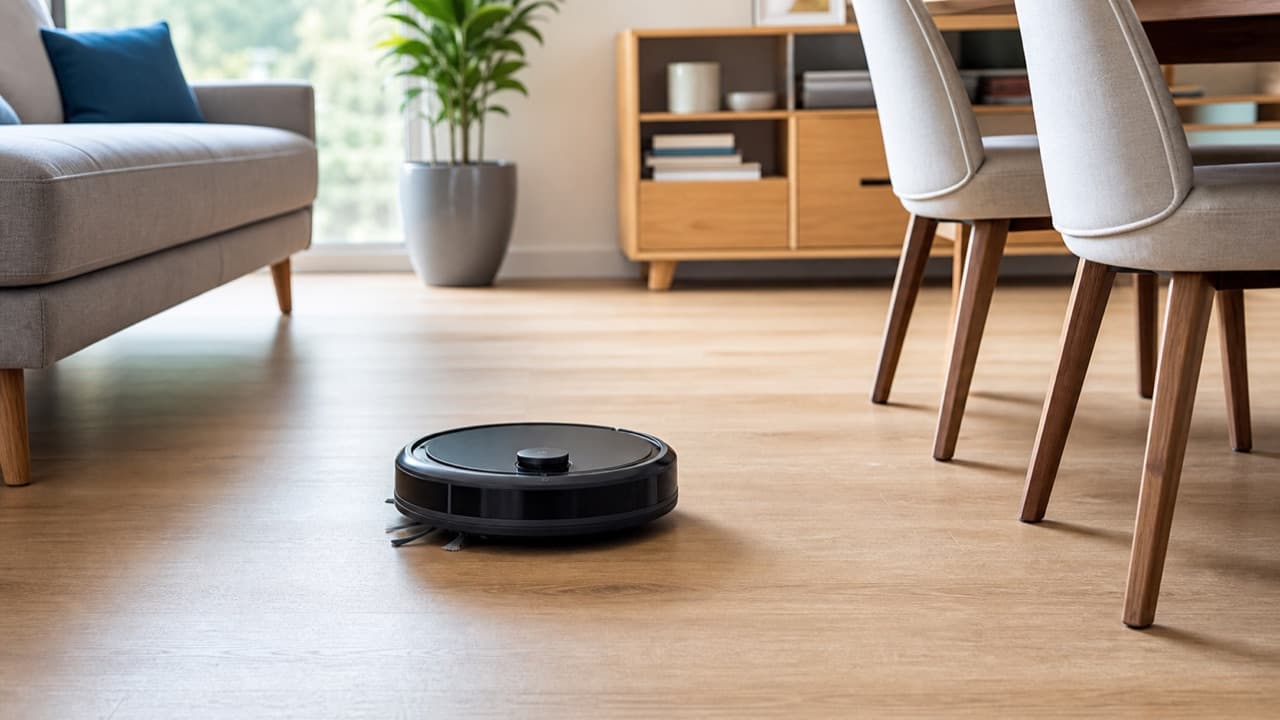
Robot Vacuum Setup: Stop It Getting Stuck at Home
Robot vacuum setup that stops it getting stuck: prep rooms for the first map, set no-go zones, tame cords, rugs and thresholds, and keep sensors clean.
 Home & Kitchen
Is a Robot Vacuum Worth It for Your Home? Fit Checklist
Is a robot vacuum worth it for your home? Check thresholds, rug pile, dark floors, furniture clearance, pets, stairs and dock space before you buy one.