

Face and Body Sunscreen: SPF, Amount and Reapplication
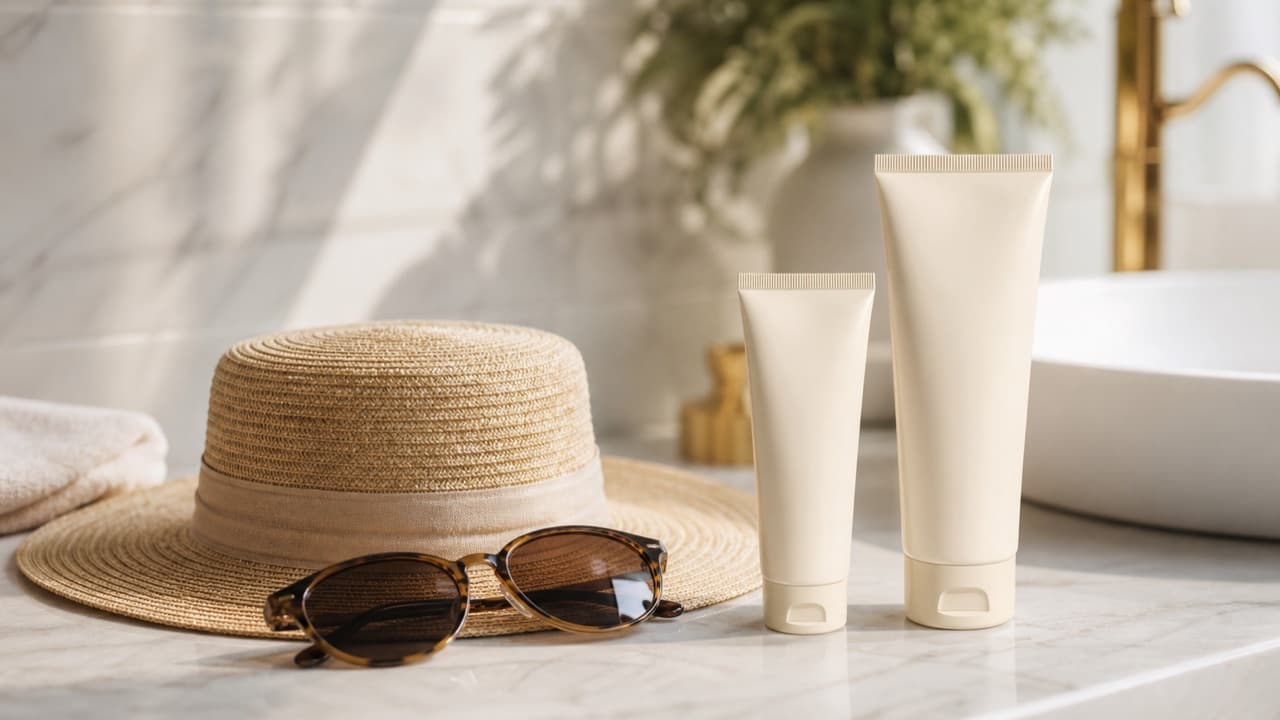
For most people, the right face and body sunscreen is a broad-spectrum SPF 30 or higher that you like enough to apply generously and reapply at least every two hours outdoors. The label details that matter most are broad spectrum, the SPF number, and the water-resistance time; texture and finish decide whether you will actually use enough. This guide is for adults choosing sunscreen for daily wear, sports, beach days and travel, and it explains US labeling, how much to apply, and how face and body formulas differ. It is general shopping information, not medical advice; anyone with a skin condition, photosensitizing medication or a history of skin cancer should follow a dermatologist’s guidance.
Key takeaways
- Choose broad spectrum: in the US, that label means the product passed an FDA test for UVA protection in proportion to its UVB protection.
- SPF 30 is the commonly recommended minimum for daily use; higher SPF adds a small amount of UVB protection, not extra hours.
- Most adults need about 1 ounce, roughly a shot glass, to cover the body; underapplying cuts protection substantially.
- Water resistant labels last 40 or 80 minutes of swimming or sweating; no sunscreen is waterproof.
- Mineral and chemical filters both work; pick the texture and finish you will reapply without complaint.
What the sunscreen label actually means
SPF
SPF measures protection against UVB, the rays mainly responsible for sunburn, under lab conditions using a thick application. Widely cited figures put SPF 15 at about 93 percent of UVB blocked, SPF 30 at about 97 percent and SPF 50 at about 98 percent. The jump from 30 to 50 is small; the bigger real-world gain usually comes from applying enough.
Broad spectrum
UVA rays contribute to skin aging and skin cancer and pass through window glass. Under FDA rules, only products that pass a broad-spectrum test can say so, and only broad-spectrum products with SPF 15 or higher may state that, used as directed with other sun protection measures, they reduce the risk of skin cancer and early skin aging. Products below SPF 15 or without broad-spectrum coverage carry a warning that they only help prevent sunburn.
Water resistant (40 or 80 minutes)
US sunscreens cannot claim to be waterproof or sweatproof. Water-resistant products must state whether protection was maintained for 40 or 80 minutes of swimming or sweating. Reapply after that time, and immediately after towel drying.
Expiration
The FDA requires sunscreens to remain stable for at least three years unless they carry an earlier expiration date. If yours has no date, write the purchase date on the bottle. Heat speeds breakdown, so a bottle that lived in a hot car all summer is worth replacing.
How much sunscreen to use and when to reapply
SPF is tested at 2 milligrams per square centimeter of skin, which is more than most people use. Practical guides:
- Body: about 1 ounce (30 mL) for an adult in a swimsuit, the familiar shot-glass amount.
- Face and neck: commonly cited as roughly half a teaspoon. Some people use the two-finger method, squeezing a line along two fingers.
- Timing: apply about 15 minutes before going out, so it can settle and you can cover gaps.
- Reapply: at least every two hours outdoors, and after swimming, heavy sweating or towel drying.
- Missed spots: ears, back of the neck, hairline part, tops of feet, backs of hands and the edges of clothing.
A 6-ounce bottle holds about six full-body applications. If a family beach bottle lasts all summer, you are probably using too little.
Face vs body sunscreen: what is different
| Factor | Face formulas | Body formulas |
|---|---|---|
| Texture | Lighter fluids, gels, serums, tinted creams | Lotions, sprays, sticks, richer creams |
| Finish | Often matte or sheer; designed to sit under makeup | Can feel greasier; finish matters less |
| Eye comfort | Often formulated to reduce stinging | May sting if sweat carries it into eyes |
| Size and price | Small tubes, higher cost per ounce | Larger bottles, lower cost per ounce |
| Water resistance | Less common in daily facial products | Common in sport and beach formulas |
You can use body sunscreen on your face if it does not irritate or break you out, and many people do on beach days. The reverse works too but gets expensive fast. Tinted mineral sunscreens containing iron oxides also offer some protection from visible light, which some dermatologists suggest for people managing melasma or dark spots.
Mineral vs chemical sunscreen filters
Mineral filters, zinc oxide and titanium dioxide, are the two ingredients the FDA has proposed as generally recognized as safe and effective. They are often preferred for sensitive skin and children, and zinc oxide provides broad UVA coverage. The trade-off is a possible white cast, especially on deeper skin tones; tinted versions help.
Chemical (organic) filters such as avobenzone, homosalate, octisalate and octocrylene absorb UV. They tend to rub in clear and feel lighter, which makes daily use easier, but some people find they sting the eyes. Hawaii bans the sale of sunscreens containing oxybenzone or octinoxate, so check labels if you are traveling there.
Both types protect when applied properly. Choose based on skin comfort, cast, finish and any destination rules, not on marketing terms like clean or reef-friendly, which have no single regulated definition.
Choosing a format for your routine
- Lotions and creams are easiest to apply evenly; best for first application in the morning.
- Gels and fluids suit oily skin, hairy areas and under makeup.
- Sticks are handy for reapplying on the face, ears and nose; swipe several passes per area.
- Sprays are quick on the body but easy to underapply. Spray until skin glistens, rub in, avoid inhaling, never spray directly on the face, and keep aerosols away from flames and smoking until dry.
After a sunscreen-heavy day, double cleansing or a gentle cleansing tool helps remove water-resistant formulas; see our silicone facial cleansing brush guide. For flights, TSA’s liquids rule generally limits carry-on containers to 3.4 ounces (100 mL); the carry-on toiletry bag size guide covers how to fit sunscreen into your quart bag.
Mistakes to avoid
- Applying a thin layer. Protection drops substantially when you use a fraction of the tested amount.
- Treating SPF 50 as all-day protection. Higher SPF does not extend the reapplication interval.
- Counting makeup SPF as enough. You would need to apply far more foundation than anyone uses to reach the labeled SPF.
- Using expired or overheated sunscreen. Separated, discolored or oddly scented product should be replaced.
- Relying on sunscreen alone. Shade, hats, UV-protective clothing and sunglasses reduce exposure, especially around midday.
- Using sunscreen on babies under 6 months without advice. The FDA recommends keeping young infants out of the sun and asking a doctor before applying sunscreen.
Which sunscreen fits you
- Pick a lightweight SPF 30 to 50 facial fluid or gel if you wear sunscreen daily under makeup or have oily skin.
- Pick a tinted mineral sunscreen if chemical filters sting your eyes, your skin is sensitive, or you want visible-light coverage.
- Pick a water-resistant (80 minutes) body lotion if you swim, run or hike in the sun.
- Pick a stick for reapplication if you need something mess-free in a pocket or gym bag.
- Keep a large body bottle by the door if you tend to skip arms, neck and legs on ordinary days.
Pair sunscreen with the rest of your routine using ADLTHUB’s personal care category, and see the minimalist packing list for travel days.
Frequently asked questions
Is SPF 30 enough for everyday use?
For most people, a broad-spectrum SPF 30 applied generously is a sound everyday choice and matches common dermatologist recommendations. Choose higher SPF for long outdoor days, high altitude or very fair skin, and still reapply every two hours outdoors.
Can I use body sunscreen on my face?
Yes, if your skin tolerates it. Body formulas can feel heavier, sting the eyes or clog pores for some people, which is why many prefer a dedicated face formula for daily wear.
How often should I reapply sunscreen?
At least every two hours when outdoors, and sooner after swimming, sweating or towel drying according to the label’s 40 or 80 minute water-resistance time. Indoor days away from windows need less frequent reapplication.
Is mineral sunscreen better than chemical sunscreen?
Neither is universally better. Mineral filters suit many sensitive-skin users but can leave a white cast; chemical filters usually feel lighter. The best one is the one you apply properly every day.
Do I need sunscreen on cloudy days?
Yes. A large share of UV passes through light clouds, and UVA also passes through window glass. Daily use is the simplest habit to maintain.
Shop Beauty & Personal Care
View all →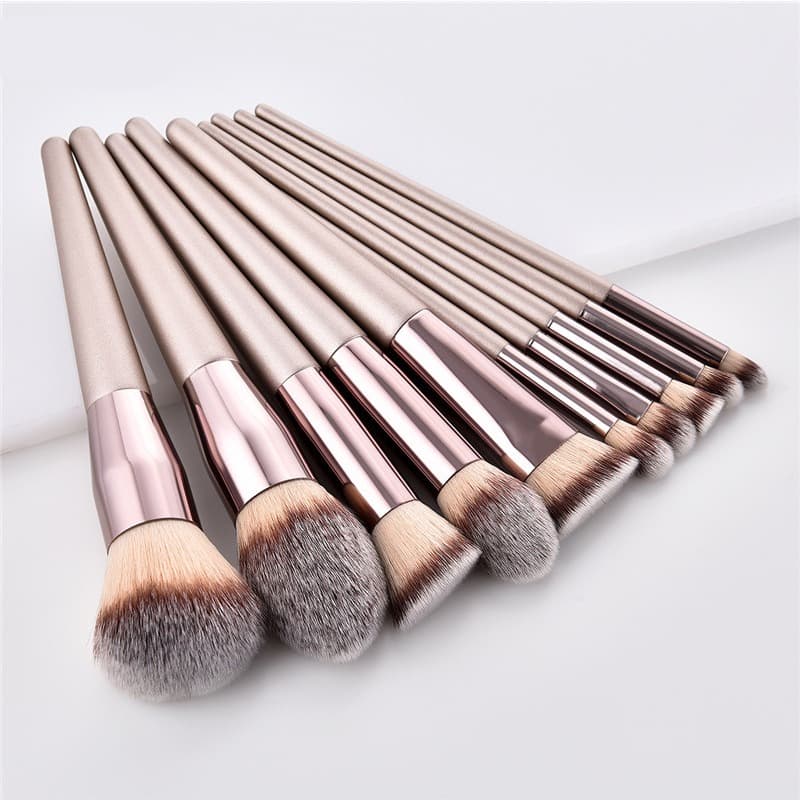 Sale
Champagne Gold Makeup Brush Set with Travel Pouch
In stock · Options available · Ships in 7–21 business days
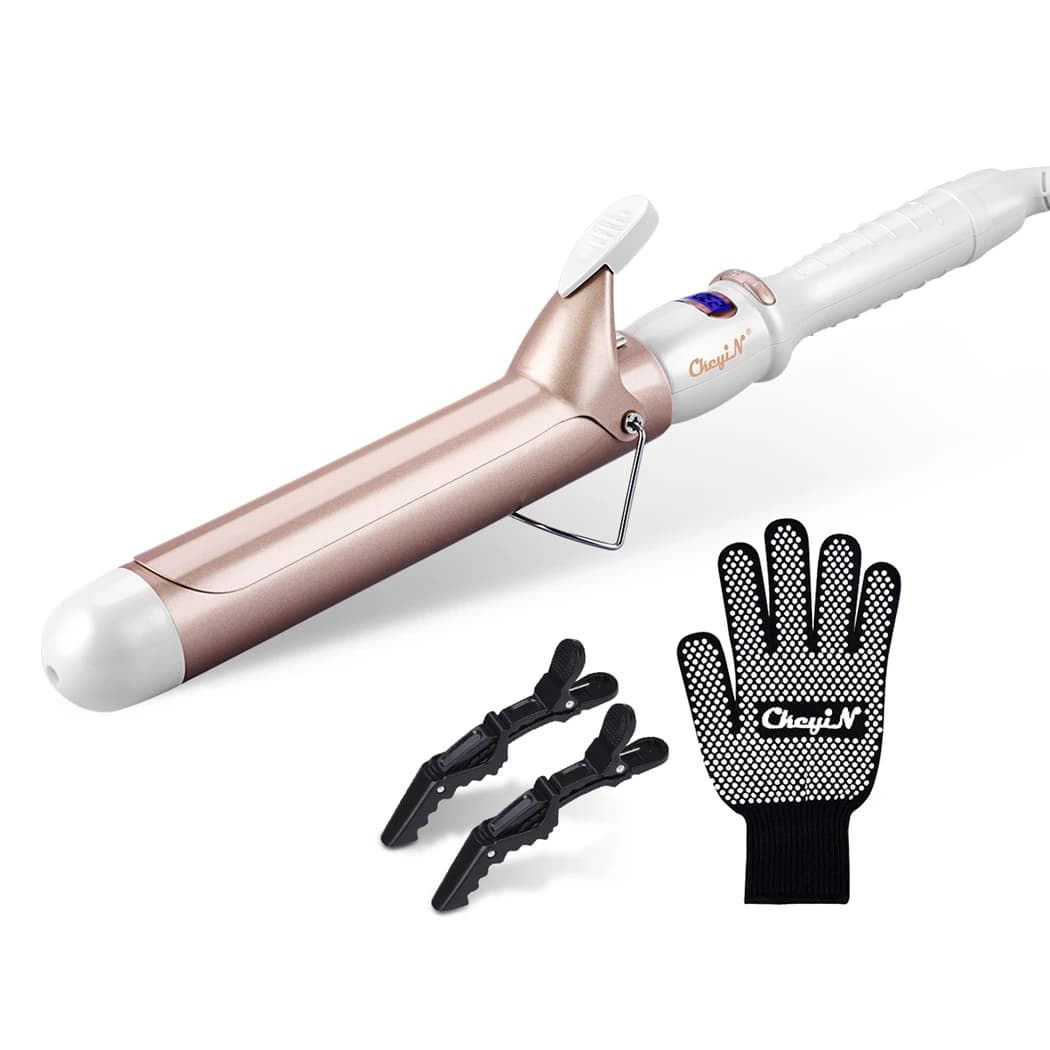
Tourmaline Ceramic Hair Curler with Adjustable Heat
In stock · Options available · Ships in 7–21 business days
 Sale
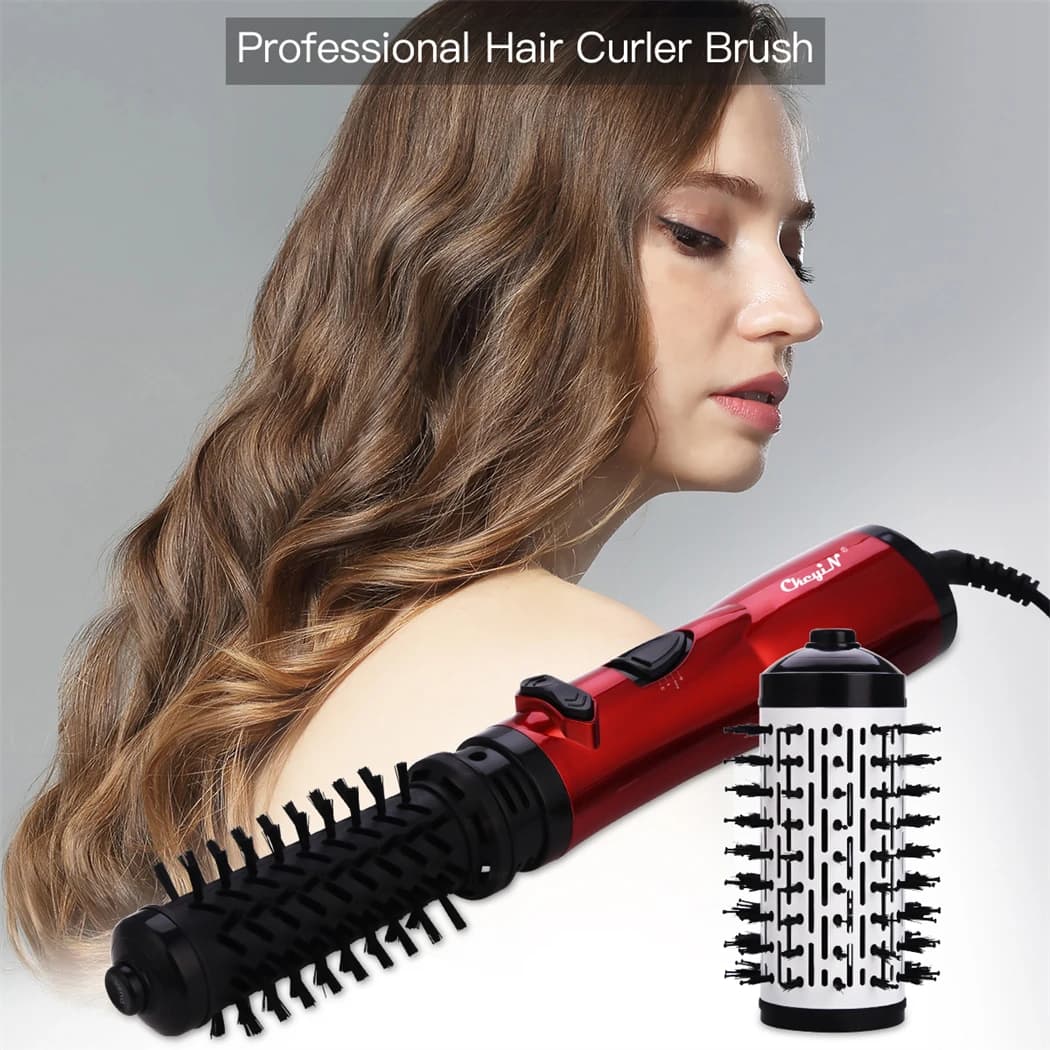
Rotating Hot Air Brush with Ceramic Tourmaline Barrel
In stock · Ships in 7–21 business days
 Sale
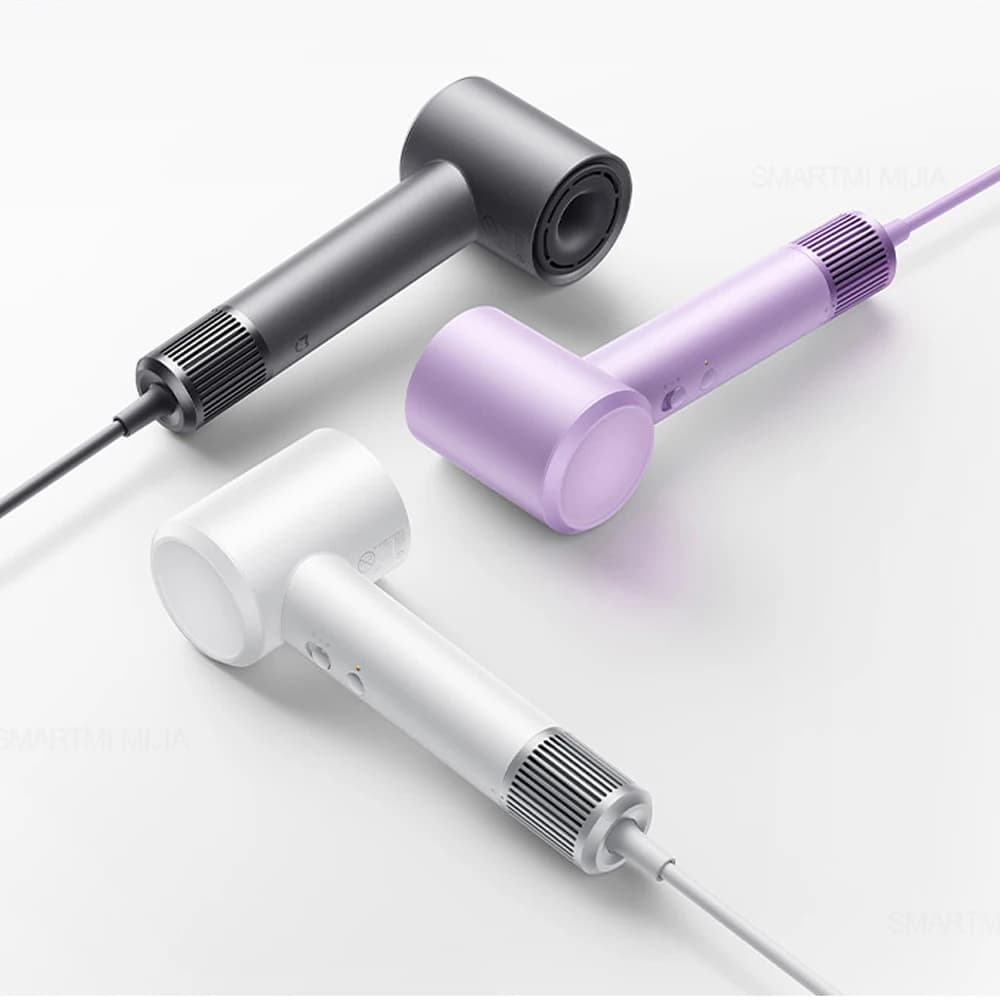
High-Speed Brushless Ionic Hair Dryer with Magnetic Nozzle
In stock · Options available · Ships in 7–21 business days
Continue reading
 Beauty & Personal Care
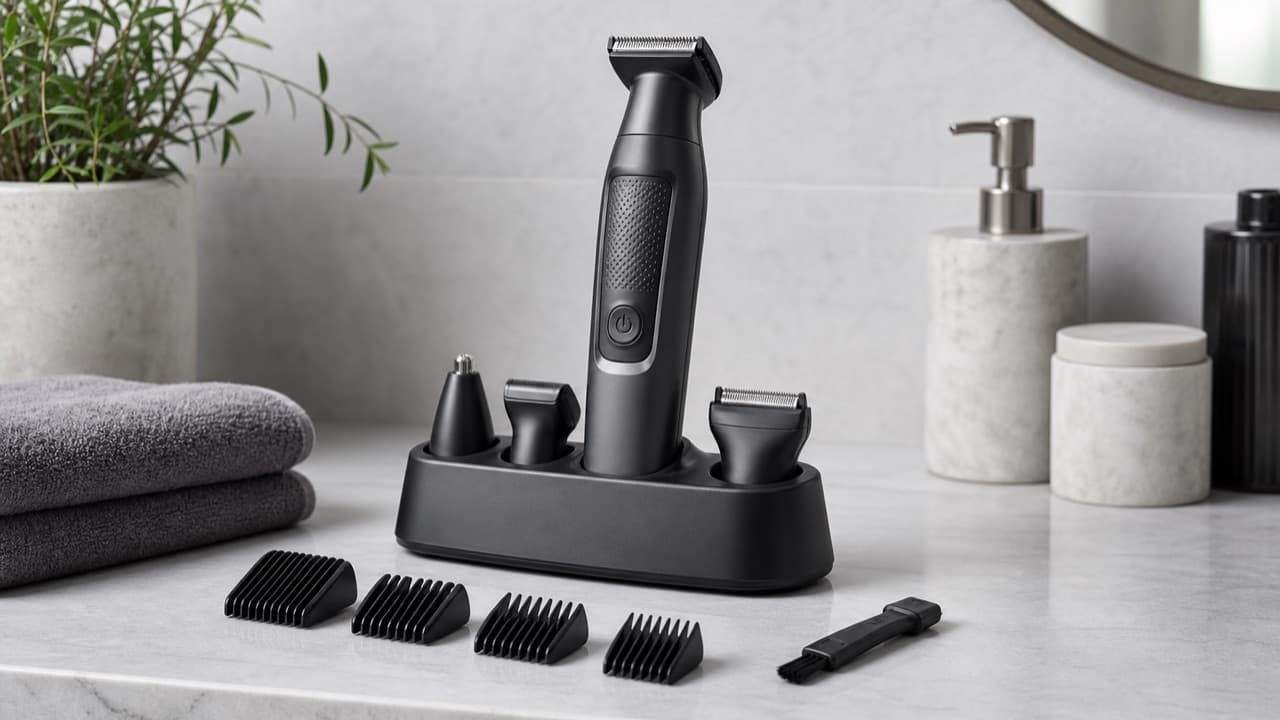
How to Use a Body Groomer Safely and Keep It Clean
How to use a body groomer on chest, back, underarms and groin with fewer nicks and less irritation, plus a cleaning, oiling and blade replacement routine.
 Beauty & Personal Care
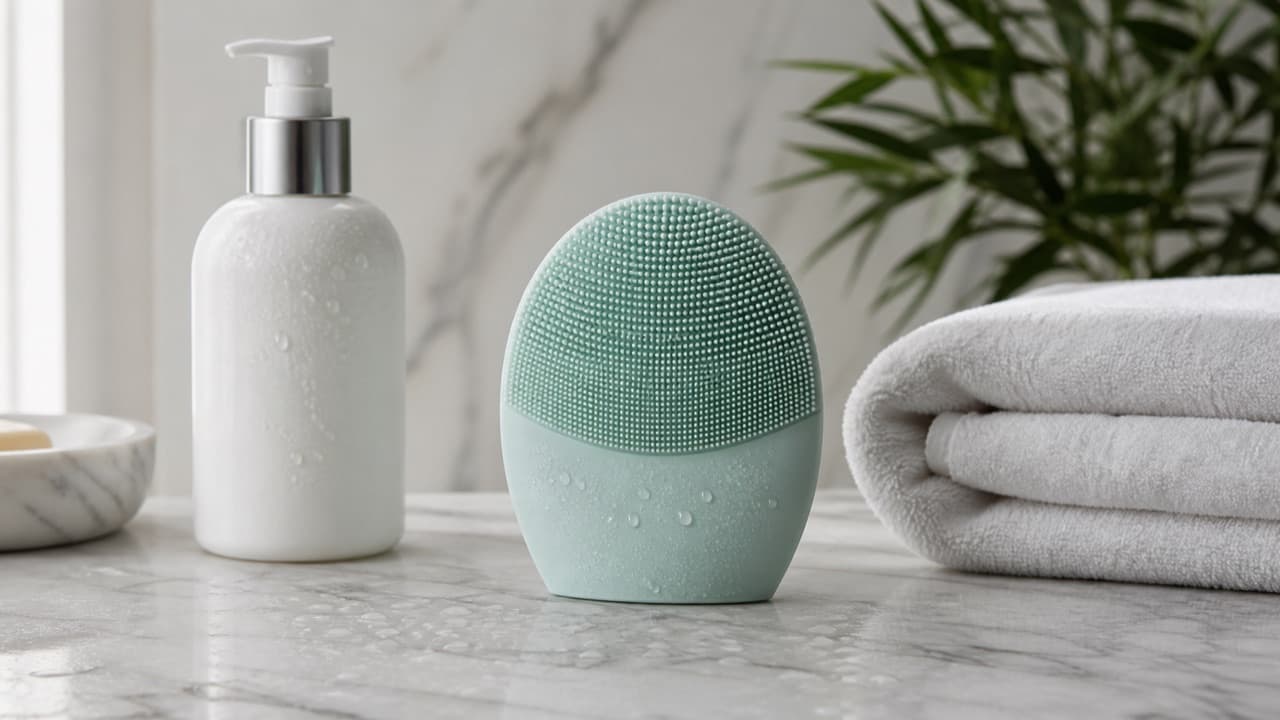
How to Use a Silicone Facial Cleansing Brush Gently
How to use a silicone facial cleansing brush: technique, how often to use it, which skin types should go easy, and how to clean and store the device safely.
 Beauty & Personal Care
LED Makeup Mirror Lighting: CRI, Color and Brightness
LED makeup mirror lighting explained: what CRI, color temperature, brightness and magnification mean, so foundation matches in daylight, not just indoors.