

How to Use a Silicone Facial Cleansing Brush Gently
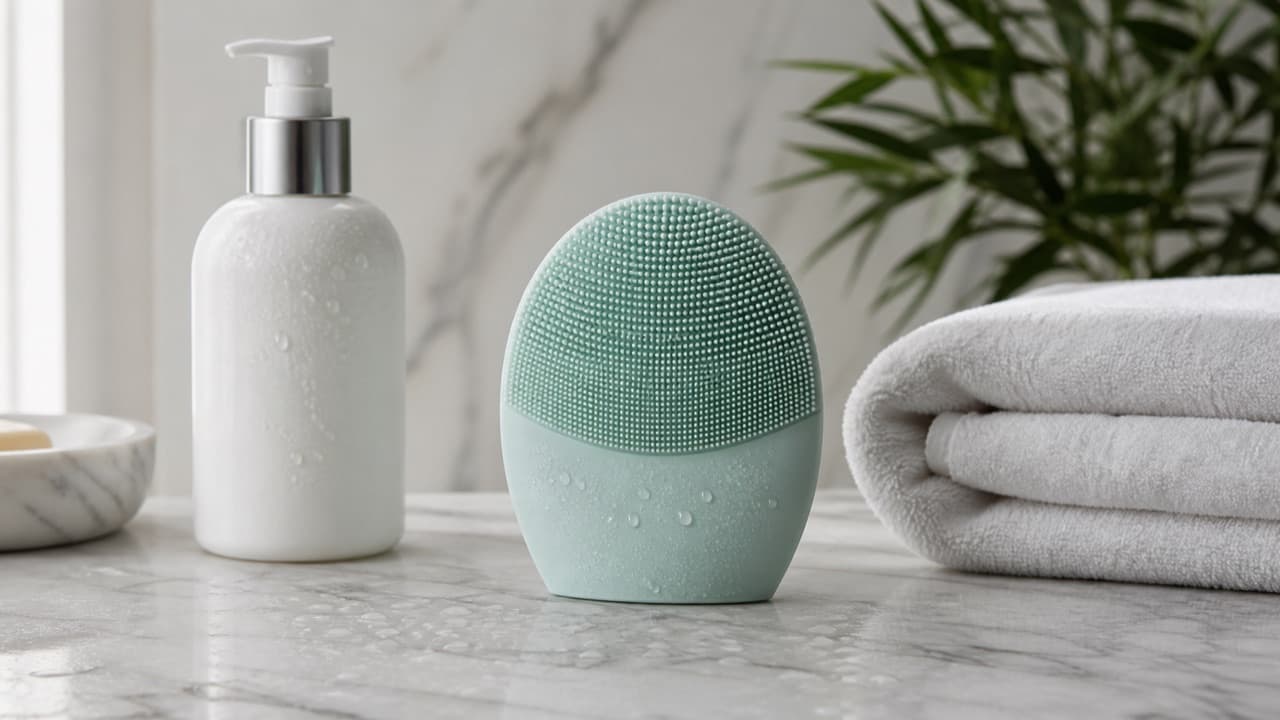
A silicone facial cleansing brush uses soft silicone touchpoints and vibration to spread cleanser and lift makeup and sunscreen, and used gently for about a minute it can make cleansing feel more thorough. More pressure or more sessions don’t mean cleaner skin; overuse is the most common way people end up with redness or tightness. This guide is for anyone considering or starting with a silicone cleansing device who wants to know how to use it, how often, how it compares with bristle brushes, and how to keep it hygienic.
Note: this is general information, not medical advice. If you have an active skin condition such as eczema, rosacea or inflamed acne, use prescription treatments or retinoids, or have had a recent procedure, ask a dermatologist before adding any cleansing device.
Key takeaways
- Let the device do the work: light contact, small circles and the time the manual suggests, often around a minute for the whole face.
- Start two or three times a week and increase only if your skin stays comfortable. Many people find once a day is plenty.
- Silicone is nonporous and quick to rinse, so it’s generally easier to keep clean than nylon bristles.
- Avoid the eye area, broken or irritated skin, and pairing the brush with scrubs or strong exfoliating acids in the same routine.
- Check the water-resistance rating and charging method before using it in the shower.
How silicone cleansing brushes work
Instead of bristles, a silicone brush has rows of soft, flexible nubs on a pad. A small motor vibrates the pad, often at adjustable intensity, which helps work cleanser across the skin and into areas fingers miss, such as around the nose. Many models include a timer that pulses or pauses to prompt you to move to the next area of the face.
Some devices also have a smoother “back” side, sometimes marketed for massage or applying products. Treat any claims about anti-aging, pore size or absorption with caution; a cleansing device’s core job is cleansing.
Silicone vs bristle brushes vs hands
| Method | How it feels | Hygiene and upkeep | Considerations |
|---|---|---|---|
| Silicone vibrating brush | Gentle buzz with soft nubs; not scratchy | Nonporous surface rinses clean and dries quickly; usually no replacement heads | Device cost upfront; check charging and water resistance |
| Nylon bristle spinning or oscillating brush | More scrubbing and exfoliating sensation | Bristles hold water and residue; heads need regular replacement | Can be too abrasive for sensitive or dry skin |
| Manual silicone pad | Textured pad you move by hand | Easy to rinse; no electronics | Cheap and travel-friendly, but no timer or vibration |
| Clean fingertips | Gentlest option | Nothing to clean or charge | Can miss sunscreen and makeup without a double cleanse |
For people with sensitive skin, silicone is usually the gentler device choice, but fingertips remain the gentlest of all. A device is a convenience, not a requirement for clean skin.
How to use a silicone facial cleansing brush
- Remove eye makeup first with a dedicated remover. Keep the brush away from the eye area, where skin is thin.
- Wet your face and the brush, then apply a gentle, non-gritty cleanser to your skin or the pad.
- Start on the lowest intensity while you learn how your skin responds.
- Glide in small circles with light contact. Don’t press; the nubs should just touch the skin.
- Follow the timer or a simple pattern: forehead, nose and chin, then each cheek, keeping the total to about a minute unless your manual says otherwise.
- Rinse your face with lukewarm water and pat dry. Follow with your usual moisturizer and, in the morning, sunscreen.
Cleanser choices
Gentle gel or cream cleansers suit most silicone brushes. Avoid physical scrubs with grains or beads, which add friction on top of vibration. Some makers caution against clay masks, oils or silicone-based products on the pad because they can degrade or coat the surface; check your manual.
How often should you use it?
There’s no single right frequency, because skin types differ. A cautious approach:
- Weeks 1 to 2: two or three evenings a week, on low intensity.
- If skin stays comfortable: increase to once a day, typically in the evening to remove sunscreen and makeup.
- If you see redness, stinging, tightness, flaking or more breakouts: cut back or stop and let your skin settle.
Twice daily is more than many people need, especially those with dry or sensitive skin. If you already use retinoids, AHAs, BHAs or other exfoliating products, your skin may tolerate the brush less often, or not at all; ask a dermatologist.
Who should be extra careful
- People with rosacea, eczema, psoriasis or very reactive skin.
- Anyone with inflamed or cystic acne; friction can aggravate it.
- After professional peels, laser treatments, microneedling or waxing, until a professional says it’s fine.
- Around cold sores, cuts, sunburn or any broken skin.
Cleaning, charging and storage
- After each use: rinse the pad under warm running water while gently rubbing the nubs, wash with a little mild soap or cleanser, rinse again and shake off water.
- Dry it in the open air, standing upright or on a clean towel, not sealed in a pouch or drawer while wet.
- Weekly: wash more thoroughly with mild soap. Avoid alcohol or harsh chemicals unless the manual permits them, as they can degrade silicone.
- Charging: many devices charge by USB cable or magnetic contacts. Make sure the device and contacts are completely dry before charging, and don’t charge it in the shower.
- Water resistance: devices rated around IPX7 are generally designed for shower use, while lower ratings may only handle splashes. Check the rating and the manual.
- Don’t share it. Personal cleansing devices can transfer bacteria and skin conditions.
- Replace the device if the silicone tears, becomes sticky, discolored or permanently cloudy, or if water gets inside.
Clean tools are a theme across a skincare routine; the same habits apply to the brushes covered in our guide to makeup brush types and care.
Mistakes to avoid
- Pressing hard. Pressure increases friction without improving cleansing and is a quick route to irritation.
- Using it every morning and night from day one. Build up gradually and watch how your skin reacts.
- Combining with scrubs or strong acids in the same session, which stacks irritation.
- Using it on active breakouts or broken skin. It can spread irritation and slow healing.
- Storing it wet in a closed case. Trapped moisture lets bacteria and mold grow.
- Skipping sunscreen afterward. Freshly cleansed skin still needs daytime protection; see the face and body sunscreen guide.
Is a silicone cleansing brush right for you?
- Pick a silicone vibrating brush if you wear sunscreen or makeup daily, want a quick, consistent cleanse, and prefer something easy to keep hygienic.
- Pick a manual silicone pad if you want the texture without charging or electronics, or need something light for travel.
- Stick with fingertips if your skin is very sensitive, reactive or under treatment, or if a device has irritated you before.
- Ask a dermatologist first if you have an ongoing skin condition or use prescription skincare.
Good lighting helps you see whether makeup and sunscreen are fully removed; the LED makeup mirror lighting guide explains what to look for. Browse more grooming and skincare tools in personal care.
Frequently asked questions
Can I use a silicone face brush every day?
Many people can use one once a day once their skin is used to it, but it’s wise to start with two or three times a week. Cut back if you notice redness, tightness or flaking.
Are silicone face brushes better than bristle brushes?
Silicone is generally gentler and more hygienic because it’s nonporous, rinses clean and doesn’t need replacement heads. Bristle brushes exfoliate more, which some people like and others find too harsh.
Can I use a silicone cleansing brush with acne?
Avoid using it on inflamed or open breakouts, where friction can worsen irritation. If you’re treating acne, ask a dermatologist whether a device fits your routine.
How do I clean a silicone facial cleansing brush?
Rinse it under warm water after each use, wash with mild soap, rinse and let it air-dry in the open. Give it a more thorough wash weekly and keep the charging contacts dry.
Can I use a silicone face brush in the shower?
Only if the manual says it is suitable. Devices with a high water-resistance rating, often IPX7, are usually designed for it, but don’t charge it in the bathroom while wet.
Shop Beauty & Personal Care
View all →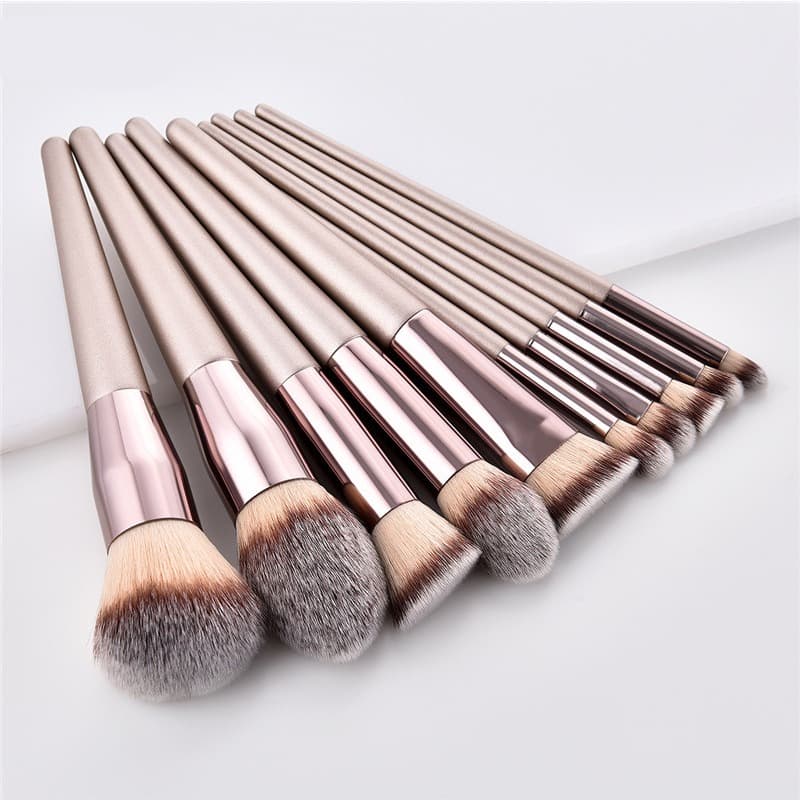 Sale
Champagne Gold Makeup Brush Set with Travel Pouch
In stock · Options available · Ships in 7–21 business days
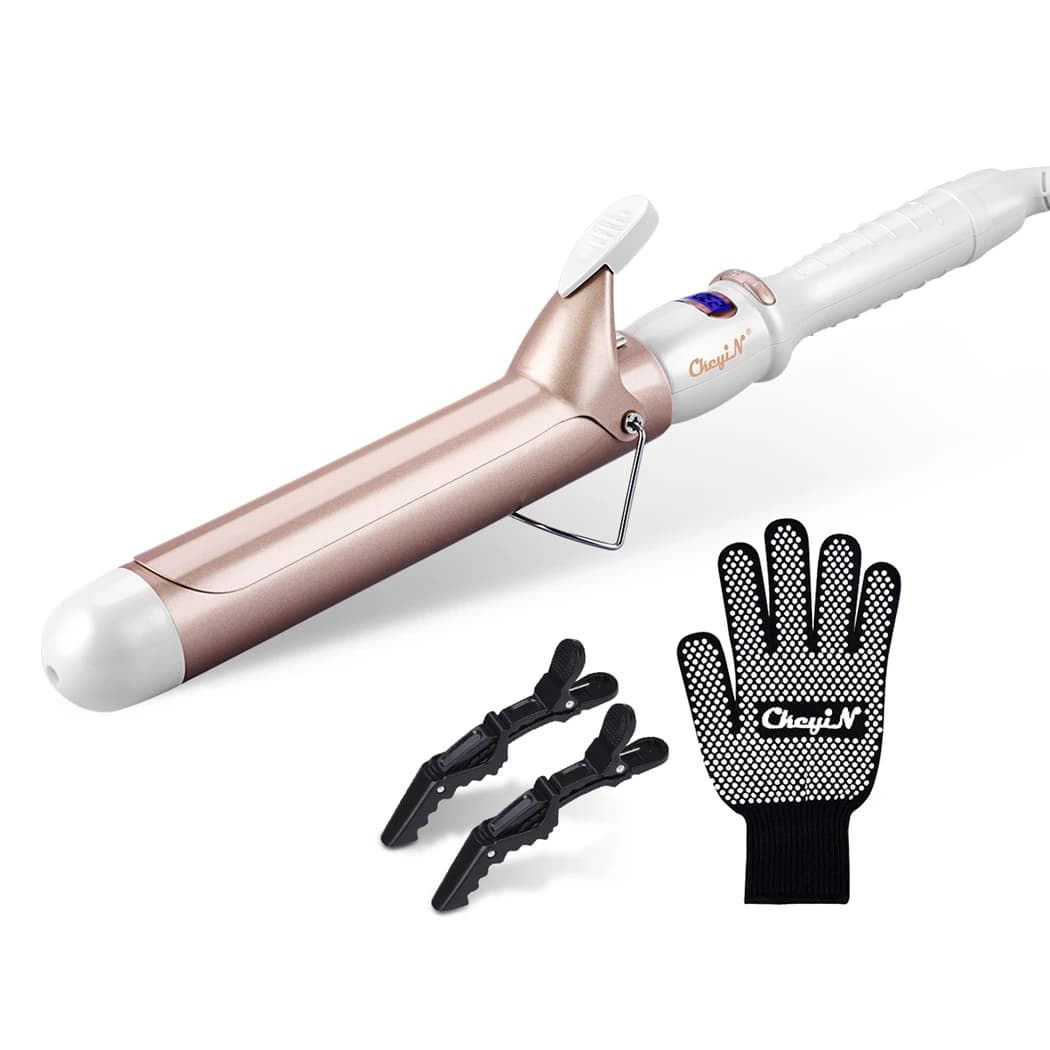
Tourmaline Ceramic Hair Curler with Adjustable Heat
In stock · Options available · Ships in 7–21 business days
 Sale
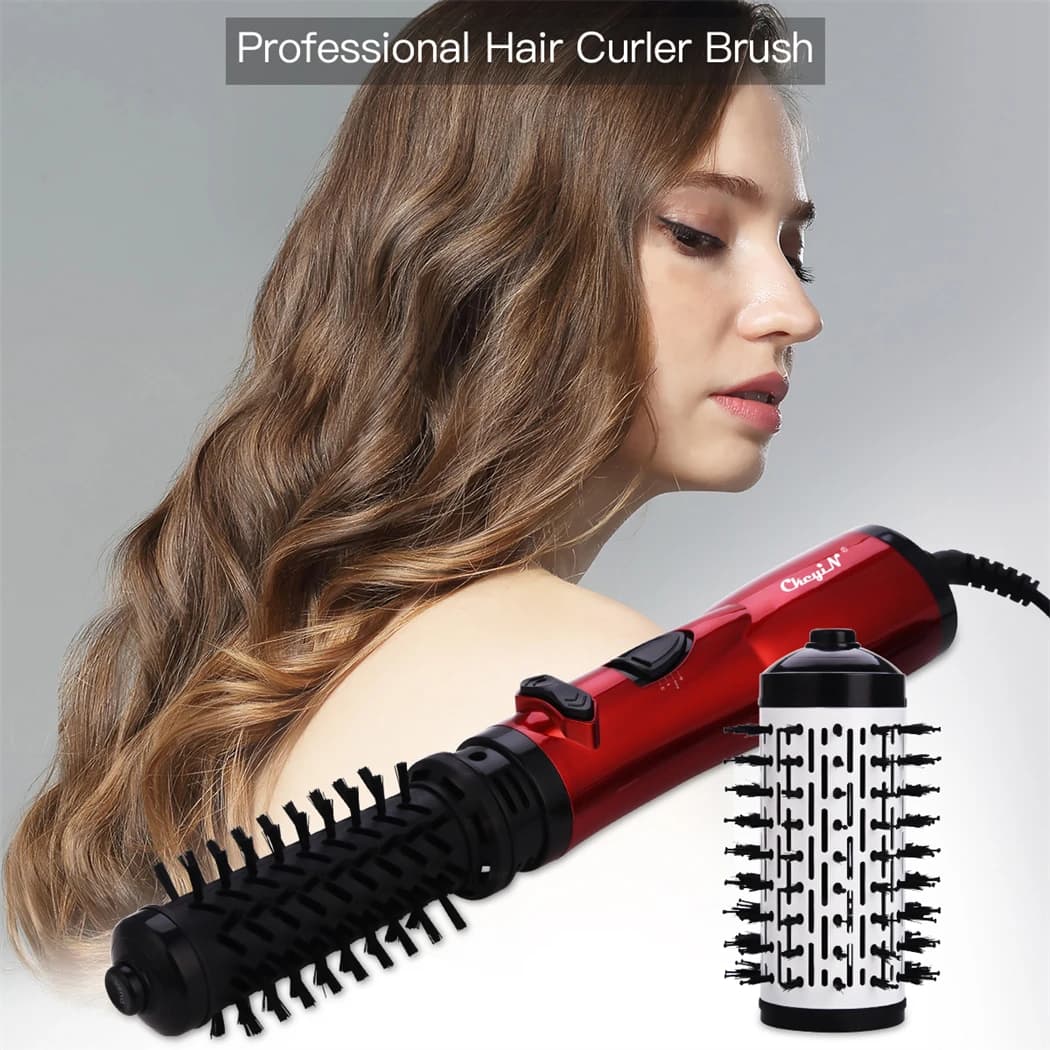
Rotating Hot Air Brush with Ceramic Tourmaline Barrel
In stock · Ships in 7–21 business days
 Sale
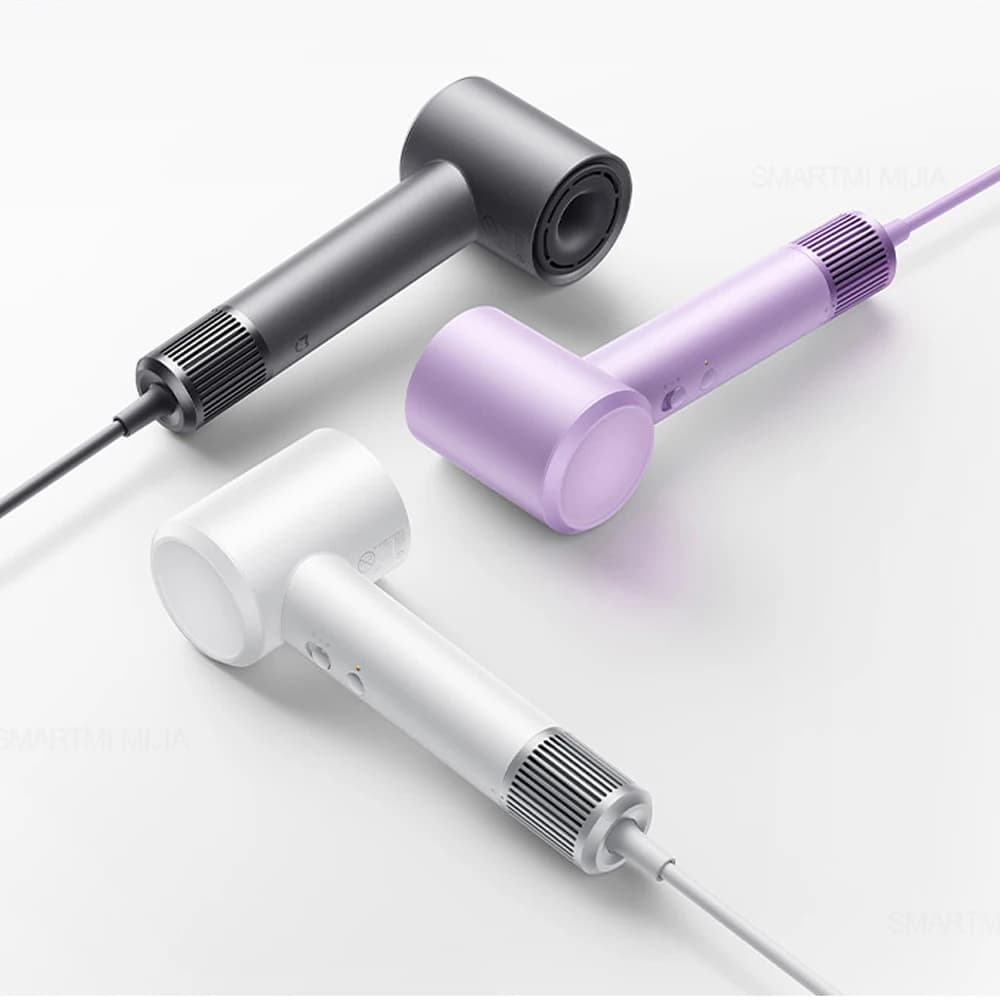
High-Speed Brushless Ionic Hair Dryer with Magnetic Nozzle
In stock · Options available · Ships in 7–21 business days
Continue reading
 Beauty & Personal Care
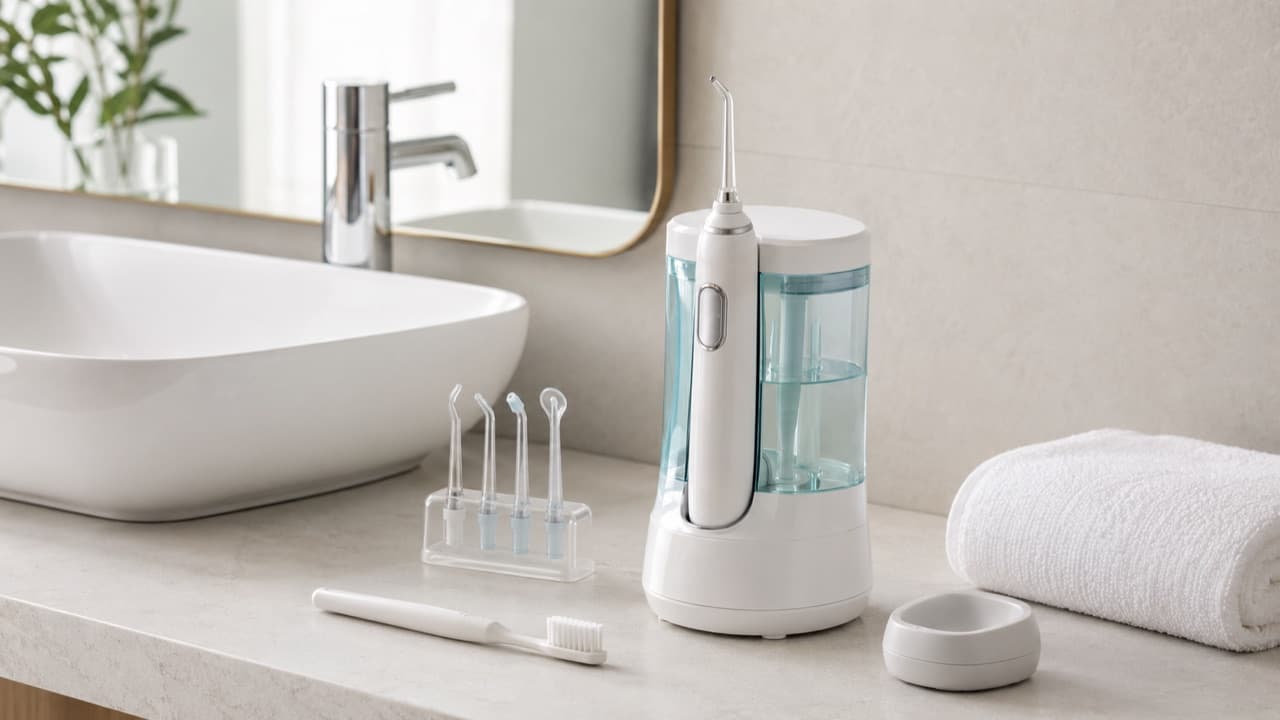
Water Flosser Benefits and How to Use One Safely
Water flosser benefits explained honestly: who gains most, how to use one without hurting your gums, pressure settings, cleaning, and when to ask a dentist.
 Beauty & Personal Care
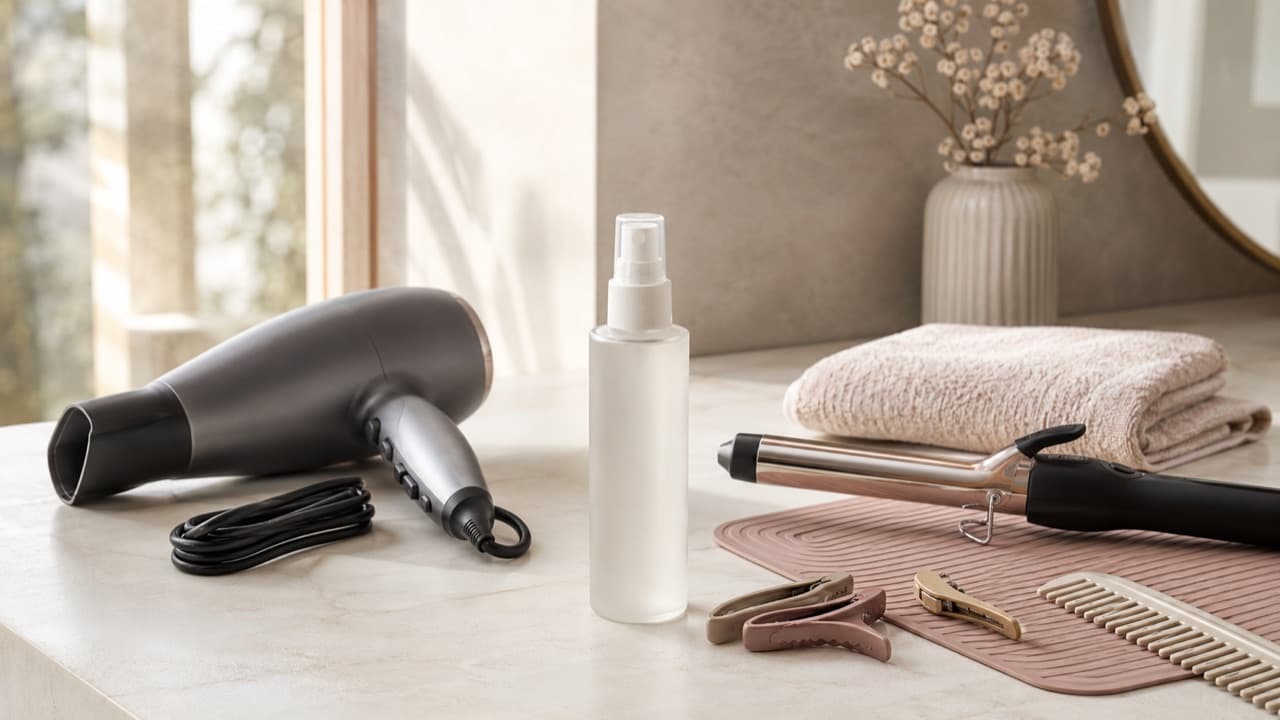
How to Use Heat Protectant Spray the Right Way
How to use heat protectant spray: when to apply it, how much to use, wet vs dry formulas, sectioning and wait times, so it actually helps your heat styling.
 Beauty & Personal Care
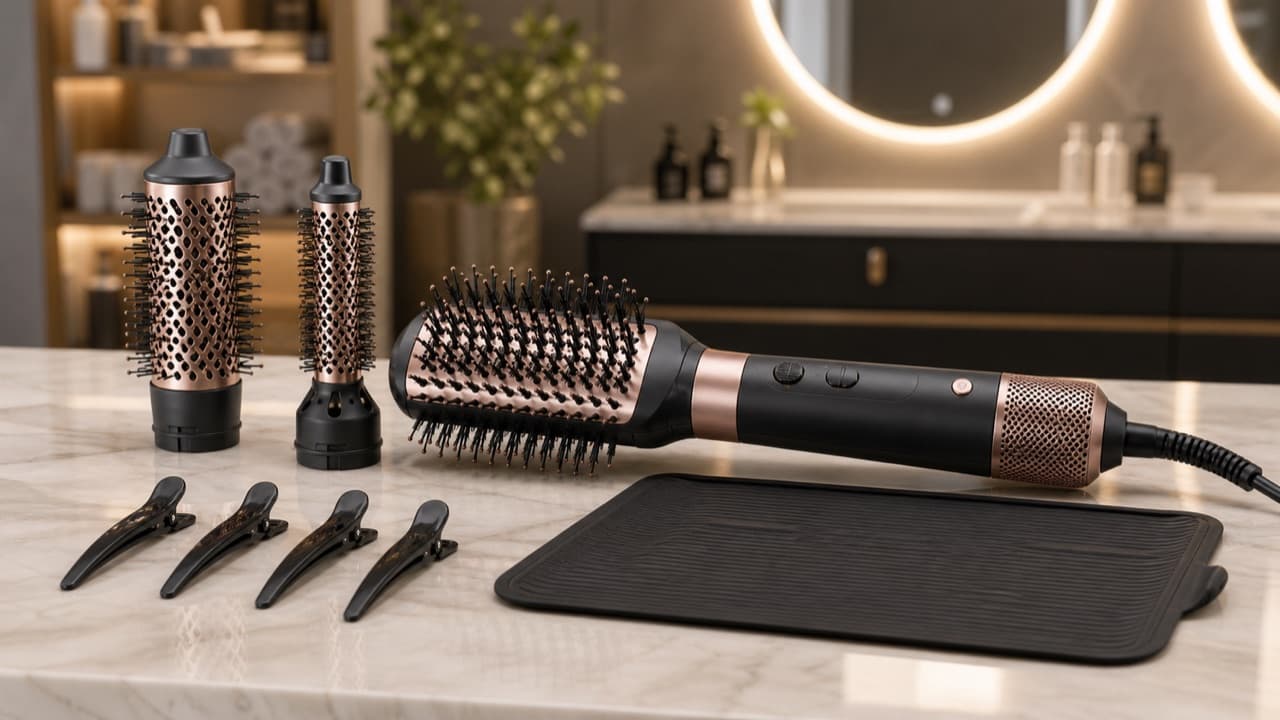
Hot Air Brush Guide: Barrel Size, Settings and Technique
Hot air brush guide: choose barrel shape and size for your hair length, compare rotating vs static brushes, and learn the technique for a smooth blowout.