

How to Measure for a Bathroom Organizer That Fits
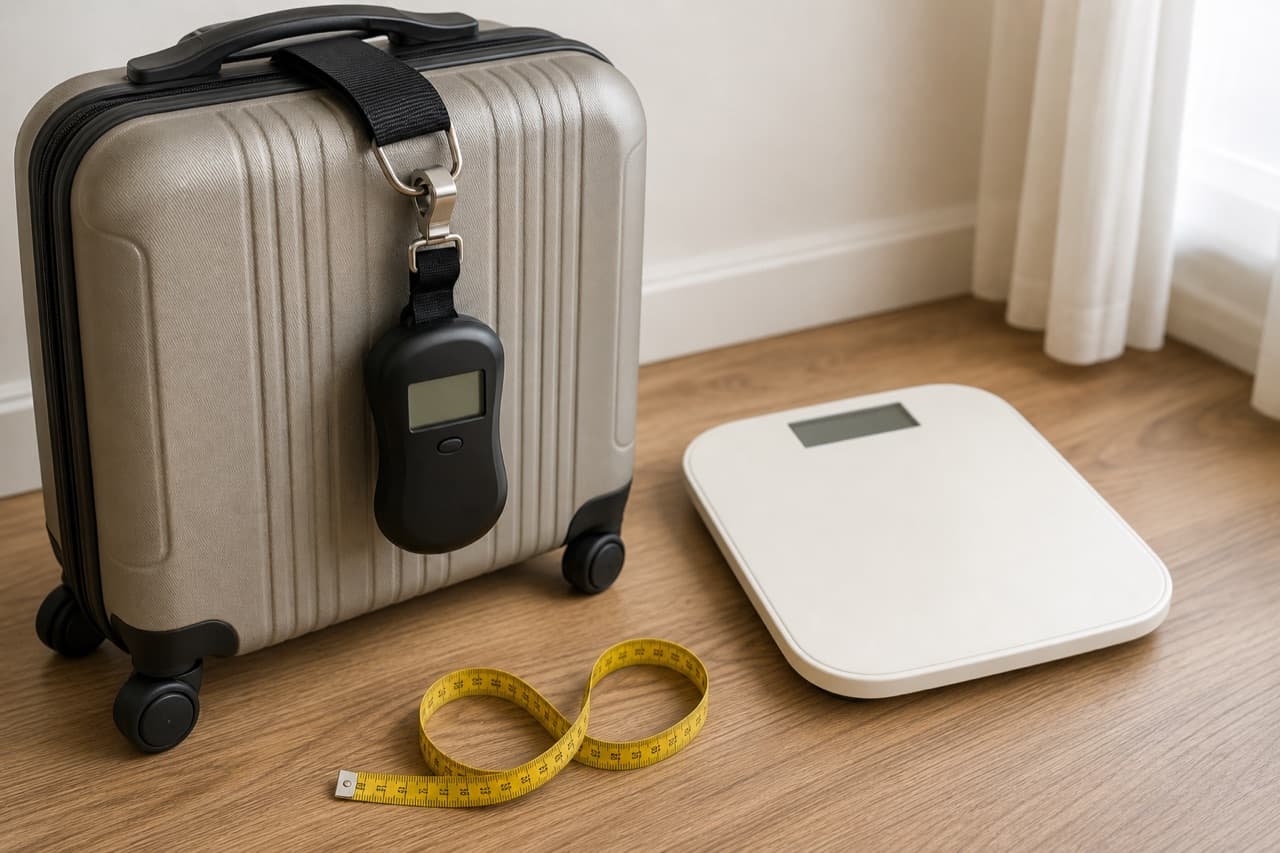
Knowing how to measure for a bathroom organizer saves you from the most common storage return: a rack that clears the toilet tank by a quarter inch too little, or an under-sink unit that collides with the drain trap. The process is quick: measure the space in three dimensions, subtract the clearances you need for doors, pipes and cleaning, then compare against the product’s outer and inner dimensions. This guide is for renters and homeowners fitting storage into small bathrooms, and covers over-toilet racks, under-sink organizers, shower caddies and wall shelves.
Key takeaways
- Measure width, depth and height at the narrowest point of each space, not just the open area you can see.
- For over-toilet racks, the inside leg-to-leg width and the lowest shelf height matter more than the overall size.
- Leave enough room above the toilet tank to lift the lid off for repairs.
- Under-sink space is defined by the pipes; sketch where the drain trap and supply lines sit before buying.
- Mock up a large organizer with painter’s tape on the wall and floor before ordering to check walking space and door swing.
Tools and a quick measuring routine
You need a steel tape measure, a pencil and paper or a phone note, painter’s tape, and a small flashlight for under the sink. For each spot, record:
- Width at the narrowest point, such as between a wall and a vanity edge, or between baseboards.
- Depth from the wall to the front of the space, minus anything protruding like a towel bar or baseboard.
- Height from floor (or shelf) to the lowest obstruction above, such as a medicine cabinet, light fixture or window sill.
- Obstacles: outlets, switches, vents, water valves, door stops and the arc of any door.
Measure twice, write in inches and sixteenths, and note whether the floor or wall is uneven. Older bathrooms often have floors that slope slightly toward the drain.
Over-toilet storage: the measurements that matter
Over-the-toilet racks straddle the toilet with two legs or mount to the wall above it. Measure:
- Toilet width at its widest point. This is usually the tank, often somewhere around 17 to 21 inches (43 to 53 cm), but check the bowl and any flush handle too. The rack’s inside leg-to-leg width needs at least an inch or so of clearance on each side.
- Height to the top of the tank lid. Standard toilets commonly measure roughly 28 to 31 inches (71 to 79 cm) to the top of the tank. The lowest shelf must clear this with room to lift the lid; aim for several inches extra so you can reach the flush mechanism without removing the rack.
- Tank depth from the wall. Feet or a base bar may need to fit behind or beside the tank and the water supply line.
- Total height available. Measure from floor to the ceiling or to any light fixture, mirror or cabinet above.
Freestanding racks are tall and narrow, so stability matters as much as fit. Most include anti-tip hardware; use it. Our over-toilet storage rack safety guide covers anchoring and load limits. If you are considering the 3-Tier Over-Toilet Bathroom Organizer Rack, compare your measurements against the dimensions on its product page before ordering.
Under-sink organizers: working around pipes
Vanity cabinets look roomy until you account for plumbing. Open the doors and measure:
- Interior width between the side walls, and the opening width between the door frames, which is often narrower and is what the organizer must pass through.
- Interior depth from the back wall to the inside of the door, minus any door-mounted racks or hinges.
- Height from the cabinet floor to the bottom of the sink basin, and separately to the lowest point of the drain trap (the U- or P-shaped pipe).
- Pipe position: distance from each side wall to the drain and supply lines. Many sinks leave usable columns of roughly 6 to 10 inches on either side.
Two-tier sliding organizers and U-shaped units built to wrap around a drain work well here. Keep the shut-off valves reachable: in a leak, you need to get to them in seconds without unpacking the cabinet.
Shower caddies, wall shelves and tight floor space
Shower caddies
For hanging caddies, measure from the shower arm to the top of the shower valve or handle, and note the shower arm’s diameter. For tension-pole caddies, measure floor-to-ceiling height in the shower and check the pole’s adjustable range. Corner caddies need the inside corner angle to be square for a snug fit.
Wall shelves and cabinets
Wall studs in US homes are typically spaced 16 inches on center, sometimes 24. A stud finder helps you anchor heavier shelves into wood; otherwise use anchors rated for the load. Keep shelves above the toilet high enough to avoid bumping your head when you stand up, and away from where the shower door or curtain swings.
Floor clearances
US residential code commonly requires at least 15 inches from the toilet’s centerline to any side wall or obstruction and 21 inches of clear space in front of it, with more recommended for comfort. A freestanding cabinet placed beside a toilet should not eat into that space. Check that the bathroom door still opens fully and that drawers can open without hitting the tub or vanity.
Measurements at a glance
| Organizer type | Key measurements | Clearance to leave |
|---|---|---|
| Over-toilet freestanding rack | Toilet width, tank height, floor-to-ceiling | About 1 inch each side; several inches above tank lid |
| Under-sink organizer | Door opening width, interior depth, height to drain trap | Access to shut-off valves and trap |
| Hanging shower caddy | Shower arm to valve height, arm diameter | Space to operate the handle |
| Tension pole caddy | Floor-to-ceiling in the shower | Within the pole’s stated range |
| Wall shelf or cabinet | Width between fixtures, stud location | Head height above toilet, door swing |
| Narrow floor cabinet | Gap between toilet and wall or vanity | Keep toilet side clearance and drawer swing |
Mistakes to avoid
- Using the overall product width for an over-toilet rack. The inside leg spacing is what has to clear the toilet.
- Measuring the cabinet interior but not the door opening. A unit that fits inside may not pass through the face frame.
- Blocking water shut-off valves. In an emergency, every second spent emptying a cabinet counts.
- Ignoring baseboards. They push freestanding units forward, often by half an inch or more, and can make them wobble.
- Choosing materials that cannot handle humidity. Raw particleboard swells and untreated steel rusts; look for powder-coated or stainless metal, sealed bamboo or plastic.
- Skipping the anchor. Tall, narrow racks can tip when a top shelf is loaded.
How to choose the right organizer for your space
- Pick an over-toilet rack if your floor is tight but you have vertical space above the tank.
- Pick an under-sink sliding organizer if your vanity is deep and your products disappear into the back.
- Pick wall shelves if you can anchor into studs and want to keep the floor clear for cleaning.
- Pick a tension-pole caddy if you rent and cannot drill into tile.
Short on space throughout your home? The small-space organization ideas and under-shelf basket guide carry the same measuring habits into other rooms. Browse storage in the home and kitchen category.
Frequently asked questions
How much space do you need above a toilet for a shelf?
Leave enough space above the tank to lift the lid off for repairs, usually several inches. For wall-mounted shelves, many people place the lowest shelf around 2 feet above the tank so it does not crowd anyone using the toilet.
Will an over-the-toilet rack fit any toilet?
Not always. Check that the inside leg-to-leg width is wider than your toilet’s widest point and that the lowest shelf clears the tank lid. Elongated bowls and tall comfort-height toilets are the usual problem cases.
How do I measure under my bathroom sink?
Measure the door opening width, the interior width and depth, and the height to both the sink bottom and the drain trap. Then note how far the pipes sit from each side wall, since that defines usable space.
What material is best for bathroom storage?
Materials that tolerate humidity work best: powder-coated or stainless steel, sealed bamboo, and plastic. Avoid raw particleboard and untreated metal near showers, and wipe up standing water quickly.
How far should a cabinet be from a toilet?
Common US residential code requires at least 15 inches from the toilet’s centerline to a side wall or obstruction, and 21 inches clear in front. Local codes can vary, so check if you are remodeling.
Shop Home & Kitchen
View all →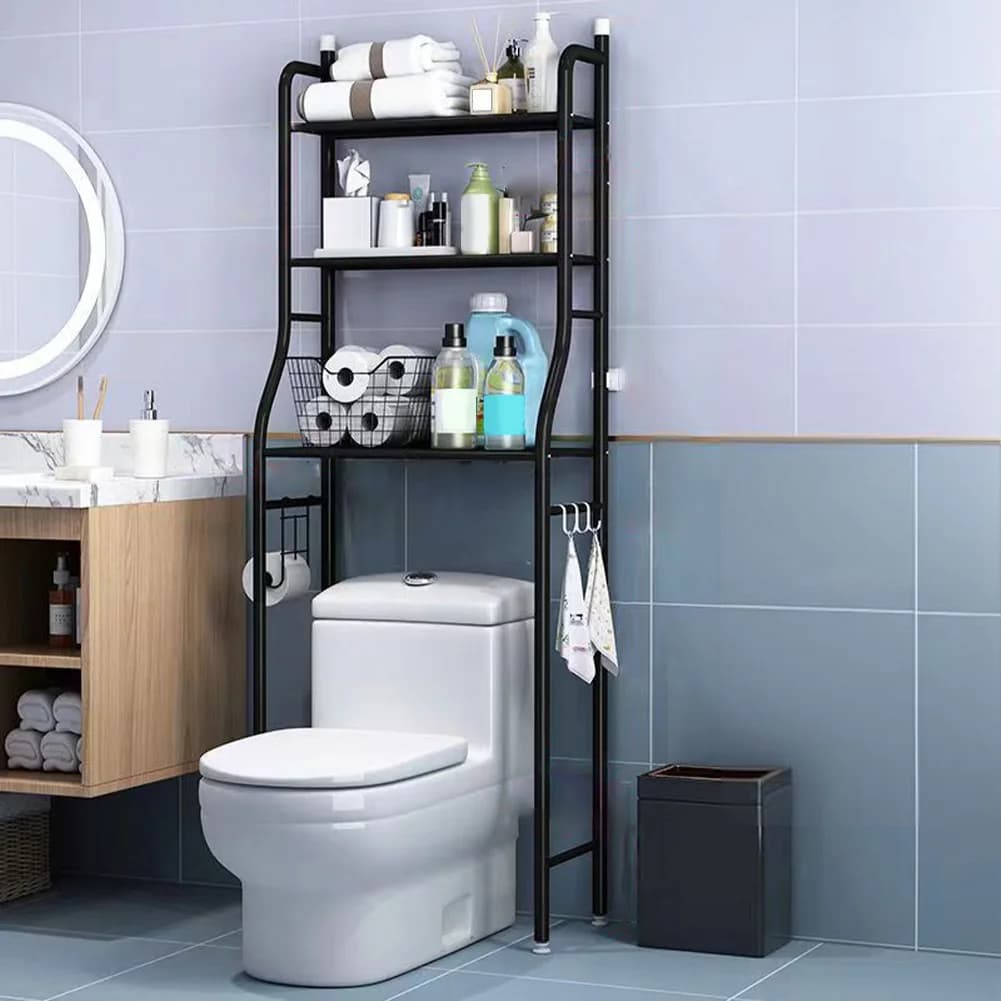
3-Tier Over-Toilet Storage Rack in Powder-Coated Carbon Steel
In stock · Options available · Ships in 7–21 business days
 Sale
Wingback Massage Recliner Chair in PU Leather with Footrest
In stock · Options available · Ships in 7–21 business days
 Sale
Mid-Century Modern Accent Armchairs, Set of Two, Wood Frame
In stock · Options available · Ships in 7–21 business days

Fireplace Flame Ultrasonic Humidifier and Oil Diffuser
In stock · Options available · Ships in 7–21 business days
Continue reading
 Home & Kitchen
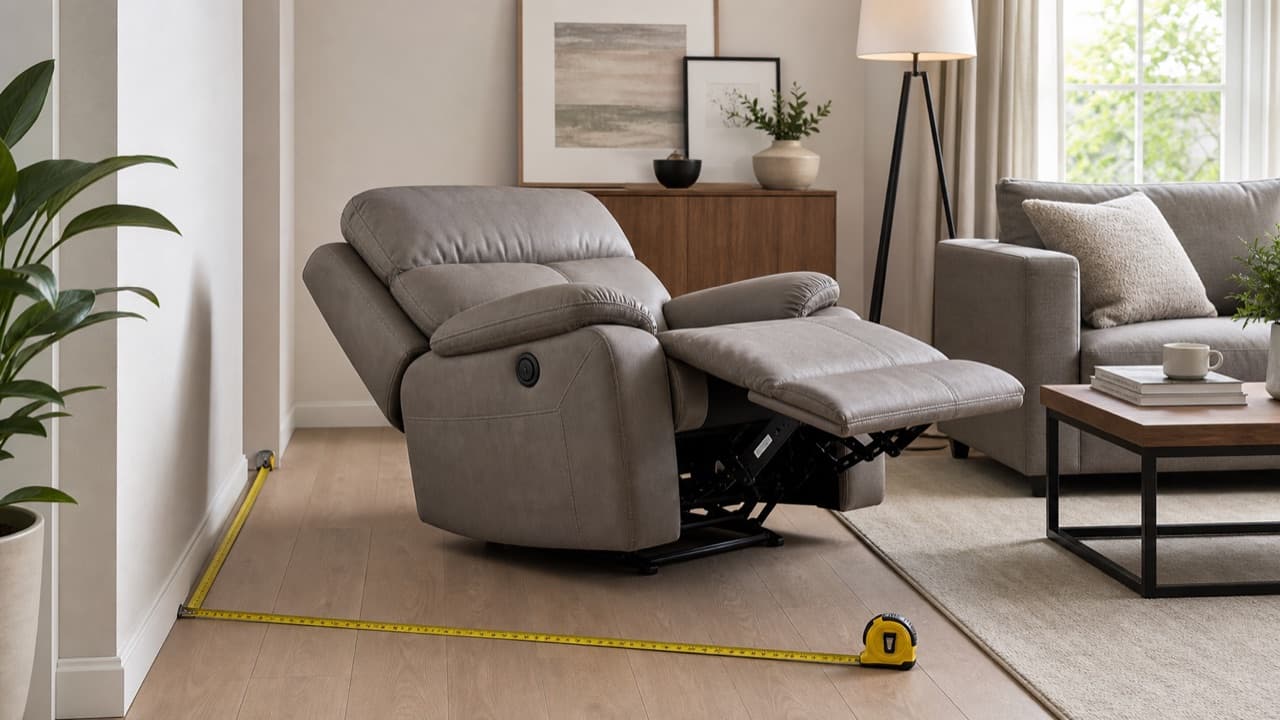
How to Measure for a Recliner: Room, Wall and Doorway
How to measure for a recliner: reclined length, wall clearance, walkways, doorway and stair access, and body-fit sizes so the chair suits you and your room.
 Home & Kitchen
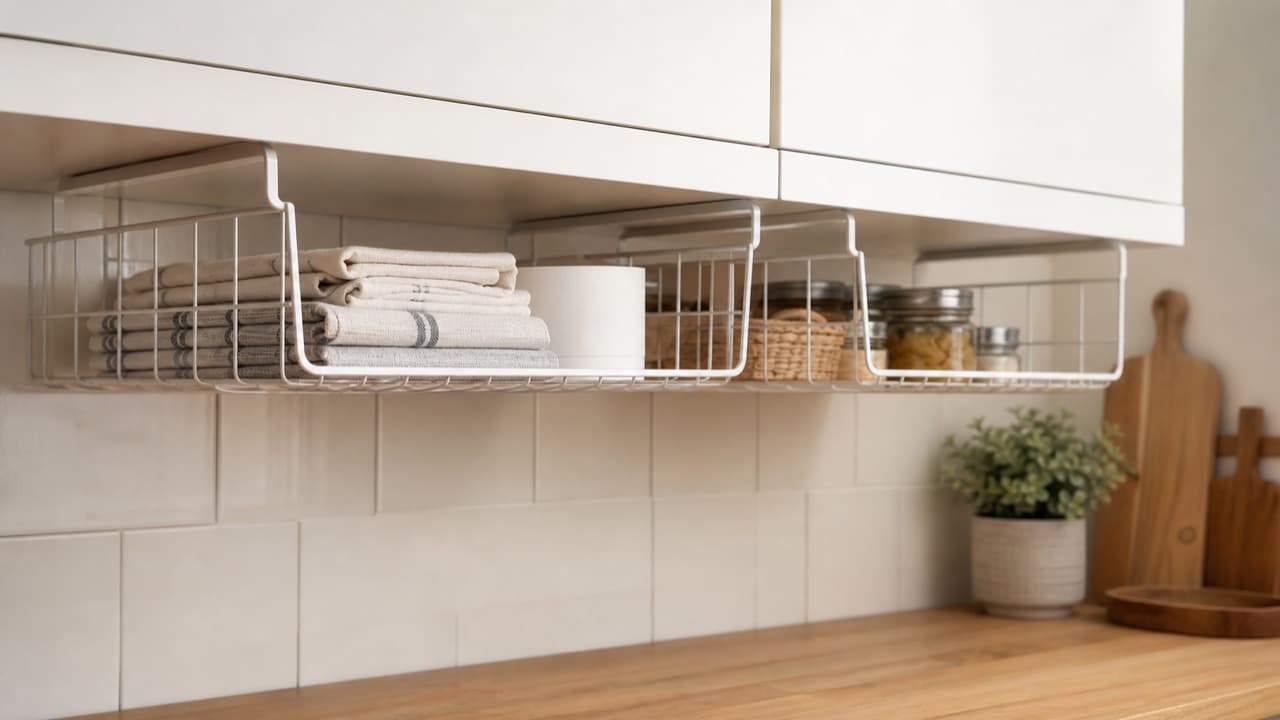
Under-Shelf Baskets for Small Apartments: Fit and Load Guide
Under-shelf baskets for small apartments: how to measure shelf thickness and clearance, which shelves can take them, load limits and the best spots to use one.
 Home & Kitchen
Knife Sharpening at Home: Stones, Rods and Pull-Throughs
Knife sharpening at home explained: honing vs sharpening, whetstone grits and angles, pull-through and electric sharpeners, serrated knives, and safe technique.