

GPS Watch Accuracy: Dual-Band, Pace and Battery Explained
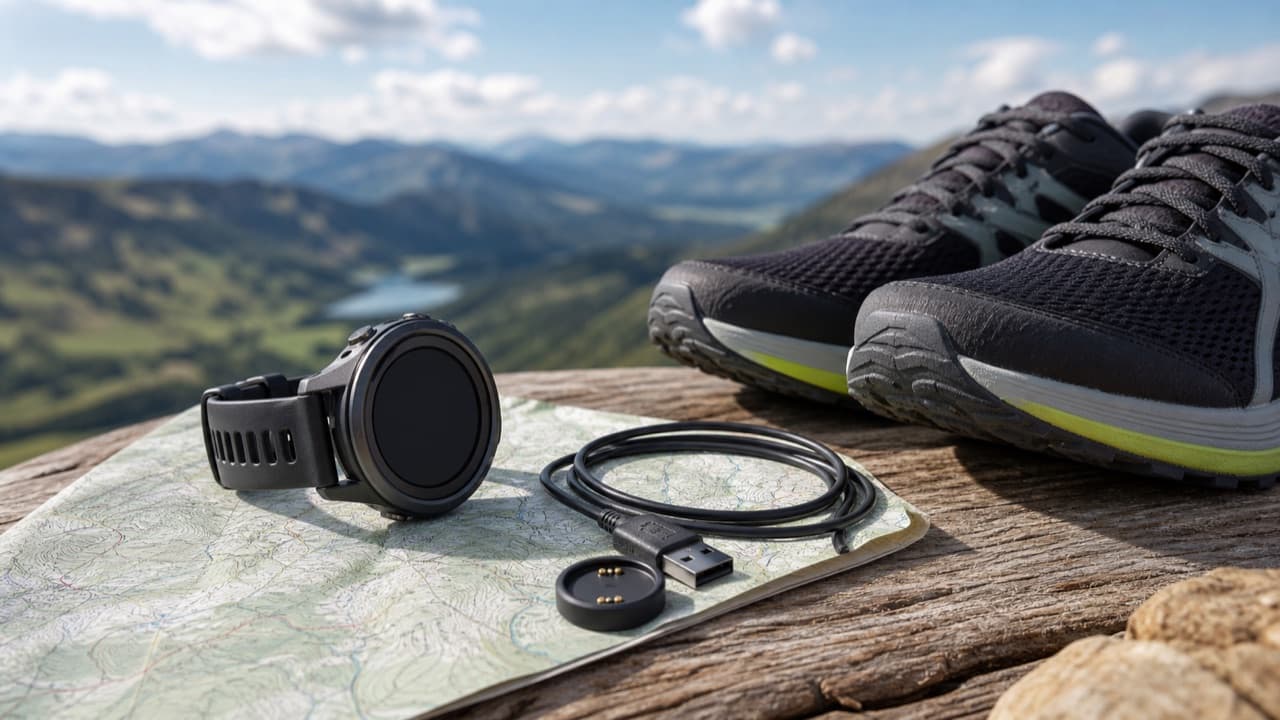
GPS watch accuracy depends mostly on what is around you and which satellite mode you choose: in open terrain most modern sports watches track distance within a few percent, while tall buildings, tree cover and tight switchbacks cause the bigger errors, and dual-band modes help most in exactly those places, at a cost in battery life. This guide is for runners, hikers and cyclists choosing a GPS sports watch or trying to understand why their numbers look off. It explains how satellite tracking works, why pace jumps around, why race distances read long, how to match battery modes to your longest activity, and where wrist heart rate fits in.
Key takeaways
- Open sky gives the best tracking; urban canyons, dense forest and canyons cause most errors.
- Multi-GNSS (GPS plus Galileo, GLONASS or BeiDou) improves satellite coverage; dual-band (L1 plus L5) mainly reduces reflected-signal errors in cities and steep terrain.
- Race distances often read slightly long because certified courses are measured along the shortest possible line.
- Compare battery life in the GPS mode you will actually use, not the smartwatch-days headline.
- Instant pace is noisy by nature; lap pace, a foot pod or a track mode gives steadier numbers.
- Wrist heart rate is fine for steady efforts but lags in intervals; a chest strap is more reliable for hard training.
How GPS watches track you
A sports watch calculates its position by timing signals from several satellites, then joins positions into a track to estimate distance and pace. The term GNSS covers all satellite systems: the US GPS, Europe’s Galileo, Russia’s GLONASS, China’s BeiDou and Japan’s regional QZSS. Under open sky, a consumer watch’s position is usually accurate to within a few meters at any given moment. Distance errors come from those small position errors adding up, and from the watch smoothing or cutting corners on a winding route.
Why signals go wrong
- Multipath: signals bounce off buildings and cliffs before reaching the watch, which makes the track zigzag. This is the main reason city runs look messy.
- Blocked sky: dense tree canopy, tunnels, bridges and deep valleys reduce the number of usable satellites.
- Arm movement: the antenna is on your wrist, swinging and sometimes covered by a sleeve, which slightly degrades reception.
- Cold start: starting before the watch has a solid fix can produce a wild first few hundred feet.
Satellite modes: GPS-only, multi-GNSS and dual-band
| Mode | What it does | Best for | Battery cost |
|---|---|---|---|
| GPS only | Uses one constellation on one frequency | Open roads, beaches, flat open trails | Lowest |
| Multi-GNSS (all systems) | Uses several constellations for more satellites in view | Mixed terrain, light tree cover, suburbs | Moderate |
| Dual-band or multi-band | Adds a second frequency (L5 or E5a) that is more resistant to reflections | Downtown routes, dense forest, mountains and canyons | Highest |
| Power-saving or long-interval | Records position less often | Multi-day hikes and expeditions | Very low, with a less detailed track |
Many watches now offer an automatic mode that switches to dual-band only when the signal environment gets difficult, which is a sensible default for mixed routes. If you mostly run open roads, dual-band adds little and costs battery.
Why your race or track distance reads long
Certified road courses in the US are measured along the shortest possible route a runner could take, cutting every tangent, and USATF adds a small 0.1 percent buffer so the course is not short. Real runners weave around others and run wide on turns, so a watch that reads a marathon as 26.4 or 26.5 miles may be tracking quite faithfully. On a 400-meter track, GPS struggles with the tight curves and short distances; many watches offer a track mode that snaps to lanes, and lap buttons at known markers give the most reliable splits.
Making pace less jumpy
Instant pace is calculated over a few seconds of movement, so small position errors produce big swings. Use lap pace or average pace screens, set automatic laps at each mile or kilometer, or pair a foot pod, which measures stride directly and also works on treadmills. Recording every second rather than in a smart or reduced recording mode gives a more detailed file for later analysis, at a small storage and battery cost.
Battery life by mode: reading the spec sheet
Watch listings often lead with smartwatch battery measured in days, then list GPS battery in hours, sometimes for several modes. A watch claiming two weeks as a smartwatch might manage around a day or less of continuous dual-band tracking, and less again with music or maps. Brightness, always-on display, heart-rate sampling, cold weather and phone notifications all reduce runtime.
- For marathons and long rides: look for at least 1.5 times your expected finish time in the mode you plan to use.
- For ultras and multi-day hikes: look for long-interval or power-saving modes, and check whether you can charge mid-activity without stopping the recording.
- For everyday training: GPS battery matters less than charging convenience; check the cable type and charging time.
ADLTHUB’s North Edge GPS Rugged Sports Smart Watch lists its satellite and battery details on the product page; compare those against your longest activity before ordering.
Heart rate, elevation and other sensors
Wrist heart rate uses an optical sensor that reads blood flow through the skin. It works reasonably well for steady runs and walks when the watch sits snug about a finger’s width above the wrist bone. It is less reliable during intervals, rowing, weightlifting and in cold weather, and can lock onto your cadence instead of your heart rate. A chest strap that reads the heart’s electrical signal is the better choice for structured training zones, and most sports watches can pair one by Bluetooth or ANT+.
Elevation from GPS alone is noisy. Watches with a barometric altimeter usually track climbing more smoothly, though weather changes in pressure can shift readings over long periods; recalibrating at a known altitude helps. Water ratings such as 5 ATM are commonly considered suitable for swimming but not diving; check the manual for what the rating covers on your model. Before syncing routes to an app, check privacy settings so your home address is not visible on public maps; our smartwatch compatibility and privacy guide walks through those settings.
Mistakes to avoid
- Starting before the GPS lock. Wait for the ready signal, ideally standing still in the open for a moment.
- Comparing smartwatch days to GPS hours. Only the GPS figure for your chosen mode predicts activity runtime.
- Running dual-band everywhere. On open roads it burns battery without much benefit.
- Wearing the watch loose or over a sleeve. It hurts both heart-rate readings and reception.
- Skipping software and satellite data syncs. Watches download satellite prediction data through the app, which speeds up the first fix.
- Treating training scores as medical data. Recovery, stress and calorie figures are estimates; use them as trends.
Which GPS watch setup fits you
- Pick a GPS-only or multi-GNSS watch if you run or cycle mostly on open roads and want long battery at a lower price.
- Pick a dual-band watch if you train downtown, under heavy trees, or in mountains and want cleaner tracks.
- Pick a watch with long-interval modes and a barometric altimeter if you hike long days or multiple days.
- Add a chest strap if you train by heart-rate zones or do intervals.
- Add a foot pod if you run on treadmills or tracks often.
For bands that stay comfortable on long sessions, see the watch band material guide, and if you also count rope intervals, the smart jump rope training guide explains how those metrics compare. Browse current watches in the electronics and accessories category.
Frequently asked questions
How accurate are GPS sports watches for distance?
In open conditions, most modern watches track distance within a few percent. Errors grow among tall buildings, under dense trees and on twisty routes, where dual-band modes help most.
Is dual-band GPS worth it?
It is worth it if you often train in cities, forests or mountains, where reflected signals cause zigzag tracks. On open roads the improvement is small and the battery cost is real.
Why does my watch say I ran farther than the race distance?
Certified courses are measured on the shortest possible line with a small buffer, and runners rarely follow that line exactly. Weaving and wide turns add distance, so a slightly long reading is normal.
Why is my pace jumping around?
Instant pace reacts to small position errors over a few seconds. Use lap or average pace, enable auto laps, or pair a foot pod for steadier numbers.
Is wrist heart rate accurate enough for training?
For steady, easy efforts it is often close enough to track trends. For intervals, strength work and zone-based training, a chest strap is generally more reliable.
Shop Tech & Gadgets
View all →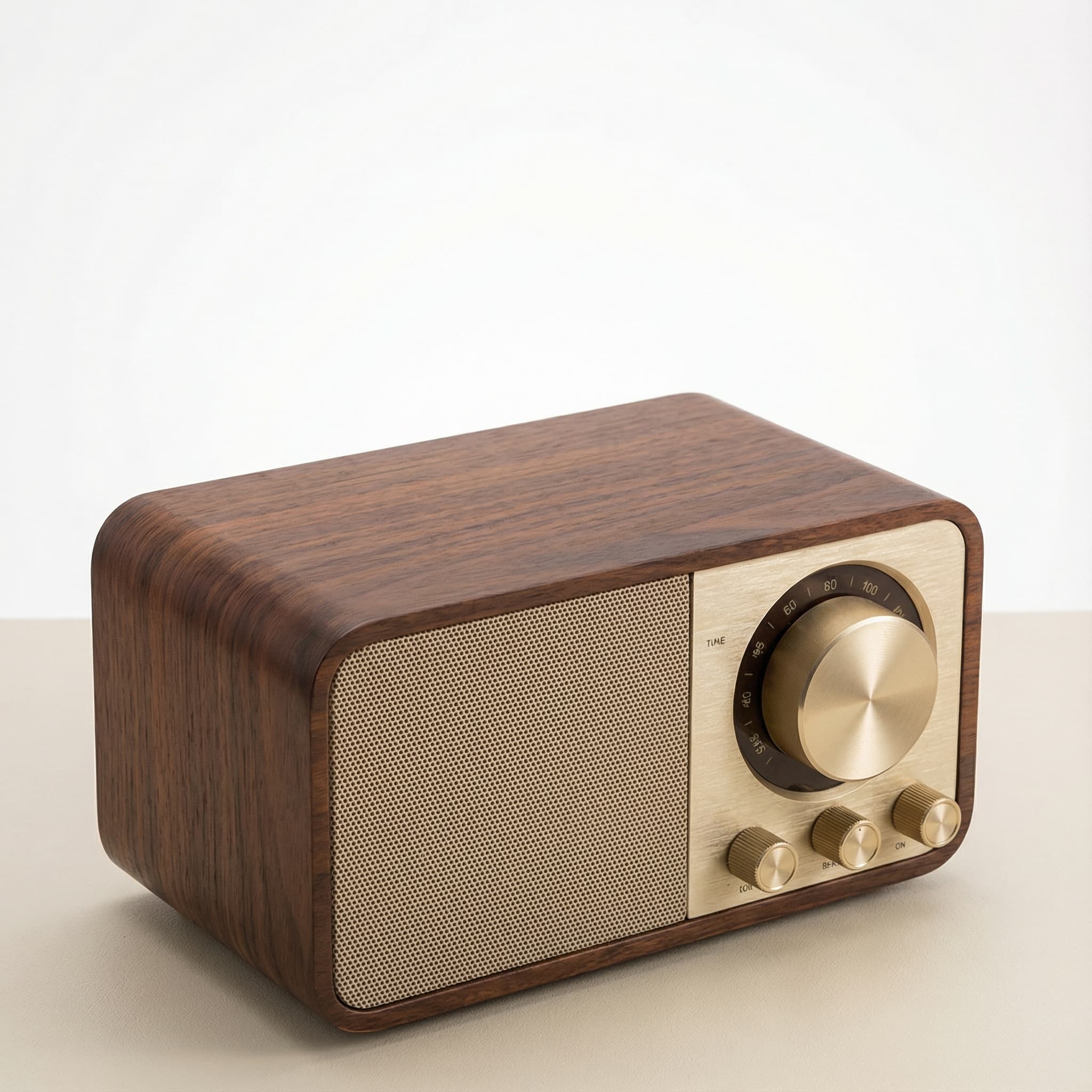 Sale
SaleRetro Wood-Cabinet Bluetooth Speaker with FM Radio
In stock · Ships in 7–21 business days
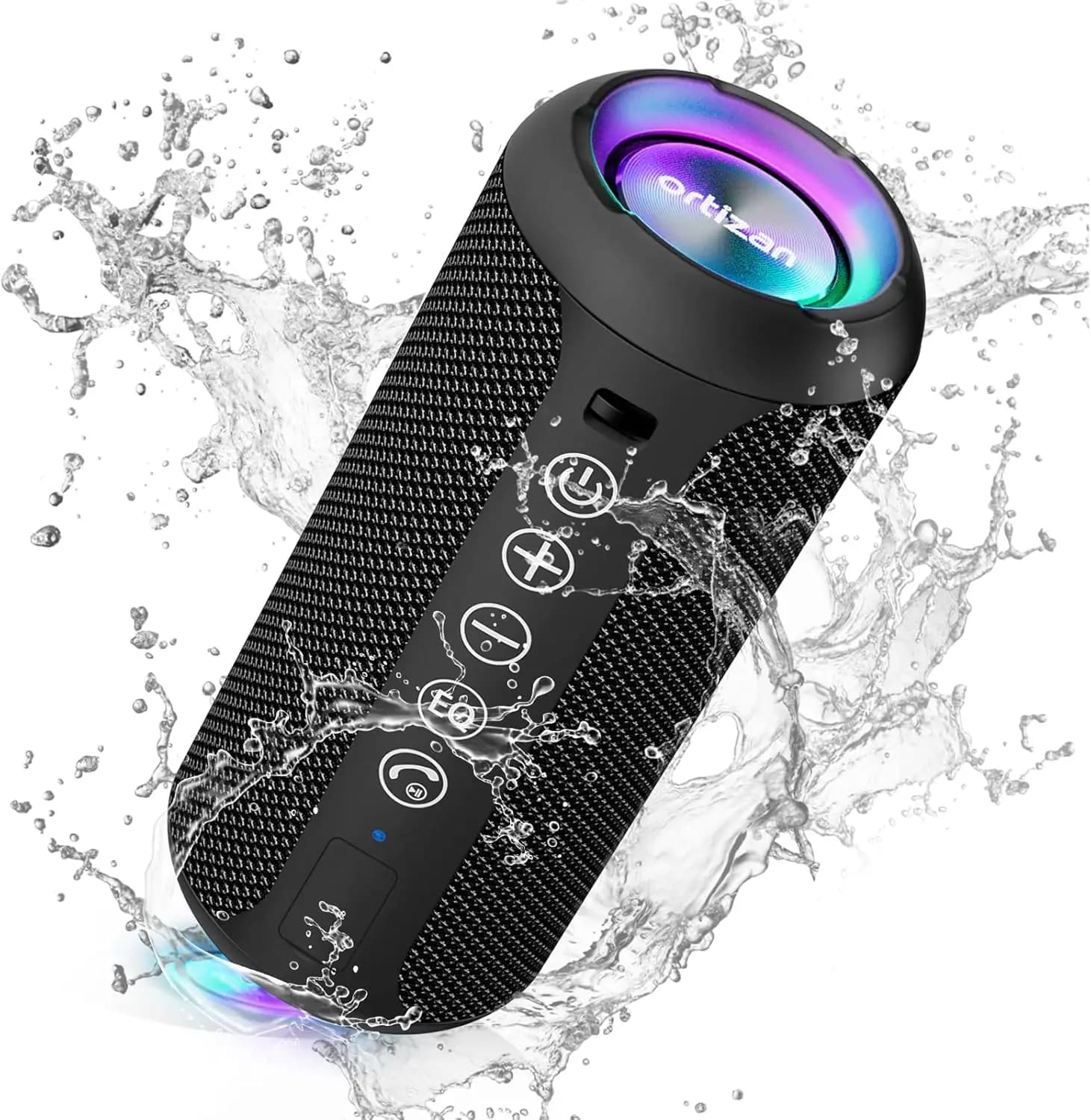
Ortizan X10 Portable Bluetooth Speaker with RGB Lights
In stock · Options available · Ships in 7–21 business days
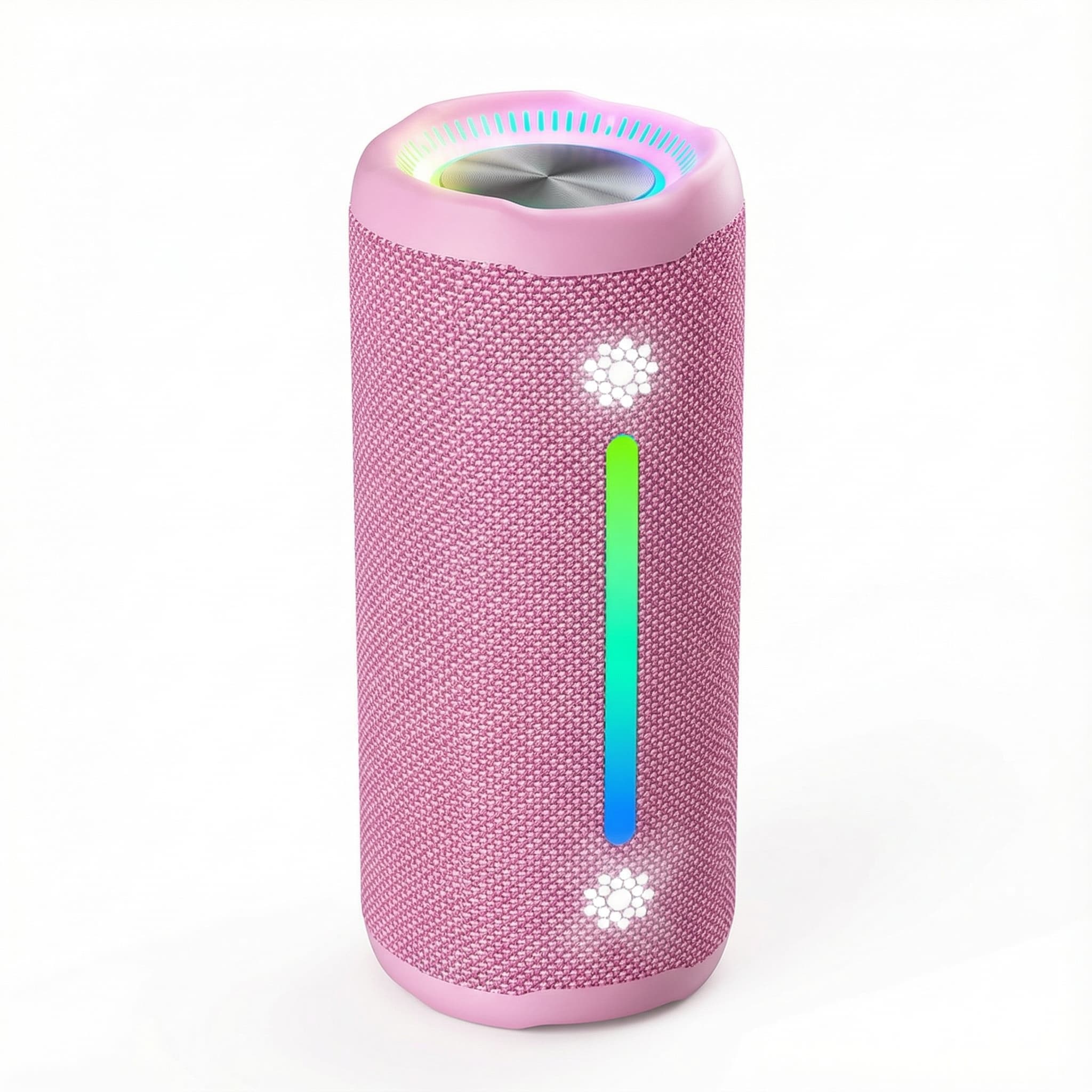
Ohayo X10 Max Bluetooth Speaker with Bass Boost and Lights
In stock · Options available · Ships in 7–21 business days
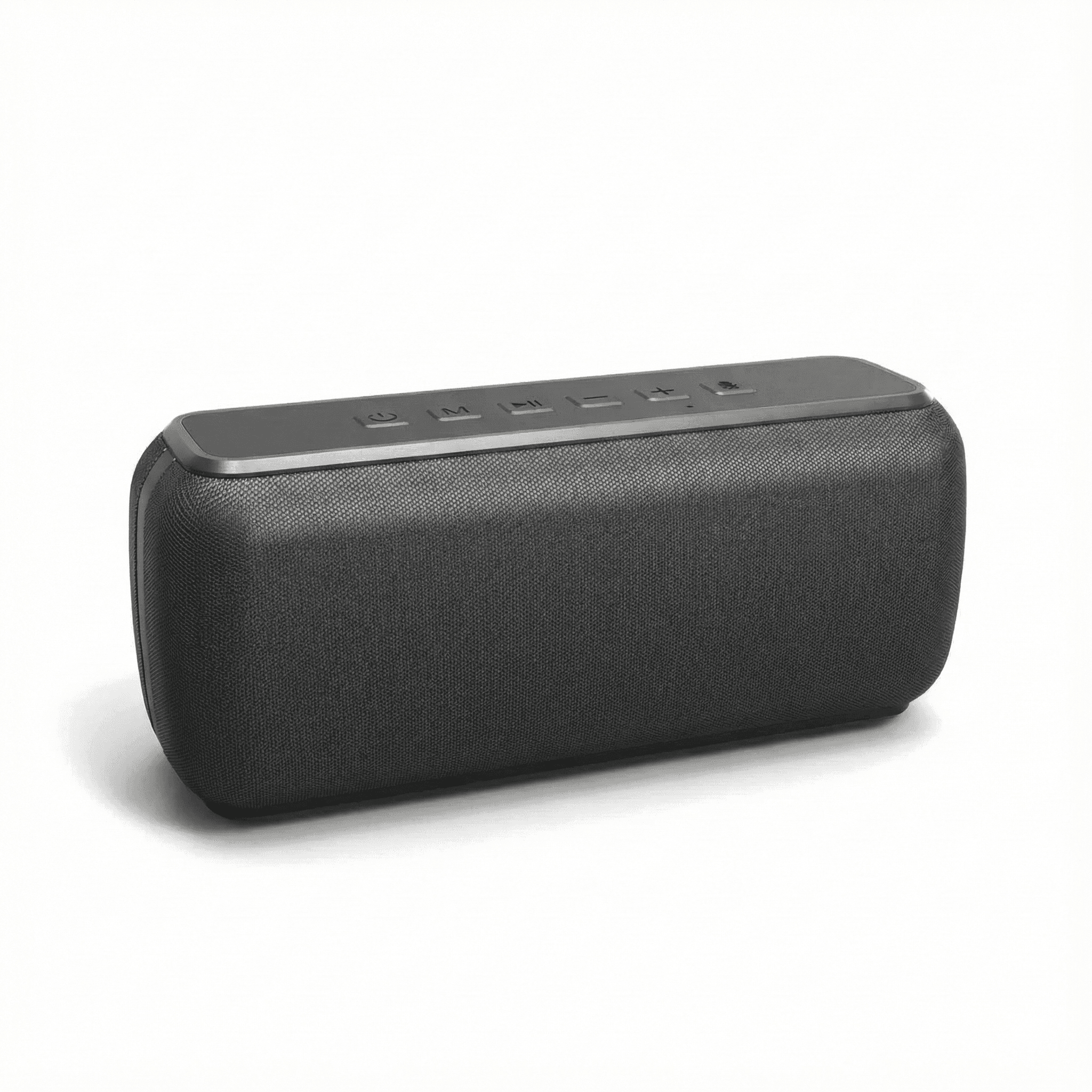
Xdobo X8 II Portable Bluetooth Speaker with Power Bank
In stock · Options available · Ships in 7–21 business days
Continue reading
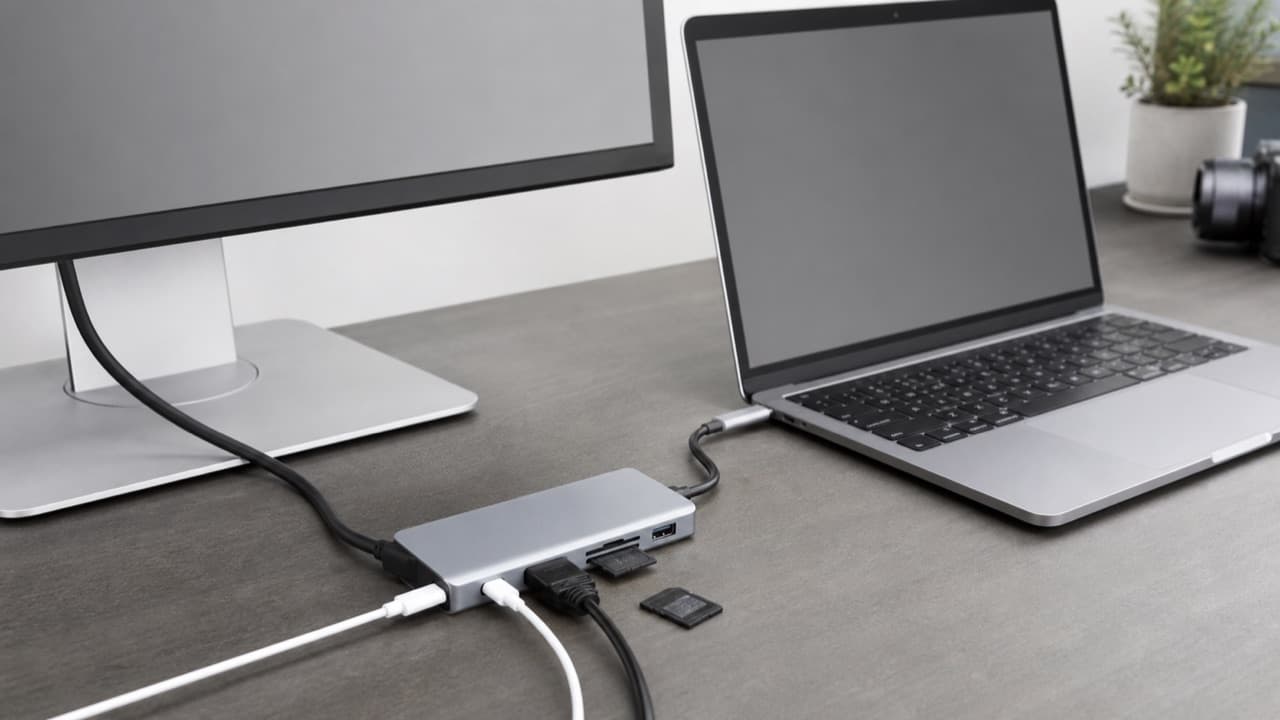 Tech & Gadgets
USB-C Hub Buying Guide: Ports, Video and Power Explained
USB-C hub buying guide: check what your laptop port supports, read data speed labels, size power pass-through and match the video and ports you need.
 Tech & Gadgets
Beginner Camera Drone Buying Guide: Rules, Camera, Battery
A beginner camera drone guide for US flyers: FAA rules by weight, what camera specs really mean, realistic flight time, safety features and repair support.
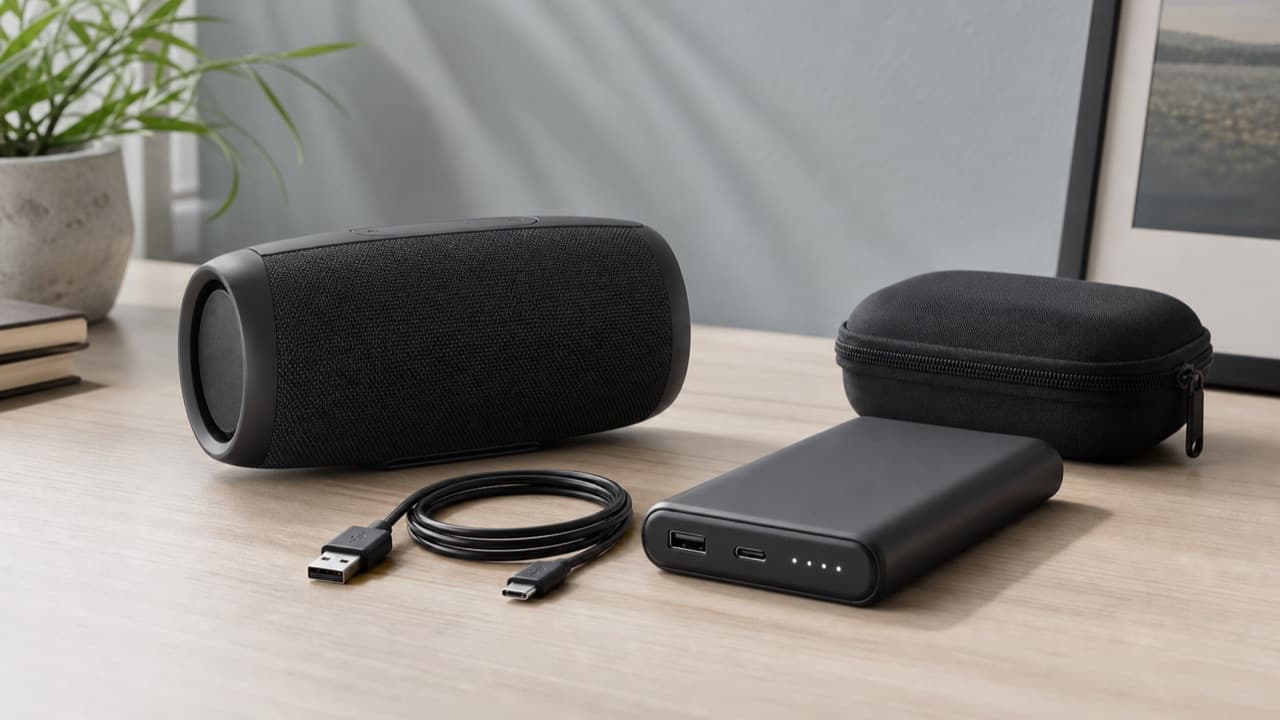 Tech & Gadgets
Portable Speaker Battery Care: Charging, Storage and Heat
Portable speaker battery care made simple: how to charge, store and use a Bluetooth speaker so its lithium-ion battery lasts longer and stays safe.