

Water Flosser Benefits and How to Use One Safely
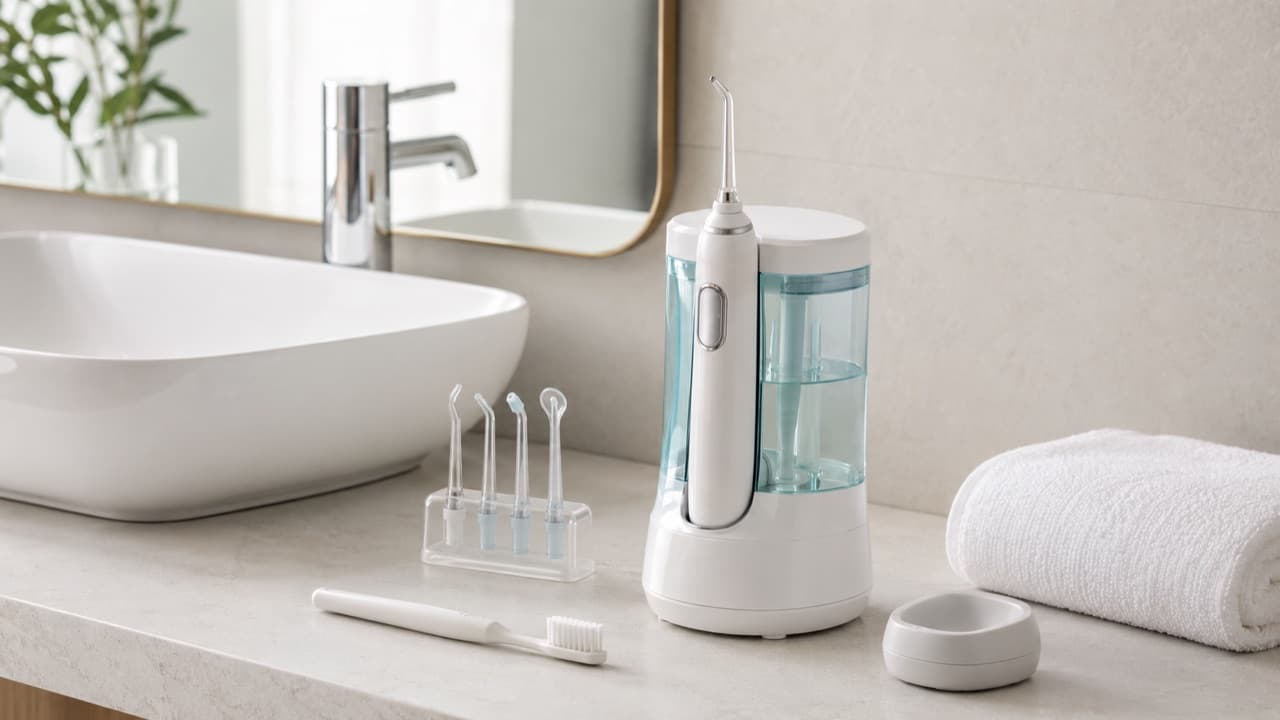
The main water flosser benefits are practical ones: a pulsing stream of water cleans between teeth and along the gumline in places a toothbrush misses, and it is much easier than string floss for people with braces, bridges, implants or limited hand dexterity. It is an addition to brushing twice a day, not a substitute for it, and whether it can replace string floss for you is a question for your dentist or hygienist. This guide is for anyone deciding whether a water flosser is worth buying and how to use one safely from the first day.
Key takeaways
- Water flossers help remove food debris and soft plaque between teeth and below the gumline; they are especially useful around orthodontic brackets, implants and bridges.
- Start on the lowest pressure setting and increase gradually. More pressure is not more cleaning if it hurts.
- Some gum bleeding in the first week or two can happen as you start any new cleaning routine; bleeding that persists or gets worse needs a dental check.
- Countertop units have bigger tanks and more pressure options; cordless units travel and fit small bathrooms but need refilling mid-session.
- Look for the ADA Seal of Acceptance on the specific model if you want an independent check of safety and effectiveness claims.
What a water flosser does well (and where it falls short)
A water flosser, sometimes called an oral irrigator, pumps a thin, pulsing stream of water through a tip. Aimed at the gumline and the gaps between teeth, it flushes out trapped food and disrupts soft plaque. Because the stream can reach a little below the gumline and around hardware, it suits situations where string floss is slow or awkward.
Where it is less effective is tight contacts between teeth. String floss physically scrapes the tooth surface in the contact point; water mainly flushes. Some people use both, some use a water flosser alone, and dental professionals differ in what they recommend depending on the patient. That is why the honest advice is to ask your dentist what fits your mouth, especially if you have gum disease or deep pockets.
Who tends to benefit most
- Braces and aligner attachments: threading floss under wires is tedious, and food packs around brackets.
- Implants, crowns and bridges: the stream reaches under bridge pontics and around implant abutments.
- Limited dexterity: arthritis, tremor or reduced grip make string floss difficult.
- People who simply will not floss: a method you use daily beats a better method you skip.
How to use a water flosser step by step
- Fill with lukewarm water. Cold water can make sensitive teeth ache. Do not add mouthwash, salt or anything else unless the manual explicitly allows it, since additives can damage seals and void warranties.
- Pick the lowest setting for your first sessions, and choose the standard jet tip unless you have a specific need (orthodontic, implant or soft-tip options exist on many models).
- Lean over the sink before switching on. Put the tip in your mouth, close your lips enough to stop splashing but let water drain out into the sink.
- Aim at the gumline at about 90 degrees, not straight up into the gums.
- Trace along the gumline, pausing a few seconds in each gap between teeth. Start with the back teeth and work around the outside, then the inside, of each arch.
- Allow about one minute per session; many units have a timer. Once a day is the usual routine.
- Empty, rinse and air-dry the reservoir and tip when finished.
Expect some mess the first few times. Most people get it under control within a week once they find the right lip position and pressure.
Pressure settings and gum safety
Water flossers are adjustable for a reason. Pressure ranges vary by model, from a few pounds per square inch at the gentlest setting to well over 50 psi at the top. The right setting is the one that feels firm but never painful. Very high pressure aimed straight into a pocket can be uncomfortable and is not necessary for good cleaning.
Use extra caution and check with your dentist first if you have recently had oral surgery or an extraction, have open sores or severe gum disease, have a bleeding disorder or take blood thinners, or have been told to avoid irrigation in a specific area. Children should only use one with supervision and a model and setting appropriate for their age. Stop and seek dental advice if you get pain, swelling or bleeding that continues after the first couple of weeks.
Countertop vs cordless water flossers
| Factor | Countertop | Cordless |
|---|---|---|
| Reservoir | Large, typically enough for a full session | Small, often needs a refill to finish |
| Pressure range | Usually more settings and higher top end | Fewer settings; may drop as battery drains |
| Space | Needs counter space and an outlet nearby | Stores in a drawer or cabinet |
| Travel | Not practical | Good; check voltage and charging method |
| Shower use | No (plugged in) | Some models are rated for it; check the manual |
| Long-term care | Hose and pump to keep clean | Battery ages; check whether it is replaceable |
Bathroom electrical safety still applies: keep a countertop unit’s plug and cord away from the sink and tub, use a GFCI-protected outlet, and never handle a plugged-in unit with wet hands near standing water. Charge cordless models only with the supplied charger and only when the charging port or base is dry.
Cleaning, tips and running costs
Water that sits in a reservoir or hose can grow biofilm, and hard water leaves mineral scale that weakens flow. A simple routine prevents both:
- After each use: empty the reservoir, run the unit for a few seconds without water if the manual says so, and leave the tank open to dry.
- Weekly: wash the reservoir with warm soapy water or in the top rack of the dishwasher only if the manual says it is dishwasher-safe.
- Monthly or when flow weakens: descale following the manual, commonly with a diluted white vinegar solution pumped through, then plain water.
- Tips: replace on the maker’s schedule, commonly every three to six months, or sooner if bristles (on brush tips) splay or the jet looks uneven. Each family member needs their own tip.
Budget for replacement tips and, with cordless models, eventual battery fade. A model with widely available tips is cheaper to own than one with a rare proprietary fitting. If you are building a broader routine, our daily grooming routine for busy professionals shows how to fit oral care into a few minutes, and our carry-on toiletry bag guide helps if you plan to travel with a cordless unit.
Mistakes to avoid
- Starting on high pressure. It hurts, it sprays and people give up. Build up over a couple of weeks.
- Using it instead of brushing. A water flosser cleans between teeth; it does not replace brushing with fluoride toothpaste.
- Adding mouthwash or essential oils without checking the manual. Some additives damage pumps and seals.
- Leaving water in the tank. Standing water is where biofilm and odor start.
- Ignoring persistent bleeding. A little early bleeding can settle; ongoing bleeding is a reason to see a dentist, not to stop cleaning.
- Sharing tips. Tips are personal hygiene items; color-coded tips exist for a reason.
Which water flosser fits you
Pick a countertop model if you floss at one sink, want the widest pressure range and a reservoir that lasts a whole session, or have braces and need extended cleaning time. Pick a cordless model if counter space is tight, you share a bathroom, or you travel often. Pick one with specialty tips if you have implants, bridges or orthodontic work, and confirm those tips are sold separately for future replacement. Whatever you choose, show it to your hygienist at your next visit and ask them to watch your technique. Browse oral and grooming tools in the personal care category.
Frequently asked questions
Is a water flosser better than regular floss?
Neither is best for everyone. Water flossers are easier to use and very good around braces, implants and bridges, while string floss scrapes tight contact points more directly. Ask your dentist which suits your teeth, and choose the method you will actually use daily.
Can a water flosser damage gums?
Used correctly on a sensible setting, it is gentle for most people. Problems usually come from very high pressure, aiming straight into the gums or using it on recently treated areas. Start low and stop if you have pain.
Is it normal for gums to bleed when using a water flosser?
Some bleeding in the first week or two can happen when you start cleaning between teeth more thoroughly. If it continues beyond that, gets worse or comes with swelling or pain, see a dentist.
Should I water floss before or after brushing?
Both orders are common. Many people floss first to clear debris so fluoride toothpaste can reach more tooth surface, but consistency matters more than order. Follow your dentist’s preference if they have one.
Can I put mouthwash in a water flosser?
Only if the manual for your model allows it, and usually only diluted. Some ingredients can damage seals and pumps or void the warranty. Plain lukewarm water is the safe default.
Shop Beauty & Personal Care
View all →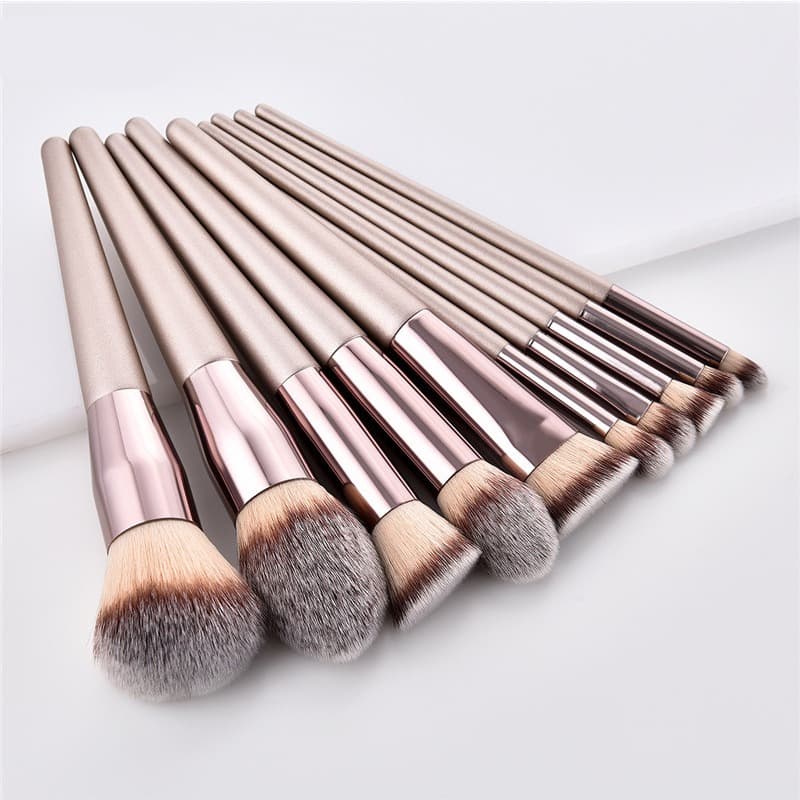 Sale
SaleChampagne Gold Makeup Brush Set with Travel Pouch
In stock · Options available · Ships in 7–21 business days
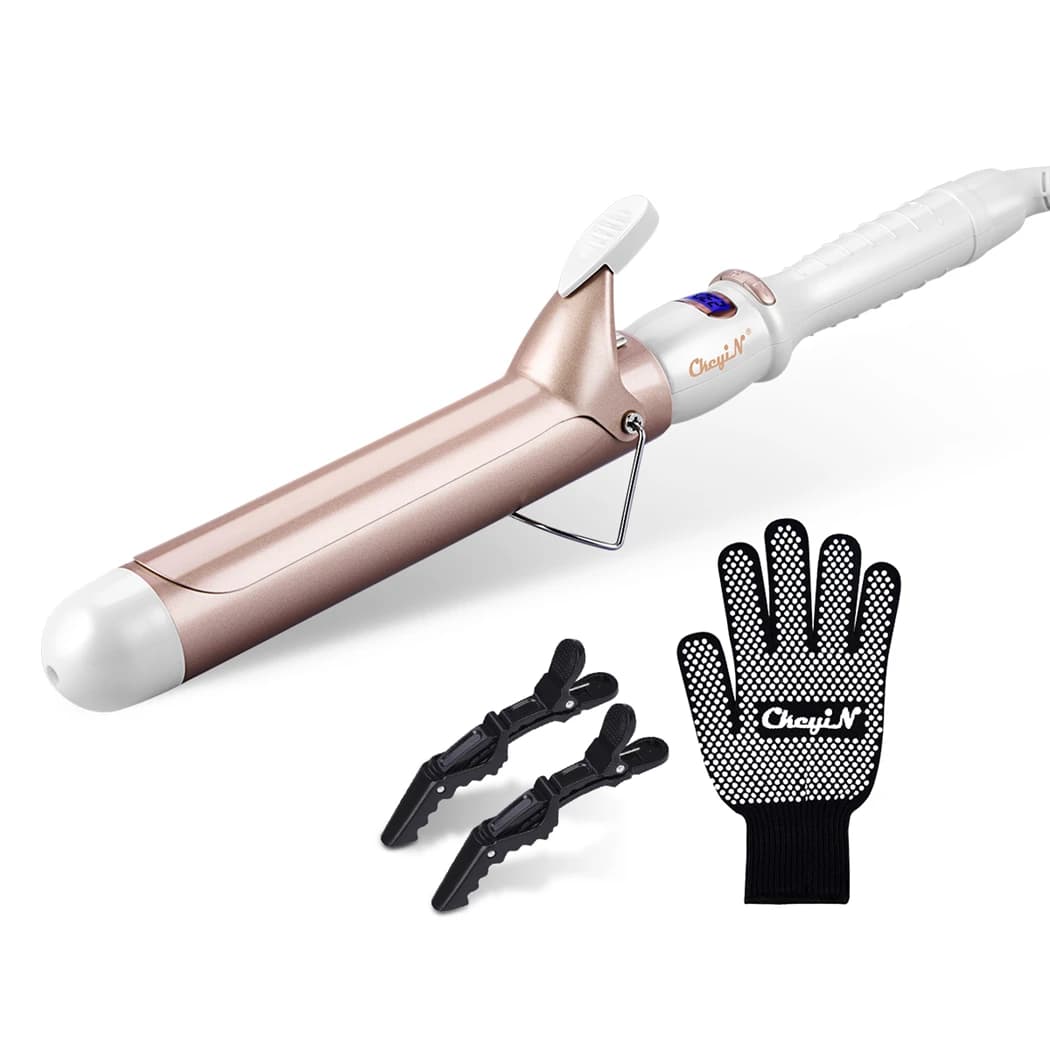
Tourmaline Ceramic Hair Curler with Adjustable Heat
In stock · Options available · Ships in 7–21 business days
 Sale
SaleRotating Hot Air Brush with Ceramic Tourmaline Barrel
In stock · Ships in 7–21 business days
 Sale
SaleHigh-Speed Brushless Ionic Hair Dryer with Magnetic Nozzle
In stock · Options available · Ships in 7–21 business days
Continue reading
 Beauty & Personal Care
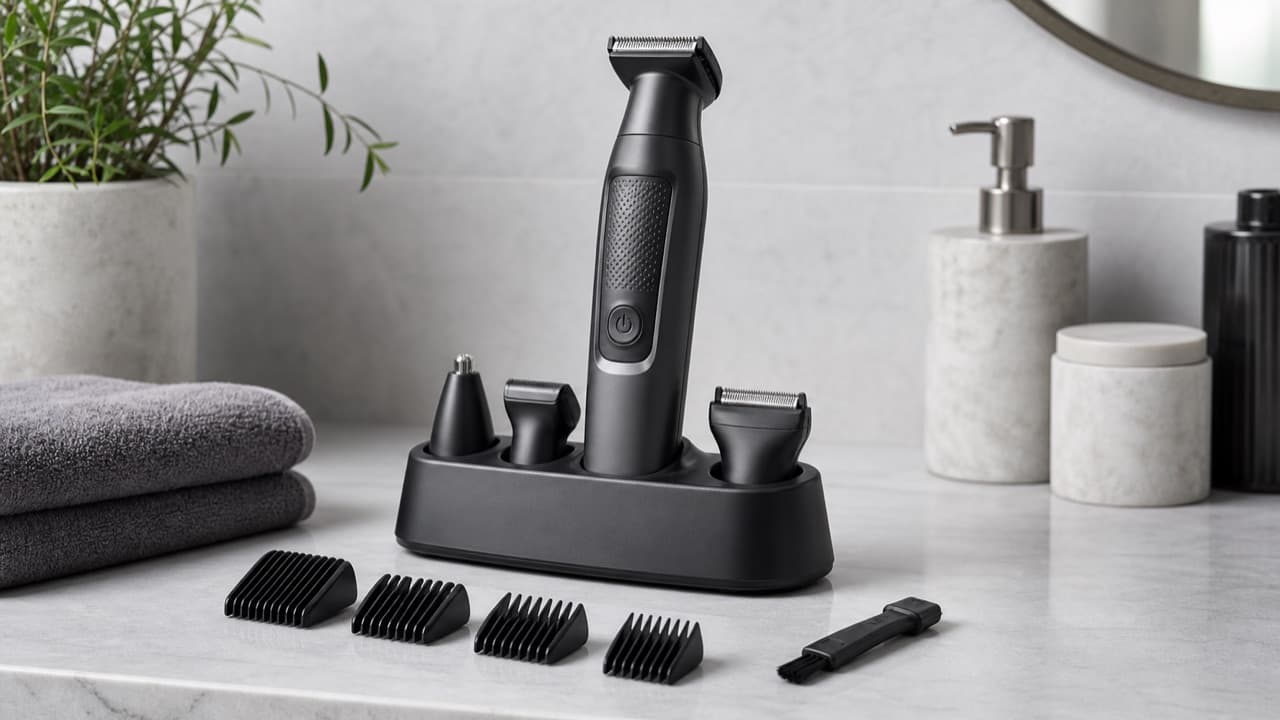
How to Use a Body Groomer Safely and Keep It Clean
How to use a body groomer on chest, back, underarms and groin with fewer nicks and less irritation, plus a cleaning, oiling and blade replacement routine.
 Beauty & Personal Care
How to Use a Silicone Facial Cleansing Brush Gently
How to use a silicone facial cleansing brush: technique, how often to use it, which skin types should go easy, and how to clean and store the device safely.
 Beauty & Personal Care
How to Use Heat Protectant Spray the Right Way
How to use heat protectant spray: when to apply it, how much to use, wet vs dry formulas, sectioning and wait times, so it actually helps your heat styling.